
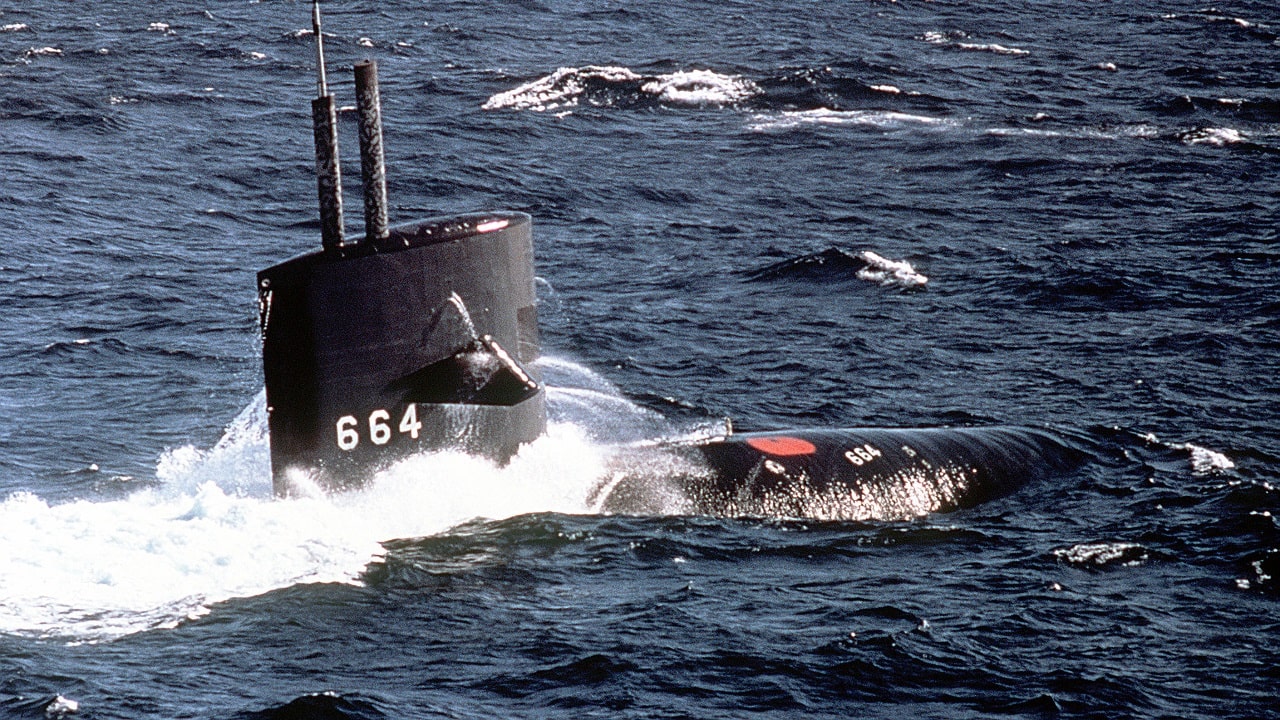
Key Points and Summary – USS Thresher’s sinking on April 10, 1963—during deep-dive trials off Cape Cod—remains a defining cautionary tale for the U.S. Navy as it fields modern Columbia- and Virginia-class submarines. After garbled communications with the support ship Skylark, Thresher was lost with 129 aboard and later found shattered on the seafloor.
-Investigators judged a seawater piping failure likely triggered flooding, electrical casualties, a reactor scram, and a descent past crush depth, though uncertainties persist.
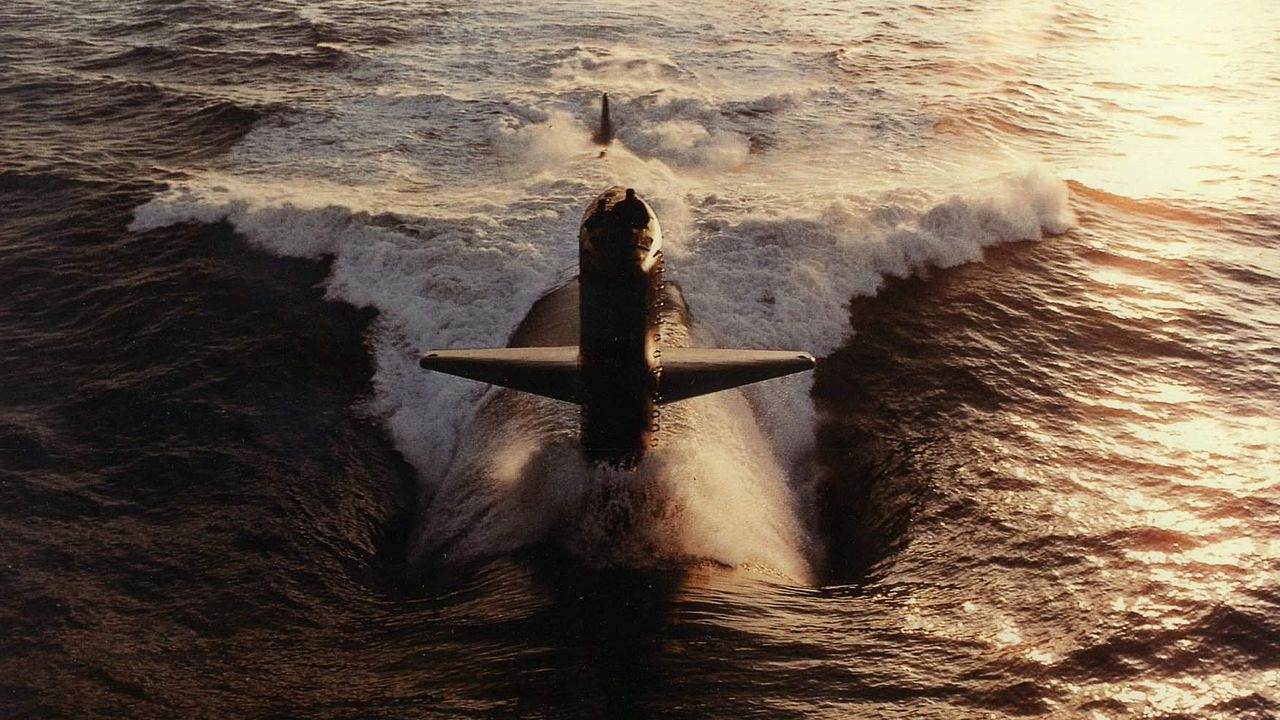
Sturgeon-Class submarine. Image Credit: Creative Commons.
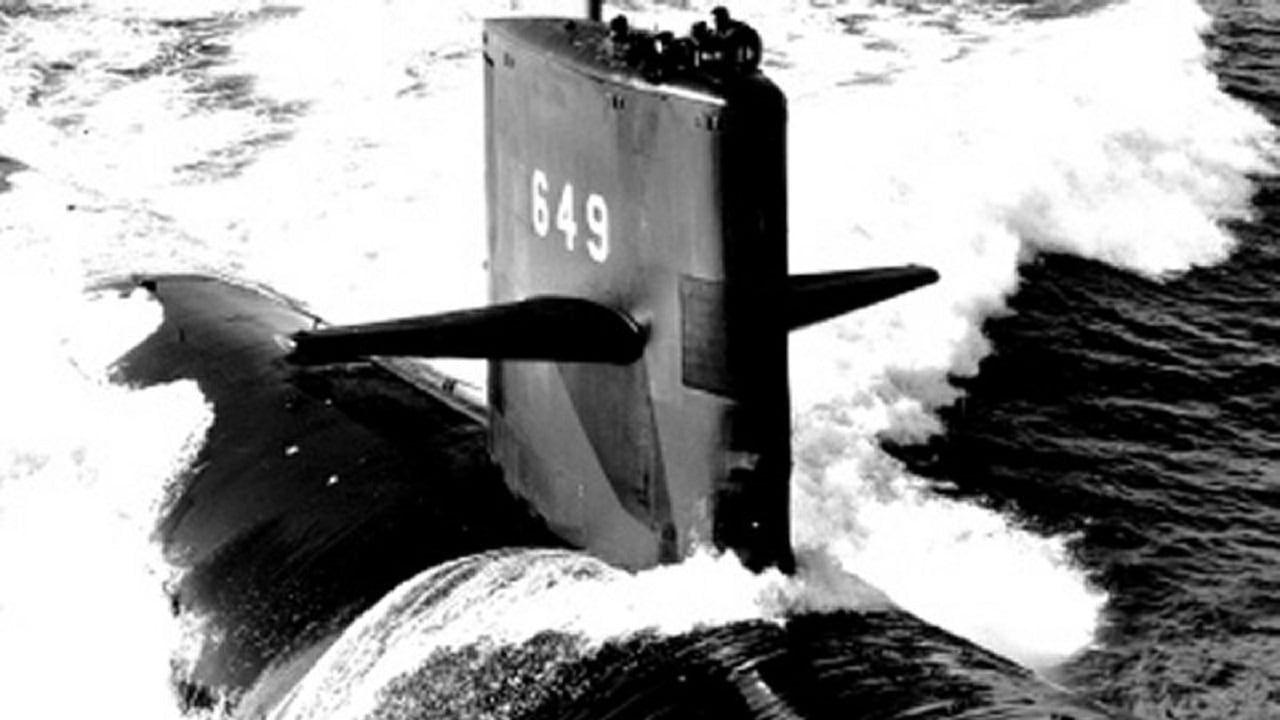
USS Sunfish SSN-649. Sturgeon-Class Submarine.
-The disaster produced SUBSAFE, a strict certification and quality program for pressure-boundary systems. Since its adoption, no SUBSAFE-certified U.S. submarine has been lost.
-In 2025, as the U.S. Navy proceeds with the development and deployment of its next-generation submarine classes, among them the Columbia-class ballistic missile submarines and the Virginia-class attack submarine program, the legacy of the USS Thresher still lingers.
-The lessons of that disaster today inform the Navy’s modern, stringent safety protocols—and remind officials of the risks they face every day.
U.S. Navy Submarine Disaster: What Happened
On April 10, 1963, Thresher sank during deep-dive trials approximately 220 miles east of Cape Cod, Massachusetts. 129 sailors and civilian personnel were on board at the time.
Thresher was the lead vessel of its class of nuclear-powered attack submarines, and one of the most remarkable and cutting-edge examples of undersea technology at the time.The loss of the vessel occurred during what was intended to be a simple, routine deep-sea diving test following a major overhaul of the ship.
The submarine began descending in circles, pausing its descent at intervals to test its systems and ensure communication links with the surface.
At some point during the dive, Skylark – the surface ship with which the submarine was communicating – received garbled and nonsensical communications from Thresher, including a faint message that seemed to include the word “900.” Soon after, all contact with the vessel was lost.
An extensive search was launched, involving surface ships, other submarines, and deep-ocean search equipment.
USS Thresher: A Story in Photos
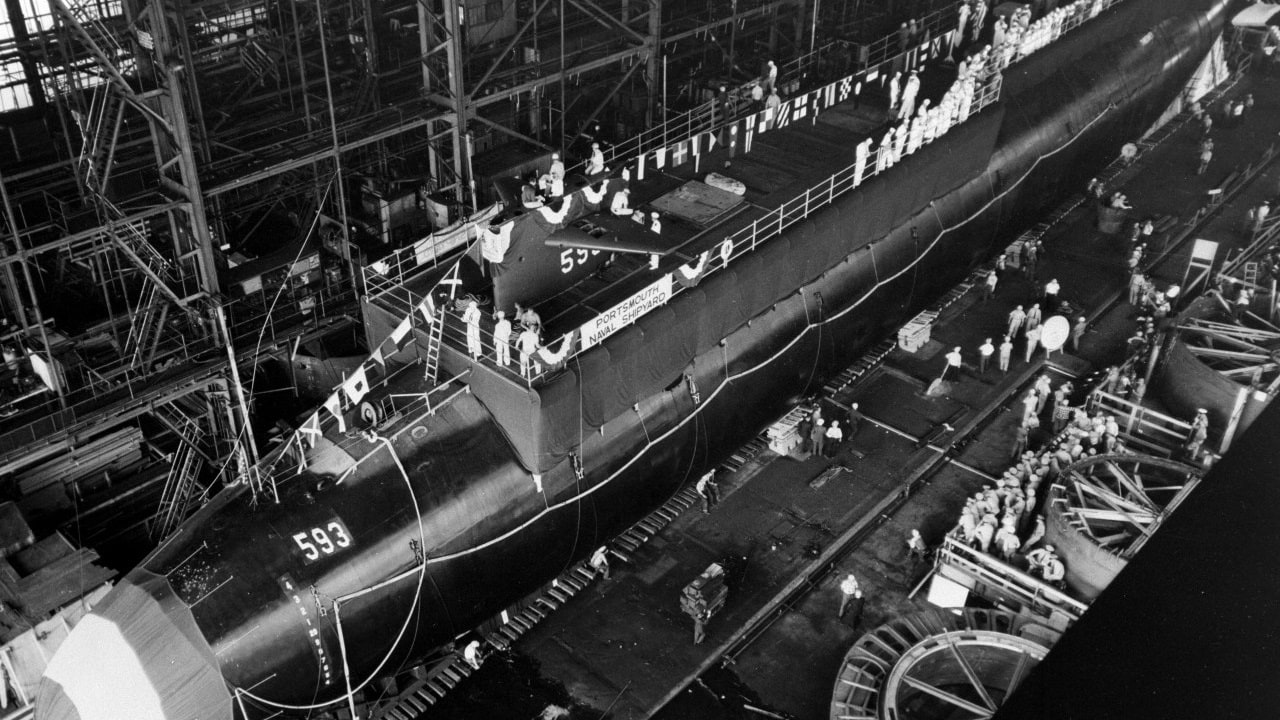
USS Thresher. Image Credit: Creative Commons.
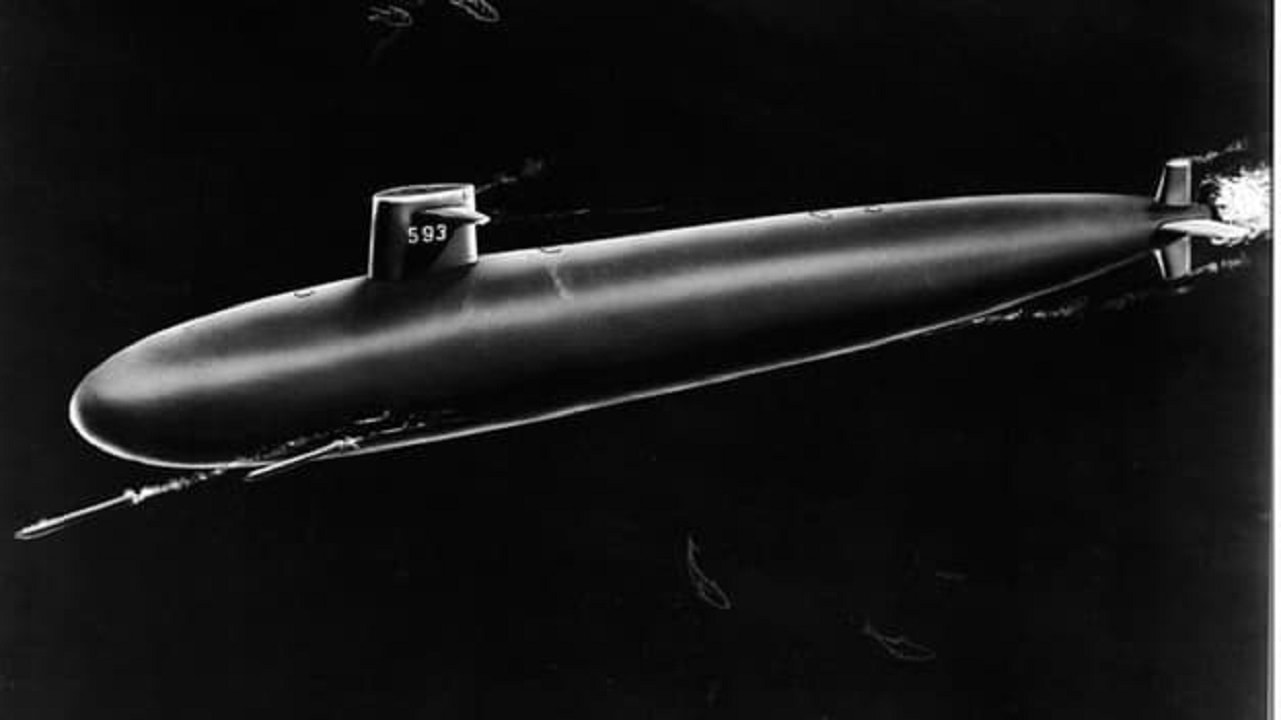
USS Thresher Artist Rendering. Image Credit: Creative Commons.
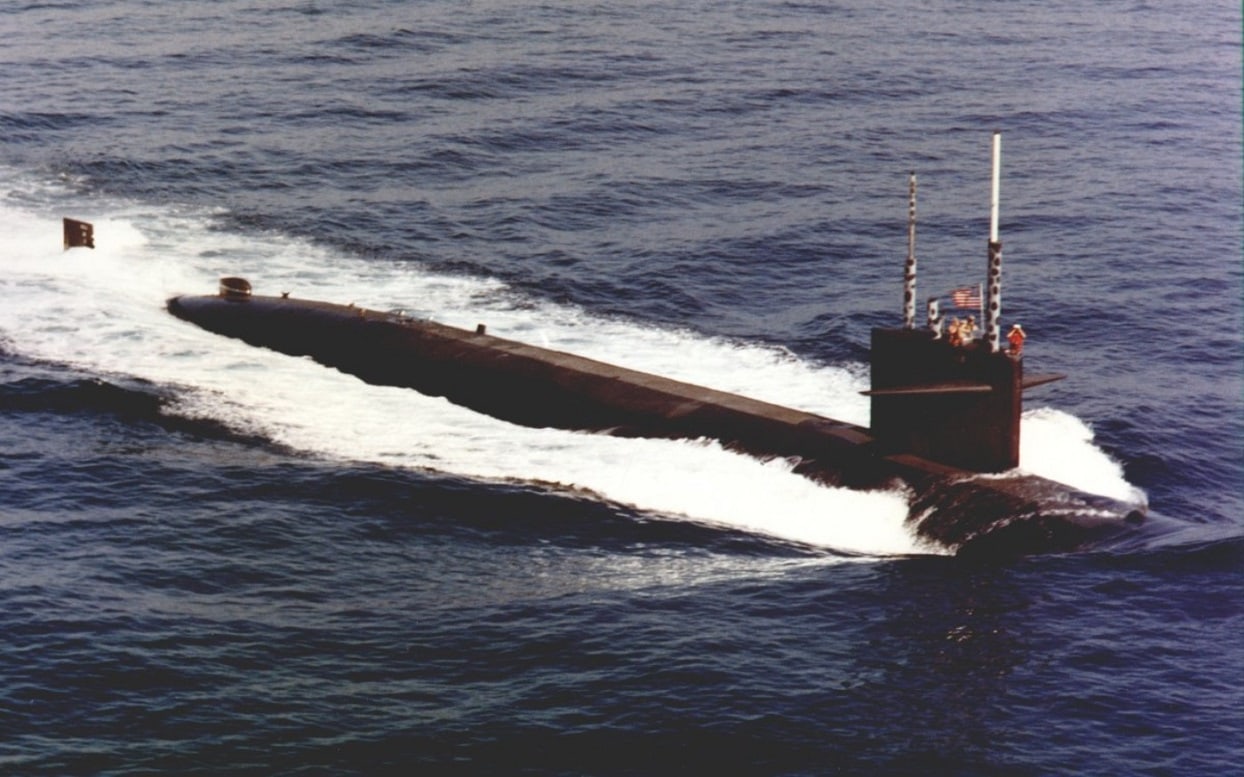
Image: Creative Commons.
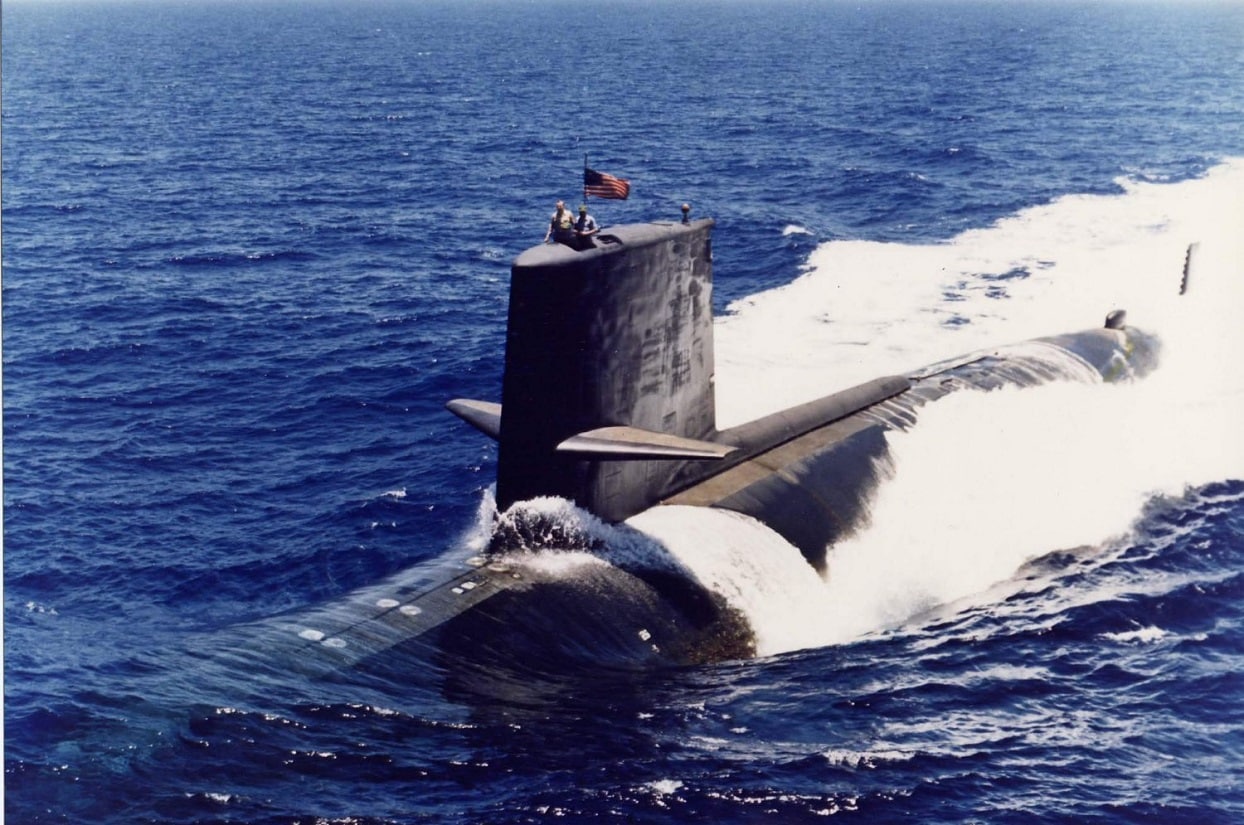
USS Thresher Accident. Image: Creative Commons.
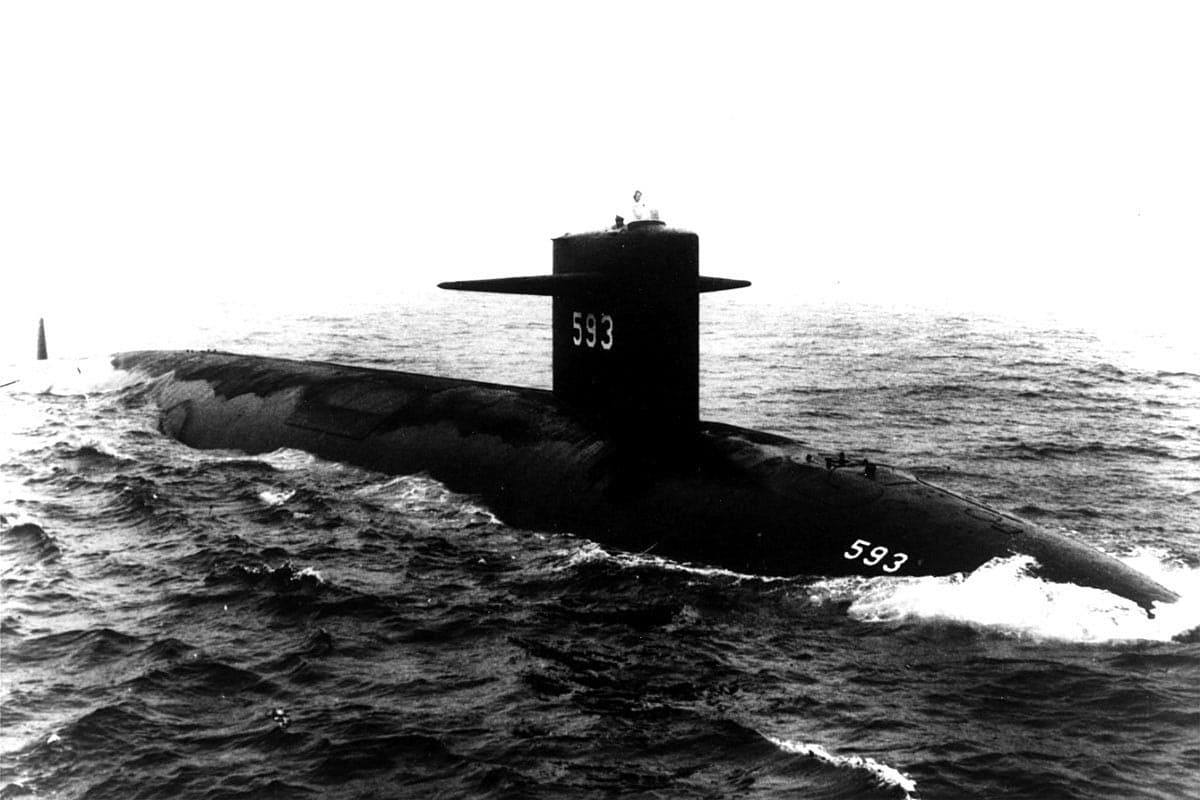
Image: US Navy
The vessel was eventually located by the Trieste bathyscaphe, an Italian deep-diving vessel famed for reaching the bottom of Challenger Deep in the Mariana Trench.
The submarine was discovered on the sea floor at a depth of roughly 8,400 feet, with its remains scattered in multiple large pieces across a wide debris field.
Investigations concluded by mid-1963 that the Thresher probably descended past its crush depth—the depth at which the vessel implodes under pressure—after suffering uncontrollable flooding and loss of power.
It was officially determined that the most probable cause of the sinking was a failure in a saltwater piping joint in the submarine’s systems, probably somewhere near the engine room. The failure allowed for rapid flooding under high pressure, which likely led to additional electrical problems, an emergency shutdown of the reactor, and a loss of propulsion.
Many uncertainties remain, and some analyses suggest that flooding may not have preceded the scram (reactor shutdown), citing a lack of evidence of flooding in Sound Surveillance System data at the time.
However, because nearly all of the hull structure was crushed entirely during the implosion, many internal systems could not be recovered intact. The precise chain of events, therefore, can never be known with certainty.
The SUBSAFE Program
In the wake of the Thresher incident, the U.S. Navy instituted SUBSAFE (Submarine Safety) later in 1963.
It was the launch of a new, vigorous certification and quality-assurance program designed to prevent flooding-induced losses of underwater vessels.
SUBSAFE focuses on systems exposed to external sea pressure, enforcing strict standards of design, materials, fabrication, traceability, testing, and documentation.
These apply across four areas: design, material, fabrication, and testing. Every submarine—either during a new build or a major overhaul—must now be certified as SUBSAFE before it dives.
The program’s results were dramatic.
Between 1915 and 1963, the U.S. Navy lost 16 submarines to non-combat accidents, but since SUBSAFE’s inception, no SUBSAFE-certified submarine has ever been lost.
The only submarine lost since then was the USS Scorpion in 1968, which was not SUBSAFE-certified at the time.
Why Thresher Matters Today
The Thresher disaster remains relevant today not only because it led to the implementation of SUBSAFE and established safety standards for generations of vessels that followed, but also because it serves as a poignant lesson.
It reminds U.S. Navy officials, engineers, and planners of the importance of safety culture, oversight, and planning for potential failures.
Modern nuclear submarines, whether Columbia-class SSBNs, Virginia-class SSNs, or next-generation designs, require the integration of advanced propulsion systems, stealth technologies, complex hydraulics, and missile systems. Every layer of complexity opens up new opportunities for failure – and while submarines may be technically safer than ever, there is also more to go wrong than ever before.
Thresher serves as a poignant reminder of how engineering decisions, inspections, institutional culture, and overall discipline in planning determine whether a design can withstand a crisis.
The shift that emerged in the wake of the Thresher sinking demonstrates that safer systems can be designed, but only if oversight and institutional incentives align with those of the engineering teams.
The disaster totally reshaped how the U.S. Navy approaches submarine safety, and SUBSAFE will remain the enduring institutional legacy of Thresher for decades to come.
And as the submarines of today become more advanced – with higher speeds, deeper dives, and better stealth – the lessons of Thresher are arguably more relevant than ever.
About the Author:
Jack Buckby is a British author, counter-extremism researcher, and journalist based in New York. Reporting on the U.K., Europe, and the U.S., he works to analyze and understand left-wing and right-wing radicalization, and reports on Western governments’ approaches to the pressing issues of today. His books and research papers explore these themes and propose pragmatic solutions to our increasingly polarized society. His latest book is The Truth Teller: RFK Jr. and the Case for a Post-Partisan Presidency.

