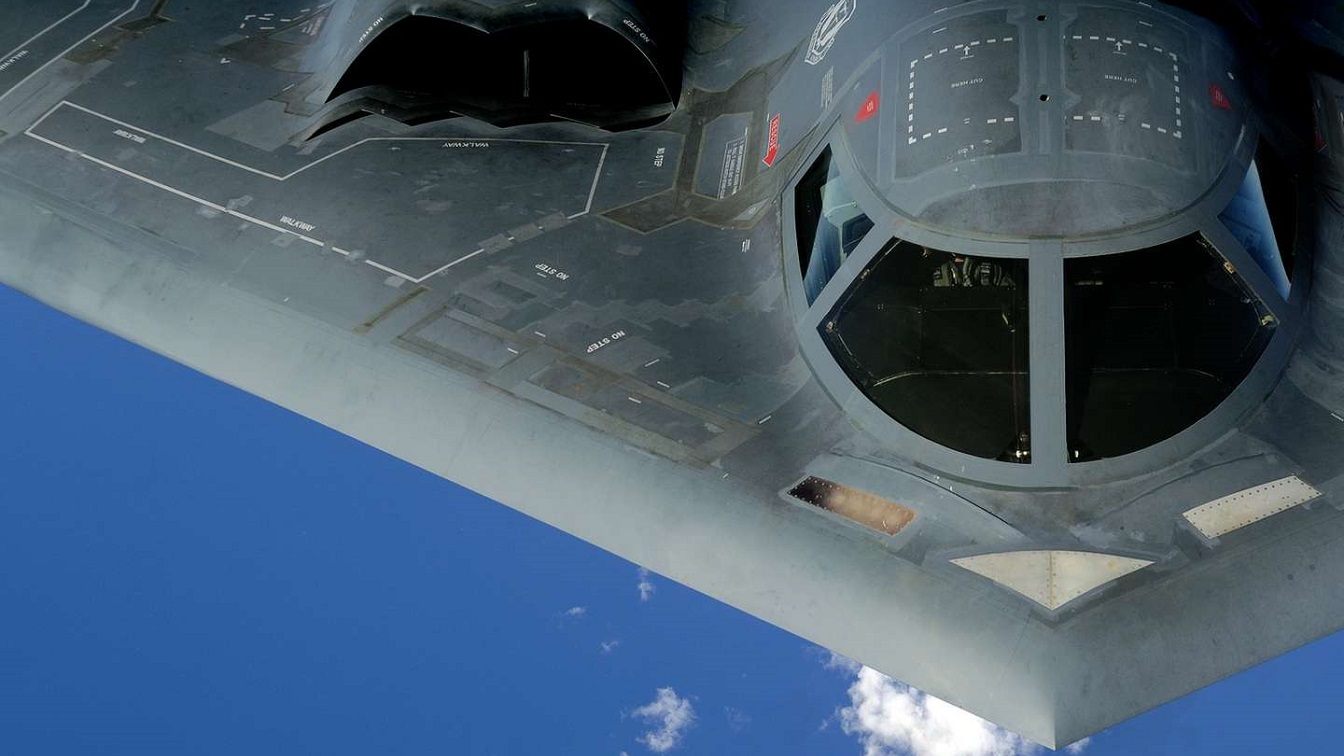
Key Points and Summary – The Pentagon says China is developing the H-20, a long-range stealth bomber expected to carry conventional and nuclear weapons and reach beyond 10,000 km—potentially farther with refueling.
-That range would extend China’s strike envelope deep into the Western Pacific and strengthen its nuclear deterrent.
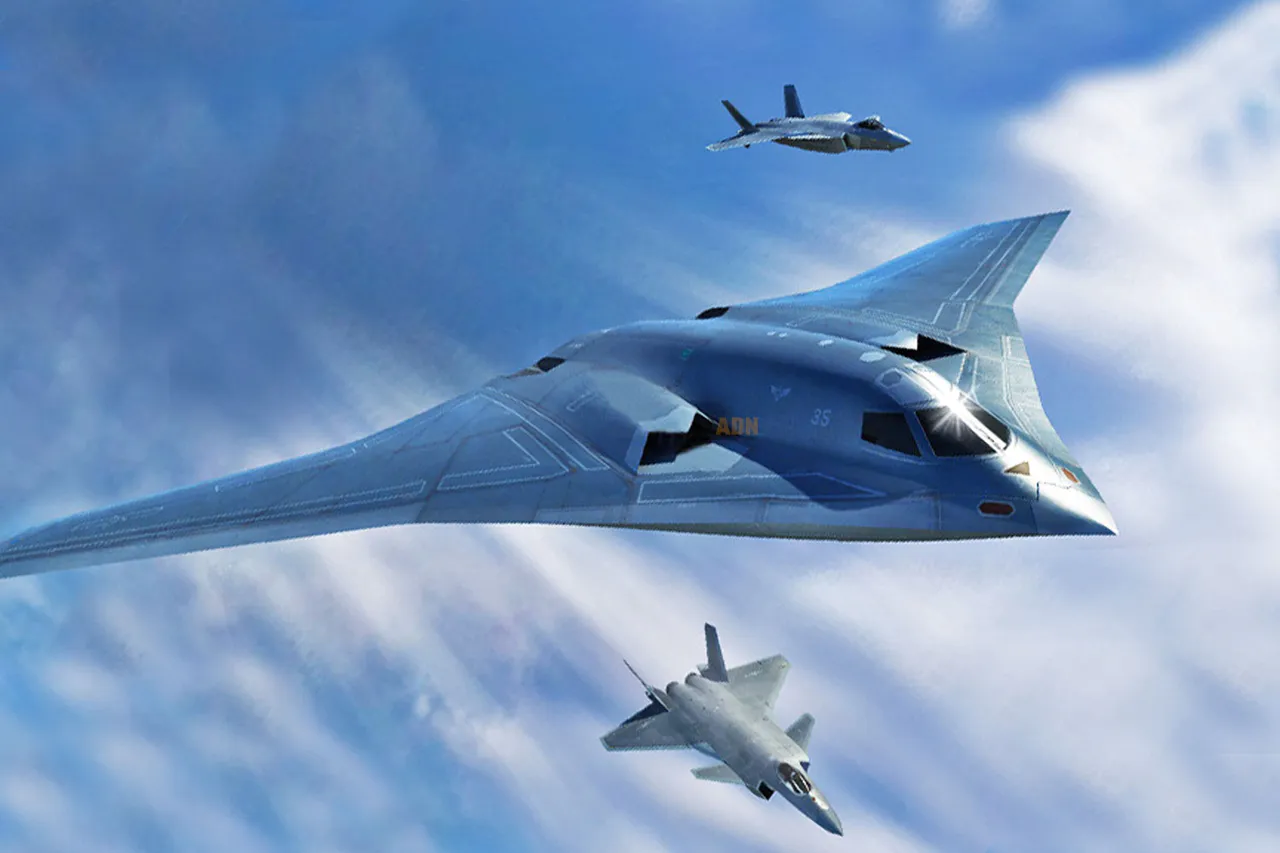
H-20 Bomber. Image Credit: Creative Commons.
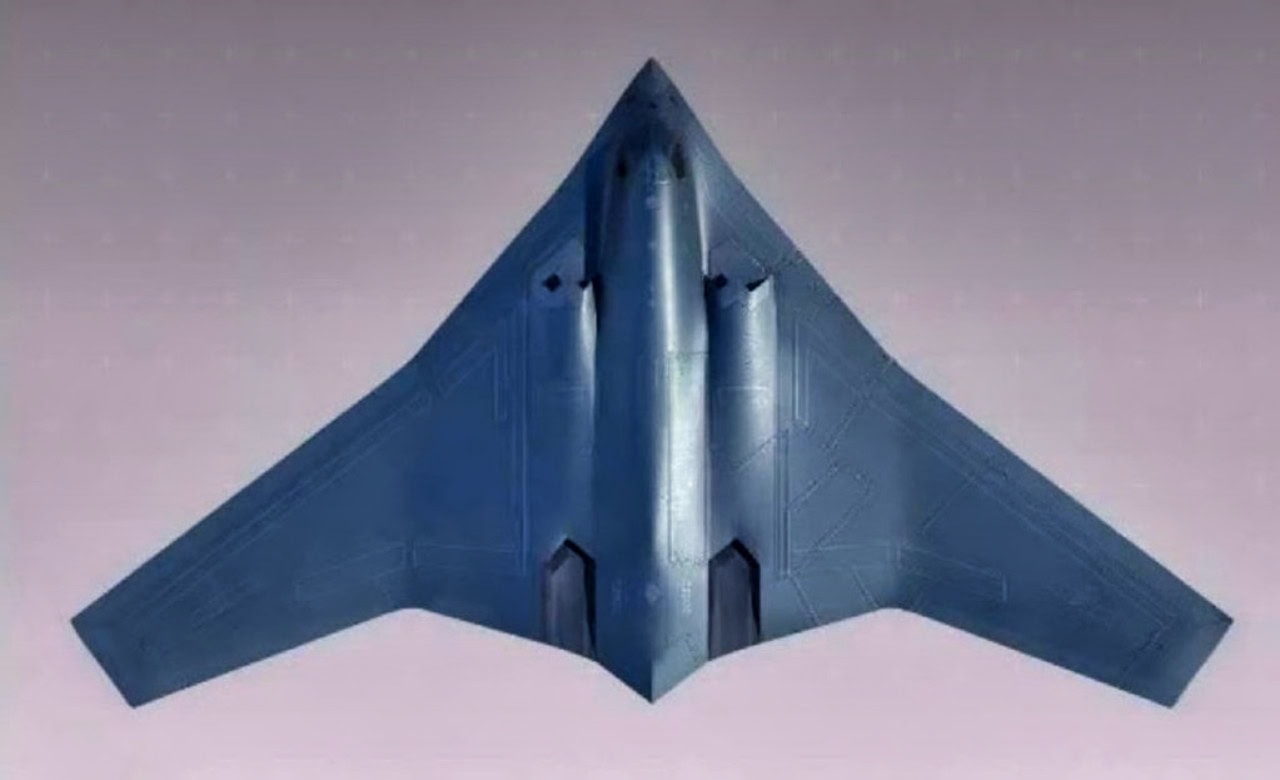
H-20 Bomber from China Artist Rendition.
-But timelines remain uncertain, and the biggest unknown is what “stealth bomber” means in Chinese practice.
RAND-linked assessments suggest Beijing is prioritizing a flying-wing design optimized for low observability rather than speed—closer in concept to the B-2 Spirit than a supersonic platform.
China’s H-20 Stealth Bomber: The B-2 Copycat—or Something Bigger?
The more consequential question is mission design: will the H-20 merely penetrate and strike, or operate as a networked, information-sharing platform more akin to the B-21 Raider?
An unclassified report from the Department of Defense sheds some light on China’s H-20 stealth bomber. It also gives its estimation of the bomber’s anticipated capabilities.
“The PRC is developing a new generation of long-range bombers, likely named the H-20. The H-20, which may debut sometime in the next decade, will have a range of more than 10,000 km, enabling the PLAAF [the People’s Liberation Army Air Force] to cover the Second Island Chain and into the western region of the Pacific,” the report explains. “The H-20 bomber’s range could be extended to cover the globe with aerial refueling. It is expected to employ conventional and nuclear weaponry and feature a stealthy design.”
Like its counterparts in the U.S. Air Force—the Cold War-era B-2 Spirit stealth bomber and its upcoming successor, the B-21 Raider bomber—China’s H-20 is primarily a platform for power projection far away from the Chinese mainland.
The H-20 has real potential for becoming a survivable strategic tool.
Nuclear Weapons?
Carrying nuclear weapons, it could become a potent component of China’s deterrence. But all this depends on the bomber getting out of Chinese aircraft production warehouses and into the sky.
“The PLAAF is seeking to extend its power projection capability with the development of a new H-20 stealth strategic bomber, with official PRC state media stating that this new stealth bomber will have a nuclear mission in addition to filling conventional roles,” the Department of Defense report explains, adding that the PLAAF is “developing new medium- and long-range stealth bombers to strike regional and global targets. PLAAF leaders publicly announced the program in 2016; however, it may take more than a decade to develop this type of advanced bomber.”
Developmental delays are nothing unusual for advanced aerospace projects. Indeed, the United States experienced significant delays and cost overruns during the development of the B-2 stealth bomber. Delays stemmed from the B-2’s advanced nature and the engineering and cutting-edge technologies that went into its development.
Given China’s more abbreviated experience developing stealth aircraft, particularly compared to the United States, it is perhaps not so surprising that the aircraft may face delays.
Given the presumed delays to the H-20’s production, is it even possible to assess the bomber’s stealth capabilities? Is it too early to compare the platform to the B-2 Spirit, or the future B-21 Raider?
One assessment from RAND pulls the curtain slightly back on the bomber.
“Judging from recent Chinese military commentary, it would appear that the PLA has already instructed Xi’an [the PLAAF’s H-20 bomber] to focus on stealth, as demonstrated by the flying wing configuration, rather than supersonic capabilities,” the report notes.
“According to Yin Zhuo, China has gained essential expertise on stealth through its development of the J-20 and F-31 stealth fighters,” the report explains. “Indeed, Yin opined, the H-20 would be on par with the B-2 Spirit in terms of stealth performance. Another military expert, Li Li, assessed that it would be technically demanding to incorporate both stealth and supersonic capabilities into the new bomber because of differences in the required aerodynamic configuration of the aircraft for each capability. This strongly suggests that Xi’an will have to remain focused on stealth.”
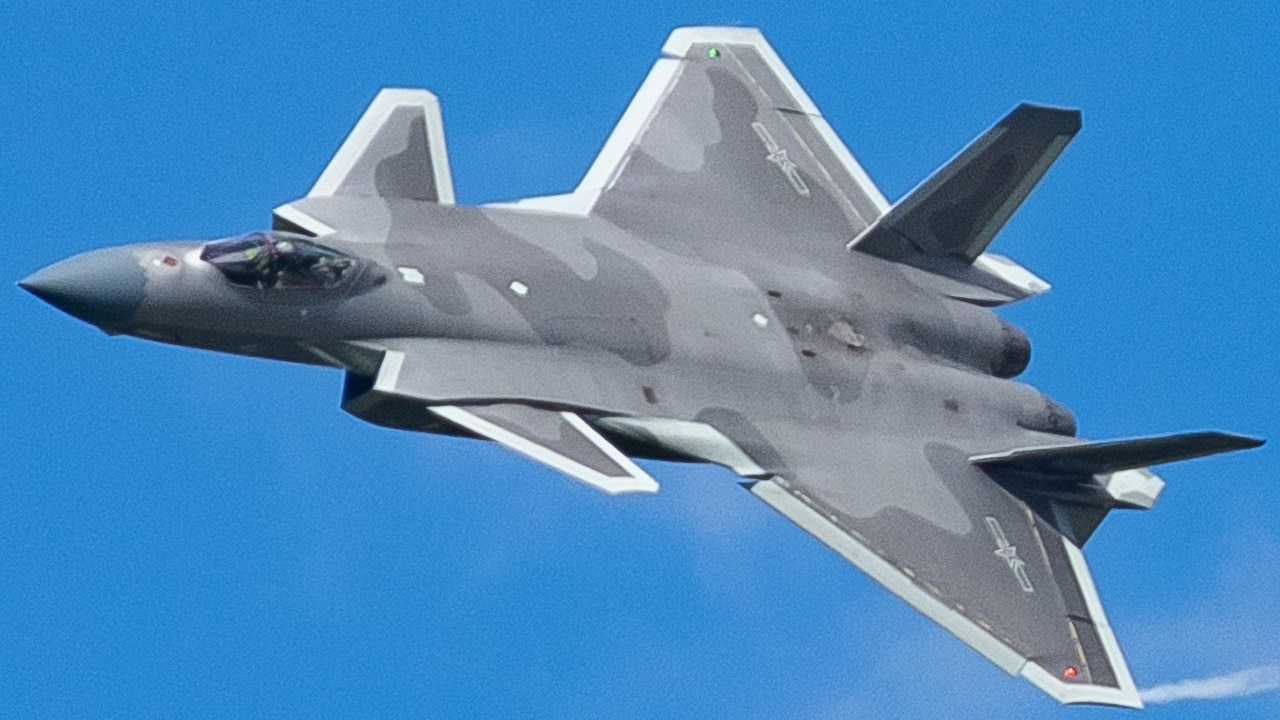
J-20 Fighter. Image Credit: Creative Commons.
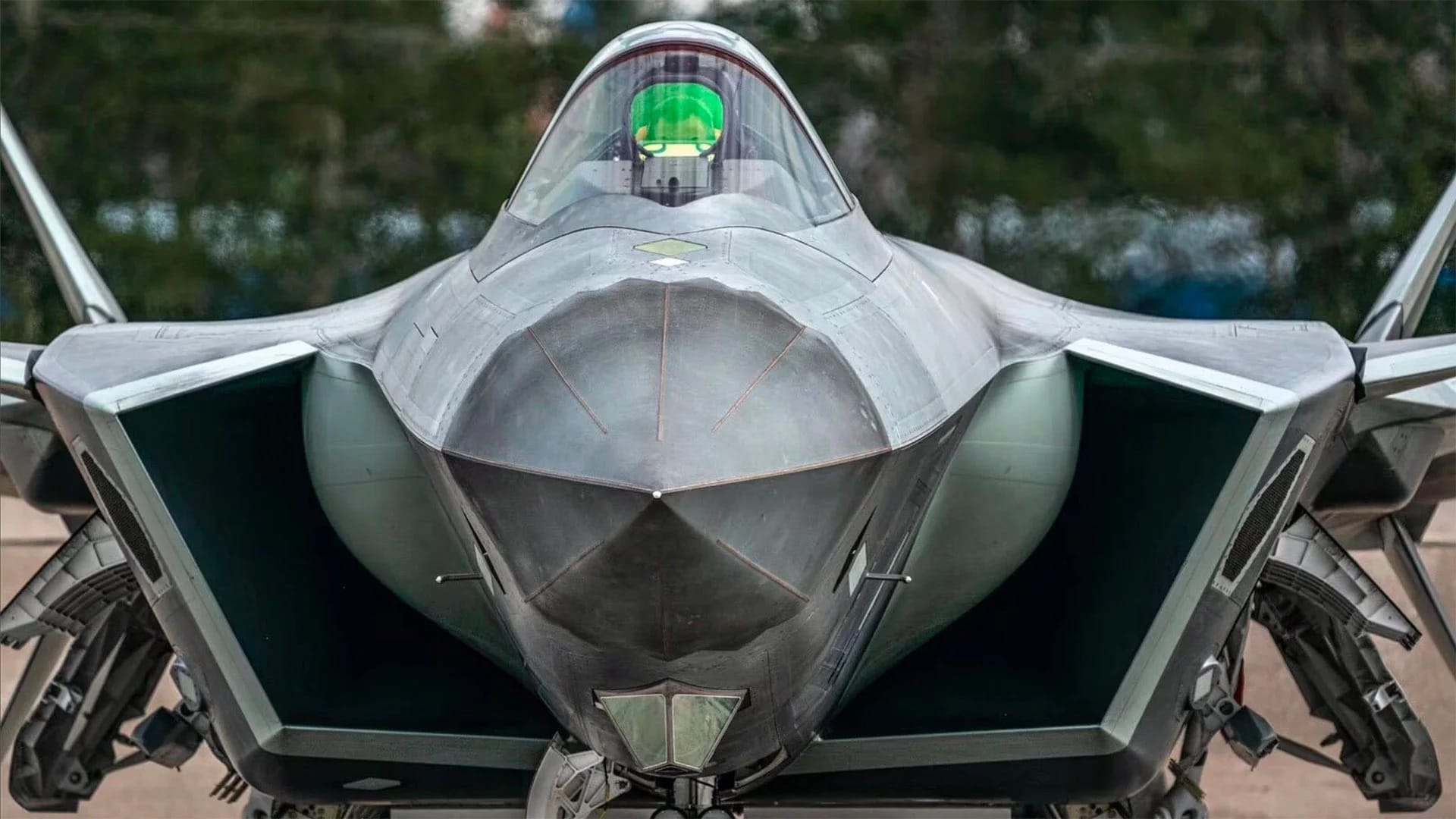
J-20 Stealth Fighter. Image Credit: Industry Handout.
If the information outlined in the RAND report holds true, that would make the bomber’s operational role broadly similar to that of the B-2 Spirit. The H-20 would be a unique platform compared to other bombers, but also one with significant limitations.
Minute design and engineering questions aside, one of the crucial differences between the B-2 and the B-21 is the role each platform is designed to play within the U.S. Air Force.
Most recently, the B-2 Spirit’s role was put on display during Operation Midnight Hammer, the joint Israeli-American operation that targeted Iran’s nuclear infrastructure. During that operation, B-2s based in the United States dropped the world’s largest bunker-busting bombs on top of deeply buried Iranian nuclear infrastructure.
The deployment was emblematic of what the B-2 was designed to do: penetrate a foreign adversary’s air space and drop conventional or nuclear payloads onto sensitive political or military targets. In that operational scenario, the B-2 is unparalleled.
Compare the B-2 to the upcoming Raider bomber. Though both aircraft share a flying wing design, the B-21 is intended to thrive in contested airspace. Similar to the F-35 stealth fighter, the B-21 will be a single node in a much larger information-gathering web.
Whereas the B-2 would penetrate airspace, drop its payload, and fly back to base, the B-21 will also add color to the informational tapestry of the battlespace it deploys to.
H-20: What Happens Next?
This raises an important question: Will China’s H-20 be more like the B-2 Spirit, serving a penetration-only role?
Or will the Chinese strategic bomber play a role like that of the Raider, dropping ordnance, but also relaying crucial information back to commanders elsewhere?
Only time—or a combat deployment—will tell.
About the Author: Caleb Larson
Caleb Larson is an American multiformat journalist based in Berlin, Germany. His work covers the intersection of conflict and society, focusing on American foreign policy and European security. He has reported from Germany, Russia, and the United States. Most recently, he covered the war in Ukraine, reporting extensively on the war’s shifting battle lines from Donbas and writing on the war’s civilian and humanitarian toll. Previously, he worked as a Defense Reporter for POLITICO Europe. You can follow his latest work on X.