
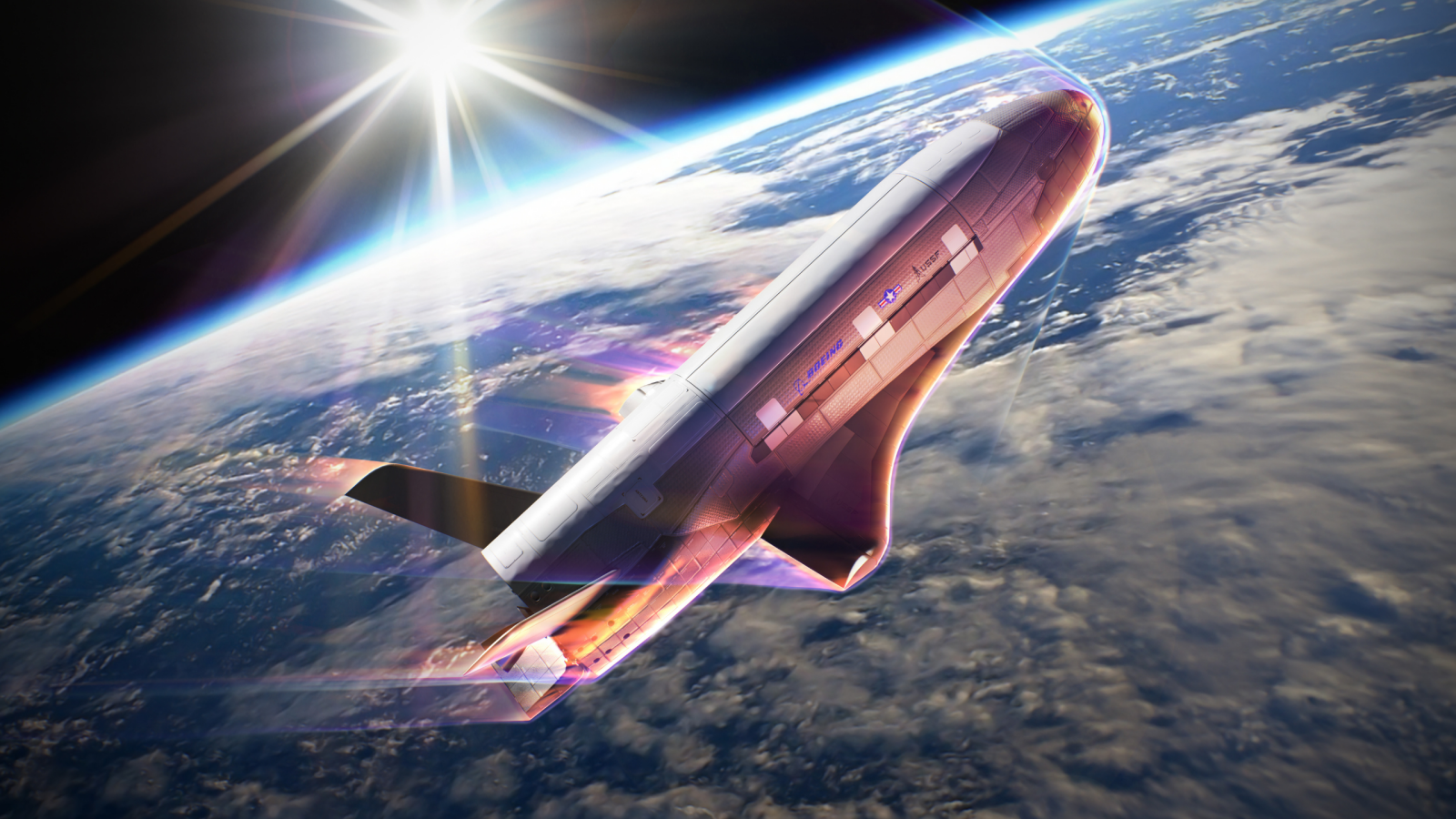
Key Points and Summary – Russia is pitching the S-550 as the next layer above the S-500: a mobile interceptor aimed at ICBM defense, hypersonic threats, and low-Earth-orbit targets.
-In this telling, it could threaten satellites and the X-37B and even endanger a space station indirectly by creating a debris cloud—an echo of Russia’s 2021 Cosmos-1408 “Nudol” shootdown.
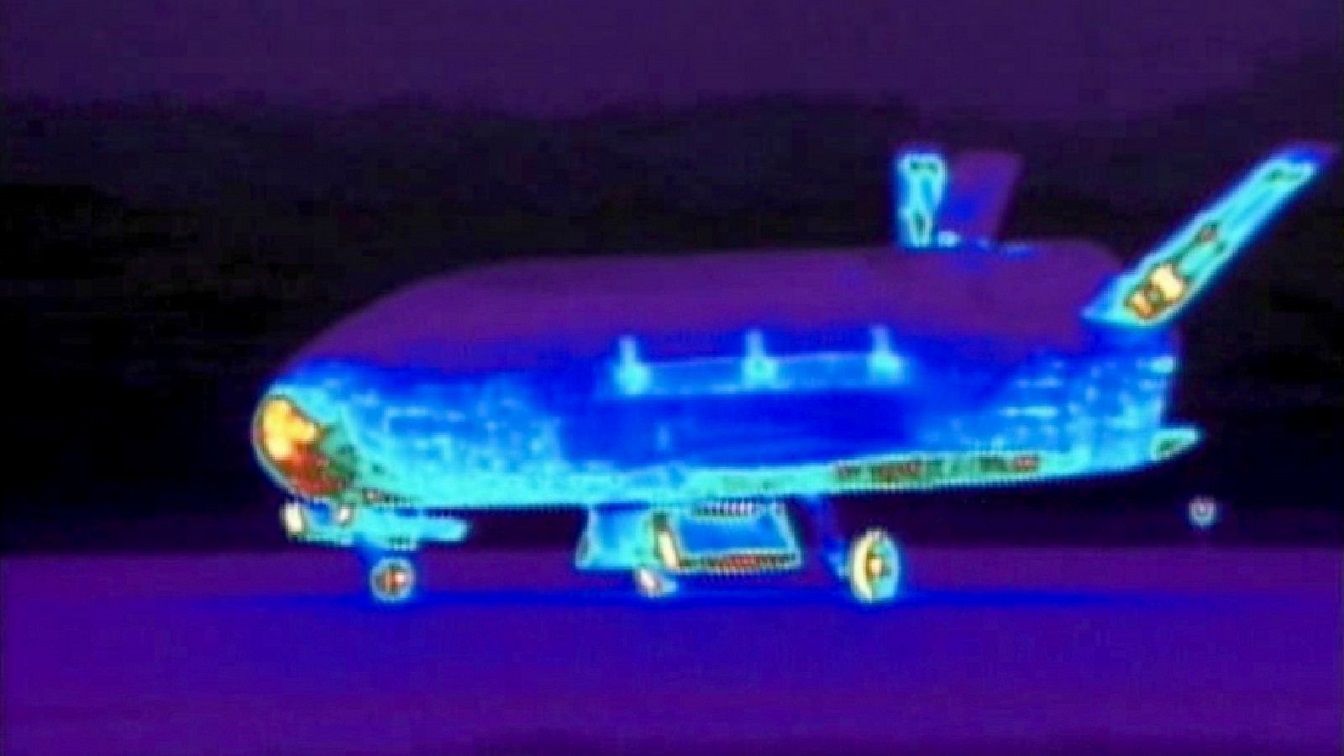
X-37B. Image Credit: NASA YouTube/Screenshot.
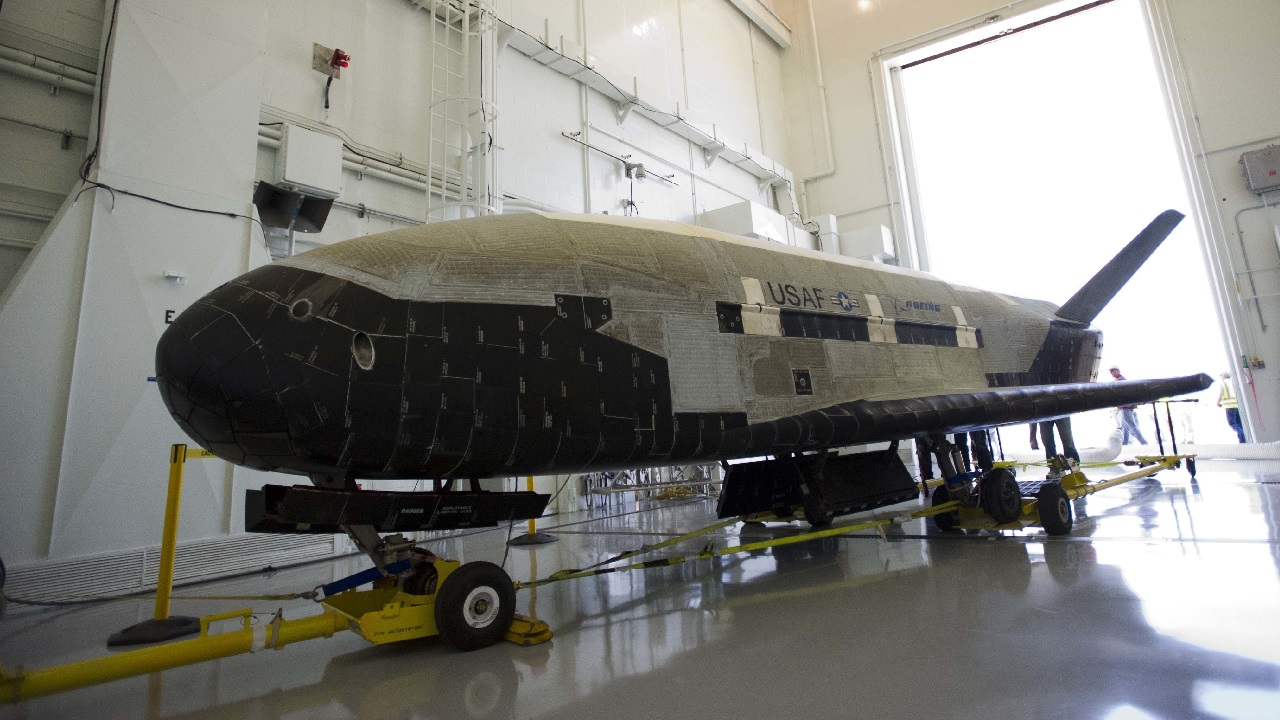
The X-37B Orbital Test Vehicle (OTV), the Air Force’s unmanned, reusable space plane, landed at Vandenberg Air Force Base at 5:48 a.m. (PDT) June 16. OTV-2, which launched from Cape Canaveral Air Force Station, Fla., March 5, 2011, conducted on-orbit experiments for 469 days during its mission. The X-37B is the newest and most advanced re-entry spacecraft. Managed by the Air Force Rapid Capabilities Office, the X-37B program performs risk reduction, experimentation and concept of operations development for reusable space vehicle technologies. (photo credit: Boeing)
-Advocates claim superior performance over S-400/S-500 and even THAAD and Aegis, with service entry projected for 2027–2030.
But hard data is scarce, and Ukraine-era budgets may cap production. If fielded, it complicates space safety and crisis stability.
Can the Russian S-550 SAM Take Out a Space Station?
While you may have paid much attention to Russia’s unbelievable losses in tanks and armored personnel carriers and the use of Ukrainian long-range drones to menace Russian aircraft on the ground, Vladimir Putin’s air defense systems get few profiles in the defense media. Enter the newfangled S-550 surface-to-air missile (SAM) system.
The Russians are hopeful that the S-550 defenders could be the answer to new US Air Force sixth-generation aircraft such as the F-47 NGAD fighter jet and the B-21 Raider stealth bomber.
Layered With the Existing S-500 SAM
The S-550 is a recently developed ground-based air defense system. This SAM complements the S-500 Prometheus nicely. The S-500 is already a powerful air defense system, and Russia has invested substantial time and money in perfecting it.
The S-500s currently create a layered defense system around Moscow, protecting Putin’s many offices and residences, along with older S-300s and S-400 SAMs, to complete the shield.
Protection During a Nuclear Attack
Like the S-500, the S-550 is designed to intercept incoming ICBMs. This creates an effective protective bubble should the Americans launch a nuclear attack against Russia. While not quite up to the ambitions of the old US Strategic Defense Initiative or the new Golden Dome, the S-550 is an excellent system for creating an anti-missile protective apparatus that could someday incorporate ground- or space-based lasers. If the United States can achieve a “Star Wars”-like system, then Russia would want to develop one as well.
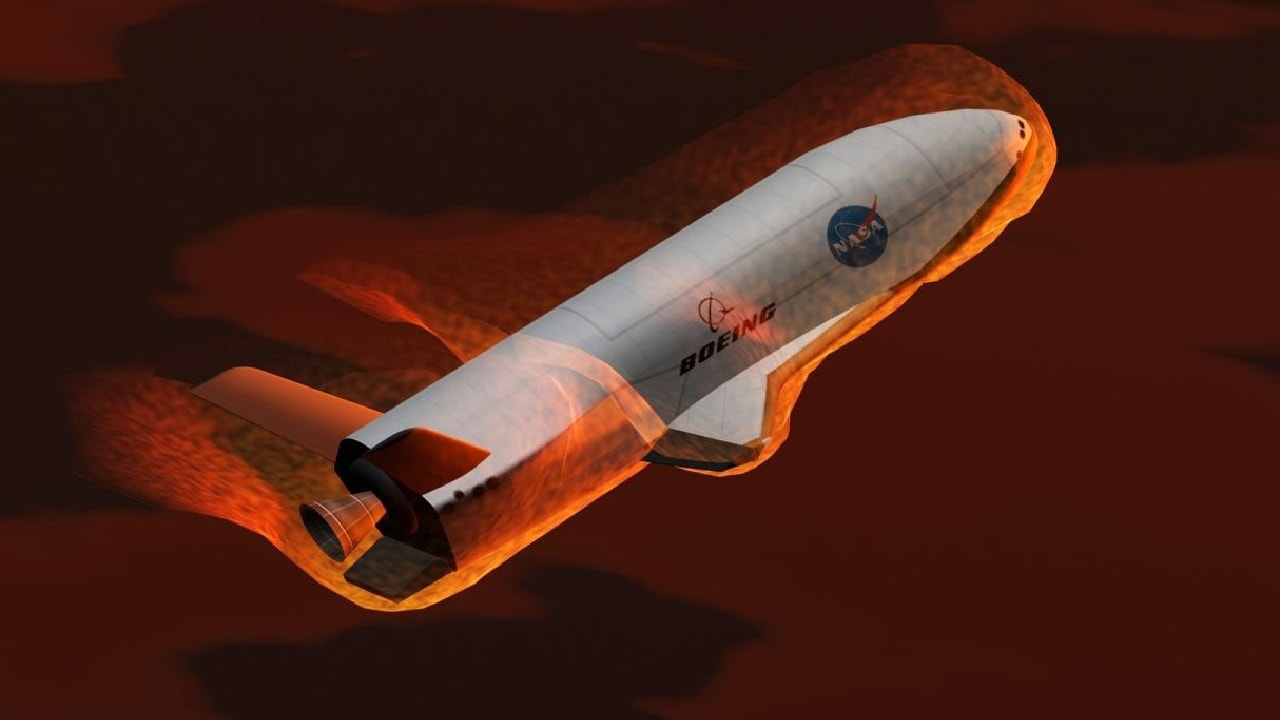
X-37B. Image Credit: NASA.
Kinetic Missile Fight? No Problem
The Russians believe the S-550 can take on hypersonic missiles in Low Earth Orbit in a “bullet on bullet” exchange that will be a huge part of what I call the “Kinetic Missile Fight.” This could happen if Russia attacked a NATO member, triggering an Article V military response under the alliance’s mutual defense provisions.
The S-550 should enter active service between 2027 and 2030. That’s enough time to perfect all the bells and whistles and set it up for theater missile defense against ICBMS, hypersonic weapons, enemy airplanes, and fleets of unmanned kamikaze drones.
This Required a Large Amount of Russian Brain Power
The S-550 system was first tested in 2021, so it has been put through the wringer of Russian research and development, which included some of the best design and engineering talent in the entire military. The SAM interceptors could be hypersonic themselves, which would be another advantage while defending against US and NATO incoming projectiles and airplanes.
The S-550 can engage targets up to 155 miles away and has a range of 621 miles. This is enough of a combat radius to take out a Low Earth Orbit X-37 spaceplane. So the S-550 incorporates an element of space warfare.
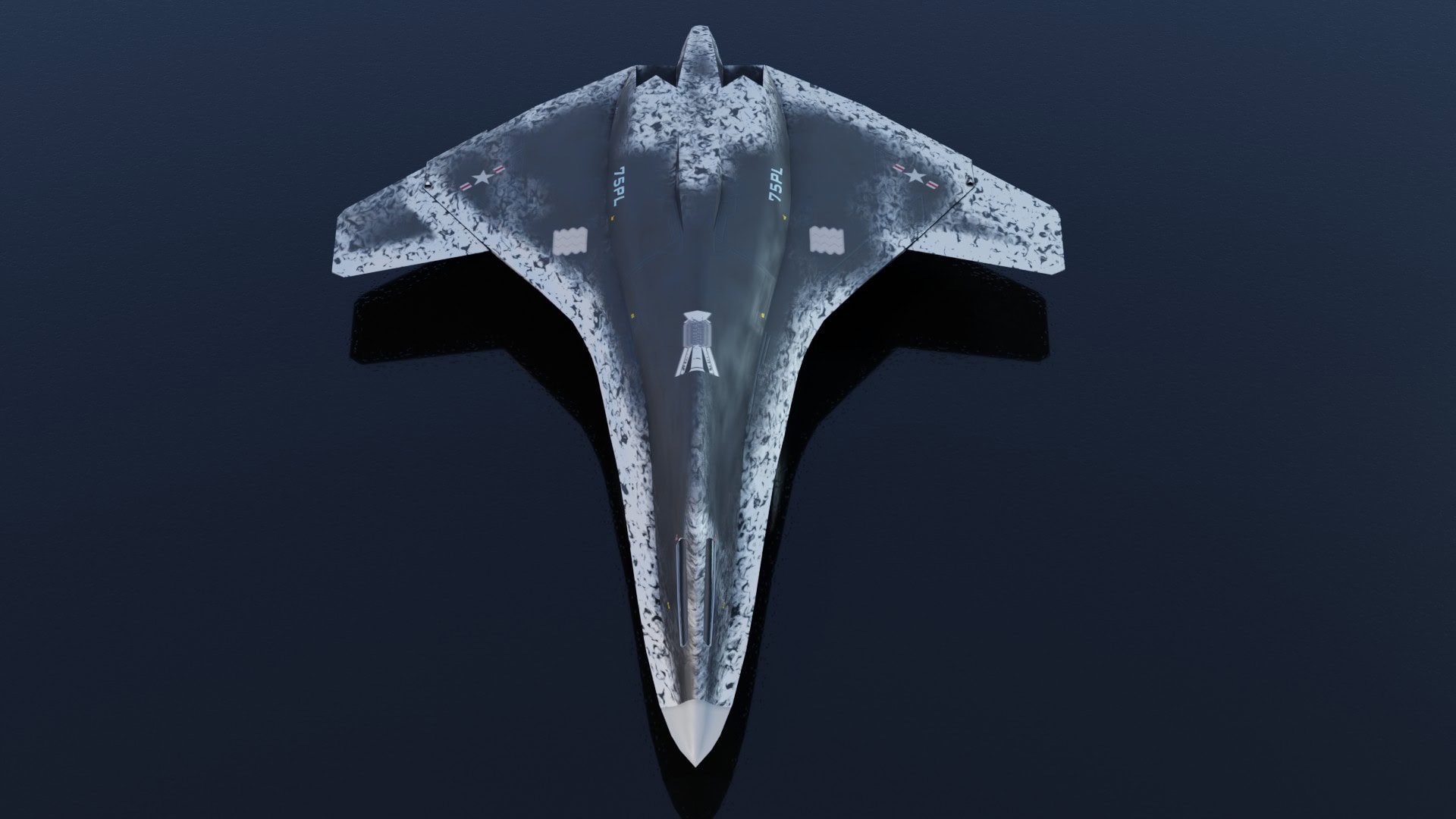
NGAD Fighter Mock Up. Image Credit: Creative Commons.
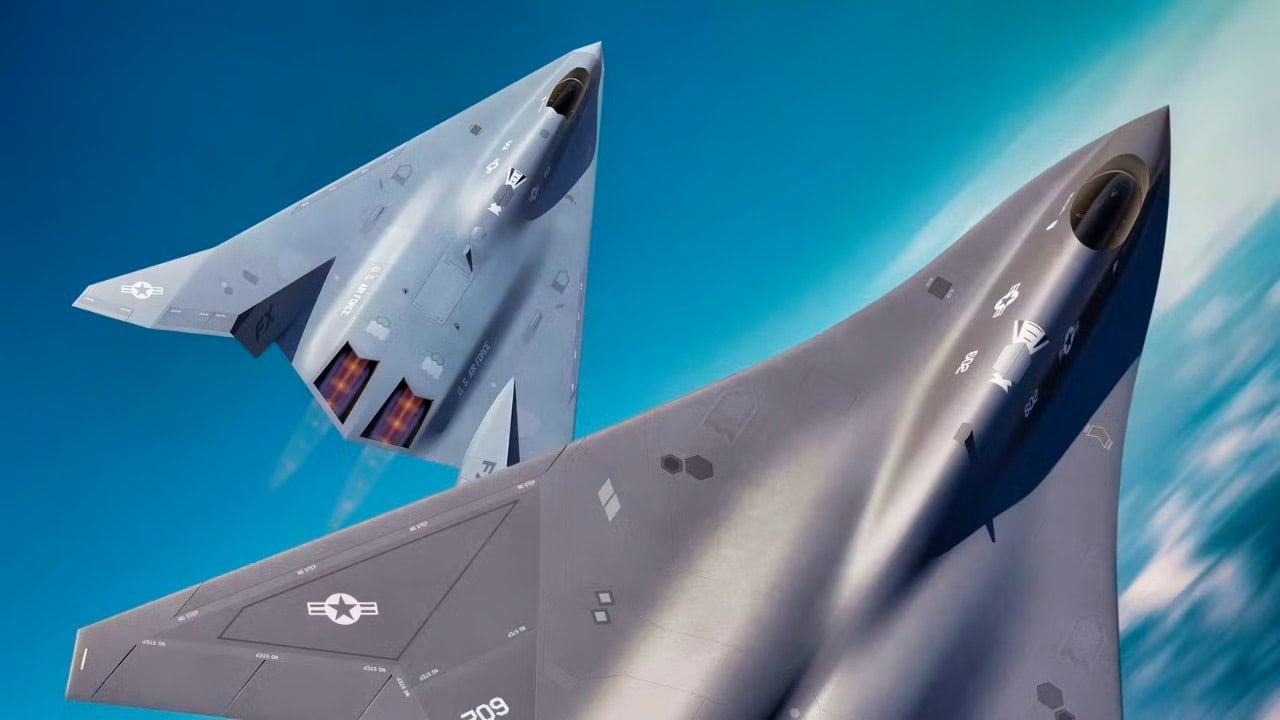
U.S. NGAD Fighter. Artist Rendering.
The Russians want to build between 20 and 60 S-550 batteries. That number has been reduced from an original goal of 100 before the war against Ukraine. Funding for the S-550 has been curtailed due to the inordinate costs of the conflict. Still, Russia knows it needs better capabilities to counter hypersonic missiles and new ultra-stealth aircraft like the F-47 and B-21.
The Russians Are Singing Its Praises
In a S-550 profile from Military Watch Magazine, the outlet quoted a breathlessly excited Russian source.
“The S-550’s capabilities to intercept warheads of enemy ballistic missiles, mainly, intercontinental ones, as well as space attack weapons will be by an order greater than the capabilities of the S-400 and the S-500, as well as those of the US THAAD and AEGIS air defenses fitted with the 3M-3 Block IIB missiles,” according to Military Watch.
The S-550 could also be used to hit Low Earth Orbit satellites. If so, this would be a huge advantage. It doesn’t take much to disable a spacecraft, either. Recently, the Chinese suffered damage to one of its space capsules when it was struck by small debris while docked at a space station. This rendered the spacecraft ineffective, and Chinese astronauts are struggling to fix it. The S-550 would give the Russians a weapon with more advantages in orbital combat over the next several years.
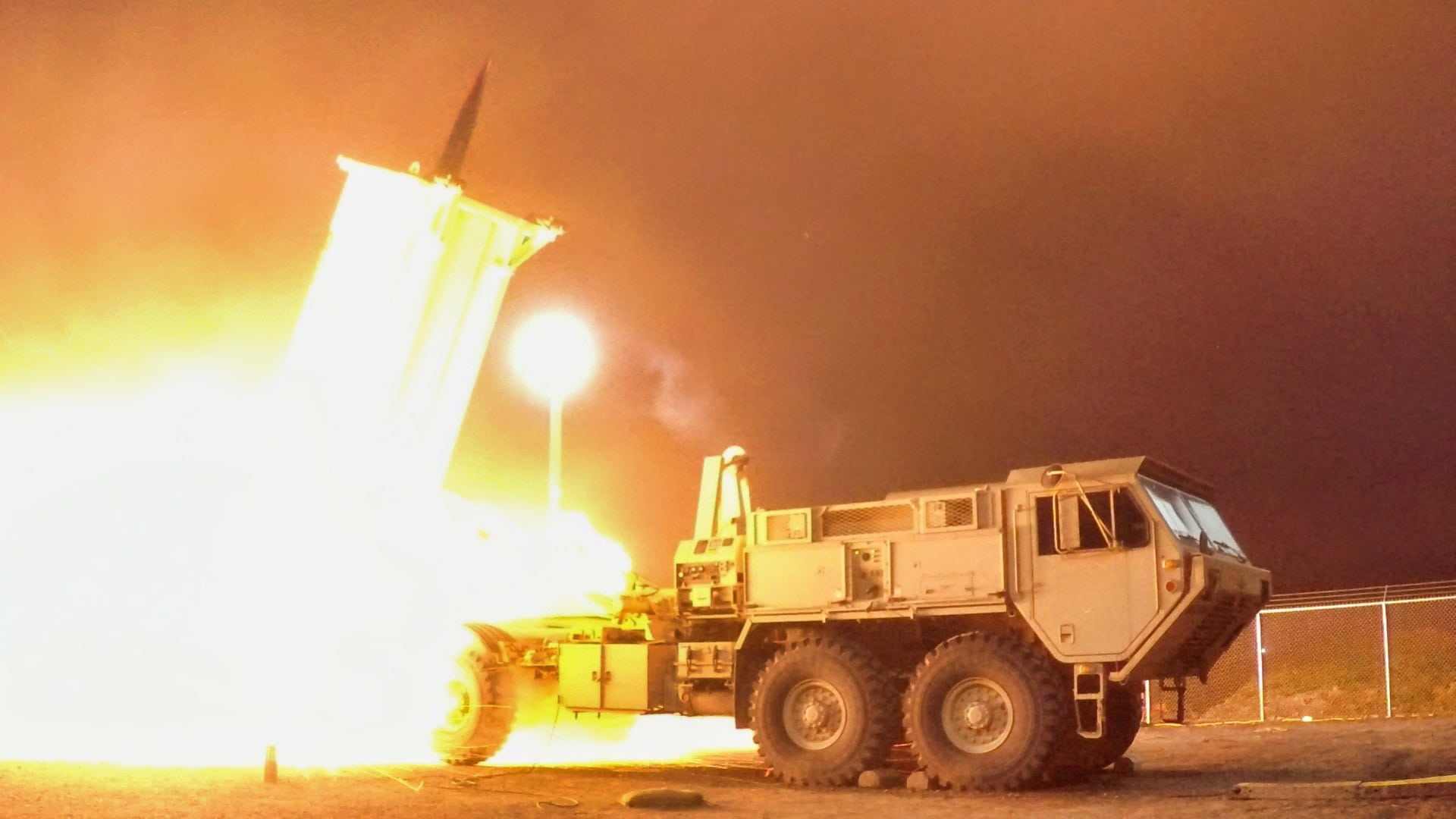
THAAD. Image Credit: Department of Defense.
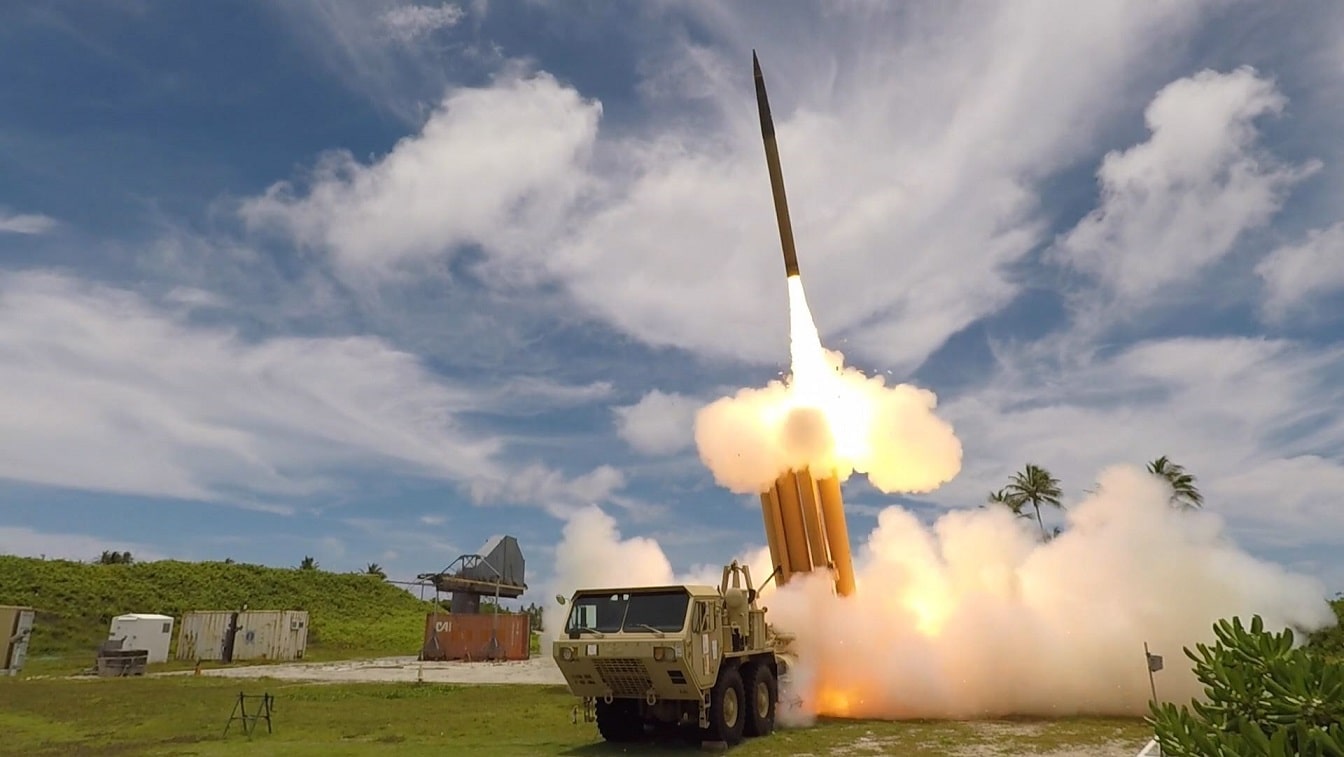
THAAD Missile Defense Battery Firing. Image Credit: Lockheed Martin.
That’s Not a Moon, It’s a Space Station
The Warsaw Institute had more information about Putin’s views on space warfare with the S-550. “A decision must have been made to conduct a test of a Russian anti-satellite system, known as Nudol. Two weeks later, it destroyed Cosmos-1408, a defunct Soviet satellite, in orbit, leaving behind a cloud of debris that Western nations, including the United States, said would pose a threat to the International Space Station (ISS).”
Space debris is a well-documented problem, and there are few remedies to mitigate it. The Russians don’t want to eventually deploy the S-550 to create more problems for enemy spaceflight. With the S-500 also focused on ICBMs, the S-550 is freed up to engage targets in space.
The United States has plans for orbital warfare with its relatively new Space Force. Russia is looking to match capabilities in this domain of warfare. The S-500, acting with the S-550, will deliver the kind of diversified defense and attack configurations that will give Putin’s air defenses a protective bubble and an offensive menace to enemy space planes and satellites.
The S-550 Has a Plethora of Advantages
The S-550 is one valuable piece of hardware if it works as advertised. It is a theater air defense system for conventional ICBM threats and a kill vehicle for hypersonics. It could waylay the US Space Force satellites and spacecraft by kinetic destruction or create damaging debris that could even take out a space station. The S-550 is Prometheus on steroids.
About the Author: Brent M. Eastwood
Author of now over 3,000 articles on defense issues, Brent M. Eastwood, PhD is the author of Don’t Turn Your Back On the World: a Conservative Foreign Policy and Humans, Machines, and Data: Future Trends in Warfare plus two other books. Brent was the founder and CEO of a tech firm that predicted world events using artificial intelligence. He served as a legislative fellow for US Senator Tim Scott and advised the senator on defense and foreign policy issues. He has taught at American University, George Washington University, and George Mason University. Brent is a former US Army Infantry officer. He can be followed on X @BMEastwood.