
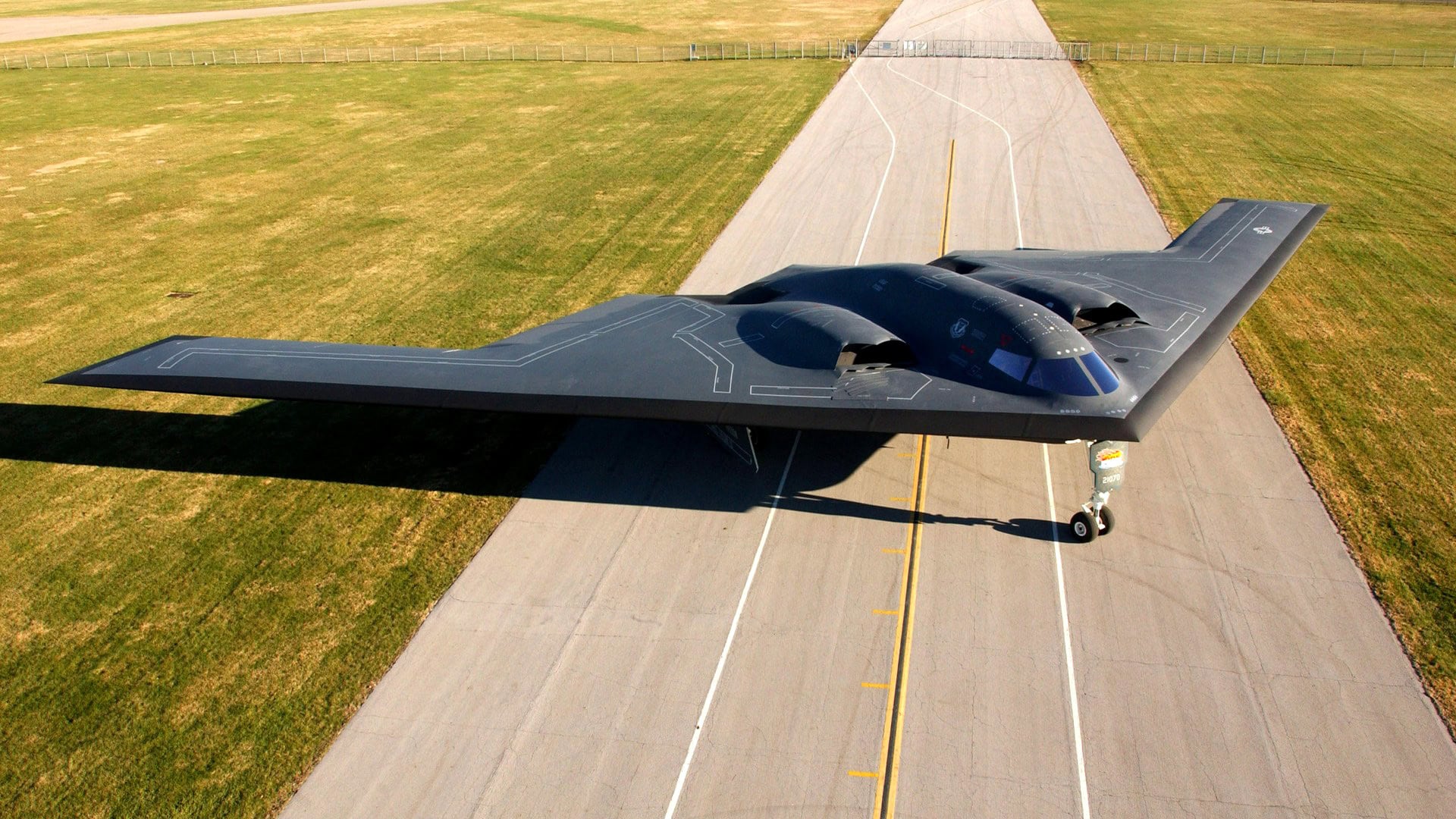
Key Points and Summary – China’s long-rumored H-20 stealth bomber is designed to do what the H-6 never could: quietly punch through modern air defenses and hit U.S. forces far from China’s shores.
-Believed to be a flying-wing design like the B-2 and B-21, the H-20 is expected to carry nuclear and conventional cruise missiles, hypersonic weapons, and heavy anti-ship payloads on intercontinental missions.
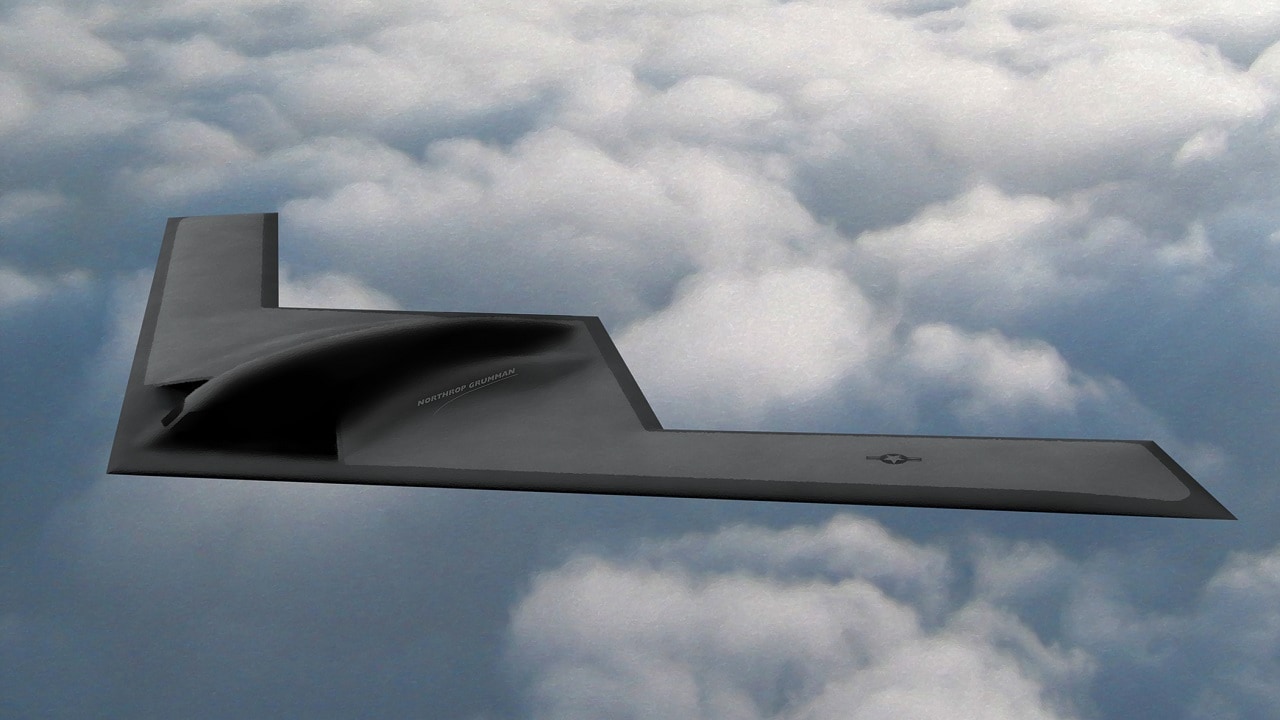
B-21 Raider bomber. Image Credit: Creative Commons.
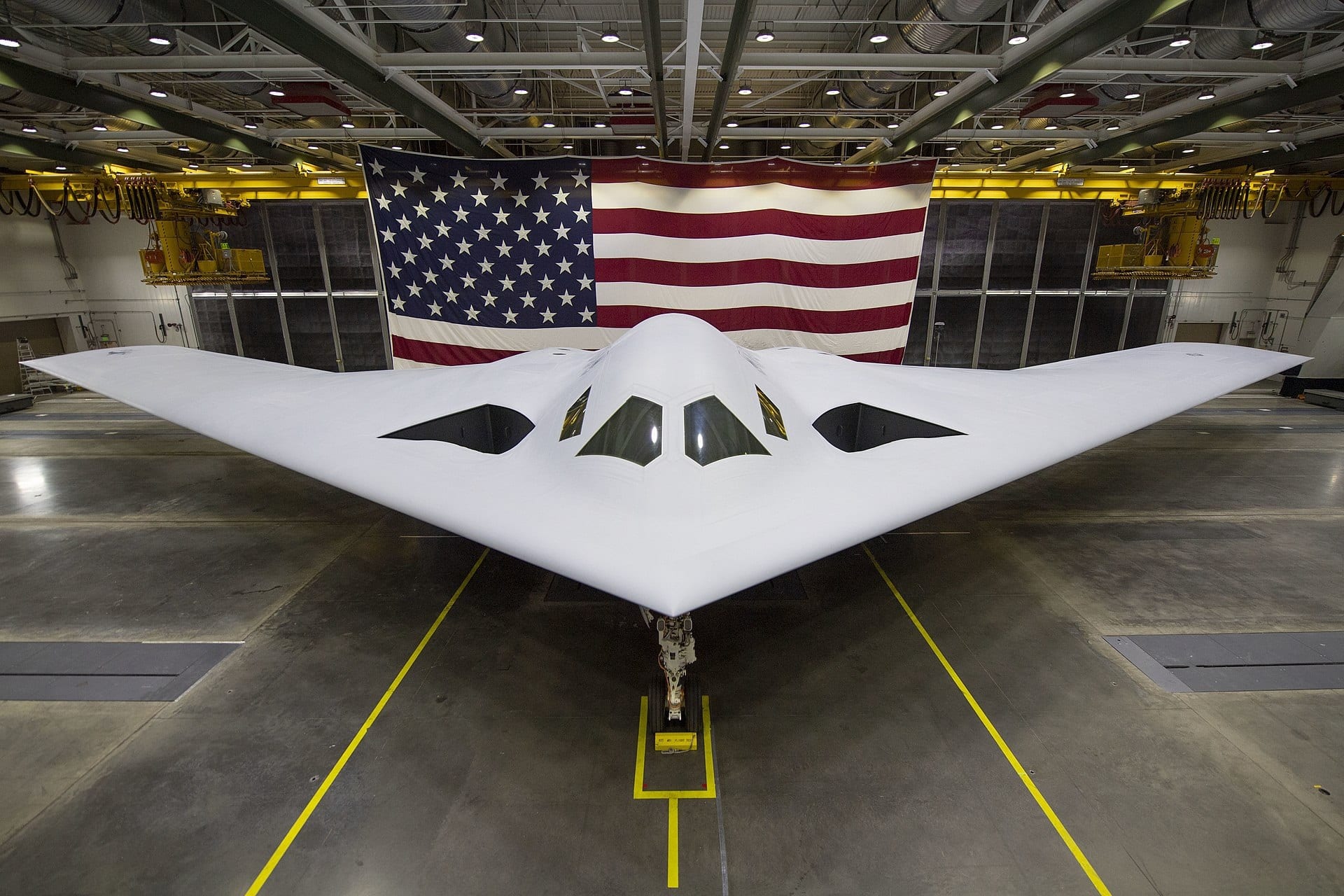
The B-21 Raider was unveiled to the public at a ceremony December 2, 2022 in..Palmdale, Calif. Designed to operate in tomorrow’s high-end threat environment, the B-21 will play a critical role in ensuring America’s enduring airpower capability. (U.S. Air Force photo)
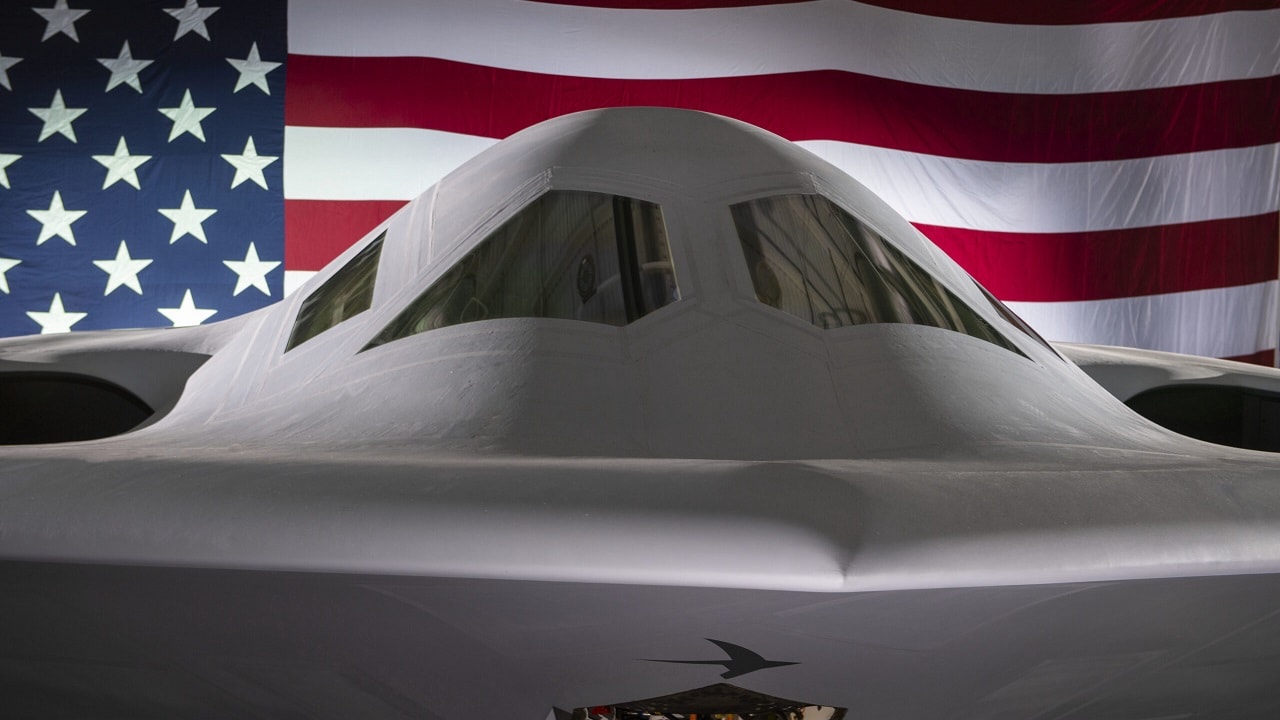
The B-21 Raider was unveiled to the public at a ceremony December 2, 2022 in
Palmdale, Calif. Designed to operate in tomorrow’s high-end threat environment, the B-21 will play a critical role in ensuring America’s enduring airpower capability. (U.S. Air Force photo)
-Once operational, it would complete China’s nuclear triad and give Beijing a true global strike option, forcing Washington to rethink how it protects Guam, carrier strike groups, and allied bases across the wider Indo-Pacific region. That changes deterrence math overnight.
-In Three Words: Real Threat
Forget the H-6: China’s H-20 Stealth Bomber Is the Real Threat
Today, only two countries on Earth operate a strategic bomber—the US and Russia. But China, currently developing the H-20, is likely to be the third.
The H-20 would be China’s first true strategic stealth bomber, a product of the Xi’an Aircraft Industrial Corporation.
Intended to give the PLA Air Force a long-range, penetrating strike capability (comparable to the B-2 Spirit, or forthcoming B-21 Raider), the H-20 symbolizes China’s transition from a regional power to a true global player.
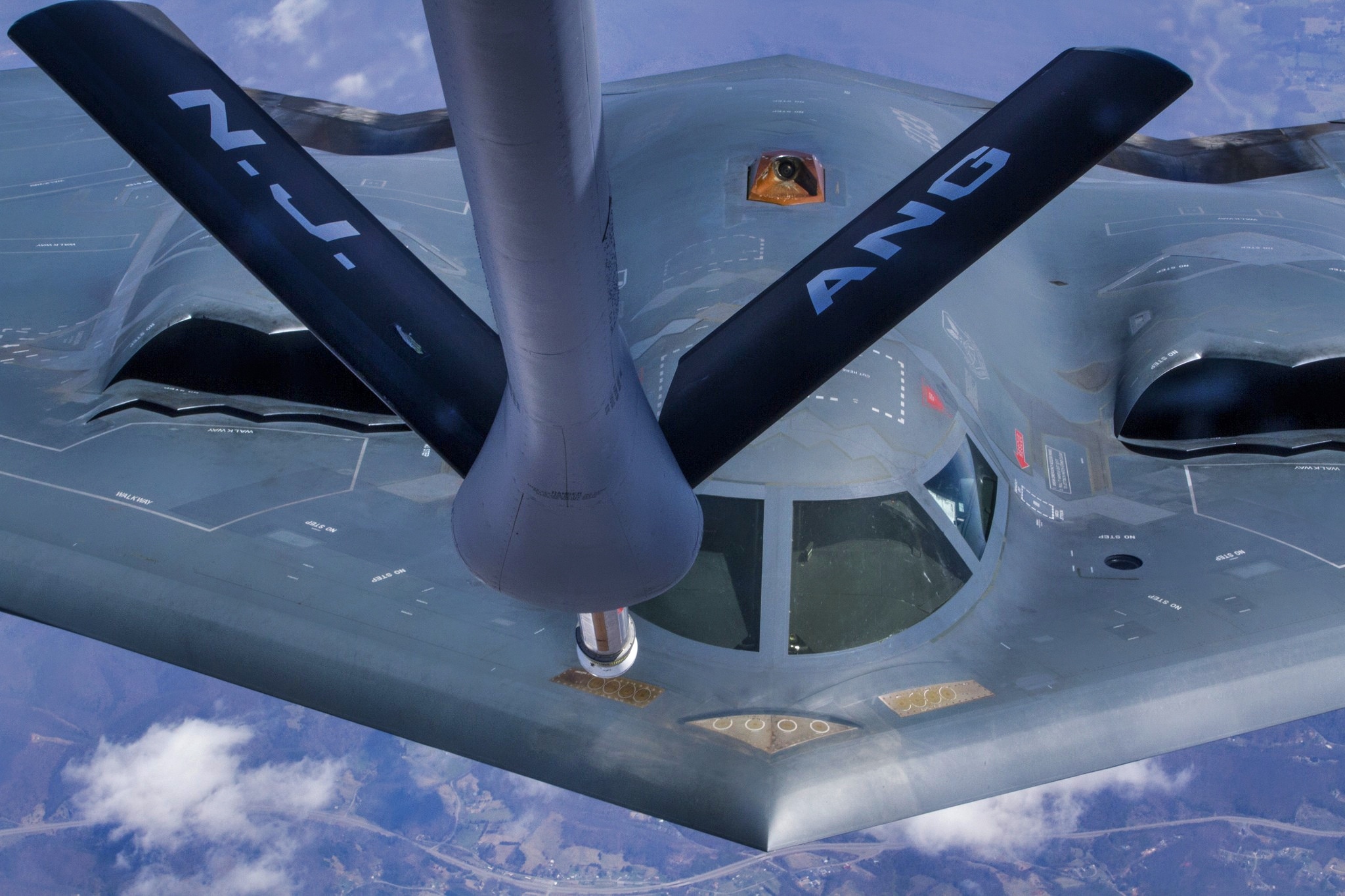
B-2 Spirit Stealth Bomber. Image Credit: Creative Commons.
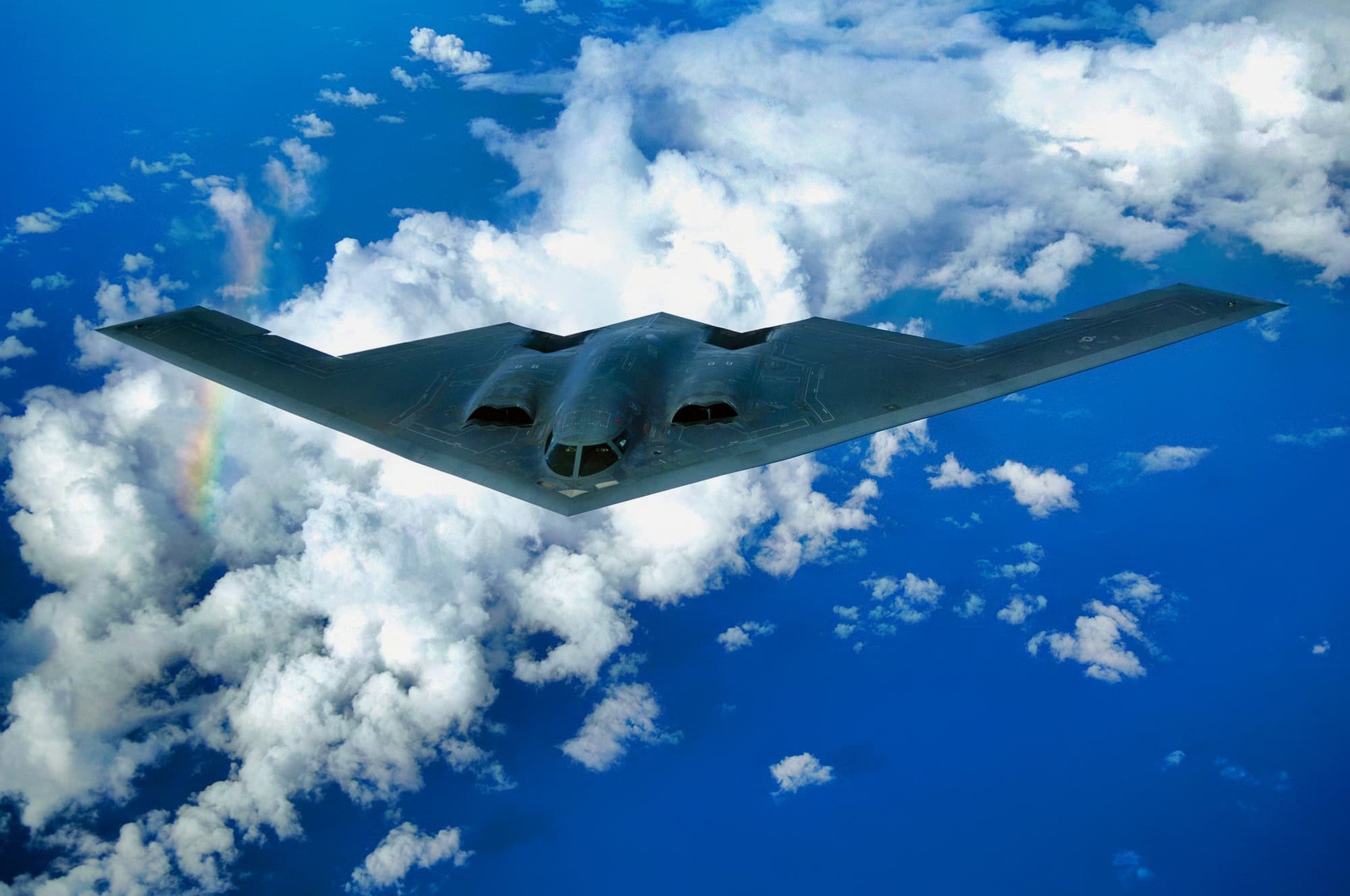
A B-2 Spirit soars after a refueling mission over the Pacific Ocean on Tuesday, May 30, 2006. The B-2, from the 509th Bomb Wing at Whiteman Air Force Base, Mo., is part of a continuous bomber presence in the Asia-Pacific region. (U.S. Air Force photo/Staff Sgt. Bennie J. Davis III)
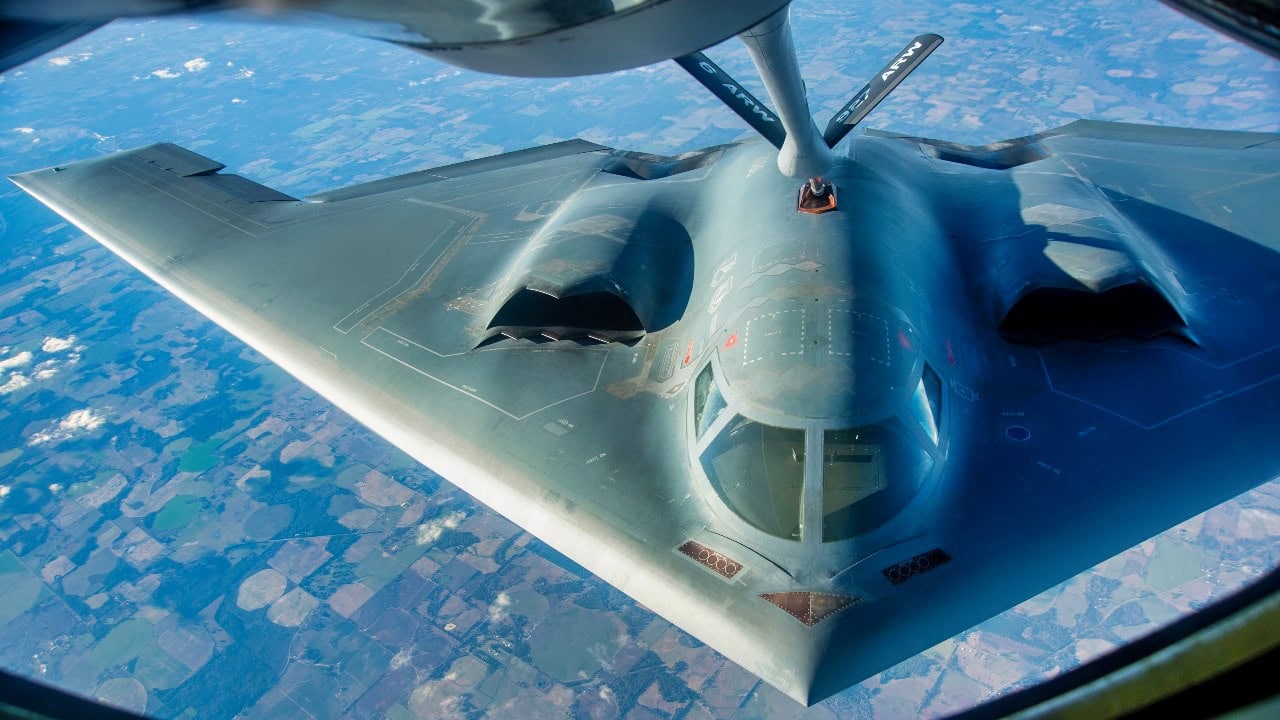
A B-2 Spirit assigned to Whiteman Air Force Base, Mo., receives fuel from a KC-135 Stratotanker, Feb 7, 2021. A B-2 Spirit performed alongside a B-1B Lancer and a B-52 Stratofortress for the Super Bowl LV flyover on Feb. 7, 2021. (U.S. Air Force photo by Airman 1st Class David D. McLoney)
Much remains classified about the H-20 program—with most information coming from satellite imagery, model reveals, controlled leaks, etc.—but what’s clear is that the design will give China a complete nuclear triad.
H-20 Bomber Questions: What is Known?
What is currently known, or credibly reported, about the H-20 is limited.
The aircraft is believed to be a flying-wing, low-observable design—very similar in appearance and concept to the B-2 and B-21. The expected mission will include long-range nuclear and conventional strike, including deep-penetration missions against US bases and naval assets. The emphasis will be on stealth, range, and large internal payload—not speed.
The technical specifications are confidential, but open-source assessments suggest the following: potentially intercontinental range, in excess of 10,000 kilometers; a combat radius of 5,000 kilometers; subsonic speed; 20-meters length; 45-meter wingspan; possibly four engines, likely indigenous; an internal payload, with estimates ranging from 20 to 45 tons.
The H-20 is expected to carry nuclear gravity bombs, air-launched cruise missiles, hypersonic weapons, and anti-ship strike payloads.
The crux of the design will be low observability, namely a blended flying-wing structure, buried engine intakes, serrated engine nozzles or cooled exhaust channels, radar-absorbent material coatings, and internal weapons bays only.
Again, the H-20 will be roughly analogous to the B-21, though less advanced in sensor fusion and LO materials.
Operational Applications
China currently relies on the H-6K/N bomber—an upgraded version of a 1950s design. The non-stealth H-6 variants have long range but no penetration capability against modern air defenses, meaning their application is limited against a near-peer like the US.

H-6 Bomber.
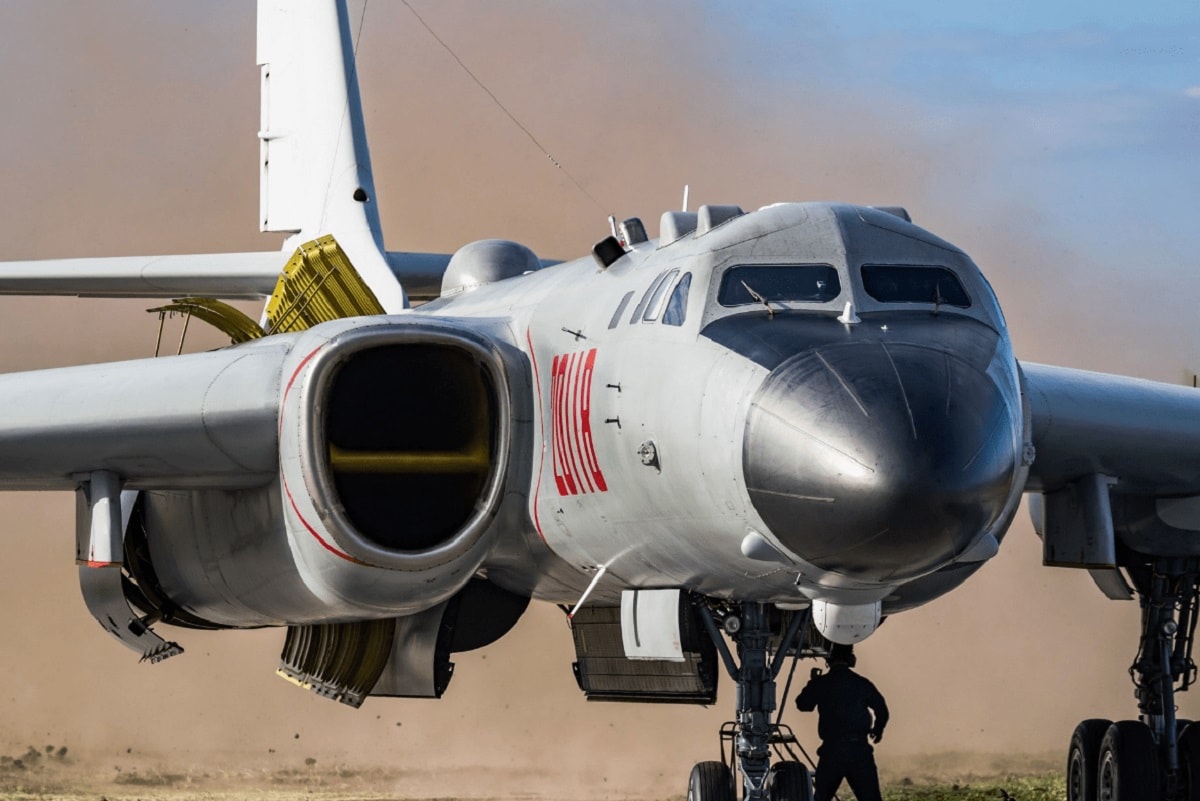
Image: Creative Commons.
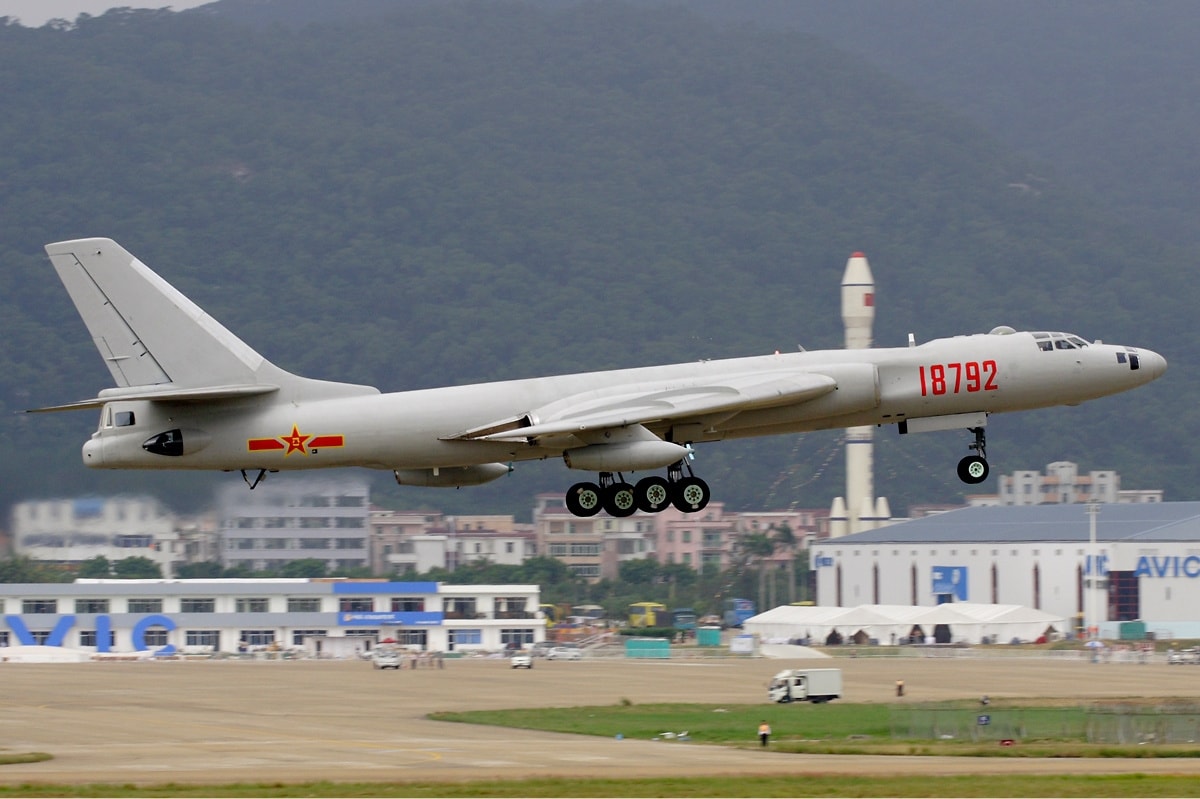
PLANAF HY-6U with aerial refuelling pods (2008) “The most distinct difference between HY-6U and HY-6D is that HY-6U has a metal nose cone, while HY-6D still has the transparent glass nose”.
The H-20 potentially solves this limitation, however, giving China a survivable first-strike or second-strike nuclear option; deep-strike capability against US regional bases; and the ability to threaten US assets farther than the First and Second Island Chains.
The H-20 will be used for a variety of missions. Penetrating strike, for example, where the aircraft will enter heavily defended airspace (Guam, Okinawa, Korea, Australia) to strike hardened targets. Standoff missile attacks, where the aircraft will be used to launch cruise missiles and hypersonic weapons from outside defended zones.
Maritime strike, in support of anti-carrier operations, delivering long-range anti-ship cruise missiles.
Logistics disruption—targeting fuel depots, runways, ports, and command centers.
And of course, nuclear deterrence, the H-20’s survivable airborne component, ensures China’s second-strike credibility.
The Air Force Is Watching
For the US, the strategic implications of the H-20’s arrival could be profound.
The H-20 expands China’s strategic reach, allowing it to project power across the Indo-Pacific, perhaps as far as Hawaii, and refuel from the US West Coast. The
US basing strategy will be complicated, as US forces at Guam, Darwin, Japan, and the Philippines will have to account for stealth-bomber threats.
Carrier groups will be challenged as stealth bombers equipped with long-range anti-ship missiles introduce a new vector of vulnerability for carrier strike groups.
Nuclear stability will be affected, too, as an air leg of China’s triad improves survivability and flexibility, offering symmetry with US and Russian doctrines.
China’s A2/AD network will be enhanced, with the H-20 adding a new attack layer.
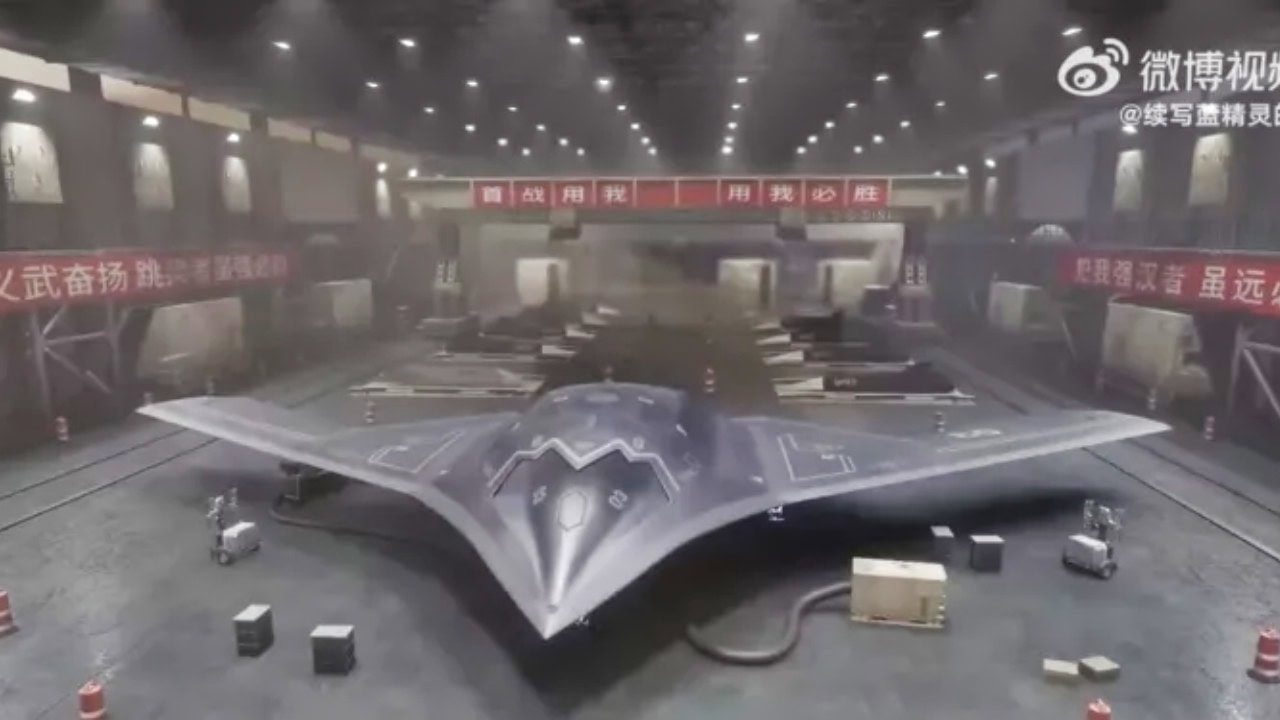
H-20 Bomber. Image Credit: X Screenshot.
And with tanker support, the H-20 could give China a truly global presence, enabling missions in the Indian Ocean, the Middle East, or Africa.
From an industrial perspective, the bomber represents something of a coming-out party. The project demonstrates China’s capacity to design large-scale stealth airframes and shows maturation in Chinese aerospace modeling, composite manufacturing, and radar-absorbent materials.
The H-20 serves to boost China’s prestige, signaling parity ambitions with the US.
The H-20 has still not yet been revealed publicly—that will likely come within the next few years.
But full force integration could take years, as stealth bombers are technologically complex.
About the Author: Harrison Kass
Harrison Kass is an attorney and journalist covering national security, technology, and politics. Previously, he was a political staffer, candidate, and a US Air Force pilot select. He holds a JD from the University of Oregon and a master’s in global journalism and international relations from NYU.