
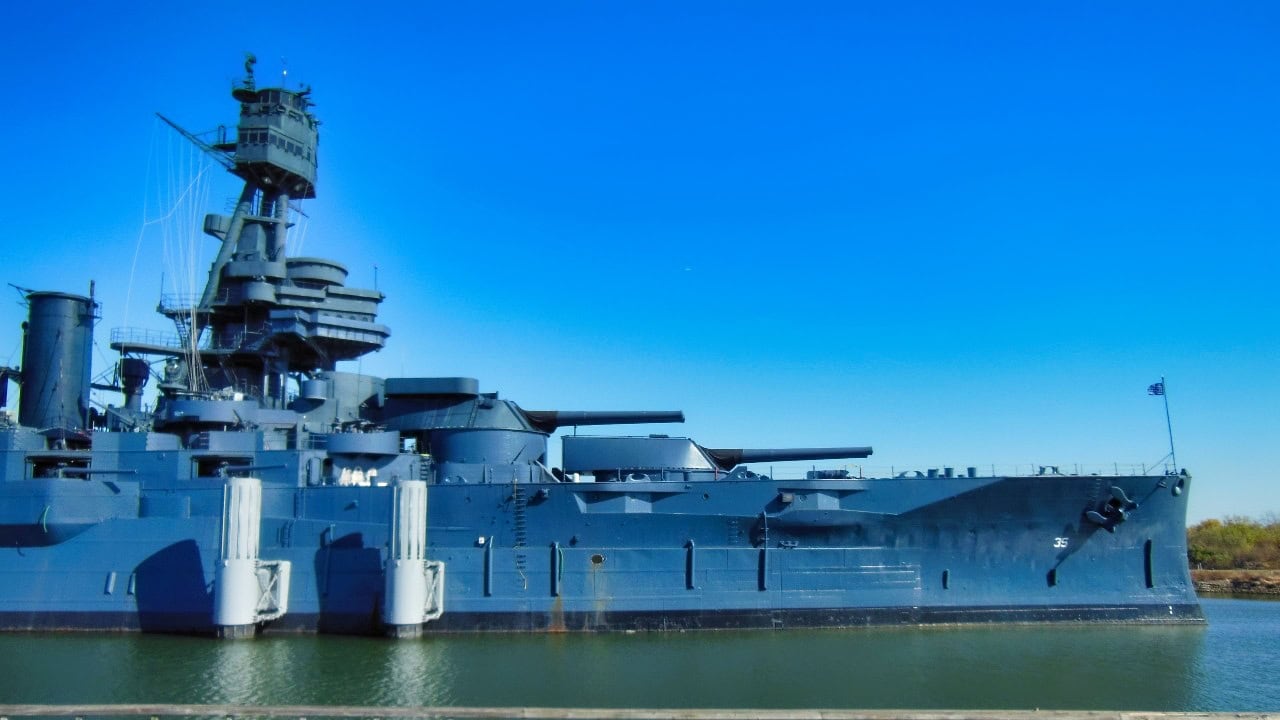
Key Points and Summary – With U.S. shipbuilding lagging badly behind China, some enthusiasts argue it is time to revive the Iowa-class battleships as missile “barges” to bolster a shrinking Navy.
-The idea has historical precedent: Reagan brought the Iowas back in the 1980s, arming them with Tomahawks, and they saw combat from Korea to Desert Storm.
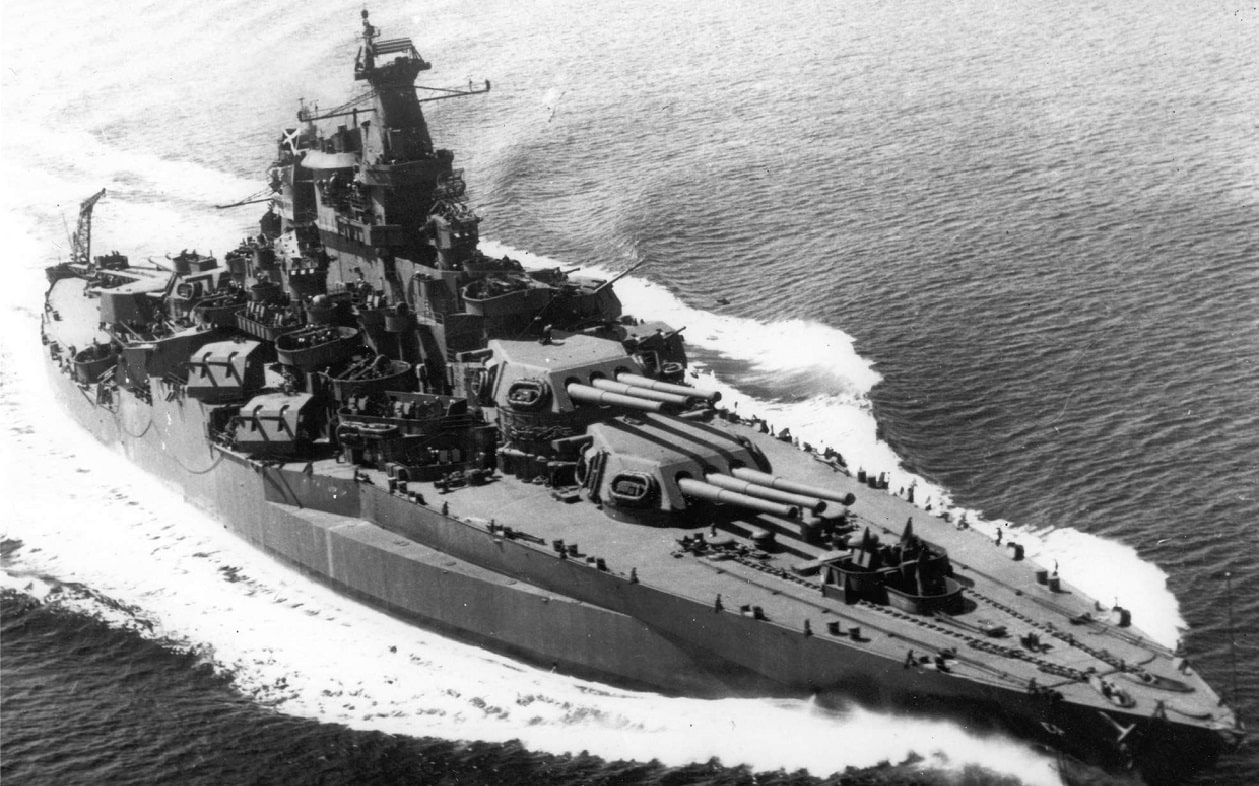
USS Tennessee. Image Credit: Creative Commons.
But today, the ships are museum pieces, wildly expensive to modernize, manpower-intensive, and poorly suited to a precision-missile, long-range fight with China.
-Navy leadership is focused on carriers, submarines, and new platforms, not 1940s hulls.
-For all the nostalgia, battleships are not coming back.
Is It Time for the U.S. Navy to Bring the Battleship Back into Service?
The U.S. Navy has a shortage of ships. Its backlog of delayed vessels include submarines such as the Virginia-class Block IV, as well as Gerald R. Ford-class supercarriers including the USS John F. Kennedy and the USS Enterprise, which is not expected to be ready before 2030. Moreover, the Constellation-class frigate was canceled.
The Navy has between 300 and 330 active warships. Meanwhile, China has 370 to 400 naval ships in its fleet. China has much better shipyards and does not suffer from a shortage of workers or damaged supply chains. The Americans just can’t keep up with the Chinese fleet.
Reagan Was a Battleship Proponent
One matter that seems to periodically pop back into consideration is bringing Iowa-class battleships back to active duty to bolster the Navy’s numbers. It happened before—in the 1980s, under the leadership of President Ronald Reagan. The Iowa (BB-61), New Jersey (BB-62), Missouri (BB-63), and Wisconsin (BB-64) were fitted with Tomahawk cruise missiles and reinstated to add firepower to Reagan’s massive 600-ship Navy.
Battleships had already been brought back to life during the Korean War. All four Iowa-class vessels saw action in that conflict, and the New Jersey served during Vietnam. The big guns came in handy for shore bombardment and close air support.
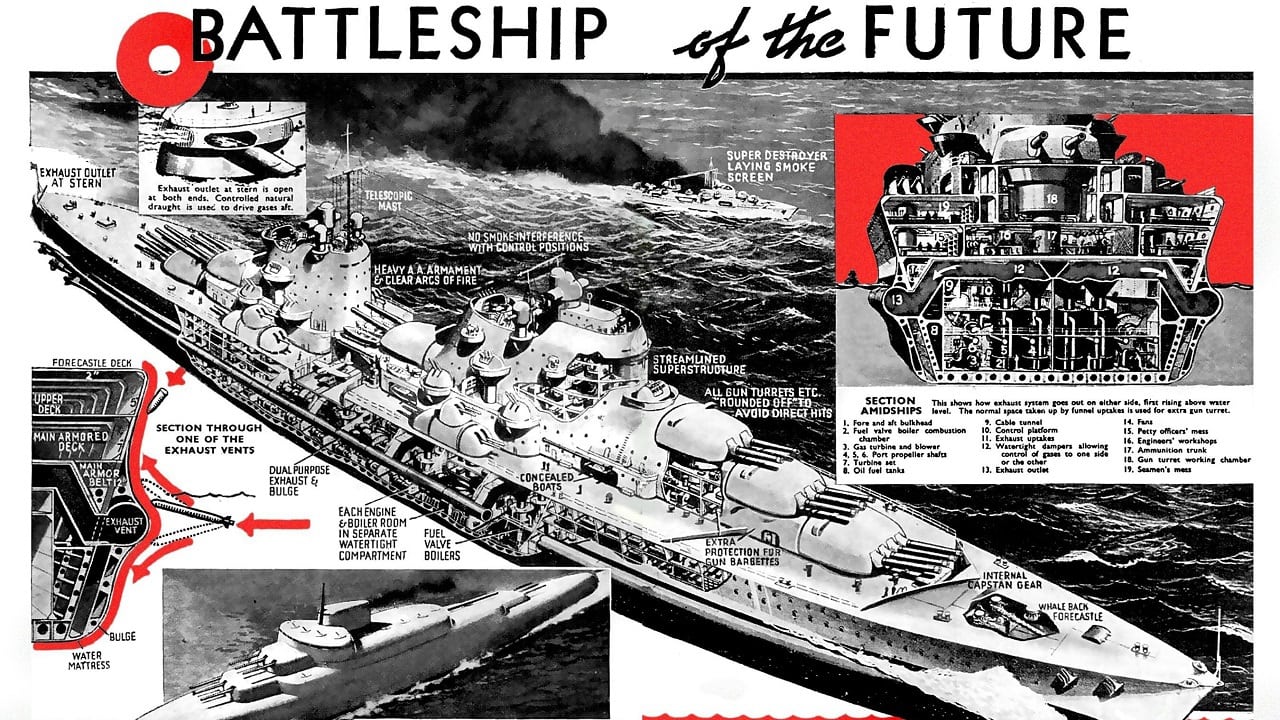
Battleships of the Future cut away from Popular Mechanics in 1940. Image Credit: Creative Commons.
How About Battleships Serving as Missile Barges?
Keep in mind, the battleships were not used for ship-on-ship warfare. Those days were gone, but the battleships’ massive firepower could still punish the enemy. Later, they proved adept at firing Tomahawk cruise missiles. The Missouri and Wisconsin even served during Operation Desert Storm.
While battleships are fascinating to tourists, they are no longer very practical. The vessels are from another era. They are hardly equipped for modern warfare, and that is not comforting to the sailors that would need to serve onboard.
Many are configured strictly for tourism, and the Navy would have to spend inordinate money and resources preparing them for combat.
But battleships have many admirers, and the Navy is indeed short on ships. The Chinese continue to leap forward in shipbuilding. So, why recreate the wheel when these massive battleships are waiting to make a comeback?
Let them steam in the Indo-Pacific or help dominate the Western Hemisphere. Give them a huge amount of missile tubes, supply them with Tomahawk missiles, and let the games begin.
It Would Need Muscle From Trump
But it is not that easy. Yes, they might be survivable in a missile fight.
Their thick armor could take some hits—but does the Navy really want to go there?
U.S. President Donald Trump has referred to a “Golden Fleet” concept that could include newly built large battleship-like capital vessels armed with hypersonic weapons.
But strategically, the battleship no longer delivers. The recent National Security Strategy released by the White House only mentions the word “Navy” once. It makes no reference to the word “ship.”
The Pentagon is working on its own National Defense Strategy, which will likely come out early next year. We could see some more clues in that document about the future of the Navy—but you can bet that battleships will not be mentioned.
Let’s Listen to the Readers
We get comments occasionally from readers of 19FortyFive who believe that the Navy should bring back the battleship. We respect and value those opinions. These are still platforms that could help the Navy, with the right kind of leadership.
The Navy certainly has a shortage of warships and is beset by delays and cancellations.
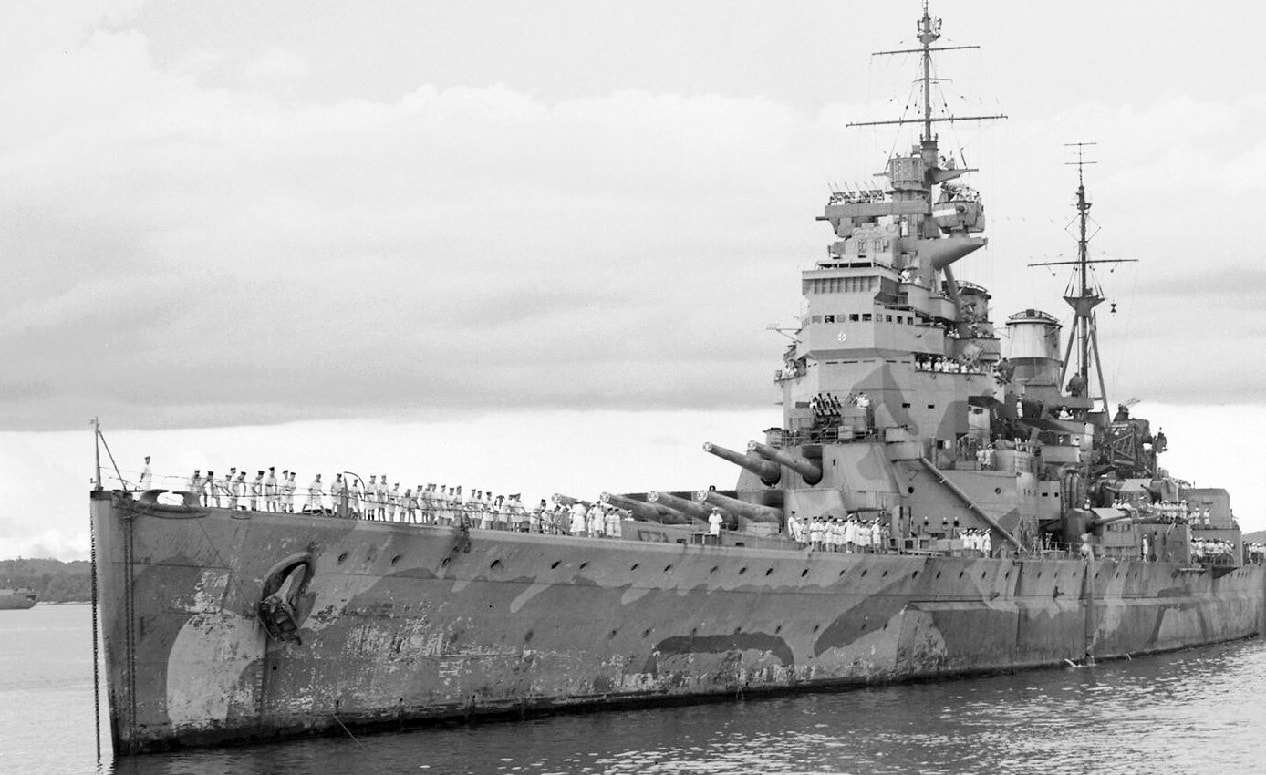
Image of Battleship HMS Prince of Wales. Image Credit: Royal Navy.
The Littoral Combat Ship program has been a disaster despite the strategic buy-in it enjoyed during the war on terror. The Navy needs new platforms, and it must think ahead. But it just does not seem that the battleship has the faith of the Navy brass.
Chief of Naval Operations May Not Be a Fan
For example, Admiral Daryl Caudle, the Chief of Naval Operations, is a submarine officer who has led many boats throughout his career in the Silent Service.
Caudle is not likely to favor a battleship coming back to duty. He is more concerned now with the overall composition of the future fleet and the morale of sailors who could face ship-on-ship warfare with China or Russia. Caudle must prioritize the needs of aircraft carriers—he is responsible for how the Ford-class will shape up over the next 10 years. Battleships are probably not part of his decision-making calculus.
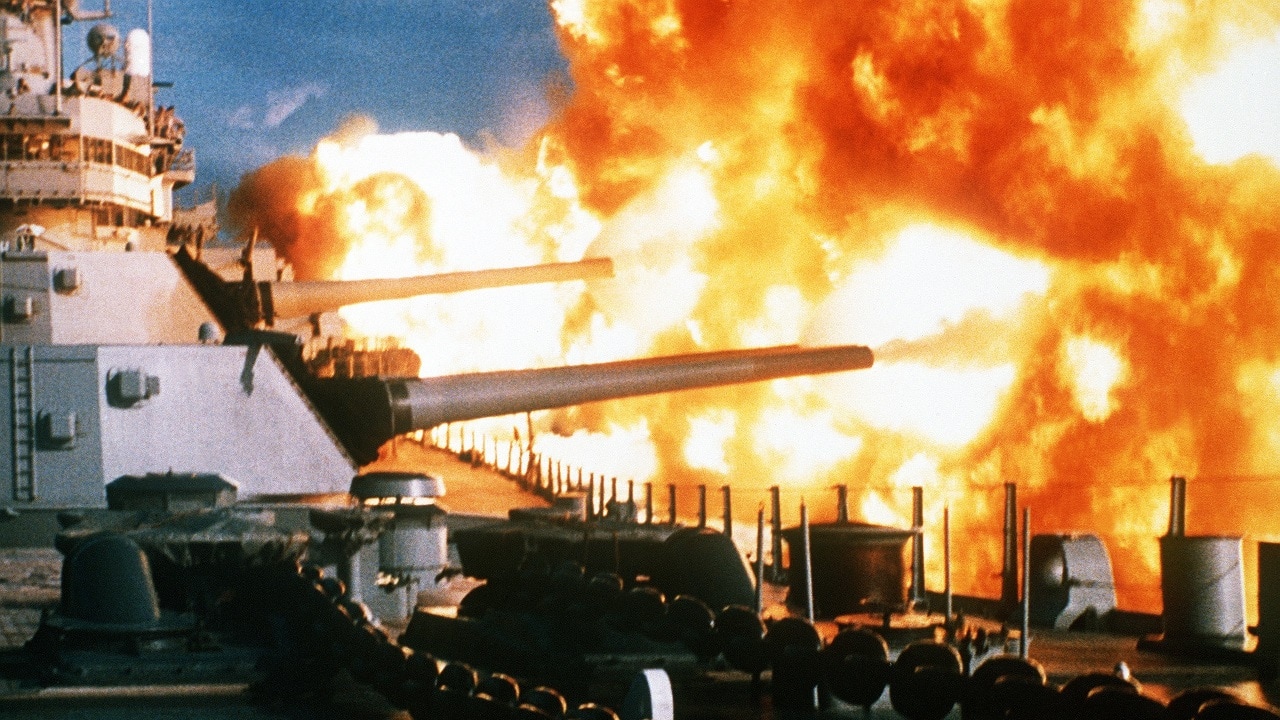
The Iowa-class battleship USS New Jersey fires at positions near Beirut on 9 January 1984 during the Lebanese Civil War.
The battleship is indeed an awe-inspiring vessel, and it still makes one’s head turn. Battleships served in many conflicts valiantly and undertook different types of operations—but since aircraft carriers came to prominence, they have been an afterthought for any task except shore bombardment.
We love those big guns and the ships’ immense size, but don’t expect them to return to active duty anytime soon.
About the Author: Brent M. Eastwood
Author of now over 3,000 articles on defense issues, Brent M. Eastwood, PhD is the author of Don’t Turn Your Back On the World: a Conservative Foreign Policy and Humans, Machines, and Data: Future Trends in Warfare plus two other books. Brent was the founder and CEO of a tech firm that predicted world events using artificial intelligence. He served as a legislative fellow for US Senator Tim Scott and advised the senator on defense and foreign policy issues. He has taught at American University, George Washington University, and George Mason University. Brent is a former US Army Infantry officer. He can be followed on X @BMEastwood.