

Key Points and Summary – Russia’s S-400 Triumf is the backbone of its layered air defense network, blending long-range surveillance radars, digital command links, and a family of missiles able to target everything from fighters to ballistic threats.
-Deployed from Crimea to Syria and exported to China, India, and Turkey, it anchors Russian A2/AD bubbles and carries major geopolitical weight.
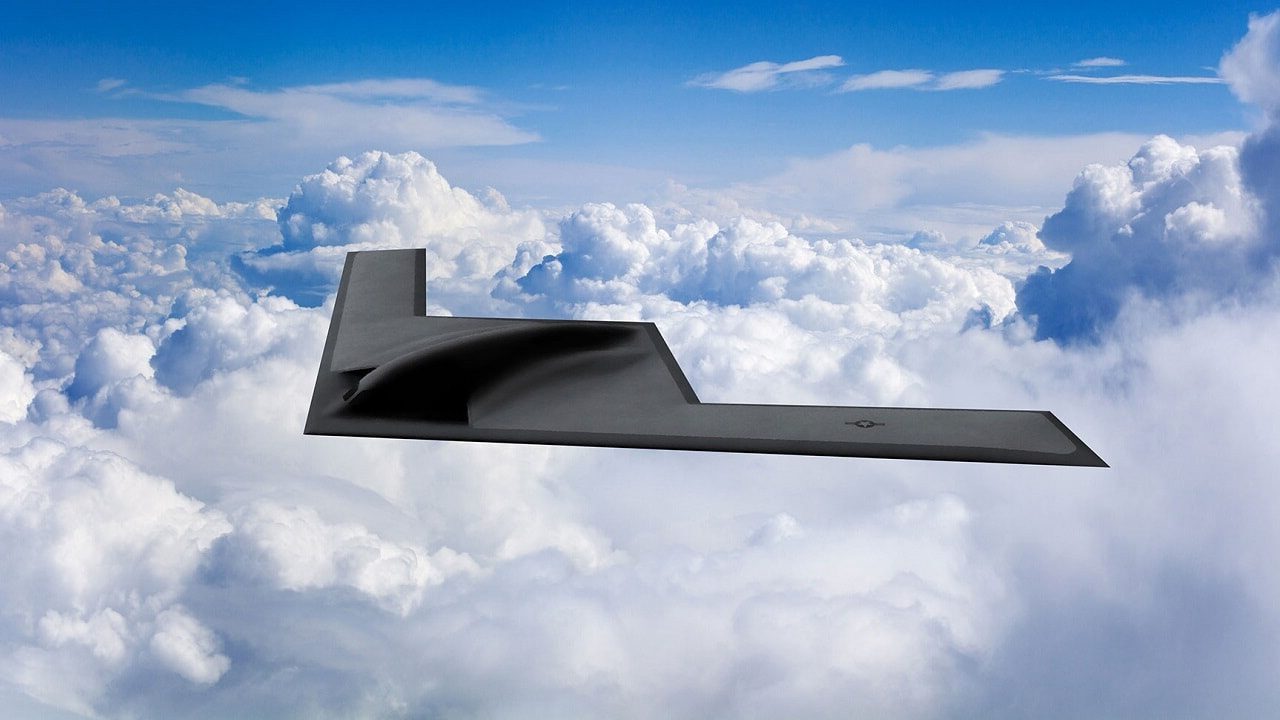
B-21 Raider Stealth Bomber. Image Credit: Creative Commons.
-But battlefield performance in Ukraine has exposed vulnerabilities, with destroyed batteries and unverified kill claims against Western munitions.
-As Moscow quietly upgrades the system and eyes sales of the even more ambitious S-500, the real question is how well these defenses will fare against stealth platforms like the F-22, F-35, and new B-21 Raider bomber.
Russia’s S-400 Air Defense Has a Message for NATO Airpower
The S-400 Triumph (NATO designation: SA-21 Growler) is one of Russia’s most advanced surface-to-air missile systems currently in service.
Built to replace older S-200 systems, the S-400 is designed to work in tandem with other AD systems, such as the S-300 and Pantsir-S1. The S-400 has been exported to nations like India, China, and Belarus and currently serves as the backbone of Russia’s air defense units.
Despite several mishaps in Ukraine, the S-400 has also proved capable of intercepting Western munitions, though its capabilities against stealth aircraft have yet to be fully tested.
Development and Defense Architecture
The system’s development began in the USSR, when planners sought a modernized approach to replace the S-200 and S-300 series to manage a spectrum of aerial threats.
The Triumf program, revived in the 1990s, faced delays and technical hurdles before successful ballistic intercept tests in 2004 set the stage for serial deployment.
Official service approval followed in April 2007, and by August that year, Russia had its first S-400 battalion on combat duty, marking the beginning of a platform that would become central to Russian air defense architecture and an export commodity with considerable diplomatic weight.
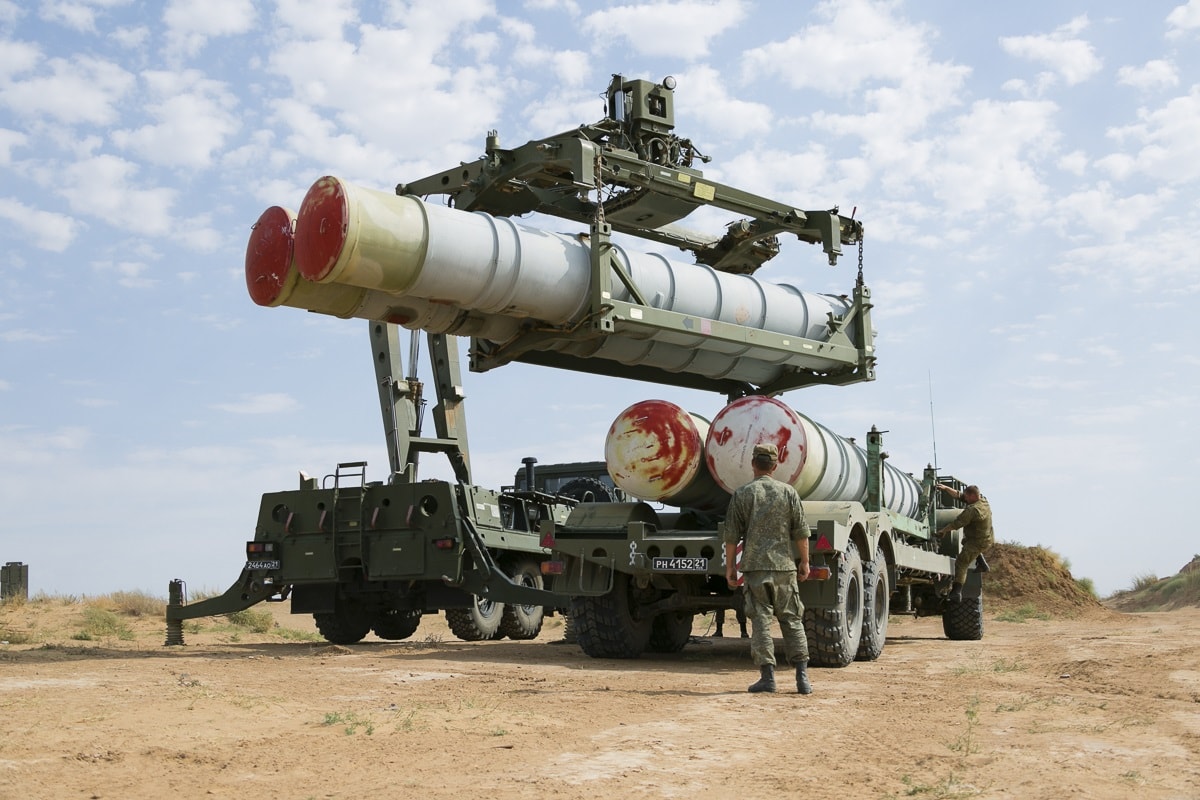
Russia’s S-400 Air Defense System. Image: Russian Military.
At the core of the S-400 is a distributed architecture built around sophisticated sensors and a digital command network. The 30K6E command system, working with the 55K6E control post, fuses radar inputs, external feeds, and engagement data to prioritize threats and assign intercept solutions across multiple batteries.
Pairing this brain with a suite of radars provides deep visibility and diverse spectral coverage: the 91N6E panoramic acquisition radar (operating on the L-band) tracks hundreds of targets at long range; the 92N6E multi-function fire-control radar offers precision tracking and guidance for simultaneous engagements.
Optional assets, such as the 96L6E all-altitude detector and VHF/L-band Nebo variants, bolster detection performance against low-observable aircraft and in heavy electronic warfare conditions. In practical terms, this architecture provides the S-400 with a 360-degree picture, rapid cueing, and resilience against jamming or stealth.
Missile Types
The S-400 uses transport erector launchers (TELs), which can carry four missile tubes per vehicle and can reposition swiftly, reducing vulnerability to pre-emptive strikes and allowing operators to reconfigure within minutes.
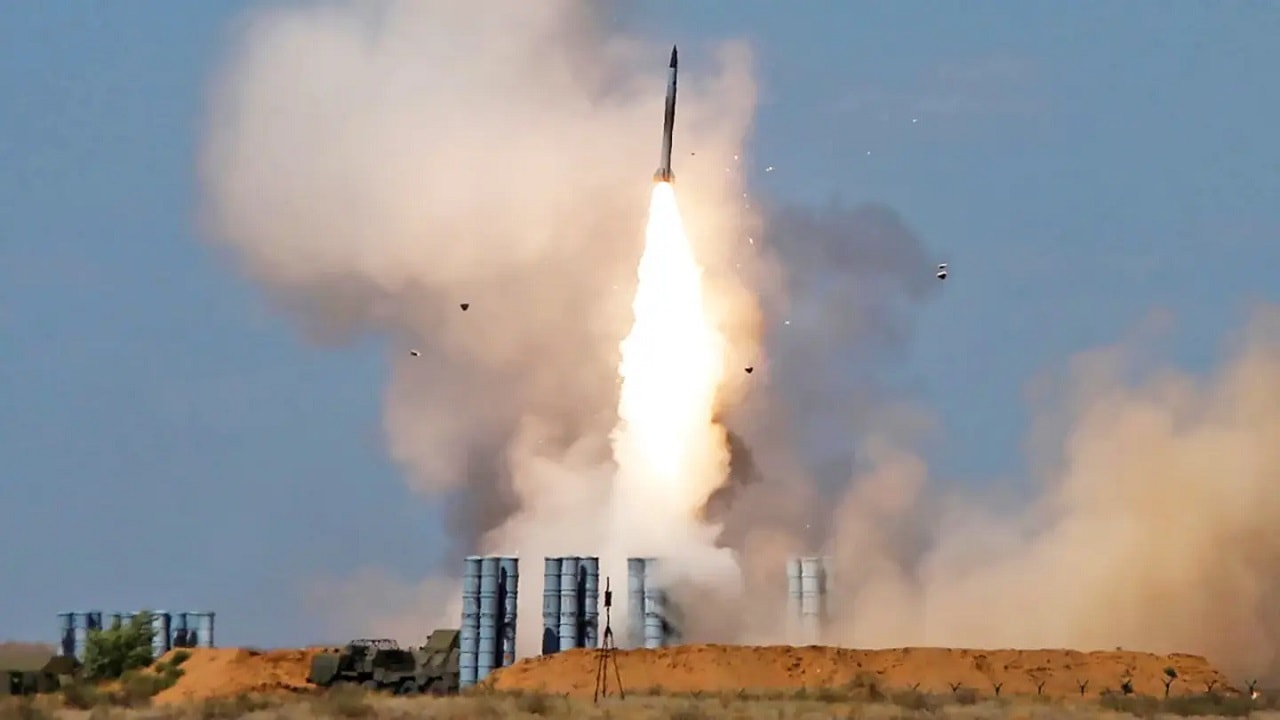
S-300. Image Credit: Russian Ministry of Defense.
According to Russian claims, the system can be fully operational in five minutes under field conditions, which can be the difference between life and death in many situations.
This mobility is paired with cold-launch vertical ejection, enabling any-azimuth shots without slewing the launcher.
In other words, the missile can attack from any direction when launched.
The S-400’s layered missile inventory is engineered to match target types and engagement distances. At the outer ring sits the 40N6E, a very long-range interceptor with a range of about 400 km against high-value airborne platforms and some ballistic threats.
Some sources claim it has an altitude of engagement near 30 km, and its interceptors can reach Mach 5+. The 48N6 series is a medium-range interceptor with a range of around 200–250 km class for fighters, cruise missiles, and UAVs, providing mid-tier reach with substantial speed and maneuverability.
For close-to-medium-range precision work, the 9M96 and 9M96E2 interceptors offer high-agility terminal guidance to defeat low-RCS targets and fast-maneuvering threats. Collectively, these missiles enable simultaneous engagements across ranges and altitudes, with Russian sources claiming on-paper capacities to track around 300 targets, engage 36, and guide upwards of 72 missiles at once.
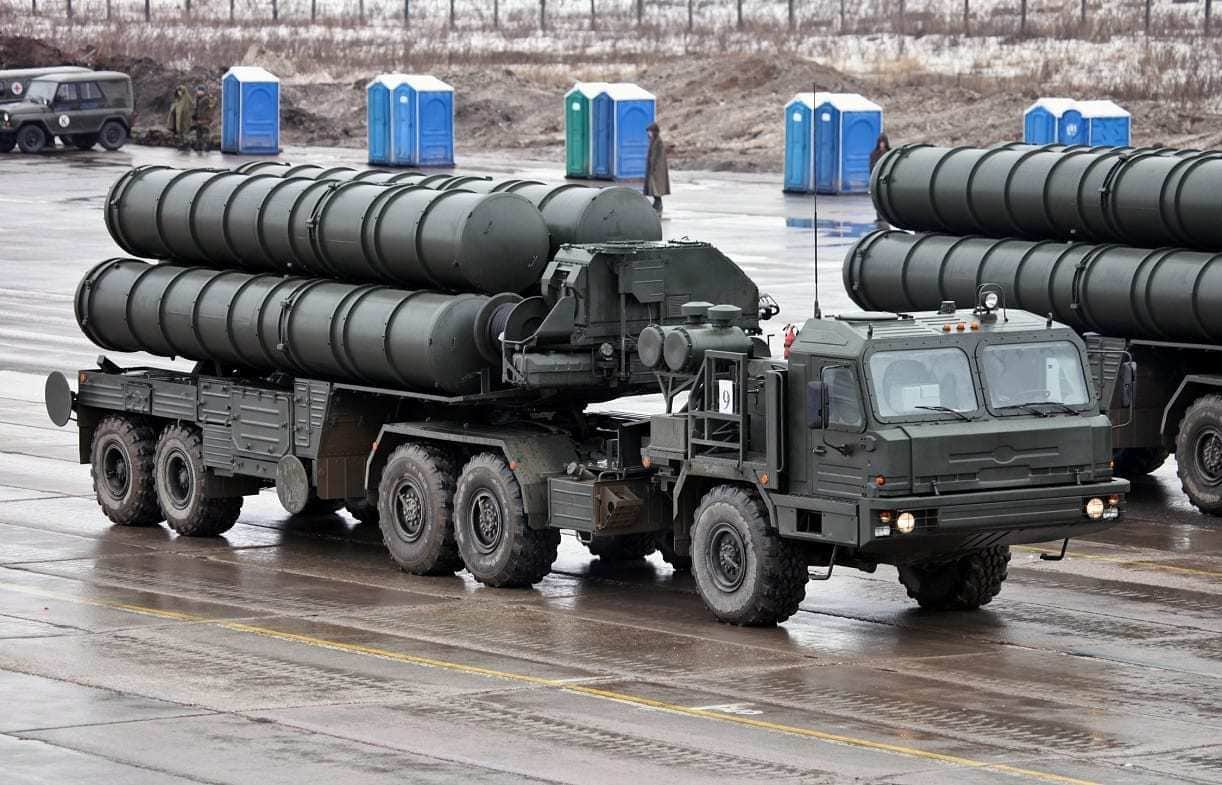
S-400. Image Credit: Creative Commons.
The S-400 in Action
Russia has deployed S-400 units to strategic locations such as Crimea, Kaliningrad, and Syria, where they serve both force-protection and strategic-signaling roles. The system’s presence creates an anti-access/area denial (A2/AD) environment that poses a significant threat to NATO aviation.
While analysts have debated the system’s effectiveness against stealth systems, any excursion into its range remains a dangerous gamble.
The system has achieved mixed results in Ukraine, with some batteries reportedly being destroyed by Ukrainian fire. At the same time, some Russian sources have claimed that the system was able to successfully down Western munitions like HIMARS and Storm Shadow missiles, though these claims are difficult to verify.
This experience has driven additional modernization projects based on data from Western-provided munitions to Ukraine.
Russian officials have stated that the S-400 has acquired “new features” atypical of traditional air defense systems (such features were not discussed or clarified), shaped by rapid technological turnover and combat feedback.
Foreign Exports
The S-400 has been exported to several nations, including Algeria, Belarus, and China. Under a $5.43 billion deal signed in 2018, India began receiving S-400 squadrons in late 2021, deploying at least three by mid-decade with the final two slated by 2026–2027.
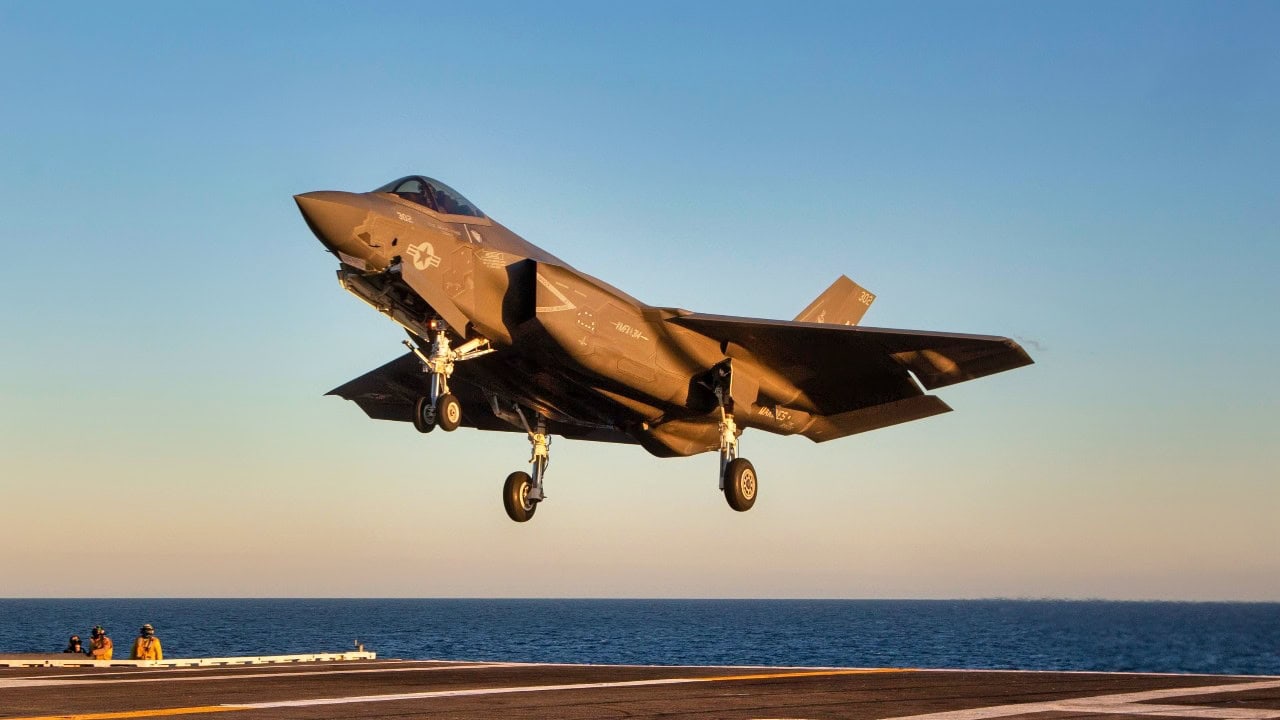
F-35 Fighter.
During the brief border confrontation with Pakistan, Indian sources claimed that the system was used to down several Pakistani fighters and drones, although such claims are dubious to say the least. India and Russia have remained in close contact regarding the acquisition of new launchers, suggesting India’s commitment to the system and its adoption into India’s broader air defense shield.
The most controversial S-400 export was to Turkey in 2017. The decision was so controversial that the U.S. removed Turkey from the F-35 program, barring the nation from ever acquiring the stealth fighter as long as it fielded Russian air defenses.
Despite Western sanctions, Turkey has remained determined to keep its batteries. Even more surprisingly, in 2025, Russia offered to buy back its air defenses from Turkey, an offer which Istanbul ultimately refused.
About the Author: Isaac Seitz
Isaac Seitz, a Defense Columnist, graduated from Patrick Henry College’s Strategic Intelligence and National Security program. He has also studied Russian at Middlebury Language Schools and has worked as an intelligence Analyst in the private sector.