
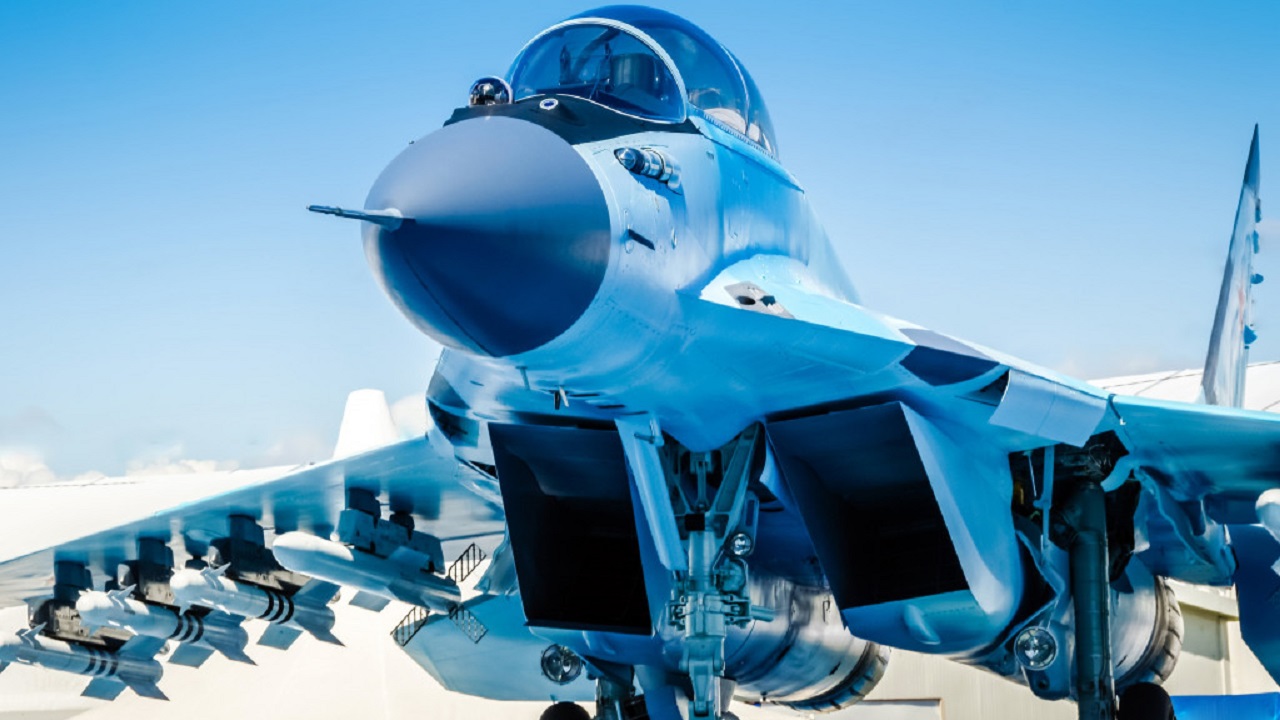
Key Points and Summary – Russia sold the MiG-35 as a budget “MiG-29 for modern war”—AESA radar, upgraded engines, sharper electronic warfare, and real multirole punch.
-What emerged looked closer to an incremental refresh than a decisive leap, and Russia’s own purchases stayed limited—an instant warning flare for export customers.
-India’s headline fighter competition moved on, while other prospects judged the jet either too costly to be “cheap” or too dated to be “advanced.”
-The deeper takeaway is strategic: modern air combat is trending toward stealth, networking, and sensor fusion, and MiG’s industrial decline left it struggling to keep up. For the future.
Why Russia’s MiG-35 Fighter Is a Failure
The Mikoyan MiG-35 was supposed to be Russia’s fourth-generation-plus multirole fighter, a modernized, export-ready successor to the MiG-29 family that was cheaper than the Su-30 or Su-35, and could compete directly with the F-16 and Gripen.
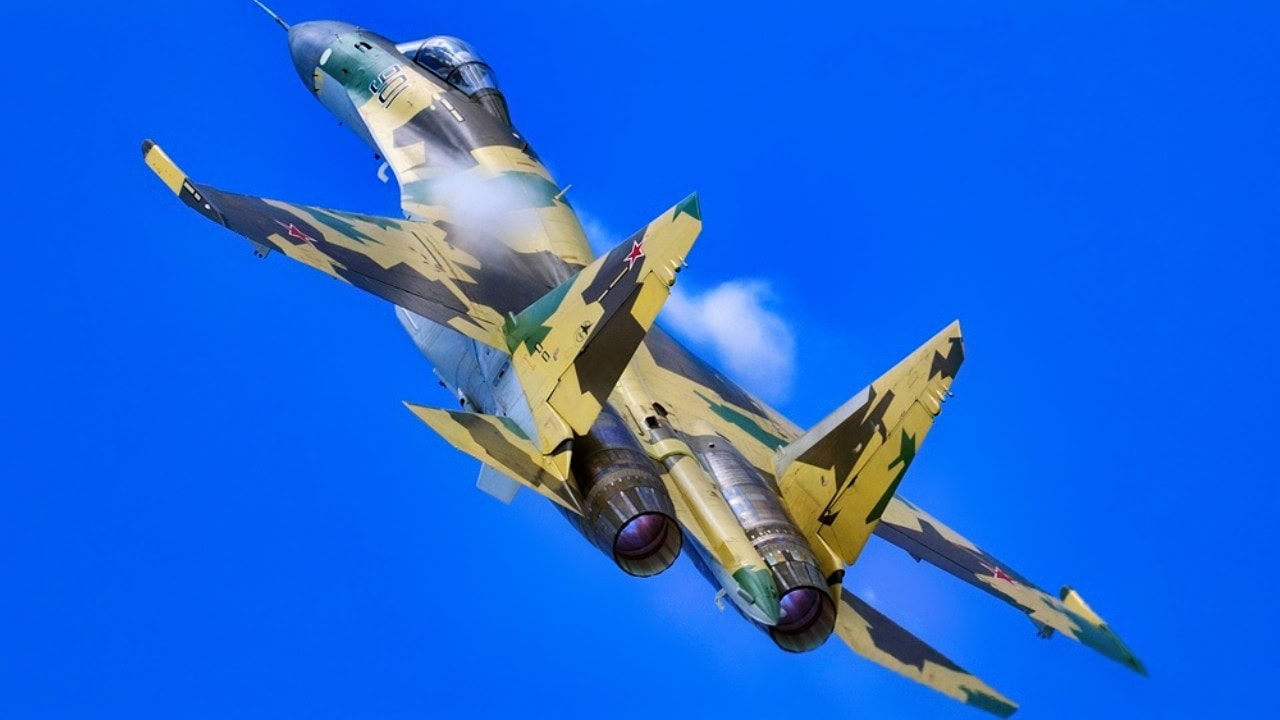
Su-35 Fighter from Russia. Image Credit: Creative Commons.
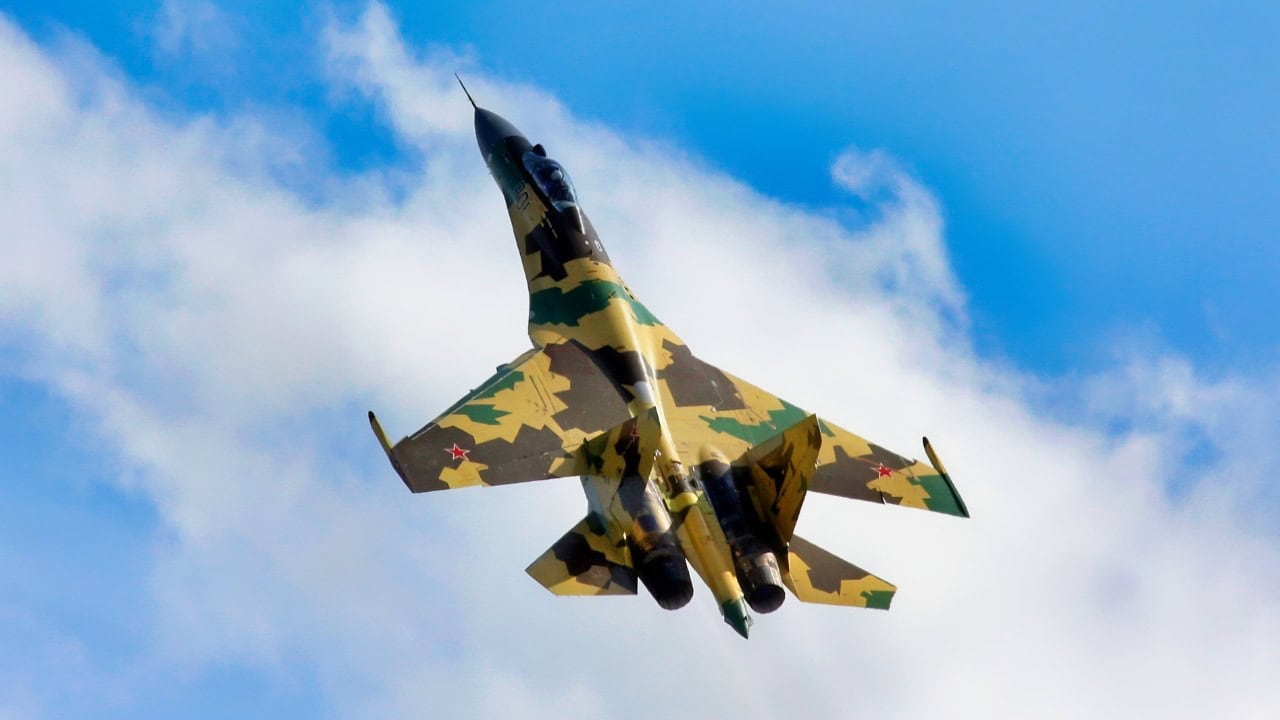
Su-35 Fighter from Russia.
Promising cutting-edge features, like an AESA radar, advanced EQW suites, and new engines, the MiG-35 was marketed as a market-friendly aircraft geared towards 21st-century warfare.
But the MiG-35 has been an abject failure—commercially, technologically, and strategically.
Hard Times
MiG was once the Soviet Union’s premier fighter house.
But in the decades since the 1991 Soviet collapse, when aerospace funding was gutted, Mikoyan has faltered while competitor Sukhoi has endured, earning the bulk of Russian aerospace investment.
The MiG-35 was supposed to be the company’s comeback, the brand-saver—a lightweight, affordable, multirole fighter for domestic and foreign customers.
Designed as a bridge between the MiG-29 and modern avionics and weaponry, the MiG-35 was envisioned as a counterweight to Western fourth-generation-plus fighters (and China’s increasingly sophisticated aircraft).
MiG envisioned placing the MiG-35 with international customers who could not afford the Su-35, Rafale, or F-35 but still needed a reliable, relatively advanced fighter.
But the promised technology was never delivered. The AESA radar was advertised, but never fielded in operational models. The RD-33 derivative engines underperformed, offering no real progress in thrust, fuel economy, or reliability. The sensor fusion and cockpit displays were decades behind Western counterparts. In reality, the finished product was just a refined version of the MiG-29—not a true next-generation platform.
The export scheme fell apart when the Russian Air Force, expected initially to buy upwards of 40 airframes, purchased just six MiG-35s.
Naturally, the Russian Air Force’s lack of confidence signaled to prospective foreign buyers that the MiG-35 was a lousy investment. Meanwhile, Russia backed the Su-30SM, Su-34, Su-35, and Su-57.
The foreign buyers who did consider the MiG-35 were universally unimpressed. India’s MMRCA competition pitted the MiG-35 against the French-built Rafale; the MiG-35 failed reliability trials, weapons trials, and performance benchmarks, and the Rafale ultimately earned the contract.
Egypt, Malaysia, Bangladesh, and Algeria also evaluated the MiG-35. All passed. The MiG-35, it turned out, filled an undesirable market niche—it was too expensive for poor nations, but too primitive for rich countries.
The platform was eventually boxed out, with platforms like the F-16, Gripen, and JF-17 coming to dominate the export market.
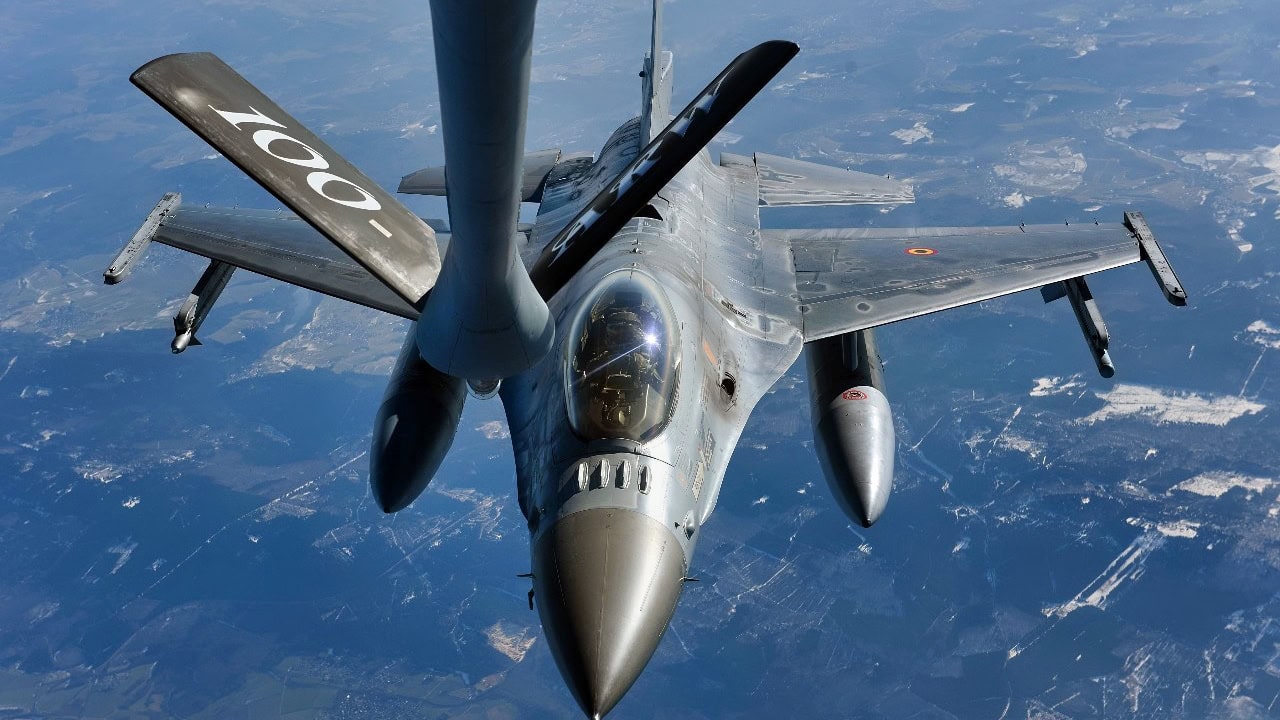
A Belgian Air Component F-16 flies behind a U.S. Air Force KC-135 Stratotanker from the 100th Air Refueling Wing, RAF Mildenhall, England, before receiving fuel over Germany, Feb. 23, 2018. The air refueling was part of a large force exercise with NATO allies including the Belgian, Dutch, French and German air forces. (U.S. Air Force photo by Airman 1st Class Luke Milano)
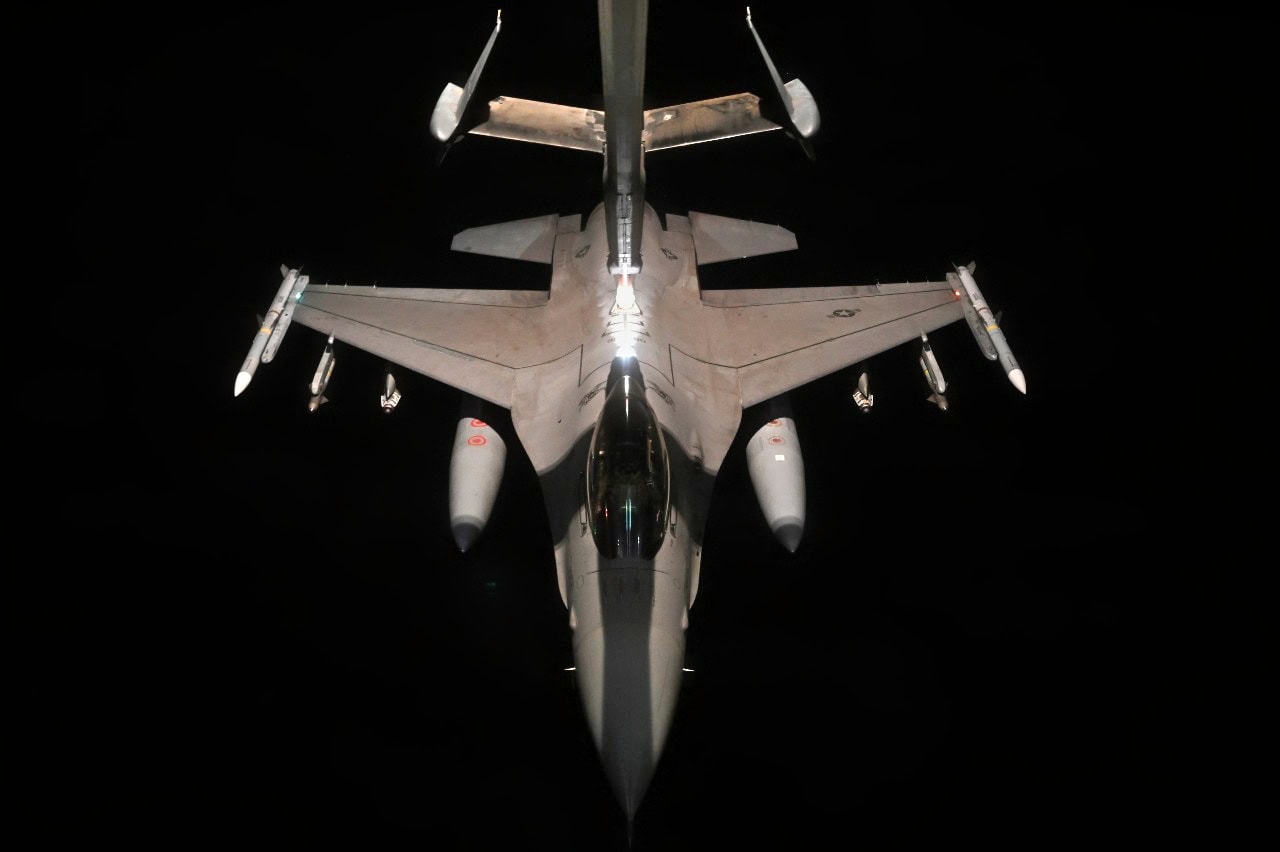
A U.S. Air Force F-16 Fighting Falcon assigned to the 77th Expeditionary Fighter Squadron, receives fuel from a KC-10 Extender assigned to the 908th Expeditionary Air Refueling Squadron, over an undisclosed location within the U.S. Central Command area of responsibility, Dec. 2, 2022. F-16 aircraft routinely conduct presence patrols within the CENTCOM AOR to reassure allies and ensure regional security. (U.S. Air Force photo by Staff Sgt. Gerald R. Willis)
So what happened?
Part of the problem was internal. Industrial weaknesses at Mikoyan (i.e., shrinking engineering base, loss of talent to Sukhoi, outdated facilities) prevented the delivery of the MiG-35 on a timeline or with the technical capabilities that had been promised. And part of the problem was external.
Aerial combat has changed, but the MiG-35 failed to account for those changes. Namely, air power has shifted towards stealth, long-range weapons, sensor fusion, EQ, and network-centric operations. But the MiG-35 offered none of that.
It’s a non-stealth, short-range fighter, out of place in the 21st century.
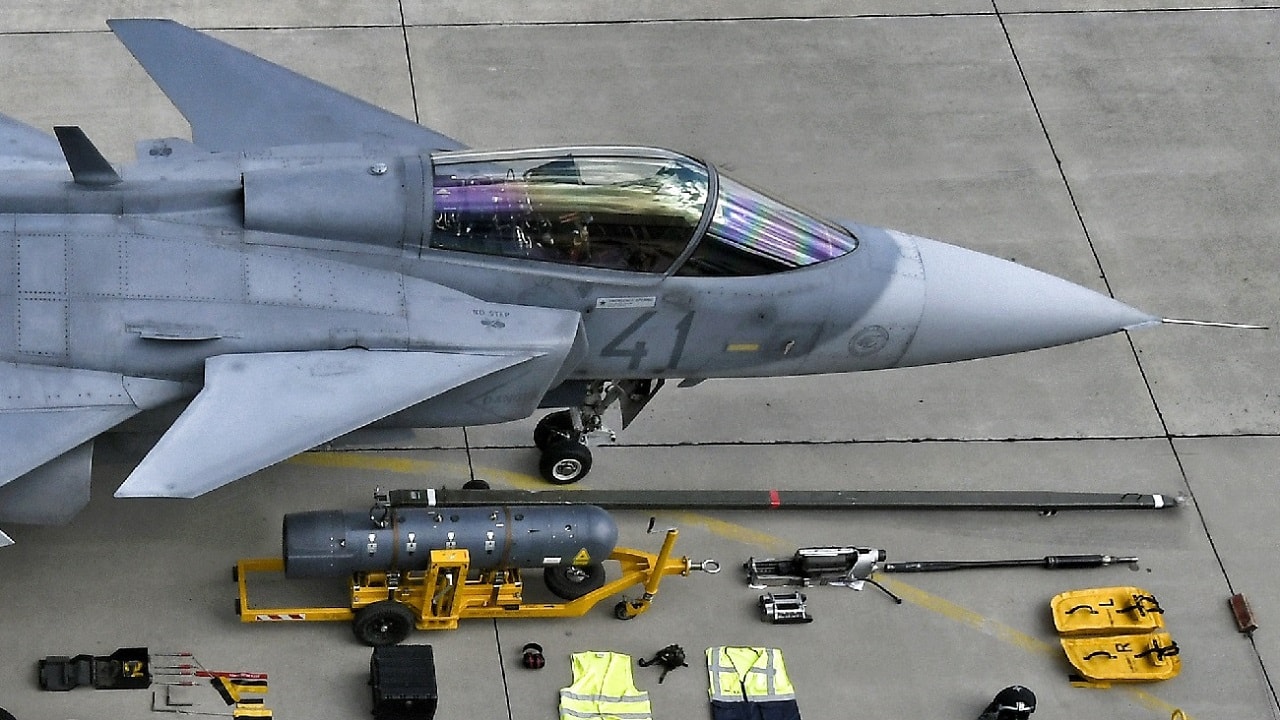
Sweden’s JAS-39 Gripen. Image Credit: Creative Commons.

Image is of Saab Gripen fighter. Image Credit: Creative Commons.
The failure of the MiG-35 likely signals the end of the MiG brand as a frontline fighter. MiG now survives off export maintenance and drones, while the future of the Russian fighter industry lies overwhelmingly with Sukhoi.
The failure also has implications for Russia’s export influence.
Russia once dominated the low-cost fighter export market with products like the MiG-21, MiG-23, and MiG-29. But today, China’s JF-17 dominates the low-cost market, the US and Sweden dominate the mid-tier market, and the F-35 dominates the high-end market. Russia has been boxed out, a stunning market collapse that the MiG-35’s failure accelerated.
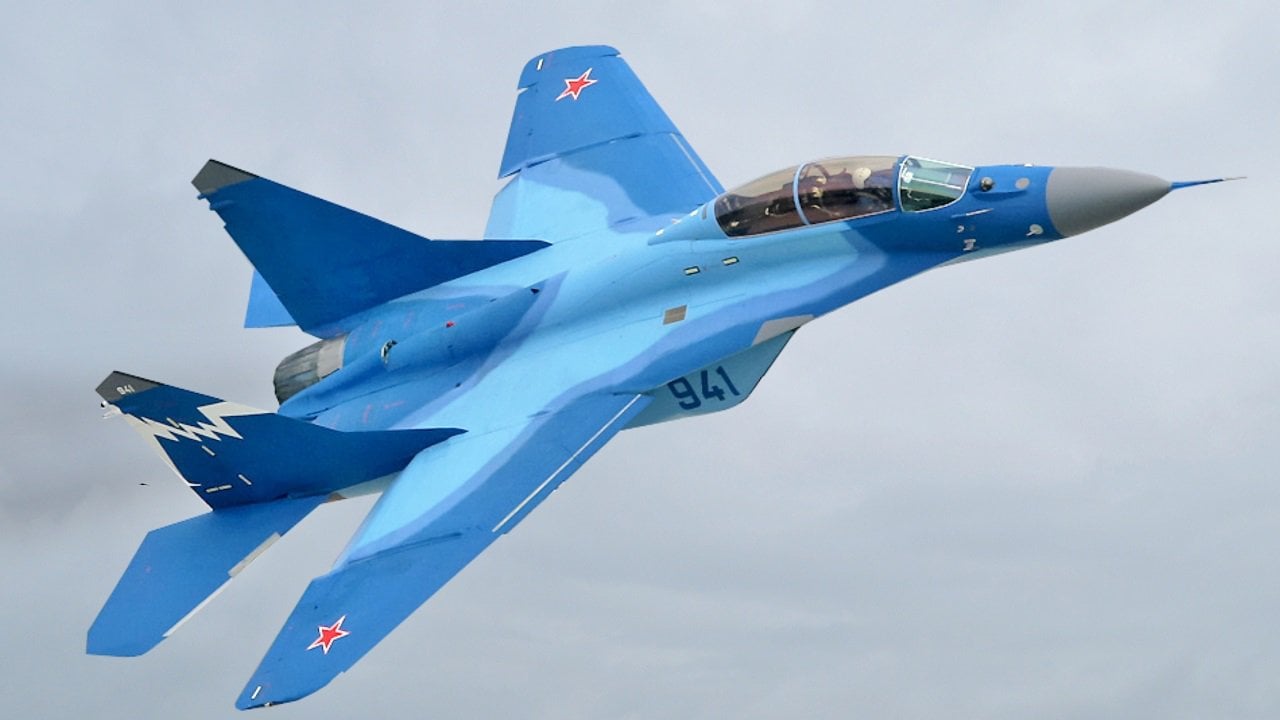
MiG-29K. Image Credit: Creative Commons.
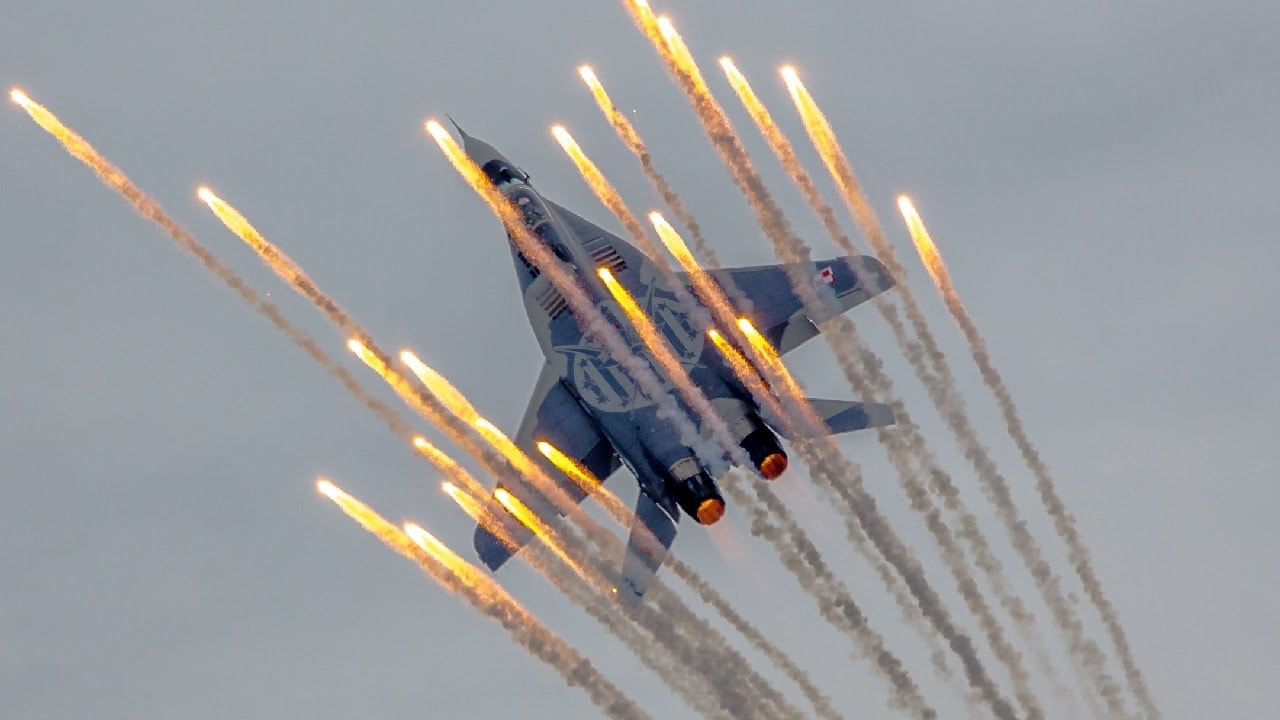
MiG-29. Image Credit: Creative Commons.
Without the MiG-35, Russia will suffer strategic consequences. The lack of a modern lightweight fighter means that Russia will be forced to rely on more expensive Su-30/35 units.
Russia will suffer from a reduced ability to field massed squadrons and won’t have the ability to field a high-low mix platform, the way the US perfected with the F-15 and F-16, and the way China is working towards with the J-20 and J-35.
The Sad Fighter Reality
The MiG was supposed to revive the MiG brand and give Russia a modern export fighter. Instead, the program exposed weaknesses in Russia’s aerospace sector. By every metric—commercial, technological, strategic—the MiG-35 has been a failure.
About the Author: Harrison Kass
Harrison Kass is an attorney and journalist covering national security, technology, and politics. Previously, he was a political staffer, candidate, and a US Air Force pilot select. He holds a JD from the University of Oregon and a master’s in global journalism and international relations from NYU.