

Key Points and Summary – Japan’s Sōryū-class diesel-electric attack submarines were built for stealth, endurance, and chokepoint warfare—exactly what matters in the First Island Chain as pressure from China grows.
-Entering service in 2009, the class combined large displacement with air-independent propulsion on early boats and then pioneered lithium-ion batteries on later hulls, boosting underwater endurance and reducing snorkeling demands.
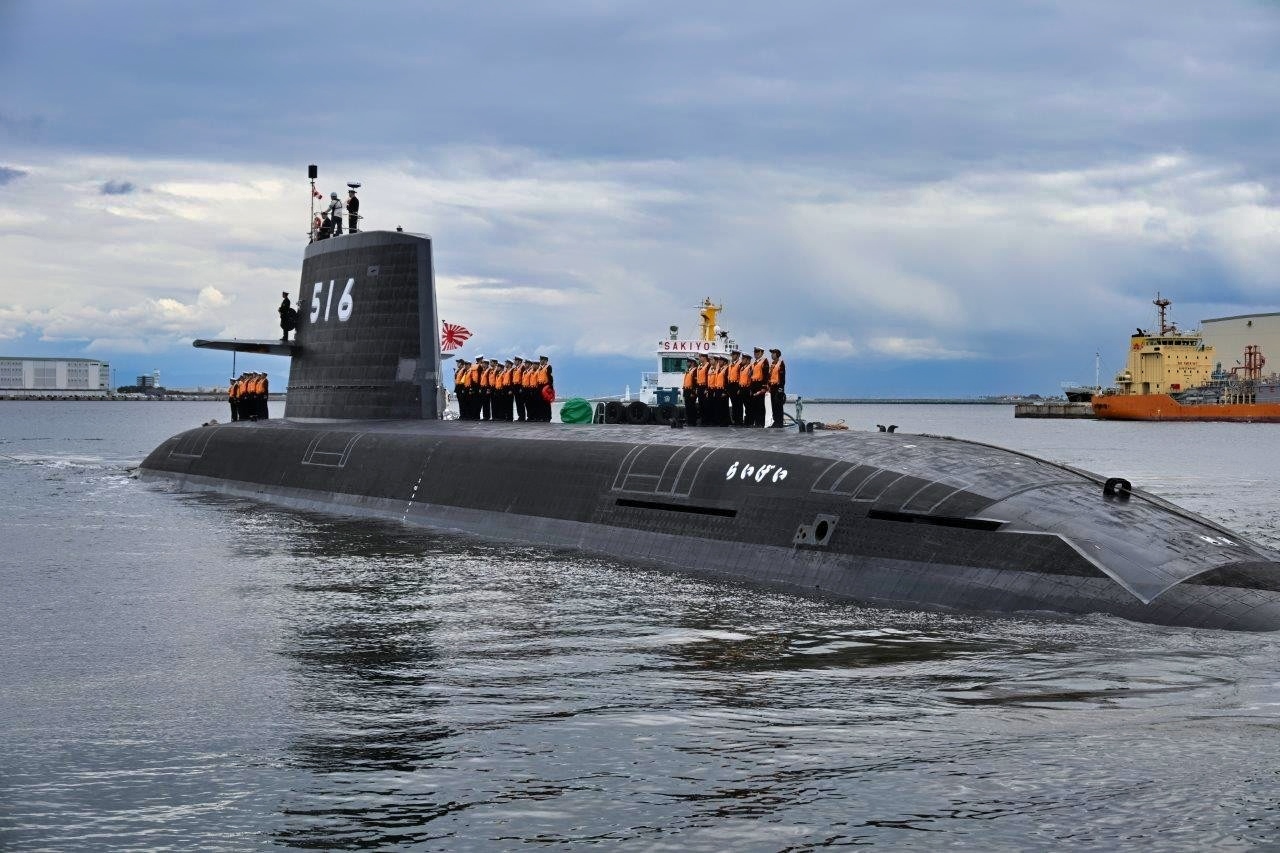
Taigei-Class Submarine. Image Credit: Creative Commons/JSDF.
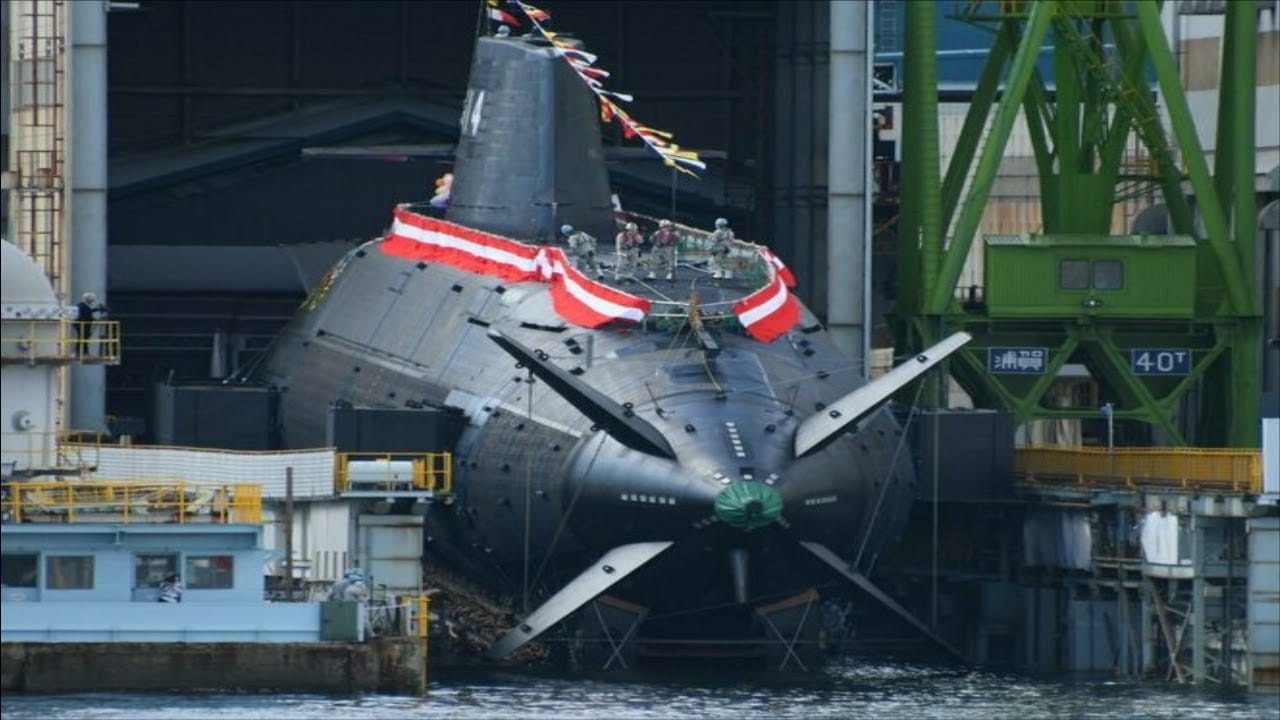
Taigei-Class Submarine. Image Credit: Creative Commons.
-With a modern sonar suite, X-rudder maneuverability for littoral waters, and torpedoes plus anti-ship missiles, Sōryū boats are optimized for anti-submarine, anti-surface, and intelligence missions
-Though still young, the class is already giving way to the Taigei successor—evidence of how fast undersea competition is accelerating.
Japan’s Sōryū-Class Submarines Have a Message for China’s Navy
The Sōryū-class is a class of diesel-electric attack submarines operated by the Japan Maritime Self-Defense Force. They are known for their air-independent propulsion (AIP) system and large displacement. The first submarine of the class entered service in 2009.
Kawasaki developed the Sōryū-class submarine as a response to the growing need for Japan to maintain a highly capable, modern, and stealthy submarine fleet.
These submarines are named after the mythical dragon (Sōryū), symbolizing power and mystique, appropriate for their roles in naval warfare. It was also the name of a Japanese aircraft carrier in World War II that took part in the bombing of Pearl Harbor. It was sunk later in the Battle of Midway.
The class is designed to perform multiple roles, including anti-submarine warfare (ASW), anti-surface warfare (ASuW), and intelligence-gathering missions, in addition to strategic deterrence.
Japan learned a valuable and excruciating lesson during World War II about the importance of keeping the shipping lanes open for an island nation that lacks sufficient arable land. Their people nearly starved during the US blockade during the final war year.
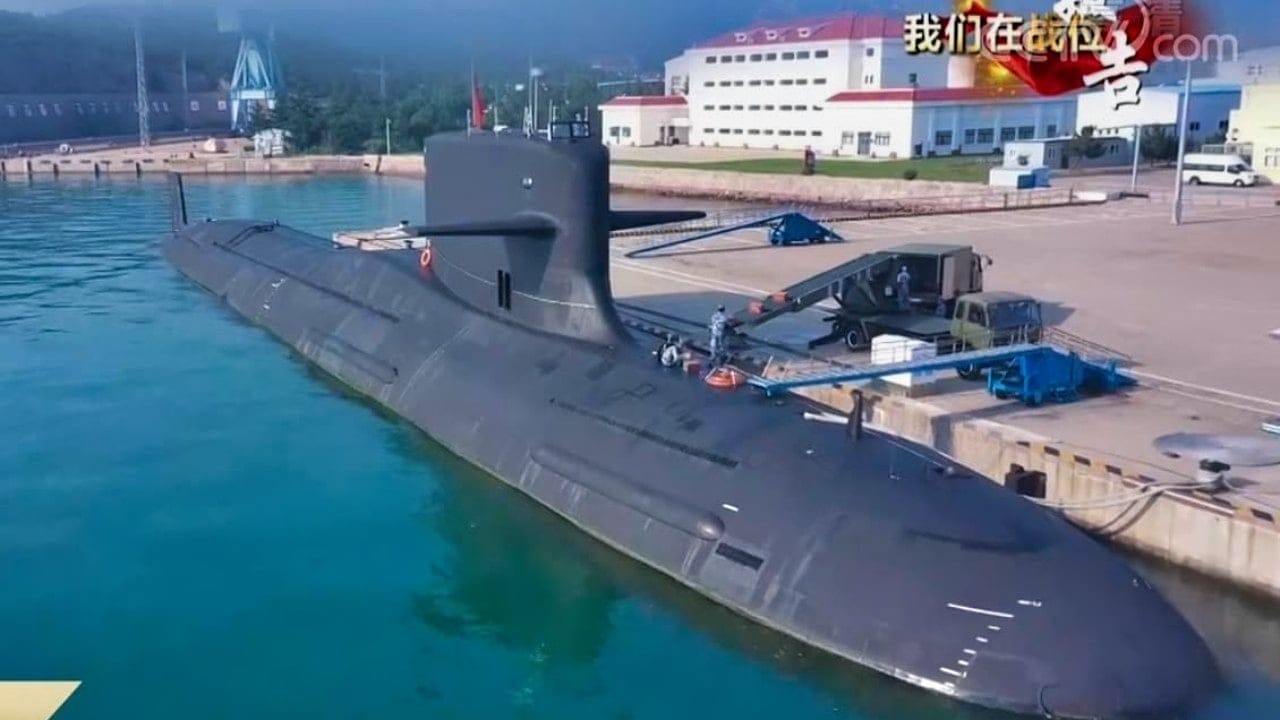
Type 093B Submarine from China. Image Credit: Screengrab.
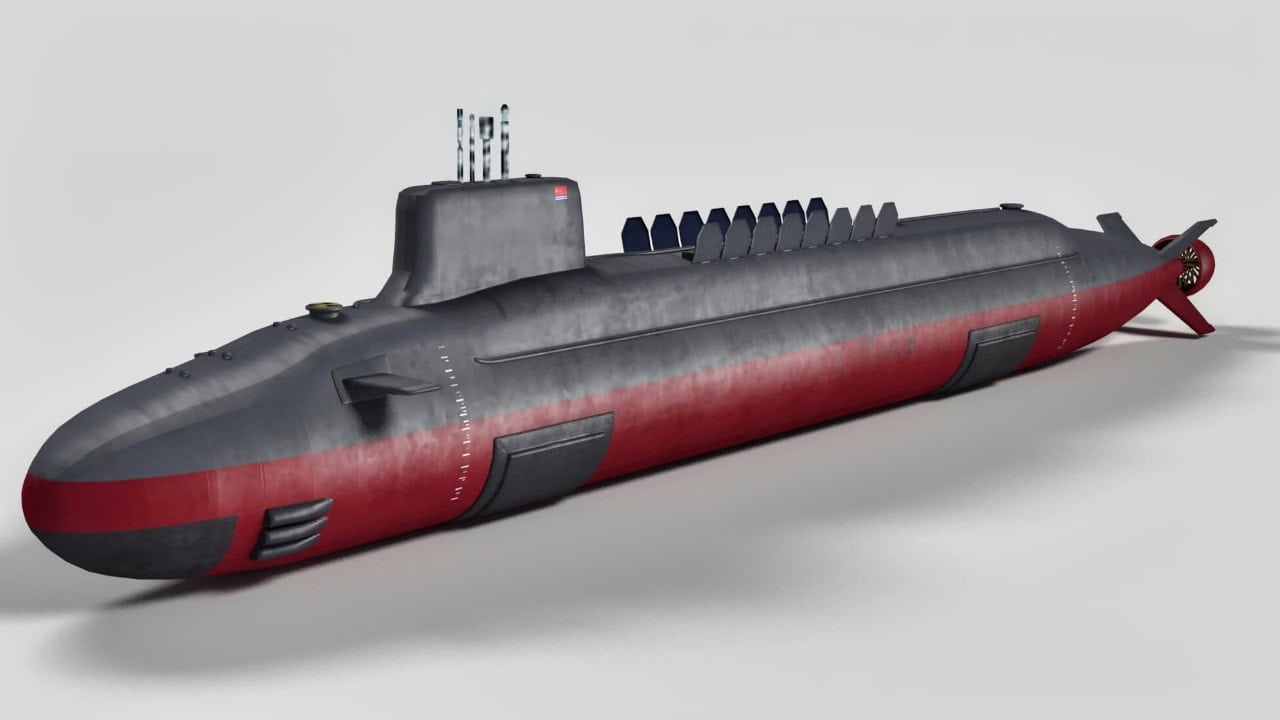
Type 096 Submarine from China. Image Credit: Creative Commons.
Now, with the threat of Chinese bellicose intentions, they will not be caught unaware. Japan has one of the best submarine forces in the world.
And they will protect their nation in the all-important First Island Chain, which stretches between Japan’s Kyushu and the Philippines, mainly consisting of Japan’s southwest islands. It is an area where China has been exerting pressure on other nations’ vessels and islands.
Japan will need its submarine force not only now but in the future. Japan currently operates 22 diesel-electric submarines.
Meet the Sōryū-class Submarine
With an authorized total of twenty-two submarines, the Japan Maritime Self-Defense Force’s submarine fleet is the fifth-largest in the world.
Nine officers and 56 enlisted sailors crew the Sōryū-class boats. There are 12 submarines of this class; the oldest was commissioned in 2009.
At 4,200 tons submerged, the 12 Sōryū-class submarines are the largest submarines built by postwar Japan. Each is 275 feet long and nearly twenty-nine feet wide, with a draft of 27 feet.
They have a range of 6,100 nautical miles and can reportedly dive to a depth of 2,132 feet. The Sōryū class features an X-shaped rudder for increased maneuverability in approaching the seabed. This maximizes the sub’s maneuvering room in shallow and littoral waters, particularly the straits in and around Japan that mark key invasion routes.
The submarine is armed with 6 x HU-606 21-inch (533mm) torpedo tubes with a mix of 30 Type 89 torpedoes and UGM-84 Harpoon SSM anti-ship missiles.
In 2 Words: Lithium-Ion
In March 2020, the SS-511 JS Ōryū submarine (Phoenix Dragon), the 11th in the class, was the first to feature lithium-ion batteries and was delivered to the JMSDF. She was the first submarine in the world to feature lithium-ion batteries.
This battery design was carried on in the final boat in the class, the SS-512 JS Tōryū (Fighting Dragon), and to the succeeding Taigei class. Japan has mastered the art of limiting fires since lithium batteries are prone to bursting into flames.
The initial submarines were powered by Stirling engines as developed by Kockums in Sweden.
The Stirling is a silent and vibration-free external combustion engine. This air-independent propulsion system reduces the need for frequent battery charging and increases the submerged endurance of the submarine. South Korea also plans to install lithium-ion batteries in a new class of submarines.
The submarine is equipped with a ZPS-6F navigation system, which is primarily used for surveillance and detection of objects on or near the surface, like anti-submarine warfare platforms and maritime patrol vessels.
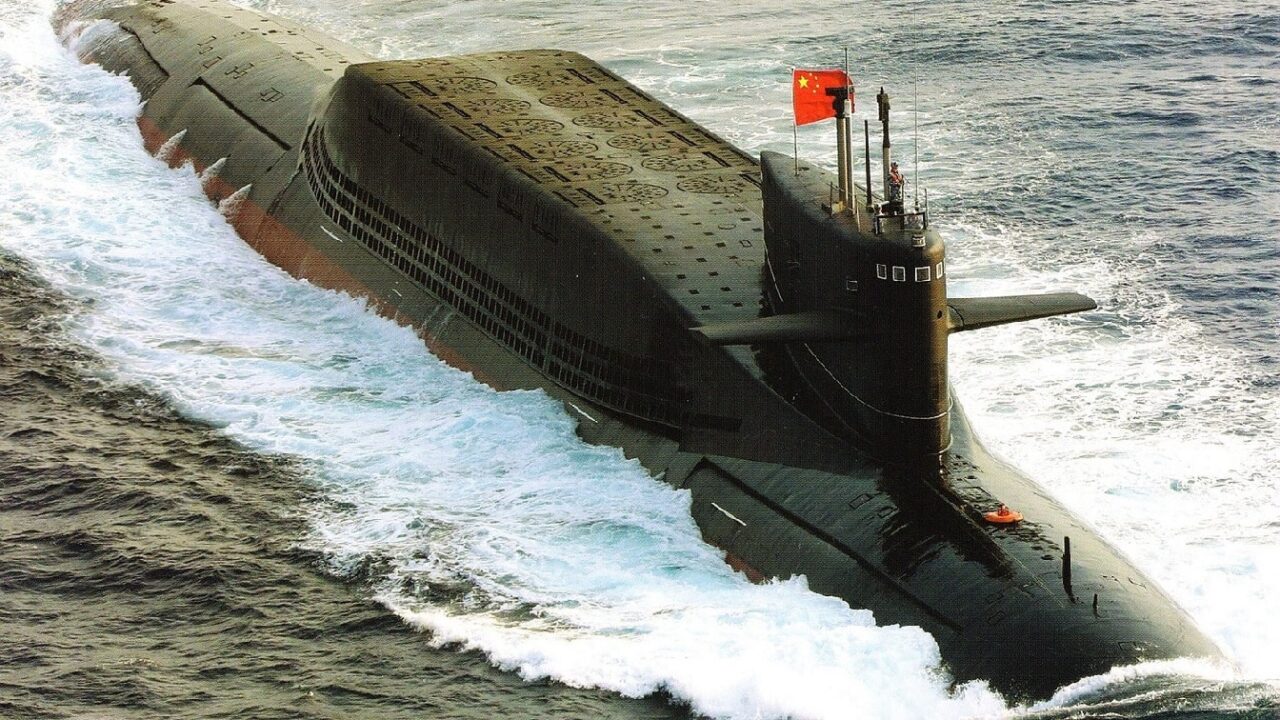
SSBN China Submarine. Image Credit: Creative Commons.
While described as a “navigation or surface search radar” in some sources, the primary function relates to detecting other vessels and threats, or surface search radar. The sonar suite integrates four low-frequency flank arrays, a bow array, and a towed array sonar.
The Sōryū class is an excellent submarine. Japan has been approached by India, Morocco, Norway, the Netherlands, Taiwan, and Indonesia about purchasing the submarine.
Although the oldest of the class has only been in service since 2009, the Japanese Navy has already begun producing its successor, the Taigei-class submarines.
About the Author: Steve Balestrieri
Steve Balestrieri is a National Security Columnist. He served as a US Army Special Forces NCO and Warrant Officer. In addition to writing on defense, he covers the NFL for PatsFans.com and is a member of the Pro Football Writers of America (PFWA). His work was regularly featured in many military publications.