
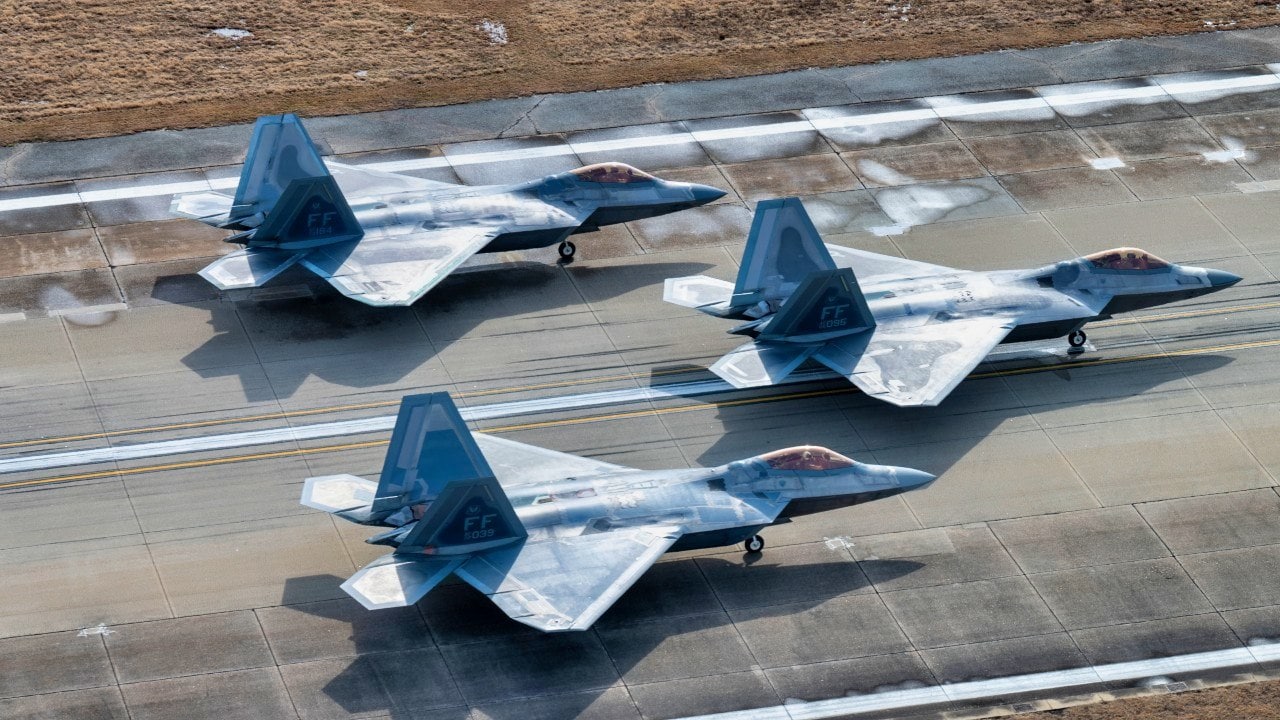
Key Points and Summary – China’s J-20 Mighty Dragon is a major achievement: hundreds built, long range, AESA radar, and heavy “beast mode” payloads.
-But quantity is not the same as dominance.
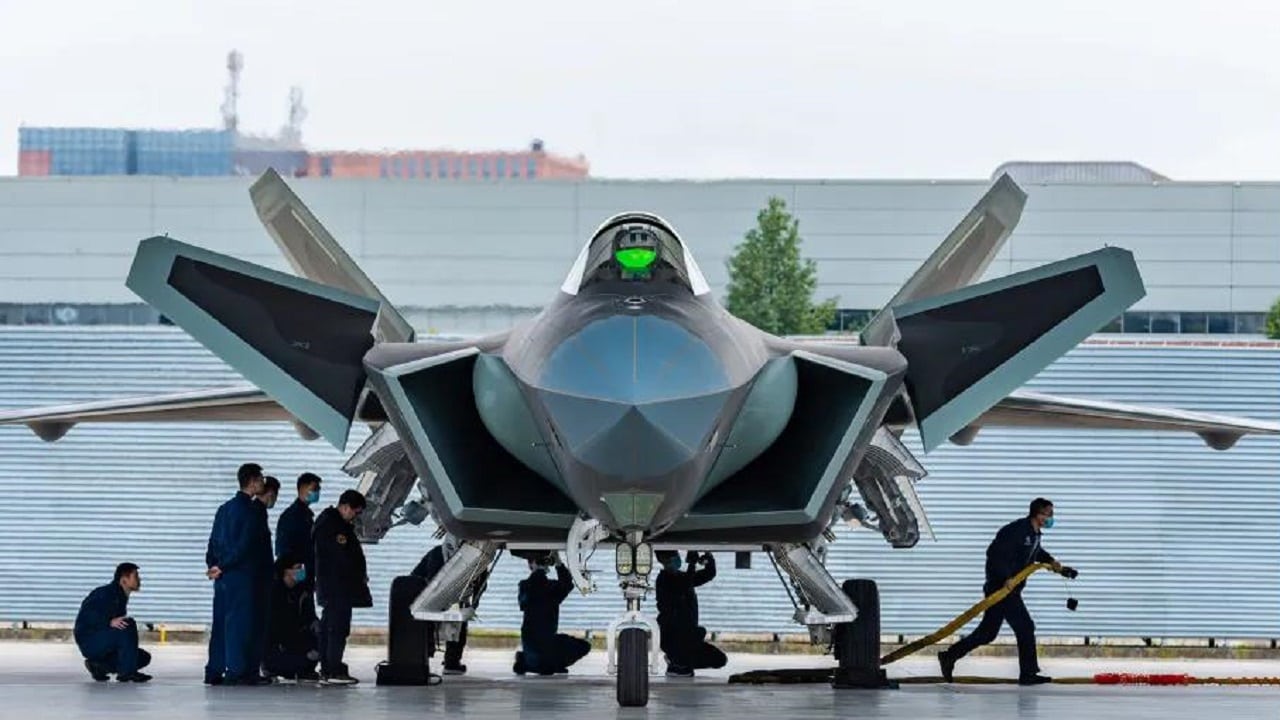
J-20. Image Credit: Chinese Internet.
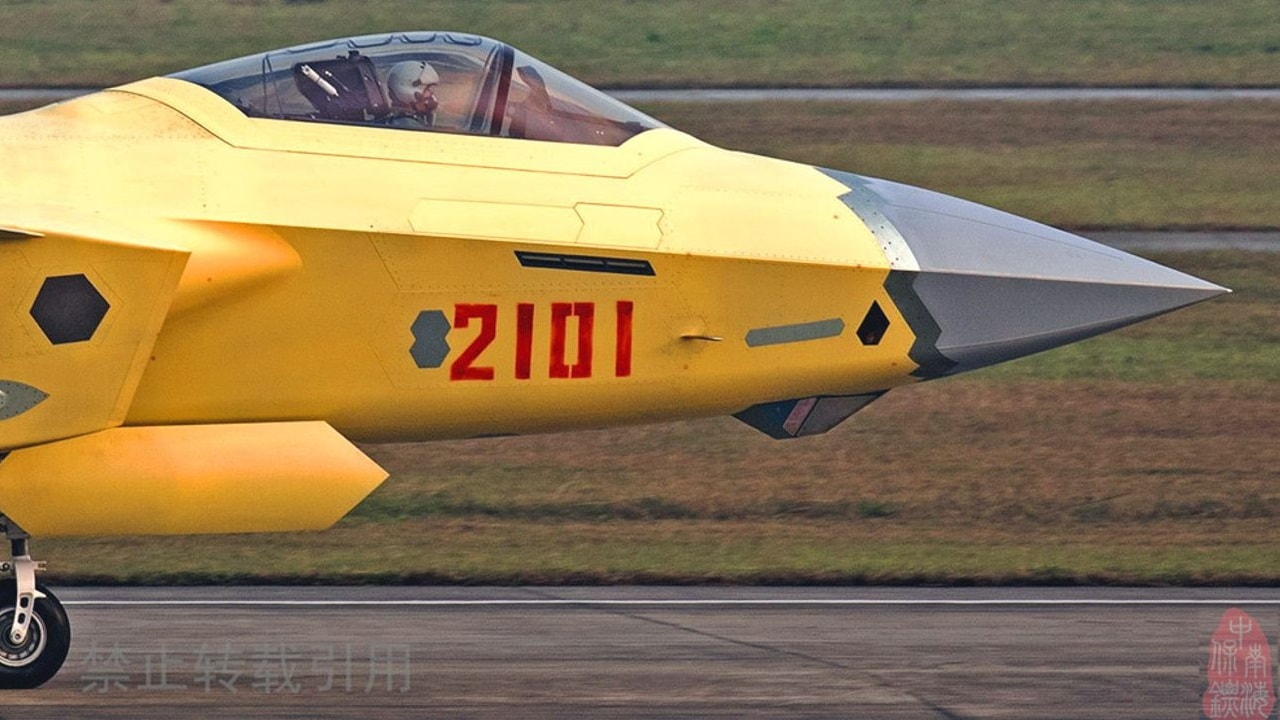
J-20 Stealth Fighter. Image Credit: Chinese Military.
-Critics argue its low-observable design is compromised by canards, intake geometry, and less mature coatings—while rushed production may leave panel gaps and exposed fasteners.
-Engines have been a chronic weakness, and even the WS-15 may not match the F-22’s F119. Doubts also surround sensor fusion, networking, and electronic warfare.
-Finally, PLAAF pilots lack combat experience, leaving real-world performance unproven. In a clash with F-35s or Raptors, the U.S. could still hold the edge.
China’s J-20 Mighty Dragon May Be Overrated—and Here’s Why
The Chinese are rightfully proud of their J-20 Mighty Dragon stealth fighter.
The fifth-generation jet has strength in numbers. At least 250 have been produced, and as many as 500, depending on various estimates. It is fairly fast with long-range. There is advanced AESA radar and some levels of sensor fusion, akin to those of the F-35 Lightning II. And the Mighty Dragon can fly with a host of deadly weapons in “beast mode.”
But the J-20 may not be fully stealthy and may have only limited radar-evading characteristics. The manufacturing quality is not great. The WS-15 engine is not as good as the F-22’s F119. The sensor fusion and avionics are overrated. And the J-20 has not been combat-tested.
This Chinese Warbird May Not Be That Stealthy
The stealthiness on board the J-20 is questionable. The manufacturers took shortcuts on the stealth coatings, and they do not absorb radar signals like the F-35 or F-22. The square engine intakes and canards are a disadvantage for radar evasion. The Chinese may have chosen greater agility for advantages in dogfighting, at the expense of stealth.
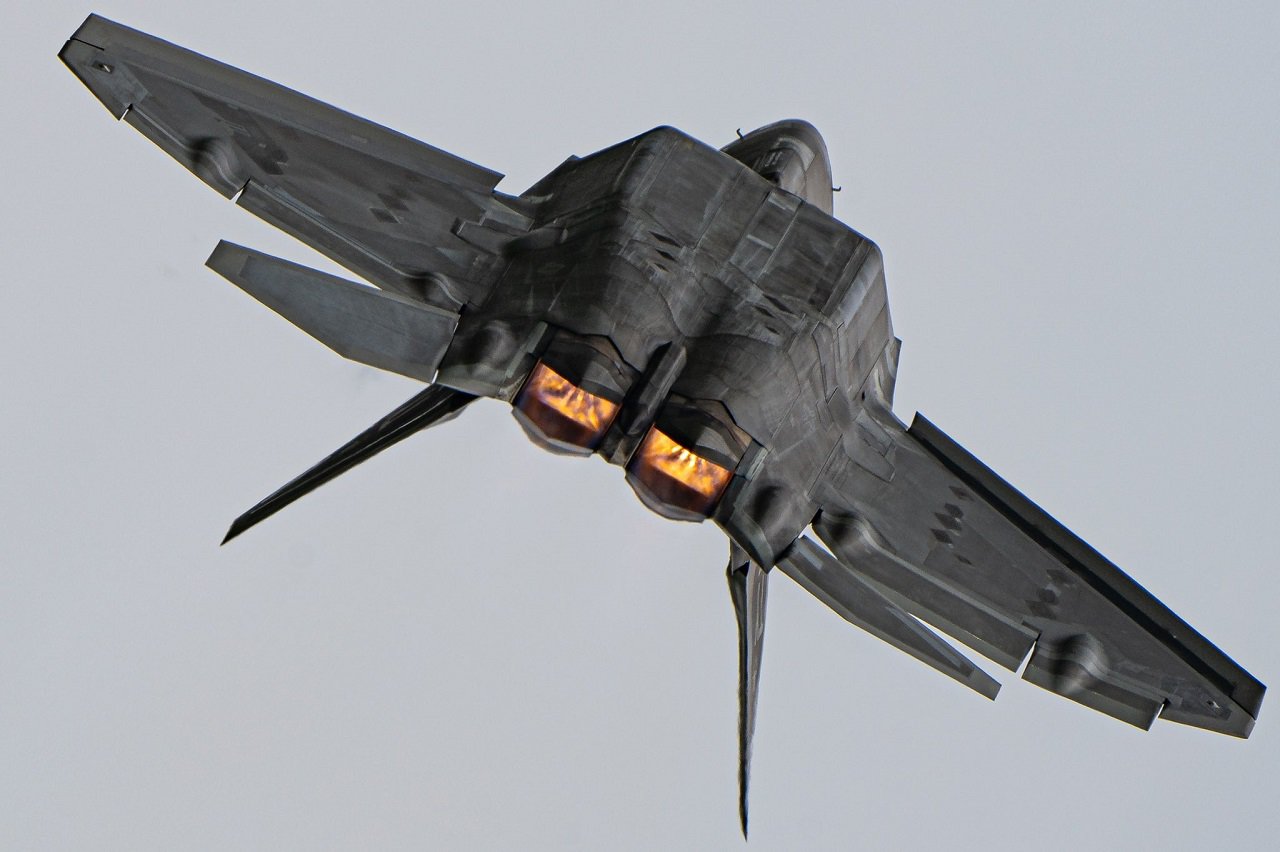
F-22 Raptor. Image Credit: Creative Commons.
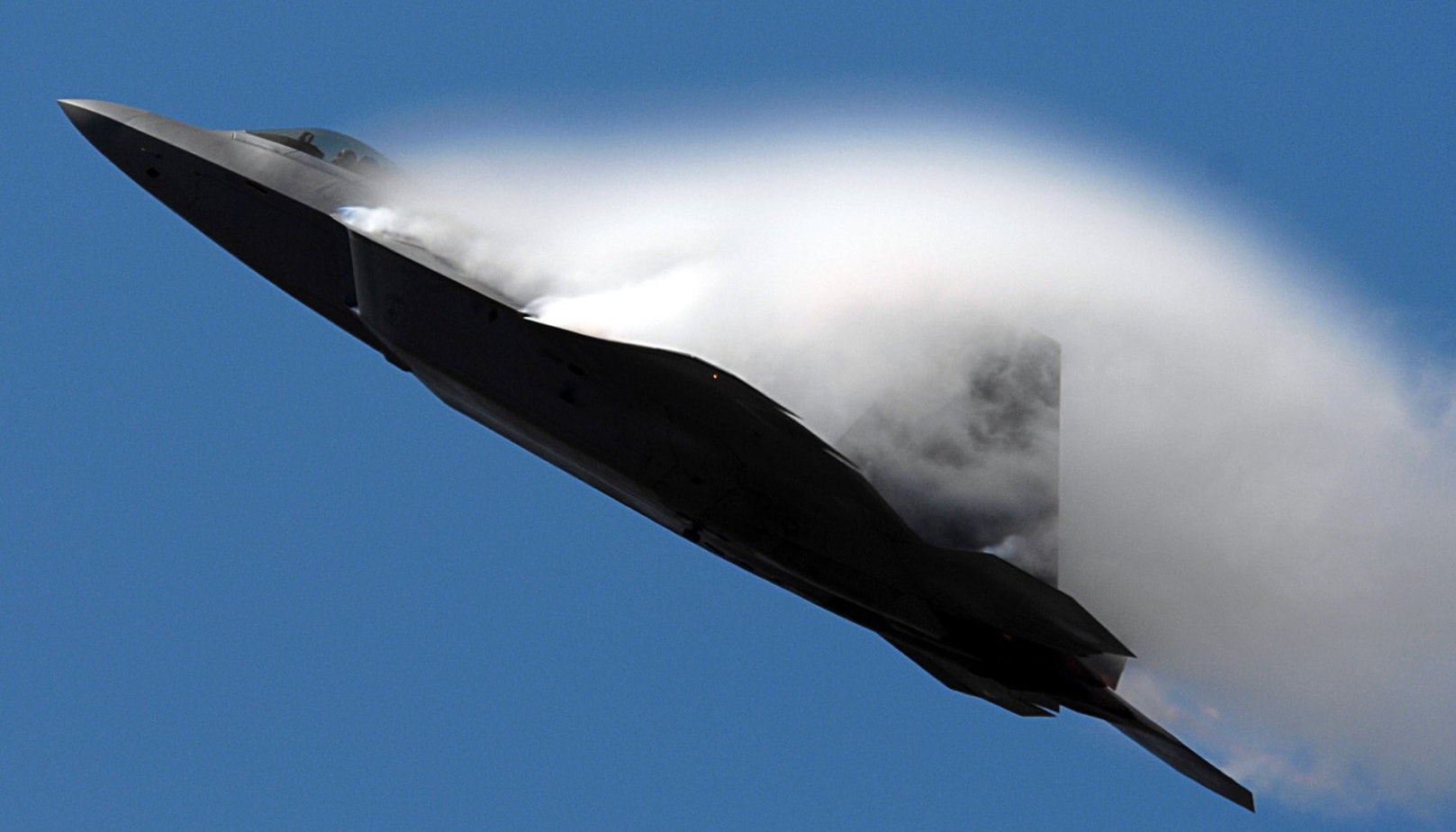
F-22 Raptor. Image: Creative Commons.
American fifth-generation airplanes have S-shaped, diverter-less supersonic inlets.
The Chinese are manufacturing the J-20 quickly, and they may have made mistakes with the panels that are out of alignment and the rivets that are exposed.
Quick Production Quotas Have Hurt Quality Control
Also, the urgency to bring the J-20 into service has exposed some manufacturing flaws. “China rushed its first advanced stealth fighter jet into service ahead of schedule last year, using stopgap engines, in the face of rising security challenges in the region,” according to the South China Morning Post in 2018. That “means its capabilities will be severely limited, affecting its maneuverability and fuel efficiency as well as its stealthiness at supersonic speeds.”
Chinese designers, engineers, and technicians may have produced the J-20 too quickly and overlooked problems to achieve initial operating capability quickly. Xi Jinping wanted a stealth fifth-generation fighter, and he liked it fast. The political pressure and military necessity of the Taiwan question, along with the development of the F-35 and F-22, led Chinese manufacturers to miss the mark on key onboard systems.
Lack of Quality Engines has hurt the J-20 Program.
J-20 engines have been problematic over the years. The powerplants do not have the thrust or climb performance of the F-35 and F-22. The Raptor could especially outperform the Mighty Dragon in a head-to-head match-up. The Pratt & Whitney F119-PW-100 turbofan on the F-22 is a better engine. It enables supercruise without afterburners in a way that could outclass the J-20.
“The F119 engine delivers unparalleled aircraft maneuverability with its unique two-dimensional pitch vectoring exhaust nozzle. This convergent/divergent nozzle vectors thrust as much as 20 degrees up or down,” according to Pratt & Whitney.
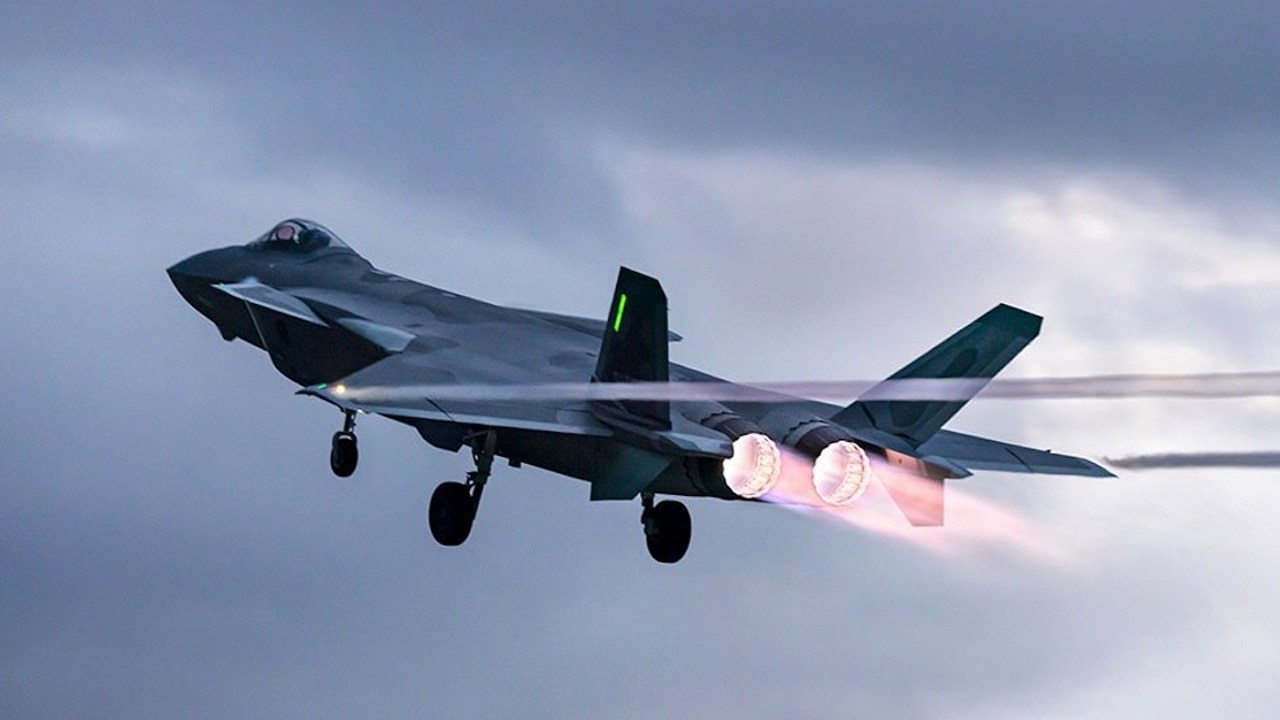
J-20 Fighter. Image Credit: Chinese internet.
On the other hand, the J-20 initially used a subpar Russian engine that had to be replaced ingloriously with the WS-15. This has improved flight characteristics, but it just does not have the strength and performance of the Pratt & Whitneys.
Sensors, Software, and Avionics Are Weak
While the J-20 has flown many sorties since its introduction, testing has been beset by problems. Sensors are not aligned with those of competing airplanes flown by the United States and Russia. The level of adept sensor fusion has been a disappointment. The Chinese software development also lags behind the F-35 “flying computer.” The Mighty Dragon is not updatable like the Lightning II, which can be given new mission data files after a series of flights to incorporate lessons learned during the missions.
Avionics are also suspect. The Chinese technicians are not as highly skilled or experienced working on the J-20s as U.S. Air Force, Marine Corps, and Navy maintainers are. The J-20s do not share data well. Plus, the electronic warfare systems on the J-20 are not as good as those sported by the F-35 and F-22.
Chinese Pilots Are Not Combat Tested
Finally, the Chinese air force has no combat experience. However, they are flying numerous missions to encroach on Taiwan’s air defense identification zone. This simulates the real thing, but no Chinese pilot has been shot at in anger. American aviators are better trained in more realistic exercises. The J-20 also lacks a cannon onboard, which could be its downfall in close-in dogfighting.
The Chinese have not fought a war since 1979 in a short ground conflict with Vietnam. To be sure, Chinese pilots are highly motivated, with strong morale and patriotism, but this may not be enough to guarantee success in combat. The Americans must be given the edge in combat-testing.
For example, the F-35 showed its prowess in stealth, electronic warfare, and sensor fusion during the Operation Midnight Hammer attacks on Iranian nuclear facilities this year. The Air Force did not lose a single plane, and the Iranians were caught completely off guard.

J-20 Fighter. Image Credit: Chinese CCTV.
The J-20 is an overrated fighter. The stealthiness is oversold. Manufacturing deficiencies have hurt the program.
The engines have endured a rocky history. The sensors, software, and avionics are problematic with low-skilled technicians trying to keep up with the downsides of the Mighty Dragon.
Plus, the pilots are not combat-proven.
Keep these negatives in mind as you envision a fight between a J-20 and an F-22 or F-35. The Americans may have the superior airplane with pilots who have seen real combat. The J-20 has some advantages in speed and range, but the airplane may be entirely overrated.
About the Author: Brent M. Eastwood
Author of now over 3,000 articles on defense issues, Brent M. Eastwood, PhD is the author of Don’t Turn Your Back On the World: a Conservative Foreign Policy and Humans, Machines, and Data: Future Trends in Warfare plus two other books. Brent was the founder and CEO of a tech firm that predicted world events using artificial intelligence. He served as a legislative fellow for US Senator Tim Scott and advised the senator on defense and foreign policy issues. He has taught at American University, George Washington University, and George Mason University. Brent is a former US Army Infantry officer. He can be followed on X @BMEastwood.