
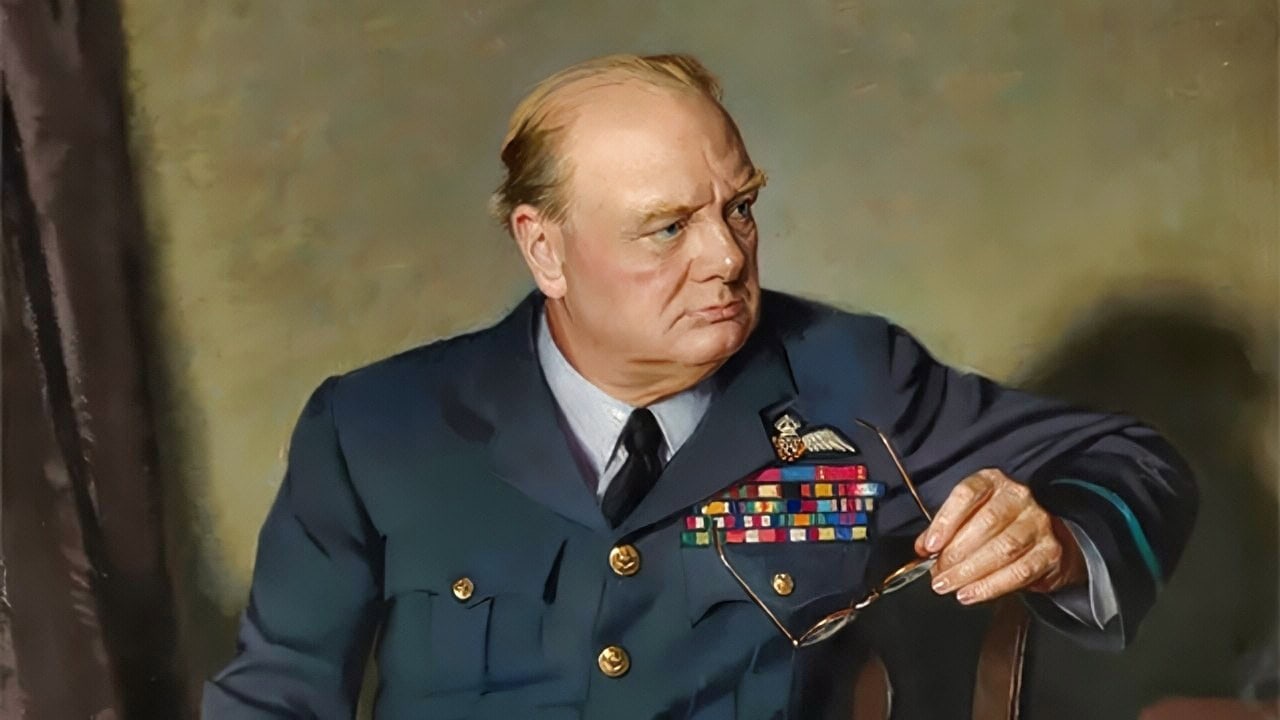
Synopsis: Winston Churchill’s famous “never give in” quote captures the arc of his life: relentless persistence through failure, ridicule, and long stretches in the political wilderness.
-Born into privilege and drawn early to combat, Churchill’s ambition carried him into high office—then into disgrace after the Dardanelles catastrophe in World War I.
-In the 1930s, he warned about Germany’s rearmament while many dismissed him as alarmist.
-When war arrived, Churchill returned to power, replacing Neville Chamberlain in 1940 and transforming national morale through clarity, defiance, and oratory.
-Even after losing office in 1945, he staged another comeback in 1951—sealing a legacy built on refusal to quit.
Winston Churchill’s “Never Give In” Has a Message for Today’s Leaders
“Never give in, never give in, never, never, never, never—in nothing, great or small, large or petty—never give in except to convictions of honour and good sense.”—That quote, of course, belongs to Sir Winston Churchill, who is arguably Great Britain’s all-time greatest political leader (with all due respect to Baroness Margaret Thatcher and King Henry V)
Churchill’s greatness was affirmed primarily during his tenure as Prime Minister of Great Britain during World War II.
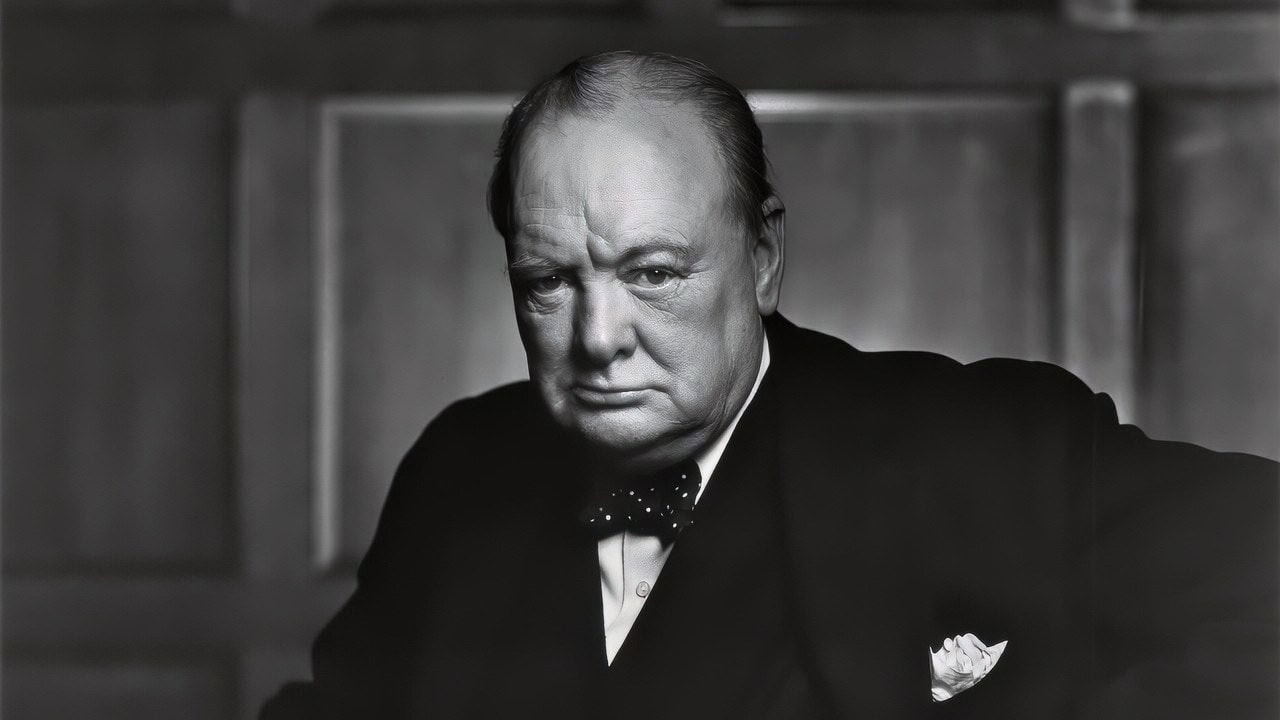
Sir Winston Churchill. Image Credit: Creative Commons.
However, if he hadn’t personally lived up to the mantra quoted in the preceding paragraph, he would’ve never achieved that greatness and instead would’ve languished in disgrace and comparative historical obscurity.
Indeed, his ascendancy to the PM’s residence at 10 Downing Street was due to one of history’s most remarkable comebacks from the political wilderness (yes, even more remarkable than Donald Trump’s comeback).
Childhood and Early Military Career
Winston Leonard Spencer Churchill was born on November 30, 1874, at his family’s ancestral home, Blenheim Palace in Oxfordshire; his father was Lord Randolph Churchill, a Conservative Party (the “Tories”) Member of Parliament (MP), whilst his mother was Jennie, Lady Randolph Churchill, a daughter of Leonard Jerome, an American businessman.
Lord Randolph wanted his son to prepare for a military career. Accordingly, young Winston was admitted to Royal Military College, Sandhurst, as a cavalry cadet, starting in September 1893. Alas, Lord Randolph didn’t live to see his son get commissioned, passing away in January 1895; the following month, Winston was commissioned as a second lieutenant in the 4th Queen’s Own Hussars regiment of the British Army.
“Lef-tenant” Churchill was no shrinking violet, seeking action in war zones whenever and wherever he could, such as: (1) the Battle of Omdurman on September 2, 1898, wherein he used a C96 Broomhandle Mauser (first military semiautomatic pistol to prove itself both rugged enough and reliable enough for field use) to fight off a charge of Sudanese Dervish cavalry; and (2) the Second Boer War in South Africa, whereupon he became a POW.
Marrying Clemmie
On September 12, 1908, Churchill married his beloved Clementine Hozier (who became Clementine Ogilvy Spencer-Churchill, Baroness Spencer-Churchill of Chartwell). Winston affectionately called his wife “Clemmie” and “Cat,” and she returned the favor by nicknaming him “Pug.”
Disgrace at the Dardanelles
Fast-forward to World War I, and by now the Rt. Hon. Winston Churchill was the First Lord of the Admiralty, whereupon he would commit one of his all-time greatest blunders, the disastrous Dardanelles Campaign, which culminated in the horrific Battle of Gallipoli against the Ottoman Turks.
On May 1915, Churchill was sacked from the Admiralty for his failure.
Winston partially redeemed himself by leading from the front, re-donning his military uniform and returning to the front lines; he served in the trenches during the “Great War” as a Major, wielding an iconic American-made sidearm, the ubiquitous Colt M1911 .45-caliber service pistol. However, this courageous battlefield leadership by itself was not enough to resurrect his political career.
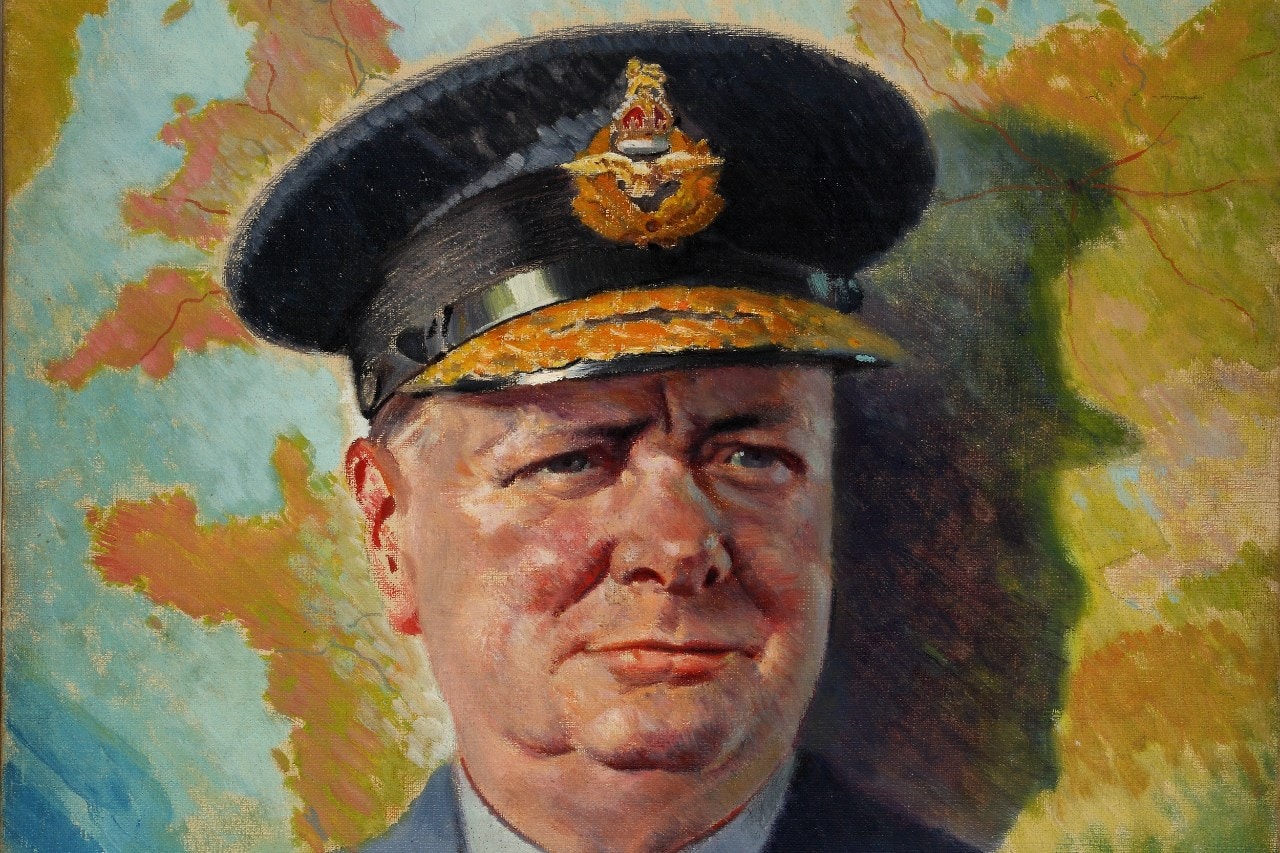
Winston Churchill. Image Credit: Creative Commons.
1929–1939: “The Wilderness Years;” Dismissed as Crazy
Things got so bad that by the early 1930s, Churchill no longer had a government position.
He did make his way back to Parliament, but was considered crazy by most of his colleagues.
As noted in James Humes’ book “Churchill: The Prophetic Statesman,” during the 1930s, Churchill would regularly reel off from the back benches the increasing numbers of German weaponry and planes to an un-listening government. He sought to buttress his argument for increasing British preparedness, but his warnings went unheeded. Churchill would later call that period ‘his years in the wilderness.”
The Comeback
Those “years in the wilderness” would soon bear fruit, however. In September 1939, World War II broke out, and the same milquetoast Prime Minister Neville Chamberlain, who had infamously declared “Peace in our time” with Adolf Hitler in 1938, reinstated Churchill as First Lord of the Admiralty.
Eight months later (May 10, 1040, to be precise), Chamberlain was out of the Prime Minister’s chair, and Winston Churchill was in. As Churchill himself wrote in the first volume of his “Memoirs of the Second World War,” “My warnings over the last six years had been so numerous, so detailed, and were now so terribly vindicated, that no one could gainsay me.”
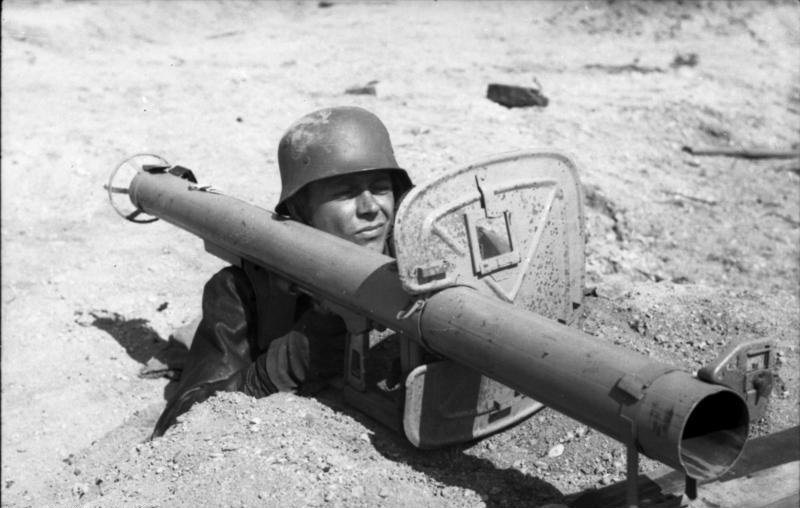
World War II. Image Credit: Creative Commons.
Three days after replacing Chamberlain, Churchill made his legendary first speech as prime minister to the House of Commons:
“I have nothing to offer but blood, toil, tears, and sweat…You ask, what is our aim? I can answer in one word: It is victory, victory at all costs, victory in spite of all terror, victory, however long and hard the road may be; for without victory, there is no survival.”
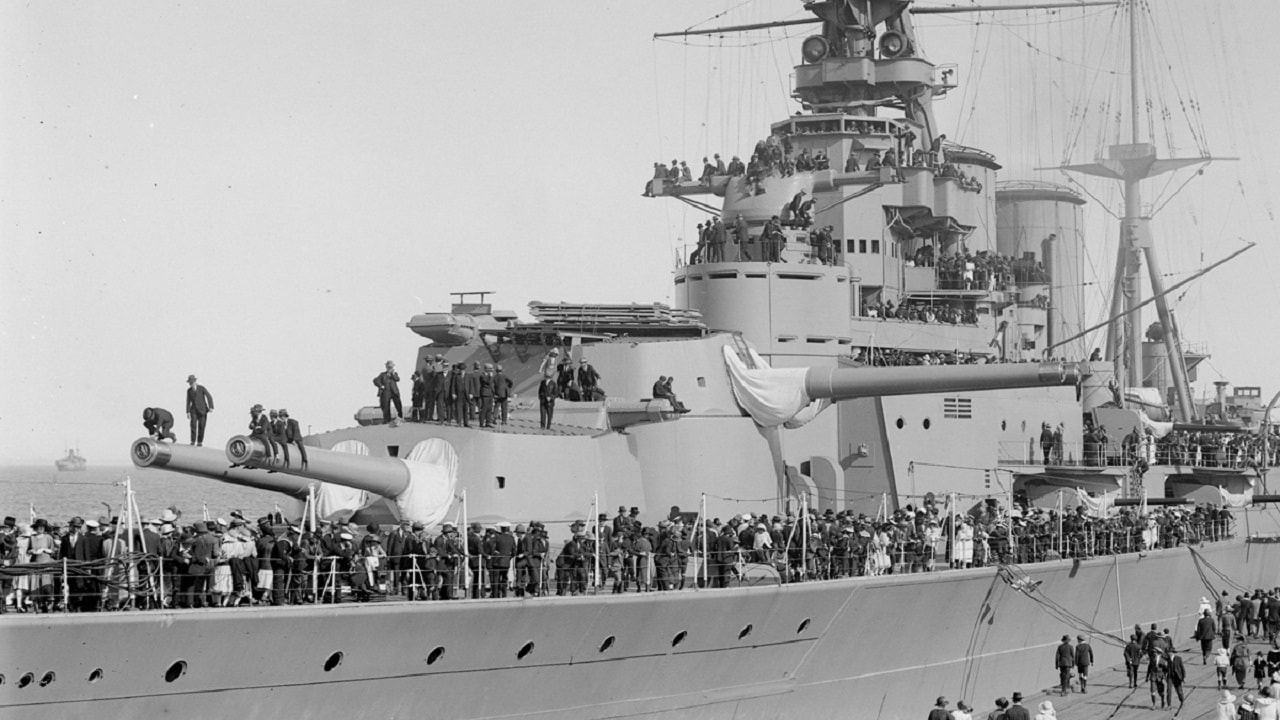
HMS Hood. Image Credit: Royal Navy.
This set the stage for Churchill to cement his legendary legacy, from the Miracle of Dunkirk and resultant “We shall never surrender” speech to his “V” for “Victory” sign to “Their Finest Hour” (his tribute to the Supermarine Spitfire and Hawker Hurricane fighter pilots of the Royal Air Force [RAF] during the Battle of Britain) to the Yalta and Potsdam Conferences.
Inexplicably, Churchill lost his reelection bid for PM on July 26, 1945, i.e., after Nazi Germany’s surrender but before Imperial Japan’s surrender. However, he would launch yet another political comeback when he regained the Prime Minister’s seat on October 26, 1951, this time remaining in office until April 5, 1955.
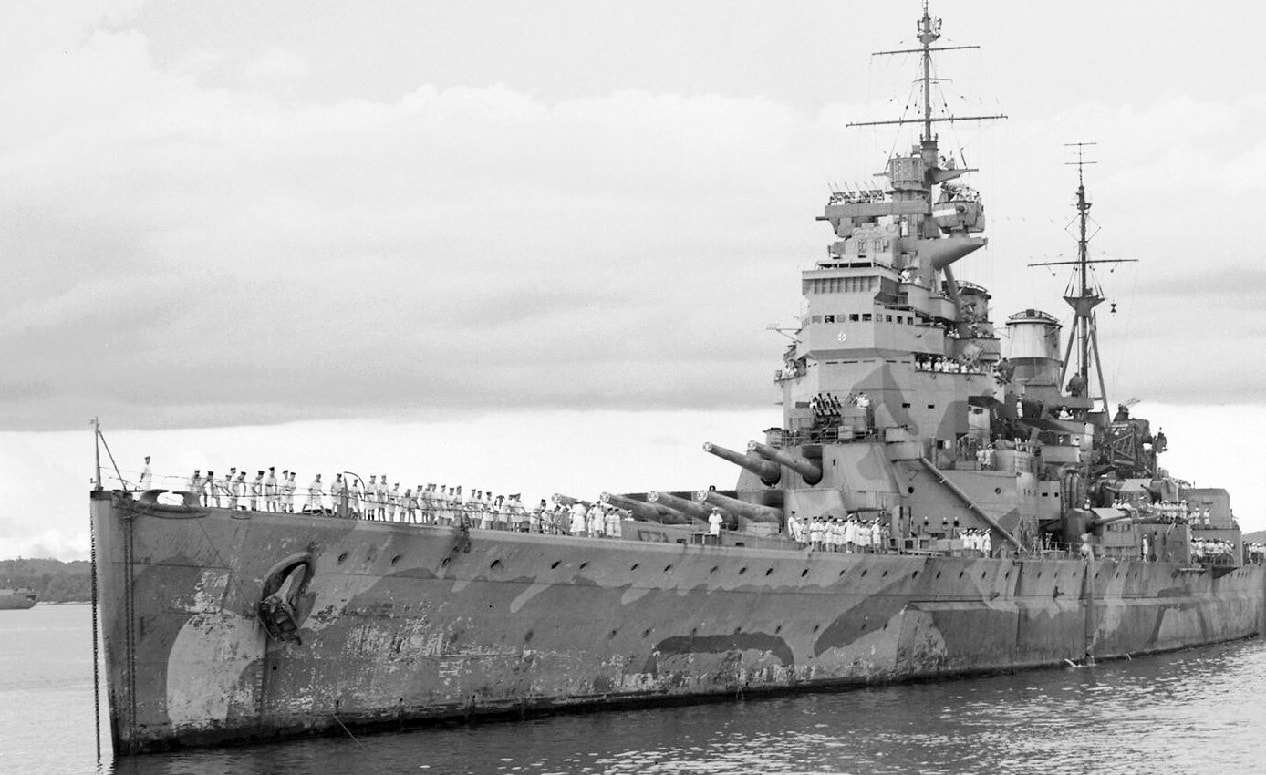
Image of Battleship HMS Prince of Wales. Image Credit: Royal Navy.
Sir Winston lived ‘til the ripe old age of 90, dying of a stroke on January 24, 1965. He was laid to rest at St Martin’s Church, Bladon.
The Big Comeback on the Big Screen and Elsewhere
The most acclaimed cinematic depiction of Churchill’s comeback is Gary Oldman’s Best Actor Oscar-winning portrayal in the 2017 film “Darkest Hour.” (The film also gives good insight into Chamberlain’s weakness and dithering.)
As for a lasting tribute to the positive effects of Sir Winston’s comeback, I highly recommend the Churchill War Rooms (part of the Imperial War Museums [IWM]) in London, which I have toured twice.
About the Author: Christian D. Orr, Defense Expert
Christian D. Orr is a Senior Defense Editor. He is a former Air Force Security Forces officer, Federal law enforcement officer, and private military contractor (with assignments worked in Iraq, the United Arab Emirates, Kosovo, Japan, Germany, and the Pentagon). Chris holds a B.A. in International Relations from the University of Southern California (USC) and an M.A. in Intelligence Studies (concentration in Terrorism Studies) from American Military University (AMU). He is also the author of the newly published book “Five Decades of a Fabulous Firearm: Celebrating the 50th Anniversary of the Beretta 92 Pistol Series.”