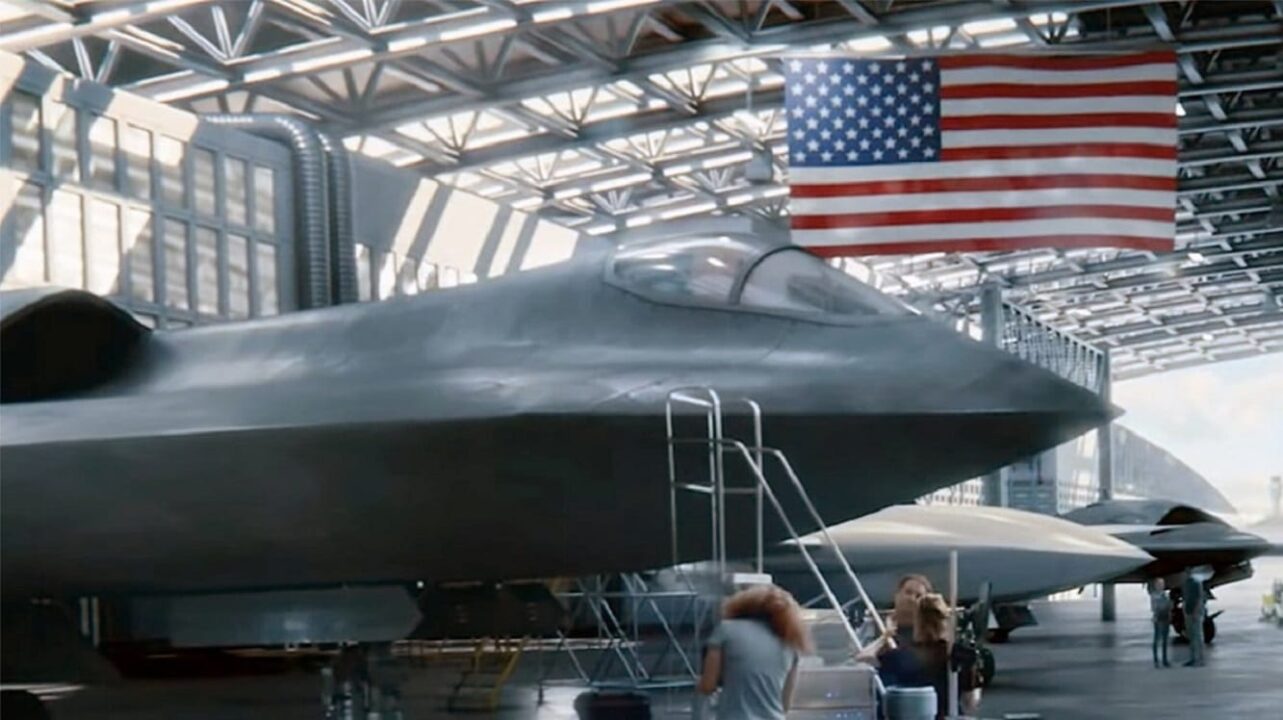
Synopsis: Air Force Chief of Staff Gen. David Allvin says the F-47 sixth-generation fighter must move fast, with a first flight targeted for 2028 and early manufacturing already underway.
-An Air Force infographic hints at why: “stealth++” and a 1,000+ nautical-mile range, far beyond today’s fighters, built for Indo-Pacific distances and contested kill chains.
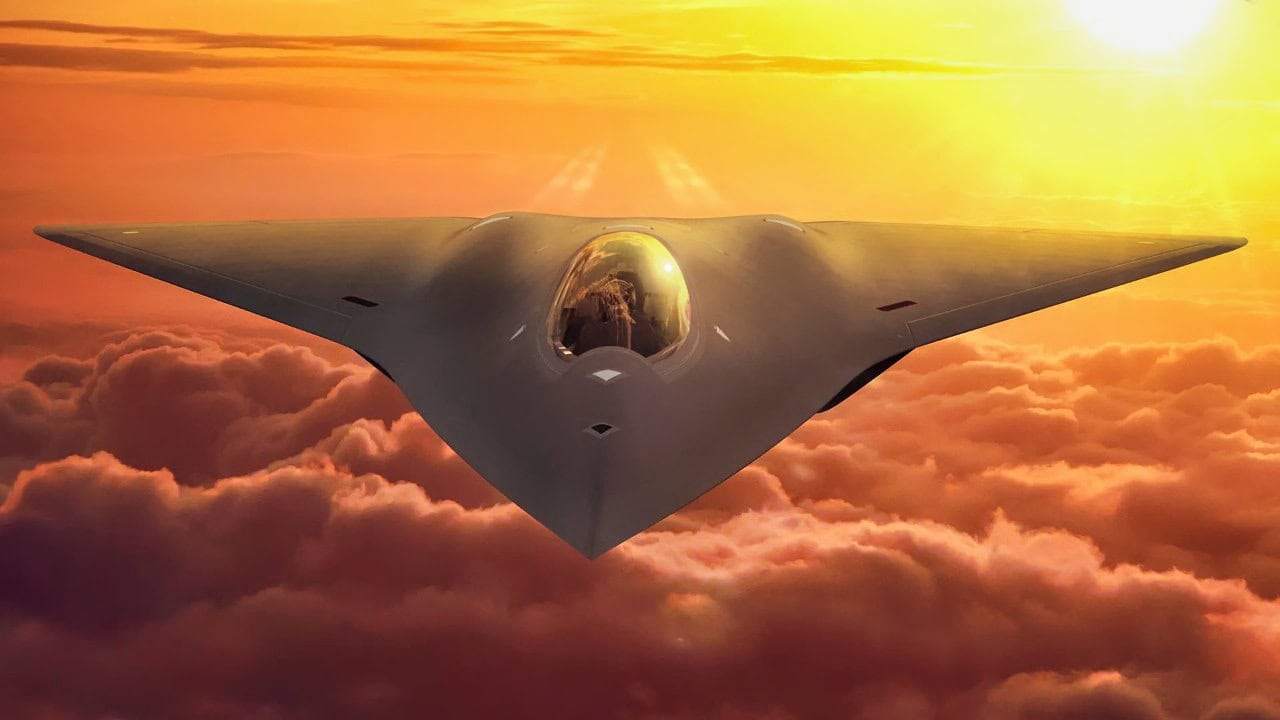
NGAD Fighter via Lockheed Martin.
NGAD Fighter Mock Up. Image Credit: Creative Commons.
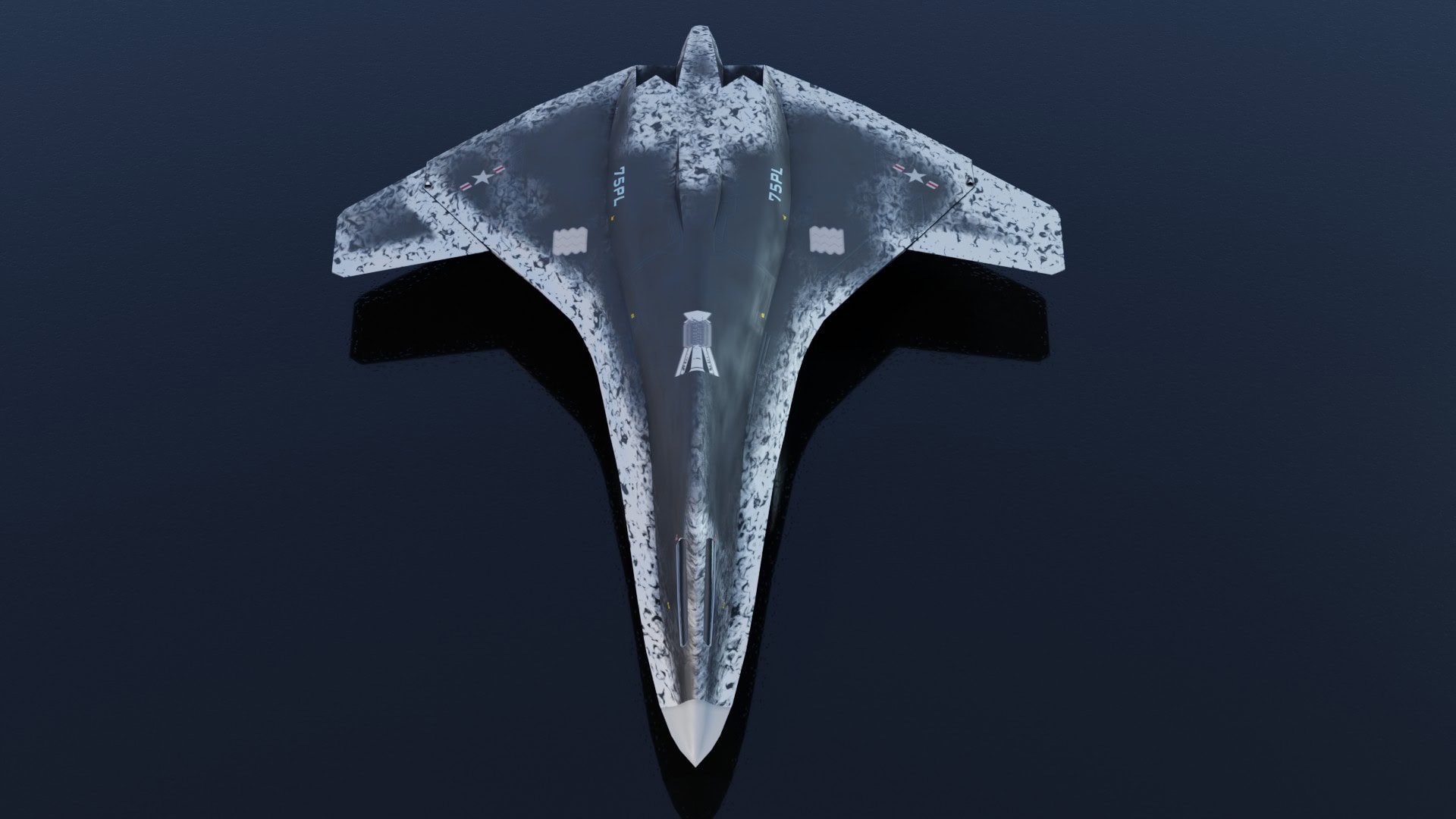
U.S. NGAD Fighter. Artist Rendering.
-The service has floated a baseline buy of roughly 185 jets, but attrition math could push higher. Allvin stresses NGAD as a “family of systems,” prioritizing resilient basing, survivable refueling, and linked sensors. Cost remains the looming issue, with estimates near $300 million per aircraft in practice.
The F-47 Has a Message for the Indo-Pacific: 1,000+ Nautical Miles
Earlier this year, General David Allvin, the then Air Force Chief of Staff, delivered the keynote address at the Air and Space Forces’ Air, Space and Cyber Conference and provided some insight into the Air Force’s plans for the upcoming F-47.
“After years of work, hundreds of test hours, thousands of years of man years in the lab, the president announced the F-47 as the sixth gen fighter,” General Allvin explained. “It’s the platform that along with all of the rest of the systems is going to ensure dominance into the future.”
But, the general emphasized, “we’ve got to go fast. I tell you, team, it’s almost 2026. The team is committed to get the first one flying in 2028. In the few short months since we made the announcement, they are already beginning to manufacture the first article.”
Very little is known about the aircraft, aside from a paltry few renderings of the sixth-generation fighter, most of which are shrouded in fog or mist and show only the forward section of the fuselage and cockpit. But one infographic shared by the Air Force Chief of Staff on X (formerly Twitter) did shed some light on an otherwise murky aircraft.
That image compared the upcoming F-47 to previous generations of U.S. Air Force fighters, including the single-engined F-16, the dual-engined F-15, as well as the fifth-generation F-22 Raptor and the F-35, both stealth fighters. While the infographic was not overly rich in detail, what it did show was the anticipated stealth level of the F-47, simply stated as stealth ++. The F-22 Raptor, arguably one of, if not the stealthiest fighter in the world today, had an estimated stealth level of stealth +. The F-35, in contrast, earned just a stealth rating.
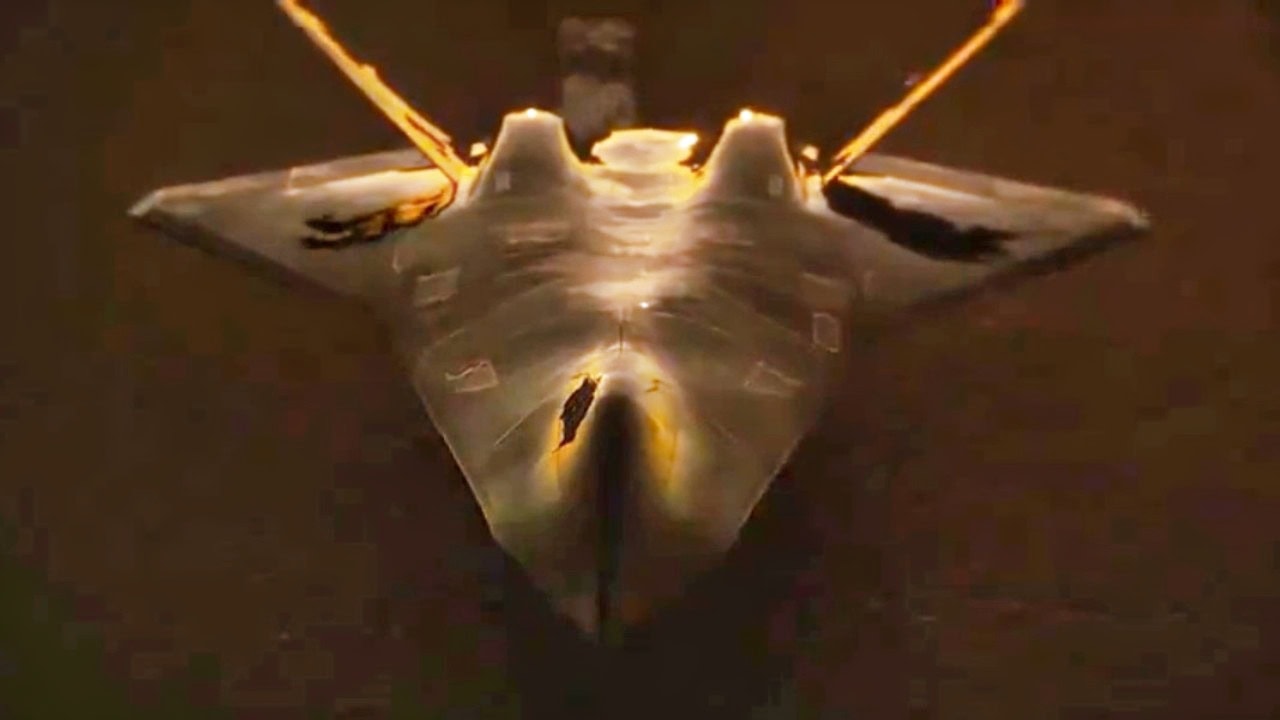
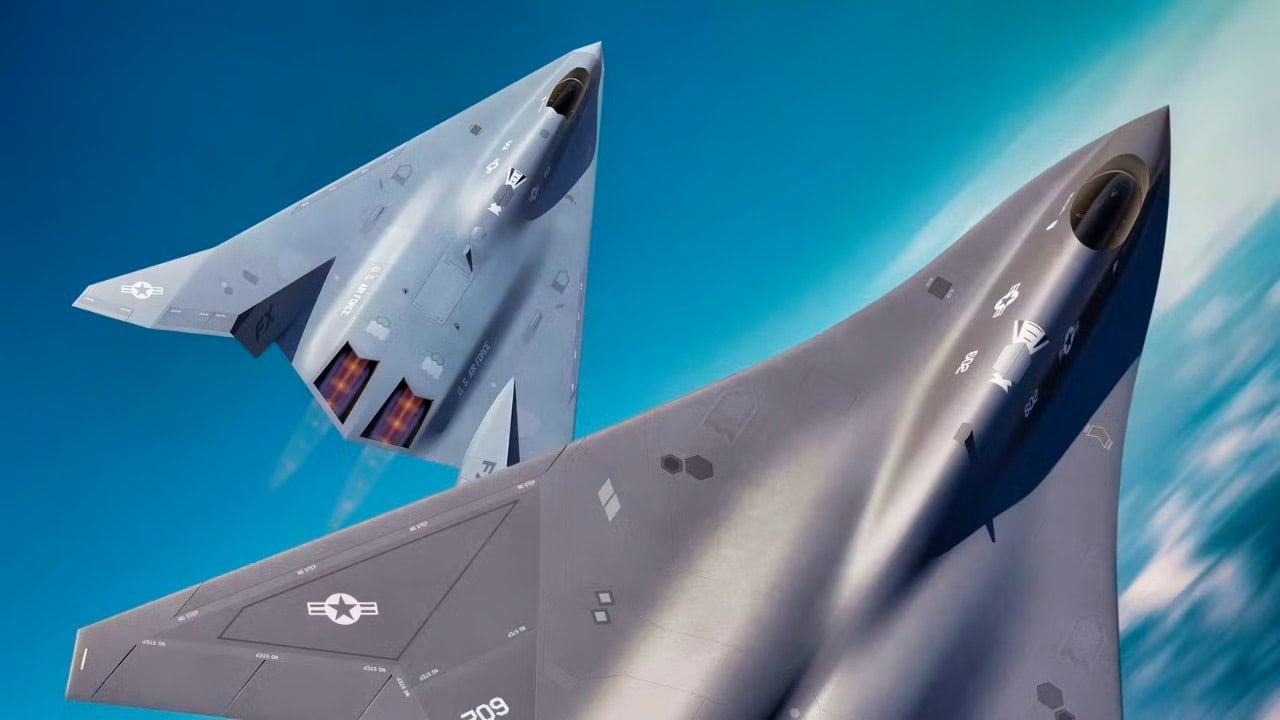
F-47 Fighter from Boeing. Image Credit: U.S. Air Force Screenshot.
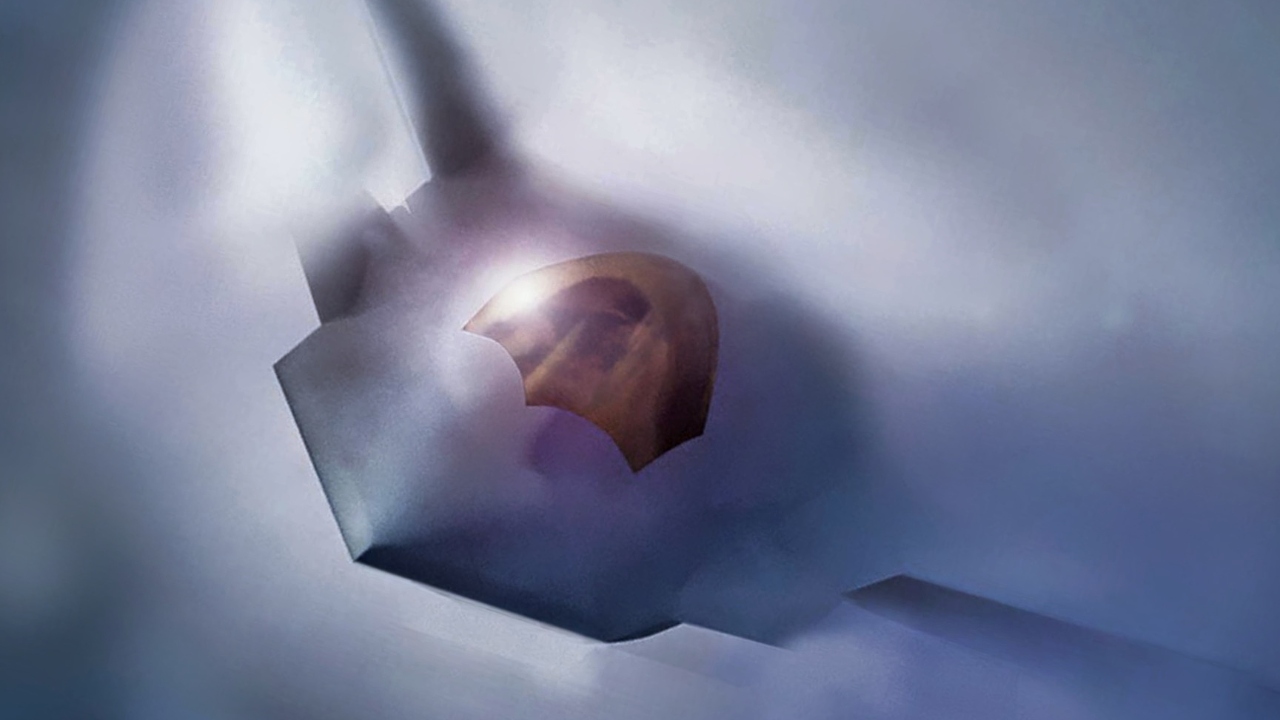
Shown is a graphical artist rendering of the Next Generation Air Dominance (NGAD) Platform. The rendering highlights the Air Force’s sixth generation fighter, the F-47. The NGAD Platform will bring lethal, next-generation technologies to ensure air superiority for the Joint Force in any conflict. (U.S. Air Force graphic)
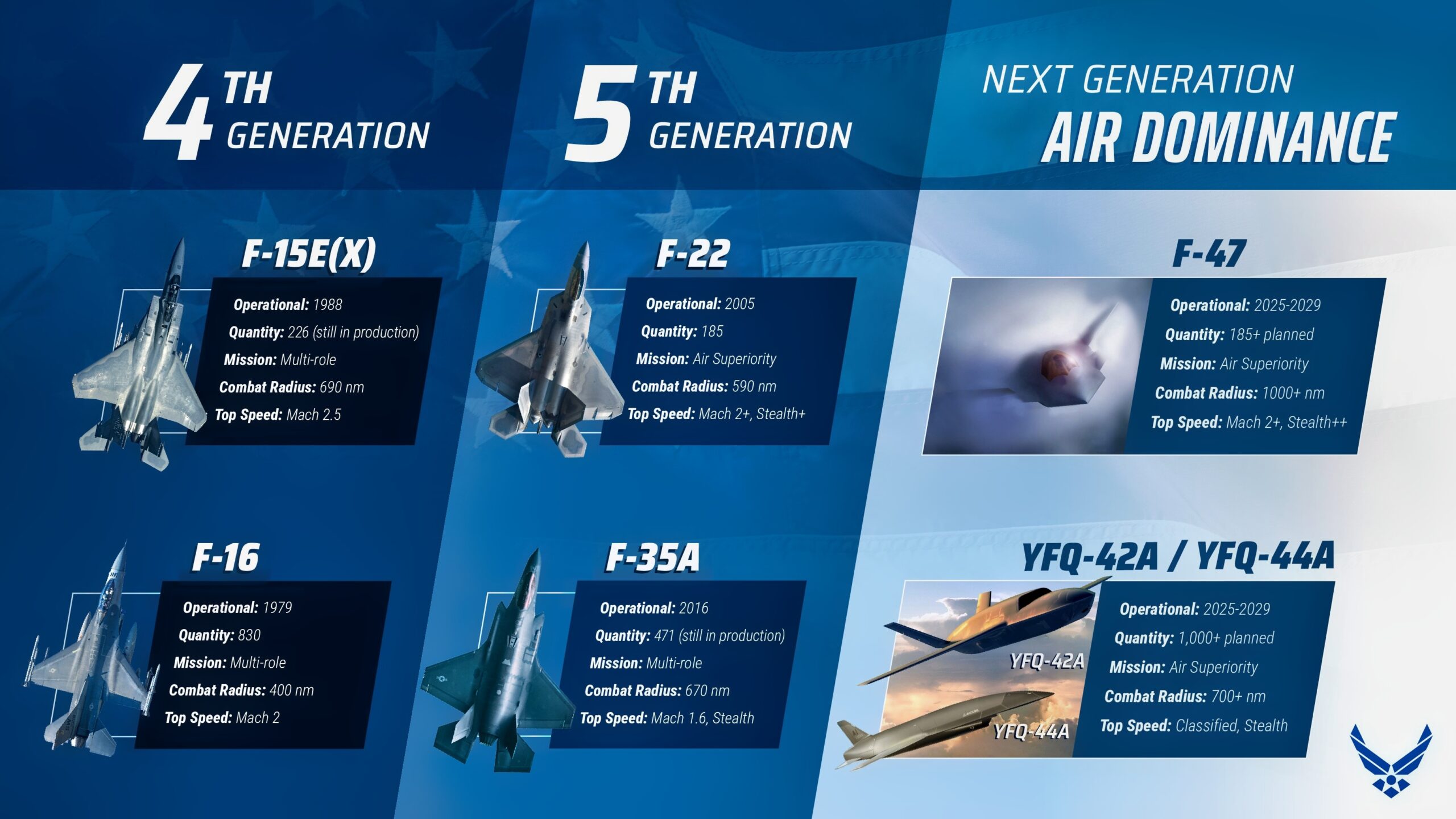
F-47 Infographic. Image Credit: U.S. Air Force
The Big F-47 Fighter Questions
One of the more interesting aspects of the information the Air Force Chief of Staff released, however, was the F-47’s range: a whopping 1,000+ nautical miles. The range of the other aircraft varies, but is significantly more modest, meaning the F-47 is slated to have a vastly greater range than all current fighter aircraft in American service.
The question of range is a prescient one. The Indo-Pacific region, as the Pentagon calls the Pacific and its surrounding littoral areas, is vast. Thousands of miles of watery wastes separate the remote specks of land that dot its surface. While the U.S. Navy’s ships, particularly those that are nuclear powered, have the requisite range to navigate those waters, U.S. Navy and Air Force aircraft by themselves do not. And though a single fighter could not realistically be expected to traverse the daunting distances of that part of the world, Boeing clearly noted the Air Force’s desire to field a stealth fighter with a greatly expanded flight envelope.
$300 Million for NGAD?
Another lingering question is just how much the F-47 will cost, a figure that is, in part, determined by the number of F-47s the Air Force plans to acquire.
While the Air Force has previously suggested a baseline fleet of 185 fighters, a figure supported by the Air Force infographic, that number may in fact be a floor rather than a ceiling.
In a high-intensity conflict, like the kind that is anticipated should a war in the Indo-Pacific erupt, it would likely eat through vast amounts of men and materiel, as evidenced by the ongoing war in Ukraine.
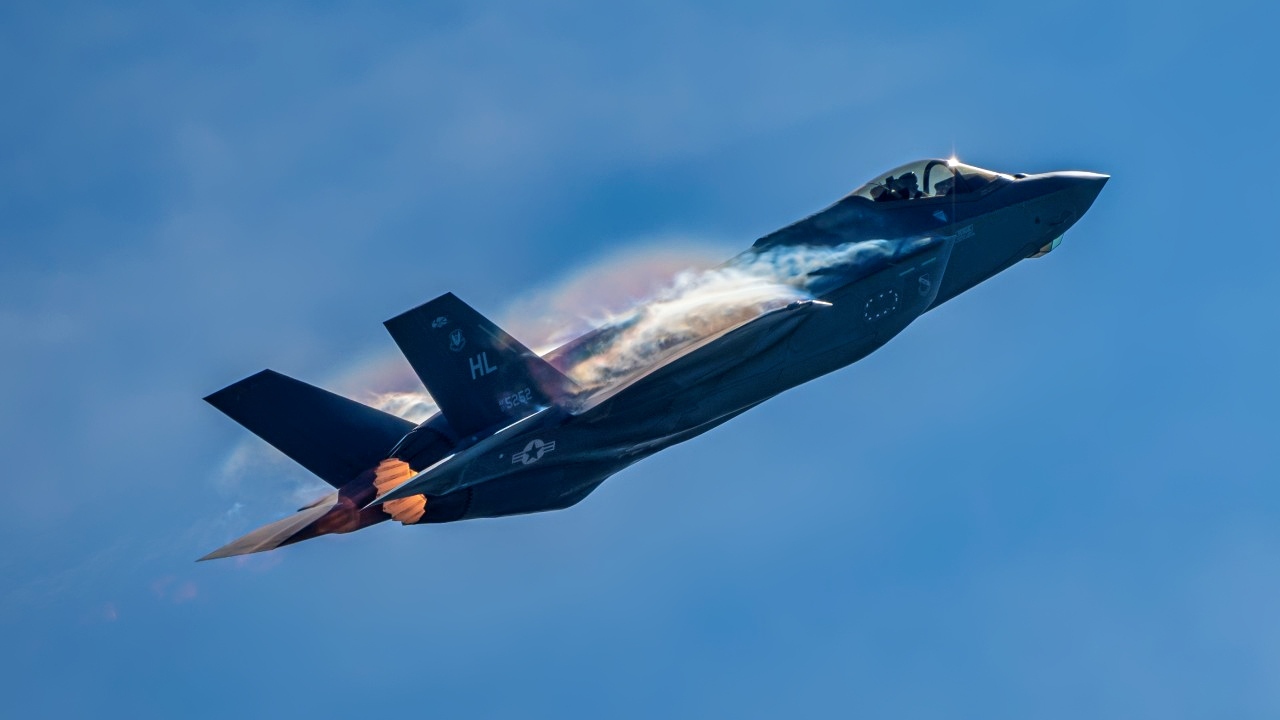
U.S. Air Force Maj. Kristin “BEO” Wolfe, F-35A Lightning II Demonstration Team commander and pilot, flies during a demonstration rehearsal at Hill Air Force Utah, April 28, 2021. The F-35A Lightning II Demonstration Team is part of the first operational F-35A wing for the Air Force, the 388th Fighter Wing, and flies over the Hill Air Force Base runway to practice and prepare for upcoming air shows around the world. (U.S. Air Force photo by Capt. Kip Sumner)
The total cost of a single F-47 is estimated at $300 million, making the sixth-generation fighter about three times as costly as an F-35, which is infamously the most expensive defense project in history. That figure may change, however, as the contours of the F-47 program become clearer in the coming months and years.
But despite the turbulence, it is unlikely that the program would collapse completely. General Allvin reiterated the F-47’s usefulness and reminded audiences that the jet would ensure the U.S. Air Force retains a qualitative edge over adversaries. “The adversary is not taking a knee,” he said. “They’re not stopping and saying, well, maybe if the U.S. slows down, we’ll slow down too. That’s not what they’re doing.”
What Happens Next on F-47 NGAD?
But General Allvin also explained that no single platform or system is a magic bullet. Instead, it is the family of systems that individual platforms fit into, he said, that will make a difference.
“When we develop all of the next generation capabilities, we can’t get enamored with the platforms, not just the weapons and the weapon systems,” he said. “We’ve got to understand systems over platform. It’s the things that link them together that makes it work. It’s resilient basing. It’s survivable refueling. It’s long-range kill chains against which we’re going to definitely depend on our brothers in the Space Force. It’s all of those things together that are going to ensure just beyond, well beyond the platforms.”
Questions of production aside, it’s plain that the F-47 will offer the U.S. Air Force a unique capability. The question now is, how much will it cost — and when will it arrive?
About the Author: Caleb Larson
Caleb Larson is an American multiformat journalist based in Berlin, Germany. His work covers the intersection of conflict and society, focusing on American foreign policy and European security. He has reported from Germany, Russia, and the United States. Most recently, he covered the war in Ukraine, reporting extensively on the war’s shifting battle lines from Donbas and writing on the war’s civilian and humanitarian toll. Previously, he worked as a Defense Reporter for POLITICO Europe. You can follow his latest work on X.