
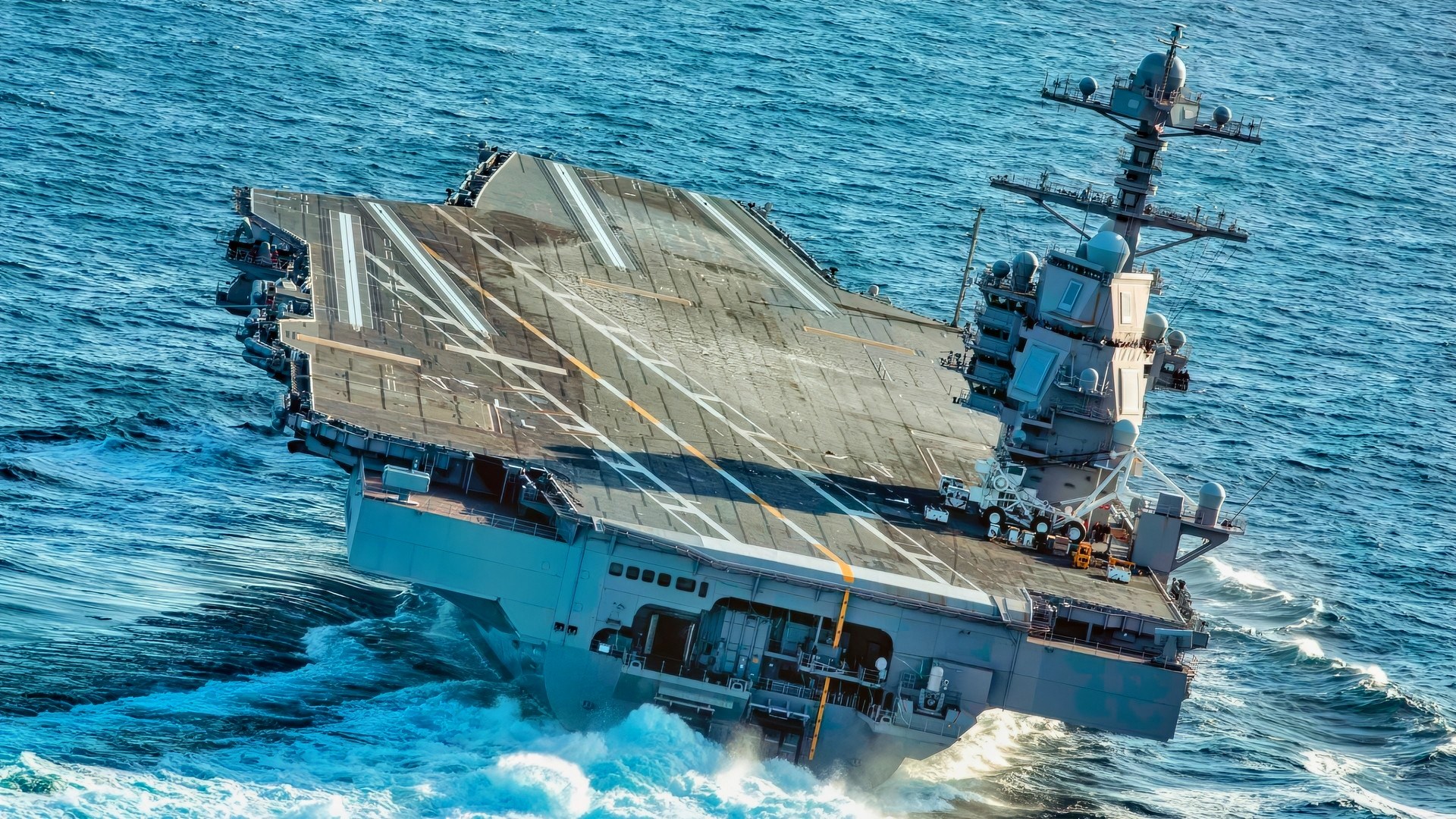
Synopsis: With maritime tensions rising and modern sea power under constant scrutiny, the question heading into 2026 is whether the U.S. Navy still sits on top—or whether China’s fast-expanding fleet has finally changed the hierarchy.
-This ranking argues the United States remains the global standard thanks to its unmatched reach, carrier strike capacity, undersea dominance, and worldwide logistics, even as shipbuilding and recruiting issues create real strain.
-China lands in the runner-up position on the strength of sheer scale and modernization, while Russia stays relevant largely on the back of its undersea forces.
-South Korea and Indonesia round out the list as rising regional powers with growing ambitions.
Top 5 Navies for 2026: The U.S., China, Russia—and Two Surprising Picks
The past year has been a turbulent time for naval forces around the world. With tensions heating up in the South China Sea and a war still ongoing in the Black Sea, maritime warfare is still very much relevant. This raises the question of who currently possesses the most potent naval force.
Usually, the answer is clearly the United States, but recently, the U.S. has been struggling with subpart recruitment rates and a struggling shipbuilding industry.
Has the U.S. Navy finally been replaced as the world’s ruler of the Seas, or is it still holding on to its place?
Here are the top five naval forces going into 2026.
5: The Republic of Korea Navy
The ROKN has transformed into one of Asia’s most capable maritime forces, striking a strong balance between advanced surface ships, undersea platforms, and coastal defense.
With approximately 155 commissioned vessels, the fleet combines regional deterrence with expanding blue-water reach. Its ongoing FFX Batch IV frigate program is one of many advancements in both anti-submarine and surface warfare domains.
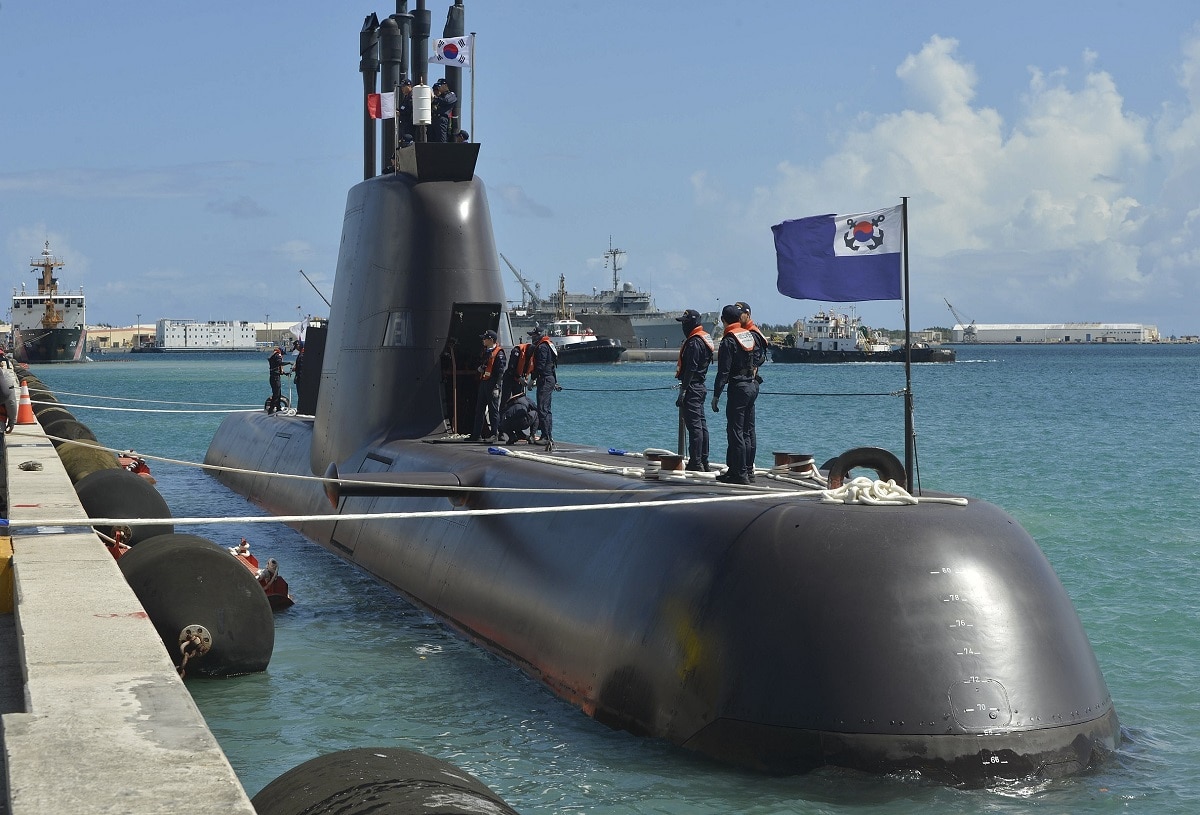
SANTA RITA, Guam (June 5, 2019) – Republic of Korea Navy sailors aboard the Sohn Wonyil class diesel-electric submarine ROKS Yun Bonggil (SS 077), prepare to conduct line handling duties as the submarine arrives at Naval Base Guam, June 5. Naval Base Guam is strategically located to support all submarines deployed to 7th Fleet and is home port to four Los Angeles-class attack submarines. (U.S. Navy photo by Mass Communication Specialist Seaman Chase Stephens /Released)
Complemented by amphibious dock ships such as the Dokdo-class and a robust patrol-boat fleet, ROKN’s domestic shipbuilding prowess provides dependable capacity for patrol, deterrence, and crisis-response missions.
As a result, South Korea maintains a high-readiness maritime posture supported by a strong U.S. alliance and a growing indigenous defense industry, positioning it as a top-tier regional navy heading into 2026. Its navy is only held back by its smaller size.
4: The Indonesian Navy
At number four, we have the Indonesian Navy. Known as TNI-AL, it is the most significant maritime force in Southeast Asia by personnel and vessel count, with over 320 ships, including fast patrol boats, corvettes, frigates, and a nascent submarine force.
Currently, it remains a green-water navy, but it is steadily transitioning toward blue-water capabilities.
Under its “Minimum Essential Force” modernization plan, it is simultaneously refurbishing older frigates and locally building Arrowhead-140–derived frigates and Scorpène-class submarines. This progress has significantly enhanced Indonesia’s power projection capabilities, though constrained by budgetary and industrial constraints.
Despite improvements, it remains far from a global naval power. Its air wing has less than 50% operational status, and its fleet is mainly composed of smaller vessels.
Still, given the size and composition of its Navy, Indonesia remains one of the best in the world.
3: The Russian Navy
This spot may surprise some readers. After numerous embarrassments in the Black Sea and the whole debacle with the Admiral Kuznetsov, some may wonder how the Russian Navy even makes it onto this list.
However, by sheer process of elimination, the Russian Navy is still one of the strongest in the world. Russia has been investing significantly in naval modernization and still possesses one of the largest navies by mass despite its losses in Ukraine.

Russian Navy Aircraft Carrier. Image Credit: Creative Commons.
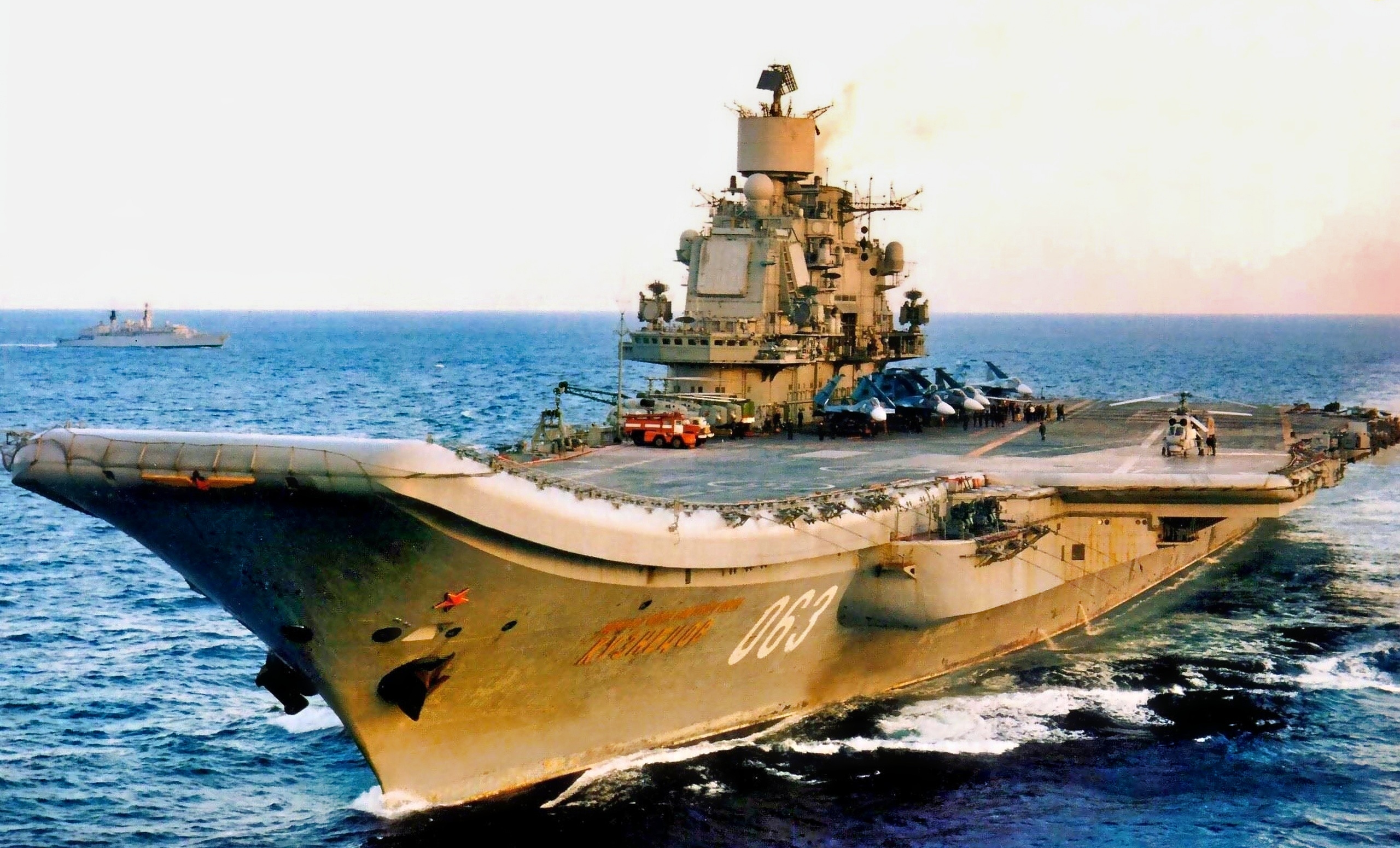
Russia Aircraft Carrier Admiral Kuznetsov. Image Credit: Creative Commons.
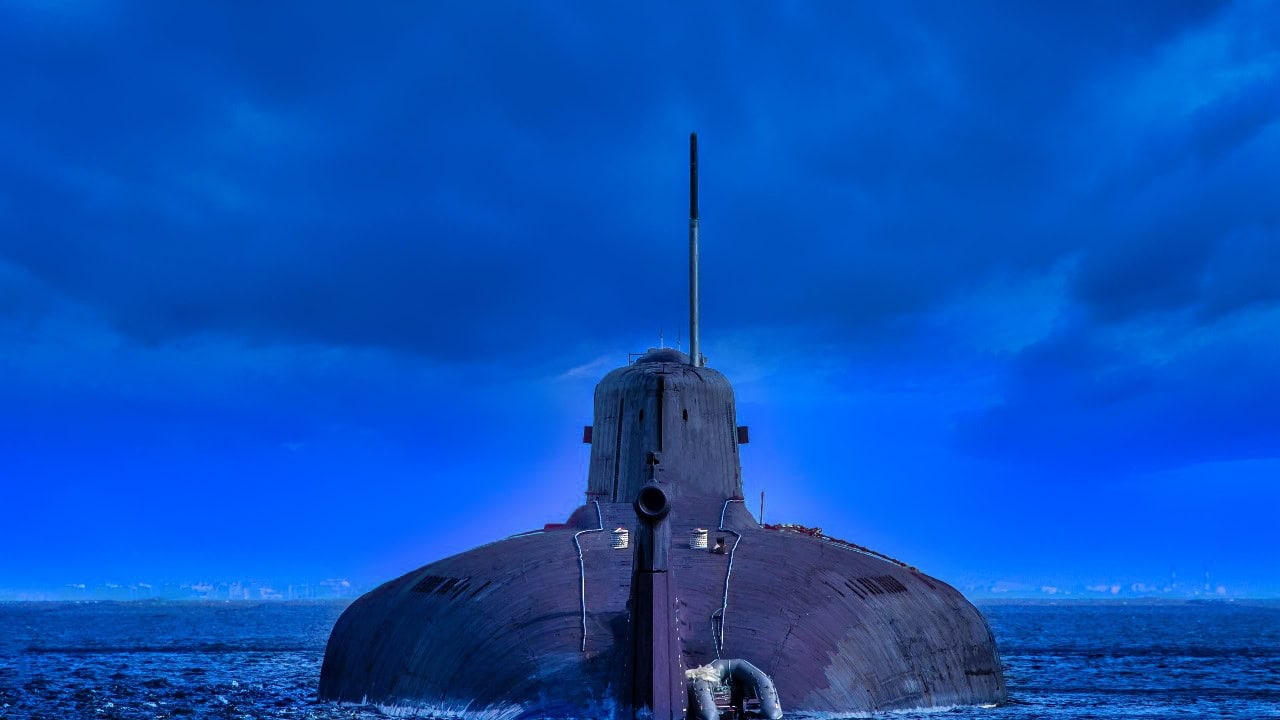
Russian Submarine. Image Credit: Creative Commons.
It has continued to deliver nuclear attack submarines and expand its fleet of smaller hypersonic missile carriers. It still retains the ability to supply globe-spanning Naval operations, though the loss of the port in Syria is a significant blow to its international aspirations.
The broader picture is a navy stretched by sanctions and shipyard constraints, but Russia’s undersea leg is sufficiently potent to keep it in the top five for 2026. If those structural weaknesses deepen and if another peer’s qualitative gains accelerate, Russia’s position could slip.
2: The People’s Liberation Army Navy
China’s PLAN clearly holds second place but is actively vying for first. It is now the largest navy by ship count and continues to grow.
The Department of Defense’s 2024 China Military Power Report assessed the PLAN’s battle force at over 370 ships and submarines and highlighted its maturing power-projection capabilities.
The Congressional Research Service’s January 2024 update projected growth to around 395 ships by 2025 and 435 by 2030, underscoring a robust trajectory anchored by shipyard throughput that outpaces Western peers.
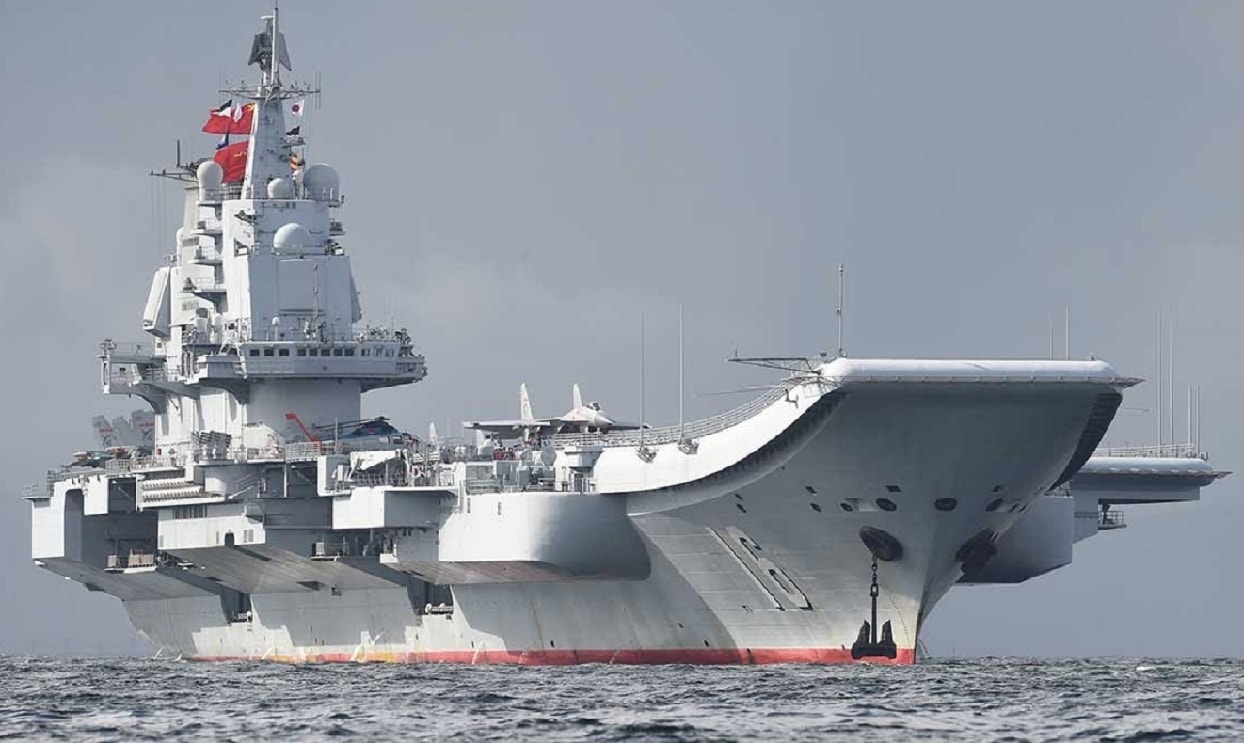
Image: Creative Commons.
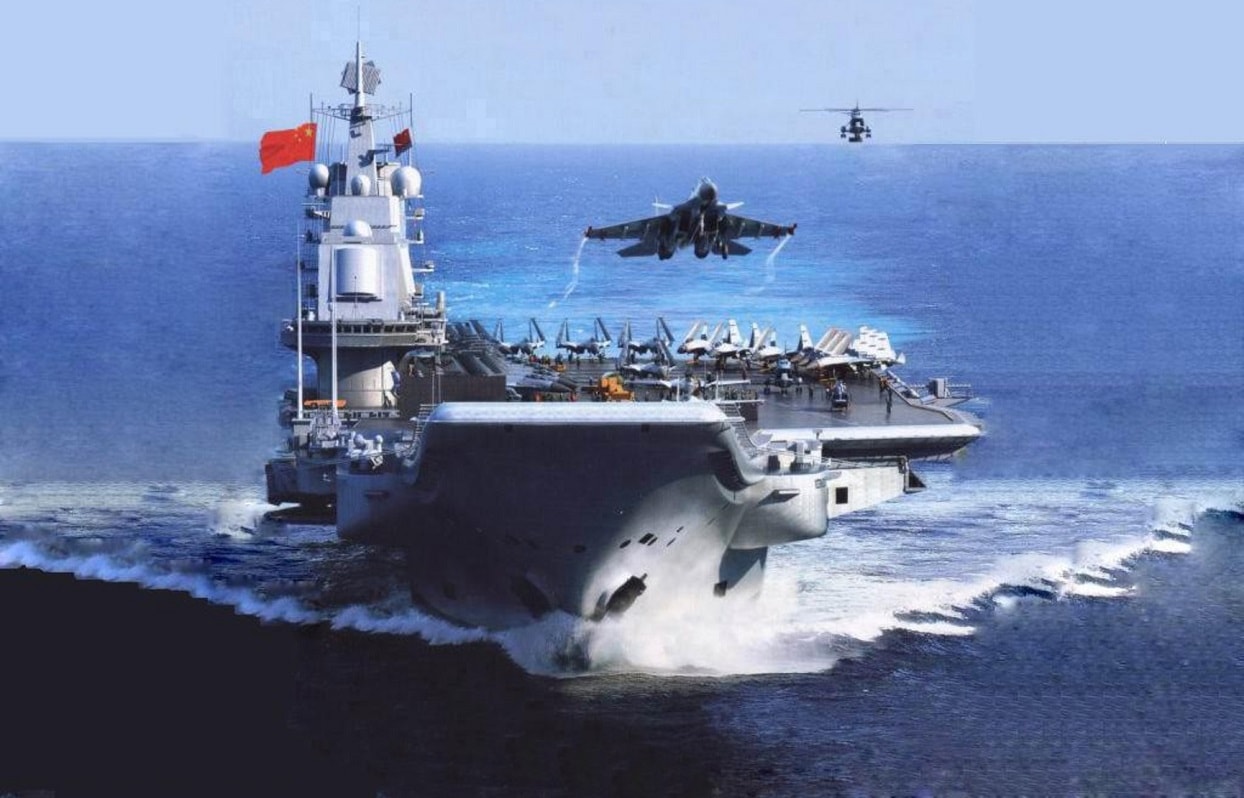
Chinese PLAN Navy. Image: Chinese Internet.
The single most important development came with the commissioning of the Type 003 Fujian in November 2025, China’s first CATOBAR carrier with electromagnetic catapults that enable heavier aircraft and airborne early warning platforms.
Analysts warn that China’s industrial capacity, especially in surface combatants, gives it wartime resiliency and replacement rates that could turn the tide in a potential conflict. Entering 2026, China’s fleet size, accelerating modernization, and the Fujian’s commissioning lock the PLAN into the number two slot.
1: United States Navy
To no one’s surprise, the U.S. Navy is still the best in the world. Even as its headline fleet numbers dip slightly in the near term due to retirements, the Navy’s combination of global logistics, sustained carrier strike groups, advanced nuclear submarines, and amphibious capacity remains unmatched.
As of 2025, the fleet stood near 296 battle force ships, with official reporting in February 2025 noting 296 as of January 27; the FY2026 submission plans a deployable battle force of 287 ships for that fiscal year while procuring nineteen battle force ships to sustain the trajectory thereafter.
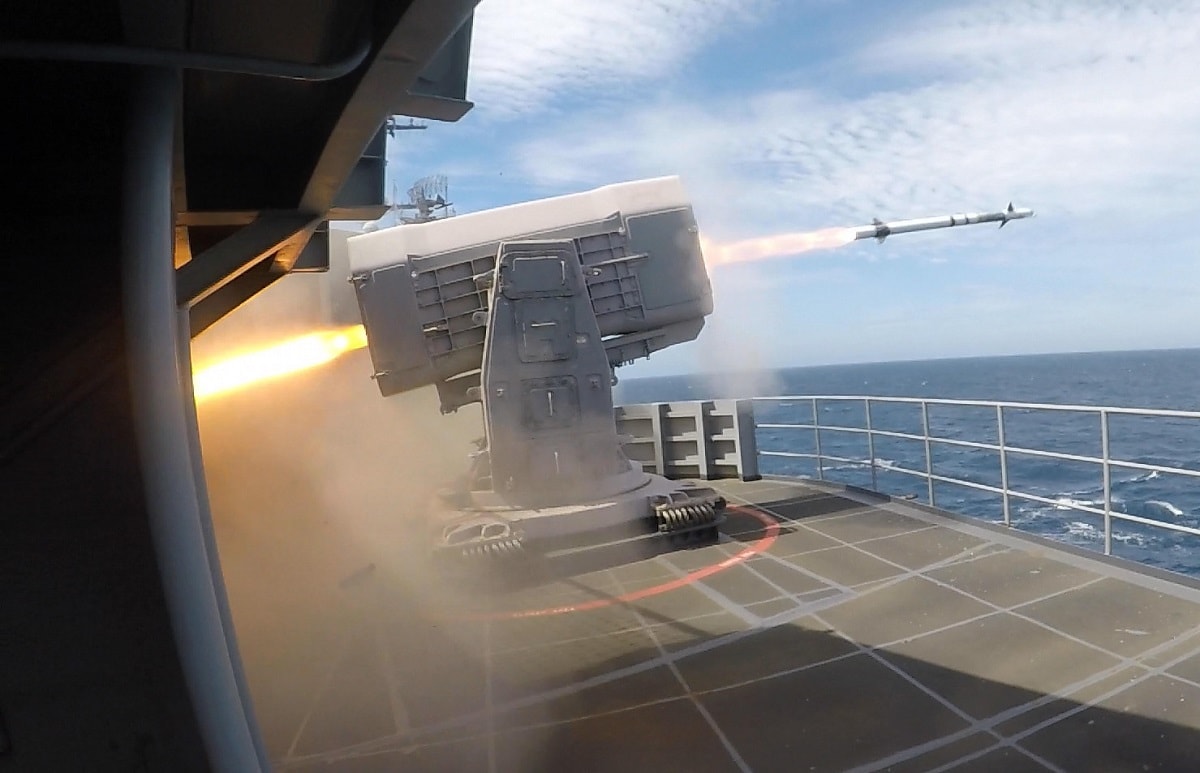
ATLANTIC OCEAN (June 9, 2021) A RAM-116 missile launches from the Nimitz-class aircraft carrier USS Harry S. Truman (CVN 75) during a live-fire exercise during Tailored Ship’s Training Availability (TSTA) and Final Evaluation Problem (FEP). Harry S. Truman, with embarked Carrier Air Wing 1, is underway conducting TSTA and FEP to assess their ability to conduct combat missions, support functions and survive complex casualty control situations in preparation for full integration into a carrier strike group. (U.S. Navy photo by Mass Communication Specialist 2nd Class Courtney Strahan) 210609-N-TB080-1001

SOUTH CHINA SEA (Feb. 9, 2021) The guided-missile destroyers USS Sterett (DDG 104) and USS John S. McCain (DDG 56) transit the South China Sea. The Nimitz and Theodore Roosevelt Carrier Strike Groups are conducting dual carrier operations in the Indo-Pacific in support of maritime security operations and theater security cooperation efforts. (U.S. Navy photo by Mass Communication Specialist 3rd Class Cheyenne Geletka) 210209-N-DQ752-1049
The Congressional Budget Office’s 2025 analysis of the Navy’s shipbuilding plan projects a long path to roughly 390 battle force ships by 2054, including an interim valley to 283 boats in 2027 as older hulls leave service, with shipbuilding costs averaging about $40 billion per year in 2024 dollars.
The United States also fields the world’s largest defense budget, nearly $1 trillion by SIPRI’s method for 2024, giving it unrivaled capacity to finance training cycles, global deployments, and modernization across carriers, submarines, and surface combatants.
While the Navy has undoubtedly declined over the last decade, it remains the strongest on the planet in overall capability.
About the Author: Isaac Seitz
Isaac Seitz, a Defense Columnist, graduated from Patrick Henry College’s Strategic Intelligence and National Security program. He has also studied Russian at Middlebury Language Schools and has worked as an intelligence Analyst in the private sector.