
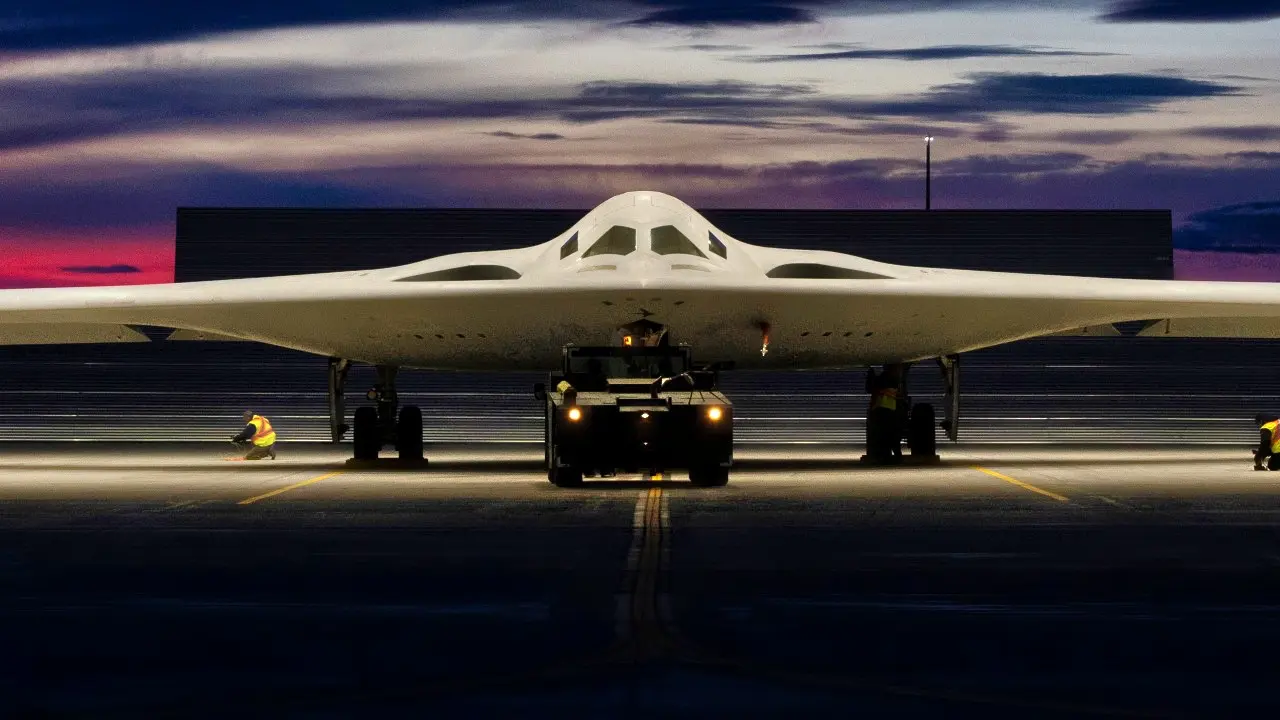
Synopsis: The B-21 Raider is poised to expand America’s stealth-bomber capacity far beyond the small B-2 fleet, but skeptics argue new Russian and Chinese surface-to-air systems could blunt its advantage. The better question is whether air defenses can reliably detect, track, and engage a penetrating bomber amid jamming, decoys, standoff weapons, and rapid software-driven upgrades. Stealth isn’t invisibility, yet it compresses the enemy’s timeline and forces costly, layered defenses. Paired with electronic attack, anti-radiation strikes, and drone teaming, the B-21 should remain a Day One weapon for holding high-value targets at risk—just as recent B-2 operations reminded the world again, clearly.
In 1 Word: Obsolete?
The B-21 Raider Has a Message for Russia’s S-500 and China’s HQ-9
The B-21 Raider stealth bomber is fascinating.
Two Raiders are already flying after being produced at the Northrop Grumman plant in Palmdale, California.
The program appears on time and under budget.
The bomber has sixth-generation stealth, all-spectrum radar, advanced artificial intelligence, is nuclear-capable, and could even launch hypersonic weapons, while also controlling Loyal Wingmen drones.
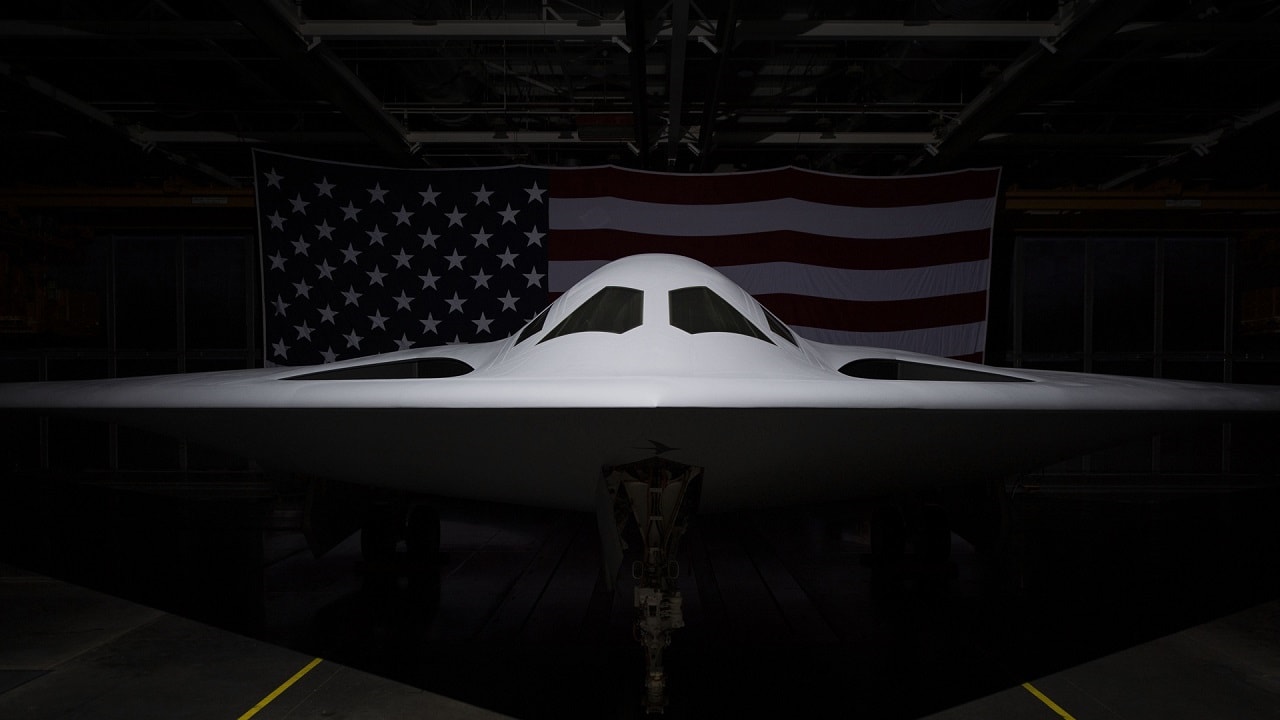
B-21 Raider. Image Credit: U.S. Military.
The U.S. Air Force wants at least 100 B-21s, with some proponents calling for 150 or more of the radar-evasive strike aircraft.
Stealth bomber flight is more important than ever.
During Operation Midnight Hammer, the Air Force’s effort to destroy Iran’s nuclear infrastructure, a flight of seven B-2 stealth bombers was utilized to eliminate Iranian targets with bunker-busting bombs.
No B-2s were lost, and they snuck over Iranian airspace without Supreme Leader Ali Khamenei’s air defenses firing a shot.
The Air Force has only 19 operating B-2s. Could you imagine having 100 or more B-21s?
This would be a real difference-maker in the future fight against adversaries like China, Russia, Iran, and North Korea.
The B-21 Is On Track for the Long-Haul
If no schedule slips or cost overruns occur, the B-21 could be ready for initial operational capacity by 2027.
That may be optimistic.
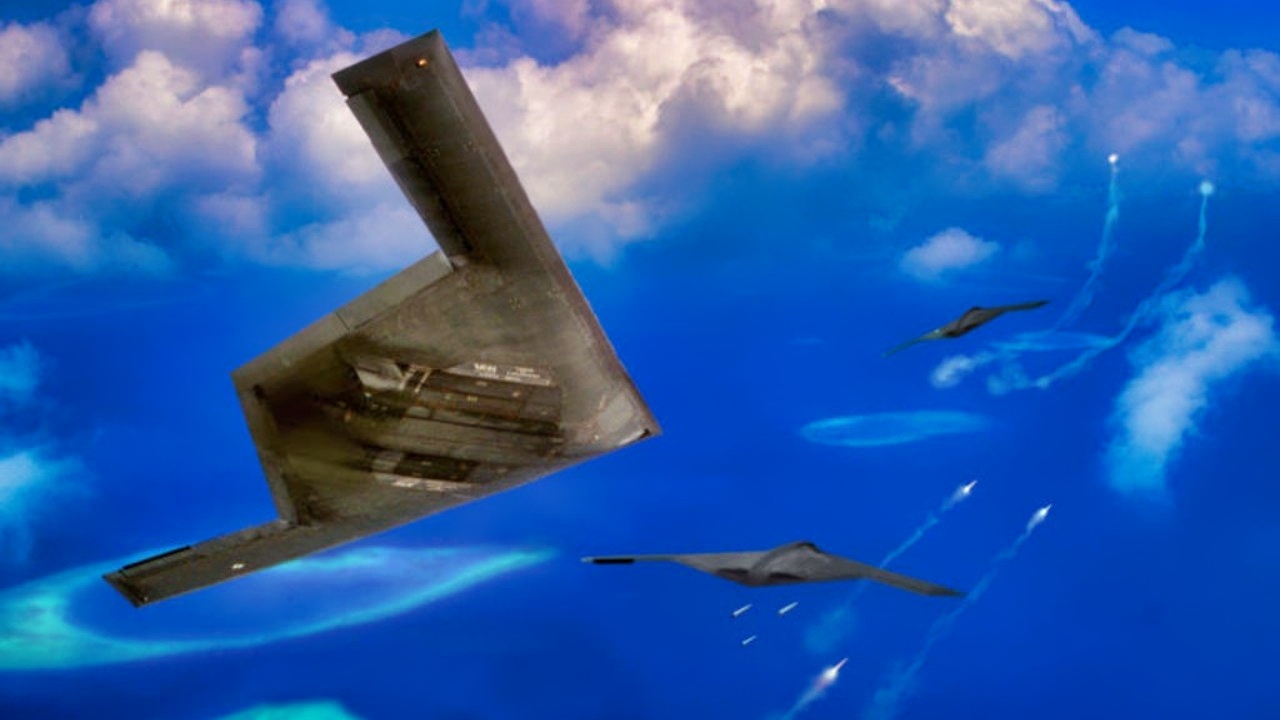
B-21 Raider Bomber. Artist Rendition/Creative Commons.
Let’s bump that to 2028 because nearly all new military hardware systems incur delays, and the technology involved with the Raider is extensive.
That would mean the B-21 could enter active duty around 2030. That’s almost four years from now, and enemy air defenses could improve by then.
Russia’s ‘Prometheus’ Air Defender Is Powerful
Would new surface-to-air missile systems be able to make the B-21 obsolete by the time it is ready for attack mode?
Current enemy systems are stout.
The Russians sport the S-500 SAM system.
The so-called “Prometheus” air defender brings much to the table.
The S-500 has a range of up to 372 miles. The Russians believe it can blow fifth-generation fighters like the F-35 and F-22 out of the sky.
The Prometheus doesn’t care how stealthy enemy jets are.
The S-500 could even knock out a low-orbiting satellite, the Russians believe.
If that can be accomplished, could it also spot and track a B-21?
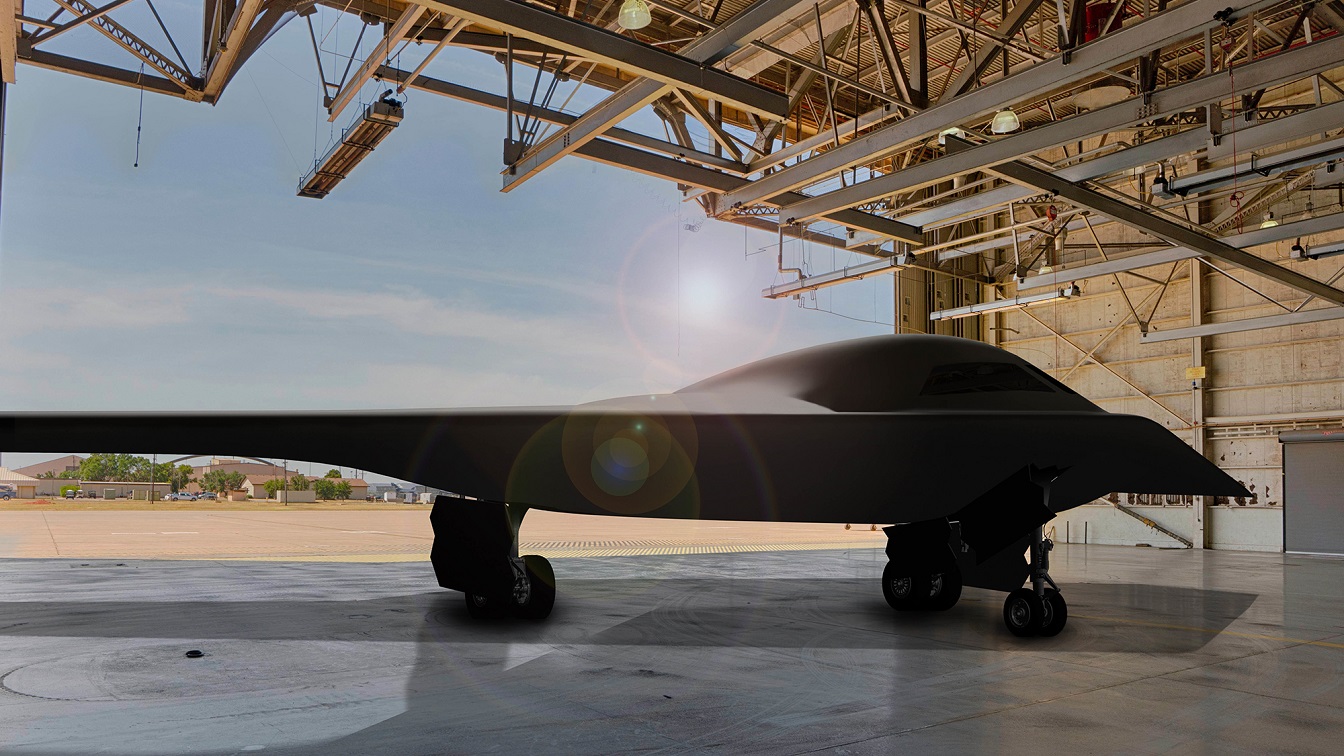
Artist rendering of a B-21 Raider concept in a hangar at Dyess, Air Force Base, Texas, one of the future bases to host the new airframe. (Courtesy photo by Northrop Grumman)
There are four radar vehicles per battery, and this detection system is quite advanced.
The S-500 has been in service since 2021, and Vladimir Putin’s air defense artillery force has confidence that it can engage and kill stealth airplanes.
The S-550 Could Be Even Better
Russia is also working on its new S-550 SAM system.
While the S-550 is designed more to shoot down ballistic missiles, it could certainly attack a B-21.
The S-550 should be operational in the next two years, just in time for it to address the Raider bomber.
The Russians believe that S-500 and S-550 batteries would create a valuable shield that would protect in layers against enemy attack.
China Has a Vote in the Fight, Too
Meanwhile, China is proud of its HQ-9 long-range air defender.
This is also called the “Red Banner 9” – a good moniker for Chinese propaganda reels.
This is China’s answer to the American Patriot or THAAD air defenders.
It can take on multiple targets simultaneously. The HQ-9 has an advanced guidance system and multi-target anti-jamming capabilities, according to Army-Technology.com.
“The missile can carry a 180kg high explosive fragmentation (HE-FRAG) type warhead up to a maximum range of 200km and an altitude of 30km. The warhead is equipped with a proximity fuse with a 35m effective range, which gets activated when the missile is 5km away from its target. The exposed thrust vector control (TVC) of the missile makes it visibly different from the S-300V missiles,” Army-Technology.com wrote.
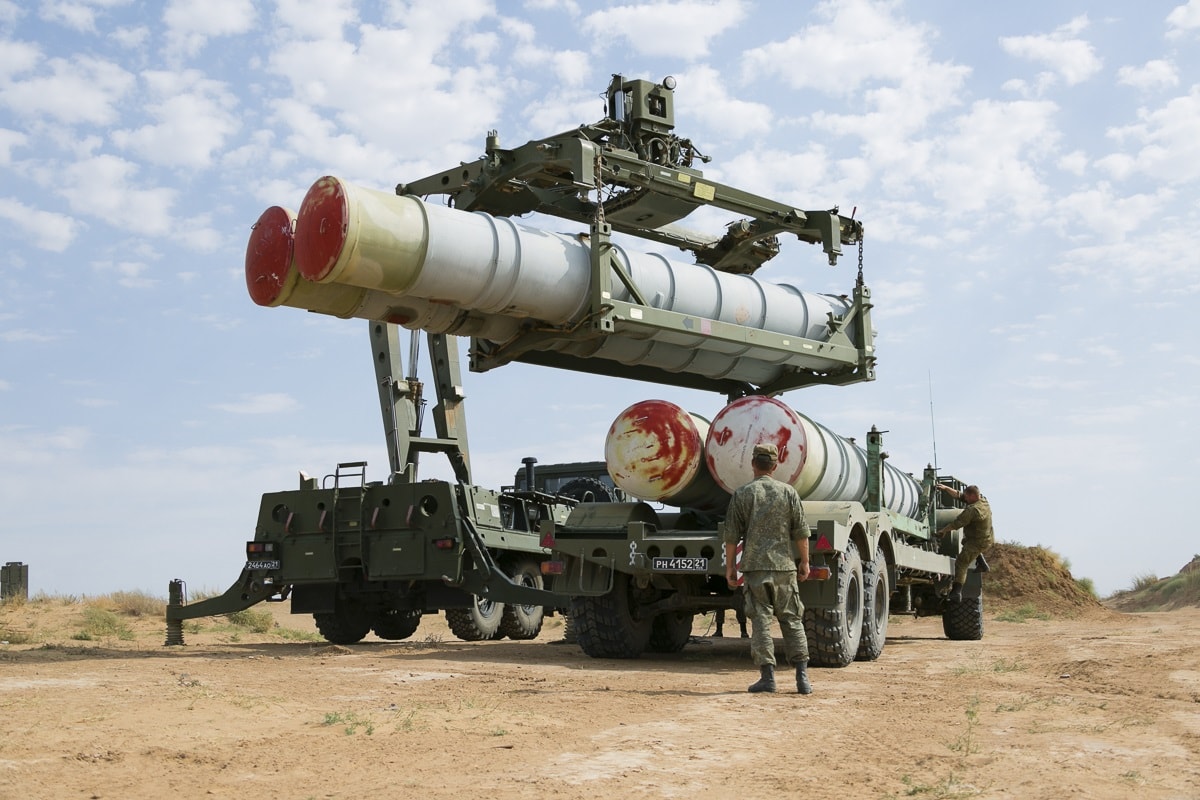
Russia’s S-400 Air Defense System. Image: Russian Military.
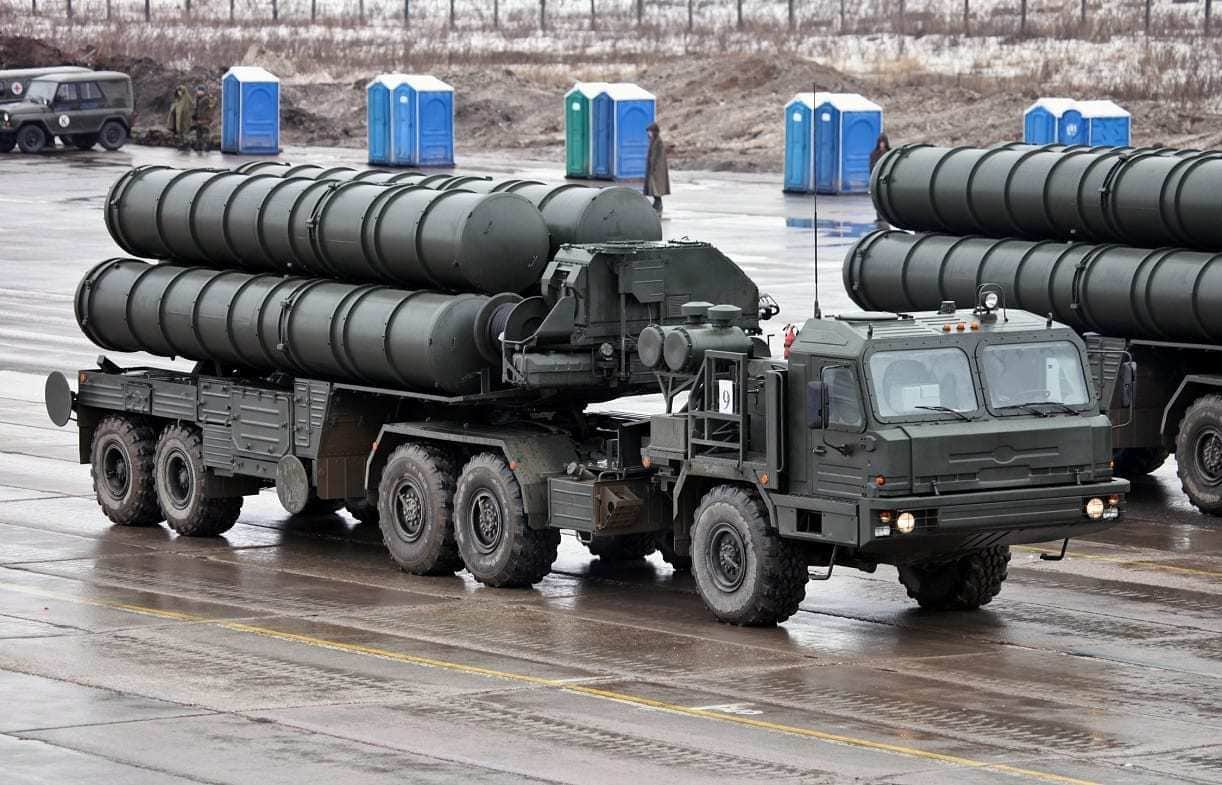
S-400. Image Credit: Creative Commons.
The updated HQ-9B has more interceptors – eight per launcher. The HQ-22 air defense system has better jamming and electronic warfare capabilities.
China also has radars that it claims are anti-stealth, such as the YLC-8E and the SLC-7, plus the JY-26. These could be used to identify and track the B-21.
The B-21 Will Be Relevant for Decades
While the Russians and Chinese have plans to combat stealth airplanes, my money is on the B-21 and the Collaborative Combat Aircraft (CCA) – a Loyal Wingman drone it can control in a manned-unmanned teaming arrangement.
The CCA would deliver the kind of electronic warfare capability and surface strike operations against enemy radar that would blind their air defenses.
The Russians and Chinese think they have an answer for stealth fifth-generation warbirds, but the B-21 will be even more stealthy than the F-35 and F-22.
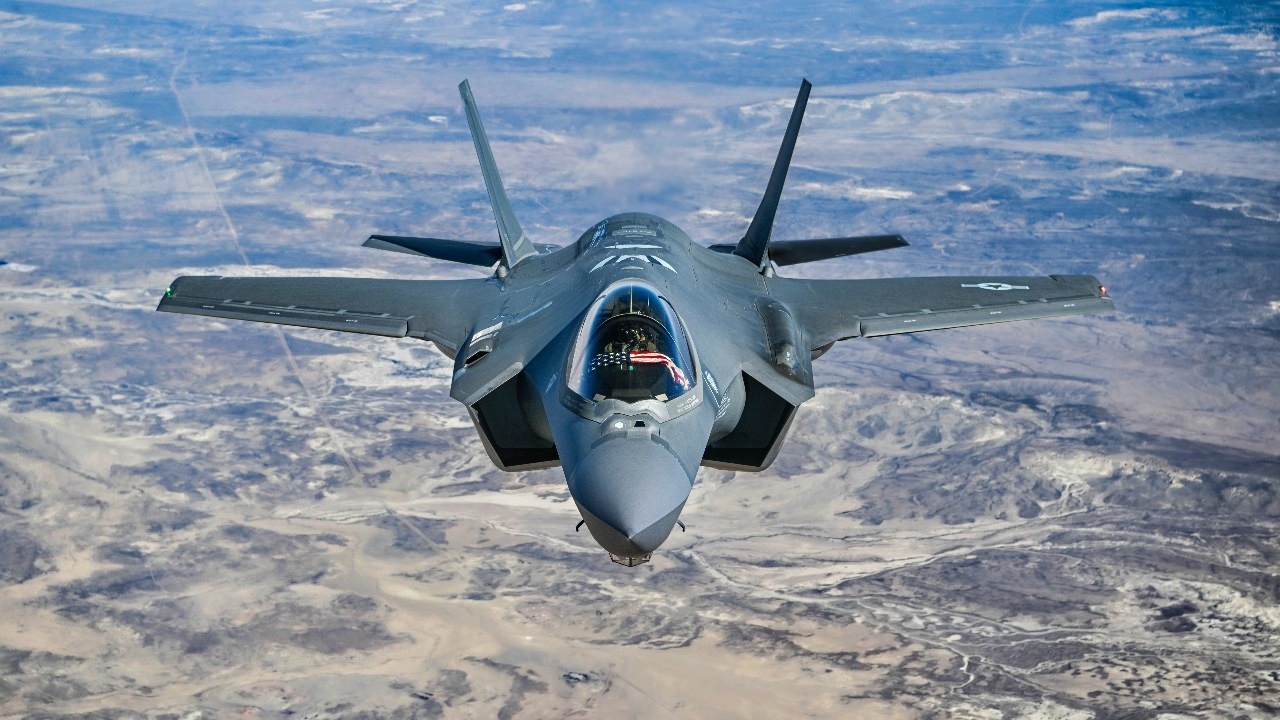
Maj. Melanie “Mach” Kluesner, F-35A Demonstration Team Commander, pilots an F-35A Lightning II after completing aerial refueling en route to Base Aérea No. 1 de Santa Lucía, Mexico, for the 2025 Feria Aeroespacial México (FAMEX), April 22, 2025. The teams participation highlights the strength of the U.S.–Mexico defense relationship and demonstrates the global reach and readiness of U.S. Air Force fifth-generation airpower. (U.S. Air Force photo by Capt. Nathan Poblete)
Plus, Day One attacks to suppress enemy air defenses can better pave the way for B-21 strikes.
The B-21 will not be obsolete by the time it enters active duty. The air defenses from Russia and China are good but not great. Keep in mind that U.S. Air Force intelligence analysts are well aware of all air defense systems in the enemy arsenal.
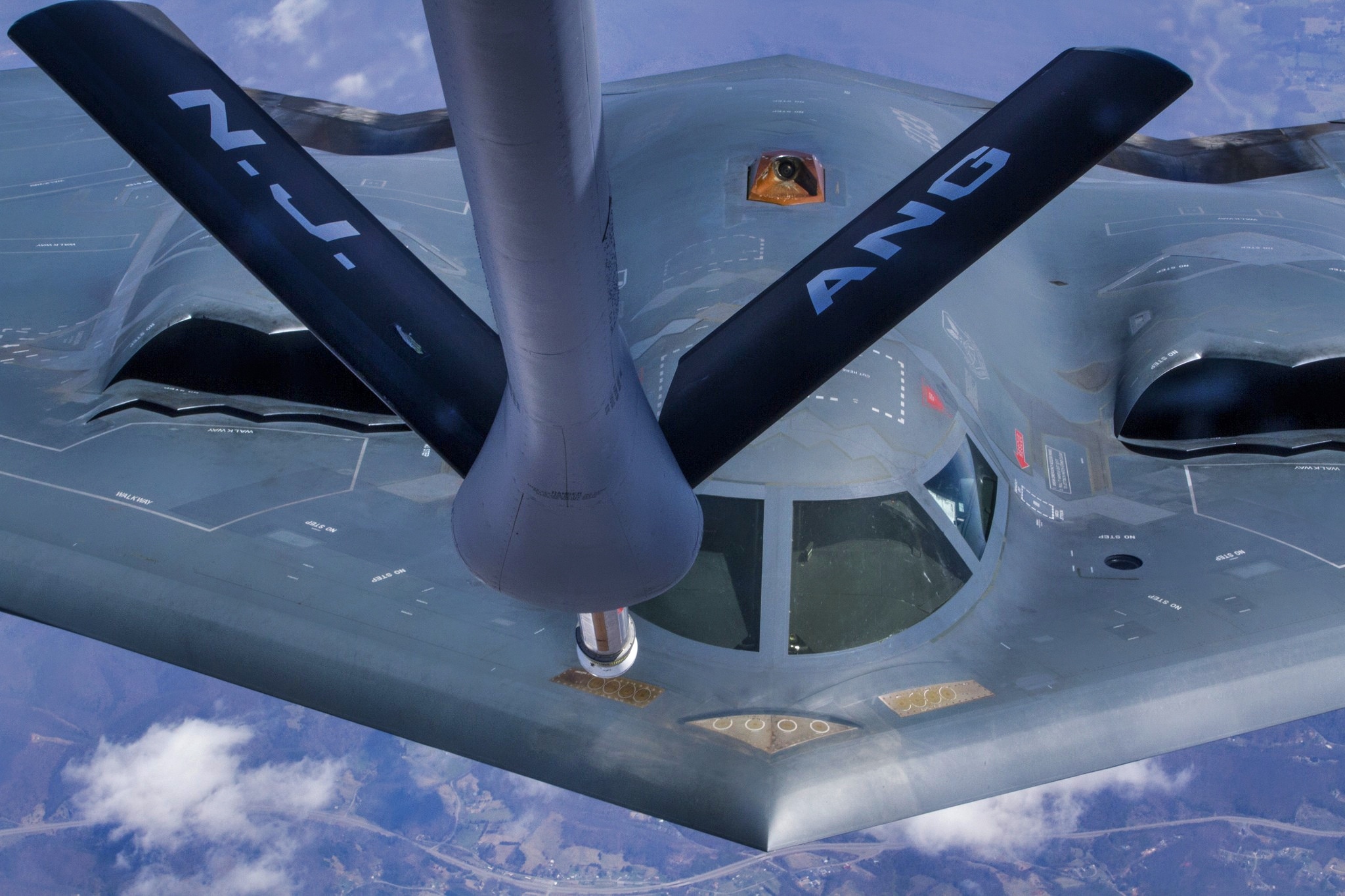
B-2 Spirit Stealth Bomber. Image Credit: Creative Commons.
They know the capabilities and ranges, and pilots are trained to suppress them. The B-21’s stealth coatings will be tested and retested.
New anti-radiation missiles will be developed that can take out enemy radars on Day One of any strike series.
The Air Force has shown it can maneuver stealthily with the older B-2s over Iran, and American aviators should be able to conduct similar operations when the B-21 comes online.
About the Author: Brent M. Eastwood
Author of now over 3,000 articles on defense issues, Brent M. Eastwood, PhD is the author of Don’t Turn Your Back On the World: a Conservative Foreign Policy and Humans, Machines, and Data: Future Trends in Warfare plus two other books. Brent was the founder and CEO of a tech firm that predicted world events using artificial intelligence. He served as a legislative fellow for US Senator Tim Scott and advised the senator on defense and foreign policy issues. He has taught at American University, George Washington University, and George Mason University. Brent is a former US Army Infantry officer. He can be followed on X @BMEastwood.