

Key Points and Summary – In the 1970s, Lockheed’s Skunk Works, NASA, and the U.S. Air Force quietly pursued the L-301 or X-24C, an ambitious hypersonic demonstrator meant to cruise at Mach 6–8 on a scramjet after rocket boost.
-Building on X-15 lessons and lifting-body research, the L-301 would have been air-launched from a B-52, flown repeated missions, and generated priceless data on hypersonic aerodynamics, thermal loads, and materials.
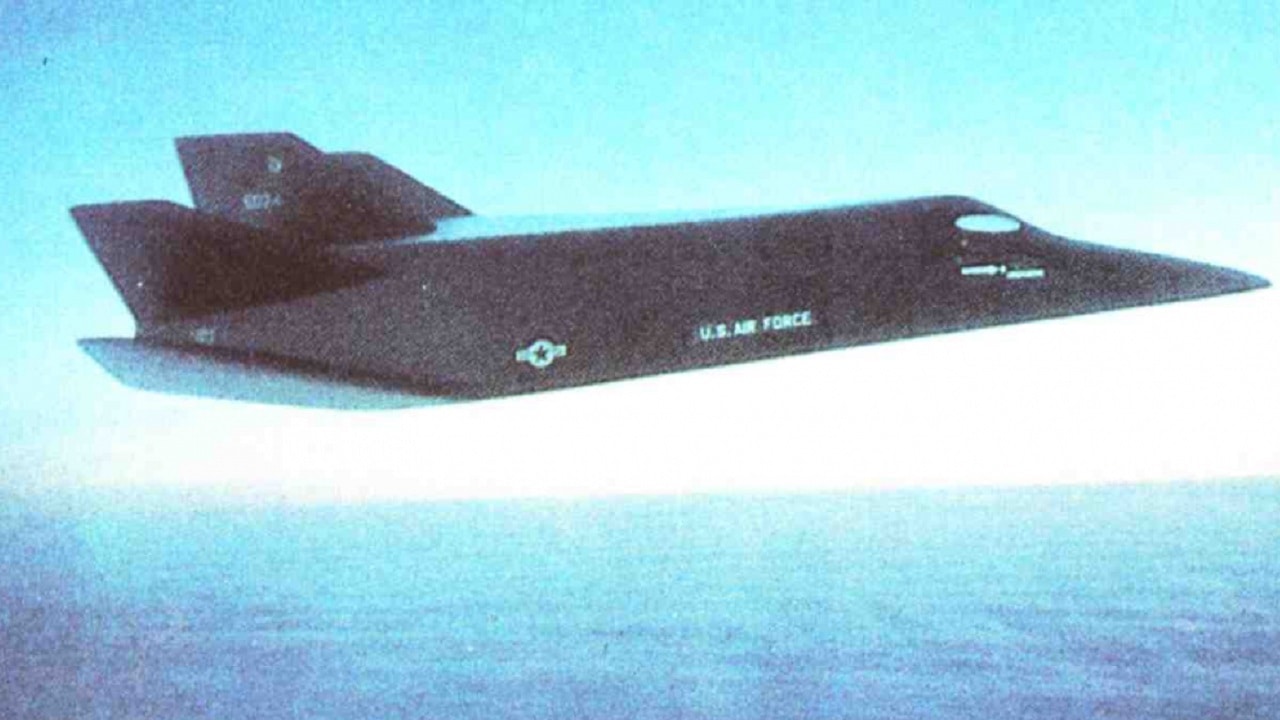
X-24C. Image Credit: Creative Commons.
But the Space Shuttle, tight budgets, and high technical risk killed the program in 1977.
-Its cancellation arguably delayed U.S. scramjet progress and foreshadowed today’s scramble to catch up with Russian and Chinese hypersonic advances.
Why the X-24C Never Hit Mach 8
For the past several decades, the U.S. has been experimenting with a hypersonic vehicle that is capable of multiple flights. One of the biggest hurdles to this concept is the scramjet engine. Despite decades of research, sustained hypersonic flight on larger vehicles remains a significant technological challenge.
However, in the 1970s, researchers sought to overcome these challenges. Lockheed, with the support of NASA and the U.S. Air Force, worked on a technology demonstrator, unofficially designated as the L-301/X-24C.
Unfortunately, despite its high potential, the project was cancelled due to competing space-based projects that were a higher priority.
Development of the L-301 or X-24C
Work on the L-301 presumably began back in the 60s after the discontinuation of the X-15 program.
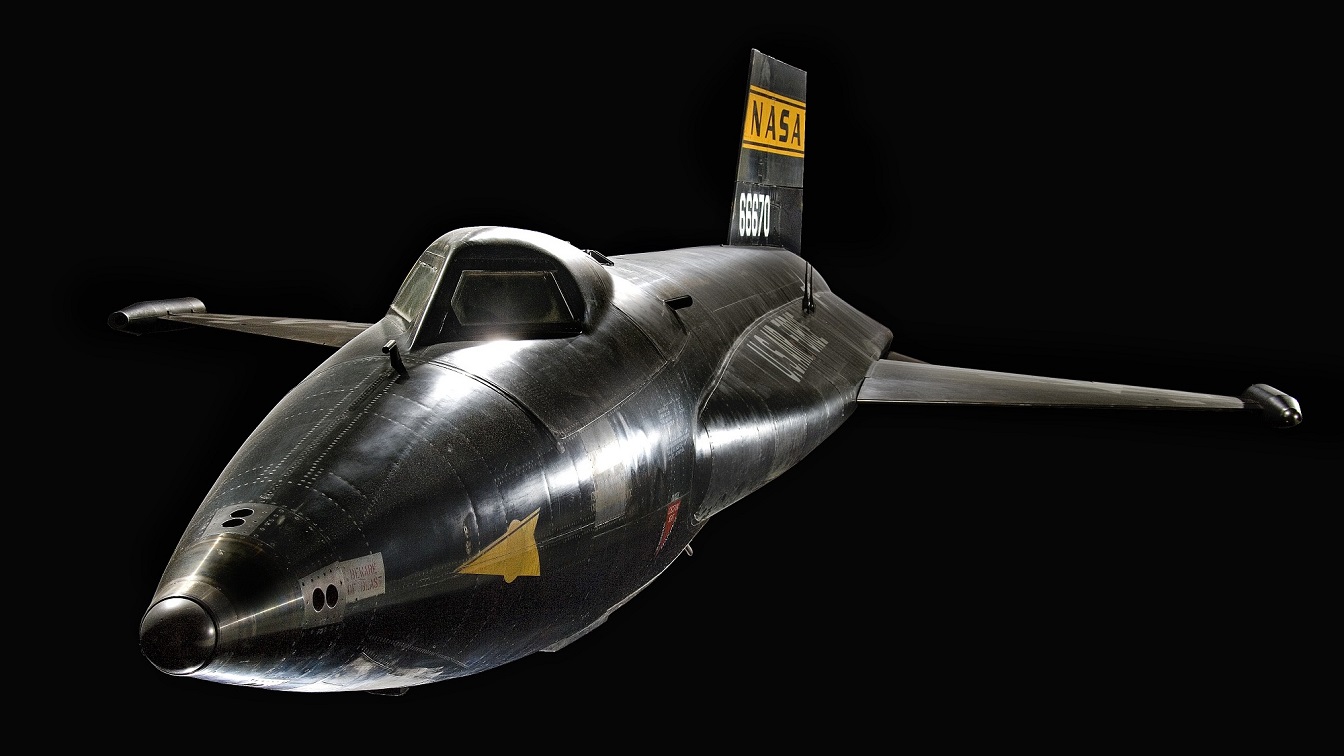
Three-quarter left front view of the North American X-15 (s/n 56-6670) at the Smithsonian National Air and Space Museum, July 10, 2007
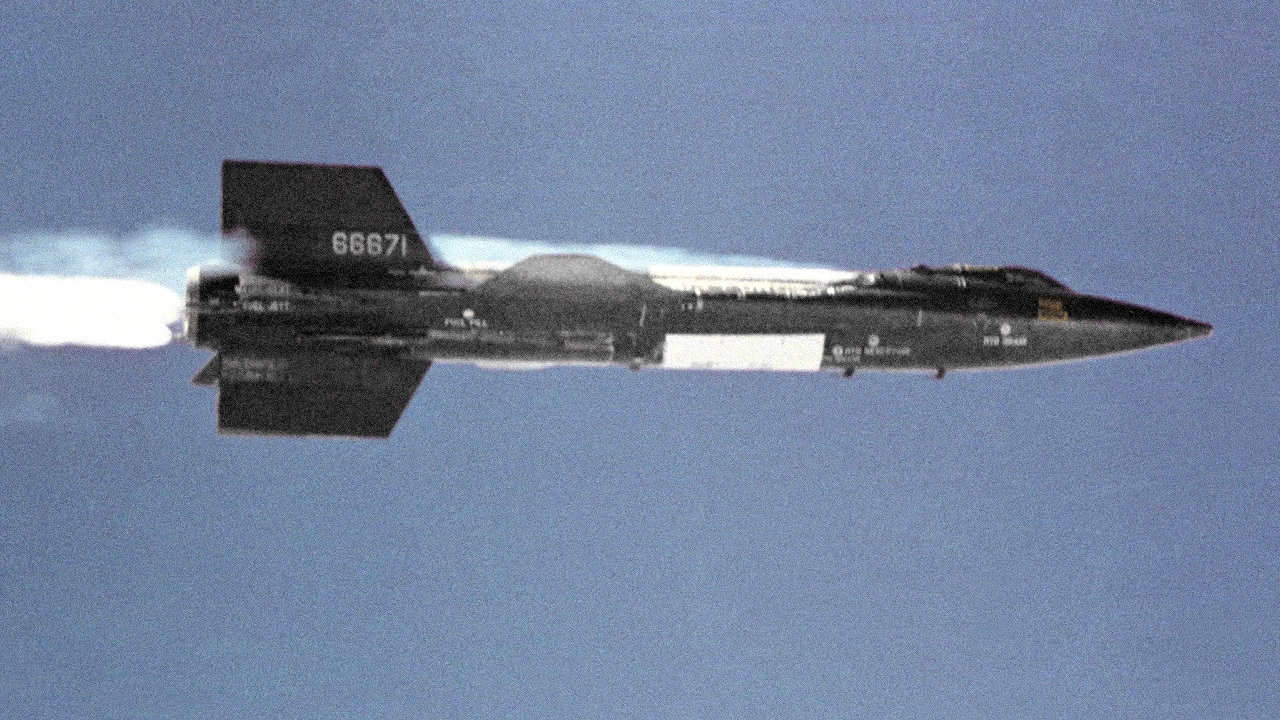
X-15. Image Credit: NASA.
The X-15 program demonstrated controlled flight at speeds up to Mach 6.7 and altitudes exceeding 50 miles, proving that manned hypersonic flight was possible.
However, the X-15 relied entirely on rocket propulsion and could not sustain hypersonic speeds for long durations. NASA and the U.S. Air Force wanted a successor that could maintain hypersonic cruise using air-breathing engines, which promised greater efficiency and operational practicality.
Two major NASA studies, HYFAC (Hypersonic Research Facility) and HSRA (High-Speed Research Aircraft), explored concepts for vehicles capable of Mach 8 to Mach 12.
The Air Force also envisioned incremental test vehicles that could evolve from Mach 4.5 to Mach 9.
These studies converged on lifting-body configurations, specifically derivatives of the FDL-8 shape developed by the USAF Flight Dynamics Laboratory. Lockheed’s Skunk Works was the prime contractor for what would be called the L-301.
Design and Propulsion
The engineers at Skunk Works had high ambitions for the project. It was intended to reach speeds of Mach 6 to Mach 8, operate at altitudes around 90,000 feet, and demonstrate skip-glide maneuvers (a technique for extending range by bouncing off the upper atmosphere).
It would serve as a testbed for scramjet propulsion, which remains a cornerstone of hypersonic research today.
The airframe borrowed heavily from lifting-body research and featured a radically swept delta wing integrated into a lifting fuselage, multiple vertical stabilizers, and body flaps for control at hypersonic speeds.
The aircraft measured approximately 74 feet 10 inches in length, had a wingspan of 24 feet 2 inches, and stood 20 feet 7 inches tall. A small payload bay suggested potential secondary roles in technology demonstration or reconnaissance.
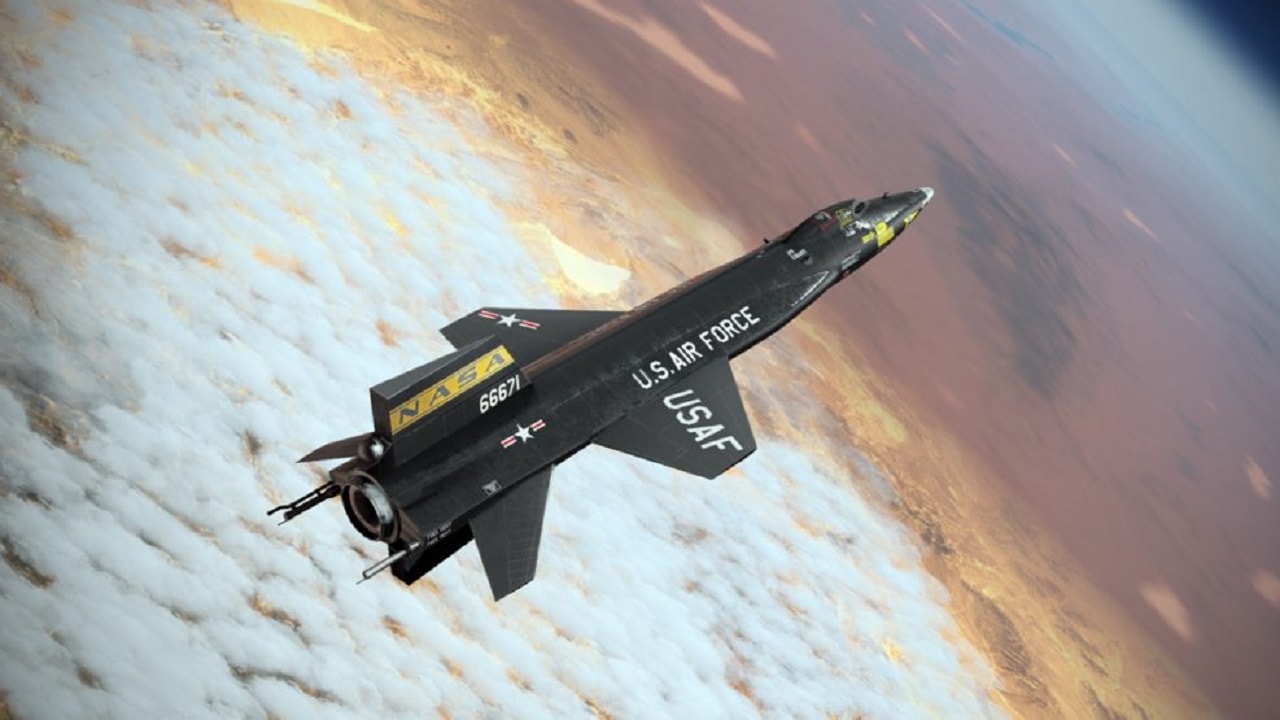
X-15. Image Credit. NASA.
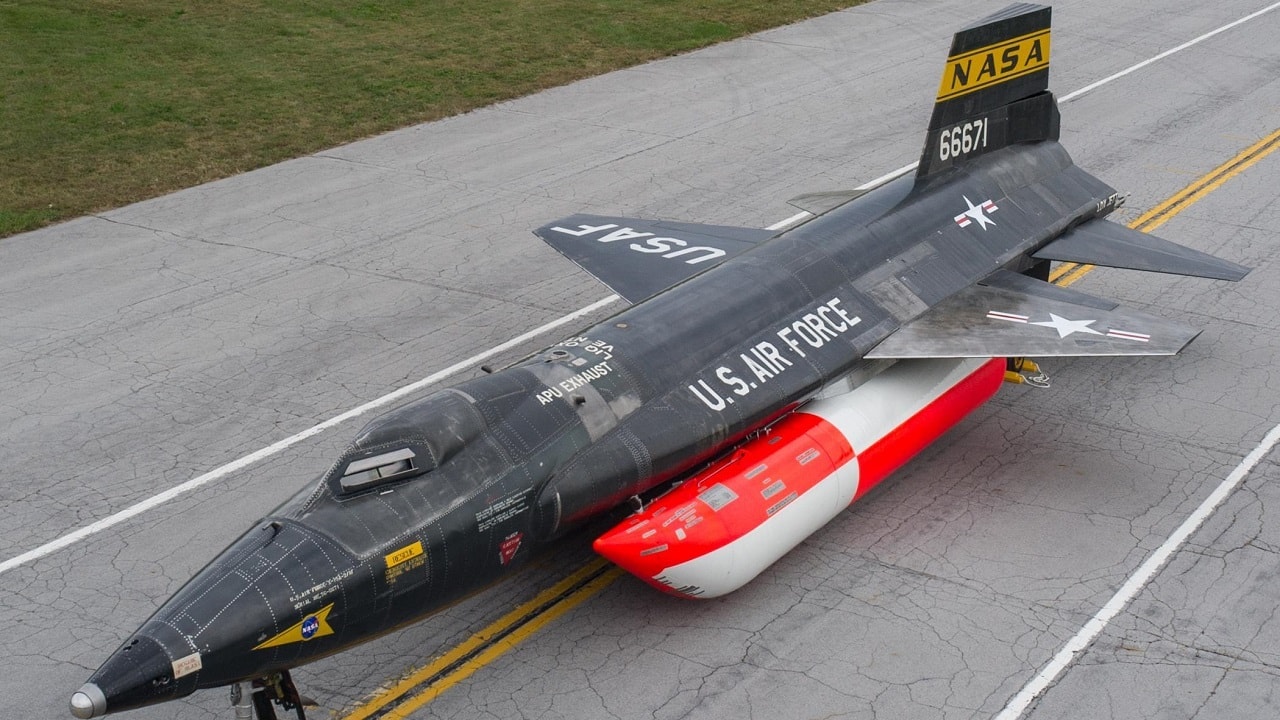
X-15. Image Credit: NASA.
The propulsion system was the heart of the L-301 concept. It combined a primary boost engine with an air-breathing scramjet. Initially, the boost engine was to be the XLR-99 from the X-15, but the LR-105, a sustainer engine from the Atlas rocket family, later replaced it.
This kerosene- and liquid-oxygen-powered rocket would accelerate the aircraft to hypersonic speeds.
Once the rocket pushed the vehicle past Mach 4 or 5, the hydrogen-fueled scramjet mounted in the belly would ignite, enabling sustained cruise at Mach 6 to Mach 8. The dual-mode propulsion approach was decades ahead of its time. Even today, scramjets remain experimental, with NASA’s X-43 and X-51 programs achieving only short-duration flights.
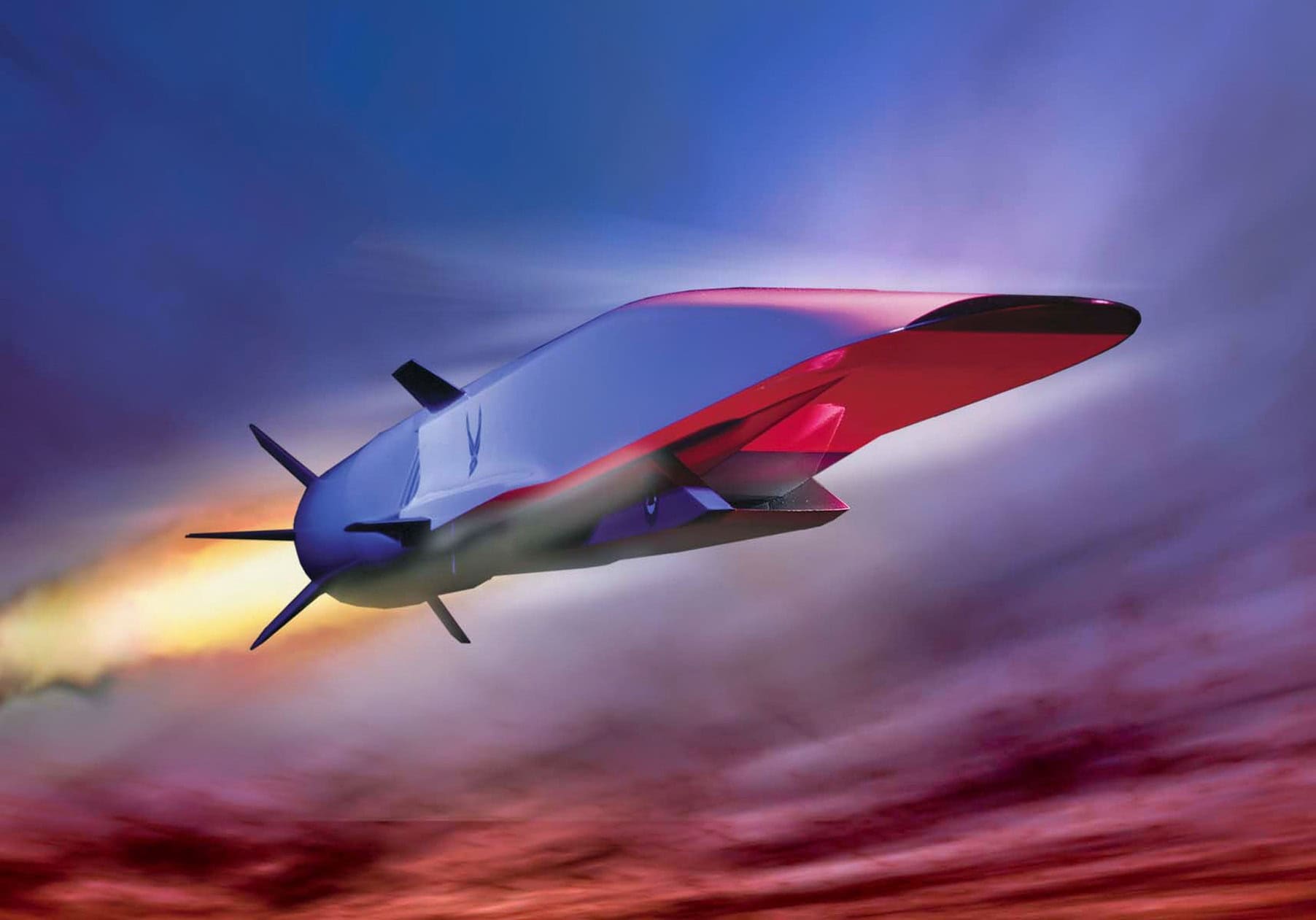
The X-51A Waverider is set to demonstrate hypersonic flight. Powered by a Pratt Whitney Rocketdyne SJY61 scramjet engine, it is designed to ride on its own shockwavem and accelerate to about Mach 6. (U.S. Air Force graphic)
A Hypersonic Headstart
The L-301 was not designed to reach orbit. Instead, it would be air-launched from a B-52 at about 45,000 feet, ignite its rocket engine to accelerate to hypersonic speed, transition to scramjet power for sustained cruise, perform research maneuvers, and then glide back for landing.
The program envisioned two vehicles, each flying 100 missions over eight years, a remarkably ambitious schedule considering the experimental nature of the project.
Had the L-301 flown, it could have broken new ground in scramjet technology decades earlier, provided critical data for hypersonic aerodynamics, thermal protection, and materials, and influenced the design of future systems such as the Space Shuttle, NASP (National Aero-Space Plane), and modern hypersonic weapons. Some analysts argue that canceling the L-301 contributed to the U.S. falling behind Russia and China in hypersonic technology today.
Why the L-103 or X-24C Never Left the Ground
Despite plans for test flights, the L-301 never left the drawing board, but why?
The reasons were primarily financial. NASA faced severe budget constraints in the late 1970s, partly because the Space Shuttle program consumed resources (keep in mind, the U.S. was still participating in the Space Race at this point).
Naturally, the U.S. aerospace industry priorities shifted toward reusable spacecraft and satellite launch systems rather than atmospheric hypersonic flight. Hypersonic research was deemed non-essential compared to orbital capabilities.
Technical risk also played a role, as scramjet technology was immature and the thermal and structural challenges of Mach 8 flight were daunting.
While the project itself showed a lot of promise, U.S. leadership was not very interested in it. This was before the hypersonic arms race currently happening today.
As a result, the project was officially terminated in September 1977.
Despite its cancellation, the L-301 influenced later hypersonic research. Its lifting-body design informed Space Shuttle reentry studies. Scramjet concepts resurfaced in the NASP/X-30 program of the 1980s and modern efforts like DARPA’s HTV-2 and the Air Force’s X-51 Waverider.
Looking back, the project probably helped the U.S. get ahead in the hypersonic race. According to some rumors, the DoD continued development on the L-301 to build a successor to the SR-71, but such rumors have yet to be substantiated.
About the Author: Isaac Seitz
Isaac Seitz, a Defense Columnist, graduated from Patrick Henry College’s Strategic Intelligence and National Security program. He has also studied Russian at Middlebury Language Schools and has worked as an intelligence Analyst in the private sector.