
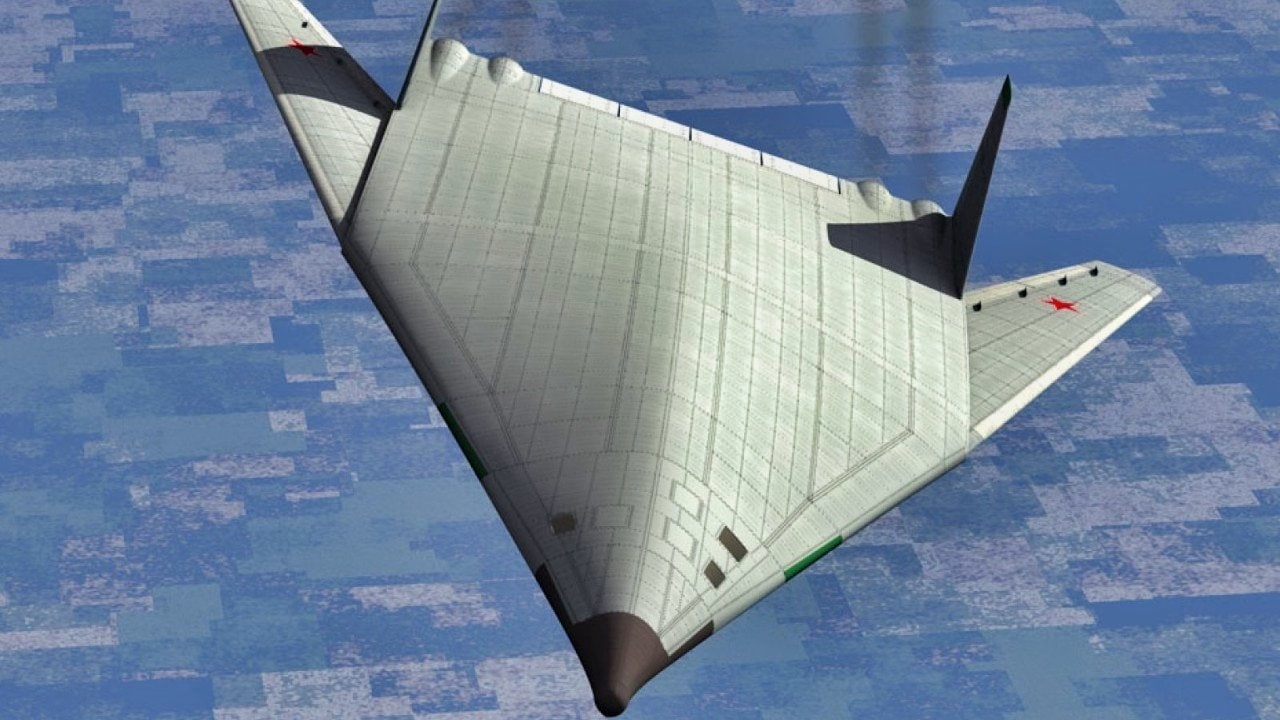
Key Points and Summary – Russia’s decision to restart production of the Tu-160M2 signals both ingenuity and vulnerability in its long-range bomber force.
-Unable to field the long-promised PAK DA stealth bomber on time, Moscow has turned back to an upgraded Cold War airframe with new engines, avionics, and cruise-missile options to plug growing gaps exposed by losses in Ukraine.
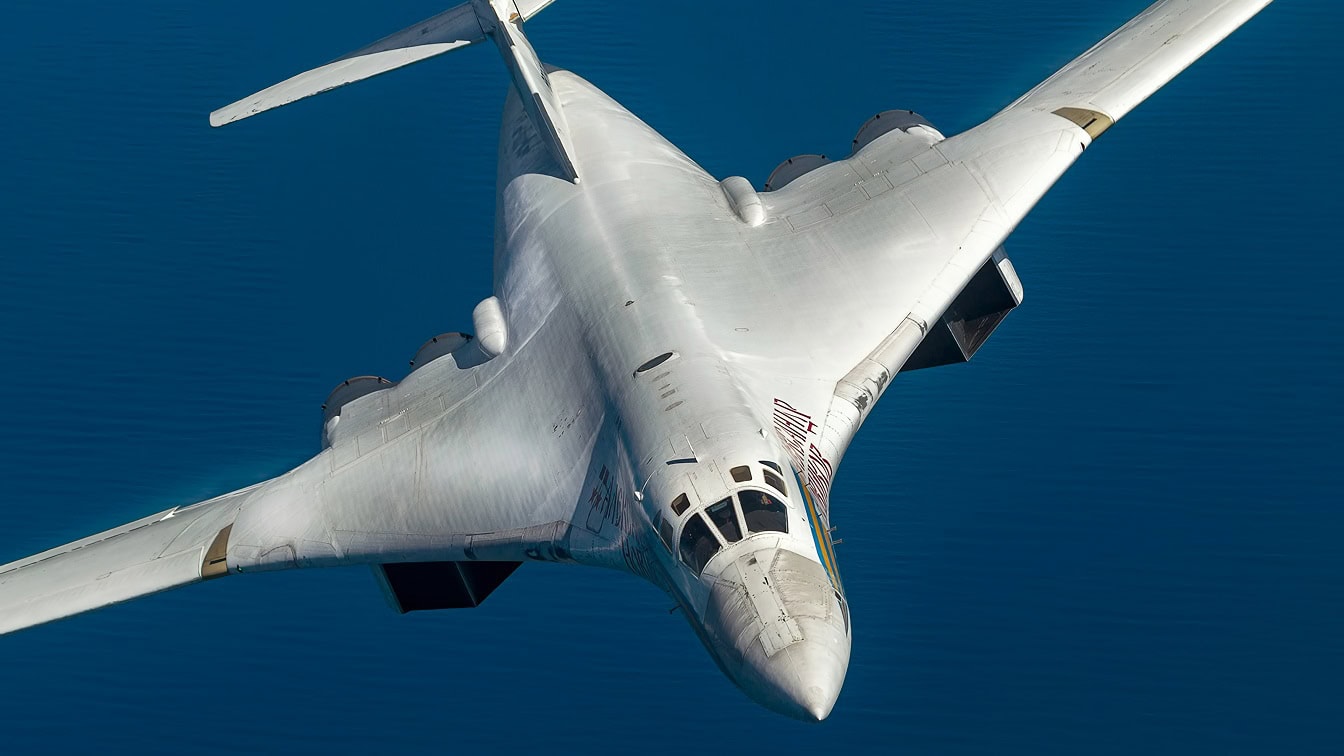
Tu-160 Bomber. Image Credit: Creative Commons.
-While the Tu-160M2 is a serious platform that will complicate NATO planning, it also underlines the limits of Russia’s sanctioned, overstretched defense industry—and raises real questions about whether PAK DA can arrive in time to define Russia’s next bomber era.
Russia Enters New Era With Old Airframes – Where’s PAK DA?
In July 2025, Russian media confirmed that production of the previously-retired Tu-160 strategic bomber had resumed – surprisingly, as a modernized variant known as the Tu-160M2.
Following a string of heavy-bomber losses in Ukraine and growing pressure on Moscow’s long-range strike capability, the decision to resume production of an aging platform represented a major admission for Russia: notably, that it cannot yet rely on its next-generation stealth bomber, PAK DA, to pick up the slack.
Once hailed as Russia’s bomber of the future, PAK DA’s first flight was repeatedly promised between 2019 and 2023. But as of late 2025, the best estimates from Western analysts suggest that the first flight may slip into the 2026-2027 timeframe, or later, with serial production of the new aircraft design perhaps beginning only in 2028 or later.
Meanwhile, the Kremlin is working quickly to fill the gap the delay has created, opting instead to invest in a proven platform that can be fielded much more quickly. The upgraded Tu-160 will be different, however, the aircraft is expected to feature updated engines, new avionics, and improved weapons compatibility.
And while it could be described as an embarrassing climbdown for Russia, the reality is this: fielding an upgraded Tu-160M2 may not be the strategy Moscow had hoped to pursue, it doesn’t change the fact that doing so will change NATO threat calculations.
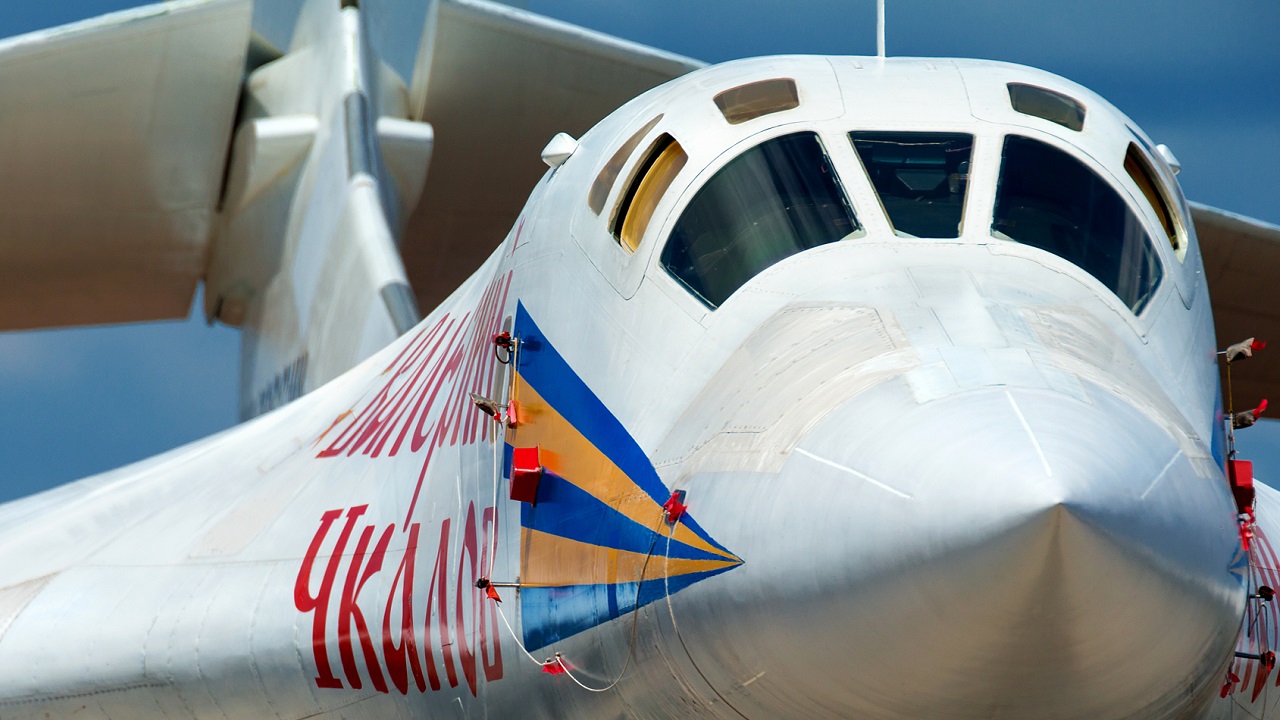
Tu-160. Image Credit: Creative Commons.
The Tu-160M Story So Far
The original Tupolev Tu-160 “Blackjack” entered Soviet service in 1987.
The aircraft featured variable-sweep wings, four afterburning turbofans, and a truly gargantuan weapons bay.
It was designed to reach speeds of Mach 2 and deliver nuclear and conventional cruise missiles over thousands of kilometers.
The collapse of the Soviet Union, however, meant that production was halted in 1992, and Russia inherited a reduced fleet.
Over the decades, the fleet got smaller, and maintenance gradually degraded.
But in 2015, Moscow resurrected the bomber. It wasn’t by any means a ceremonious decision, though – the Tu-160M2 project appeared without fanfare with plans to build 50 new airframes with modernized interiors.
Serial production was expected to begin in 2020 and deliveries would take place through the 2020s.
It was an optimistic schedule, even ignoring the pandemic – but the Russian Defense Ministry and industry officials believed it could be pulled off and that the upgraded bomber would ultimately be 2.5 times more effective than its predecessor.
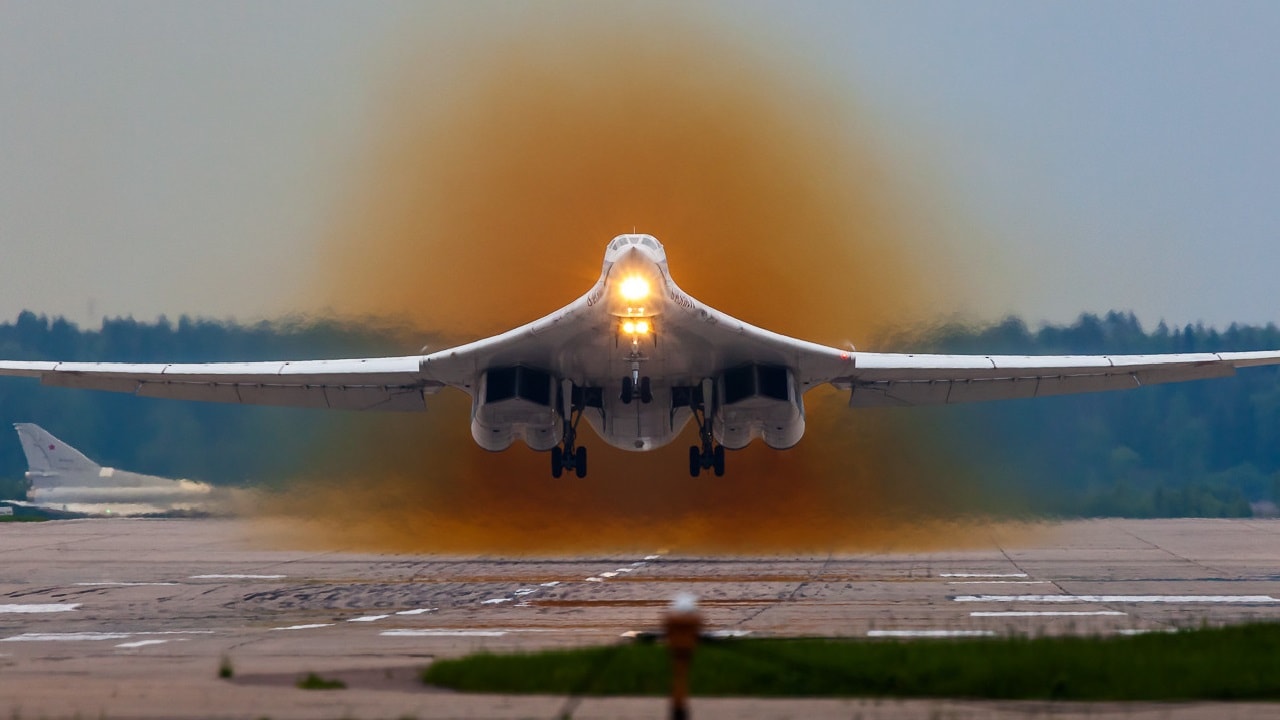
Russian Air Force Tupolev Tu-160 (RF-94113) takes off from Kubinka.
But those plans were complicated. Russia’s skilled workforce dwindled, production tooling at the original plant was no longer sufficient, and many younger engineers simply had no experience working with Cold War-era strategic bombers.
Challenges like these delayed the program’s restart, but it didn’t stop. In January 2022, the first newly built Tu-160M airframe made its maiden flight.
By mid-2023, the upgraded jets then entered joint trials with the Russian Defence Ministry. Then, in February 2024, the Russian president personally flew aboard one of them – the “Ilya Muromets.”
Afterward, state media reported that the aircraft was ready for service.
The M2 upgrades were successful and substantial.
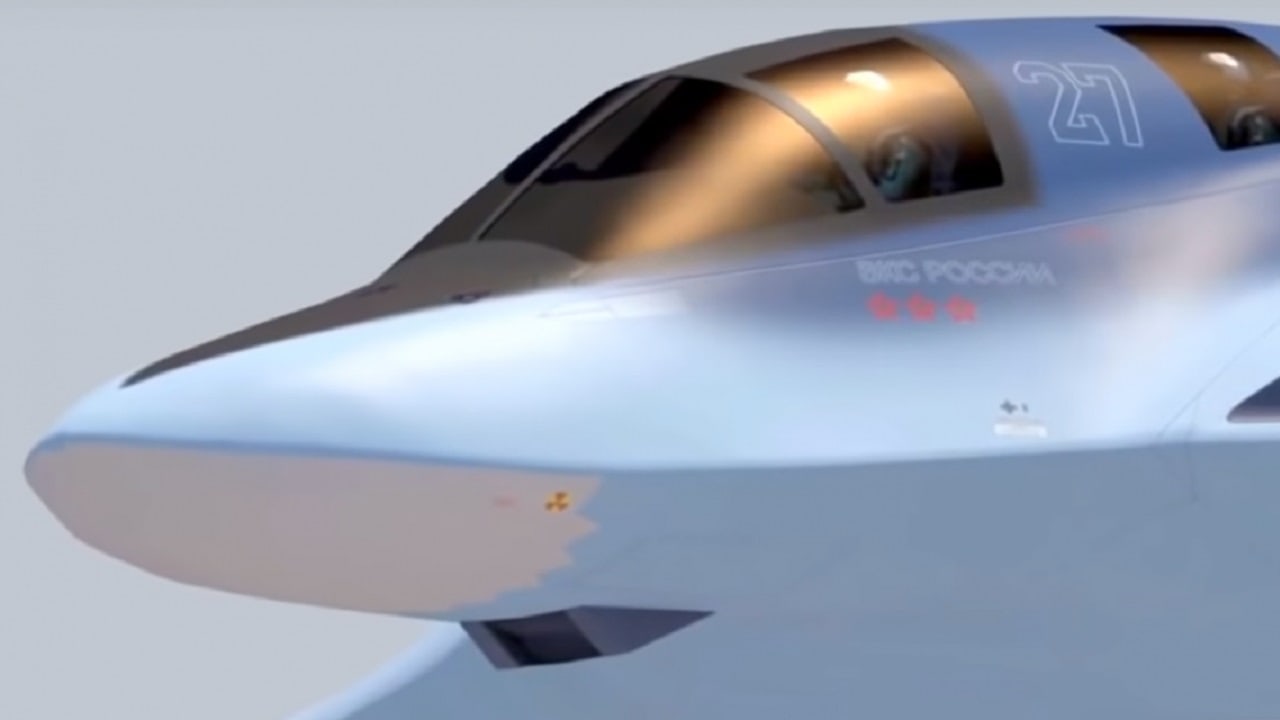
PAK DA Bomber. Image Credit: Artist Rendition/Creative Commons.
The jet retained its Mach-2 speed and long-range abilities, with some reports suggesting its range reached as much as 12,300 km.
Inside the aircraft are modern radar and avionics suites, updated mission computers, and modernized navigation systems.
In terms of weapons, the Tu-160M2 is cleared to carry long-range cruise missiles, including the Kh-101/Kh-102 family, and could accommodate next-generation weapons that are still under development.
Russia revived a Cold War bomber and apparently did a good job of it – but it’s hard to ignore the fact that the PAK DA program has faltered.
What Happened to PAK DA?
Russia’s next-generation strategic bomber, PAK DA, is still plagued by setbacks and delays – and the decision to lean heavily on upgraded Cold War-era platforms proves it.
Initially unveiled in the late 2000s and formally approved in 2009, PAK DA was envisioned as a stealthy, subsonic flying-wing bomber capable of replacing the aging Tu-95 and Tu-160 fleets while carrying up to 35 tonnes of conventional or nuclear payload internally.
The stealthy bomber also had a projected range of up to 15,000 km and an endurance of roughly 30 hours.
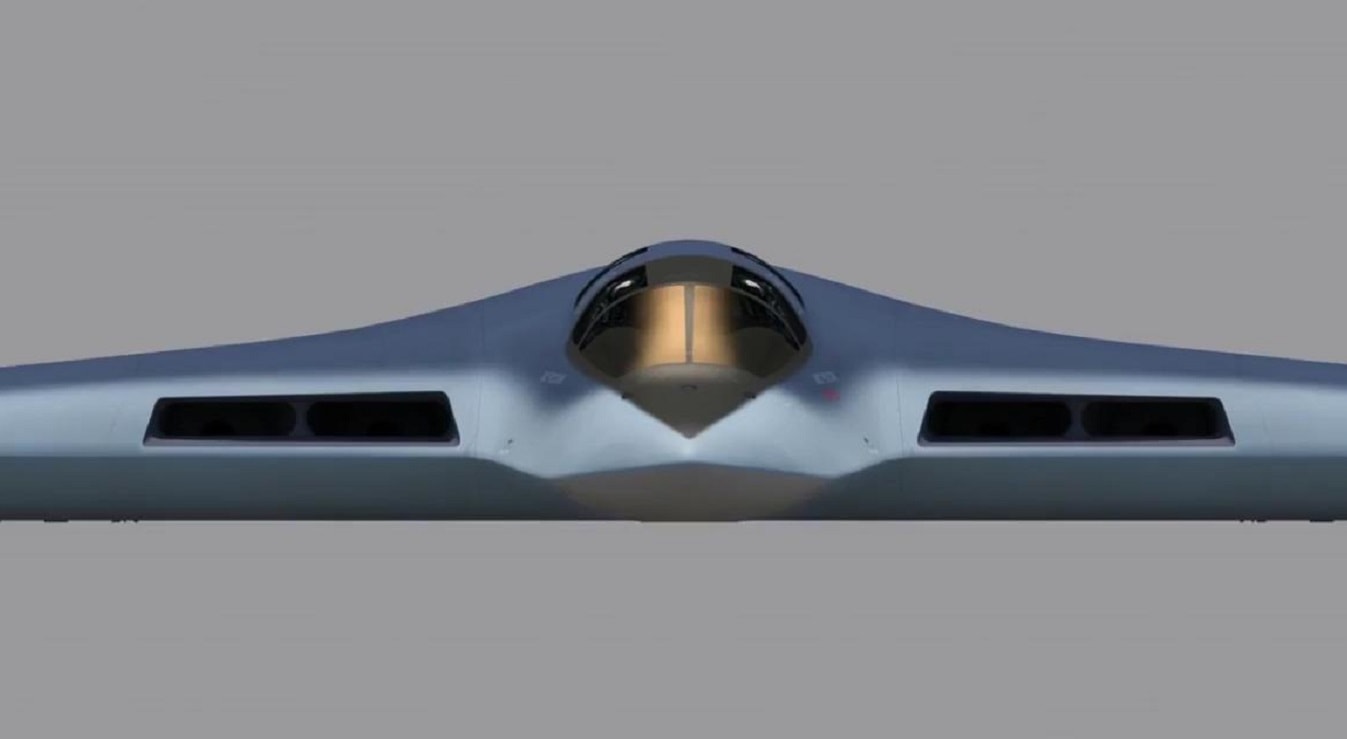
PAK DA. Image Credit: Artist Concept.
According to early official timelines, a first test flight was expected between 2015 and 2019, with serial production scheduled for 2023-2025. But those plans have repeatedly changed: by 2020, the target had moved to 2025-2026 for a maiden flight and 2028-2029 for production.
As of today, no prototype has been seen, there have been no verified flights, and even Russian sources have confirmed that the project is trapped in delays.
The problem?
A combination of the issues relating to the aircraft’s stealth coatings, its new engines, the precision manufacturing required to build it, and chronic shortages of high-tech components is currently under Western sanctions.
Compounding that delay, leaked documents have suggested that specific subsystems intended for the PAK DA are being cannibalized – again as a result of sanctions – for the troubled Su-57 fighter jet program.
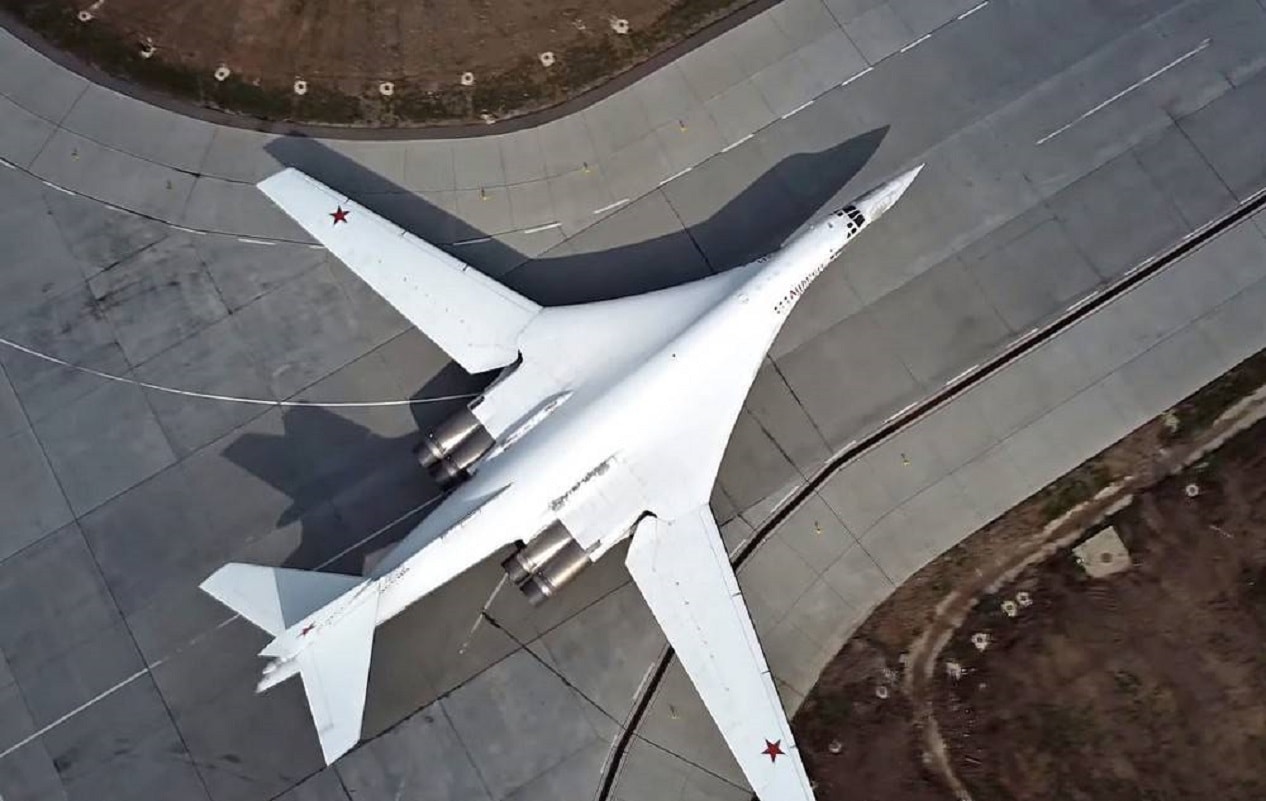
Modernized Tu-160. Image Credit: Russian Government.
A modernized Tu-160M may fill the gap for now, but if PAK DA continues to slip into the next decade, Russia risks entering a new era of competition armed with a bomber fleet built on yesterday’s airframes.
About the Author:
Jack Buckby is a British author, counter-extremism researcher, and journalist based in New York who writes frequently for National Security Journal. Reporting on the U.K., Europe, and the U.S., he analyzes and understands left-wing and right-wing radicalization and reports on Western governments’ approaches to the pressing issues of today. His books and research papers explore these themes and propose pragmatic solutions to our increasingly polarized society. His latest book is The Truth Teller: RFK Jr. and the Case for a Post-Partisan Presidency.