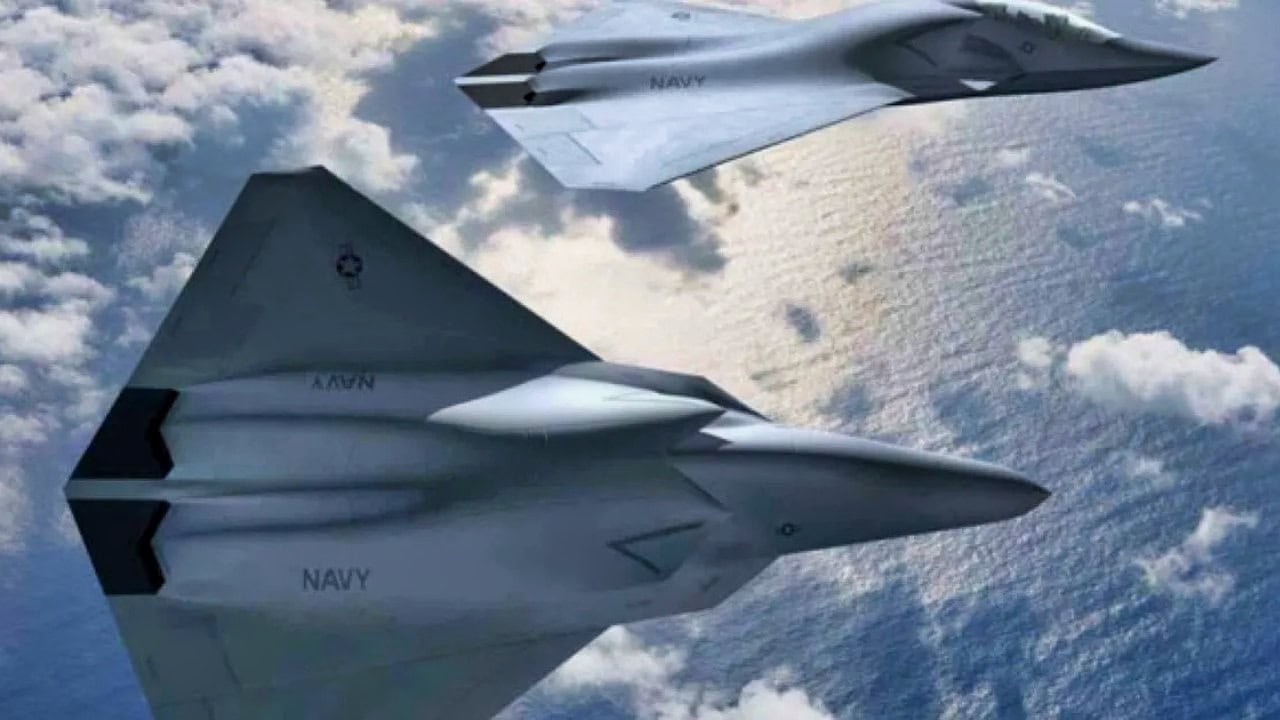
Key Points and Summary – The Pacific theater’s “tyranny of distance” will define whether the Navy’s sixth-generation F/A-XX succeeds or fails.
-With Chinese DF-26 “carrier-killer” missiles reaching roughly 2,000 miles, carriers may be forced to operate far from key targets, demanding a fighter with nearly double the F-35C’s range, real on-station dwell time, and deep-strike reach without relying on vulnerable tankers.
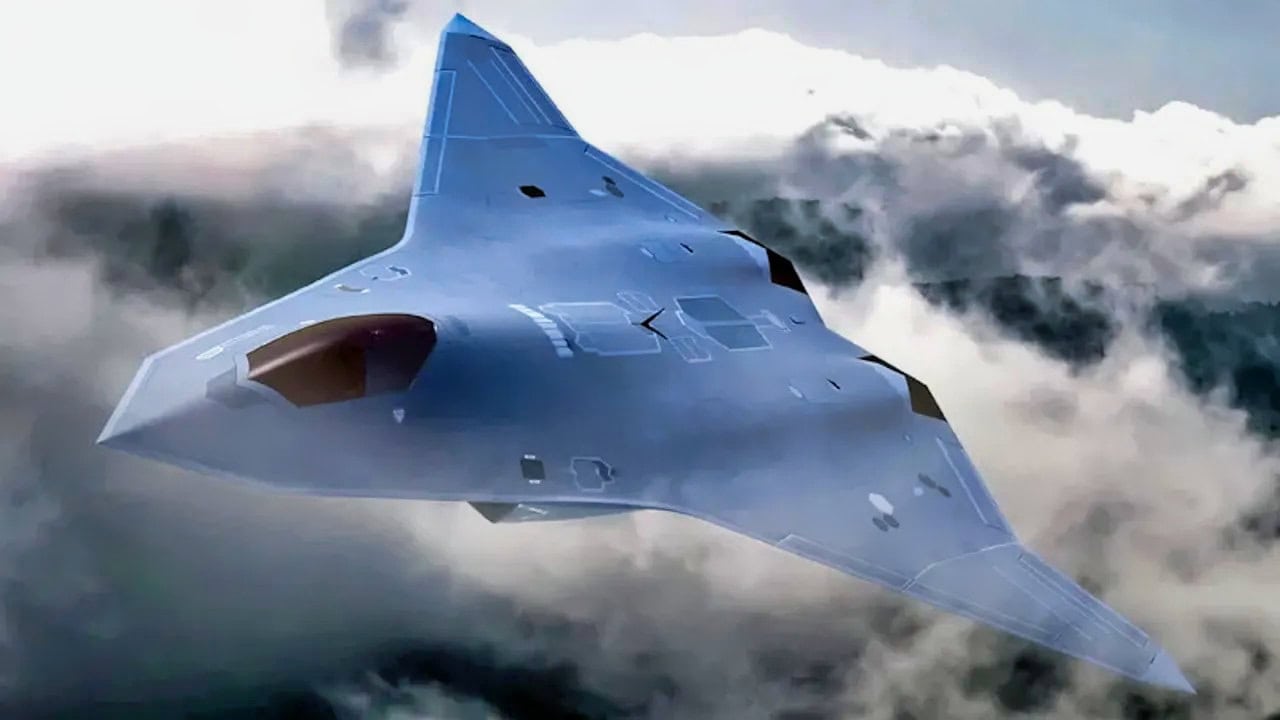
F/A-XX. Image Credit: Creative Commons.
-The F/A-XX must blend extreme range, stealth, efficient engines, and advanced networking to control drones and deliver effects across the vast first island chain—otherwise U.S. naval airpower risks being outranged in a future Pacific war.
‘Tyranny of Distance’ Could Make or Break the Navy’s F/A-XX Fighter
“Tyranny of Distance” is a commonly used phrase to describe the tactical and strategic challenges associated with potential maritime warfare in the Pacific theater.
The ability to exact a combat impact depends almost entirely upon the ability to essentially “get there,” and have the sensing, weapons, and attack range necessary to deliver “effects” upon an enemy.
This theory can apply to the combat radius of a land- or sea-launched fighter, the detection range of an AESA radar, or the distance precision-guided weapons can travel to a target.
Therefore, the prospect of war in the Pacific could well be described as a “tactical predicament,” meaning there are great survivability, lethality, and networking challenges associated with simply “reaching an enemy.”
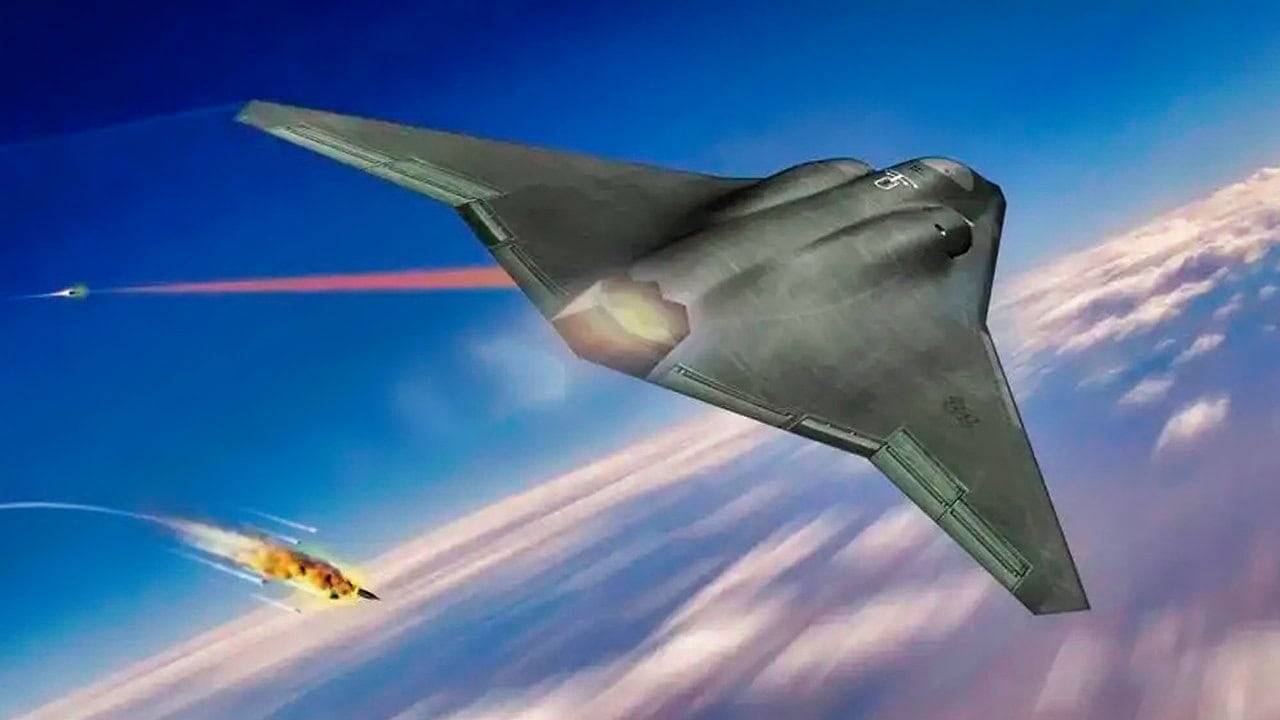
(ILLUSTRATION) — A Northrop Grumman illustration depicts a notional sixth-generation fighter in action.
This concern is likely why Pentagon officials have indicated that the F-47 will operate with nearly twice the range of an F-35 and be capable of hitting overall distances of 2,000 miles.
A range of this kind would, it seems, be the bare minimum for what could be required of the F/A-XX, as the sea-launched stealth fighter will need to operate at safe standoff distances yet still function with the dwell time and mission scope necessary to support a Pacific theater air-attack campaign.
Pacific Expanse
The first island chain—a series of islands that includes Japan, Taiwan, the Philippines, and the Malay Peninsula—spans hundreds, and even thousands, of miles; the self-ruling island of Taiwan is merely 100 miles off the coast of mainland China. Central Japan is roughly 1,056 miles from Shanghai, China. Manila, Philippines, is 1,147 miles from Shanghai.
However, the distance from the Southernmost Japanese islands can be merely a few hundred miles from Taiwan or mainland China, a scenario that could potentially enable land-based attack upon PRC coastal or maritime targets.
Regardless, a simple look at a map of the Pacific suggests that the F/A-XX would be well served to operate with a range of at least 2,000 nautical miles.
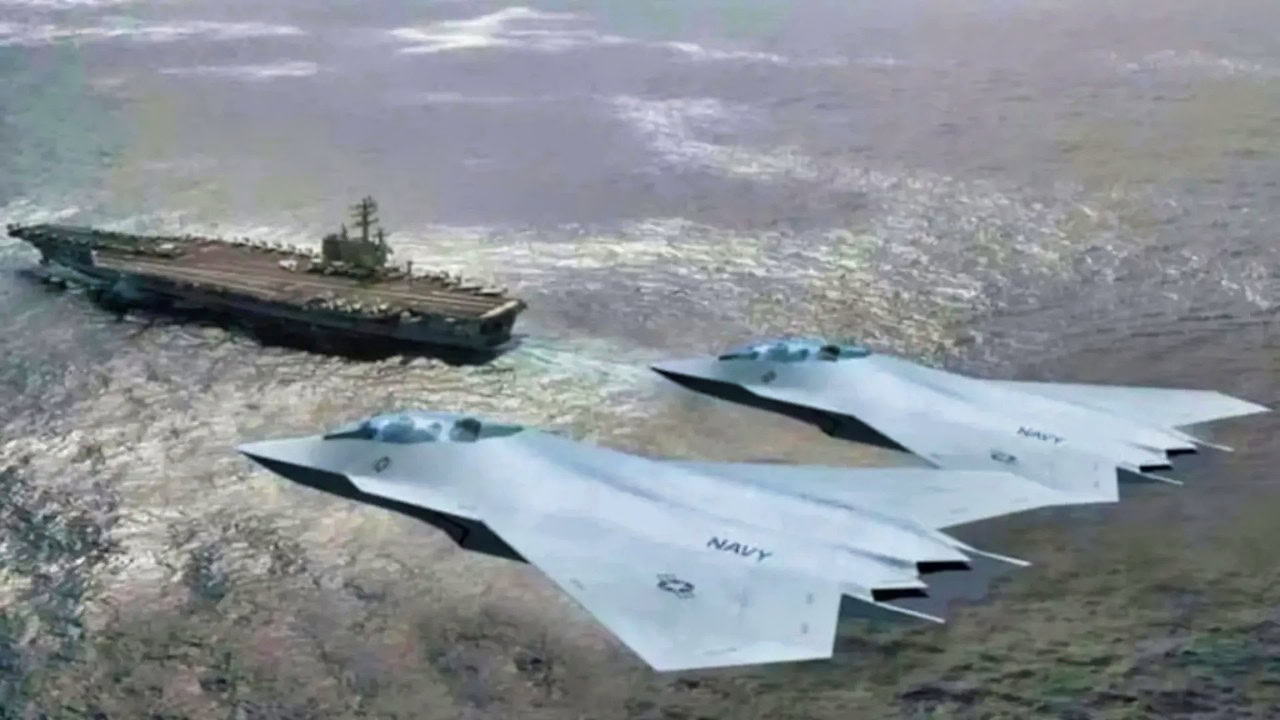
F/A-XX Fighter for US Navy. Navy graphic mockup.
The operative question then becomes whether this can be accomplished with heavy, non-stealthy external fuel tanks, which are likely to compromise speed and agility and create drag.
Perhaps the aircraft could be engineered with a more fuel-efficient engine? Perhaps composite materials can reduce weight, enabling longer flight times?
China Carrier-Killer Missiles for China vs. Navy
The largest tactical reality concerns China’s “carrier-killer” anti-ship missiles, such as the DF-26, capable of targeting and destroying aircraft carriers at ranges of up to 2,000 miles.
This range means an ocean-launched F/A-XX would need to travel up to 2,000 miles to reach mainland China and launch from beyond the range of a DF-26, without requiring a non-stealthy aerial refueler, which would likely give away its location.
At the same time, layered ship defenses using new generations of weapons, such as electronic warfare (EW) systems able to “jam” the guidance system of a DF-26 or laser systems able to incinerate it, might enable carriers to operate and project power much closer to the Chinese coast than 2,000 miles.
The F/A-XX will need mission “dwell time,” meaning it will likely need to spend extended periods over, near, or within quick-strike range of targets. During a mission, targets may move or reposition, new intelligence may redirect attack operations, or there may simply be a large number of targets to hit.
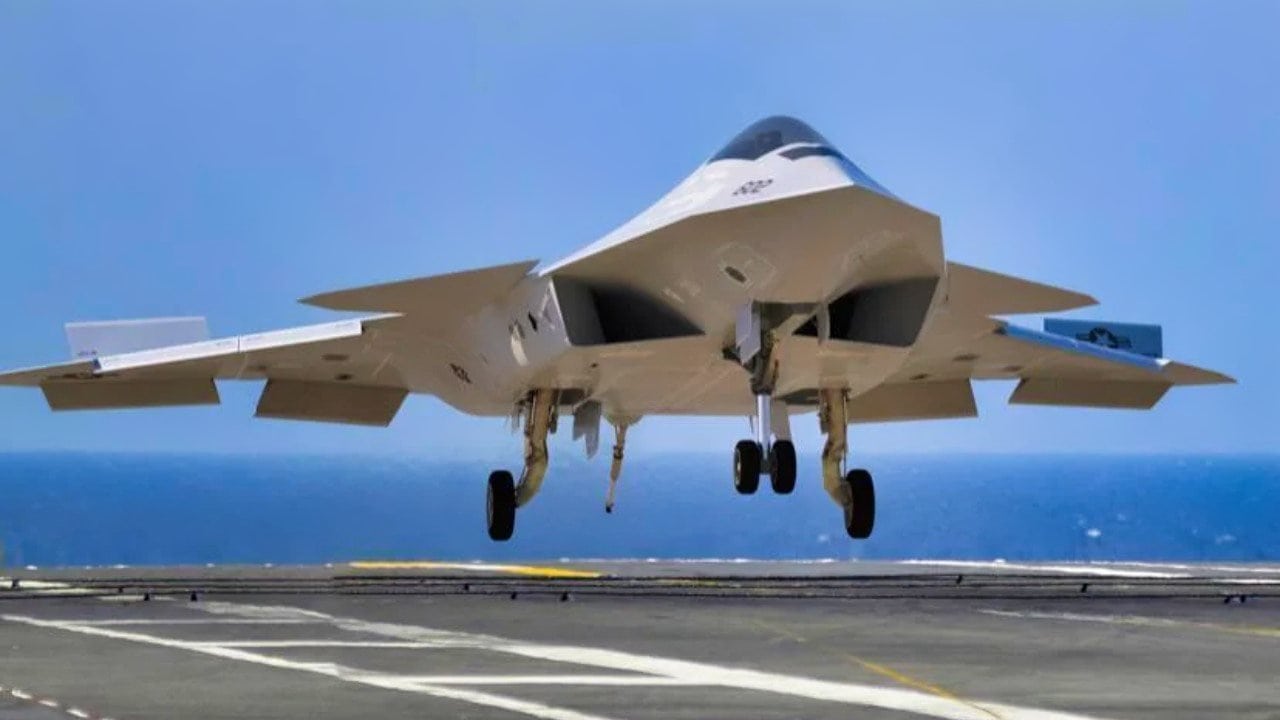
F/A-XX. Image Credit: Creative Commons.
These variables would suggest that an F/A-XX would need a more substantial range than the roughly 1,300-mile range of the F-35C.
There is a clear networking and command-and-control element to this as well, meaning a forward-deployed F/A-XX operating up to 2,000 miles from its host carrier will almost certainly be controlling drones from the cockpit.
With these longer ranges, drones can be directed from a 6th-gen stealth aircraft operating at beyond-line-of-sight ranges and bring over-the-horizon networking, targeting, and sensing to a Carrier Strike Group.
About the Author: Kris Osborn
Kris Osborn is the President of Warrior Maven – Center for Military Modernization. Osborn previously served at the Pentagon as a highly qualified expert in the Office of the Assistant Secretary of the Army—Acquisition, Logistics & Technology. Osborn has also worked as an anchor and on-air military specialist at national TV networks. He has appeared as a guest military expert on Fox News, MSNBC, The Military Channel, and The History Channel. He also has a Masters Degree in Comparative Literature from Columbia University.