
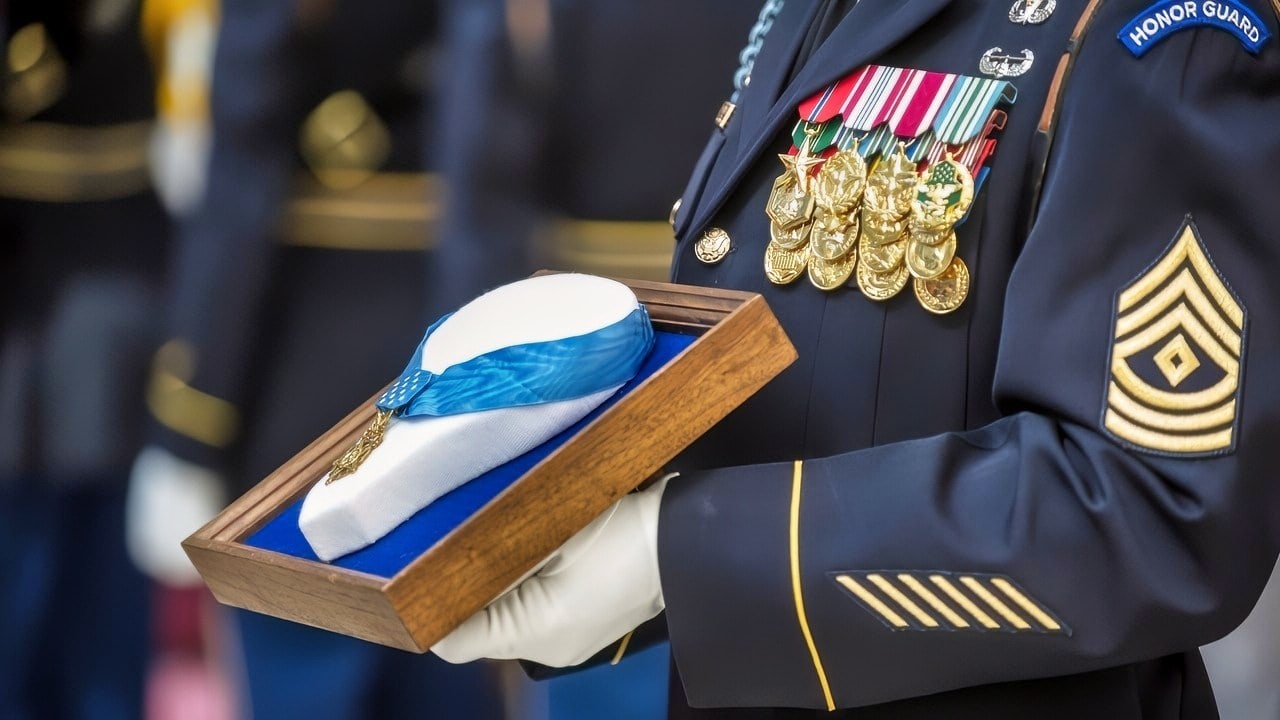
Key Points and Summary – The Medal of Honor is America’s highest military decoration—but it is not always permanent.
-Expert Christian D. Orr traces how and why hundreds of medals have been revoked, from Civil War surgeon Dr. Mary Walker, stripped of her award for decades, to the 27th Maine, which received medals en masse due to a clerical error.
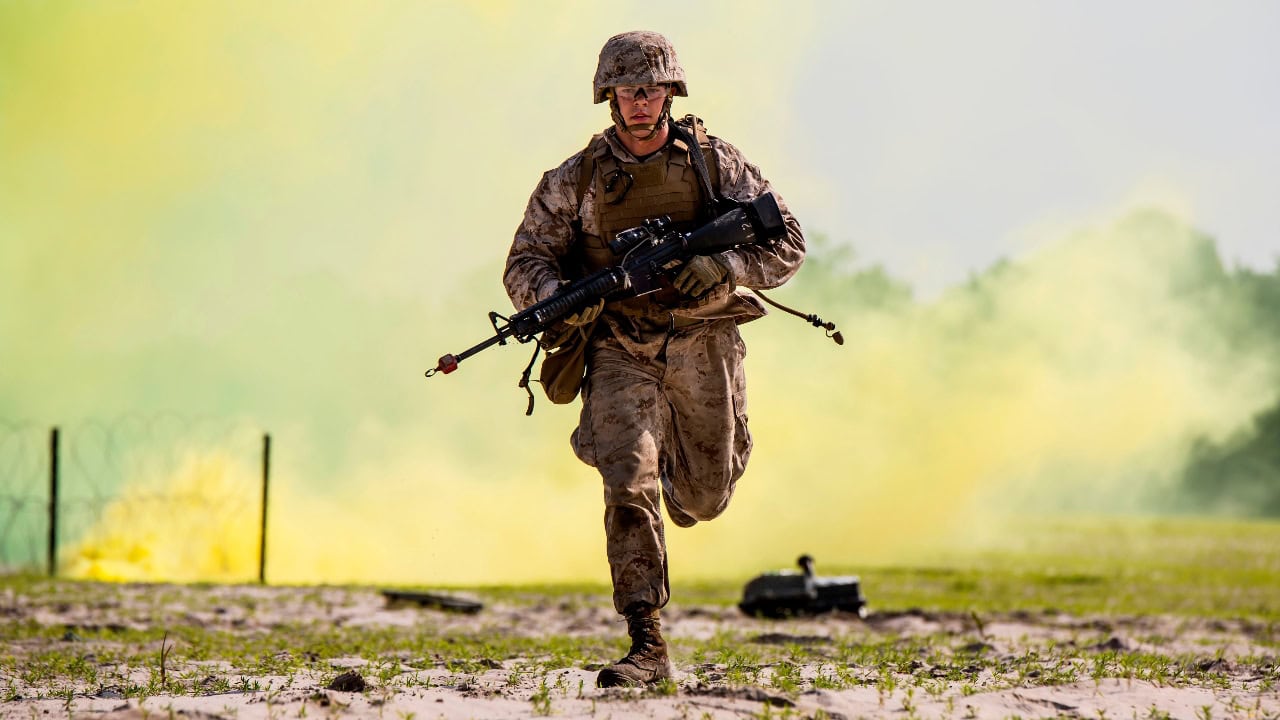
Lance Cpl. Alex Rowan, a combat engineer with 4th Combat Engineer Battalion, 4th Marine Division, stationed out of Bessemer, Ala., runs to take cover before the Anti-Personnel Obstacle Breaching System detonates during the SAPPER Leaders Course aboard Camp Lejeune, N.C., June 26, 2015. During the course, the Marines used assault and breaching techniques to clear a wire obstacle using line charges that utilized C4 explosives and their APOBS. (U.S. Marine Corps photo by Cpl. Krista James/Released)
-A 1916 review board tightened standards, wiping out awards for non-combat acts like firefighting or courier duty and aligning the medal with “gallantry… above and beyond the call of duty” in combat. The result is a decorated history marked by both heroism and controversy.
The Medal of Honor’s Most Controversial Secret in 1 Word: Revocation
The Medal of Honor is the United States Armed Forces’ highest award for heroism.
It is not a service-specific decoration.
But can a service member lose the Medal of Honor once one has been awarded? The surprising answer is, “Yes”—and unsurprisingly, that is a source of controversy.
The Dr. Mary Walker Saga
In a 2021 piece for Military.Com, Blake Stillwell explained why the United States has revoked hundreds of Medals of Honor.
The article relates the story of Dr. Mary Edwards Walker, who started off as a volunteer surgeon for the Union Army during the American Civil War, treating the wounded in Washington and at the Battle of Bull Run. She soon became the first female surgeon ever officially employed by the Army, seeing action at Fredericksburg, Chickamauga, and Chattanooga.
Perhaps most significantly, in 1864, she was captured by Confederate soldiers and spent four months in a prisoner-of-war camp. After the war, she was awarded the Medal of Honor for her service and sacrifice, at the recommendation of no less than Gen. William Tecumseh Sherman and the undefeated Gen. George Henry Thomas (the “Rock of Chickamauga”).
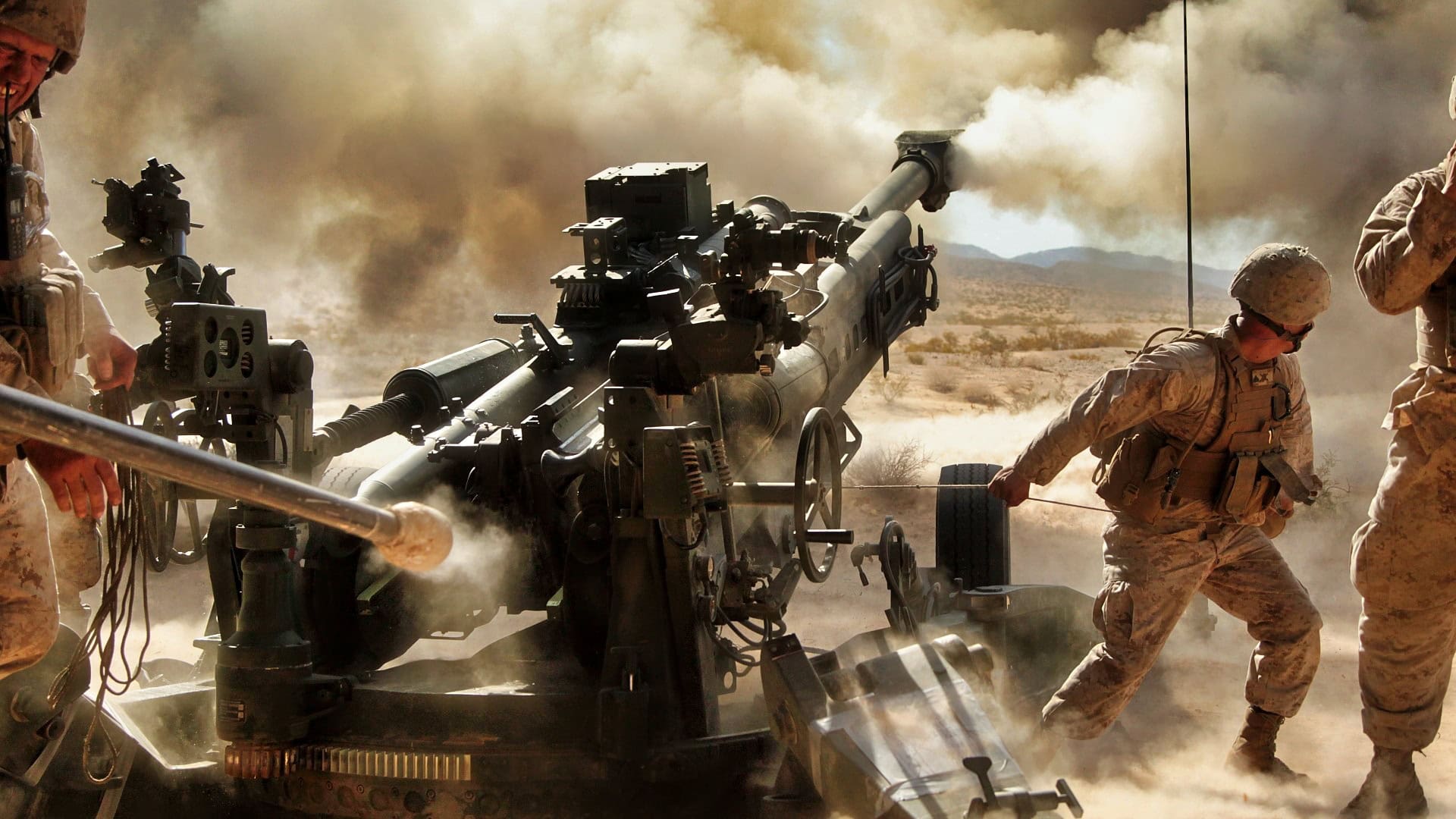
Marines with Battery N, 5th Battalion, 14th Marine Regiment, fire an M777 A2 howitzer during a series of integrated firing exercises at the Combat Center’s Quakenbush Training Area April 26, 2013. (Official USMC photo by Cpl. William J. Jackson/Released)
Most likely due to sexism, the U.S. government later tried to take back Dr. Walker’s medal. But, as Stillwell notes, “Walker declined to return it and wore hers for the rest of her life.” He adds in the closing sentence of his article, “She probably wouldn’t give a damn if they wanted her to have it or not, but in 1977, it was “returned” to her—as if she ever gave it up in the first place.”
Other Un-Awardees
This injustice was finally rectified. But 910 other Medal of Honor awardees have had their medals revoked, and not due to gender bias. The revocation effort began in 1916, when the Board of Generals—a commission of five retired Army generals led by Maj. Gen. Nelson Miles—was assigned to review each of the 2,625 Medals of Honor that had been awarded up to that point.
Among other things, the Board found that 864 medals had been awarded en masse to the 27th Maine Volunteer Infantry Regiment in 1863. After Confederate Gen. Robert E. Lee’s Army of Northern Virginia invaded Pennsylvania that year, the Union Army converged on it during the Battle of Gettysburg, leaving Washington, D.C. with a skeleton crew of defenders whose enlistment was almost up.
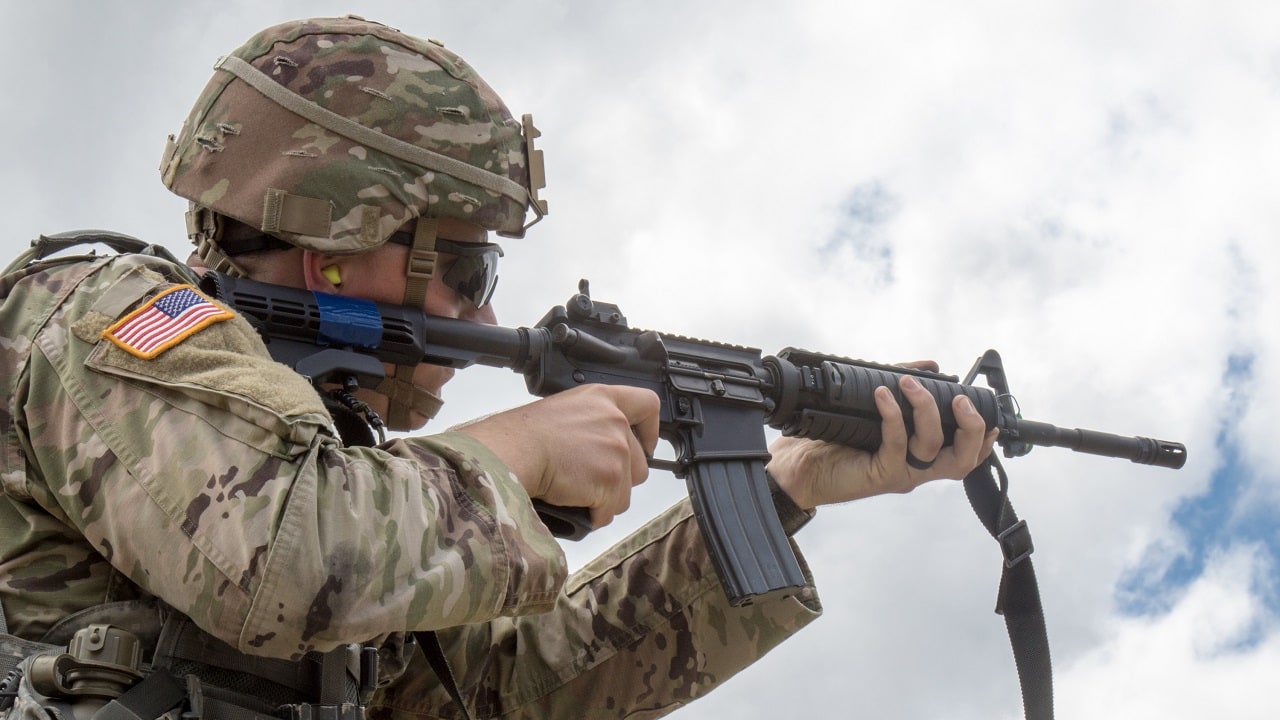
Sgt. Jacob Harrison, a U.S. Army Reserve Soldier from the 377th Theater Sustainment Command, takes aim with his M4A1 carbine at the M4 Reflexive Fire event during the 2021 U.S. Army Reserve Best Warrior/Best Squad Competition at Fort McCoy, Wis., May 22. Approximately 80 Soldiers from across the nation travelled to Fort McCoy to compete in the annually-recurring event running May 19-28. It brings in the best Soldiers and squads from across the U.S. Army Reserve to earn the title of “Best Warrior” and “Best Squad” among their peers. Competitors are evaluated on their individual and teamwork abilities to adapt and overcome challenging scenarios and battle-focused events, which test their technical and tactical abilities under stress and extreme fatigue. (U.S. Army Reserve photo by Staff Sgt. Christopher Hernandez/Released)
In desperation, President Abraham Lincoln authorized Secretary of War Edwin Stanton to provide a major motivational incentive, offering the Medal of Honor to any member of the 27th who extended his enlistment.
Three hundred and nine members of the unit volunteered, while the rest returned home to Maine.
The volunteers were in the nation’s capital for a mere four days, and they too returned home once the battle-hardened Gettysburg veterans came back to D.C. Alas, according to Stillwell, “When it came time to award the unit’s Medals of Honor, a clerical error lost the names of the men who actually volunteered. So the War Department gave the medal to the entire regiment, even though the majority had not actually volunteered and none of them actually fought.”
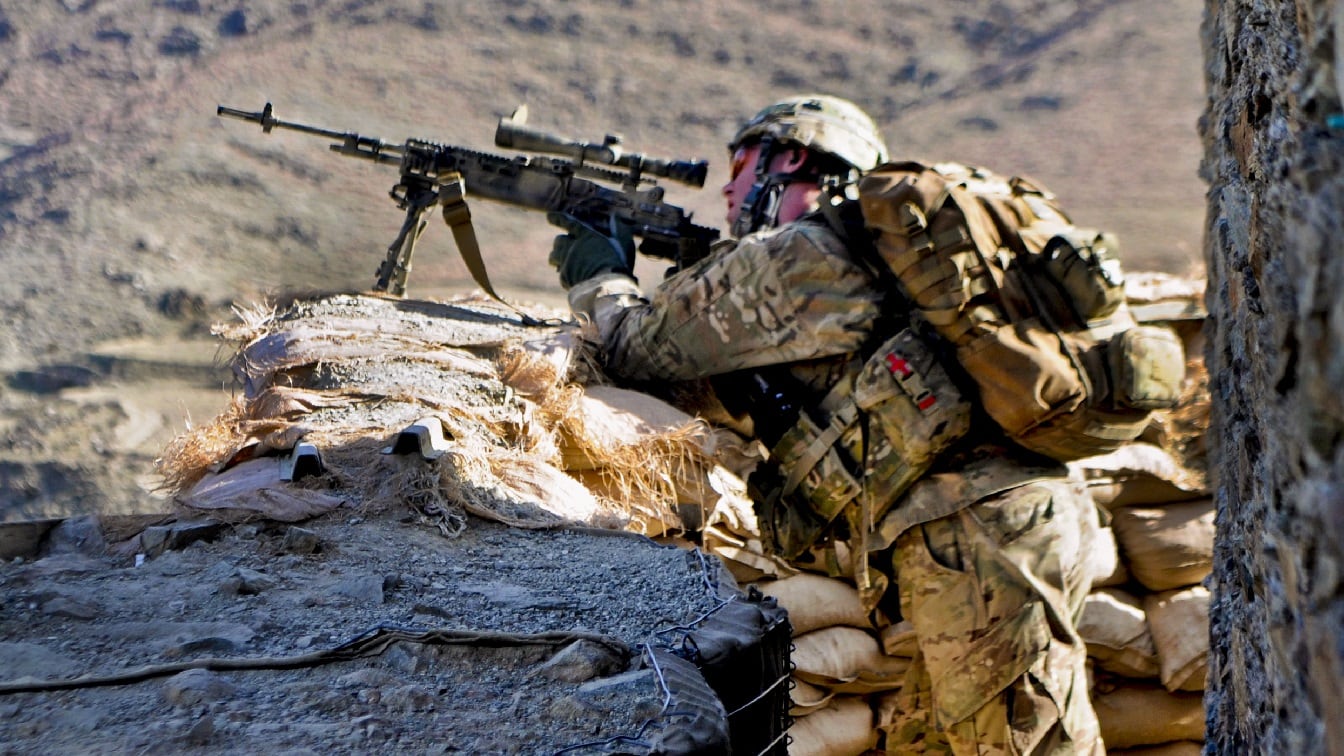
U.S. Army Sgt. Andrew Barnett scans the area using the optic lens on his M14 enhanced battle rifle outside an Afghan border police observation point in Kunar province, Afghanistan, Jan. 28, 2013. Barnett is assigned to the 101st Airborne Division’s 2nd Battalion, 327th Infantry Regiment, 1st Brigade Combat Team. U.S. Army photo by Sgt. Jon Heinrich
Speaking of President Lincoln, four commissioned officers and 25 enlisted men—all first sergeants—who served as funeral guards for Lincoln’s remains after his assassination were also among the awardees whose medals were revoked by the Board of Generals.
Then there was Pvt. Robert Storr, who was an ineligible British citizen.
The Mundane
Some of the rescinded medals had been awarded for truly mundane reasons. (At least the 27th Maine volunteered to defend the capital during wartime.) After all, the official rules for eligibility—as set by Congress after the U.S. entered into World War I—were as follows: “[T]he provisions of existing law relating to the award of the Medals of Honor … are amended so that the President is authorized to present, in the name of Congress, a Medal of Honor only to each person who, while an officer or enlisted man of the Army, shall hereafter, in action involving actual conflict with an enemy, distinguish himself conspicuously by gallantry and intrepidity at risk of his life above and beyond the call of duty.”
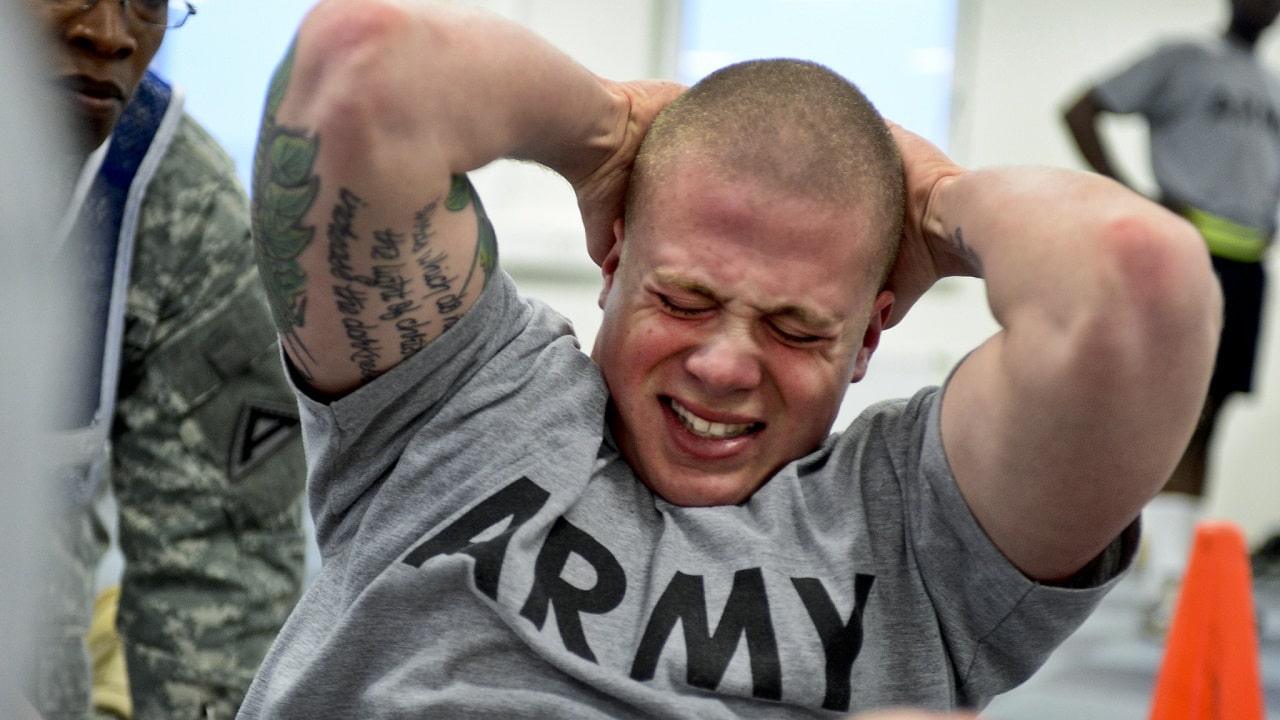
the Army’s goals are to train incoming civilians to become more than they once were — warfighters capable of managing the stresses of their role within the defense apparatus.
Therefore, the following Medal of Honor awardees were rightfully and sensibly relieved of their reward:
–Lt. Col. Asa Bird Gardiner, who received his medal by writing a letter to the War Department, asking for one as a mere souvenir.
-Pvt. James Hawkins, a quartermaster from New Jersey, who put out a fire in a warehouse. This is an important and potentially risky endeavor, to be sure, but definitely not the same as risking combat against the enemy.
-Pvt. John Lynch of Indiana, who delivered dispatches.
About the Author: Christian D. Orr, Defense Expert
Christian D. Orr is a Senior Defense Editor. He is a former Air Force Security Forces officer, Federal law enforcement officer, and private military contractor (with assignments worked in Iraq, the United Arab Emirates, Kosovo, Japan, Germany, and the Pentagon). Chris holds a B.A. in International Relations from the University of Southern California (USC) and an M.A. in Intelligence Studies (concentration in Terrorism Studies) from American Military University (AMU). He is also the author of the newly published book “Five Decades of a Fabulous Firearm: Celebrating the 50th Anniversary of the Beretta 92 Pistol Series.”