
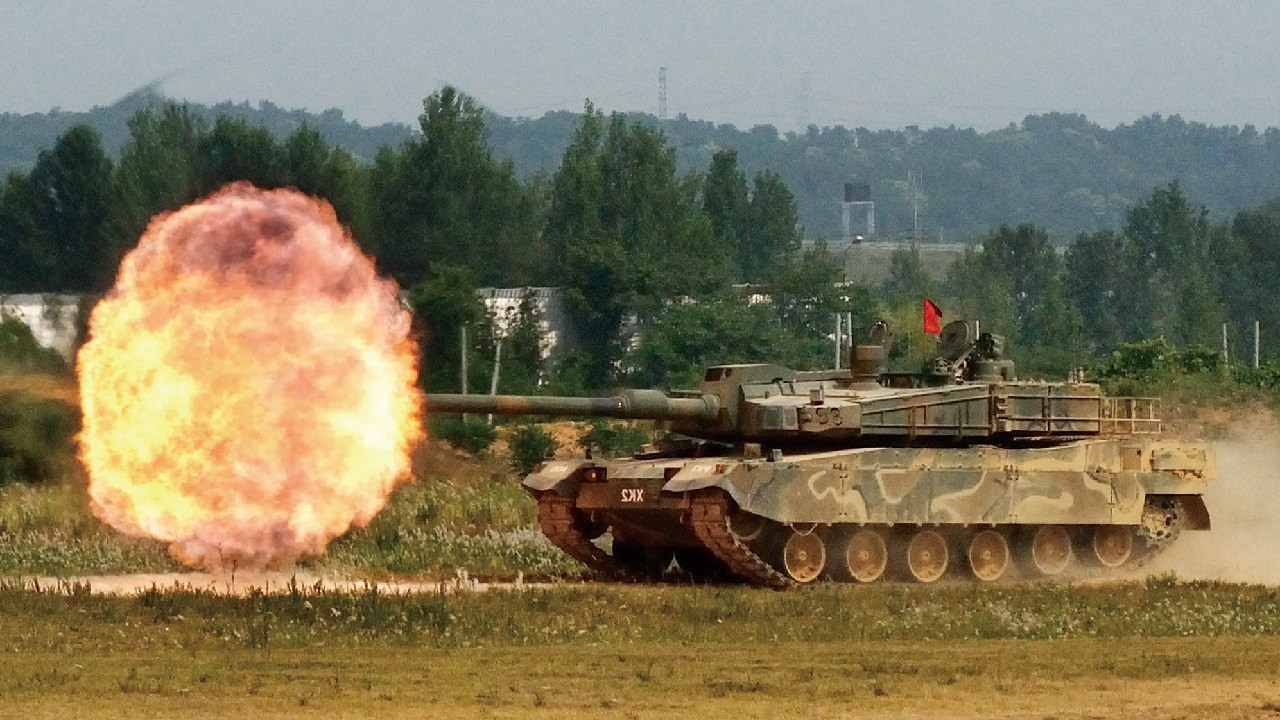
Why Poland Ordered 1,000 Advanced South Korean K2 Black Panther Tanks
In the last ten years, Poland has been trying to substantially modernize its tank forces, especially as the war in Ukraine threatens to escalate into a wider conflict.
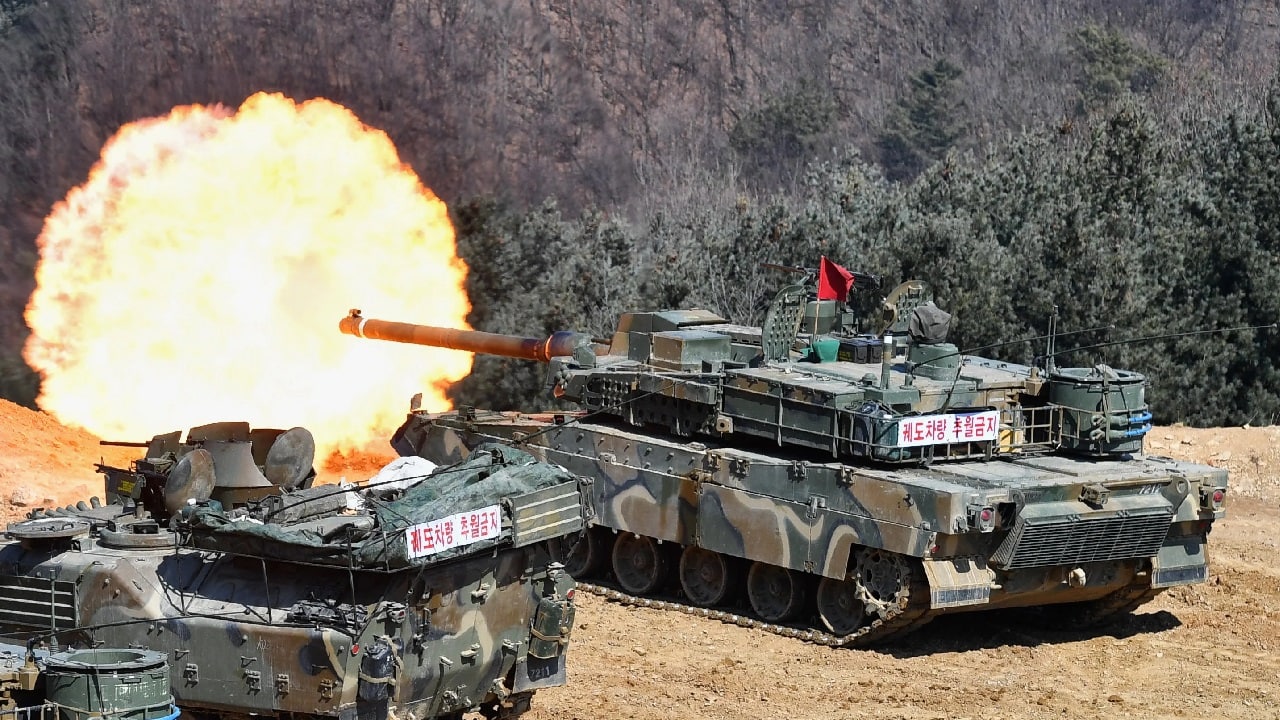
K2 Black Panther. Image Credit: Creative Commons.
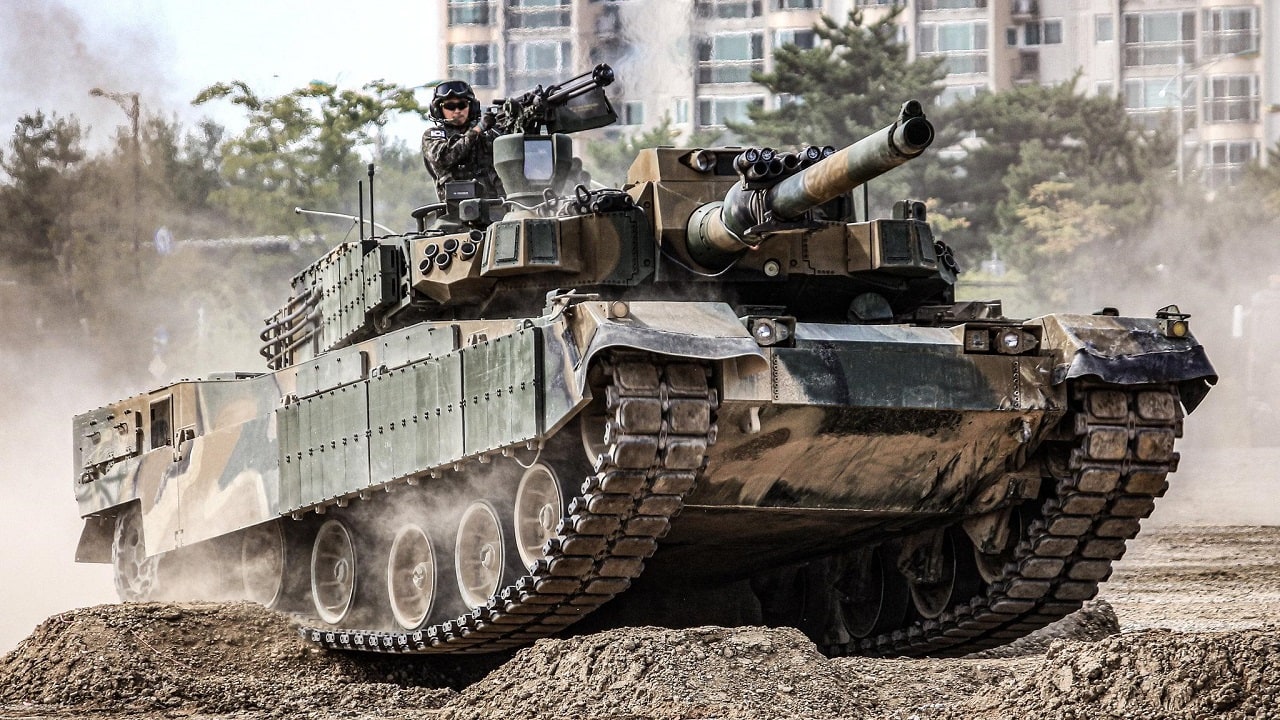
K2 Black Panther. Image Credit: Creative Commons.
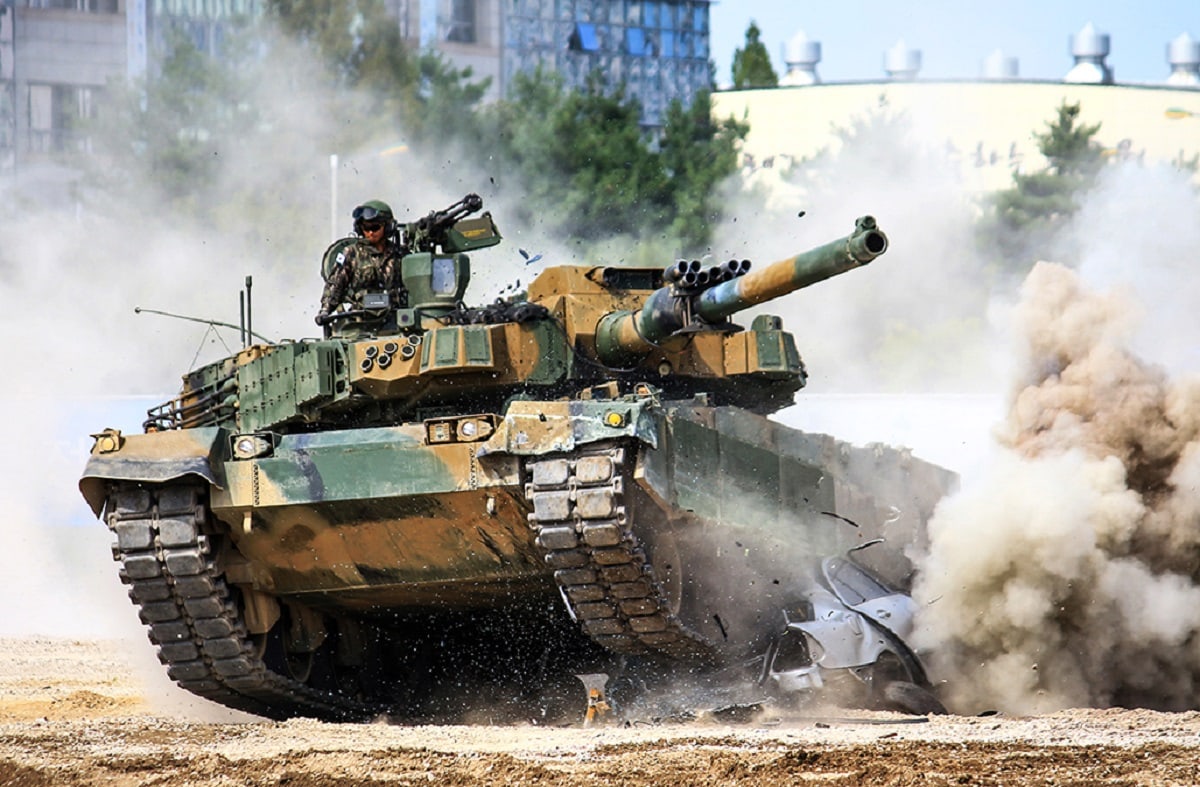
K2 Black Panther. Image: Creative Commons.
Poland already possessed a sizable number of Soviet-era tanks, but since most of these have been donated to Ukraine, it has since been acquiring other Western models like the Leopard 2 and the M1 Abrams. In 2020, however, Poland took an interest in acquiring and producing South Korean K2 Black Panther tanks.
Since then, the K2 has become a staple of the Polish Land Forces, with around 180 tanks delivered and more to be produced domestically. Some even say the K2 Black Panther might even be the best tank on Earth, surpassing even the legendary M1 Abrams.
The K2: One of the Most Advanced Tanks in the World
The K2 Black Panther is a fourth-generation main battle tank developed by South Korea over a period spanning the mid-1990s to the late 2000s.
Designed by South Korea’s Agency for Defense Development and produced by Hyundai Rotem, the tank entered service with the Republic of Korea Army in 2014. Its development was shaped by the operational demands of the Korean Peninsula, where mountainous terrain, river obstacles, and the presence of a numerically superior adversary demanded a tank that emphasized mobility, situational awareness, and precision fire rather than sheer weight alone.
In physical terms, the K2 weighs approximately 55 to 56 metric tons, making it lighter than the American M1 Abrams but still heavily protected. It is armed with a 120-millimeter L/55 smoothbore gun fitted with an autoloader, allowing the crew to be reduced to three.
The tank incorporates a highly advanced fire-control system that enables hunter-killer operations, engagement while moving, and effective night and all-weather combat. Its hydropneumatic suspension system allows the vehicle to adjust its posture dynamically, improving gun depression, cross-country mobility, and survivability in uneven terrain. These characteristics place the K2 among the world’s most technologically sophisticated main battle tanks.
The Ukraine War: Poland Prepares for War
Prior to 2022, the Polish Army was in transition, but not in any state of urgency. The Polish Army operated a mix of German Leopard 2A4 and 2A5 tanks, domestically modernized PT-91 Twardy tanks derived from the T-72, and a large number of older Soviet-era T-72 variants.
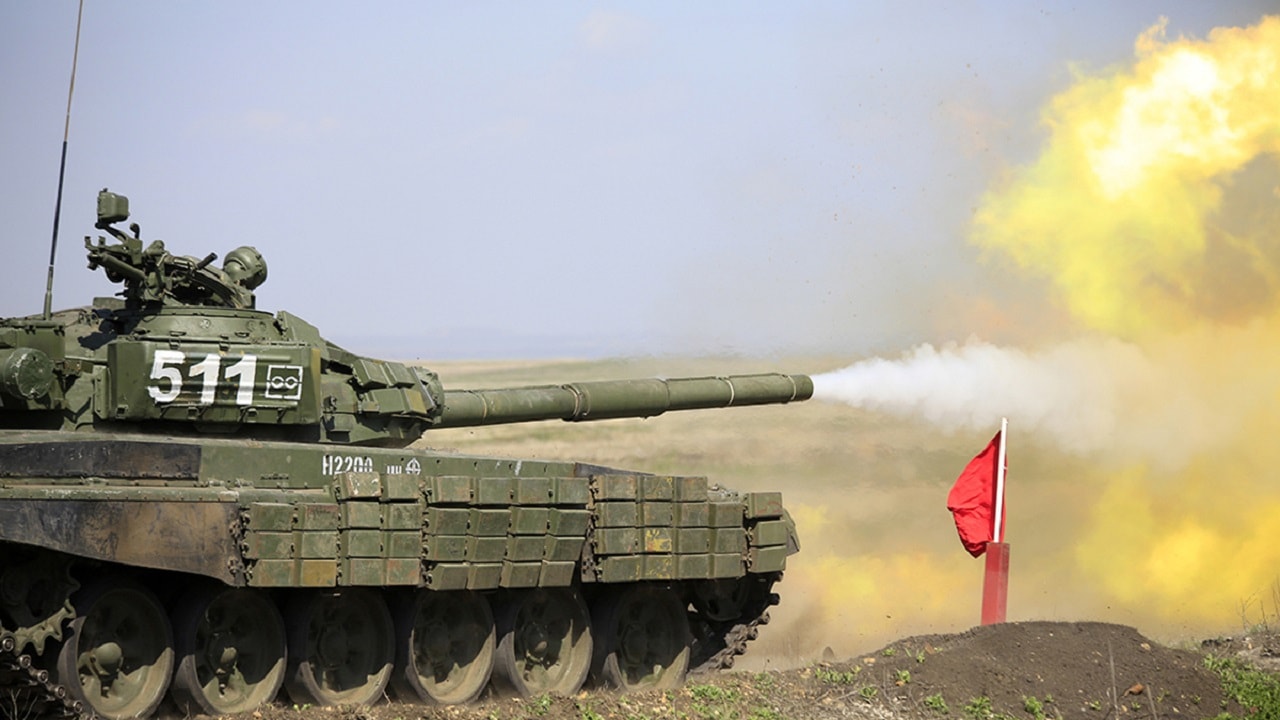
Russian T-72 tank from Ukraine War. Image Credit: Creative Commons.
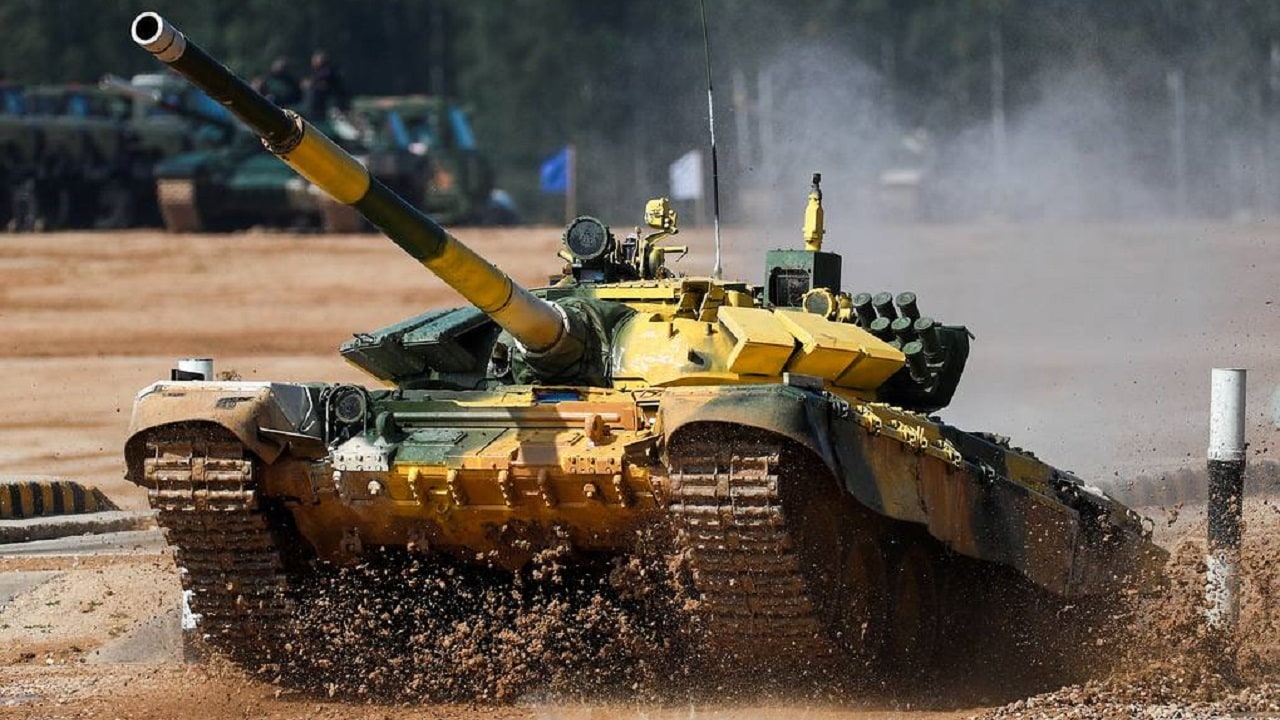
Russian T-72 tank. Image Credit: Creative Commons.
While this set up is far from ideal, it was considered adequate for a NATO member under the assumption of alliance reinforcement and gradual modernization over decades. That assumption collapsed after Poland’s decision to transfer hundreds of tanks to Ukraine during the first year of the war.
The donation of T-72s and PT-91s was helpful for Ukraine but created an immediate capability gap for Poland. Entire armored brigades were left undermanned or reliant on aging vehicles with limited survivability against modern anti-tank weapons. Poland now faced a paradox: it needed not dozens, but hundreds of modern main battle tanks, and it needed them within a few years rather than a decade. Existing European production lines, particularly for the Leopard 2, could not scale fast enough to meet this demand. American Abrams deliveries, while vital, were constrained by long training pipelines, logistics demands, and high operating costs.
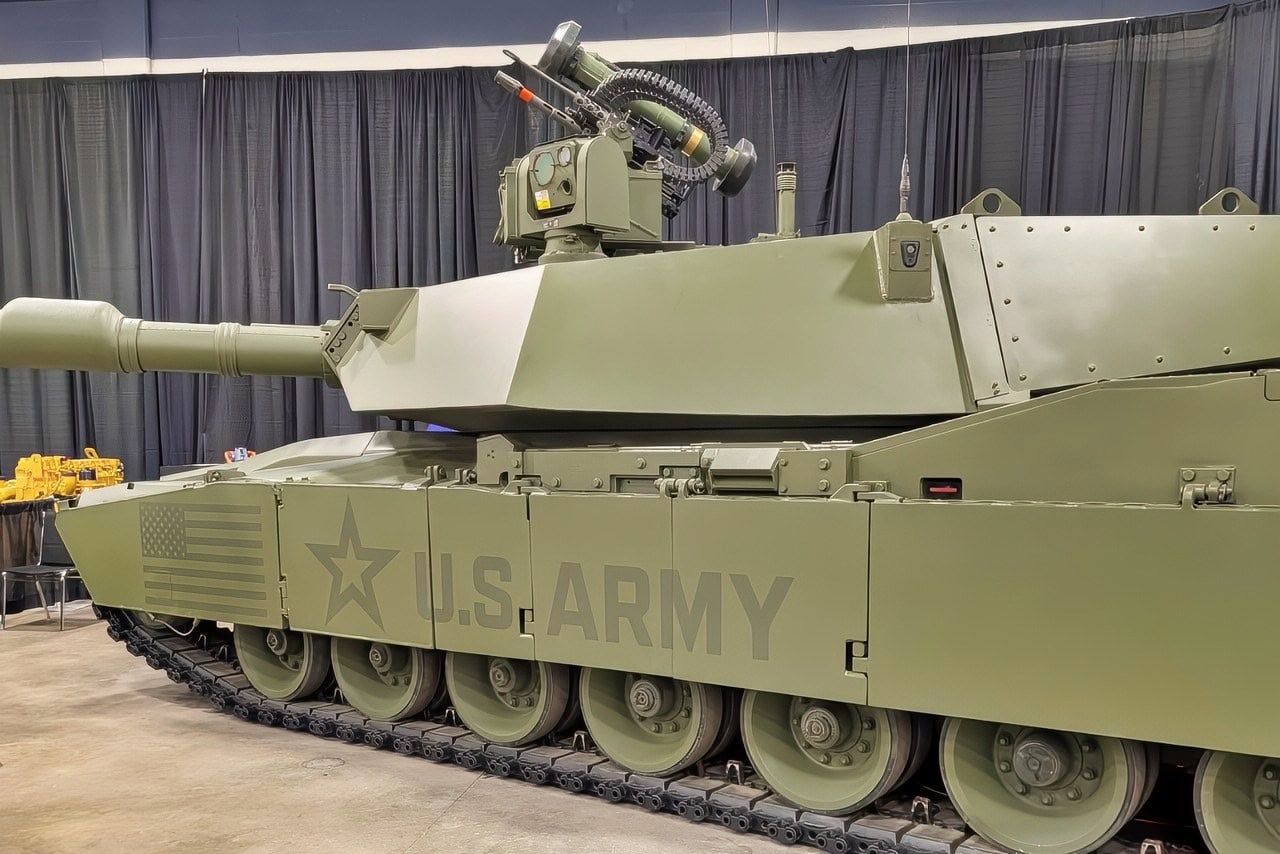
M1E3 Tank at the Detroit Auto Show. Image Credit: 19FortyFive.
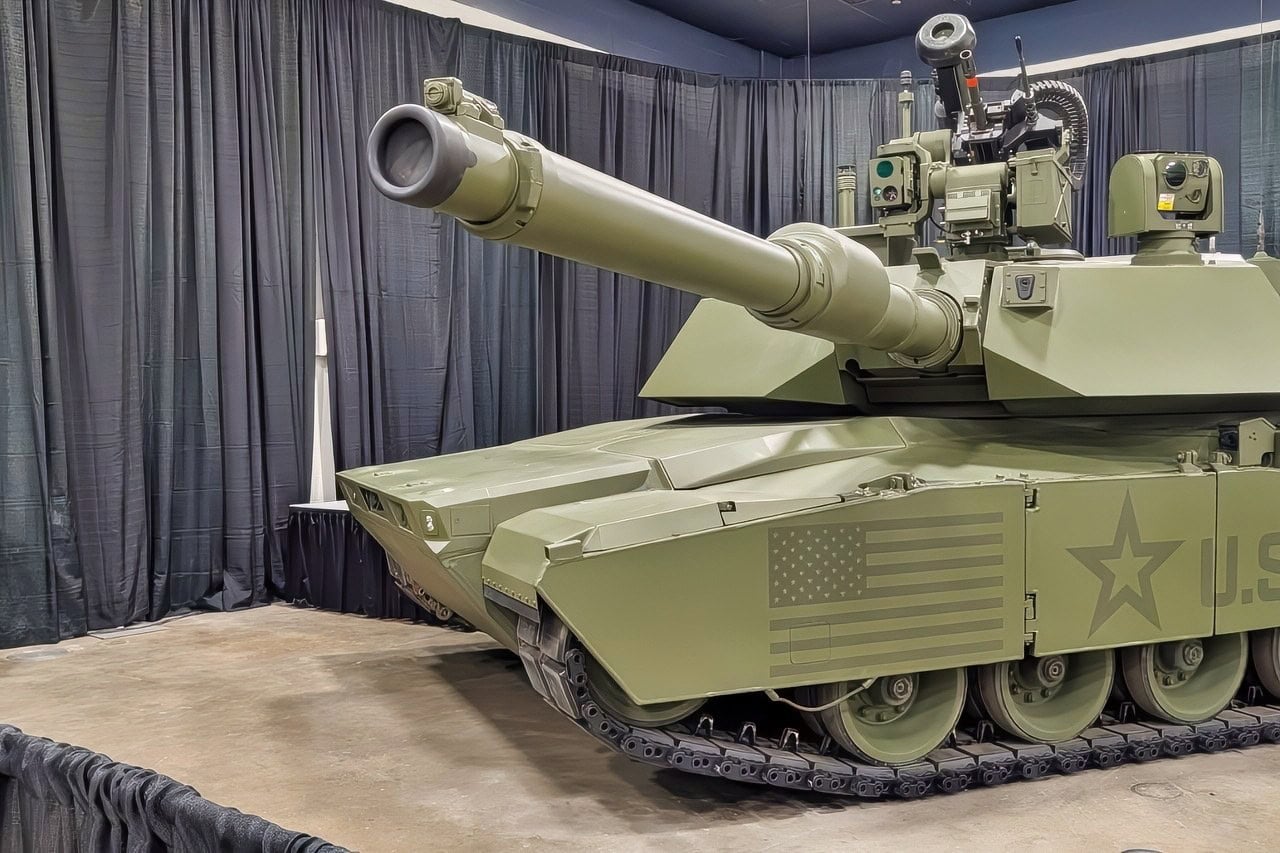
M1E3 Tank at the Detroit Auto Show. Image Credit: 19FortyFive.com
Why South Korean Tanks?
South Korea’s defense industry offered a solution that European manufacturers could not match at the time: industrial scale, speed, and political flexibility. Hyundai Rotem was already producing K2 tanks in serial quantities for the Republic of Korea Army and had the capacity to quickly divert production.
More importantly, the South Korean government demonstrated a willingness to negotiate extensive technology-transfer and local-production arrangements, something that Germany and the United States have historically been reluctant to do for frontline armor systems.
This difference proved decisive. Poland did not simply want to buy tanks; it wanted to rebuild its own tank-building capability, which had largely atrophied after the end of PT-91 production in the late 2000s. South Korea’s offer aligned with this ambition, framing the K2 not as a one-time acquisition but as the foundation of a long-term industrial partnership. The geopolitical incentives were also aligned, as Seoul viewed Poland as its entry point into the European defense market and NATO supply chain.
From Procurement to Production
In July 2022, Poland and South Korea signed a massive agreement covering up to 1,000 K2 Black Panther tanks, along with K9 self-propelled howitzers, Chunmoo rocket artillery systems, and FA-50 aircraft. The first phase of the K2 program called for the delivery of 180 tanks in a modified configuration known as the K2GF, or “gap filler” variant.
These vehicles were produced in South Korea but adapted for Polish and NATO requirements, allowing them to be fielded quickly with minimal doctrinal disruption. Deliveries of the K2GF began within months, an unprecedented timeline by European standards. Polish armored units began training on the platform in 2023, and by 2024, the first operational battalion had reached readiness. This rapid fielding alone would have justified the decision from a purely military standpoint, but the longer-term significance of the program lay in its second phase.
The decisive step in Poland’s K2 program was the move from procurement to domestic production. Subsequent executive contracts signed in 2024 and 2025 established the K2PL variant, a heavily modified version of the tank tailored to Polish operational requirements and built increasingly in Poland. Initial K2PL units would be assembled in South Korea, but the majority are to be produced at the Bumar-Łabędy plant in Gliwice under the Polish Armaments Group.
The K2PL incorporates additional armor packages, anti-drone sensors, electronic warfare systems, and full integration with Polish and NATO battlefield management networks. These changes reflect lessons drawn directly from the war in Ukraine, particularly the threat posed by loitering munitions, massed artillery, and battlefield surveillance drones.
Crucially, the production agreement includes technology transfer sufficient to allow Poland to maintain, repair, and modernize the tanks without permanent dependence on foreign suppliers.
About the Author: Isaac Seitz
Isaac Seitz, a Defense Columnist, graduated from Patrick Henry College’s Strategic Intelligence and National Security program. He has also studied Russian at Middlebury Language Schools and has worked as an intelligence Analyst in the private sector.