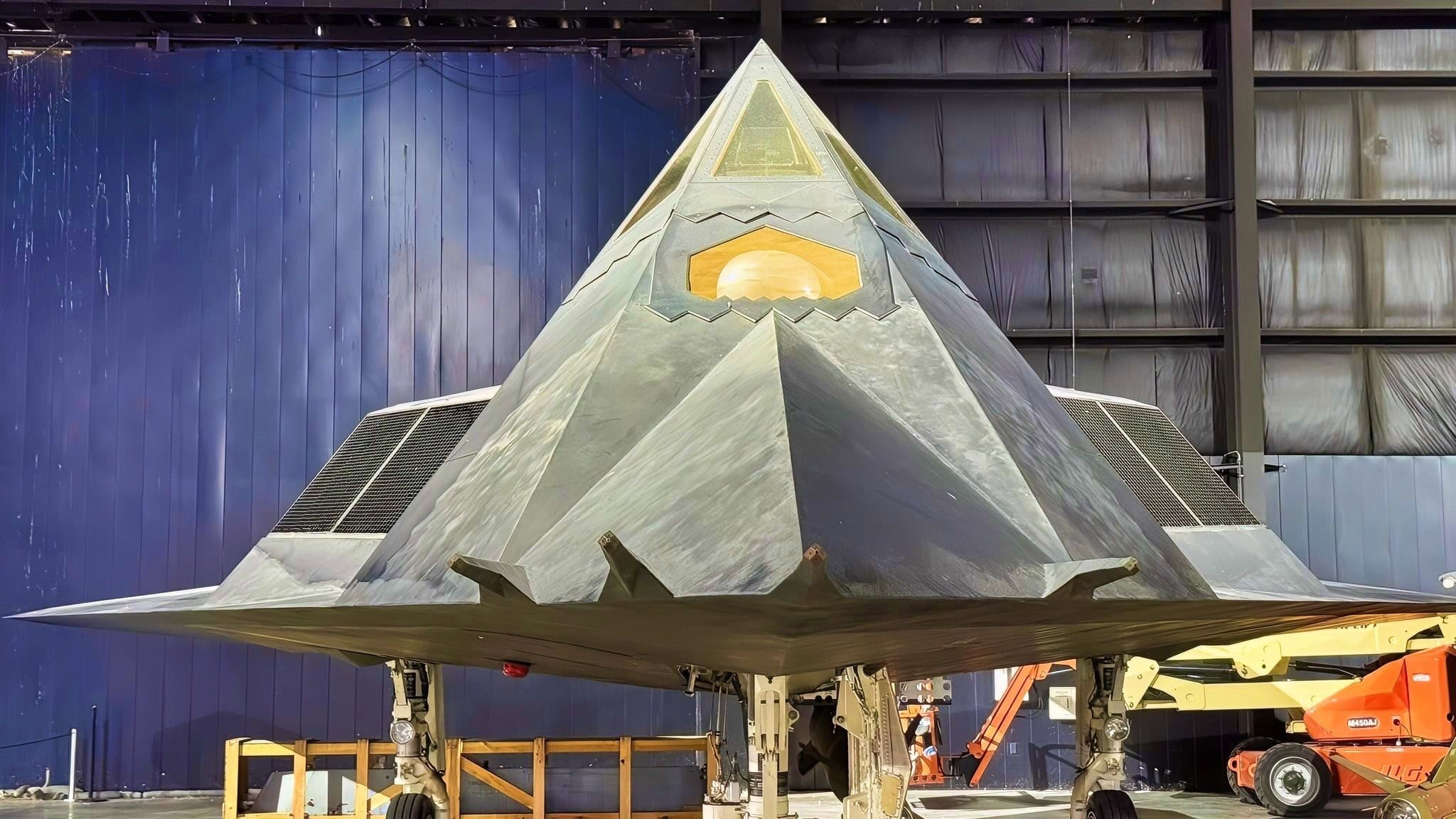
Key Points and Summary – The F-117 Nighthawk’s dominance in Operation Desert Storm cemented stealth as a vital military capability, with not a single jet lost despite heavy Iraqi defenses.
-While pioneered by the U.S., the technology’s theoretical foundation lies in the work of Soviet physicist Pyotr Ufimtsev on electromagnetic diffraction.
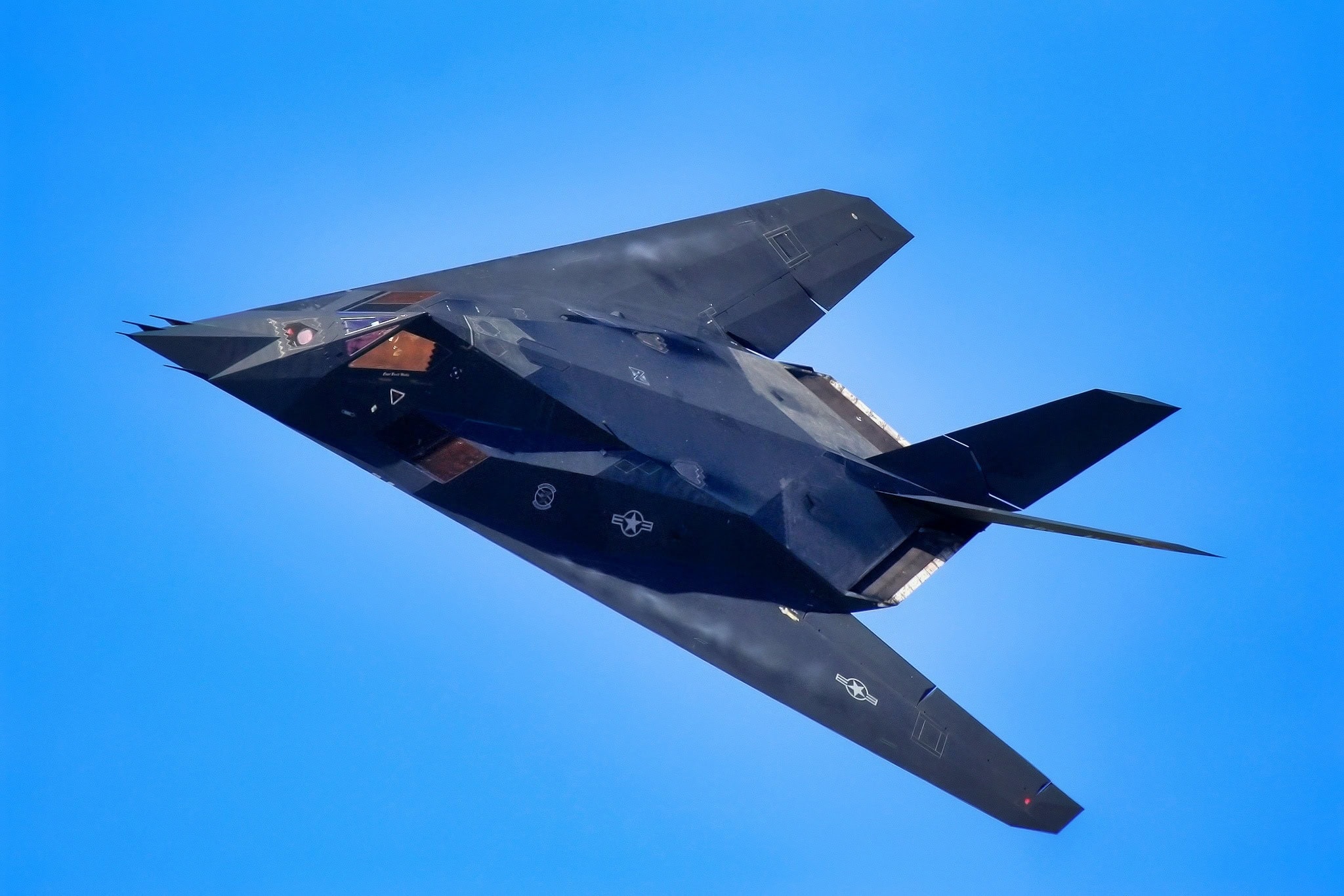
F-117. Image Credit: Creative Commons.
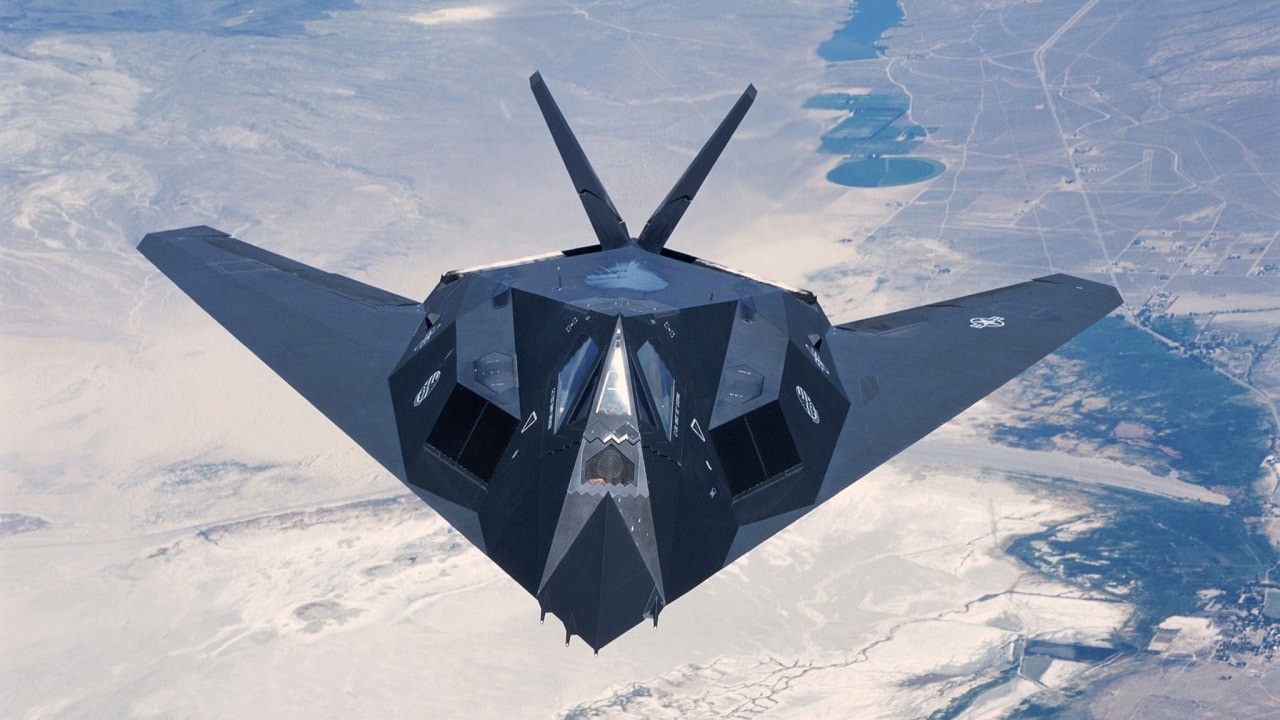
F-117. Image Credit: Creative Commons
-The article details how U.S. engineers, driven by losses in Vietnam and the Yom Kippur War, utilized superior computational power to apply Ufimtsev’s “cornerstone” research, ultimately overcoming Soviet air defenses with their own theoretical science.
The F-117 Nighthawk: Created with an Assist from Russia?
The opening shots of Operation Desert Storm heralded the beginning of the stealth age. U.S. Air Force F-117 Nighthawks, the first stealth fighters, bombarded Iraqi targets with total impunity, raining destruction onto targets across the country. Remarkably, not a single Nighthawk was lost during that brief war, and that outcome cemented stealth technology as a crucial future capability.
Though pioneered by the United States, the origins of stealth technology are often attributed to Soviet physicist Pyotr Yakovlevich Ufimtsev, whose theoretical work on electromagnetic wave diffraction would prove prescient.
Stealth has changed the trajectory of modern warfare. An amalgamation of factors prodded and pulled the technology off the drawing board and into the sky.
First, the development of radar during World War II heralded a revolution in strategic military affairs—one that heavily favored defense. This technology developed during the Cold War with shocking rapidity.
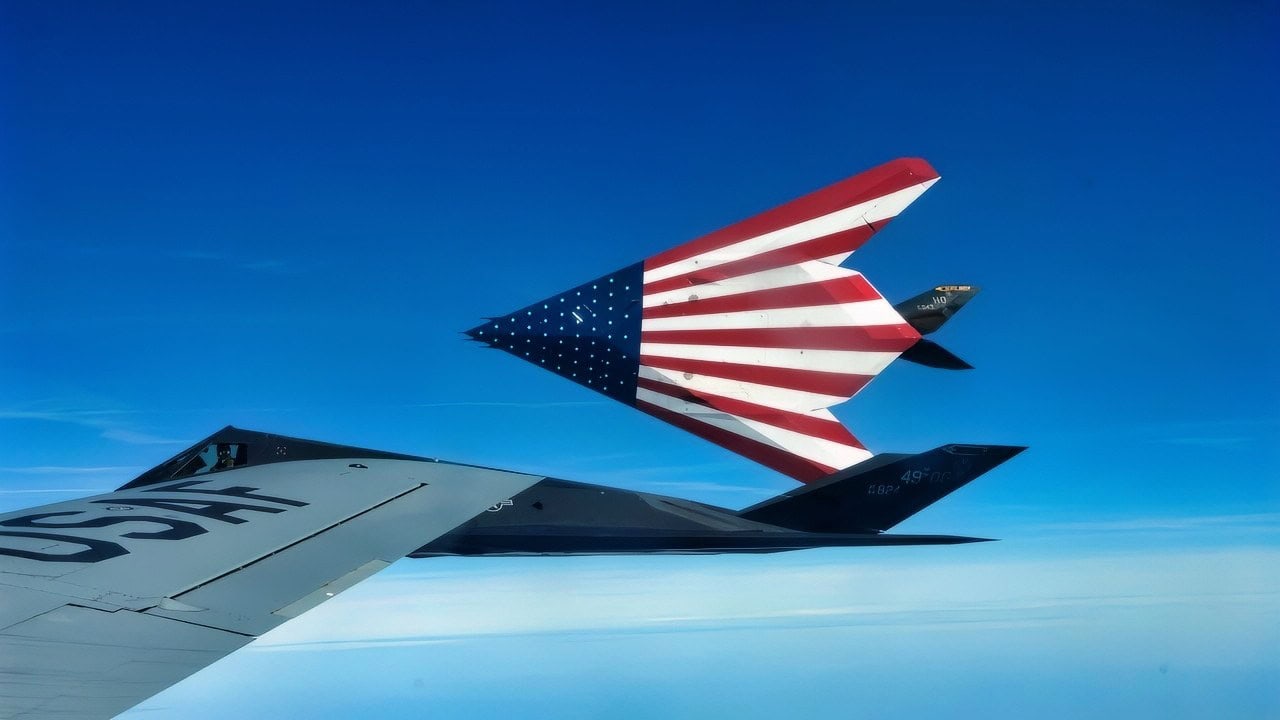
Pilots from the 121st Air Refueling Wing of the Ohio Air National Guard based at Rickenbacker IAP, refuel a pair of F-117 Stealth Fighters from the 49th Fighter Wing based at Holloman AFB in New Mexico. The aircraft is being retired and this was the last refueling operation of The Pilots on this mission were Major Paul Hughes, Captain Danny Slater and the Boom Operator was MSgt Bob Derryberry. The photographs are by SMSgt Kim Frey of the 121st ARW. The aircraft were at Wright Patterson AFB where the F-117 program is managed for an informal retirement ceremony. The F-117 is being replaced by the F-22 Raptor which also uses stealth technologies to avoid detection.
By the 1970s, radar systems could peer hundreds of miles farther into the atmosphere than their 1940s-era predecessors, threatening to leave fighter and bomber formations virtually defenseless. As the United States learned in Vietnam, the technology could be miniaturized and placed onto anti-aircraft missile warheads. Later, as Israel fought in the Yom Kippur War, they found that Arab forces supplied with Soviet air defenses could pick off some of the best American aircraft in the world at that time. These experiences incentivized the development of radar-defeating technologies.
The United States began investigating radar-defeating technologies soon after the Second World War. The SR-71 Blackbird supersonic surveillance plane incorporated radar-absorbent materials into its airframe.
That jet’s shaping and sheer speed helped ensure that not a single Blackbird was lost to enemy fire, despite the thousands of anti-aircraft missiles fired at it.
But the shape of an aircraft is also hugely important for defeating radar, as radar physicists learned in the 1950s.
Relatively simple objects such as cylinders, cones, spheres, cubes, and other three-dimensional shapes’ radar signatures could be measured, but computational limitations made finding the radar cross-section of more complex three-dimensional objects impracticable. The advent of increasingly sophisticated computers in the 1960s and 1970s overcame this limitation.
Computation boosts enabled the further pursuit of stealth technology but also precision-guidance systems.
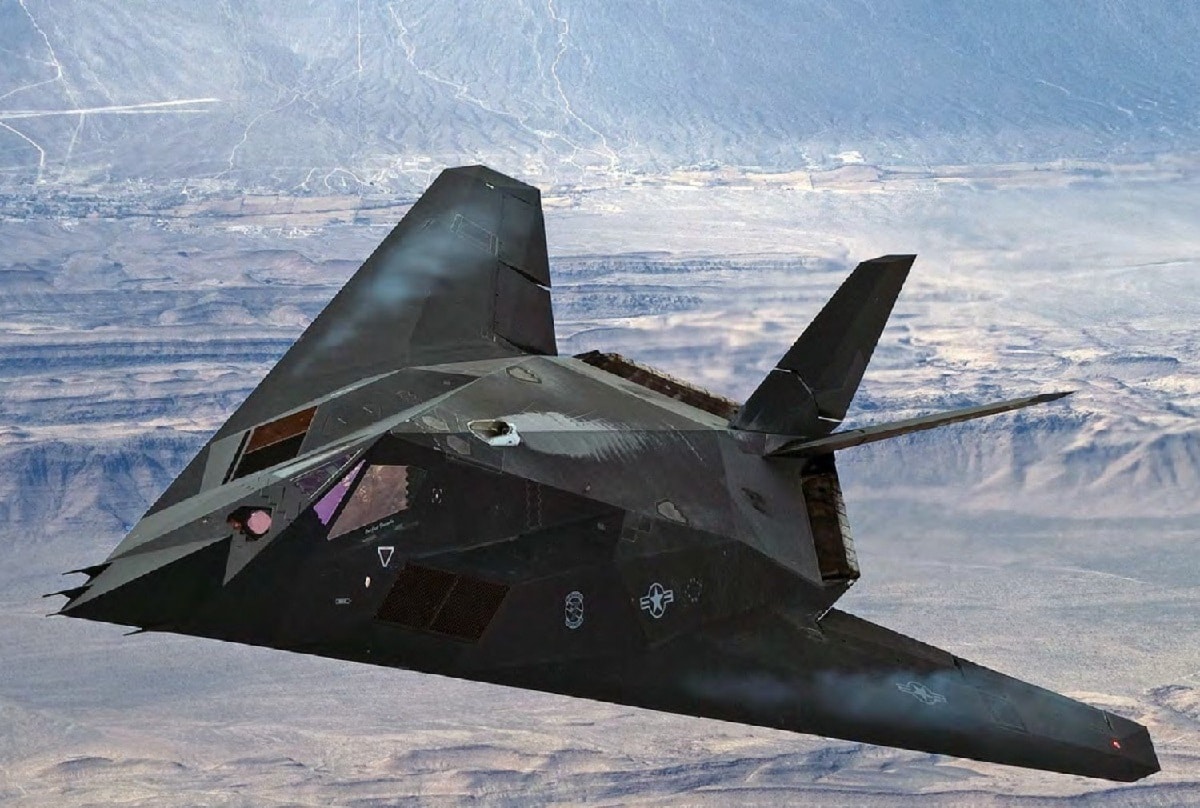
F-117. Image Credit: Creative Commons.
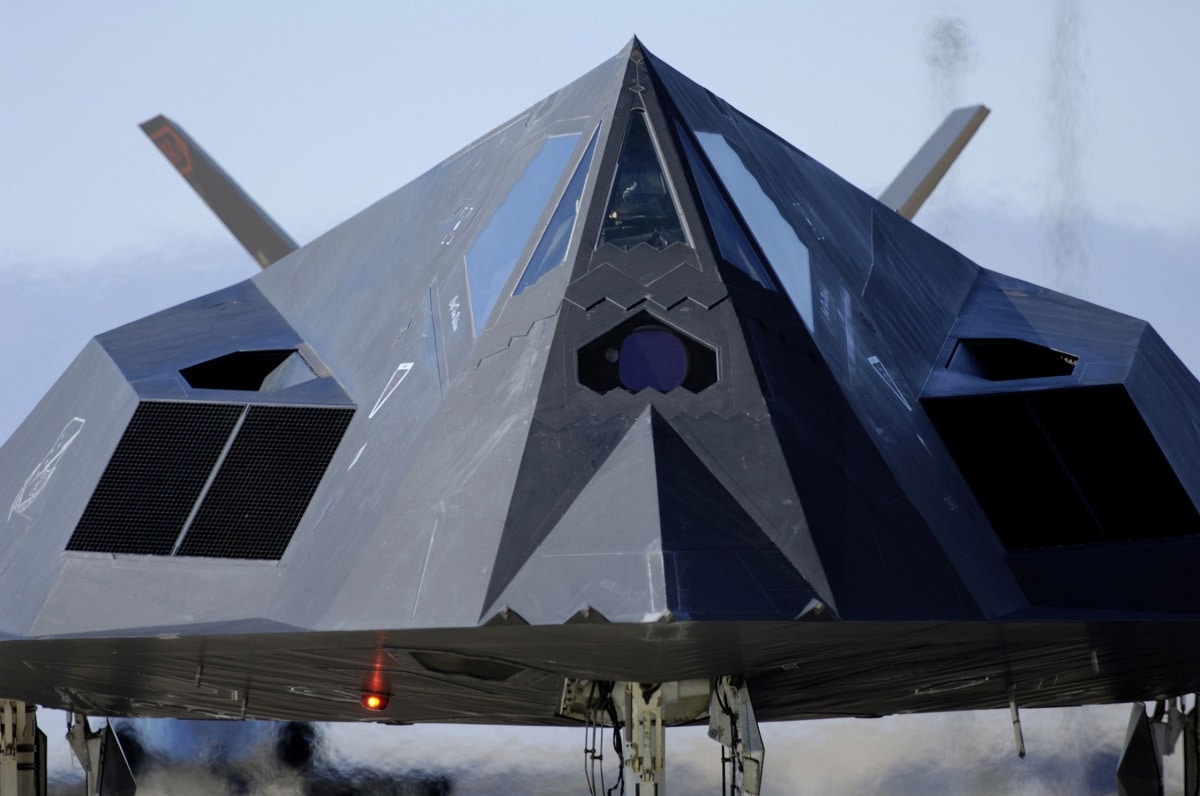
F-117 Stealth Fighter.
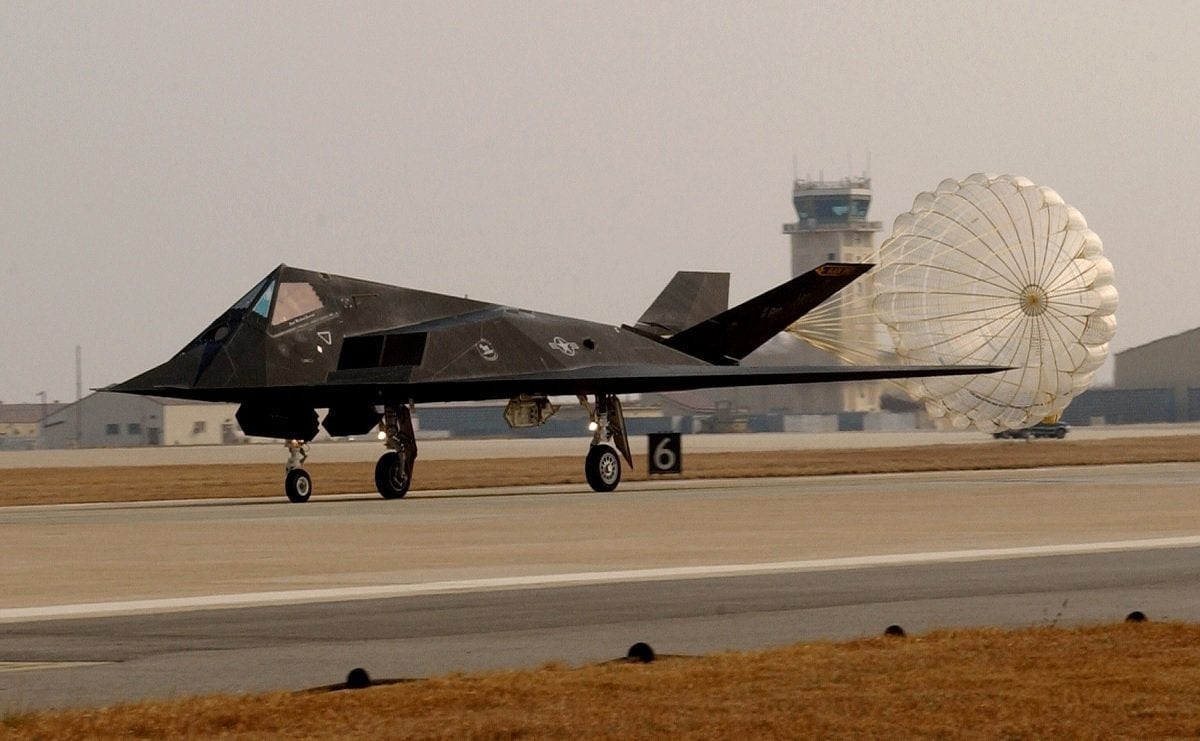
F-117 Image: Creative Commons.
Weapon-guidance systems would soon feature miniaturized computer controls.
More, smaller munitions paired with computerized sensors could seek out and destroy Soviet targets faster. Crucially, however, aircraft would need to evade adversary radar. It was a tall engineering order, but it promised to offset some of the Soviet Union’s quantitative advantages in conventional weaponry and platforms.
Ufimtsev’s work was known in the West thanks to the regular Cold War-era practice of translating the Soviet Union’s research publications and mining them for useful information.
Scientists from the United Kingdom, the United States, or elsewhere could have independently found Ufimtsev’s research, but it may have taken much longer.
When it was discovered, Ufimtsev’s work jump-started American research.
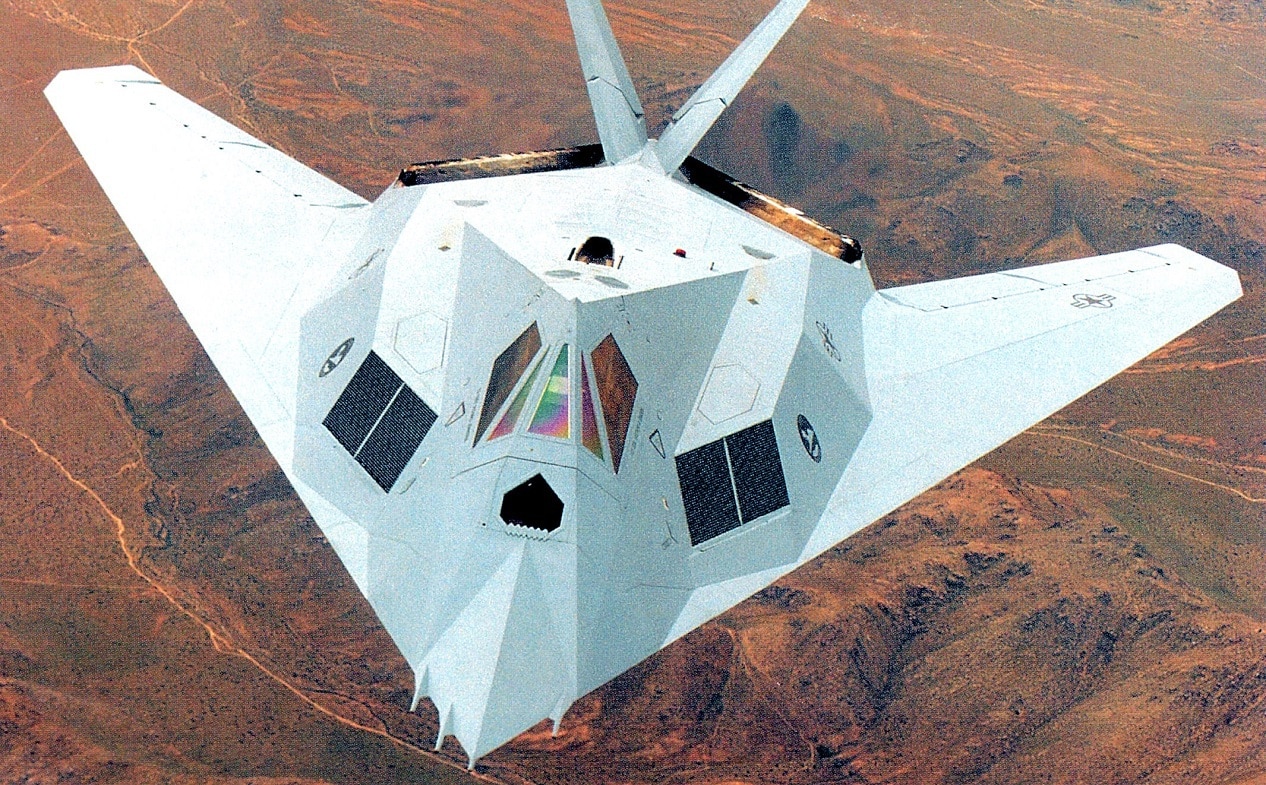
F-117 Stealth Fighter. Image Credit: Creative Commons.
Ufimtsev’s theoretical work on radar physics was a crucial step toward stealth technology, but several other factors were just as important—namely the United States’ leadership in computational power and its aerospace firms’ access to computers.
Ben Rich, the former head of Lockheed Martin’s secretive Skunk Works division, heaped praise on Ufimtsev’s research into electromagnetic wave diffraction, dubbing the Soviet scientist’s work the cornerstone of foundational research into radar-defeating technology.
One piece of a greater puzzle, but an eminently important piece nonetheless.
About the Author: Caleb Larson
Caleb Larson is an American multiformat journalist based in Berlin, Germany. His work covers the intersection of conflict and society, focusing on American foreign policy and European security. He has reported from Germany, Russia, and the United States. Most recently, he covered the war in Ukraine, reporting extensively on the war’s shifting battle lines from Donbas and writing on the war’s civilian and humanitarian toll. Previously, he worked as a Defense Reporter for POLITICO Europe. You can follow his latest work on X.