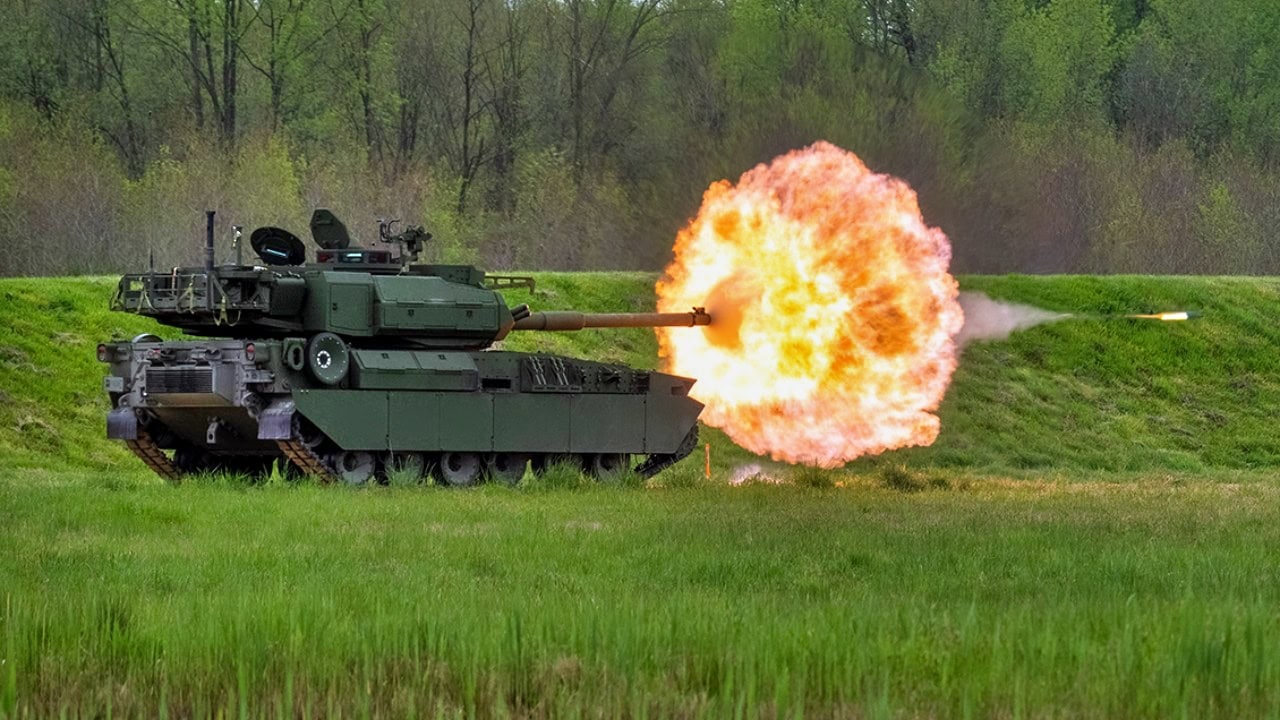
Key Points and Summary – The Army’s equipment problems—highlighted by the M10 Booker’s collapse, an aging Bradley fleet, and hard lessons about tank vulnerability in Ukraine—are forcing a faster, more networked modernization approach.
-Instead of betting on one “perfect” platform, the Army is shifting toward systems that combine manned armor with unmanned teammates, distributed sensing, and longer-range fires.
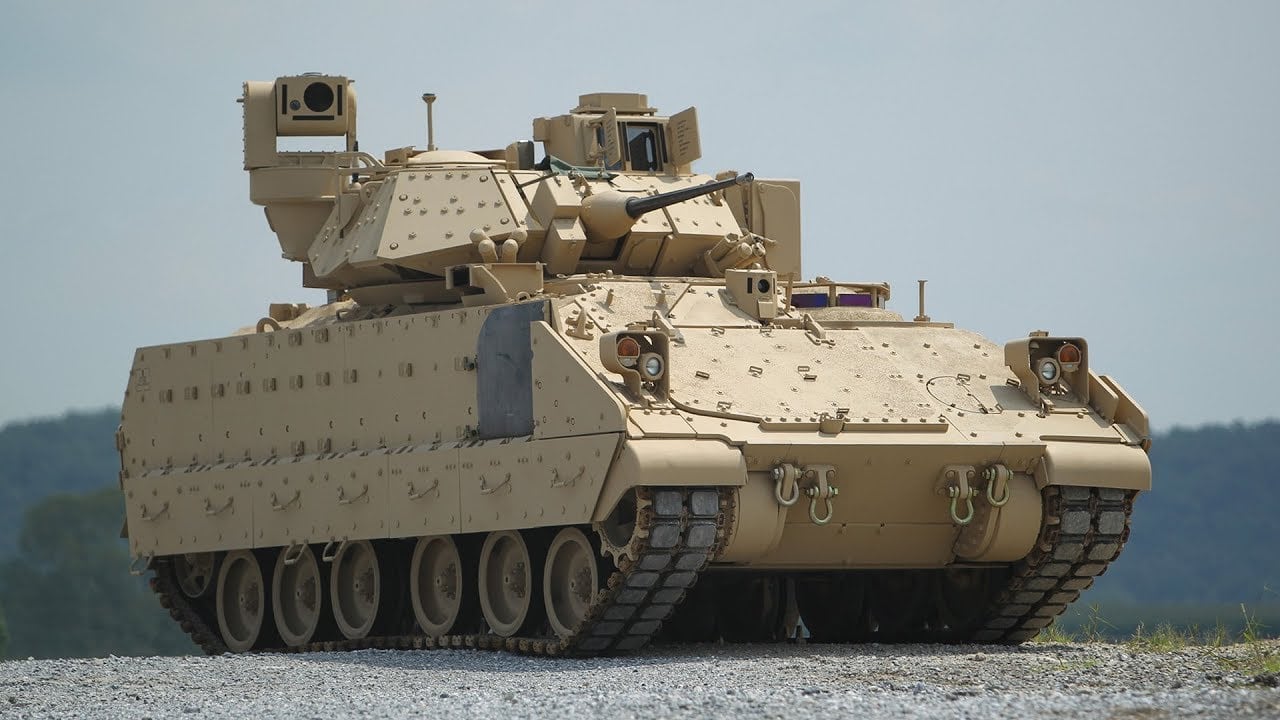
M2 Bradley
-The XM30 Bradley replacement is being shaped as a soldier-centric combat vehicle that can control drones, operate optionally manned, and integrate counter-drone tools.
-Meanwhile, Abrams modernization is pivoting toward the M1E3, emphasizing survivability, mobility, and integration with robotics to keep armored forces relevant.
-The U.S. Army has some serious equipment issues – M10 Booker, changes in tanks, old Bradleys, and a few other platform delays and cancellations put it in the same position as the Navy – under pressure to stay lethal. How are they adapting?
The M10 Booker: The Example the U.S. Army Can’t Shake Off
The collapse of the once-promising M10 Booker “light tank,” coupled with the vulnerabilities that main battle tanks have been encountering in Ukraine, has prompted the U.S. to accelerate and refine several of its major land-warfare combat platforms in response to a changing threat landscape.
The U.S. Army’s Bradley is aging, tanks are proving highly vulnerable in major combat in Ukraine, and the service has just recently fielded its first ground-launched Long Range Hypersonic Weapon.
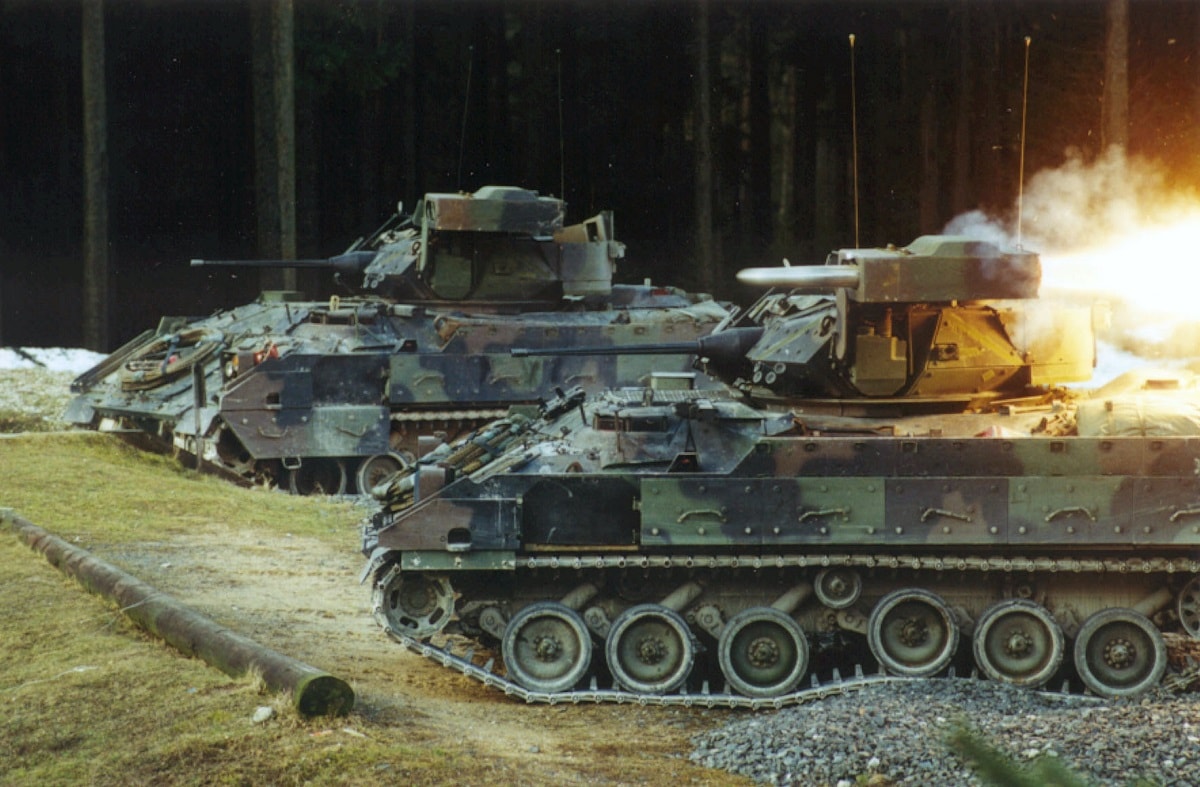
M2 Bradley Infantry Fighting Vehicle.
The M10 Booker was intended to be “airdropped” quickly from a C-17 cargo plane in support of fast-attacking infantry.
However, the Army’s ambitious vision for the M10 Booker collided with practical reality, and the final platform was too heavy to be airdropped. This predicament, which was entirely at odds with the vehicle’s initial requirement, is cited as the main reason the car was cancelled.
The idea was to engineer the M10 Booker to operate in close support of airborne operations and to bring organic heavy fire support to air-dropped “forcible entry” missions to seize enemy territory from the air.
This is likely why the U.S. Army previously planned to first deploy the M10 Booker with the 82nd Airborne unit in 2025. This vision crashed into a different reality when the Army recognized that the 38-ton M10 Booker was simply too heavy to air-drop from a C-130 and that only one could fit into a C-17.
XM30 Infantry Fighting Vehicle
The aging Bradley has been yet another challenge for U.S. Army modernization. While there have been successful upgrades to the Bradley, the service is fast-tracking the XM30 Bradley replacement infantry fighting vehicle.
The Army’s evolving XM30 replacement infantry fighting vehicle can be configured to operate as a command-and-control node, controlling groups of unmanned systems in combat, or to engage in direct combat with its cannon, anti-tank weapons, and an infantry squad ready to dismount and attack.The Army is currently testing and evaluating prototype XM30s from both American Rheinmetall and General Dynamics Land Systems in preparation for what will ultimately be a “down-select” and production contract for the vehicles.
Throughout the developmental process, the U.S. Army has been gathering feedback from soldiers in experimental exercises and conducting a wide range of operational tests to refine requirements and establish performance parameters.
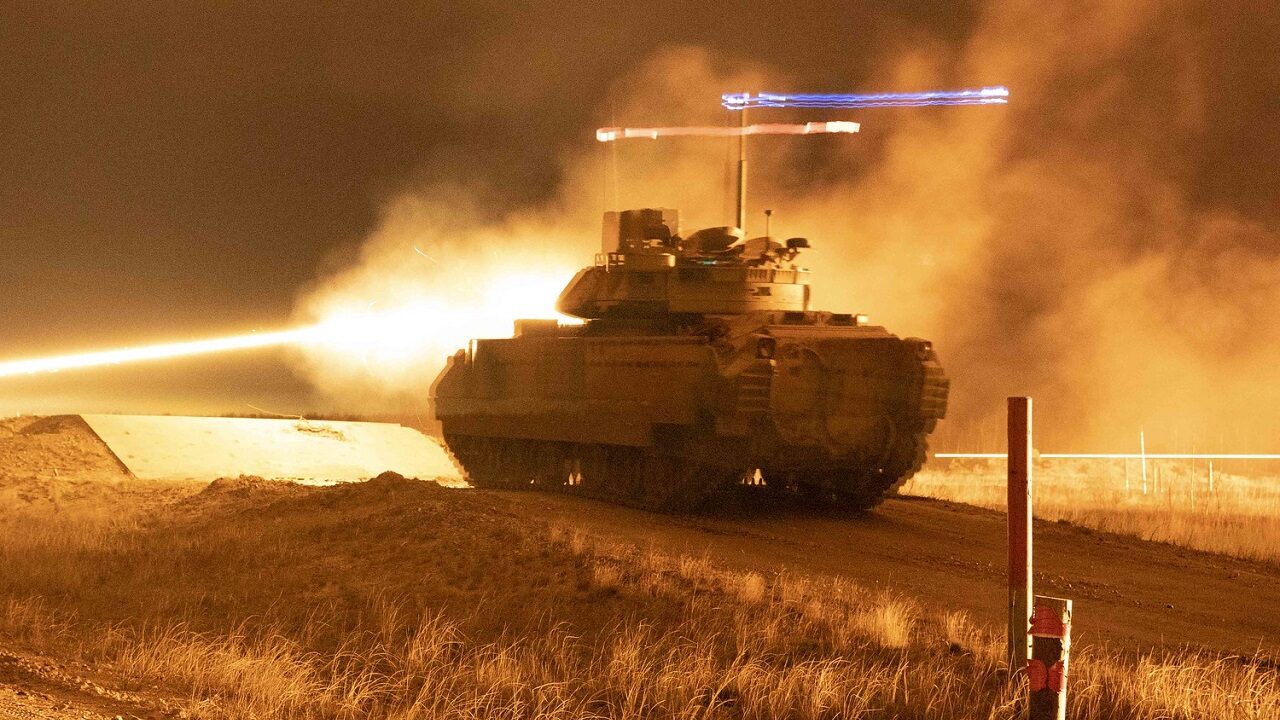
Soldiers fire a 25mm tracer round from an M2A3 fighting vehicle during an integrated night live-fire exercise at Camp Adazi, Latvia, Nov. 25, 2021.
Designers will engineer the vehicle to operate autonomously and unmanned, meaning it can navigate and transit complex terrain, transport infantry, and perform sensing missions without needing human intervention.
The vehicle can also operate in a “semi-autonomous” fashion, meaning it can receive command-and-control input from human decision-makers, operate unmanned air and ground systems, and conduct high-risk reconnaissance missions under enemy fire.
Not surprisingly, much of the innovation being built into the vehicle relates to establishing the fire-control technologies, sensors, and optics, as well as protections and maneuverability, necessary to support future formations.
Previously called the “Optionally Manned Fighting Vehicle,” the Army’s Bradley replacement is referred to by weapons developers as engineered with a “soldier-centric” design intended to enhance soldier lethality in a new threat environment.
As for weapons applications, the two variants and the US Army’s lead weapons developers are likely exploring a range of cutting-edge requirements, including a Short-Range-Air-Defense-like counter-drone capability, such as a Stinger missile, and an ability to launch and recover advanced drones.
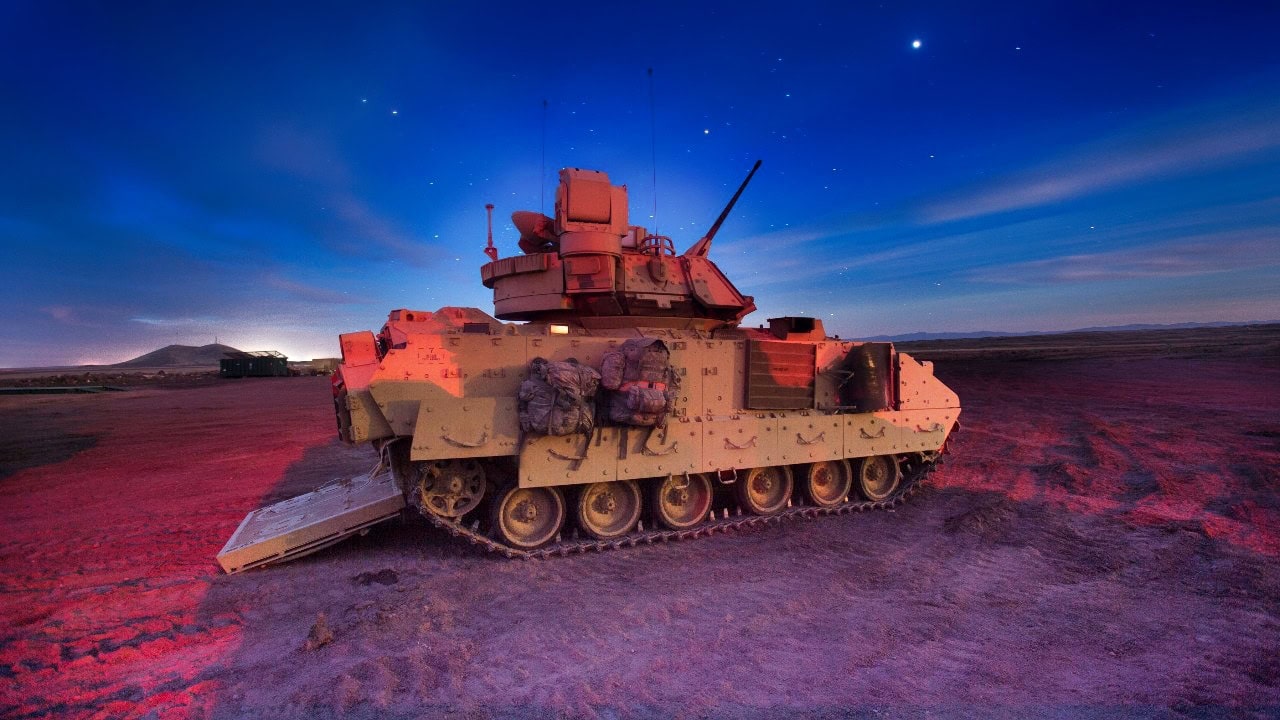
Engineers with the 116th Brigade Engineer Battalion conduct M2A3 Bradley fighting vehicle gunnery qualification on March 27, 2018, Orchard Combat Training Center, south of Boise, Idaho. Combat engineers with the 116th BEB trained through gunnery table XII, evaluating their ability to execute collective platoon-level tasks in a tactical live-fire environment; including integrating dismounted soldiers with their assigned BFV. (U.S. Army National Guard photo by 1LT Robert Barney)
One possibility for American Rheinmetall could involve integrating a counter-drone, counter-air vehicle-launched drone made by one of their XM30 teammates, Raytheon’s Coyote.
Raytheon has been developing an advanced Block 2 Coyote, which includes a larger, optimized warhead with advanced tracking capabilities, as described by its developers.
Specific solutions being integrated are likely still being determined; however, both General Dynamics and ARV are likely to integrate and test a wide range of cutting-edge weapon systems, including drones, cannons, sensors, and counter-air systems. General Dynamics Land Systems, for example, has engineered several armored vehicles capable of launching and recovering surveillance and attack drones.
Future Tanks for the U.S. Army
The U.S. Army is also planning to stay lethal by massively upgrading its main battle tank and adjusting its tactics to align with a modern threat environment.
Operating air and ground drones in the line of enemy fire, sending large robotic vehicles to clear tank ditches and breach obstacles, and using long-range, high-fidelity sensors to maneuver and target enemies in more dispersed formations are all newer tactical mission possibilities now envisioned for the heavily armored Abrams main battle tank.
Army and industry innovators are working on ways to integrate new technologies and tactics designed to enable a new generation of tank platforms to remain lethal in a new post-Ukraine-war threat environment.
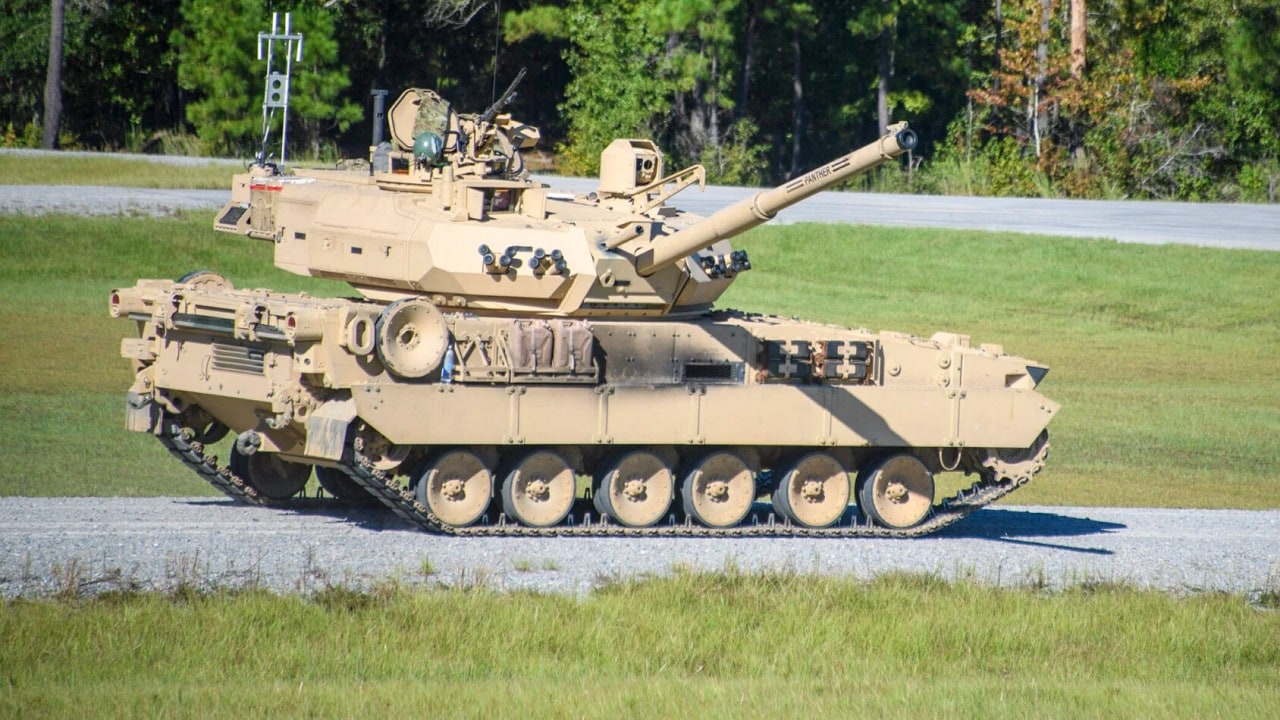
Boomer M10. Image Credit: U.S. Army.
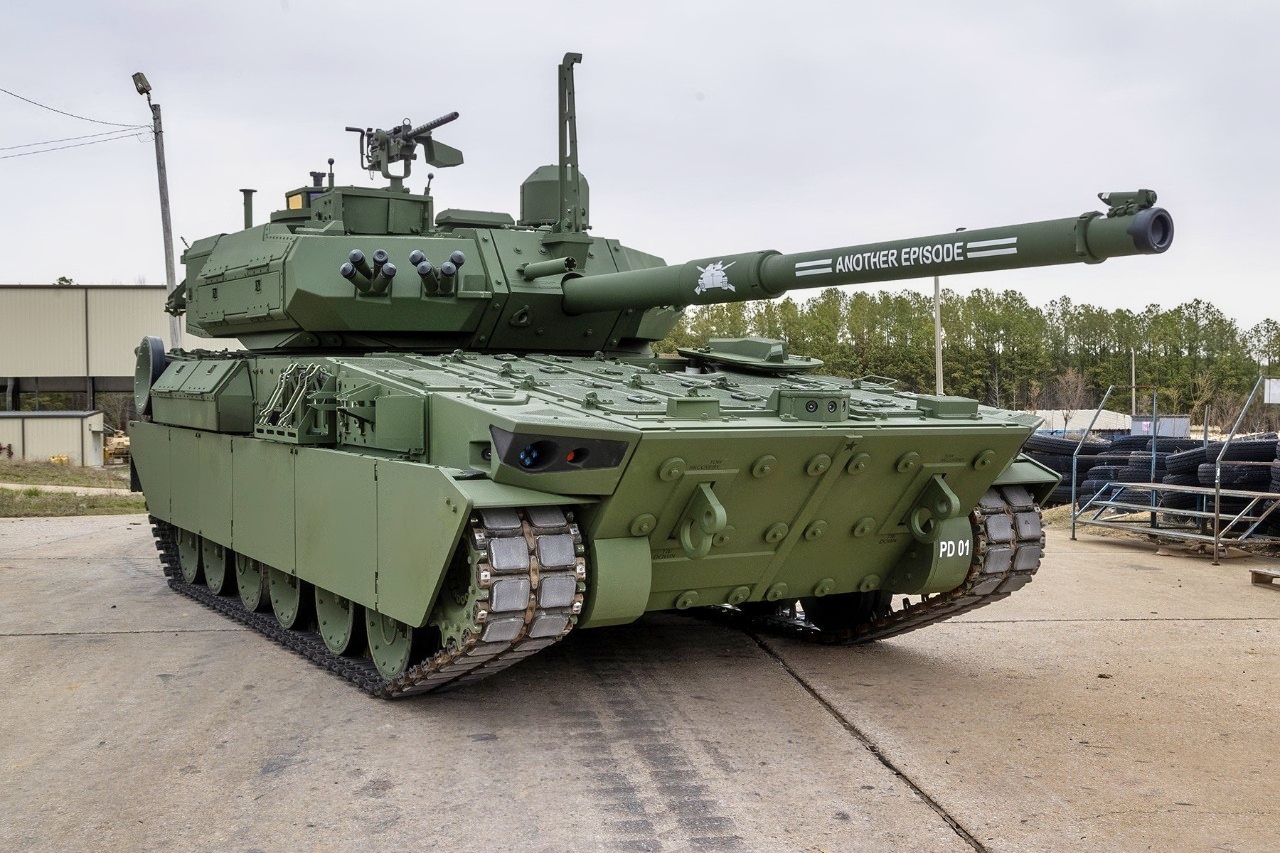
PD1 – Delivery of First Production Vehicle M10 Booker Combat Vehicle
While an armored ability to deliver massive firepower, unparalleled survivability, and mechanized assault missions still very much characterizes the operational scope of Army tanks, technology, networking, and unmanned systems are expanding their potential combat applications, thereby multiplying or enhancing their impact on warfare.
Army M1E3 Abrams
These are likely among the many reasons why the Army is now fully immersed in its M1E3 Abrams Tank Modernization Program, featuring a next-generation variant.
After acquiring large numbers of the massively upgraded M1A2 SEP v3, the Army appears to be “skipping” over its M1A2 SEP v4 variant in favor of the emerging M1E3.
About the Author: Kris Osborn
Kris Osborn is the President of Warrior Maven – Center for Military Modernization. Osborn previously served at the Pentagon as a highly qualified expert in the Office of the Assistant Secretary of the Army—Acquisition, Logistics & Technology. Osborn has also worked as an anchor and on-air military specialist at national TV networks. He has appeared as a guest military expert on Fox News, MSNBC, The Military Channel, and The History Channel. He also has a Masters Degree in Comparative Literature from Columbia University.