
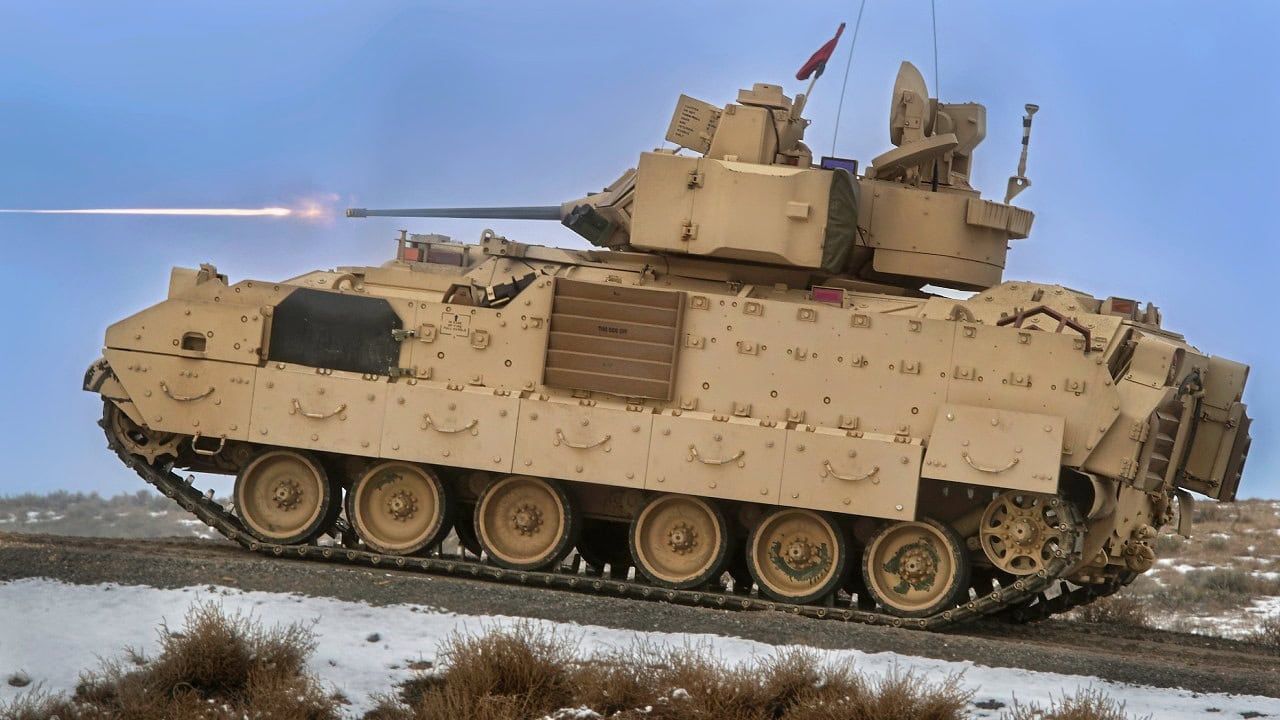
‘Pint-Sized Battlewagon’: How the Bradley Destroyed Iraqi T-72s in Desert Storm
As a light infantry officer in the U.S. Army, I never got the chance to serve on the Bradley Fighting Vehicle. But I did see this pint-sized battlewagon in action, and I was impressed. The Bradley is fast, and its firepower is immense. I was always surprised at how it hauled soldiers with ease and placed them on the battlefield at will.
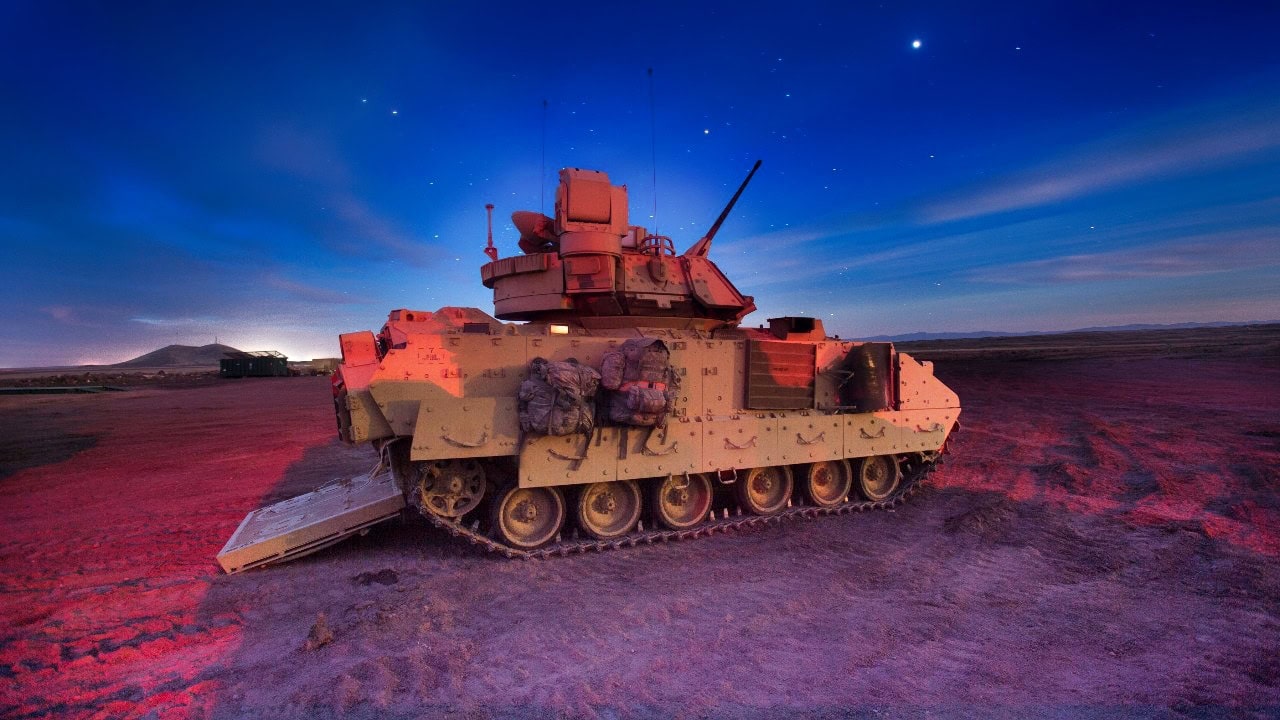
Engineers with the 116th Brigade Engineer Battalion conduct M2A3 Bradley fighting vehicle gunnery qualification on March 27, 2018, Orchard Combat Training Center, south of Boise, Idaho. Combat engineers with the 116th BEB trained through gunnery table XII, evaluating their ability to execute collective platoon-level tasks in a tactical live-fire environment; including integrating dismounted soldiers with their assigned BFV. (U.S. Army National Guard photo by 1LT Robert Barney)
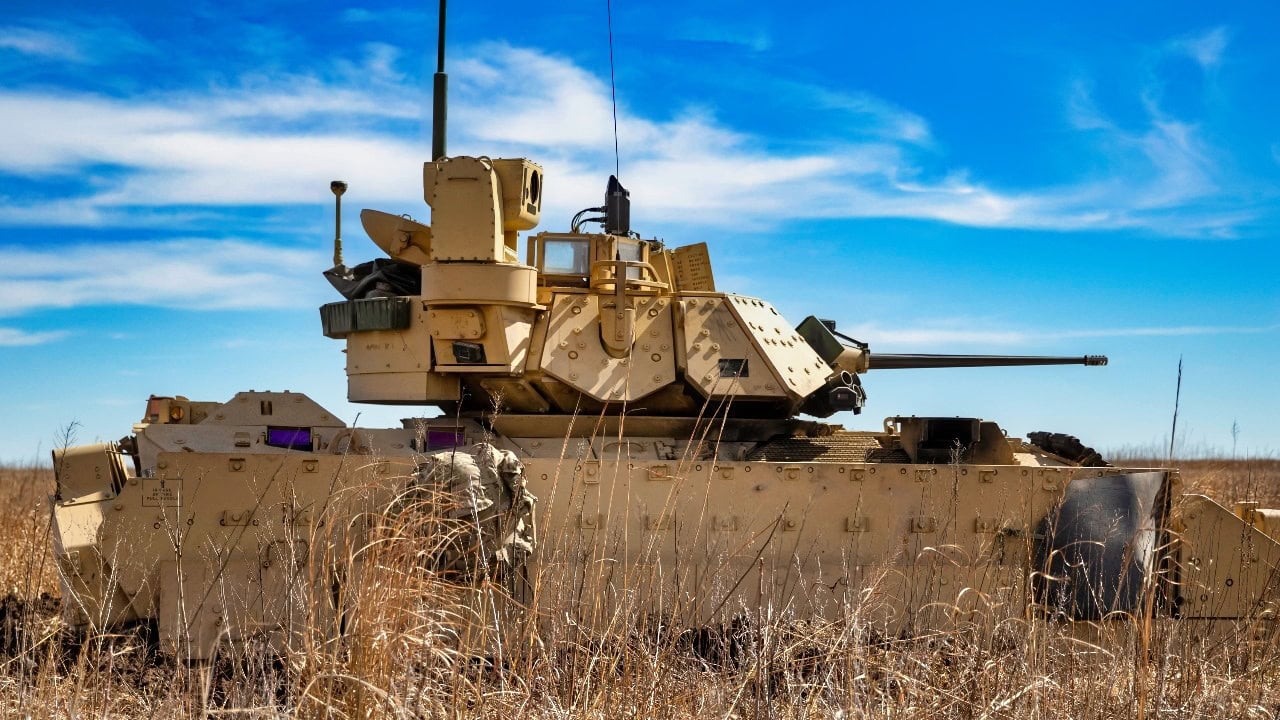
U.S. Army Soldiers with the 3rd Battalion, 66th Armored Regiment, 1st Infantry Division, participated in a battalion wide training event consisting of attacking and defending Bradley Fighting Vehicles and M1 Abrams Main Battle Tanks, on Fort Riley, February 4, 2024. The defending teams dug hasty trench defenses to further conceal and provide cover for their tanks. (U.S. Army Photo by Spc. Kenneth Barnet)
Teaching Saddam Hussein a Lesson
The Bradley was especially effective during Operation Desert Storm. As hard as it is now to remember, before the First Gulf War, victory against Saddam Hussein’s hordes was not certain. Saddam promised the mother of all battles. He had great numbers of troops, many of whom had combat experience during the Iraq-Iran war. The Iraqis were outfitted with Soviet-era equipment. Some of it was outdated, but there were legions of tanks and armored personnel carriers.
The Bradley and M1 Abrams Make for a Dominant Team
The Bradleys were going to have to use their M242 Bushmaster 25-mm chain gun and TOW missiles to full effect. They would have to run fast and deep into Iraqi territory and make sure dismounted fighters were protected when the vehicle was in overwatch. Bradleys and M1 Abrams tanks would have to work seamlessly together, day and night. The Bradley also served as a reconnaissance vehicle during Operation Desert Storm.
The “Brads” proved their worth against the Iraqis. They goosed armored columns with bursts of speed and took out many enemy tanks and armored personnel carriers. During the Battle of 73 Easting, Bradleys took out a high number of Iraqi T-72s at close range. These infantry fighting vehicles were instrumental in turning Desert Storm into a short, decisive, turkey shoot of a war.
Four Decades of Exemplary Duty
The Bradley has been in action for more than 40 years. There are two models: The M2 is optimized for hauling infantry fighters, while the M3 is geared for armored cavalry intelligence and reconnaissance missions. They entered service in 1981 after emerging as part of the so-called revolution in military affairs that began in the late 1970s.
They were designed to work closely with the M1 Abrams main battle tank, which was one of a bevy of new weapon systems, such as the Apache attack helicopter and the Patriot air-defense system, all of which were active during Desert Storm.
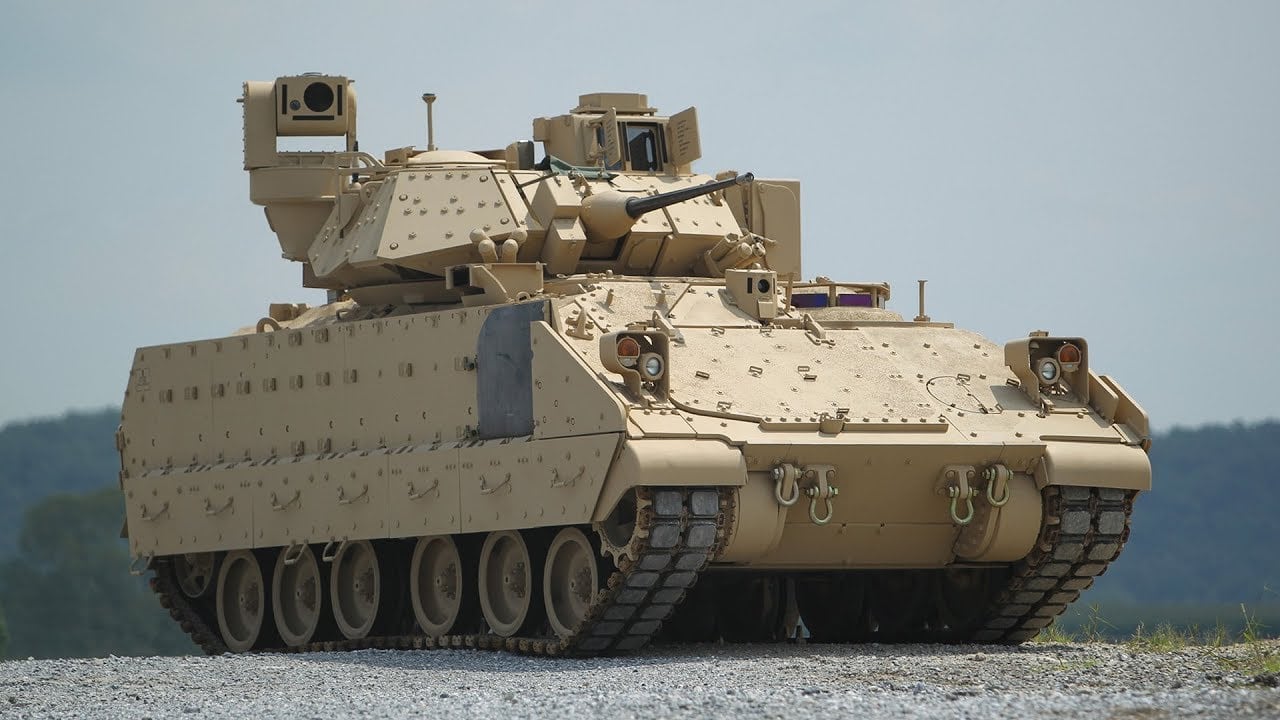
M2 Bradley
Build Back Better on the M113 APC
The Bradley was designed as an upgrade over the M113 armored personnel carrier, which lacked sufficient firepower and was susceptible to enemy landmines. Soldiers in Vietnam often placed sandbags on top of the M113 and took their chances riding up high.
The M113 could carry 11 soldiers, though, so it was a useful combat asset. It could create strength in numbers, move fairly fast, and get fighters to combat zones quickly.
Soviets Brought the BMP Into Service
In 1967, the Soviet Union brought the BMP-1 into active duty; this platform was part tank and part infantry fighting vehicle. Knowing that the Russians likely had a hit on their hands, there were calls for the Army to produce something similar.
“The ‘Casey Board,’ a committee created by the Army Vice Chief of Staff to refine requirements for the MICV program, recommended the development of a vehicle with a two-man turret, cannon, coaxial machine gun, and nine-person troop carrying capacity. FMC then presented the army with another variation of the M113. It weighed in at 15 tons, but had an improved engine, armor, turret-mounted cannon, gunports, and a nine-person troop carrying capacity,” according to a historical case study conducted by the University of Maryland.
Long Journey of Good and Bad Testing Results
Live fire testing occurred throughout the 1980s. The Army used the Aberdeen Proving Ground in Maryland to test whether the Bradley could live up to expectations. However, there was concern that troops riding inside could be overcome by hits to the vehicle’s exterior. The survivability tests became publicized, Congress moved in for more oversight, and the Bradley was redesigned to better protect soldiers on board.
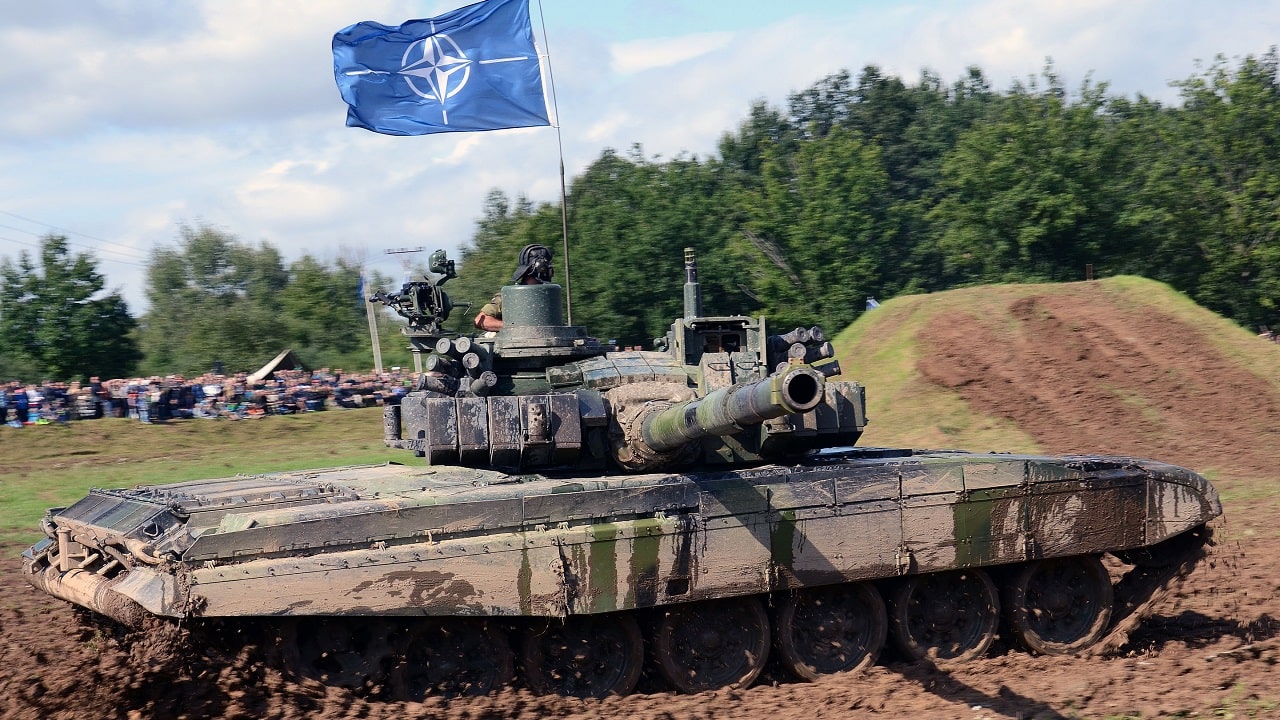
T-72 Tank. Image Credit: Creative Commons.
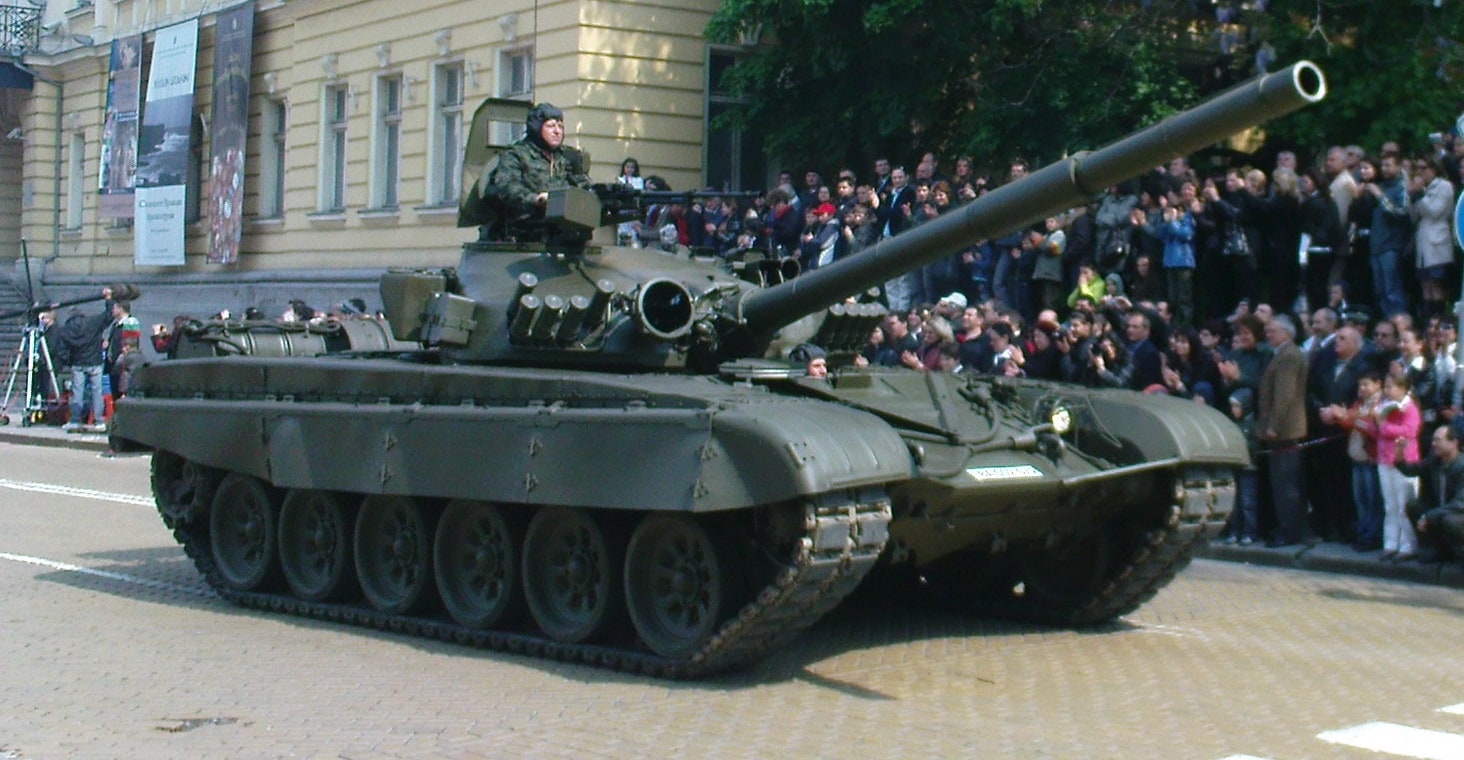
T-72M2 tank on Army day parade in Sofia.
More live fire tests ensued, with some Army officers concerned that the Bradley would find itself in danger of friendly fire from other APCs and Abrams tanks. This was indeed a problem in Desert Storm, but it was later mitigated.
A Dependable Platform for Excellent Upgrades
The Bradley has been greatly improved since the First Gulf War. “[They] are also equipped with GPS; flat display panels for the commander, driver, and troops; improved ammunition storage; an automatic fire detection and suppression system; and a central biological weapons protective suite. A3 Bradleys have a thermal imaging system for precise, heat-based targeting, as well as a sophisticated digital command and control (C3) system for integrating vehicle communications, fire control, and combat identification systems,” the University of Maryland explained.
The XM30 Mechanized Infantry Combat Vehicle is planned to replace the Bradley. The XM30 is close to full prototype construction, which means the Bradley’s retirement is drawing near.
The Future of the Bradley
I still see a role for the Bradley as a training vehicle to prepare drivers and infantry squads to rehearse mechanized warfare—especially National Guard units. These reserve soldiers can still practice gunnery, especially with the TOW anti-tank missiles. Numerous state National Guard soldiers will have the Bradley as their main armored vehicle.
For now, the Bradley can serve in armored cavalry regiments until the XM30 is ready. I like the scouting capabilities of the cavalry model.
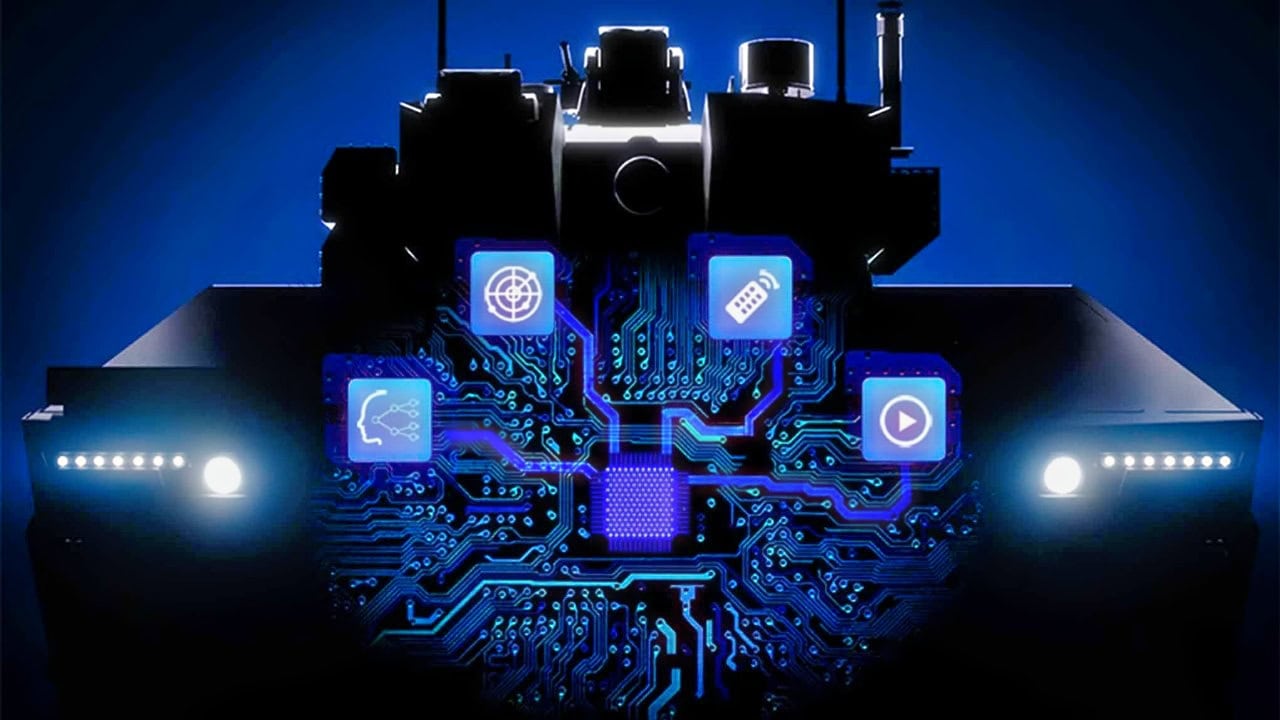
XM-30 Image. Defense Contractor Handout.
Surplus Bradleys can be exported to allies as well. The Ukrainians have put Bradleys to good use in armored battles against the Russians. Other NATO member-states could make the Bradley their main armored personnel carrier. Taiwan would be another export possibility, as the Brad would match up well against Chinese tanks and APCs during an invasion.
About the Author: Brent M. Eastwood
Author of now over 3,000 articles on defense issues, Brent M. Eastwood, PhD is the author of Don’t Turn Your Back On the World: a Conservative Foreign Policy and Humans, Machines, and Data: Future Trends in Warfare plus two other books. Brent was the founder and CEO of a tech firm that predicted world events using artificial intelligence. He served as a legislative fellow for US Senator Tim Scott and advised the senator on defense and foreign policy issues. He has taught at American University, George Washington University, and George Mason University. Brent is a former US Army Infantry officer. He can be followed on X @BMEastwood.