
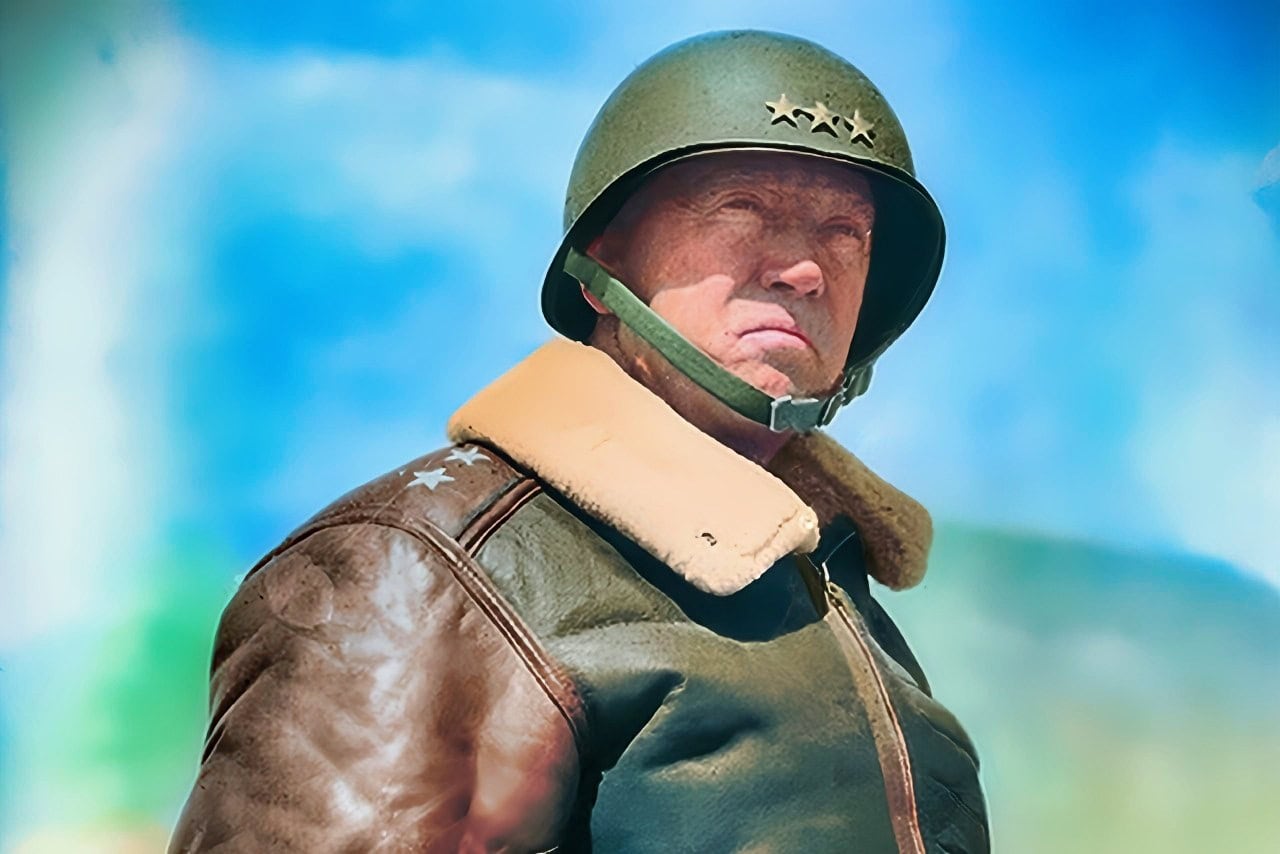
Summary and Key Points: The quote attributed to Gen. George S. Patton—“Prepare for the unknown by studying how others in the past have coped with the unforeseeable and the unpredictable”—frames his worldview as disciplined learning in the face of uncertainty.
-Beyond Patton’s battlefield legend, the biographical thread here emphasizes an upbringing marked by indulgence and attention, followed by an adult personality that demanded center stage.
-That tension carried into family life, where his strict, drill-sergeant approach shaped how he treated his children and even ordinary games.
-The line’s staying power is its portability: it has been invoked in finance, insurance, and religious teaching as a general-purpose strategy for managing risk when outcomes cannot be controlled.
Patton’s “Prepare For The Unknown” Quote Still Nails Modern Uncertainty
Military quote of the day: “Prepare for the unknown by studying how others in the past have coped with the unforeseeable and the unpredictable”- General George S. Patton
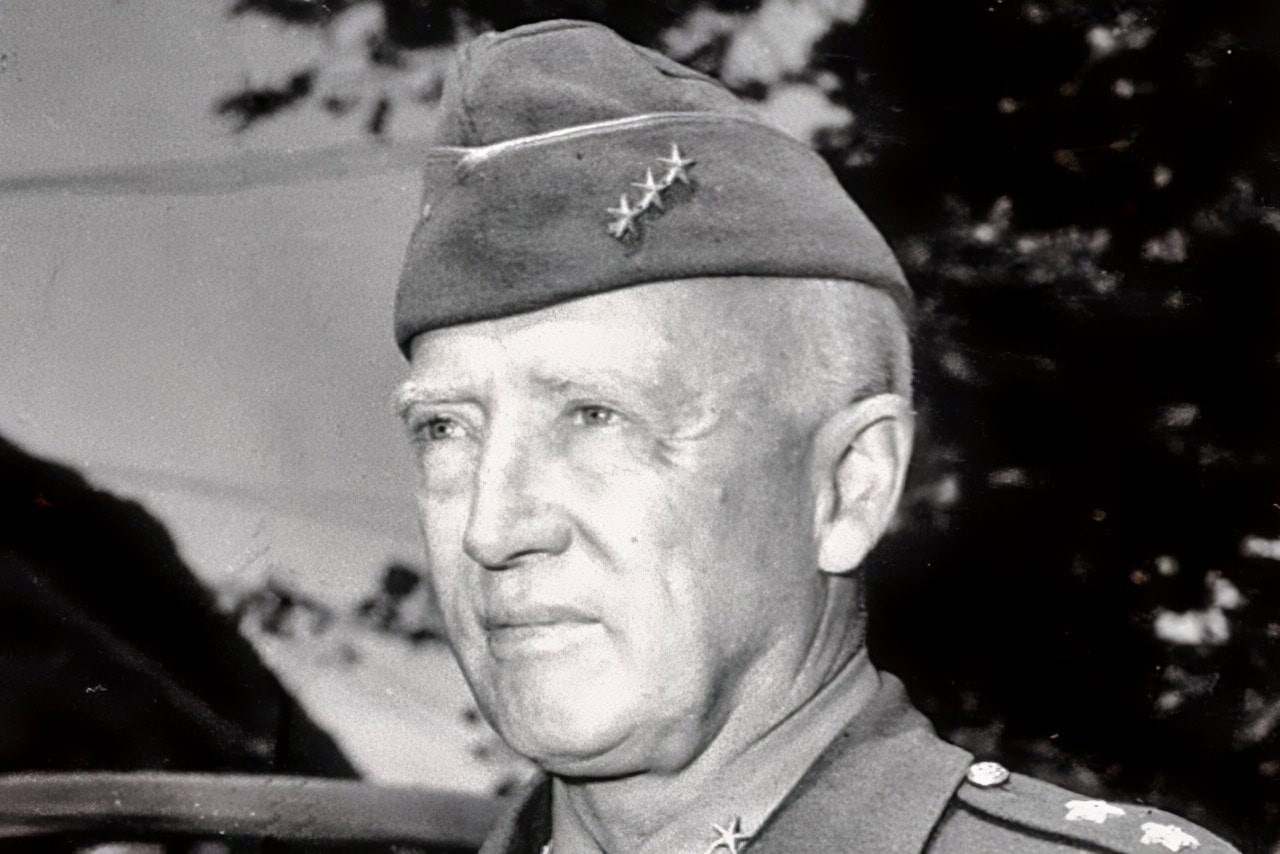
George S. Patton Quote of the Day. Creative Commons Image.
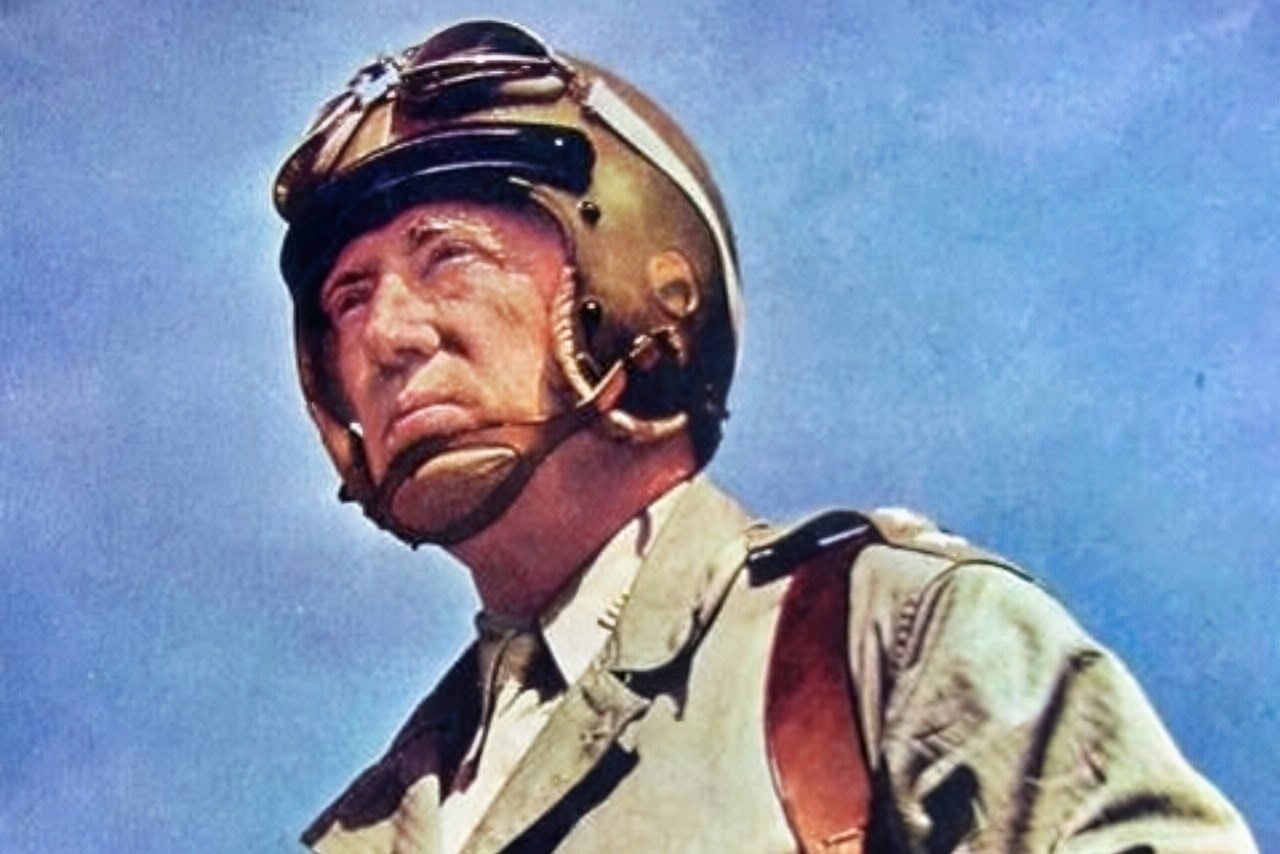
General George Patton of the U.S. Army. Image Credit: Creative Commons.
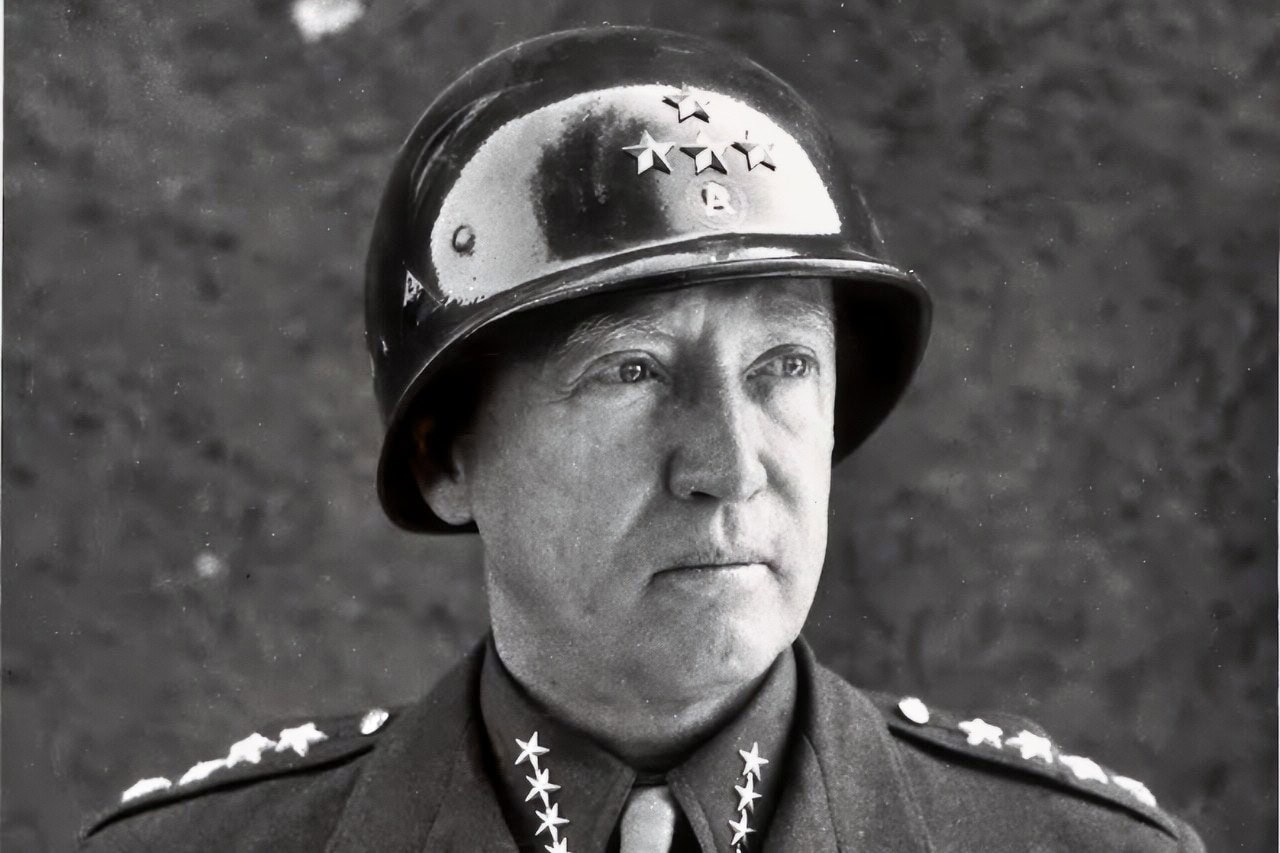
U.S. Army General George Patton
Much is known about General George S. Patton’s exploits in World War II, both positive and negative. But much less a part of that lore is Patton’s upbringing. The Patton movie, for one thing, left that out.
George S. Patton was born in November 1885 in San Gabriel, Calif. His father’s name was also George; his maternal grandfather was an early mayor of Los Angeles, while his paternal grandfather had been a colonel in the South during the Civil War. Patton’s sister was at one point engaged to Patton’s mentor, Gen. John J. Pershing, but the two did not end up marrying.
A Warfare History Network article from 2019 looked at Patton’s early years in California.
General Dreams
Per the article, written by Duane Schultz, George Patton wanted to pursue a military career from a young age.
“When I was a little boy at home, I used to wear a wooden sword and say to myself, ‘George S. Patton, Jr., Lieutenant General,’” he once said.
Despite “missteps and setbacks along the way, mostly of his own making,” Patton’s childhood dream came true.
“I must be the happiest boy in the world,” Patton reminisced at one point.
In 1894, when he was eight years old, Patton wrote a letter to his father, stating, “I miss you very much, dear Papa, and I hope you will come home soon.” That letter was put up for auction in 2024.
According to the description in that letter, “his family had moved from Los Angeles to Lake Vineyard, a large landholding in San Gabriel, California, where they grew oranges, operated a winery, and raised other crops.”
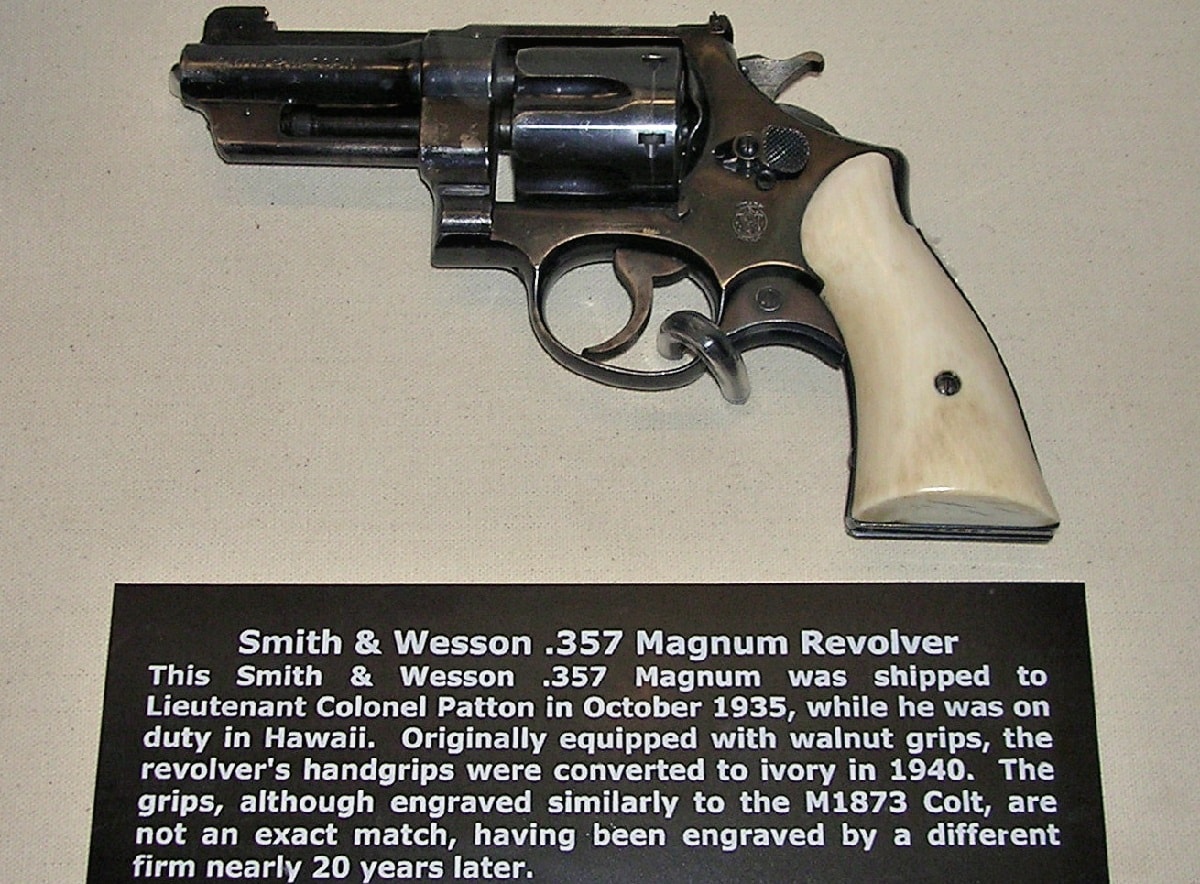
Patton’s well-known custom ivory-handled revolver.
His parents, the Warfare History Network account said, had “a sole mission in life [that] seemed to be to spoil the boy, rarely to punish or chastise him for his behavior.” And an aunt, who lived with the family, “never allowed anyone to criticize him or tell him he had done wrong. So thanks to her domination of the Patton family, the youngster pretty much got away with everything.”
The future general got not one but two horses when he was just 10 years old.
Patton went first to Virginia Military Institute, and later to the United States Military Academy, from which he graduated in 1909. That aunt, along with Patton’s mother, even moved with him to West Point during his time as a cadet.
“No wonder he was used to being the center of attention and seemed to need to recreate this role for the rest of his life,” the account adds, offering a bit of psychoanalysis.
There was “something arrogant and aristocratic” about Patton, British military historian Charles Whiting wrote about the general.
This continued when Patton became a father.
Patton as a Dad
“But when that role [as center of attention] was threatened, no matter the source—or his age—he grew surly, angry, even depressed,” Schultz writes of the general. “When his wife, Beatrice, gave birth to their first child, Patton was 26 years old but found it difficult to play second fiddle when Bea had to devote time to the baby. He became jealous and resentful of the child who, worse to him, was a girl and not the son he hoped for.”
That didn’t change with his subsequent children.
“Another daughter followed, then a son, but he never got along well with the girls; in addition to not being boys, they diverted the limelight from him,” Schultz wrote. “He even told his wife, in front of the children, ‘How did such a beautiful woman like yourself ever have two such ugly daughters?’”
However, Patton didn’t give his children the same coddled childhood that he had himself enjoyed in California.
“Patton was a strict disciplinarian, even with sports and games. He once tried to teach the children to play tennis, treating them as though they were privates undergoing basic training in the Army,” the Warfare History Network account said.
“The girls swore to each other that they would never play tennis again. When he tried to teach one daughter how to ride a horse, he yelled at her to get off so he could show her how it was supposed to be done. As he rode off, she was overheard to say, ‘Dear God, please let that son-of-a-bitch break his neck.’”
Patton, ironically, did indeed break his neck in the car accident in late 1945 that led to his death.
And when Patton’s son, also George, was accepted to West Point himself, Patton wrote him a note that said, “We are really proud of you for the first time in your life. See to it that we stay that way.”
The Quote: Preparing for the Unknown
One quote often attributed to Patton is “prepare for the unknown by studying how others in the past have coped with the unforeseeable and the unpredictable.”
It’s kind of unclear when, exactly, George Patton said this, although many of the general’s famous quotes were said by him, in different versions, various times.
In recent years, though, the quote has been applied to all sorts of things beyond the military.
The Federal Reserve of New York, in 2021, applied the quote to the topic of Treasury market reform. It’s been used, on more than one occasion, to push the idea of buying life insurance.
Churches have been known to use the quote as well.
“General Patton once said, ‘Prepare for the unknown by studying how others in the past have coped with the unforeseeable and the unpredictable,’” the Church of God writes in an article on its website. “In his lifetime, Patton dealt with the unknown frequently. In World War I, he was one of the pioneers for what was (at the time) the revolutionary technology of the tank. Between the wars, he advocated the use of tanks and continued to pioneer their use.’”
“Patton’s method for handling difficulties was looking at the past and learning from those who have gone before us. This is also the advice that we are given in the Bible.”
About the Author: Stephen Silver
Stephen Silver is an award-winning journalist, essayist, and film critic, and contributor to the Philadelphia Inquirer, the Jewish Telegraphic Agency, Broad Street Review, and Splice Today. The co-founder of the Philadelphia Film Critics Circle, Stephen lives in suburban Philadelphia with his wife and two sons. For over a decade, Stephen has authored thousands of articles that focus on politics, national security, technology, and the economy. Follow him on X (formerly Twitter) at @StephenSilver, and subscribe to his Substack newsletter.