
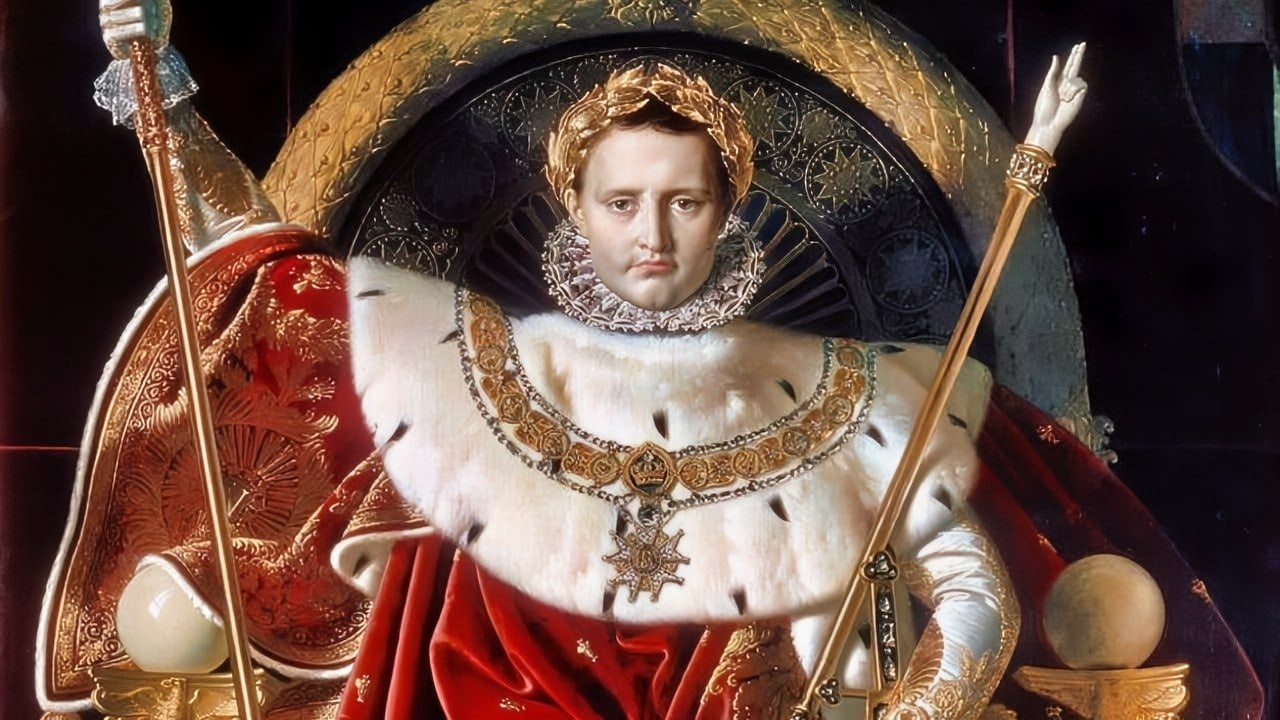
Army Quote of the Day: Summary and What You Need to Know – Napoleon Bonaparte’s military genius centered on his ability to “control chaos” through the corps d’armée system.
-By organizing his forces into autonomous, combined-arms units of infantry, cavalry, and artillery, he achieved a level of tactical flexibility that allowed him to strike decisively while his enemies remained paralyzed by the “fog of war.”
-Napoleon leveraged leadership charisma and soldier morale to ensure his men thrived in the uncertainty of battle.
-From his beginnings as a Corsican artillery specialist to his rise as First Consul, his masterful use of combined arms and the central position redefined modern maneuver warfare.
How Napoleon’s “Corps” Doctrine Invented the Modern Combined-Arms Warfare Blueprint
“The battlefield is a scene of constant chaos. The winner will be the one who controls that chaos, both his own and the enemies.” -Napoleon Bonaparte
Napoleon realized that combat enters into a condition known as the “fog of war.” This is where mass confusion prevails, and it is difficult to discern what is occurring during the battle. Napoleon, of course, had little situational awareness when fighting occurred during that era.
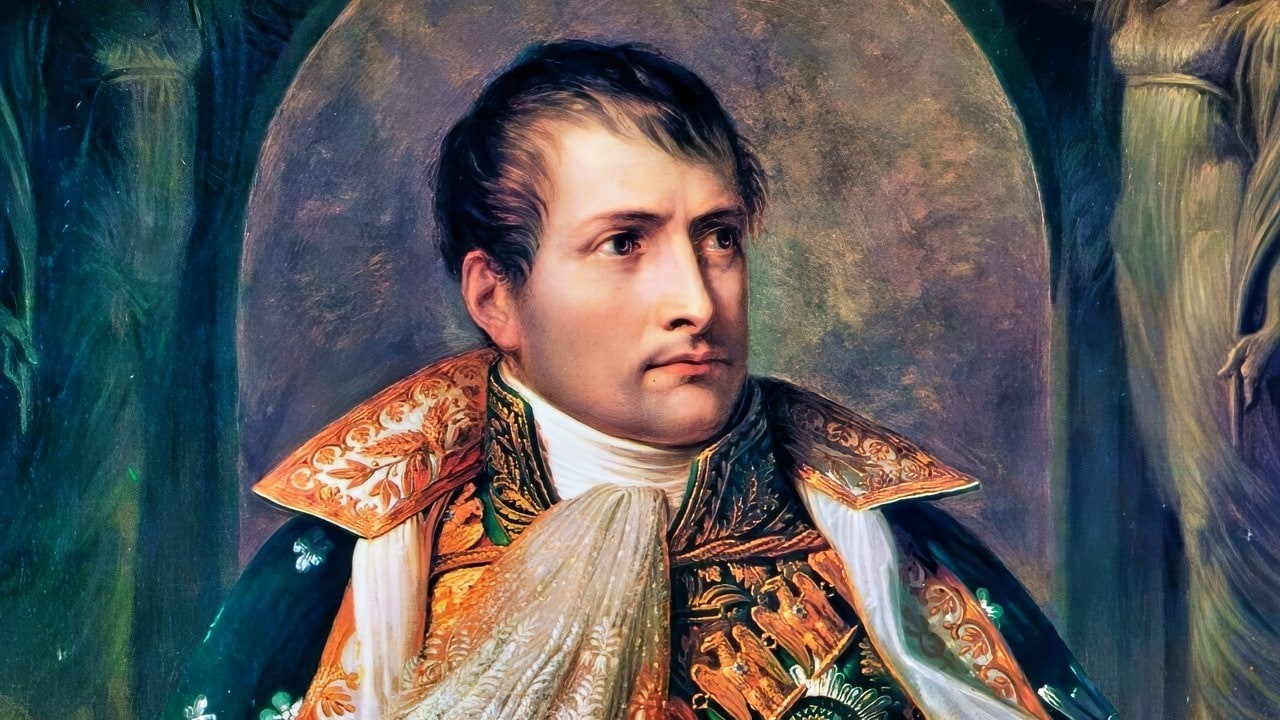
Napoleon Painting. Image Credit: Creative Commons.
There was no system to collect automated intelligence, surveillance, and reconnaissance data. He had to depend on a group of messengers from various generals to communicate developments in combat. Napoleon was forced to grant his subordinates considerable latitude in commanding combat teams.
Napoleon Saw Through the Fog of War
The commander who can manage the chaos of battle will be victorious. The fog of war occurs rapidly. Napoleon relied on surprising the enemy and securing his formations during movement.
Napoleon was able to surprise his opponents and use feints to create a tactical advantage, striking when the enemy least expected it.
He Used His Charisma and Leadership Skills to Control Chaos
He knew that the superior force did not guarantee success. Napoleon sought to ensure his soldiers had higher morale than the enemy. The commander who could create confidence in his men would be victorious. Enemy fighters would then become insecure and lack the will to fight. Napoleon, through sheer force of his personality and charisma, could get his combatants to manage the fog of war and win ultimate victory.
Sometimes chaos would lead to unexpected outcomes that would throw Napoleon’s forces into disarray. But the supreme commander’s confidence in his generals and their underlings never wavered.
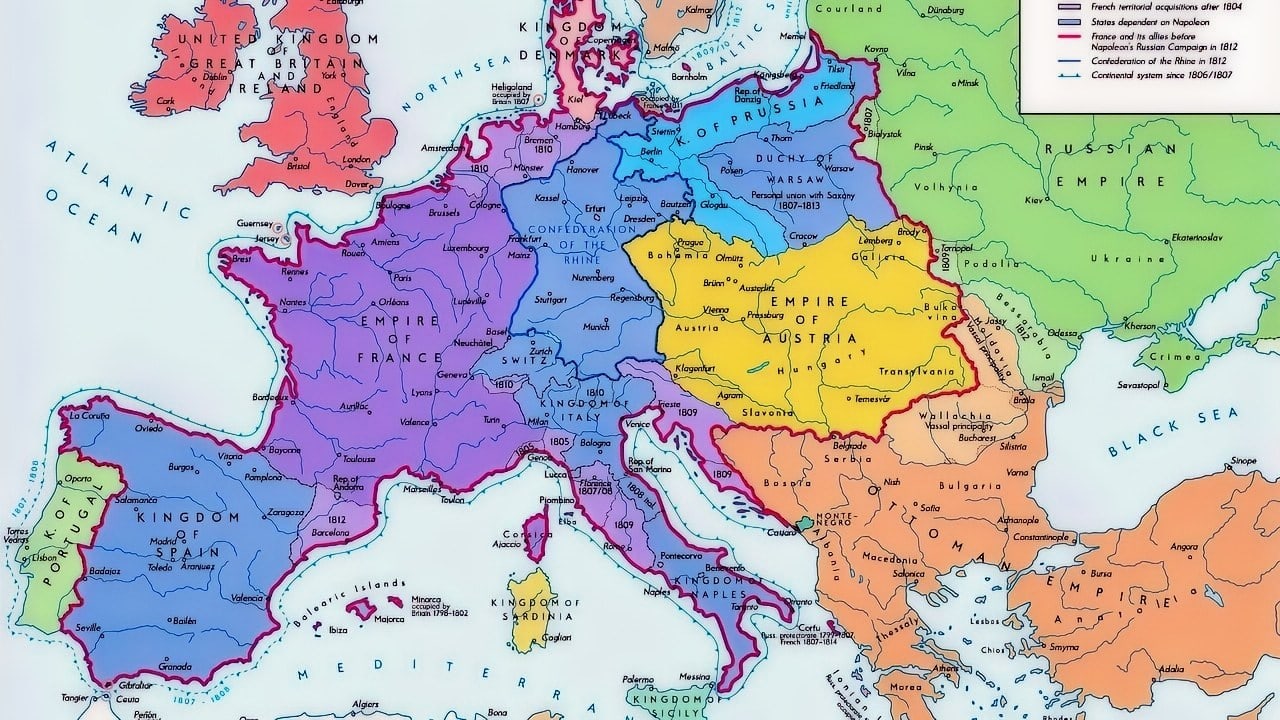
Map of Napoleon’s Empire. Image Credit: Creative Commons.
Fighting Blind Without Effective Intelligence
There could also be a breakdown in intelligence collection and sharing. This would occur when scouts, frontline skirmishers, and sharpshooters entered a period in which they could not see the enemy due to the smoke from the guns. Cavalry could become confused and not know when and where to pursue the enemy.
This realm of uncertainty could lead to the failure of prior plans. Napoleon knew that if he gave his subordinate commanders room to make their own decisions, he could extricate himself from the most difficult military situations.
A True Adherent to Combined Arms Doctrine
One way Napoleon managed chaos was through a concerted, combined-arms approach to warfare. His deployment of artillery was masterful. He kept the cavalry in reserve to attack when his infantry punched holes in enemy lines. This became known as the Napoleonic “corps” approach, in which he fielded combat teams with their own combined-arms forces of infantry, cavalry, and artillery.
He allowed the infantry to be flexible and maintained a “central position,” much like a chess player controls the center of the board. This allowed commanders to penetrate the enemy’s front lines with a large force of fighters when they had the advantage.
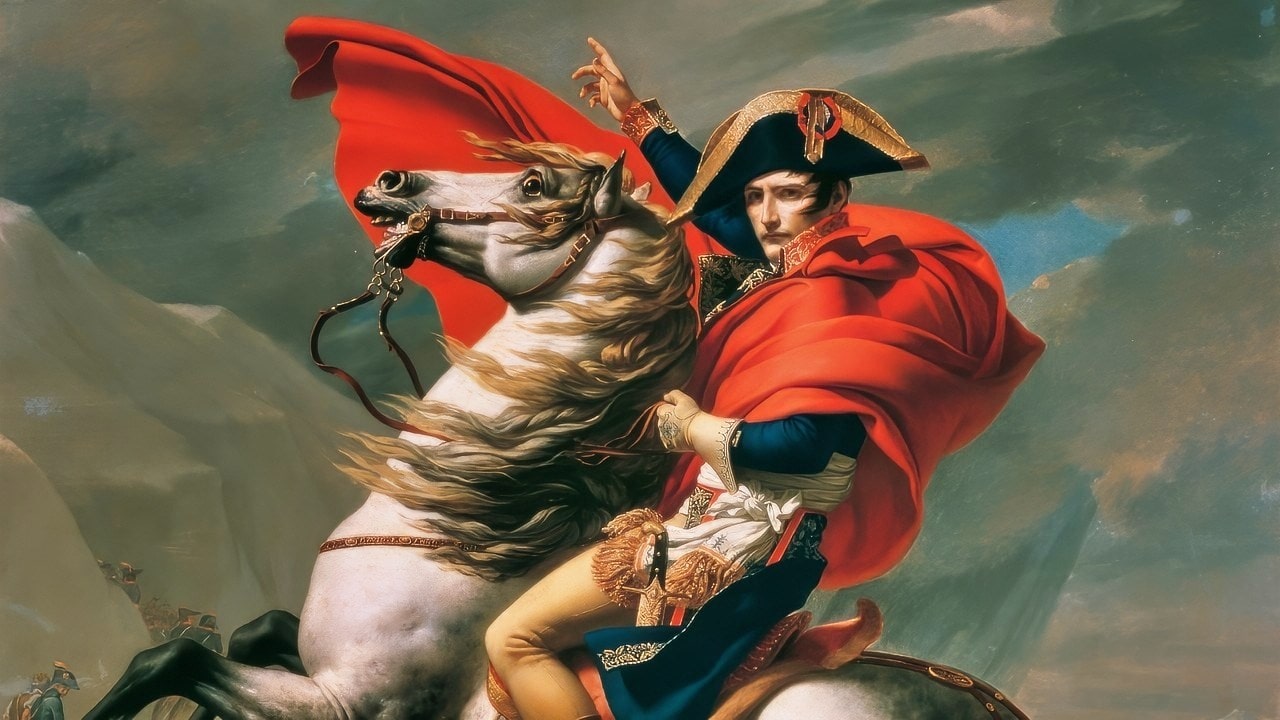
Napoleon Bonaparte. Image Credit: Creative Commons.
The Early Days of Napoleon
Napoleon was born in Ajaccio, Corsica, on August 15, 1769. His father was a minor member of the nobility. In 1774, at age 5, he was sent to a boarding preparatory school. He learned French there. His father and Napoleon left for France in 1778. Napoleon entered school and improved his French language skills.
He was admitted to the Royal Military Secondary School in Brienne, equivalent to the seventh grade. He did well there and was named a King’s scholar. Napoleon later attended the École Militaire, France’s principal military academy, and graduated in 1785. He became an artillery officer – a branch that would serve him well later as a military commander. He was commissioned as a second lieutenant in the French army.
Napoleon Gets Bitten By the Political Bug
He served throughout the French Revolution, although he took no part in it and remained mainly in Corsica, usually taking time off from active service. There, he became fascinated by the Jacobins – a pro-democracy political faction. This led Napoleon to fall out of favor with the nationalist Corsican governor, Pasquale Paoli. Napoleon hastily returned to France.
There he met Augustin Robespierre, the brother of revolutionary Maximilien Robespierre. Then the Reign of Terror happened. Napoleon took advantage of these political connections and was promoted to brigadier general since he was seen as a loyalist to the revolution.
Then Napoleon’s luck ran out. Maximilien Robespierre lost power and was executed. Napoleon was placed under house arrest.
Napoleon Shows His Superiors that He Could Be Loyal and Effective
However, in 1795, his fortune changed. He helped suppress a rebellion by royalists who rose up against the revolutionary government. This set him apart, and he was regarded as an effective leader who demonstrated courage and the audacity to act. He was promoted to major general.
Subsequently, Napoleon benefited from developments that favored his future. The revolutionary government engaged in confrontations with foreign nations. His superiors wanted Napoleon to attack Great Britain. Napoleon told his superiors that the British Royal Navy was superior to the French Navy and that it would doom any attacking force.
The Egyptian Campaign
Napoleon had a masterful idea.
He proposed that the French army attack the British in Egypt instead. This would destroy trade routes between the British and the Indians. Napoleon led his forces into North Africa and scored a rousing victory against the Mamluks at the Battle of the Pyramids in July 1798.
Due to a French naval loss to the British, Napoleon’s army was stuck in Egypt. So he decided to invade countries in the Middle East, like Syria. The offensive bogged down, and Napoleon opted to leave his army and return to France.
Taking Control of the Political Situation
The Revolutionary Directory recognized Napoleon as a young political leader with the ambition and cunning to assume power. Napoleon became First Consul – one of the top positions in government.
The other consuls then allowed Napoleon to take full reign of the military, and he went on to become one of the greatest generals of all time. He was able to master the fog of war and overcome chaos. This led to many more combat victories that remain significant.
About the Author: Brent M. Eastwood
Author of now over 3,000 articles on defense issues, Brent M. Eastwood, PhD is the author of Don’t Turn Your Back On the World: a Conservative Foreign Policy and Humans, Machines, and Data: Future Trends in Warfare plus two other books. Brent was the founder and CEO of a tech firm that predicted world events using artificial intelligence. He served as a legislative fellow for US Senator Tim Scott and advised the senator on defense and foreign policy issues. He has taught at American University, George Washington University, and George Mason University. Brent is a former US Army Infantry officer. He can be followed on X @BMEastwood.