
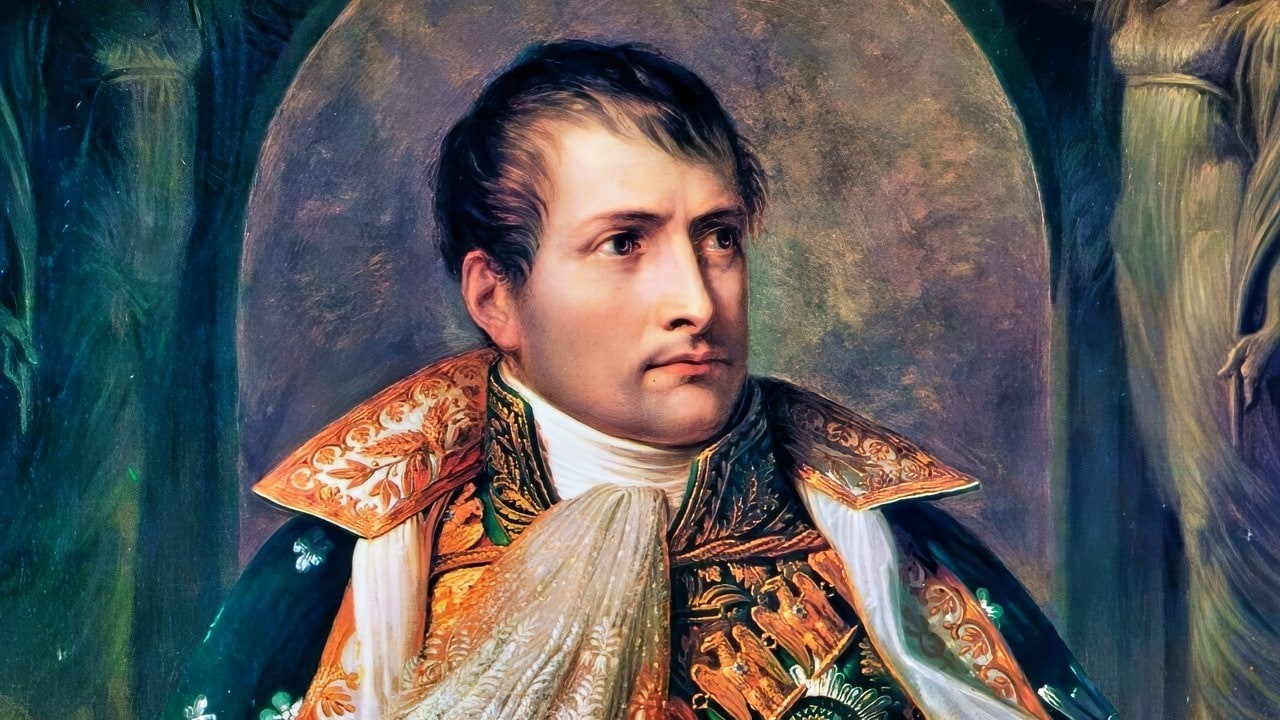
Synopsis: The quote often linked to Napoleon—an army of “lions” led by a “deer” cannot perform—captures a durable truth about combat power: leadership multiplies or wastes capability.
-Napoleon rose as Revolutionary France fielded large, motivated forces but suffered from unstable, politicized command and hesitant decision-making.
-His early successes showed what changed outcomes wasn’t better soldiers, but faster decisions, clear accountability, and competent execution.
-The piece argues the same dynamic is visible in Ukraine: Russia’s manpower and industrial advantages have been blunted by rigid structures and politicized leadership, while Ukraine’s decentralized initiative and rapid adaptation have generated disproportionate effectiveness.
Military Thought of the Day: Napoleon’s Lesson On Leadership Still Applies Today
“An army of lions commanded by a deer will never be an army of lions.” – Napoleon.
The quote, widely attributed to Napoleon Bonaparte, is sometimes invoked in modern discussions about military effectiveness and leadership failure.
While Napoleon did not coin the phrase in any formal treatise, the idea behind it closely reflects how he understood power, command, and institutional weakness during his rise in Revolutionary France.
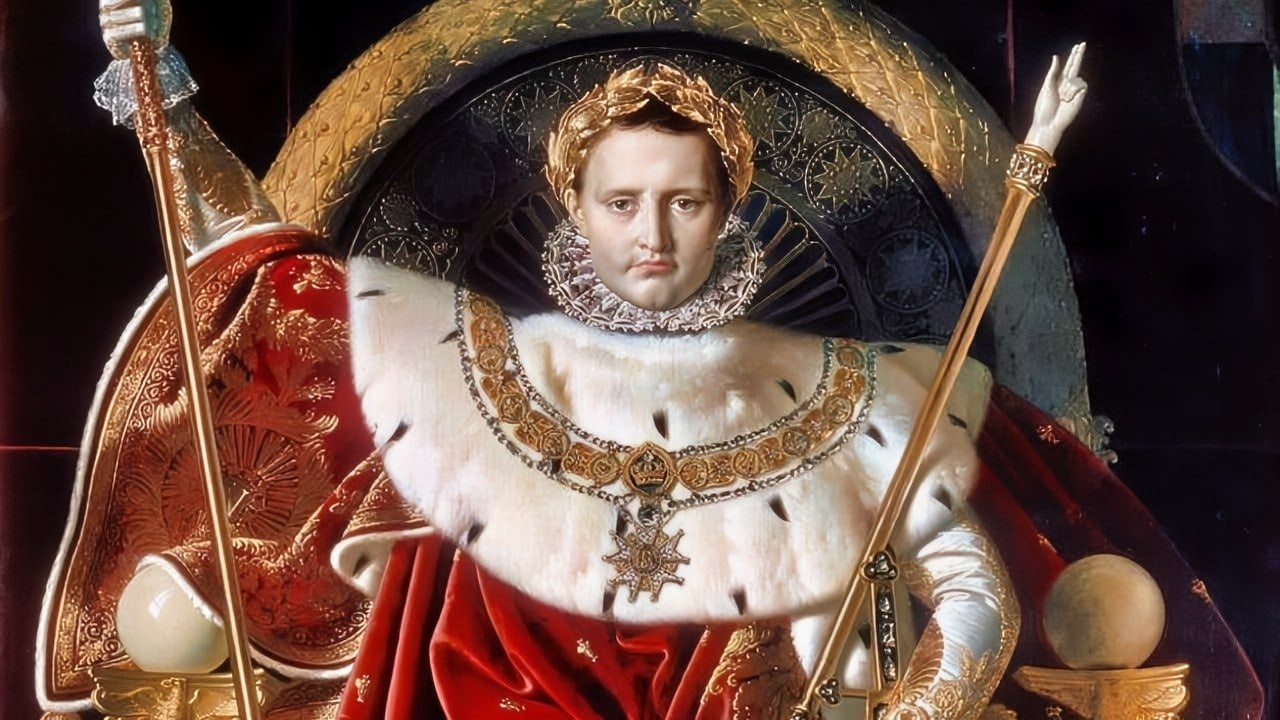
Napoleon the Emperor. Image Credit: Creative Commons.
Napoleon, as we know him, took power at a time when France possessed vast manpower but inconsistent leadership.
In the early 1790s, the French Revolutionary Army was large, motivated, and driven by ideological goals – but it was also poorly led. Senior officers were frequently appointed for political loyalty rather than competence, and command structures were unstable after the purge of aristocratic officials.
The result was an army that often failed to succeed, despite its numbers.
Napoleon’s rise was driven by his ability to reverse that dynamic and, by extension, France’s fortunes.
As a young artillery officer, he was known for being decisive and technically competent – and, notably, willing to take responsibility when others would not.
His success in the Siege of Toulon in 1793 and later during the Italian Campaign of 1796-97 showed how leadership could rapidly enhance the effectiveness of France’s existing forces without changing their composition.
What mattered most was not that Napoleon had better soldiers, but that he knew how to use the ones he had. He simplified decision-making, acted faster than his opponents, and made it clear who was responsible when things went wrong.
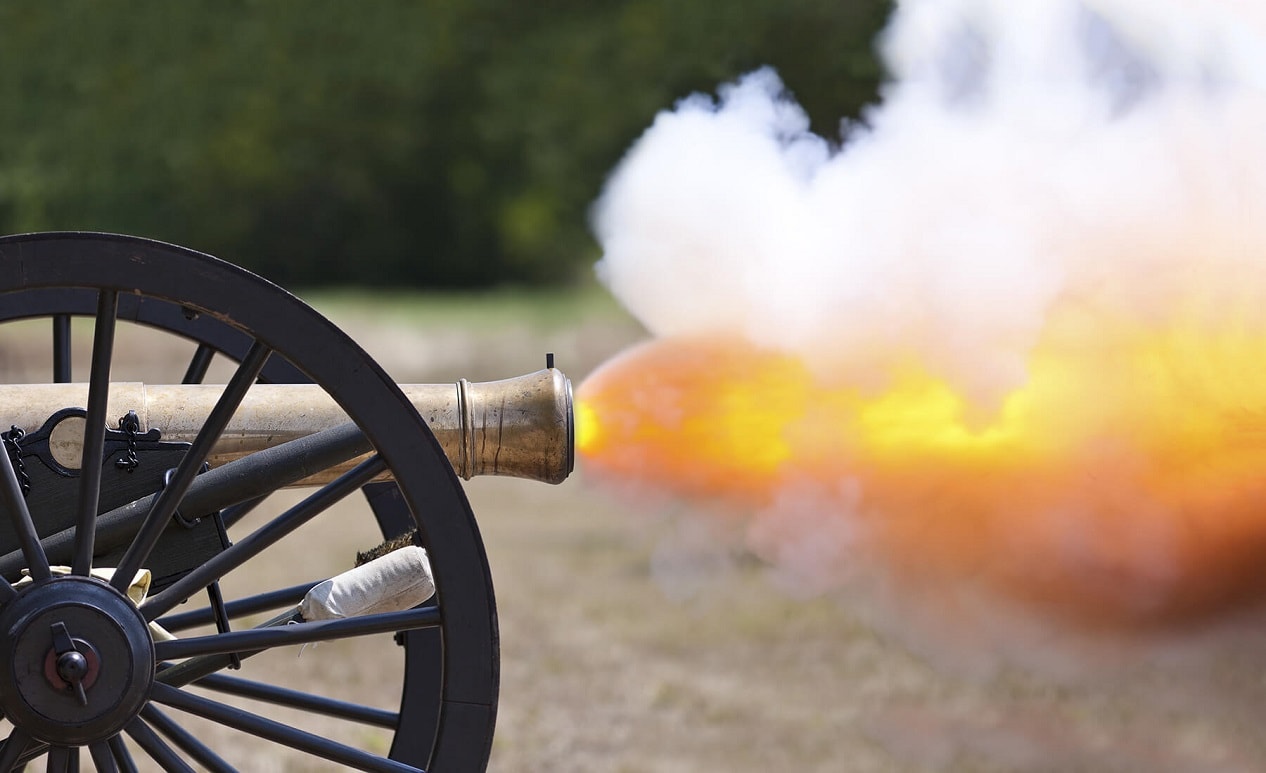
Cannon Firing. Image Credit: Creative Commons.
Soldiers understood their orders, trusted their commanders, and saw that their successes were rewarded. Failure, but in contrast, was addressed quickly.
That method stood in sharp contrast to the system Napoleon had inherited, in which hesitation by military leadership often left troops both exposed and demoralized.
In those conditions, even competent forces struggled to perform.
Napoleon and the Ukraine War
A similar dynamic has been unfolding in the Russian war against Ukraine.
Despite having greater manpower, artillery stocks, and industrial capacity, Russia has repeatedly struggled to translate those advantages into the kind of quick, decisive battlefield results that Moscow initially anticipated.
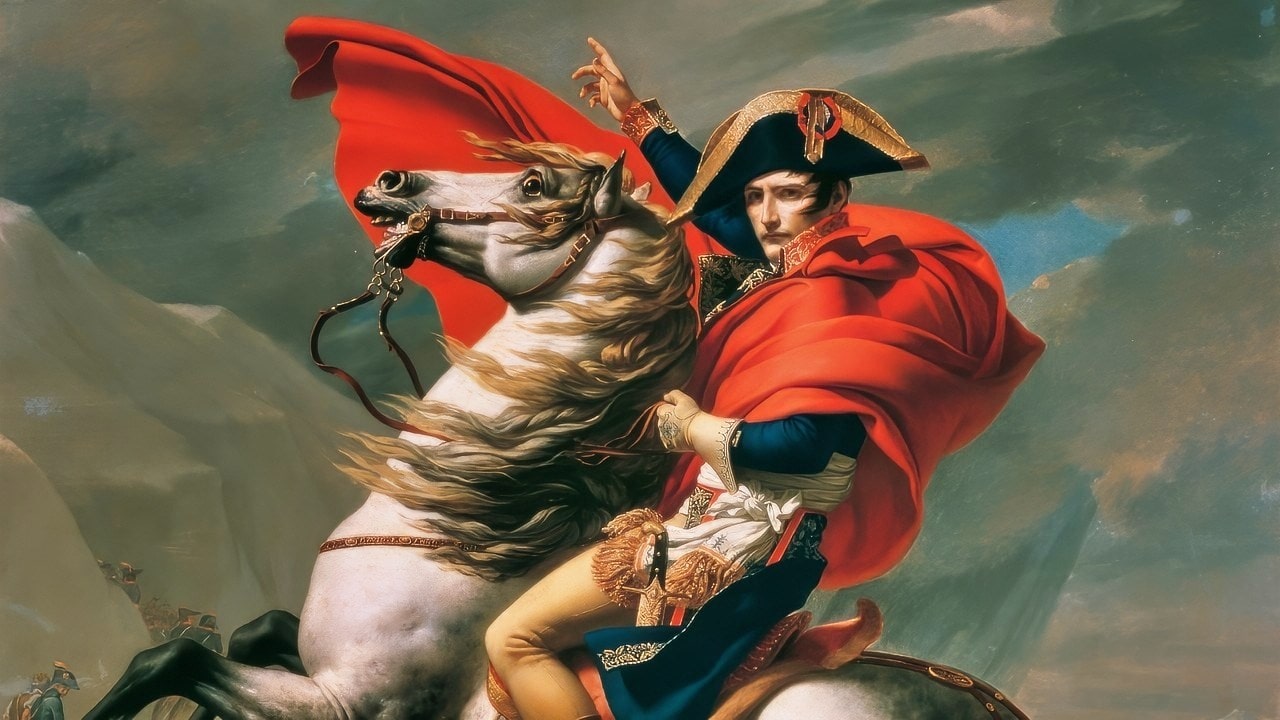
Napoleon Bonaparte. Image Credit: Creative Commons.
Russian units have faced rigid command structures, politically appointed generals, and a lack of empowered officers, which has all led to slow decision-making and high casualties.
Ukrainian forces, by contrast, have relied on a more decentralized command, initiative at lower levels, and rapid adaptation that has seen battlefield dynamics evolve dramatically.
That imbalance illustrates the same lesson Napoleon learned centuries earlier: numbers alone do not win wars.
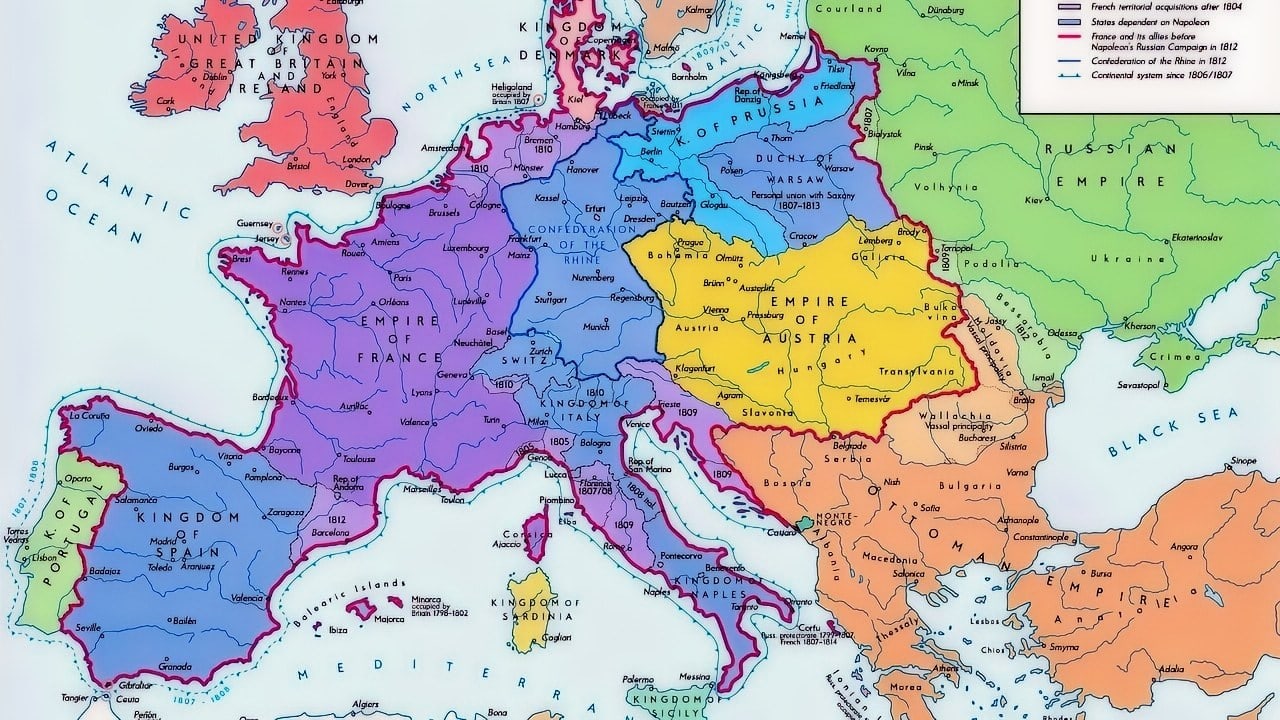
Map of Napoleon’s Empire. Image Credit: Creative Commons.
About the Author:
Jack Buckby is a British researcher and analyst specialising in defence and national security, based in New York. His work focuses on military capability, procurement, and strategic competition, producing and editing analysis for policy and defence audiences. He brings extensive editorial experience, with a career output spanning over 1,000 articles at 19FortyFive and National Security Journal, and has previously authored books and papers on extremism and deradicalisation.