
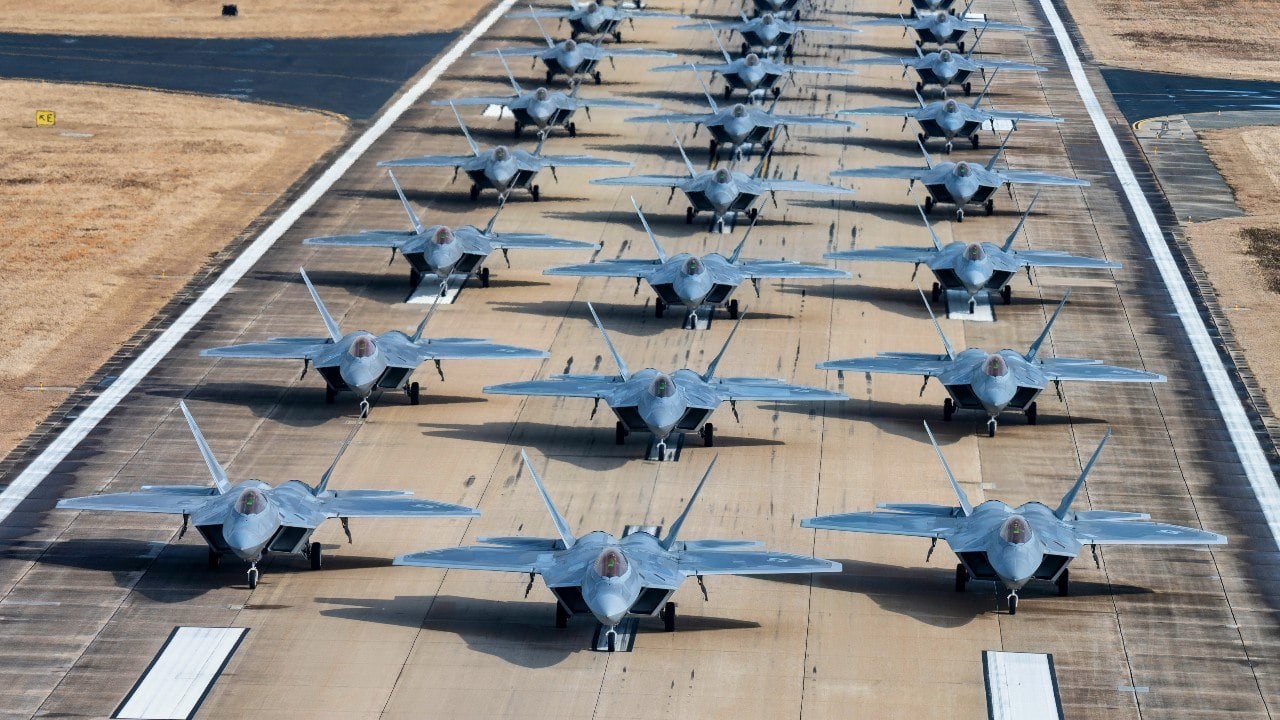
Synopsis: Marketed as the successor to S-400 Triumf, the S-500 is portrayed as a leap system built to detect low-observable aircraft with multi-frequency radar and advanced signal processing, while also tackling hypersonic and even low-orbit targets.
-Yet the narrative collides with its own constraints: timelines have slipped, the export footprint remains narrow, and reported early wartime use is framed as uneven—especially claims of failures to intercept incoming strikes and allegations that a key associated radar element was hit.
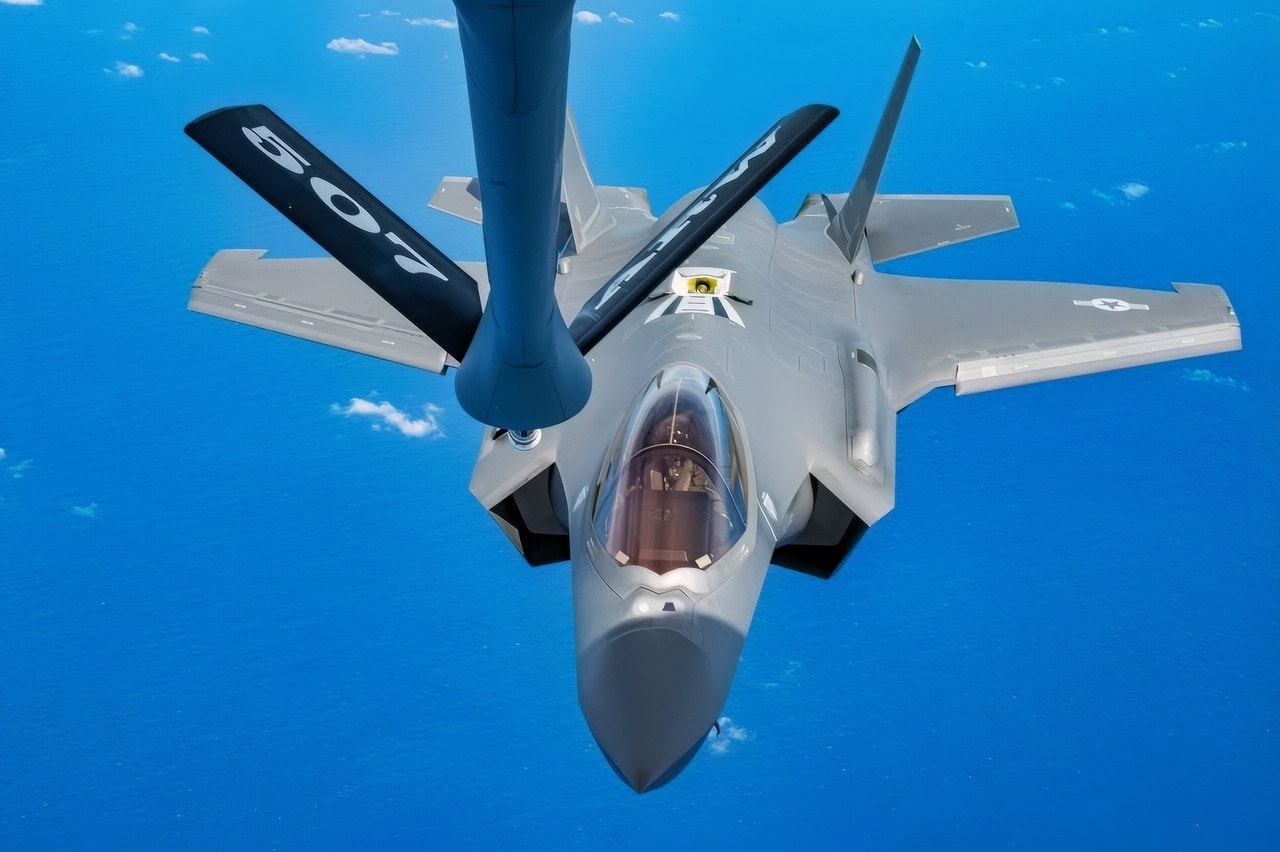
A U.S. Air Force F-35A Lightning II assigned to the 134th Fighter Squadron, Burlington Air National Guard Base, Burlington, Vermont is in pre-contact over the U.S. Indo-Pacific Command area of responsibility before receiving fuel from a U.S. Air Force KC-135 Stratotanker assigned to the 465th Air Refueling Squadron, Tinker Air Force Base, Oklahoma during exercise Cope North 2025, Feb. 7, 2025. The KC-135 provides the core aerial refueling capability for the U.S. Air Force and has performed this role for over 50 years. It provides aerial refueling to the U.S. Air Force, U.S. Navy, U.S. Marine Corps and allied nation aircraft during CN25 to support exercise operations. (U.S. Air Force photo by Staff Sgt. Caleb Roland)
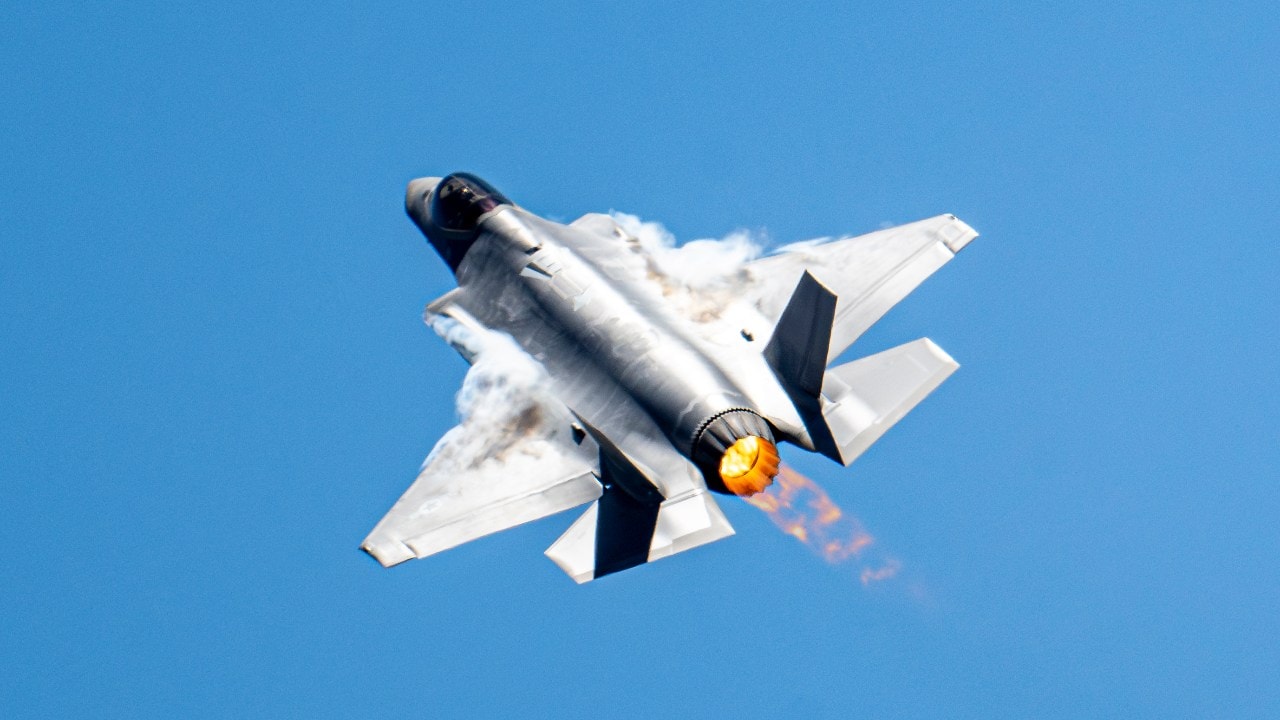
U.S. Air Force Maj. Melanie “Mach” Kluesner, pilot of the F-35A Demonstration Team, performs aerial maneuvers at the Wings and Eagles Airshow at Kingsley Field, Oregon, on July 19, 2025. The demonstration team travels across the country to showcase the power and precision of the world’s most advanced 5th-generation fighter jet. (U.S. Air Force photo by Senior Airman Nicholas Rupiper)
-The result is a widening gap between headline claims and hard proof.
S-500 vs. F-22 and F-35: Who Wins?
When it comes to Russia’s air defense systems, the Western media tends to focus on the S-400 Triumf. Turkey’s controversial purchase of the S-400 drew a lot of attention, as did Turkish strongman Recep Tayyip Erdogan’s petition to give those missiles back to Russia in an attempt to get back into America’s good graces and regain eligibility to purchase the F-35.
The S-500 Prometey (“Prometheus”), also known as the the 55R6M “Triumfator-M,” is the immediate successor to the S-400. And if Russia’s claims are to be believed, Erdogan may regret his change of stance—the Prometheus can kill not just the F-35 Lightning II, but also the F-22 Raptor. It would thus threaten to render obsolete the fleet of U.S. stealth fighters.
But are these claims realistic?
Bottom Line Up Front (BLUF): S-500 vs. F-22 and F-35
A key source for examining the Russian Defense Ministry’s claims about the S-500’s stealth-killing powers is an Army Recognition article published in August last year. To wit:
-“One of its most notable features is its ability to engage a wide variety of targets, including stealth aircraft, hypersonic missiles, and low-orbit satellites.” (Stealth-defeating claims aside, the latter two targeting capabilities are pretty noteworthy.)
-“The system’s ability to target stealth aircraft, such as the American F-22 Raptor and F-35 Lightning II, is particularly significant. The S-500 employs advanced radar technology that can detect low-observable aircraft, which are designed to evade traditional radar systems.
By using multiple radar frequencies and sophisticated signal processing, the S-500 can identify and track stealth aircraft, reducing their effectiveness in penetrating defended airspace”
-“In summary, the S-500 Prometheus is a formidable air defense system with the capability to detect, track, and engage a wide array of targets at various altitudes and ranges. Its advanced radar, missile technology, and ability to counter stealth aircraft and hypersonic threats make it a significant asset in modern military defense.”
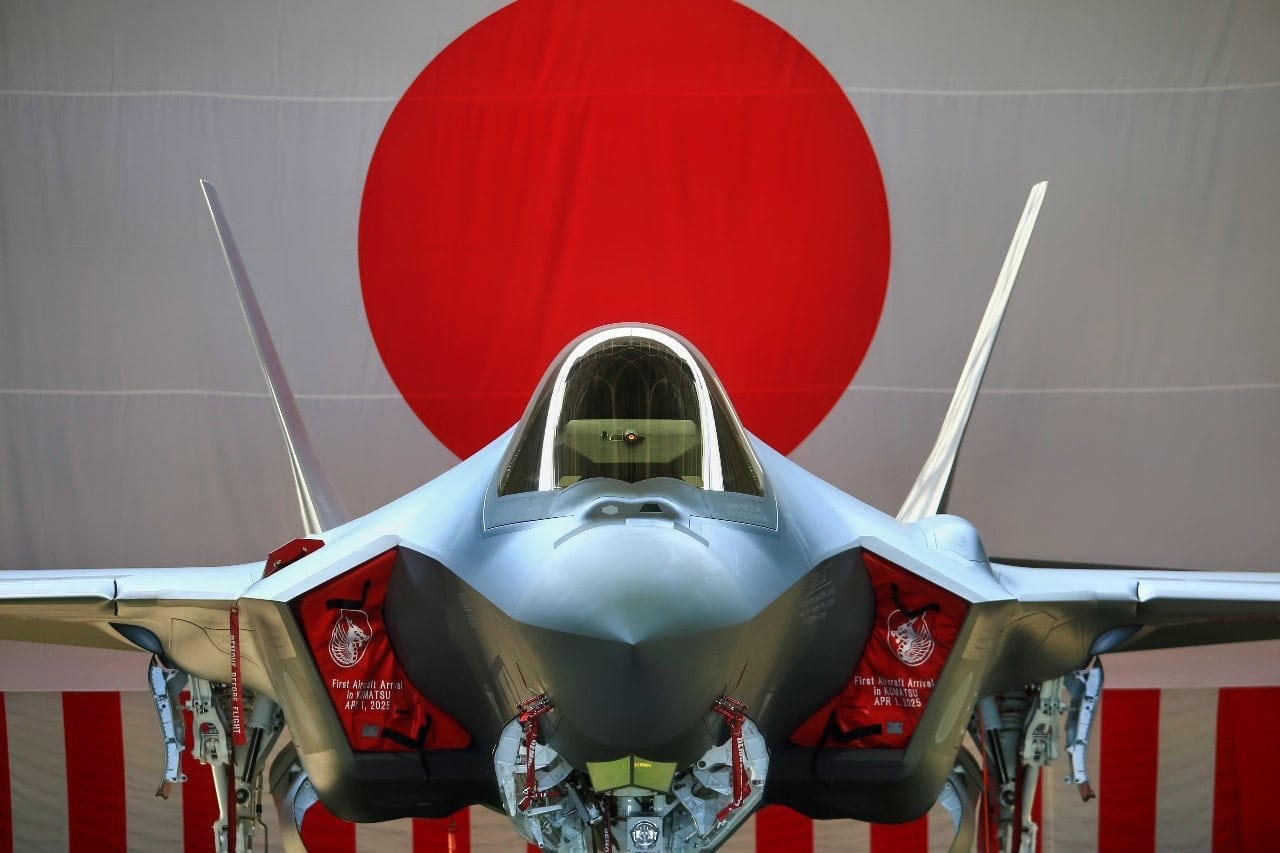
The Japan Air Self-Defense Force (JASDF) held an F-35 aircraft delivery ceremony at Komatsu Air Base, Japan, April 26, 2025. Japan received its first three F-35 aircraft in country, marking a historic milestone for the nation. Image provided to the F-35 Joint Program office by the JASDF.
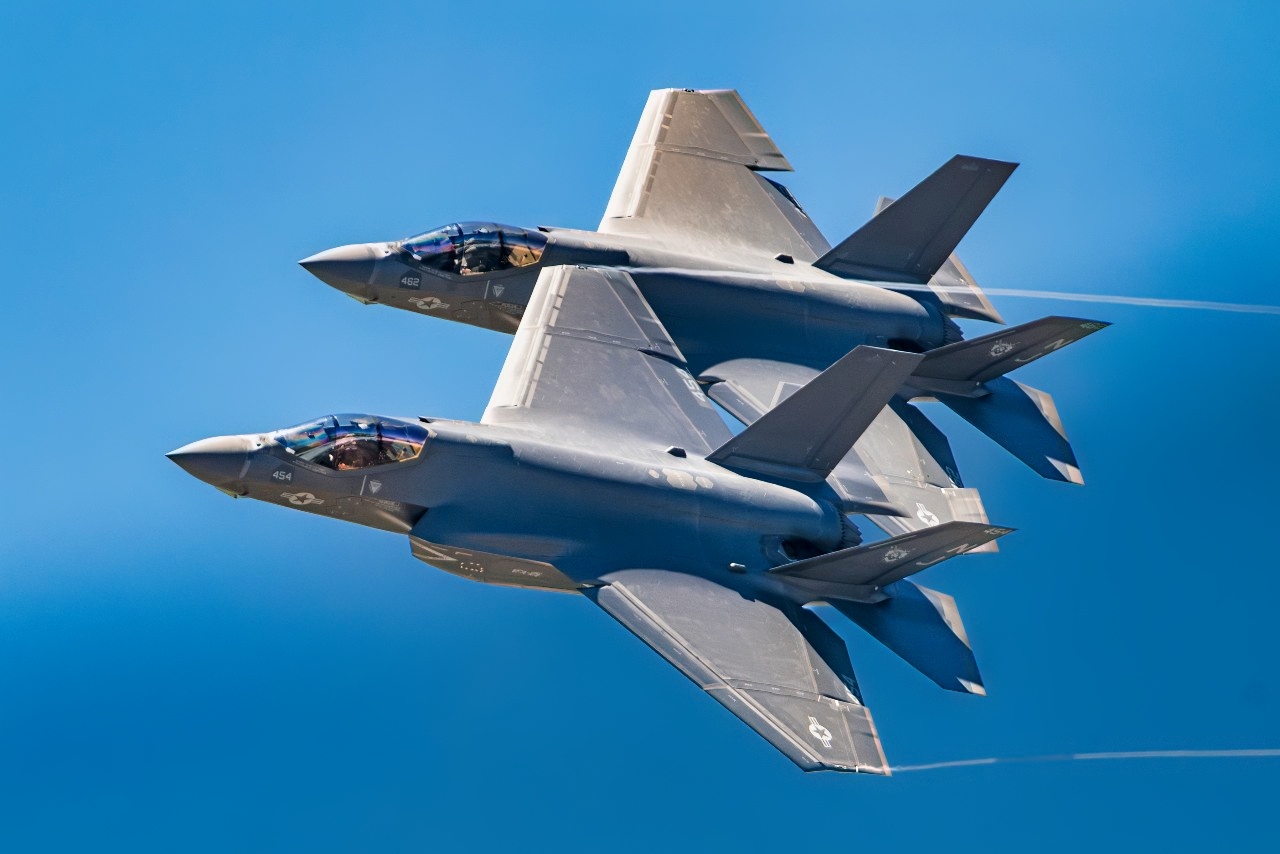
The U.S. Navy F-35C Lighting II Demo Team performs a flight demonstration at the Wings Over South Texas Air Show. This year’s air show marks Wings Over South Texas’s first return to Naval Air Station Corpus Christi since 2019.
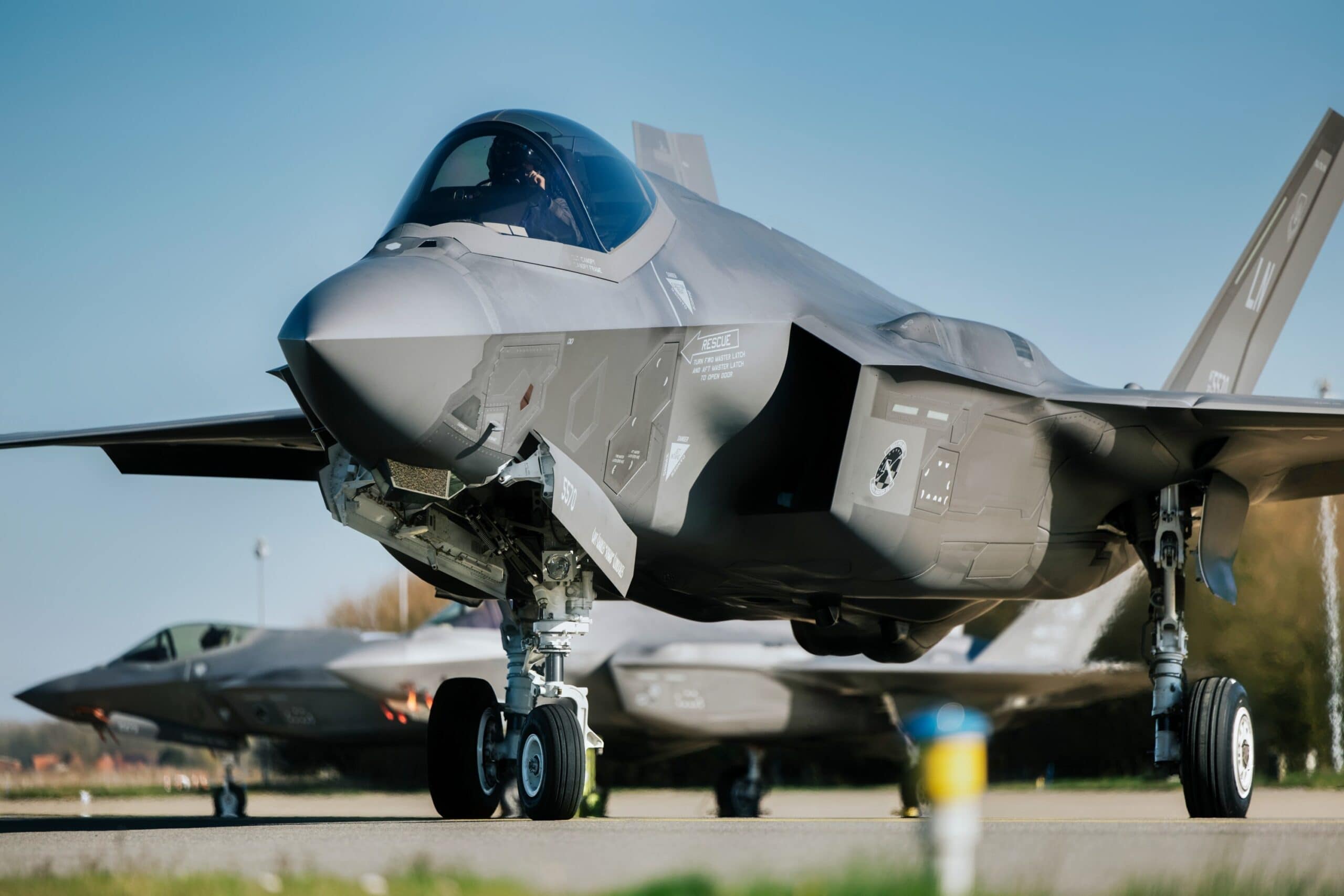
A U.S. Air Force F-35 Lightning II taxis during a cross-servicing event at NATO Allied Air Command’s Ramstein Flag 2025 exercise April 4, 2025. Successful cross-servicing at RAFL25 is an example of the importance of integrated logistics and maintenance training that enhances U.S. warfighting readiness by strengthening United States Air Forces in Europe – Air Forces Africa’s ability to deploy, sustain, and project fifth-generation capabilities across the European theater. (Royal Netherlands photo by Sgt. Maj. Jan Dijkstra)
The Triumfator’s ability to defeat the Raptor and Lightning II is strictly theoretical. However, given near-peer competition and the looming possibility of war that comes with it, that theory could be put to the test.
Arguing against the S-500’s abilities against stealth is the fact that Russia has yet to sell the weapon system to China, North Korea, or Iran. Indeed, thus far the only prospective foreign buyer Russia has targeted is India, which remains a longtime customer of the Russian arms industry even as it seeks partnerships elsewhere.
Thus far, India’s supposed plans to buy the S-500—motivated by the success of their S-400s during Operation Sindoor—have not become a reality.
S-500 Prometey (Prometheus) Initial History and Premise
The Prometheus is designed and manufactured by the Almaz-Antey Air and Space Defense Concern Joint Stock Company, which was founded in 2002 and is headquartered in Moscow.
The S-500 was designed to be both a successor and supplement to the S-400, as well as an outright replacement for the 1960s-vintage S-300.
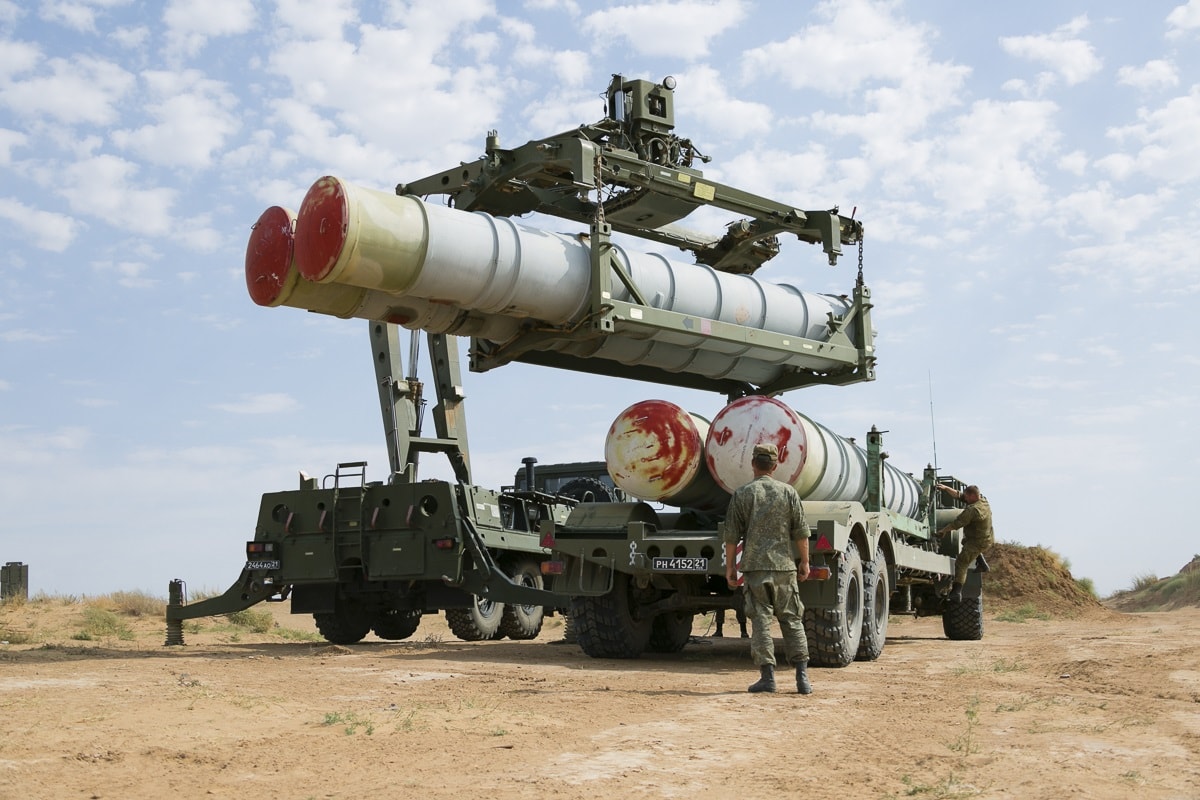
Russia’s S-400 Air Defense System. Image: Russian Military.
It was originally intended to be in production by 2014, but as so often happens with hyped-up Russian defense systems, its production and official operational deployment were delayed by several years.
Production finally commenced on June 30, 2019, with the 15th Special Purpose Aerospace Forces Army becoming the first operational field unit beneficiary in 2021. In July 2021, the Russian Defense Ministry signed a contract for the first batch of ten S-500s, with delivery to commence in the first half of 2022.
S-500 Tech Specs and Vital Stats
-Radar Detection Range: Up to 600 kilometers (373 miles)
-Target Intercept Ceiling: up to 200 kilometers (124 miles)
-Unit Cost: $2.5 billion USD (189.86 Russian rubles at the current exchange rate as these words are being typed)
Armament:
–40N6M (anti-aircraft role, particularly against AWACS and tanker aircraft)
-77N6 / 77N6-N1 (ABM or anti-satellite role)
S-500 Operational History/Combat Performance
For all of the hype heaped upon the S-500, especially its supposed stealth-killing abilities, its combat performance thus far has reportedly been underwhelming.
If Ukrainian reports are to be taken at face value, the Russians already deployed the S-500 to the Crimean Peninsula to defend the Kerch Bridge back in June 2024, whereupon they failed to intercept Ukraine’s U.S.-made ATACMS missiles.
In addition, according to an August 8, 2025 snippet from United24 Media, “Ukrainian open-source investigators say a military intelligence drone has struck one of Russia’s most advanced air-defense radars—the 98L6 ‘Yenisey’—in occupied Crimea, in what analysts call a major blow to Moscow’s high-tech defenses.
Ukrainian OSINT community CyberBoroshno reported on August 8, in yesterday’s HUR video, what caught our attention was the reported hit on a 96L6 radar from an S-400 system — except it wasn’t a 96L6,’ the group wrote. ‘We analyzed the visual features and can say with confidence it was the 98L6 ‘Yenisey,’ the standard radar for the S-500 ‘Prometey’ missile system.”
If these reports are true, they cast serious doubt on Prometey’s promises and the premise of its stealth-killing abilities.
About the Author: Christian D. Orr, Defense Expert
Christian D. Orr is a Senior Defense Editor. He is a former Air Force Security Forces officer, Federal law enforcement officer, and private military contractor (with assignments worked in Iraq, the United Arab Emirates, Kosovo, Japan, Germany, and the Pentagon). Chris holds a B.A. in International Relations from the University of Southern California (USC) and an M.A. in Intelligence Studies (concentration in Terrorism Studies) from American Military University (AMU). He is also the author of the newly published book “Five Decades of a Fabulous Firearm: Celebrating the 50th Anniversary of the Beretta 92 Pistol Series.”