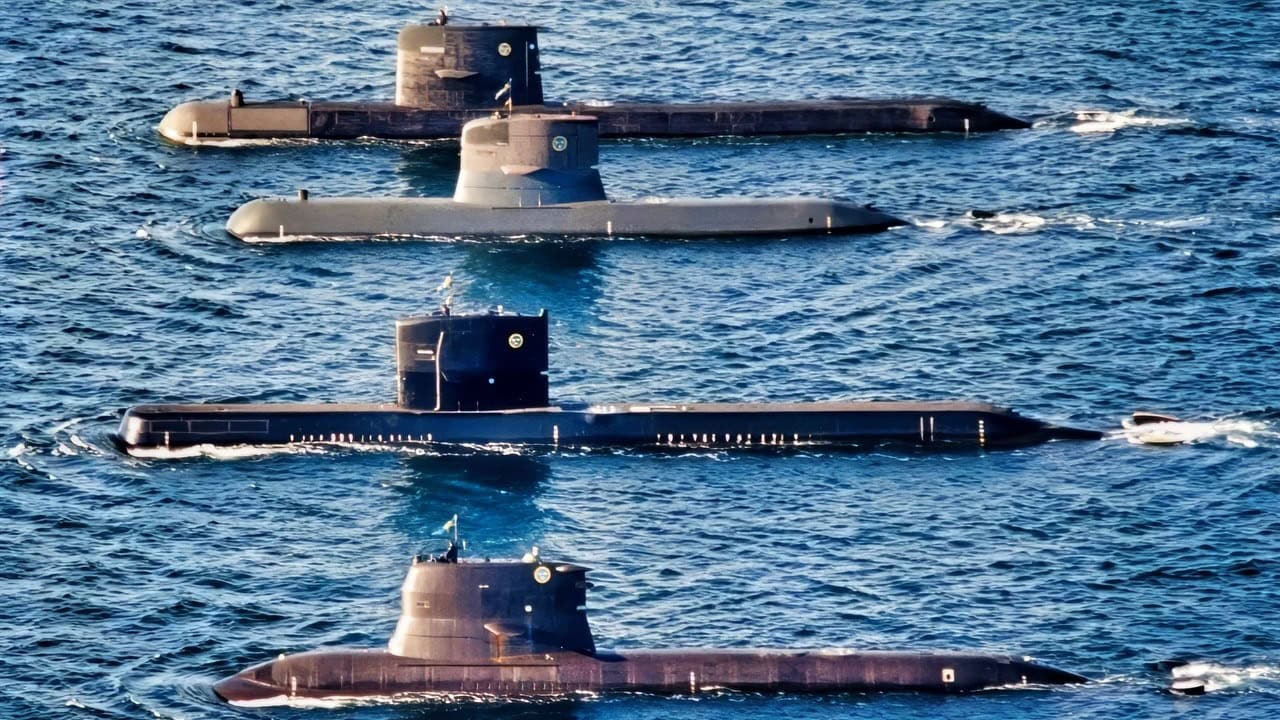
5 Worst Submarines to Ever Sail: Summary and Key Points
-Some submarines were masterpieces on paper—and cautionary tales in service.
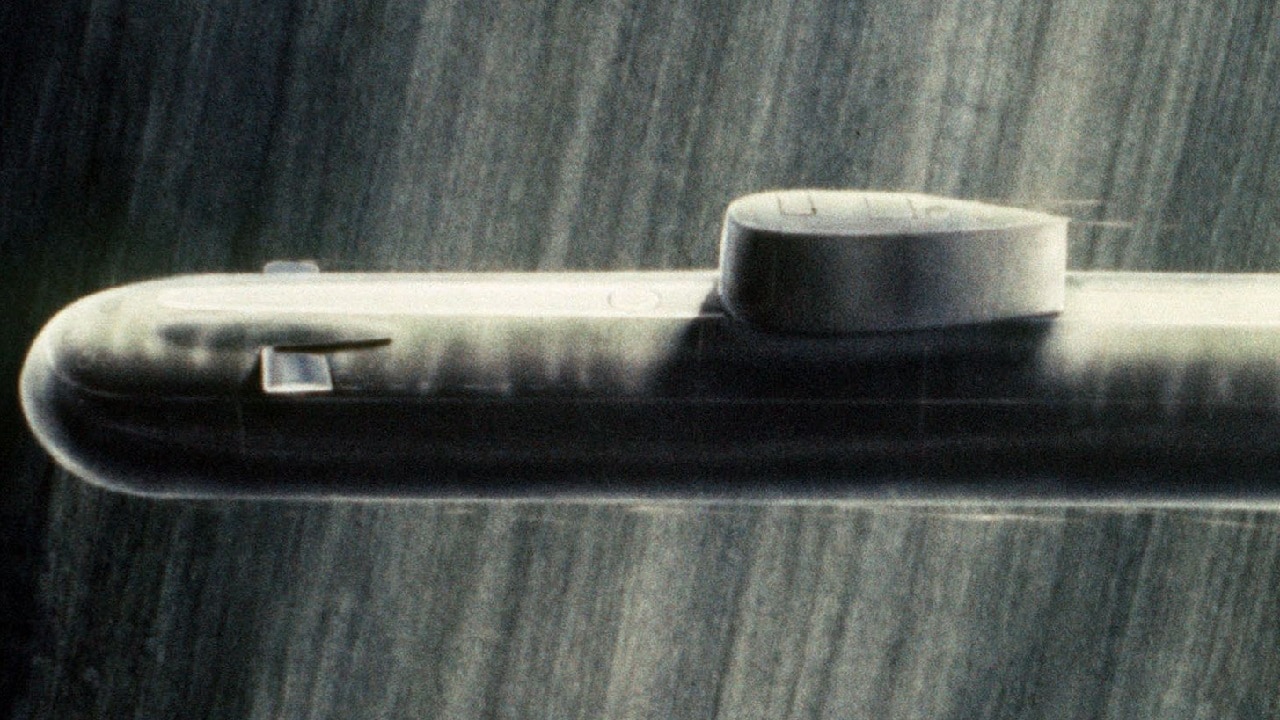
Mike-class submarine. Image Credit: Creative Commons.
-The Soviet K-278 Komsomolets pushed deep-diving limits with a titanium pressure hull, then succumbed to a catastrophic onboard fire.
-USS S-4 exposed early U.S. rescue doctrine after a fatal collision left sailors trapped beyond help.
-Imperial Japan’s huge I-400 “aircraft submarines” aimed for surprise strikes but proved slow, complex, and operationally awkward.
-The experimental USS Tullibee pioneered key sonar concepts yet delivered poor value and limited performance.
-K-19, rushed into service under nuclear-arms pressure, became infamous for deadly accidents and safety failures.
K-278 Komsomolets
The K-278 Komsomolets was technologically quite ambitious. Launched in the early 1980s, the nuclear-powered attack submarine boasted a titanium pressure hull, allowing it to dive deeper than almost any other operational sub of her era.
Some reports estimated her maximum dive depth at over 1,000 meters below the surface — if true, an extraordinary achievement. But the submarine was also incredibly expensive to build and maintain, and mechanically quite complex.
In 1989, a fire broke out aboard the boat while underway in the Norwegian Sea.

An aerial port quarter view of a Soviet Mike class nuclear-powered attack submarine underway.
Though the sub surfaced, her crew couldn’t contain the erupting blaze, and the submarine sank with the loss of 42 of her 69 sailors.
On paper, the K-278 was an extremely high-performance submarine. Still, it was a one-off design that highlights the potential consequences of extreme ambition and high performance colliding with insufficient safety redundancy. Though not an awful submarine in terms of performance, its shortcomings ultimately torpedoed the project.
USS S-4
The S-class submarines were First World War-era boats that remained in service far longer than they arguably should have, outclassed by newer, more modern successor submarine designs. One of these submarines, the S-4, garnered infamy when it collided with a U.S. Coast Guard cutter while off the coast os Massachusetts in 1927.
The submarine sank, and though several crew members survived the initial danger alive sealed inside the submarine, rescue efforts were unsuccessful.
The S-4 disaster revealed shortcomings in early U.S. Navy submarine rescue doctrine and salvage abilities. Compounding those glaring deficiencies was the S-class as a whole: slow, mechanically unreliable, and uncomfortable even by the low submarine standards of the interwar years. Though perhaps not particularly poor submarines when initially designed, they were swiftly eclipsed by superior submarine designs after World War I, and especially by those of the Second World War.
I-400-class
Imperial Japan’s I-400-class subs were massive — the largest submarines built during the Second World War — and would remain the largest until nuclear-powered ballistic missile submarines made their operational debut during the 1960s.
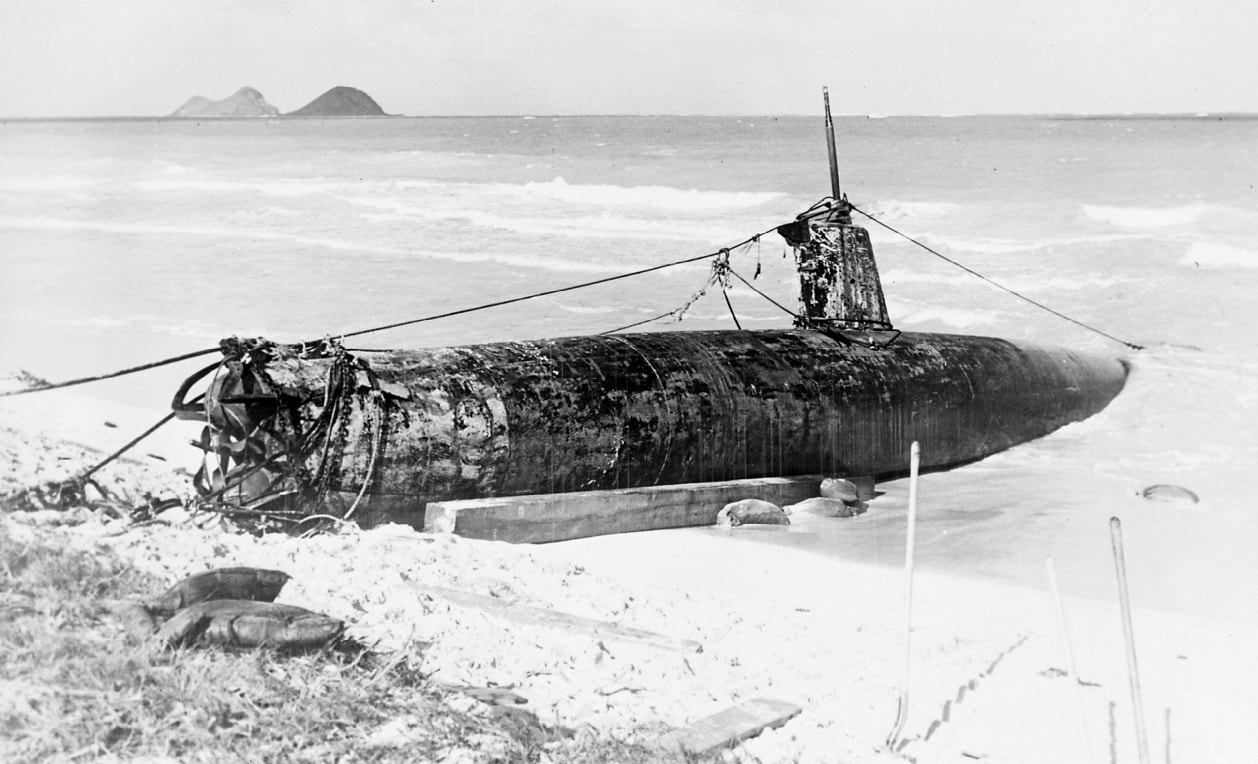
The Japanese “Type A” midget submarine HA-19 partially hauled up on and eastern Oahu beach, during salvage by U.S. forces. It had grounded on 7 December 1941, following attempts to enter Pearl Harbor during the Japanese attack, and was discovered the following day.
The class, only three in total, saw very little operational service before the Japanese surrender, but they were remarkable. Designed to carry and launch three floatplanes for surprise attacks, they also sported large naval artillery guns on deck.
The design was ambitious, but operationally questionable. Slow to dive, mechanically complicated, and inefficient underwater, the submarines were highly vulnerable when surfaced to launch aircraft. By the time they became operational, Japan’s military position was untenable, and they had no significant impact on the war. In sum, they were potentially impressive but tactically and strategically ineffective and inefficient.
USS Tullibee
The USS Tullibee was a one-off experimental hunter-killer submarine launched in the late 1950s. Featuring a turbo-electric drive and a compact design, the boat was intended for extremely quiet operations and was handled by a relatively small crew.
On paper, the nuclear-powered sub had several positive aspects. The submarine incorporated the first bow-mounted spherical sonar array, as well as angled torpedo tubes amidships to accommodate the array. Its turbo-electric transmission, powered by a nuclear reactor, gave the boat a very low acoustic signature.
But in practical terms, the submarine was unsuccessful. Not only was the USS Tullibee exorbitantly expensive compared to other U.S. Navy submarines, but it was also underpowered. Though its unique drive was repeated in the USS Glenard P. Lipscomb, essentially an upsized Tullibee, that submarine would also prove to be a one-off design.
K-19
The Soviet Union’s K-19 is one of the most notorious of Soviet submarines thanks to its multiple disasters. A nuclear-powered submarine, the K-19, holds the dissection of the first Soviet subs equipped with nuclear ballistic missiles, part of the nuclear arms race of the early 1960s. From the outset, the submarine was considered unlucky.
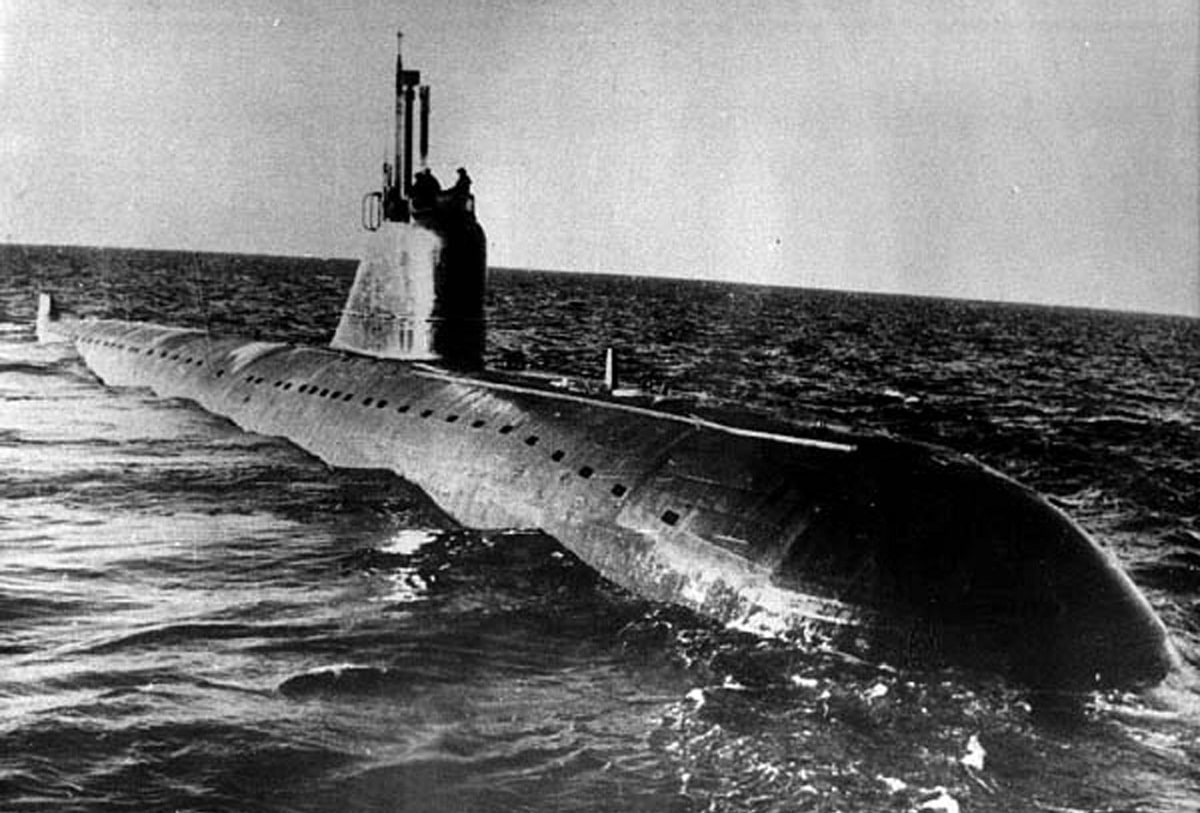
K-19 Submarine. Image: Creative Commons.
In addition to multiple deaths during the K-19’s construction, the sub suffered a reactor coolant failure in 1961.
A backup coolant system had not been installed on the submarine, forcing the crew’s nuclear engineers to jury-rig an ersatz system, sacrificing themselves in the process. So serious were the submarine’s many accidents that it allegedly garnered the moniker Hiroshima. Later, the submarine would suffer from collisions and fires on board.
The submarine design was not, in itself, particularly poor. But the K-19’s construction was rushed, driven by Cold War arms-race pressure to build submarines quickly and achieve parity with the United States Navy, leading to significant quality-control issues and nuclear-reactor safety missteps, symptomatic of the Soviet Union’s early nuclear missile-submarine growing pains.
Submarine Legacy: Worst of the Worst Under the Water
Though these subs were not necessarily flawed in their initial designs, they suffered from a confluence of factors, including rushed development while under wartime pressure, ambitious and sometimes impractical goals, mechanical unreliability, significant and sometimes shockingly dangerous safety lapses, as well as strategically ambiguous applications despite, on occasion, very high financial costs.
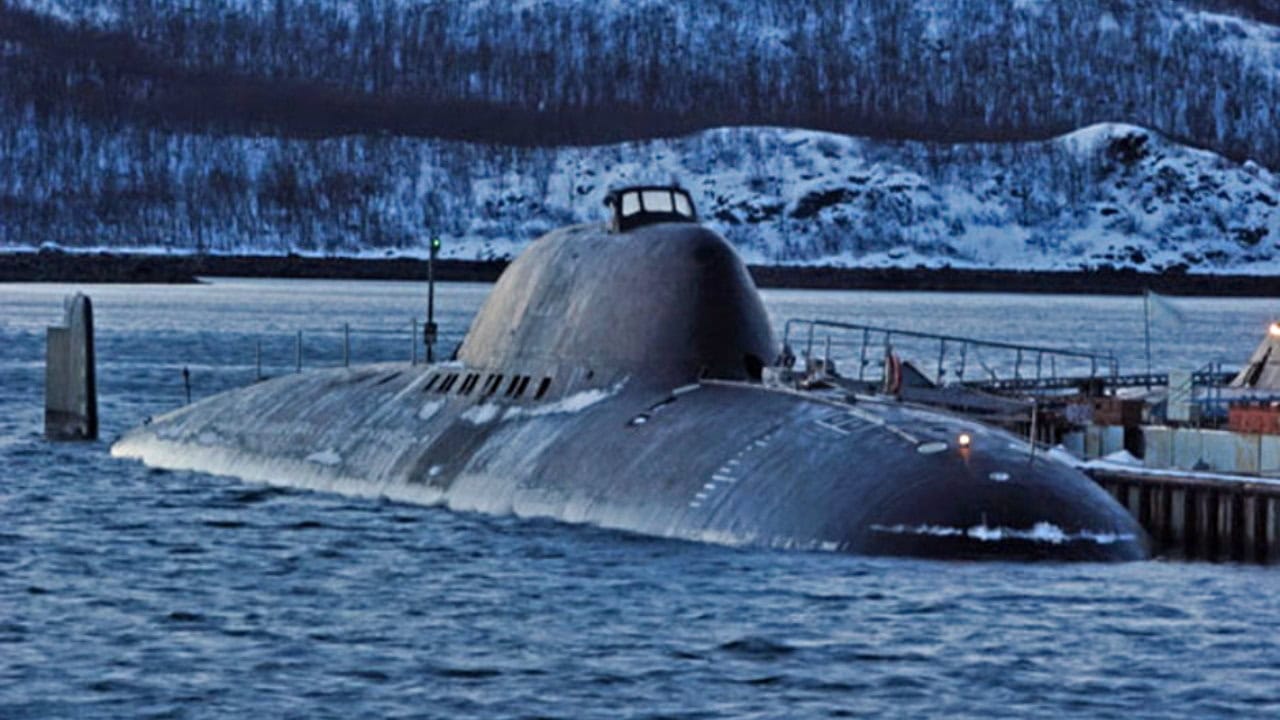
Alfa-Class Russian Navy. Image Credit: Creative Commons.
About the Author: Caleb Larson
Caleb Larson is an American multiformat journalist based in Berlin, Germany. His work covers the intersection of conflict and society, focusing on American foreign policy and European security. He has reported from Germany, Russia, and the United States. Most recently, he covered the war in Ukraine, reporting extensively on the war’s shifting battle lines from Donbas and writing on the war’s civilian and humanitarian toll. Previously, he worked as a Defense Reporter for POLITICO Europe. You can follow his latest work on X.