
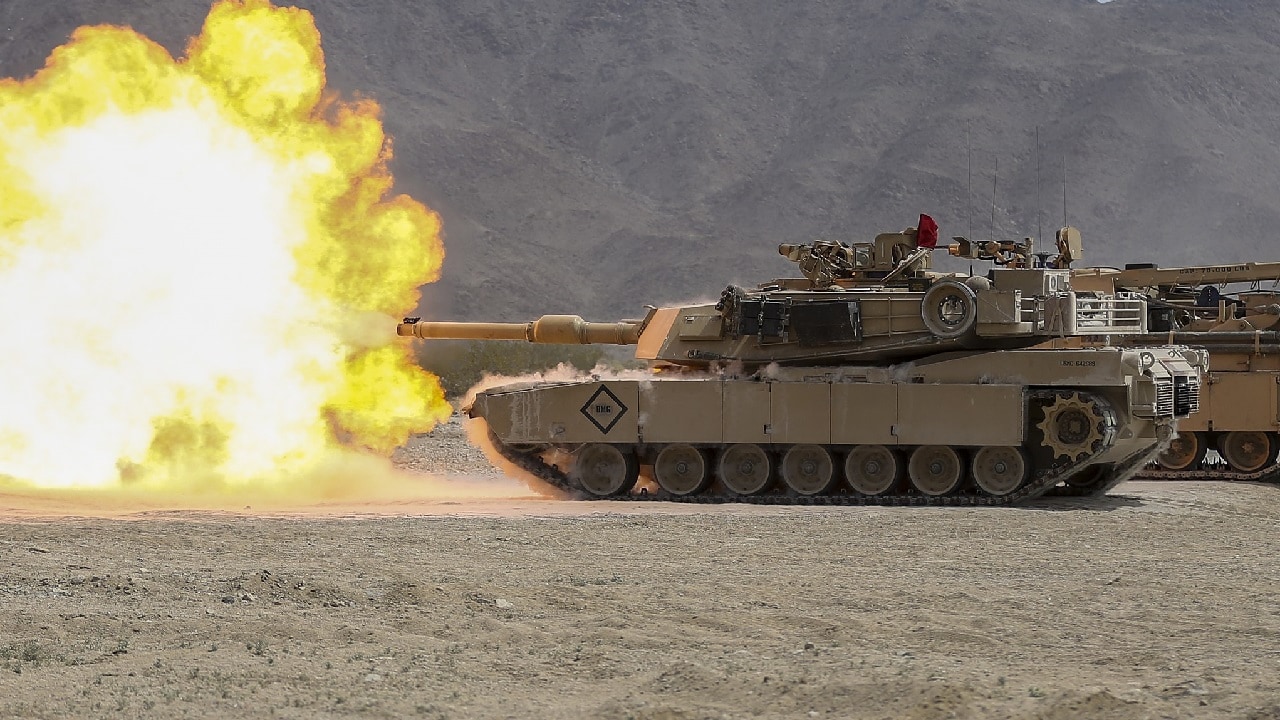
Summary and Key Points: As of February 2026, the M1A1 Abrams has transitioned from a struggling prestige asset to a specialized drone-age warrior in Ukraine.
-With the delivery of 49 Australian M1A1 AIM SA models, the fleet now benefits from diesel-engine modifications that simplify front-line logistics.
-To survive a battlefield saturated by FPV drones and Kornet ATGMs, Ukrainian technicians have “Frankensteined” the tanks with Kontakt-1 reactive armor and steel “cope cages.”
-These field-expedient upgrades, combined with a shift toward combined-arms tactics in sectors like Pokrovsk, have drastically increased crew survivability and operational effectiveness compared to the tank’s 2024 debut.
How Have M1 Abrams Tanks Performed In Ukraine?
As of early 2026, Ukraine has received 80 M1A1 Abrams tanks in its fight against the Russian invasion that began in February 2022. The US initially sent Ukraine 31 M1A1s in 2023 from its German stocks.
Then Australia has sent Ukraine 49 U.S.-built M1A1 Abrams tanks that it had promised to Kyiv for its fight against Russian aggression, according to the Australian Defense Ministry in Canberra. The delivery was part of a broader $1.5 billion assistance package Australia has committed to Ukraine since the Russian invasion began in 2022.
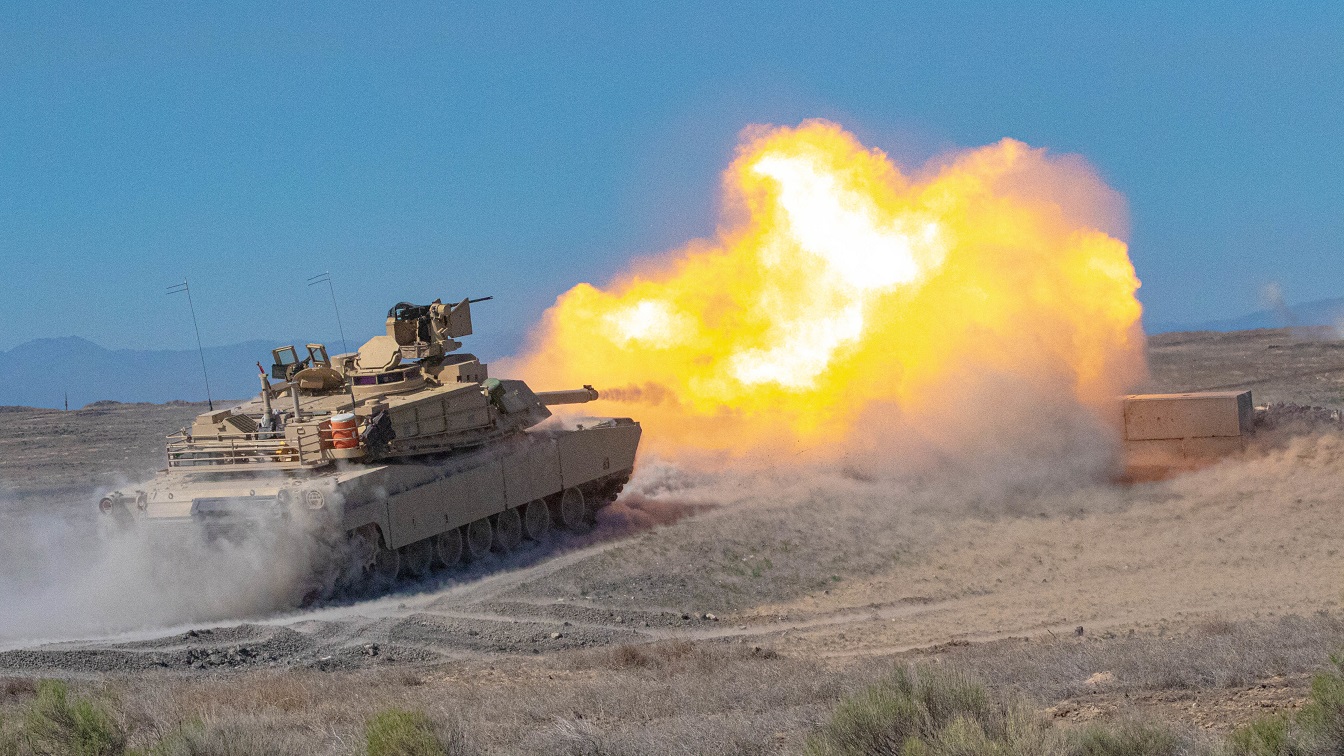
Oregon Army National Guard M1A2 Abrams battle tank with Alpha Troop, 3rd Squadron, 116th Cavalry Regiment, engages a target at a firing range during annual training at the Orchard Combat Tranining Center near Boise, ID, June 19, 2021. Soldiers trained in their military occupational specialties during annual training. (National Guard photo by Spc. Dominic Trujillo, 115th Mobile Public Affairs Detachment)
“The M1A1 Abrams tanks will make a significant contribution to Ukraine’s ongoing fight against Russia’s illegal and immoral invasion,” said Deputy Prime Minister Richard Marles. “Australia remains steadfast in our support for Ukraine and seeing a just and lasting peace.”
The M1 Abrams is widely considered the best tank in the world, but how did the tanks perform in combat in Ukraine against the Russian Army?
US Tanks Required Different Fuel
Unlike most countries’ tanks and armored vehicles, which run on diesel fuel, the American Abrams uses a jet turbine engine that guzzles JP-8 jet fuel, which is more expensive and harder to maintain. They are also tricky to maintain and require massive infrastructure, including M88 recovery vehicles to repair broken parts on the battlefield.
“The M1 is a complex weapon system that is challenging to maintain, as we’ve talked about,” Pentagon spokesperson Brig. Gen. Pat Ryder said at the time. “That was true yesterday; it’s true today; it will be true in the future.”
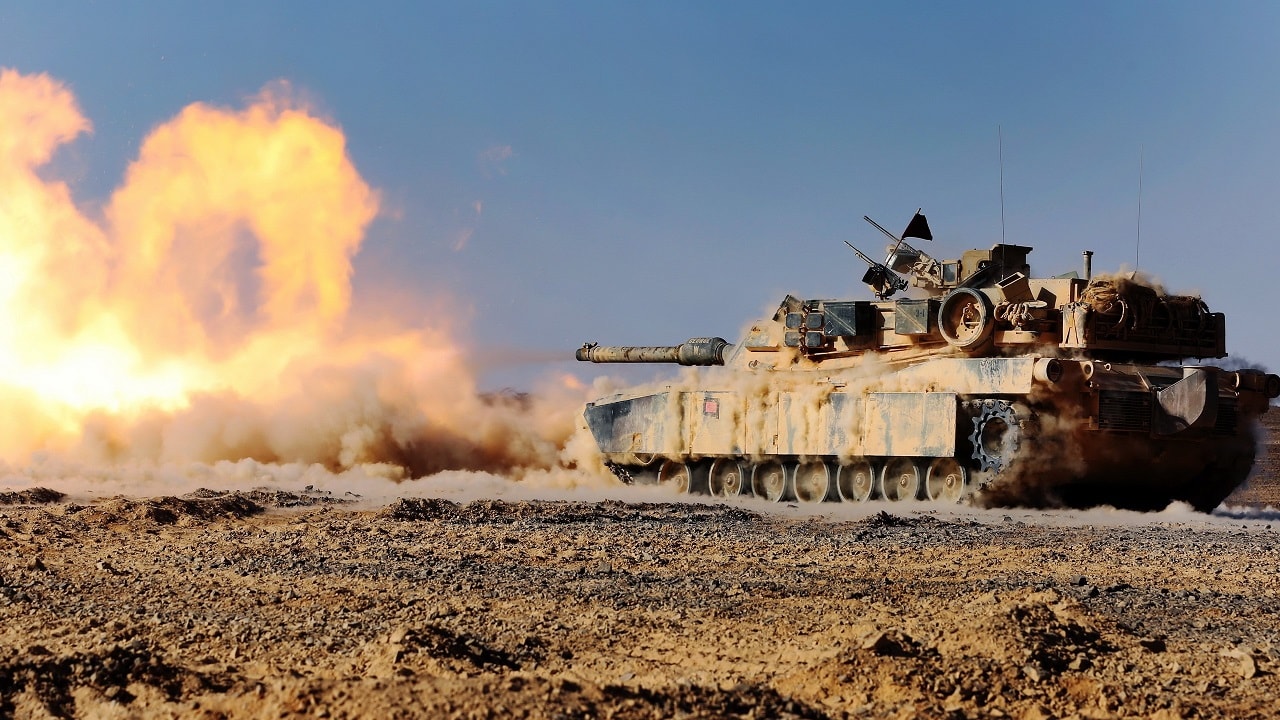
M1 Abrams Tank
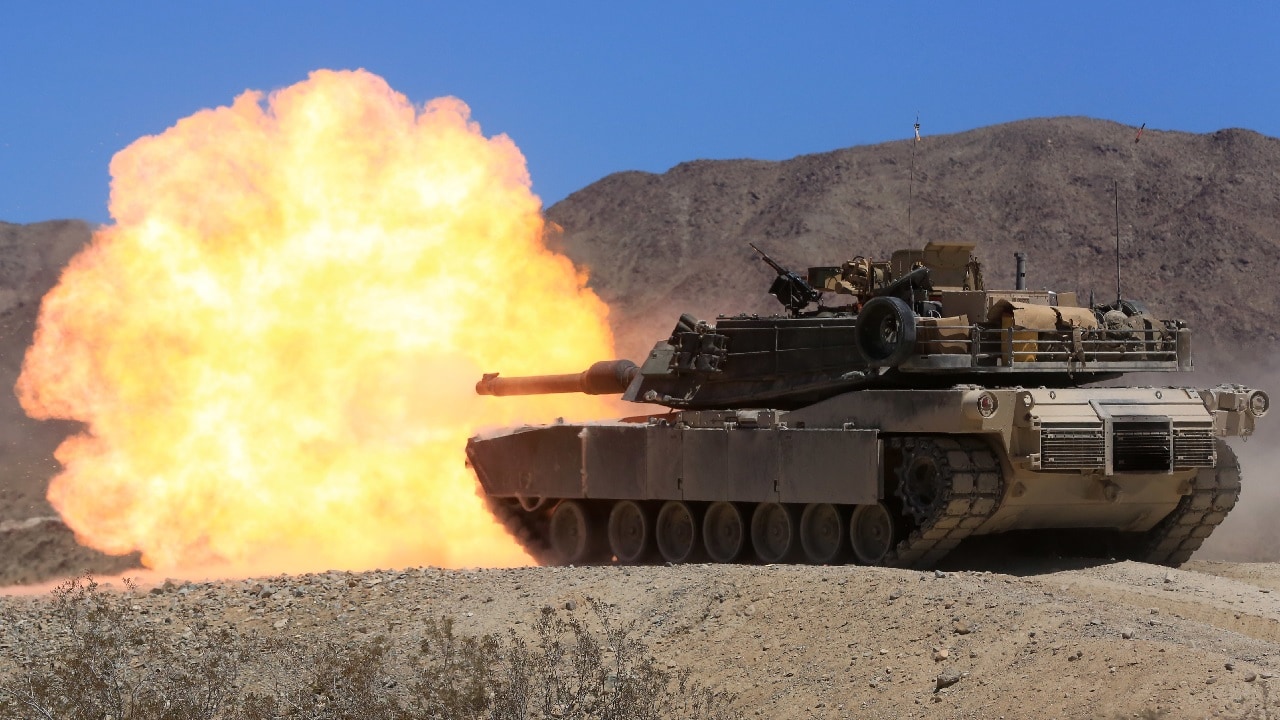
M1 Abrams Tank
Australia Sent M1A1 AIM SA Tanks
The tanks are M1A1 AIM SA models, which are retired and have been replaced by newer M1A2s in Australia. They have been upgraded with features like thermal sights and a reconfigured diesel engine to simplify logistics.
The aid package also includes spare parts and support equipment. The tanks’ diesel-engine modification simplifies logistics for Ukraine, as its armored fleet already runs on diesel.
But the transfer of Abrams tanks to Ukraine hasn’t been smooth.
U.S. Misgivings About Australian M1A1s Going To Ukraine
The delivery of the M1A1 Abrams to Kyiv follows reported delays due to initial U.S. resistance to the American vehicles. Washington had warned Canberra against sending the tanks, and President Trump’s decision to pause military aid earlier this year may also have added to complications, according to the Australian outlet ABC.
Privately, American officials have expressed concern that Ukraine will struggle to sustain the complex and gas-guzzling Abrams tanks.
“Last year, even before Donald Trump returned as president, we warned the Australians that sending these Abrams tanks would be complicated, and once they finally get to the battlefield, the Ukrainians will find them difficult to sustain,” an American official told the Australian Broadcasting Corporation, speaking on the condition of anonymity.
Initial Combat For The Abrams Tanks In Ukraine Went Poorly
The Abrams made its combat debut in 2024 during the defense of Avdiivka. Shortly after its first appearance, the Russians knocked out their first one, which Moscow propaganda crowed about.
Then the losses began piling up, culminating in Ukraine’s decision to temporarily pull the tank off the battlefield entirely after losing 20 of the 31 tanks sent by the US.
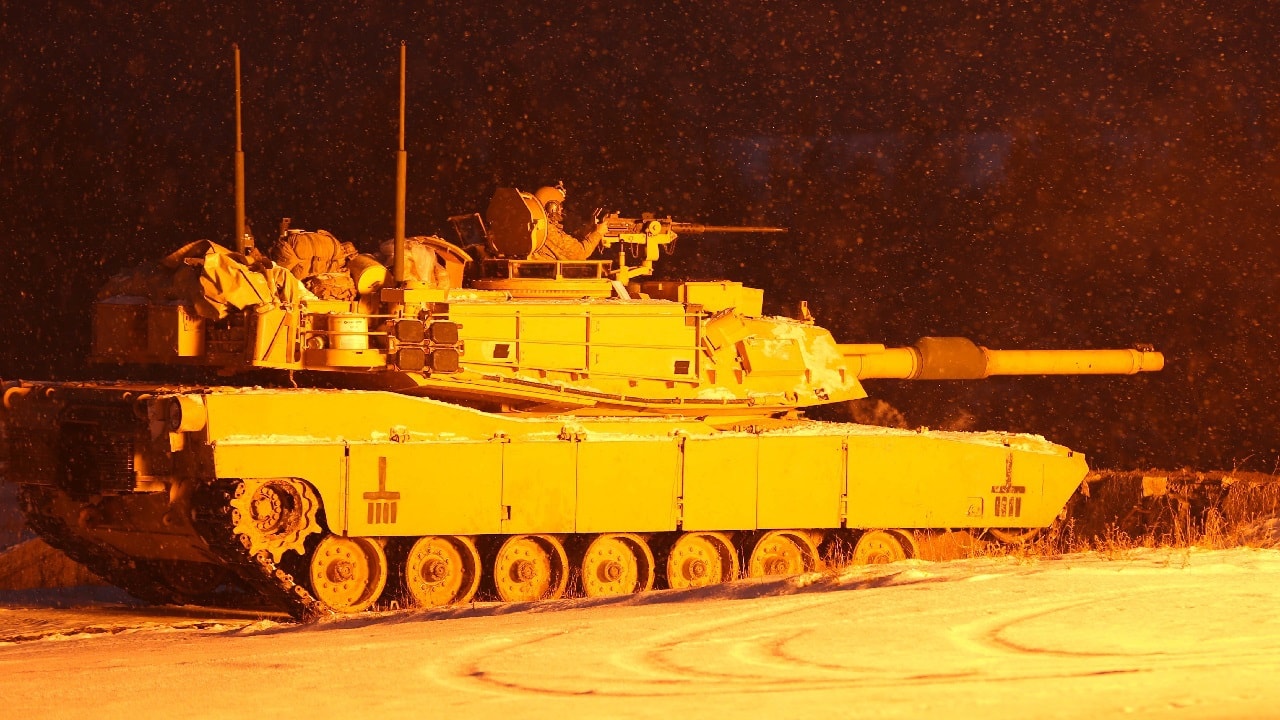
U.S. Soldiers assigned to 1st Squadron, 7th Cavalry Regiment, 1st Armored Brigade Combat Team, sit ready to engage targets in an M1 Abrams Main Battle Tank during Combined Resolve XV live fire exercise at Grafenwoehr Training Area, Germany, Feb. 9, 2021. Combined Resolve XV is a Headquarters Department of the Army directed Multinational exercise designed to build 1st Armored Brigade Combat Team, 1st Cavalry Divisions’s readiness and enhance interoperability with allied forces to fight and win against any adversary. (U.S. Army photo by Sgt. Randis Monroe)
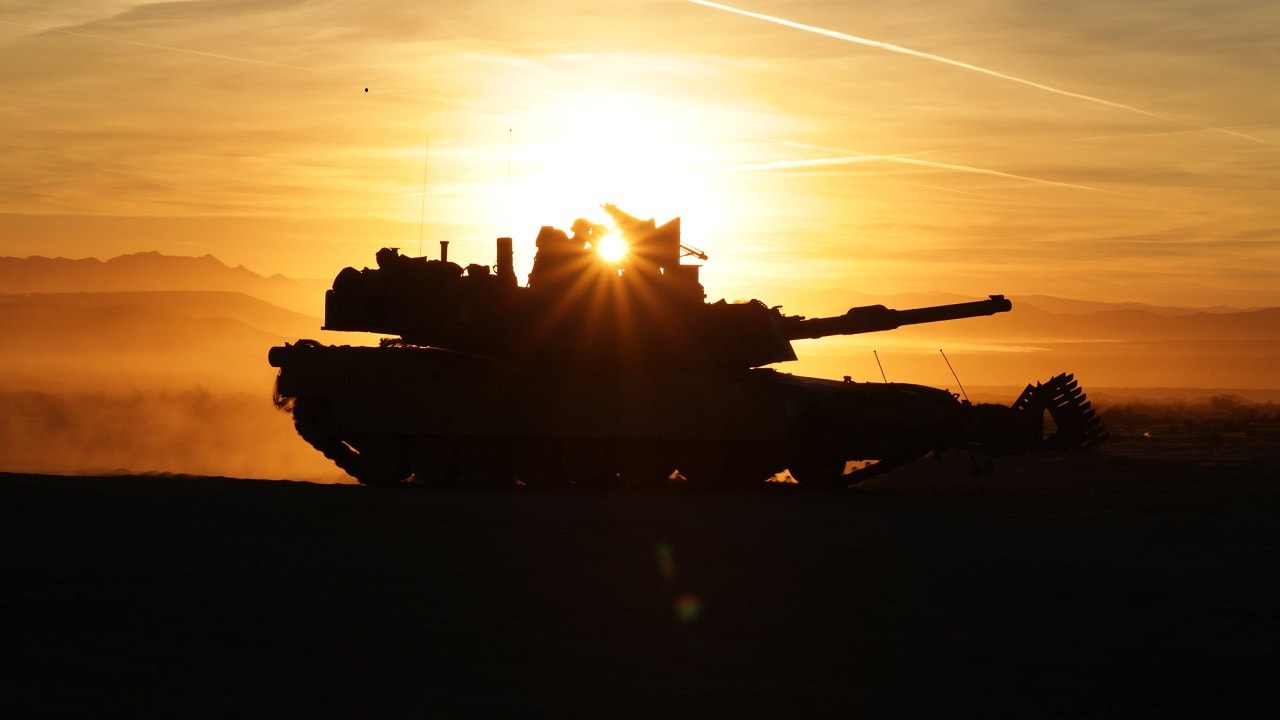
U.S. Army Soldiers, assigned to 3rd Brigade Combat Team, 1st Cavalry Division, maneuver their M1A2 Abrams tank to avoid indirect fire during training at the National Training Center at Fort Irwin, Calif., Oct. 7, 2016.
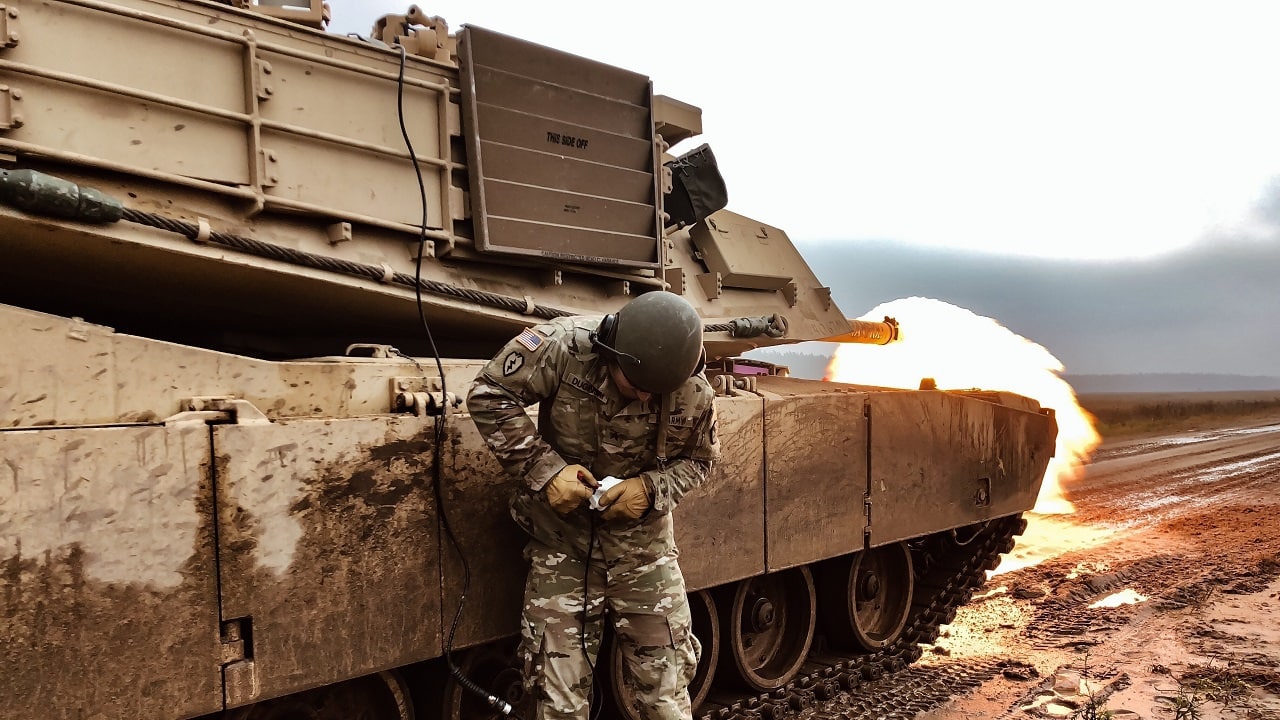
U.S. Army Sgt. Ryan Duginski, M1 Abrams Tank Master Gunner, assigned to Battle Group Poland, performs a tank remote-fire procedure to ensure firing capabilities function properly at Bemowo Piskie Training Area, Poland, Nov. 6. (Photos by U.S. Army 1LT Christina Shoptaw)
The Russians captured a fully intact Abrams, which was then transported back to Moscow for study. This marked the first time a U.S. adversary had obtained and studied one of these tanks.
How did the Abrams, the best tank in the world, fail so badly?
Ukrainian Tank Tactics Were Mainly Responsible For Early Failures
The loss of so many M1A1s was not because of any shortcomings of the tank; it was due to tactics. The Ukrainians didn’t really understand how the Americans fight or use their armor.
The Abrams was designed to work within U.S. combined-arms doctrine, which dictates close cooperation among mechanized forces, infantry, artillery, and air power. Because Ukraine didn’t operate that way, Russian anti-tank missiles and drones took an unnecessary toll.
Due to manpower and equipment shortages, Ukrainian Abrams tanks often entered combat alone, without infantry or other armor support. Abrams tanks or any other ones are easy pickings for Russian anti-tank crews in these disadvantageous conditions.
Ukrainian tank crewmen complained that the tank was an easy target on the battlefield for Russian drone operators who easily spot and identify the massive tank. Russians were also quick to adopt the use of First Person View (FPV) kamikaze drones with explosives strapped to them.
FPV drones remain a major problem for both Russian and Ukrainian armored vehicles.
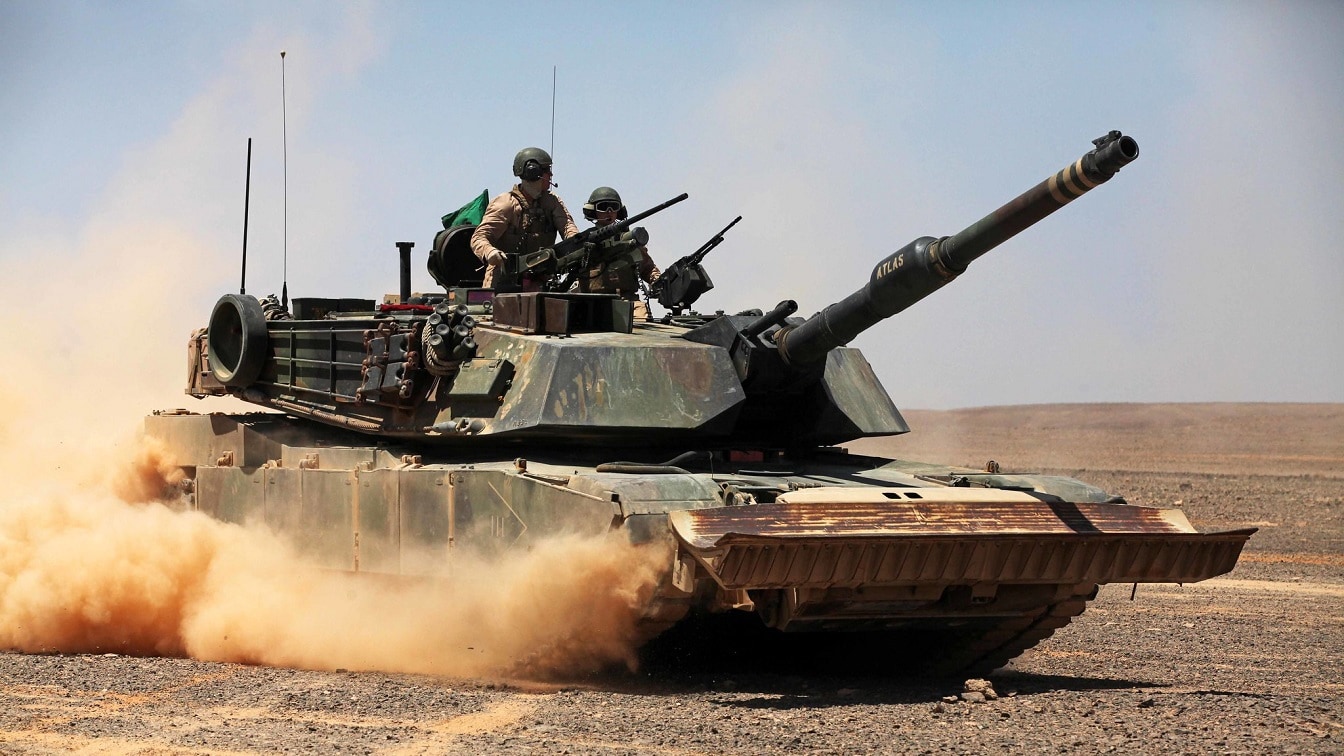
JABAL PETRA, Jordan – An M1A1 Abrams tank with Tank Platoon, Weapons Company, Battalion Landing Team 1st Battalion, 2nd Marine Regiment, 24th Marine Expeditionary Unit, is repositioned here, May 7, 2012, during bilateral tank training with the Royal Jordanian Army as part of Exercise Eager Lion 12. More than 1,000 Marines and Sailors from the 24th MEU are scheduled to participate in various events throughout Jordan to maximize multilateral training opportunities and continue to build relationships with partners throughout the region. Eager Lion 12 is the second major exercise for the 24th MEU and Iwo Jima Amphibious Ready Group after deploying in March to serve as a forward-deployed crisis-response force. (Official Marine Corps Photo by Sgt. Richard Blumenstein)
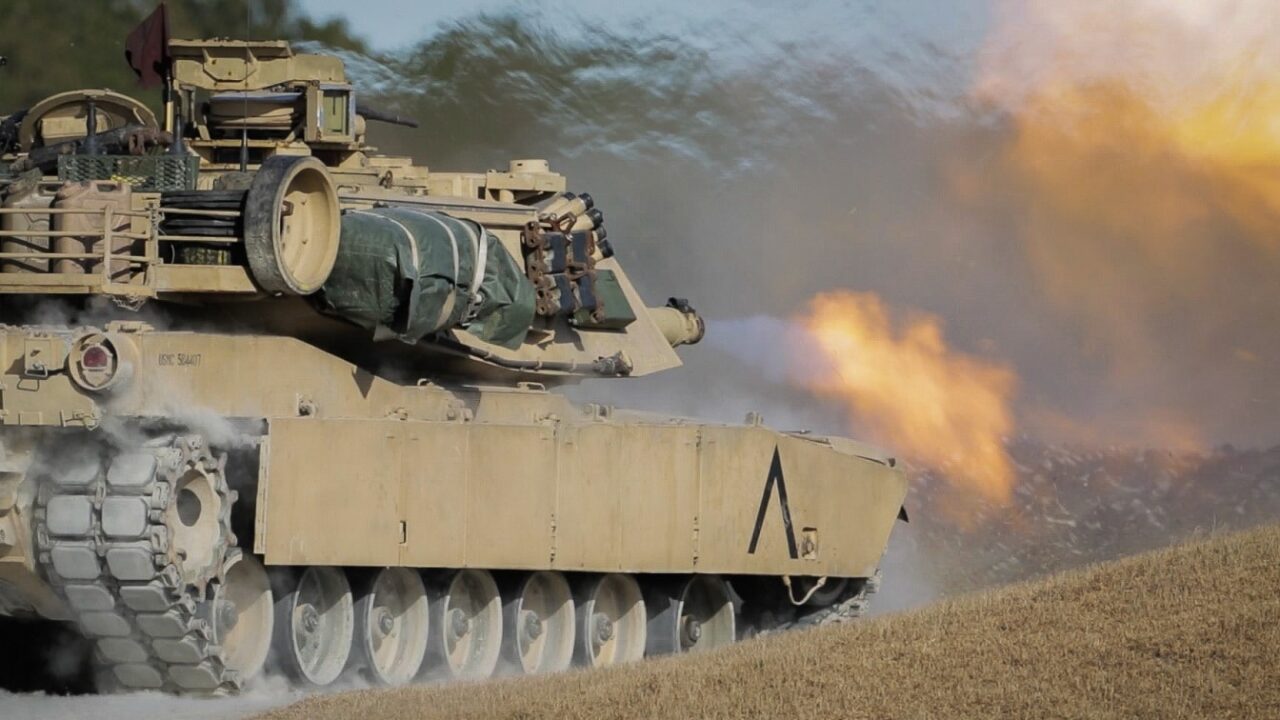
U.S. Marines assigned to 2nd Tank Battalion, 2nd Marine Division, fire a 120mm smoothbore main gun from an M1A1 Abrams main battle tank during a course of fire at Camp Lejeune, N.C., Jan. 30, 2019. The unit conducted marksmanship qualifications as a part of a biannual training exercise to certify tank crews on the M1A1 Abrams main battle tank. (U.S. Marine Corps photo by Cpl. Abrey Liggins)
Russian anti-tank equipment is also more sophisticated than many people give credit for. Reports indicate that several Abrams tanks were knocked out by Anti-Tank Guided Missiles (ATGMs), most notably the Kornet laser-guided missile, which has been responsible for many M1 Abrams kills.
The Ukrainians also noted that the Abrams they received had numerous technical issues, particularly with the engine and electronics.
Was the Abrams’ 120mm Main Gun A Cause?
The Ukrainians were also critical of the Abrams’ 120mm main gun, stating that it is not effective against buildings. Ukrainian tankers claimed they fired 17 rounds into a building without destroying it; however, that has been disputed.
“That’s BS,” Lieutenant General (Ret.) Mark Hertling said to CNN last summer. “I know for a fact, having fired these vehicles and having been a tanker all my life, that this is a crew that is not either selecting the right weapon system or isn’t maintaining their tanks very well.”
The M1A1 Abrams and many Leopard 2 variants use the same basic German-designed 120mm smoothbore gun, specifically the Rheinmetall Rh-120 L/44. And the Leopard has been praised for its gun.
Ukraine Modifying M1A1s To Survive Hellish Drone Combat
Ukrainian technicians are modifying Australian M1A1 Abrams main battle tanks with reactive armor blocks, frontal armor plating, and rooftop steel cages in a series of upgrades for the modern Ukrainian battlefield.
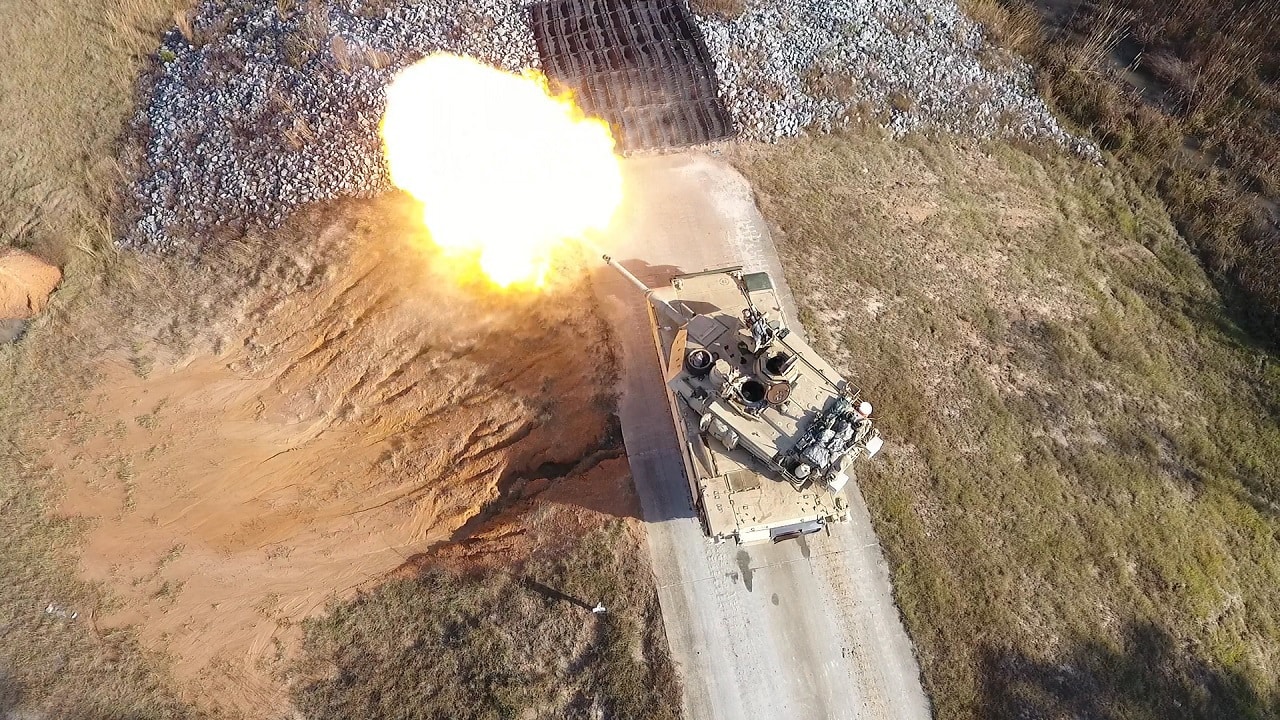
Aerial drone image of an M1A2 Abrams Main Battle Tank crew, from the 1st Armor Brigade Combat Team, 3rd Infantry Division, conducting Table VI Gunnery at Fort Stewart, Ga. December 6, 2016.
Modified M1A1 Abrams have been seen with additional turret mesh-style and frontal plate-style armor in recent social media posts from Ukraine’s 47th Mechanized Brigade, in the manner that the Ukrainians have modified other vehicles.
Ukrainian technicians have also previously fitted other armored vehicles with electronic warfare equipment, anti-drone “cages” on tank roofs and engine compartments, as well as reactive armor elements such as Soviet-era Kontakt-1 explosive reactive armour (ERA) blocks. Thermal imaging is a priority setting on the Ukrainian battlefield.
Modified Australian M1A1 Tanks, And Tactics Are Paying Off
Australia’s donated M1A1 Abrams tanks are providing crucial, high-firepower, and durable armored support in Ukraine, particularly in key sectors like Pokrovsk.
While they offer superior protection and firepower compared to Soviet-era tanks, they still face significant threats from pervasive Russian drones and landmines, requiring extensive field modifications, including reactive armor and anti-drone cages.
The tanks are fitted with anti-drone “cages” and reactive armor to combat drone threats, with one unit surviving multiple FPV hits, demonstrating high crew survivability.
They are used in high-intensity areas, such as providing cover for infantry and taking out enemy positions. They are performing much more effectively, as shown by recent fighting in Pokrovsk.
The tanks are M1A1 AIM SA models, which use diesel engines, making fuel logistics easier for the Ukrainian army. However, they still require intensive maintenance.
The tanks are maintained in a specialized facility in Poland.
While the tanks have proven to be vulnerable to modern, intense drone warfare, they remain highly effective and are being actively adapted by Ukrainian crews to survive and fight in the ongoing, high-attrition conflict.
The M1A1 Abrams Has Been Adapted To Combat In Ukraine
Western nations that have supplied Ukraine with armored vehicles are closely monitoring how combat is unfolding there.
Ukrainian forces have the most up-to-date battlefield experience with advanced main battle tanks in modern combat. The evaluation of the ad hoc improvements being made to donated armored vehicles is definitely worth studying.
These changes to armored vehicles seen in Ukraine can help in the event that Russia continues its aggressive actions against other nations in Europe, especially the Baltic nations of Latvia, Estonia, and Lithuania.
About the Author:
Steve Balestrieri is a National Security Columnist. He served as a US Army Special Forces NCO and Warrant Officer. In addition to writing on defense, he covers the NFL for PatsFans.com and is a member of the Pro Football Writers of America (PFWA). His work was regularly featured in many military publications.