

Summary and Key Points: Lionel “Stormy” Boudreaux, one of the few pilots to fly both the U-2 and SR-71 operationally, explained the dramatic SR-71 photo showing one engine at idle and the other in full afterburner during a single-engine go-around.
-His account highlights why the Blackbird’s unusual landing gear retraction system mattered so much: with severe yaw at low speed, retracting the nose gear could be the difference between recovery and loss of control.
-The story also underscores how unforgiving the SR-71 could be, even in training. It then shifts to the lingering mystery of the SR-72, whose rumored development remains unconfirmed despite years of speculation.
SR-71 Blackbird Pilot Reveals the Trick That Saved a One-Engine Go-Around
Lionel “Stormy” Boudreaux is described on his website as “one of only 12 pilots who flew operational sorties in both the U-2 and the SR-71.” He once wrote about which of the two fighter planes he liked flying the best, ultimately concluding, “whichever one I was in—I love to fly!”
This week, Aviation Geek Club published Boudreaux’s thoughts on a famous photo of an SR-71 flying with one engine in full afterburner.
“This is a photo of a practice Single-engine go-around. In this photo, the left engine is in idle, the right engine is in full afterburner. Pilot has pushed in full left rudder and is just starting into a right bank – all to keep the aircraft going straight. Additionally, he has retracted the landing gear. A very unique design feature for the SR was that both the left or right hydraulic systems could retract the gear,” Boudreaux said.
How, exactly, can a pilot retract the gear?
“During a Single-engine failure, if the pilot decides to either continue the takeoff if the engine failure occurs while taking off or if he has to execute a go-around and not land, both incidents as the massive thrust on only one of widely spaced engines will force the airplane into a significant yaw,” Boudreaux told Aviation Geek Club. “Besides banking into the good engine and full rudder against the yaw, it was critical to retract the gear. Why? Because the nose gear down with the aircraft flying in a huge yaw, the nose gear acted like a canard or a fin stuck out in the airflow, causing the yaw to become even greater.”
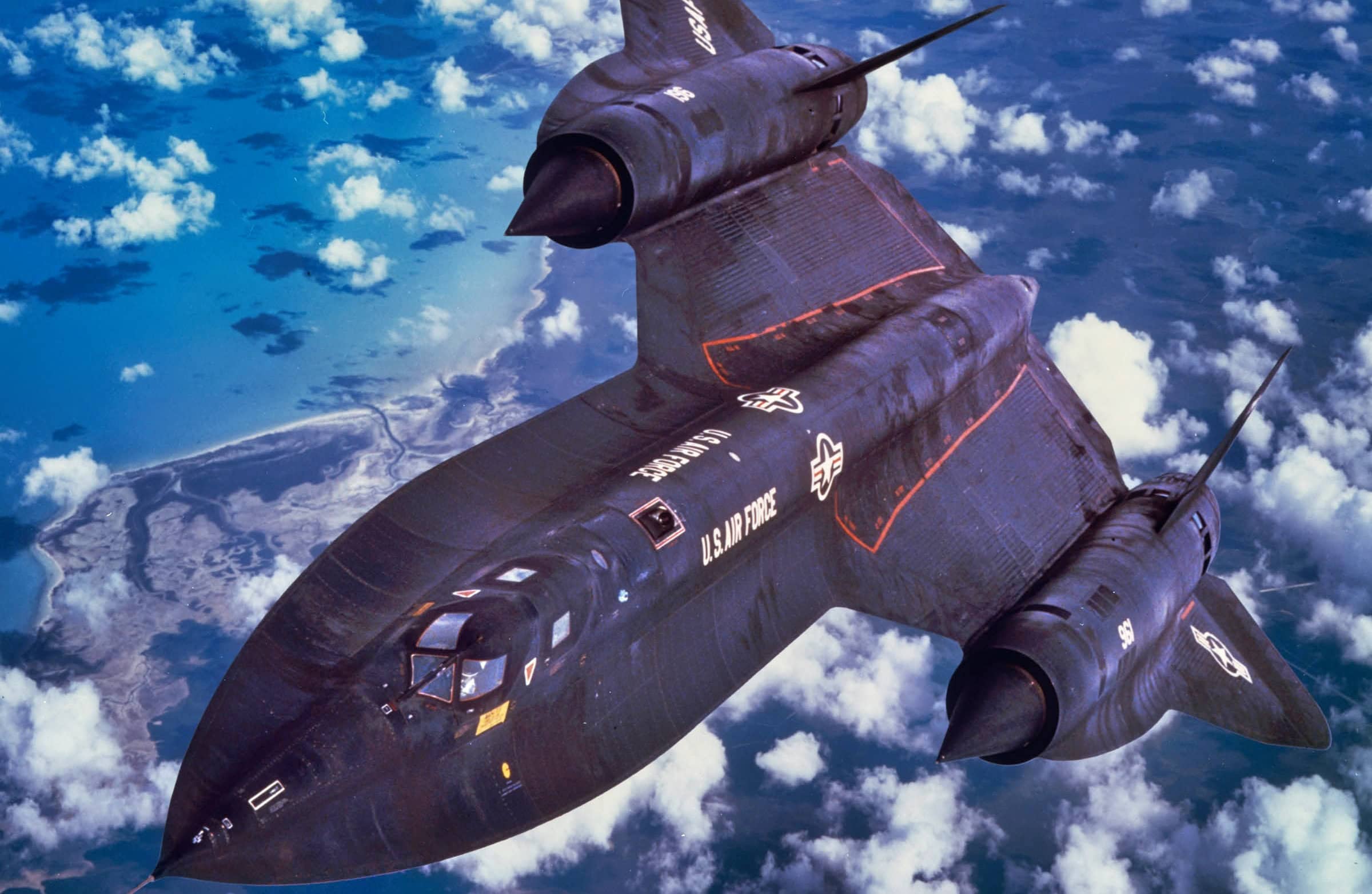
SR-71 Blackbird. Image Credit: Creative Commons.
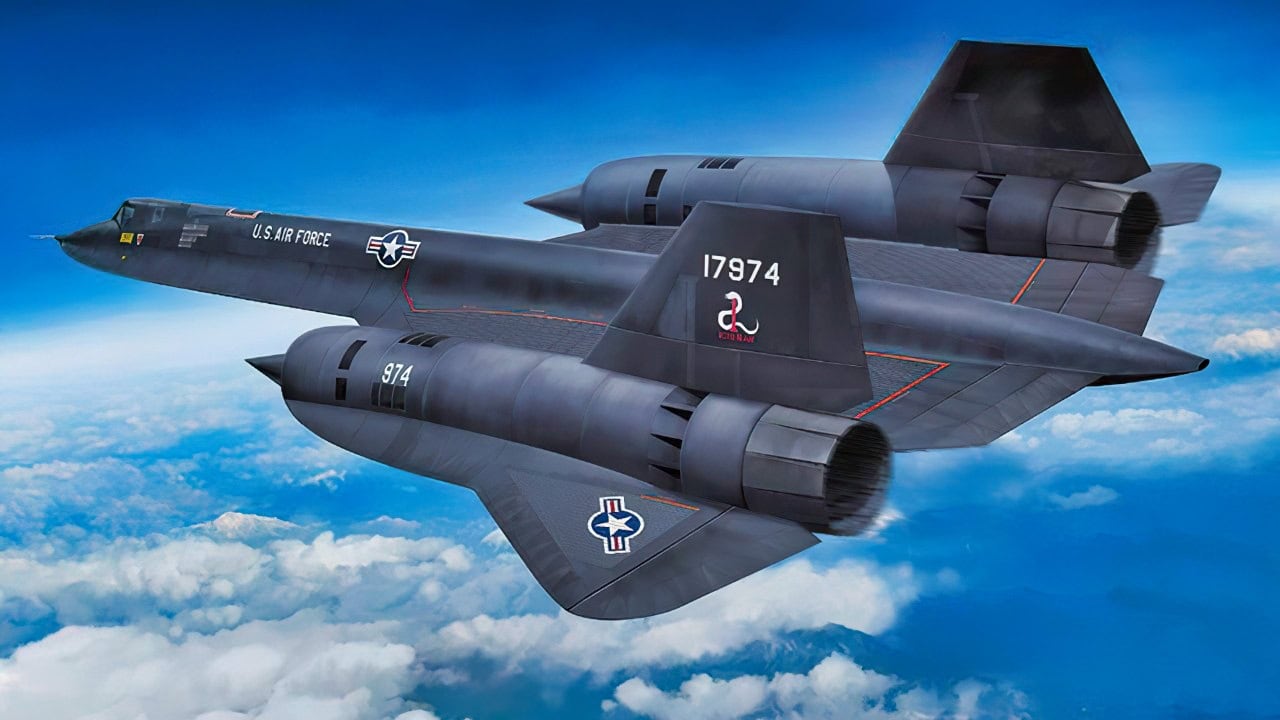
SR-71 Blackbird. Image Credit: Creative Commons.
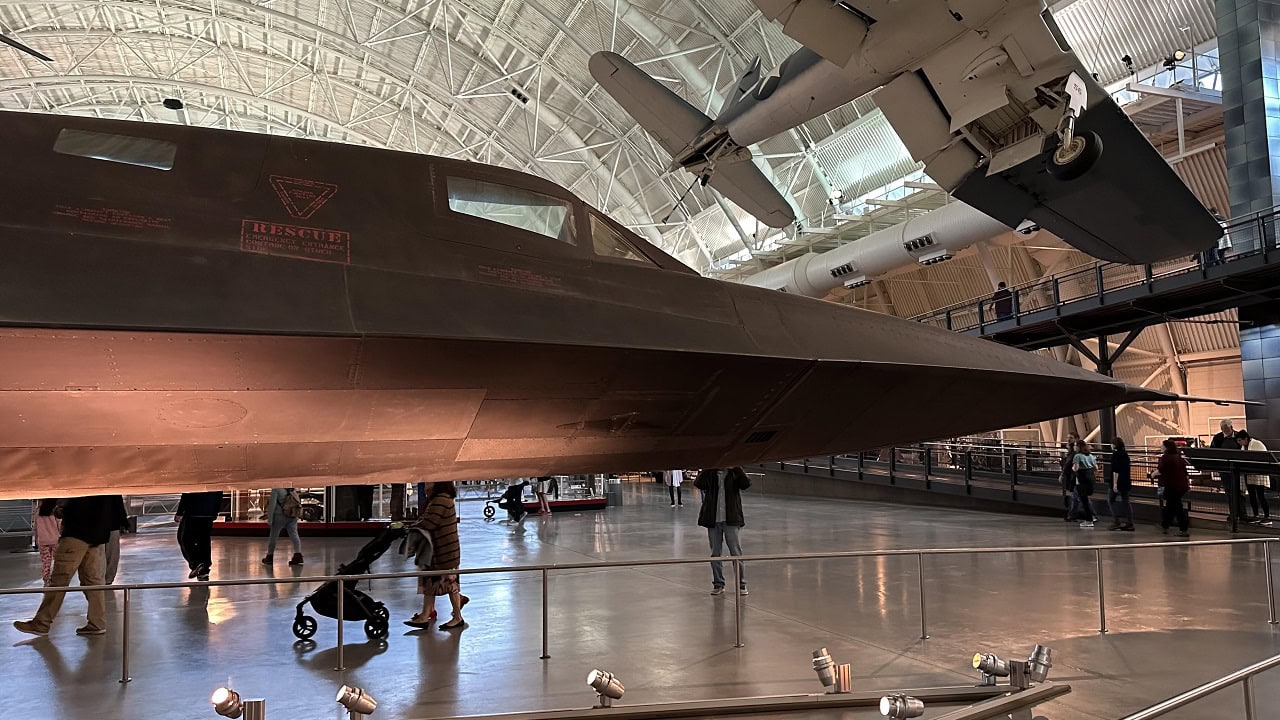
SR-71. SR-71 photo taken at the National Air and Space Museum. Taken by 19FortyFive on 10/1/2022.
There are two different ways to retract the spyplane’s gear, which makes it unique, he said.
“It would quickly be out of control if the gear could not be raised, specifically the nose gear. During certain low-speed conditions in this situation, the recovery would not be possible if the nose gear could not be retracted. So, the SR-71 is the only aircraft I know of that has 2 methods (using hydraulics of either side) to retract the gear. Most aircraft have a normal and an emergency method to lower the gear, but only one system to retract the gear,” he told AGC. “But it was so critical to get that nose gear retracted at low speeds during single-engine operations that Lockheed designed it so that if either engine failed the landing gear could still be retracted. However, it is noted that the SR only had one hydraulic system to lower the gear, if that failed, there was a manual method to unlock the gear and allow it to free fall as the backup.”
He went on to call it a fascinating story.
“What are the odds that during a practice single-engine approach was made even more exciting by having the engine that was to power the practice single-engine approach and go-around blowup! This made the practice turn into a real single-engine go-around!,” Boudreaux told AGC.
“The Blackbird pilot rapidly brought up the idled engine and used it for the power needed (full afterburner) I’ll bet he was praying that the idled engine would smoothly and flawlessly go from idle to full afterburner when the other engine blew up. I’m sure there was puckered seat cushions before this was under control—amazing story.”
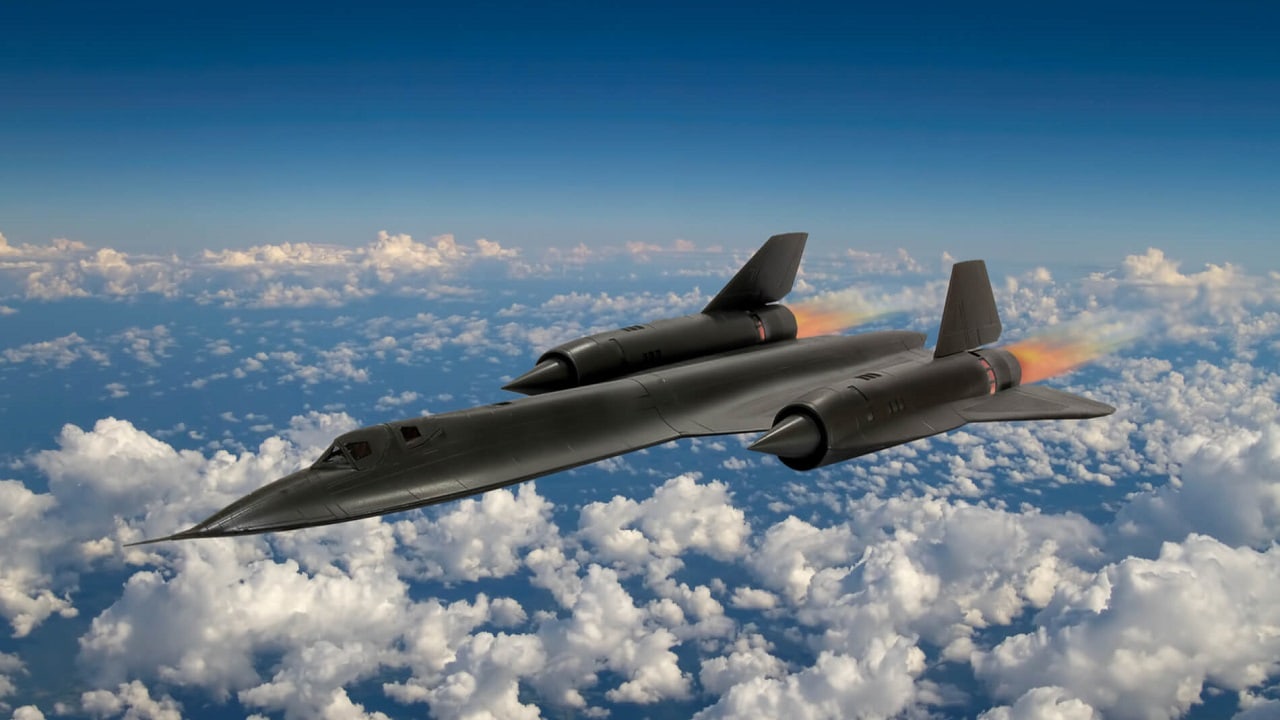
SR-71 Spy Plane. Image Credit: Creative Commons.
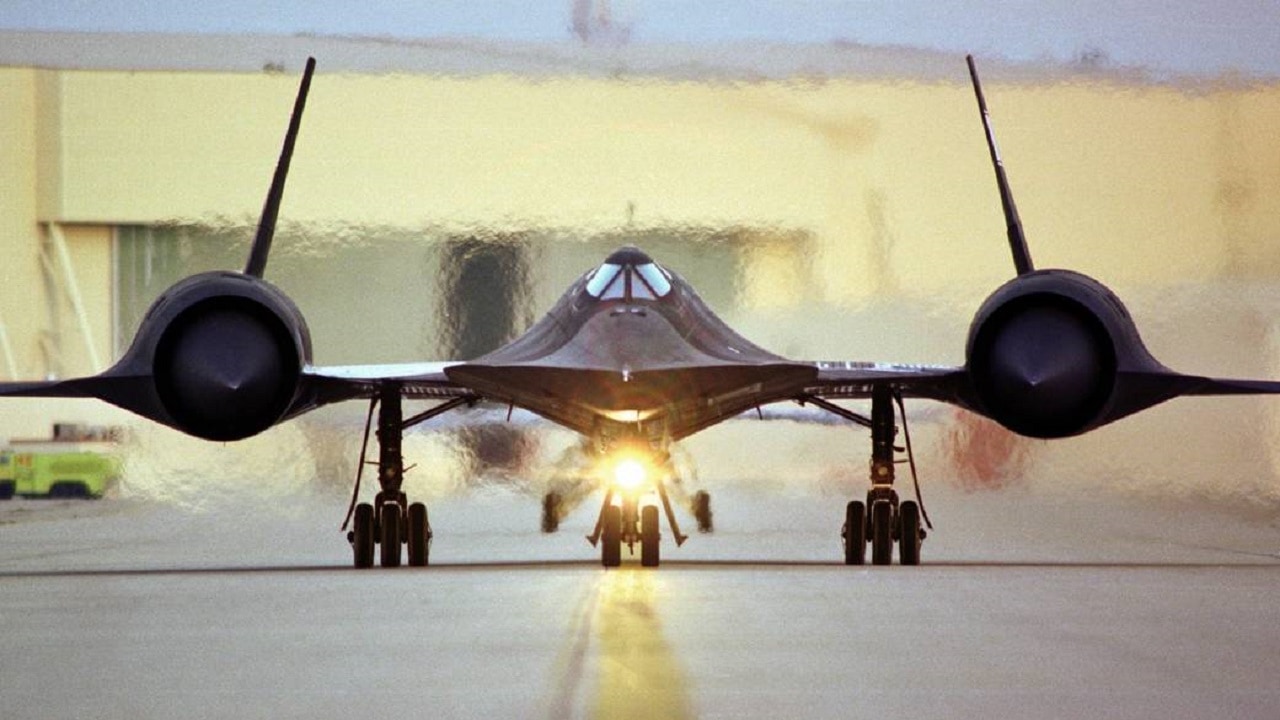
SR-71 Blackbird. Image Credit: Creative Commons.
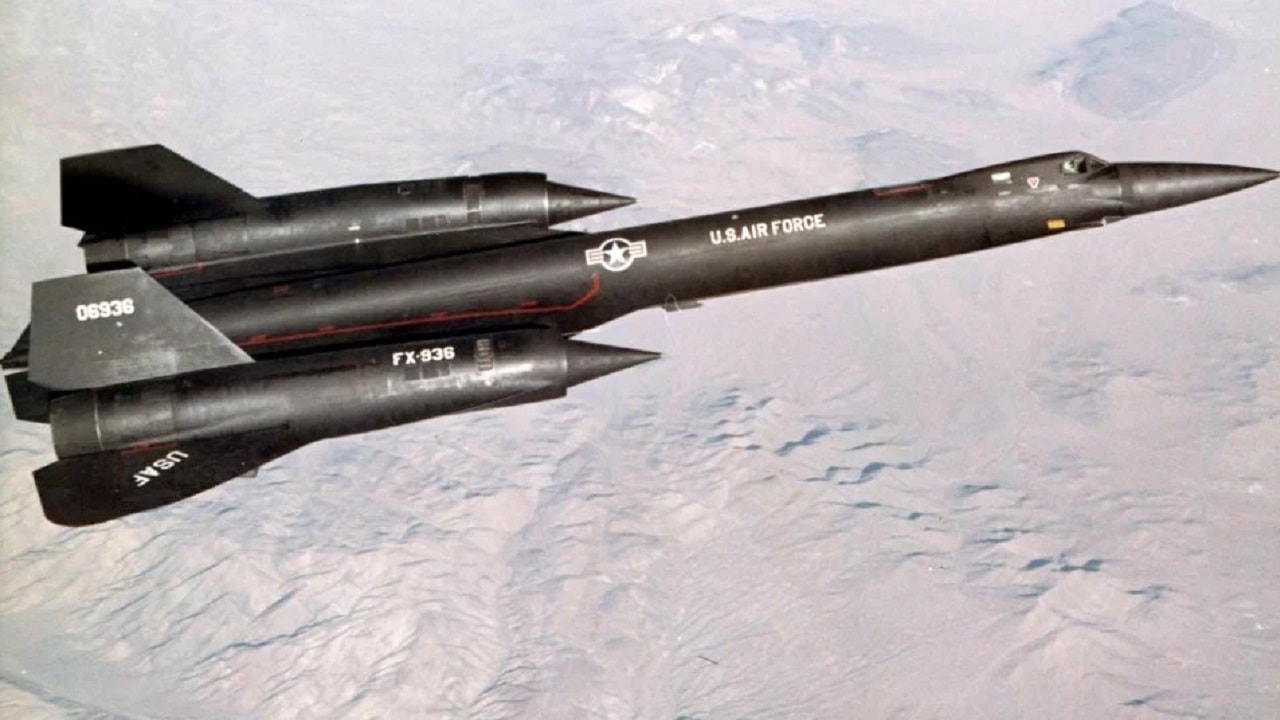
SR-71 Blackbird. Image Credit: Creative Commons.
What Ever Became of the SR-72?
The SR-71 was retired in 1989, as the Cold War was wrapping up. It was briefly reactivated in the 1990s, and some Blackbirds ended up in the hands of NASA.
For many years, there have been reports of a successor to the SR-71, sometimes called the “Son of Blackbird.”
Lockheed Martin certainly had some version of the project under development. A fictionalized version of it appeared in the 2022 film Top Gun: Maverick, with Lockheed working with the filmmakers on designing the “Darkstar” prototype that was used in the movie.
But how close was the SR-72 to becoming a reality? Interesting Engineering studied that question last year.
“Since 1998, Lockheed Martin has attempted to develop high-speed successors to the SR-71 but has been unsuccessful,” Interesting Engineering reported. “Lockheed Martin’s Advanced Development Programs, nicknamed ‘Skunk Works,’ developed the Hypersonic Technology Vehicle 2 (HTV-2), a rocket-launched aircraft, as part of the Defense Advanced Research Projects Agency (DARPA’s) ‘Falcon’ project.”
As of 2018, Business Times reported at the time, Lockheed was “prepared to invest in excess of $1 billion to develop the SR-72 hypersonic unmanned aerial vehicle (UAV) for reconnaissance and combat missions.” The company also said a prototype of the aircraft was expected to fly by 2025, although that did not happen.
So what’s the present status of the SR-72 project? That remains unknown. There has been no official announcement for several years, and no indication that any type of confirmation is imminent.
About the Author: Stephen Silver
Stephen Silver is an award-winning journalist, essayist, and film critic, and contributor to the Philadelphia Inquirer, the Jewish Telegraphic Agency, Broad Street Review, and Splice Today. The co-founder of the Philadelphia Film Critics Circle, Stephen lives in suburban Philadelphia with his wife and two sons. For over a decade, Stephen has authored thousands of articles that focus on politics, national security, technology, and the economy. Follow him on X (formerly Twitter) at @StephenSilver, and subscribe to his Substack newsletter.