
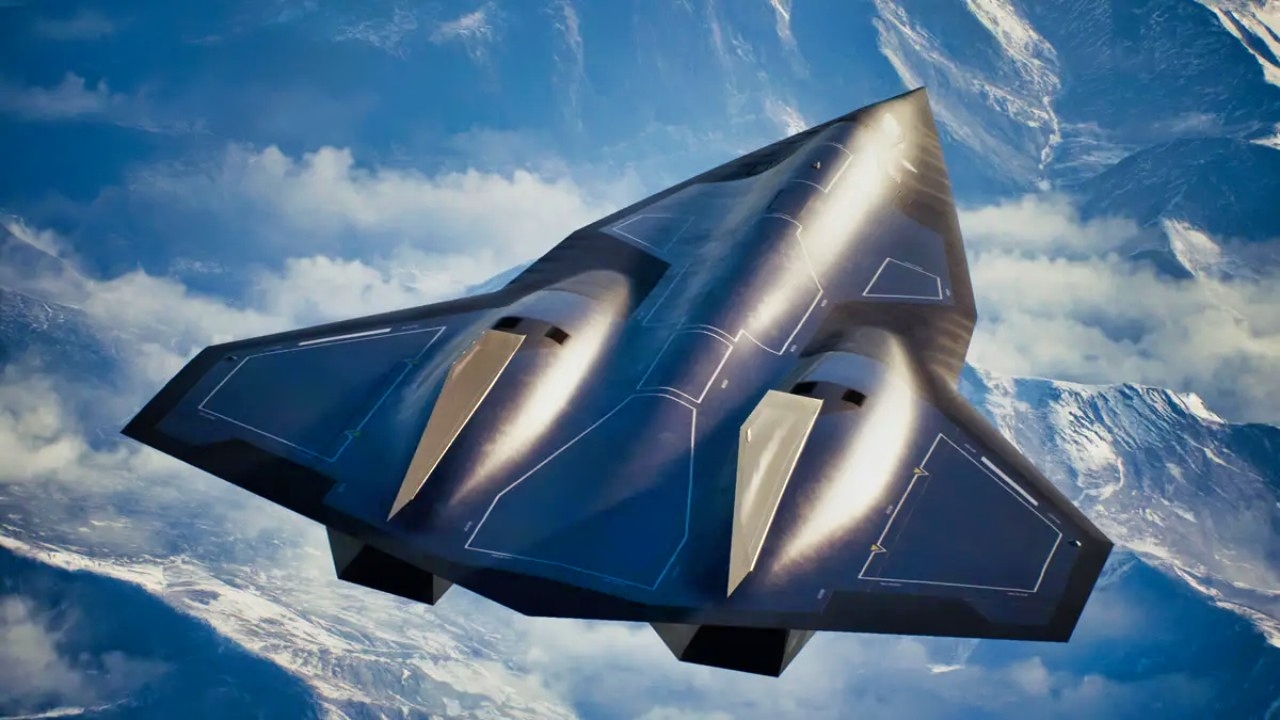
Key Points and Summary – The SR-72 “Son of Blackbird” was conceived as a Mach 6, hypersonic recon-and-strike platform able to cross continents in under an hour and outrun any defense.
-Since then, warfare has shifted toward cheap drones, satellite constellations, and hypersonic missiles, raising doubts about whether a manned hypersonic jet is still worth the massive cost and technical risk.
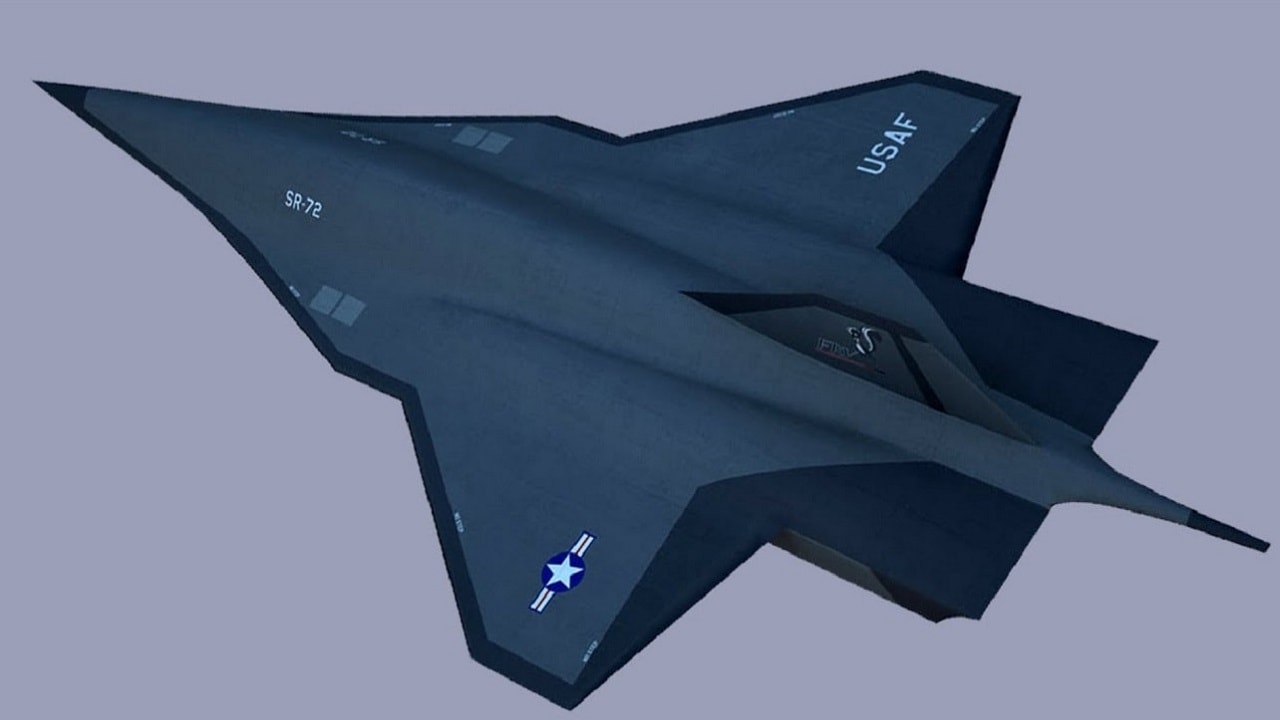
SR-72. Image Credit – Artist rendering.
-Yet a reusable platform that can surveil, strike, retask mid-mission, and then come home offers a level of speed and flexibility missiles and expendable drones cannot match.
-In a world of rising peers, the U.S. should build SR-72 precisely because it’s hard.
In 3 Words: Build It Now.
Is the SR-72 A Bad Idea? U.S. Should Do It Anyway
When talk of the SR-72 – the hypersonic successor to the legendary SR-71 Blackbird – first surfaced, the promise was this: a return to aerial dominance with a Mach 6 aircraft capable of traversing continents in under an hour.
The aircraft is envisioned as a next-generation and frankly futuristic platform capable of gathering intelligence or striking high-value targets without being intercepted.
But today, as drone swarms and hypersonic missiles proliferate, there’s a question that’s hard to ignore: Does investing in a crewed hypersonic strike place still make sense?
Or has the evolution of unmanned and missile-based systems rendered the SR-72 redundant?
Meet the SR-72 – And the Problems It’s Supposed To Solve
The SR-72 is a proposed hypersonic reconnaissance and strike aircraft in development by Lockheed Martin’s Skunk Works.
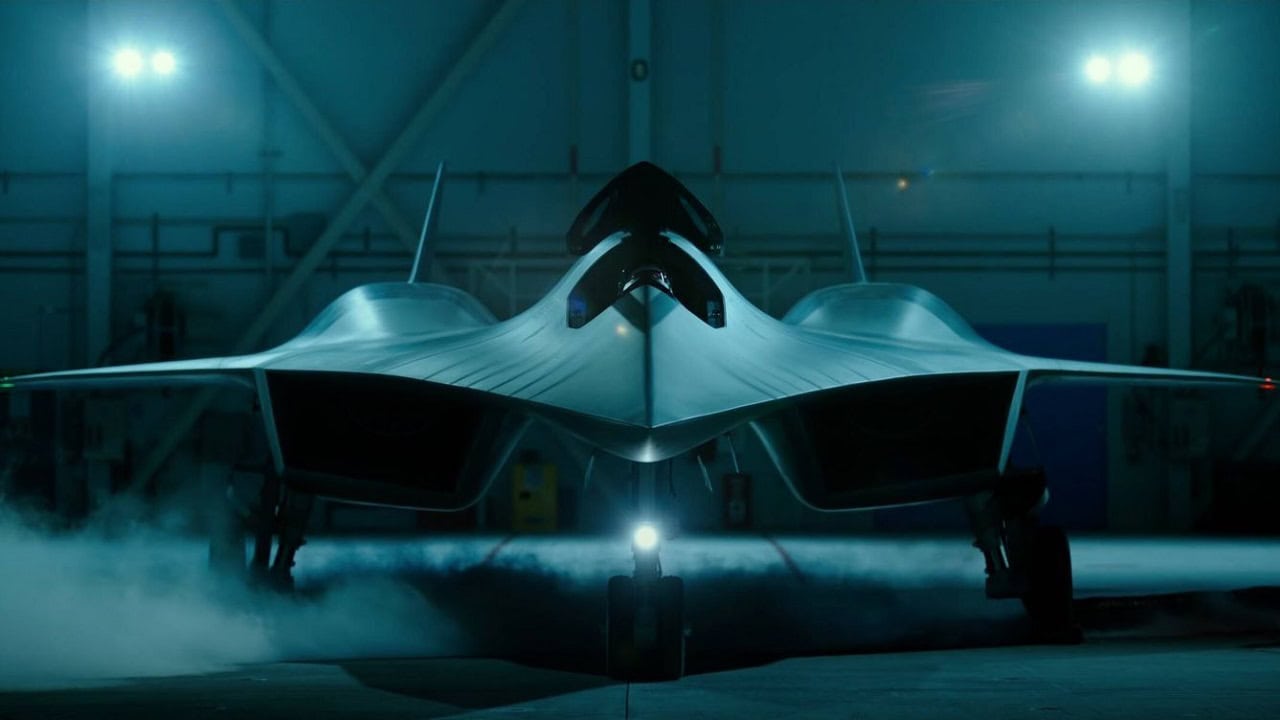
SR-72 Darkstar. Image Credit: Computer Generated Image.
We’ve covered it at great length here, and we’ve made it quite explicit how impressive a feat of engineering this thing will be – assuming it ever really appears.
The aircraft would rely on a novel turbine-based combined-cycle propulsion system that would enable the turbojet to power subsonic flight and the scramjet to cruise hypersonically.
It would double the Mach 3.2 speed of the SR-71 Blackbird and combine intelligence, surveillance, and reconnaissance (ISR) duties into a single precision package that can also conduct strikes.
It’s known as the “Son of Blackbird,” and if Lockheed follows through and delivers the kind of capabilities it has been promising for years now, it will be an astonishing accomplishment.
But things have changed since the concept was first envisioned, and now, they will change even more by the time the aircraft is in operational service.
So while the SR-72 will undoubtedly become the most advanced aircraft of its kind in the world, the question is whether it will be as effective as it was intended to be now that drones and long-range missiles are expected to dominate the skies.
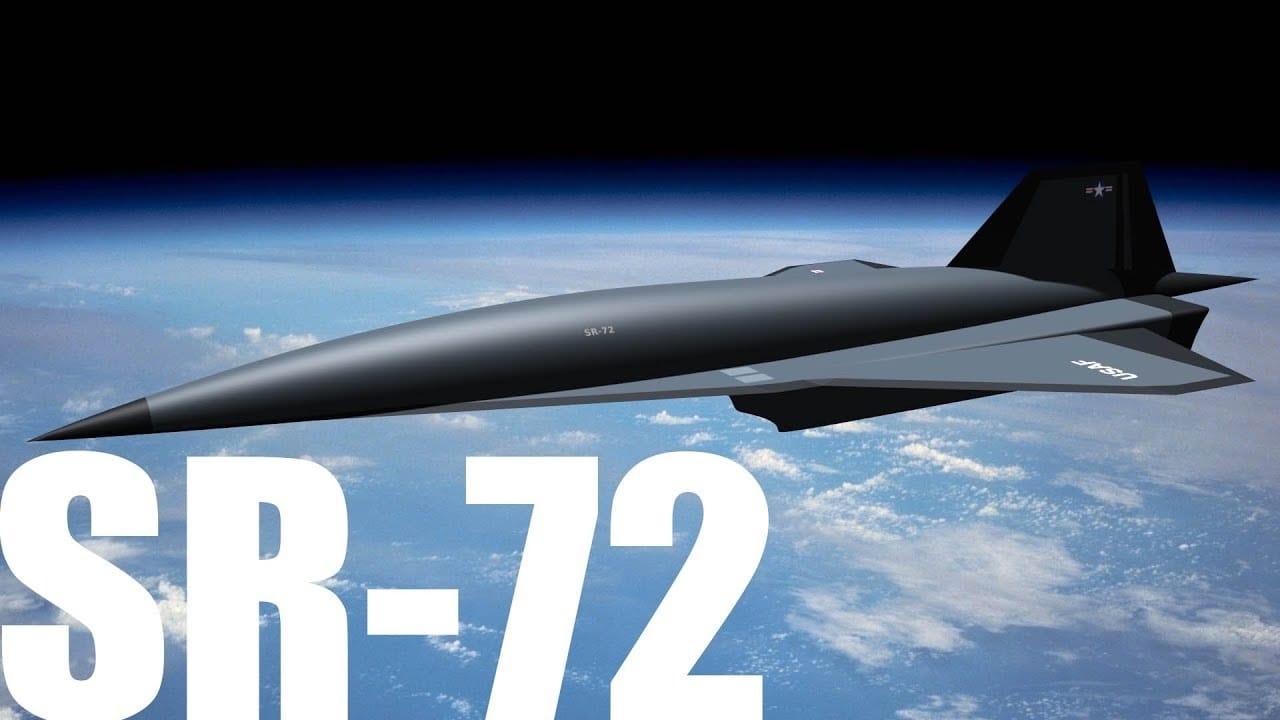
Artist Image of SR-72. Image Credit: Creative Commons.
The Case for SR-72
Sure, the environment has changed – but the SR-72 still offers a lot.
And, in fact, there’s still plenty of reason to believe that this could become one of the U.S. Air Force’s most valuable – and advanced – assets.
At hypersonic speeds, the SR-72 will still provide a significant strategic advantage in a contested environment.
A hypersonic aircraft that can cross a continent in under an hour can significantly compress enemy reaction time, shrinking the window for detection, decision-making, and interception.
Additionally, unlike an expendable missile or a single-use drone, a reusable hypersonic aircraft offers incredible flexibility: it can be retasked mid-flight, perform ISR before it conducts a strike, and change targets on the fly.
And if the situation changes, it can pull back, too.
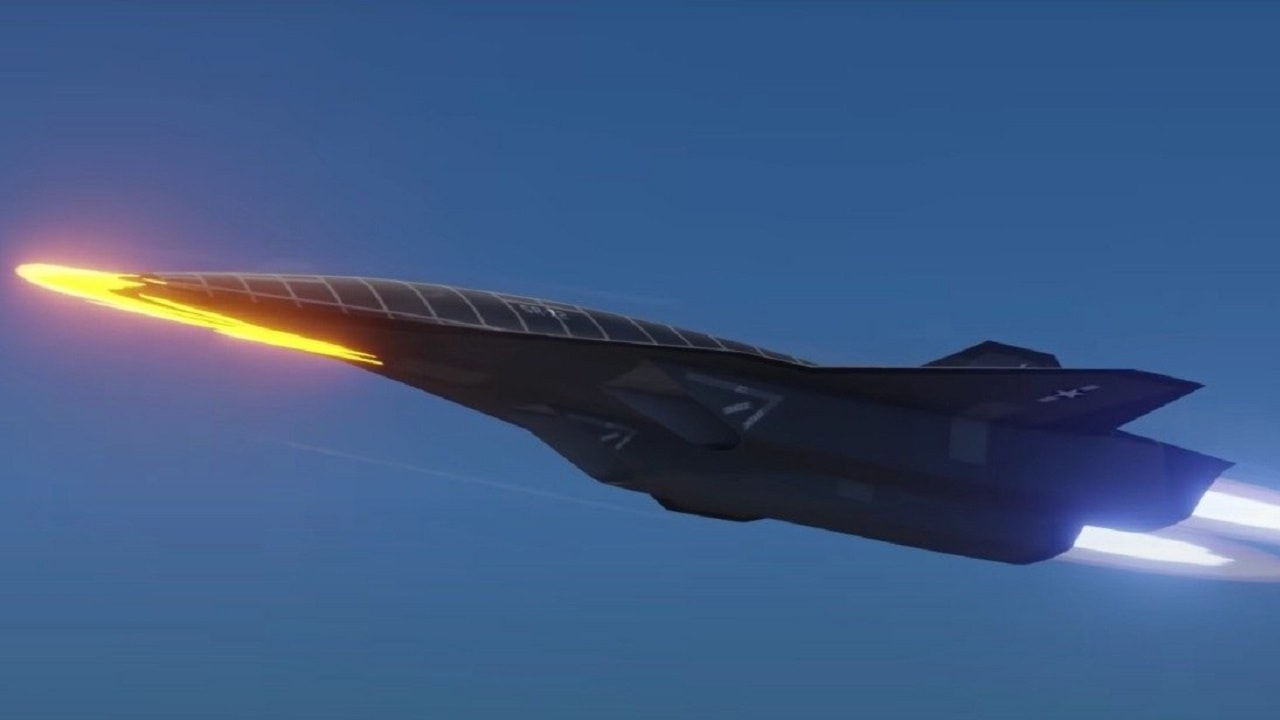
SR-72 Artist Rendering. Image Credit: Creative Commons.
That flexibility would be unmatched and is something no drone or missile can currently offer at the speed the SR-72 can.
In a contested, high-threat environment – one where advanced integrated air and missile defenses make stealth alone less valuable than it used to be – outrunning defenses is the answer.
For years before stealth technology had matured, outrunning defenses was the only option – and as technology has advanced and stealth aircraft are somewhat more vulnerable than they used to be, it looks like we’re back to square one.
Speed and flexibility remain vital for modern warfare. There is, therefore, a strong theoretical case for SR-72.
Drones and Missiles May Still Impact Decisions
That all being said, drones and missiles may still affect decision-making and call into question whether such an expensive, technically risky aircraft remains relevant.
The issue isn’t so much whether drones and missiles could defeat the SR-72, but whether they will be more economical and safe to deploy and develop than an experimental aircraft.
The nature of warfare is shifting heavily toward distributed sensing and attritable systems. Unmanned drones, networked sensors, and satellite constellations can work together to collect intelligence, loiter for long periods, and operate in swarms.
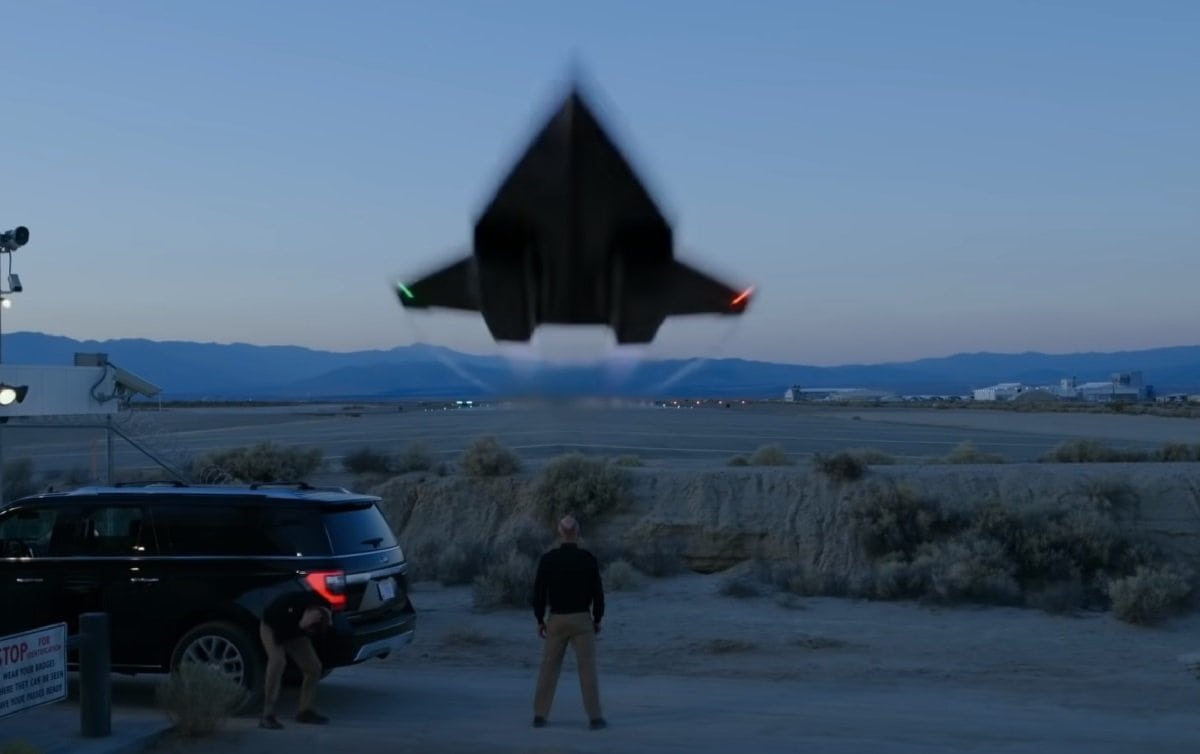
SR-72, maybe. Screenshot from Top Gun 2 Trailer.
Drones are far cheaper per unit than a Mach-6 aircraft, too. In many scenarios, a networked mesh of sensors and drones could offer greater resilience than a small number of high-value, high-cost platforms such as the SR-72.
Hypersonic missiles are maturing rapidly, too.
These weapons can strike deep and fast, often without endangering a pilot or aircraft.
And given the technical difficulty, cost, and logistical burdens of sustaining a hypersonic aircraft program – including the challenges in propulsion, thermal management, and materials – there could be a good case to be made in favor of expanding America’s hypersonic missile program.
But that being said, if any country in the world could develop an aircraft like the Son of Blackbird, it would be the United States – and if the U.S. doesn’t do it, might China? Might Russia?
The SR-72 will be a truly historic feat of human engineering, and it may be worth building for that reason alone.
About the Author:
Jack Buckby is a British author, counter-extremism researcher, and journalist based in New York who writes frequently for National Security Journal. Reporting on the U.K., Europe, and the U.S., he analyzes and understands left-wing and right-wing radicalization and reports on Western governments’ approaches to the pressing issues of today. His books and research papers explore these themes and propose pragmatic solutions to our increasingly polarized society. His latest book is The Truth Teller: RFK Jr. and the Case for a Post-Partisan Presidency.