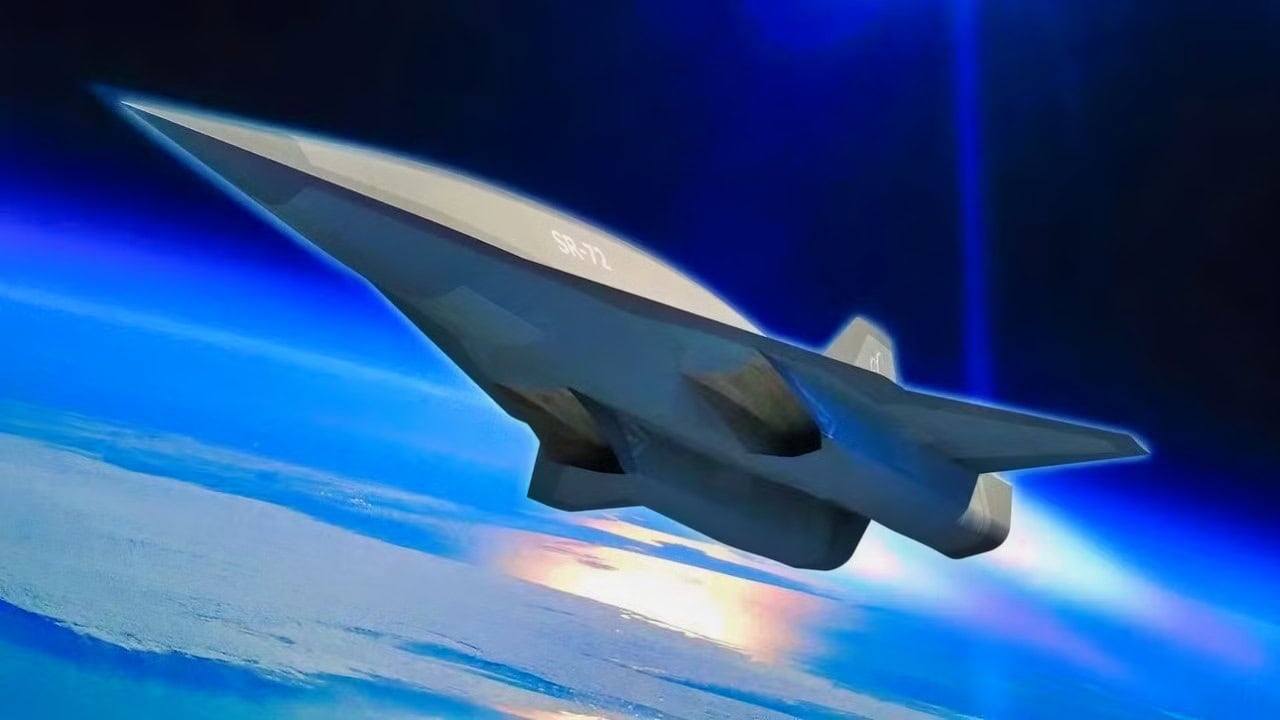
Key Points and Summary – The speculative SR-72 “Darkstar” is pitched as a Mach 6 successor to the SR-71, raising a key question: does a manned hypersonic spy plane still matter in an age dominated by reconnaissance satellites?
-Satellites provide broad, persistent coverage but are constrained by fixed orbits and increasingly vulnerable to Chinese and Russian anti-satellite weapons, jamming, and cyberattacks.
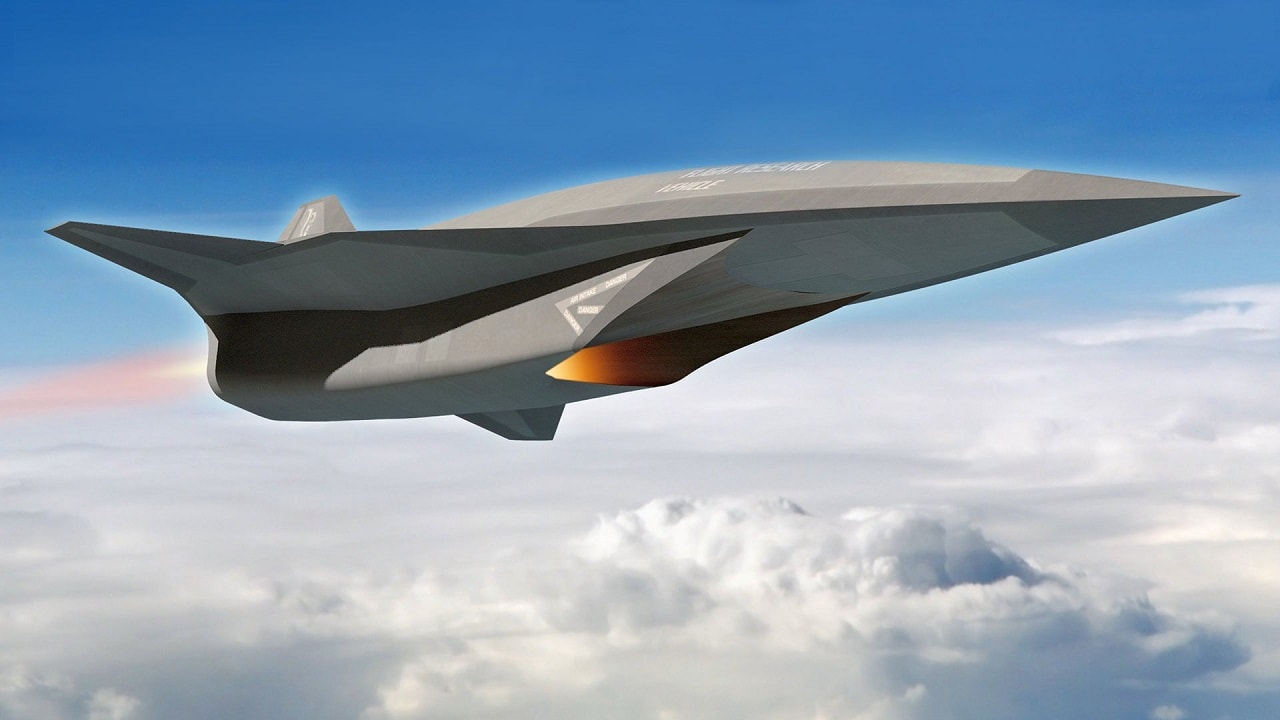
SR-72. Image Credit: Artist Rendering from Lockheed Martin.
-A Darkstar-type aircraft could offer rapid, on-demand ISR, sprinting across continents to image time-sensitive, mobile targets and penetrating heavily contested A2/AD environments.
-Rather than replacing space-based assets, a hypersonic manned platform would fill a niche—complementing satellites with speed, flexibility, and survivability.
Hypersonic SR-72 Darkstar: Super Spy Plane or 21st-Century Battleship?
The SR-72 Darkstar, a hypothetical successor to the Cold War-era SR-71 Blackbird supersonic reconnaissance plane, is a more modern and faster platform supposedly in development by Lockheed Martin.
Though much speculation exists about the plane, which made its debut to the public on the silver screen as part of the previous Top Gun franchise movie, it would be a difficult bird to catch thanks to its hypersonic, Mach 6 speed.
Much of today’s surveillance and reconnaissance spy work is still conducted from the sky, although it is now done by satellites rather than manned aircraft.
If we assume that the so-called “Son of Blackbird” or similar platforms are actually in development, what role would they play given the abilities of today’s spy satellites?
Is there still a role to be played by manned reconnaissance aircraft today?
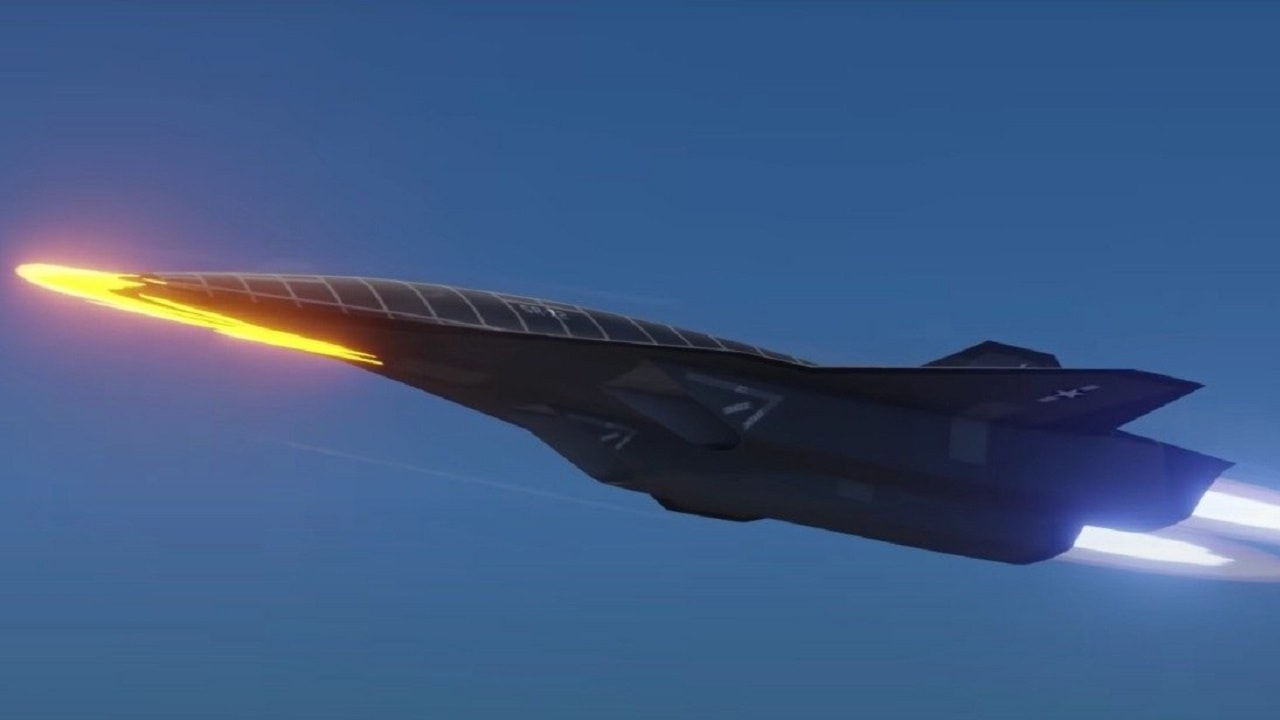
SR-72 Artist Rendering. Image Credit: Creative Commons.
Or, the SR-72 Darkstar is already obsolete, like a new battleship sailing in 1944, already outdated before it even does anything?
SR-72 Darkstar Questions – Satellites and Speed
Spy satellites are limited by their orbits. They must be in the right place at the right time to snap photos of objects on the ground. Their responsiveness, therefore, is limited by orbital mechanics.
“A typical satellite in LEO orbits the Earth in less than two hours, thus only seeing a given spot on Earth for a few minutes. Additionally, due to orbital mechanics, it may take hours or days for that satellite to revisit the same spot again,” the Center for Strategic and International Studies explains.
“Though a constellation of satellites at lower orbits can provide persistency by reducing the revisit time, satellites in GEO [geostationary] orbit at the same rate as the Earth, which means they view the Earth as if it is not moving. Only GEO provides a satellite, like Yaogan-41, with a persistent view of the same place. An additional advantage is that a GEO satellite can see almost half of Earth’s surface from its 36,000 km altitude.” While viewing the Earth from that altitude provides wide coverage, picture quality is coarser than that of a lower-orbit satellite, and a significant trade-off.
In contrast, a hypothetical hypersonic aircraft like the SR-72 Darkstar could be rapidly scrambled from the ground and dispatched over a target area.
At Mach 6 speeds, such an aircraft could cross entire continents in just a couple of hours, providing a precise and relatively rapid response to time-sensitive targets, such as road-mobile missile launchers or other agile threats.
In contrast, repositioning satellites can take significantly more time in some circumstances.
The Enemy Threat
Both satellites and hypersonic spy aircraft face concerted threats from the ground, though those threats are somewhat different. The two biggest threats are from Russia and China.
“The PRC views counterspace systems as a means to deter and counter outside intervention during a regional conflict,” the U.S. Department of Defense explains. “The PLA is developing, testing, and fielding capabilities intended to target U.S. and allied satellites, including electronic warfare to suppress or deceive enemy equipment, ground-based laser systems that can disrupt, degrade, and damage satellite sensors, offensive cyberwarfare capabilities, and direct-ascent anti-satellite (DA-ASAT) missiles that can target satellites in low Earth orbit (LEO).”
However, it is not just China that seeks to undermine the United States’ ability to maintain persistent eyes in space. Russia, too, is attempting to develop the tools to deal a severe blow to the United States’ space capabilities.
“Russia is developing, testing, and fielding a suite of reversible and irreversible counterspace systems to degrade or deny U.S. space-based services as a means of offsetting a perceived U.S. military advantage and deterring the United States from entering a regional conflict,” the Pentagon said. “These systems include jamming and cyberspace capabilities, directed energy weapons, on-orbit capabilities, and ground-based DA-ASAT missile capabilities.”
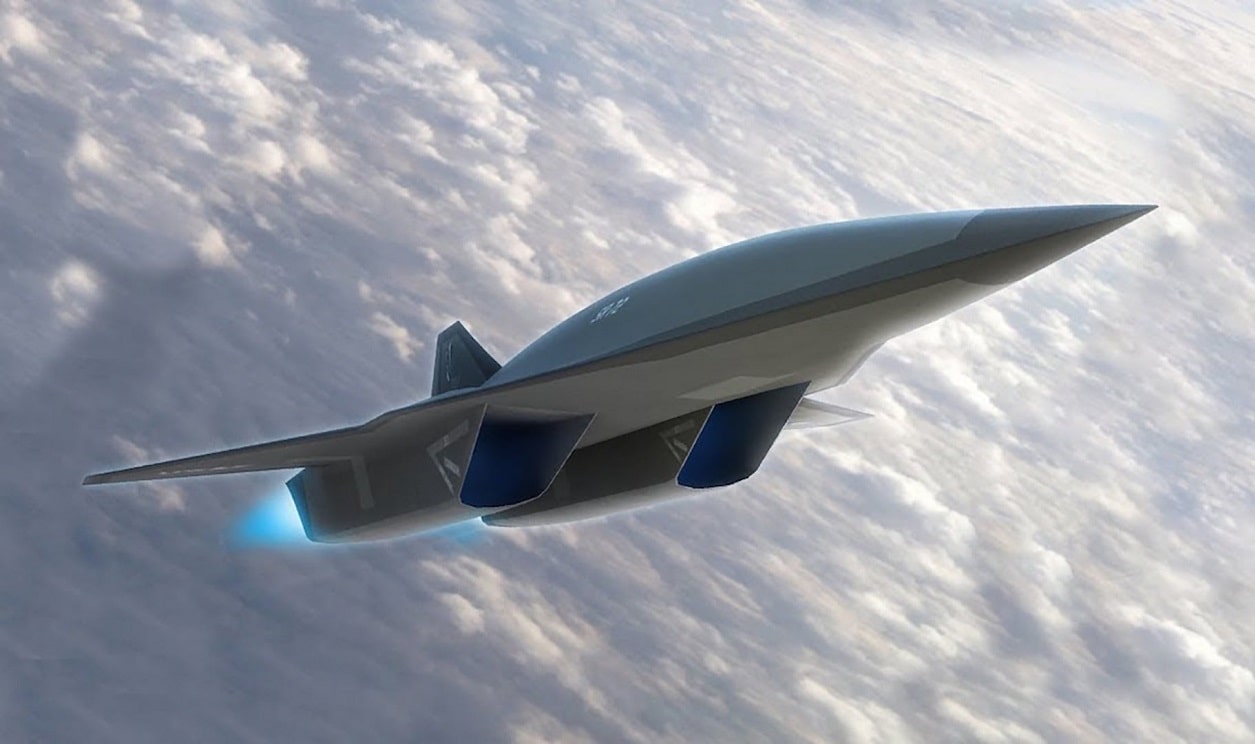
SR-72 image created by Lockheed Martin. Image Credit: Lockheed Martin.
What does this mean for spy satellites? They are seen as particularly plump targets for peer adversaries. Even if they are not destroyed outright, satellites can be disrupted through jamming, spoofing, or interrupting data links, all of which would severely undermine ISR in contested environments.
Quick Response
In contrast, a manned platform like the SR-72 could leverage both altitude and hypersonic speeds to fly faster than enemy air defenses. One analysis noted that a hypersonic ISR vehicle would be “difficult to intercept due to speed and high operating altitude, and will be able to perform its mission in areas highly contested by adversaries’ enhanced A2/AD capabilities. Potentially, such a system could be more flexible than satellite reconnaissance.”
Maybe the SR-72 Darkstar Is No Battleship?
Both satellite-based and hypersonic manned platforms have their own strengths and weaknesses. Space-based ISR offers a persistent capability, as well as broad coverage, albeit one that is limited by rigid orbits and anti-satellite threats.
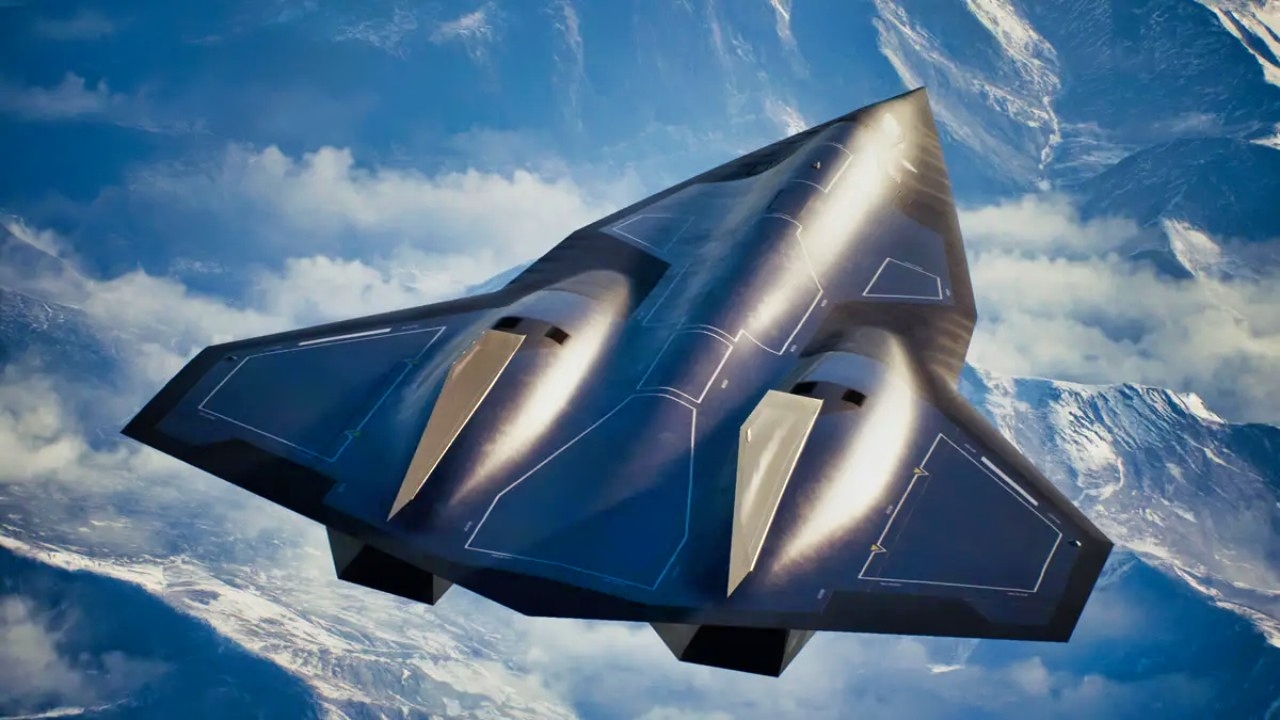
SR-72 Darkstar or SR-71 Son of Blackbird. Image Credit: Creative Commons.
In contrast, a hypersonic aircraft like the SR-72 would offer incredible speeds and quick reaction, along with global reach to emerging or time-sensitive threats.
An SR-72-esque aircraft would fill a specific strategic niche and complement rather than replace satellites, given its response time and survivability.
So maybe the SR-72 is no battleship after all. In the end, we need the plane to get a public debut before we will ever really know.
About the Author: Caleb Larson
Caleb Larson is an American multiformat journalist based in Berlin, Germany. His work covers the intersection of conflict and society, focusing on American foreign policy and European security. He has reported from Germany, Russia, and the United States. Most recently, he covered the war in Ukraine, reporting extensively on the war’s shifting battle lines from Donbas and writing on the war’s civilian and humanitarian toll. Previously, he worked as a Defense Reporter for POLITICO Europe. You can follow his latest work on X.