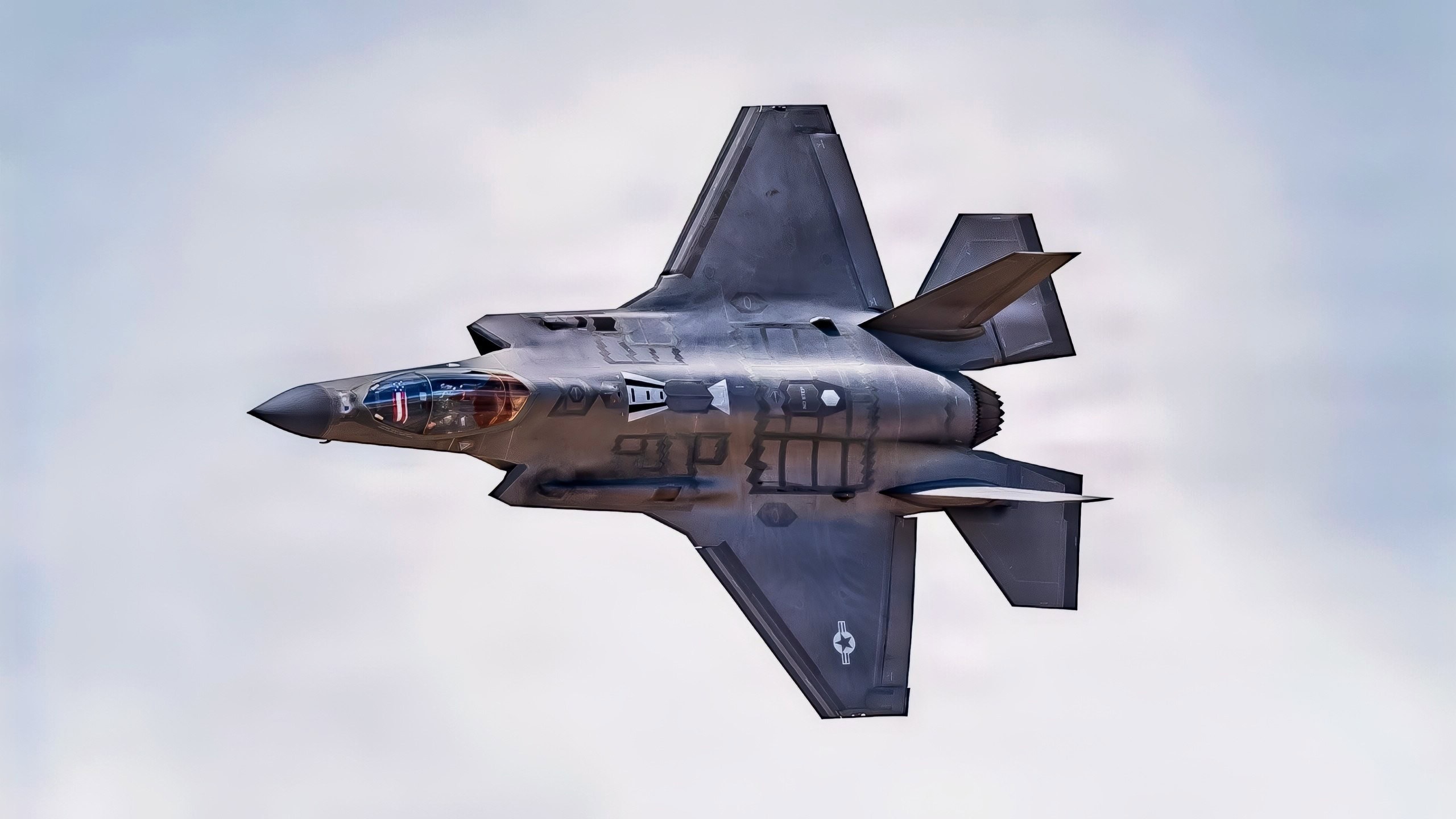
A growing number of public reports suggest that a U.S. F-35 hit by Iranian fire may have been detected by infrared, heat-seeking sensors, rather than by the electromagnetic radar that typically defends ground-based air defenses.
Operational specifics are unlikely to be available to the public anytime soon, as the Pentagon and U.S. weapons developers have little interest in highlighting any potential F-35 vulnerability.
Is there a previously underrecognized weakness in the F-35? Or was the Iranian hit on this jet simply a lucky shot?
Perhaps the aircraft was flying too slow or at a lower altitude—this is quite possible, given that the F-35 is increasingly thought of as a close-air-support (CAS)-capable platform.
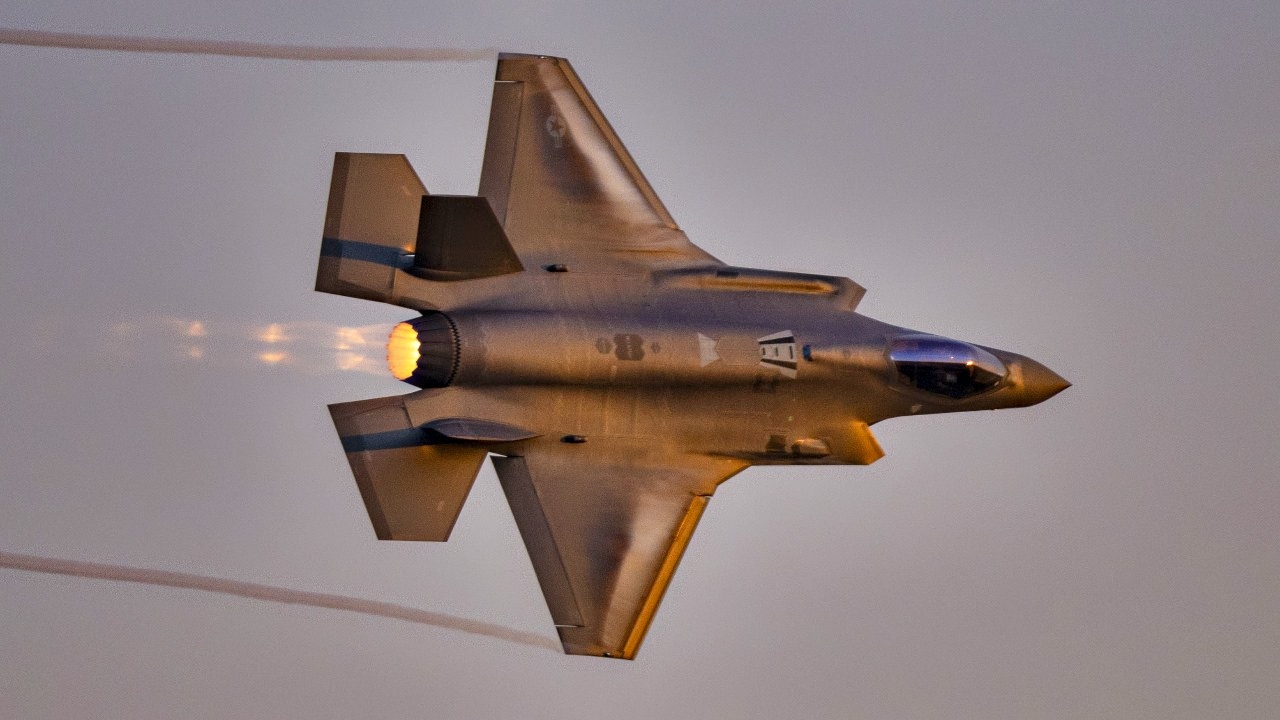
A U.S. Air Force F-35A Lightning II assigned to the F-35A Lightning II Demonstration Team performs at the Capitol Air Show over Sacramento, California, July 15, 2024. Innovations such as the F135 Smart Stacking Tooling Enhancement developed by the OC-ALC mechanics and engineers have significantly improved the rotor assembly process, increasing precision and enhancing the depot’s ability to produce the engine that powers the F-35 Lightning II. (U.S. Air Force photo by Staff Sgt. Zachary Rufus)
While the F-35 is thin-skinned compared to the A-10 Warthog, typically used for CAS, it can maneuver at much higher speeds and use longer-range, high-fidelity sensors to identify and precisely hit ground targets from higher altitudes.
The circumstances of the reported shootdown may not be clear, and the event might seem especially surprising given that the United States and Israel have for weeks been operating with air superiority above Iran.
Iran does not seem to operate any threatening Russian-built S-300 or S-400 air defenses, as these were likely destroyed quite some time ago.
It’s possible the F-35 was flying at a lower altitude to perform closer-in reconnaissance or strike missions.
Perhaps ground-based Iranian weapons fired area weapons or used proximity fuses to blanket a general area with explosive material.
Hitting the F-35 may have simply been a coincidence. U.S. Central Command says that yes, the F-35 was hit by hostile fire, but the aircraft made an emergency landing, and the pilot is in stable condition.
Infrared Targeting
A report in the Times of India posits that the Iranians may indeed have been using heat-seeking infrared surface-to-air weapons, such as the Misagh-2, Majid, and Herz-9.
The shoulder-launched surface-to-air Stinger missile is also a heat-seeking weapon, and it is used against helicopters, drones, and some fixed-wing aircraft—but aircraft flying at much lower altitudes than a typical F-35 would fly.
Instead of using radar, or electromagnetic pings, to detect an aircraft, these weapons simply home in on a heat signature, and an F-35 would emit such a signature to some extent.
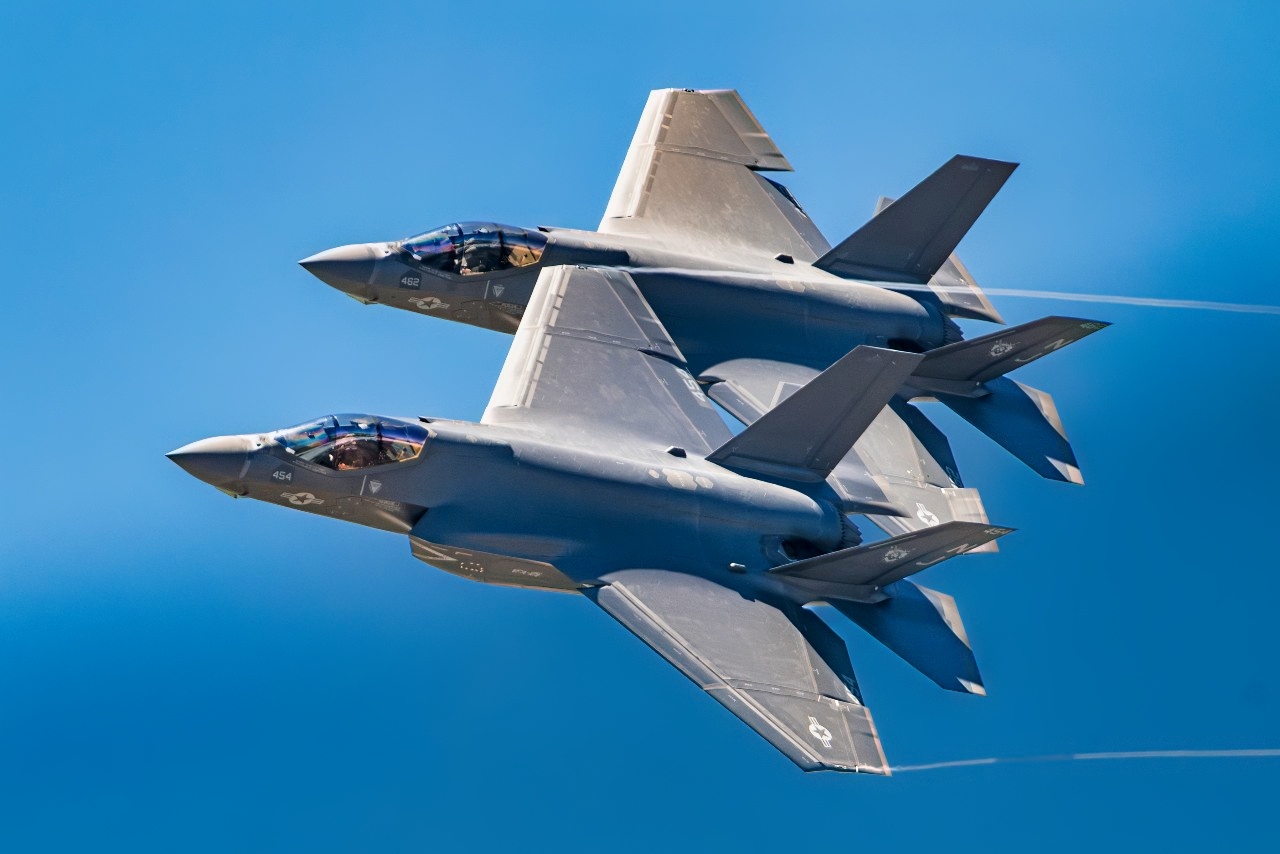
The U.S. Navy F-35C Lighting II Demo Team performs a flight demonstration at the Wings Over South Texas Air Show. This year’s air show marks Wings Over South Texas’s first return to Naval Air Station Corpus Christi since 2019.
However, while engine heat generated by propulsion or acceleration will undoubtedly be emitted, F-35s and other stealth aircraft are carefully engineered with specific cooling technologies and thermal management systems designed to reduce an aircraft’s heat emissions.
These can be certain cooling fluids used throughout the fuselage, exhaust emissions management systems, or technologies called IR suppressors that negate, minimize or counter an aircraft’s heat signature.
These systems are known to be quite effective, as they enable the aircraft to operate at temperatures as close to the surrounding atmosphere as possible in order to remain undetected by infrared targeting.
Range to Hit F-35
While the specifics of the incident remain unknown and are certainly under review at the Pentagon, there are strict limits on the range of most shoulder-fired infrared-guided anti-aircraft fire systems.
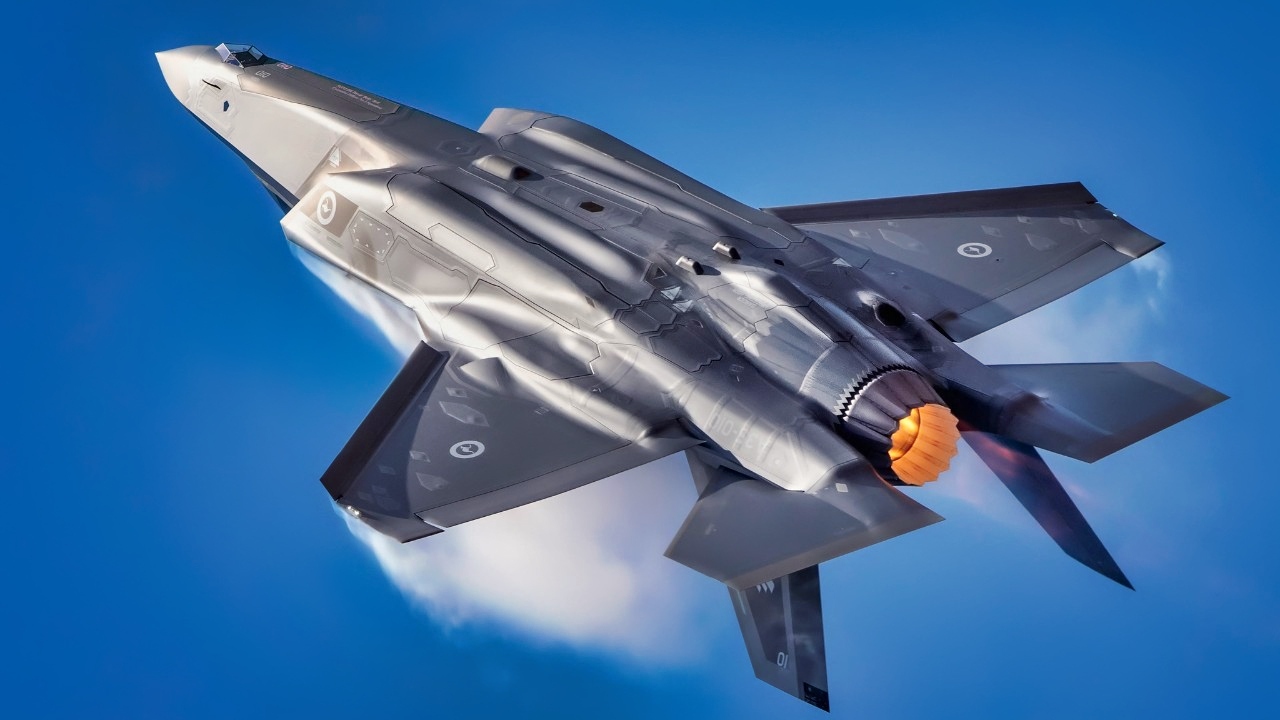
F-35 fighter. Image Credit: Creative Commons.
Most of these weapons can reach maximum ranges of 3–8 kilometers, whereas an F-35 can conduct effective combat missions from at least 15 km.
Therefore, it stands to reason that the F-35 may have simply been flying at much lower altitudes than it typically operates—if, indeed, the hit was scored by an Iranian infrared seeker.
Given these dynamics, some might wonder whether Iran has developed a longer-range infrared anti-aircraft weapon.
About the Author: Kris Osborn
Kris Osborn is the President of Warrior Maven – Center for Military Modernization. Osborn previously served at the Pentagon as a highly qualified expert in the Office of the Assistant Secretary of the Army—Acquisition, Logistics & Technology. Osborn has also worked as an anchor and on-air military specialist at national TV networks. He has appeared as a guest military expert on Fox News, MSNBC, The Military Channel, and The History Channel. He also has a Masters Degree in Comparative Literature from Columbia University.