
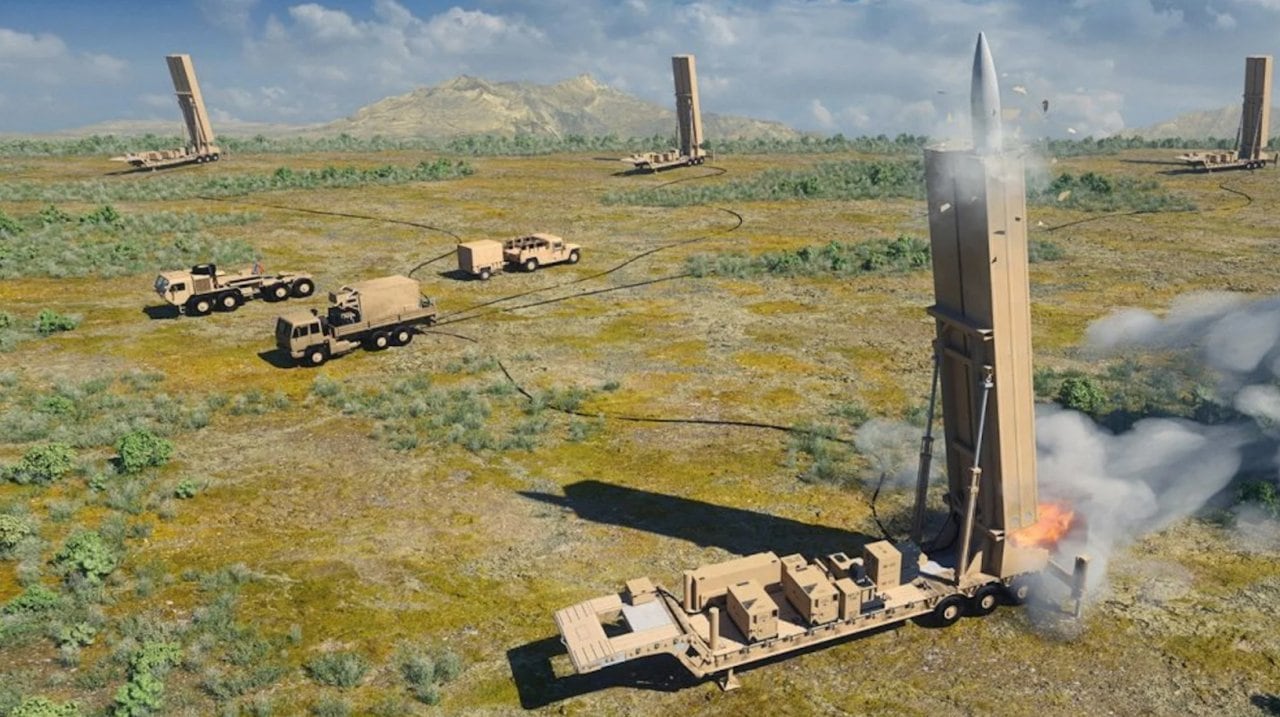
Summary and Key Points: National Security Columnist Steve Balestrieri reports the U.S. Army is weeks away from deploying its first “Dark Eagle” (LRHW) battery at Joint Base Lewis-McChord.
-Operated by Bravo Battery, 17th Field Artillery Brigade, the system features four TELs capable of launching Common Hypersonic Glide Bodies (C-HGB) at speeds exceeding Mach 5.
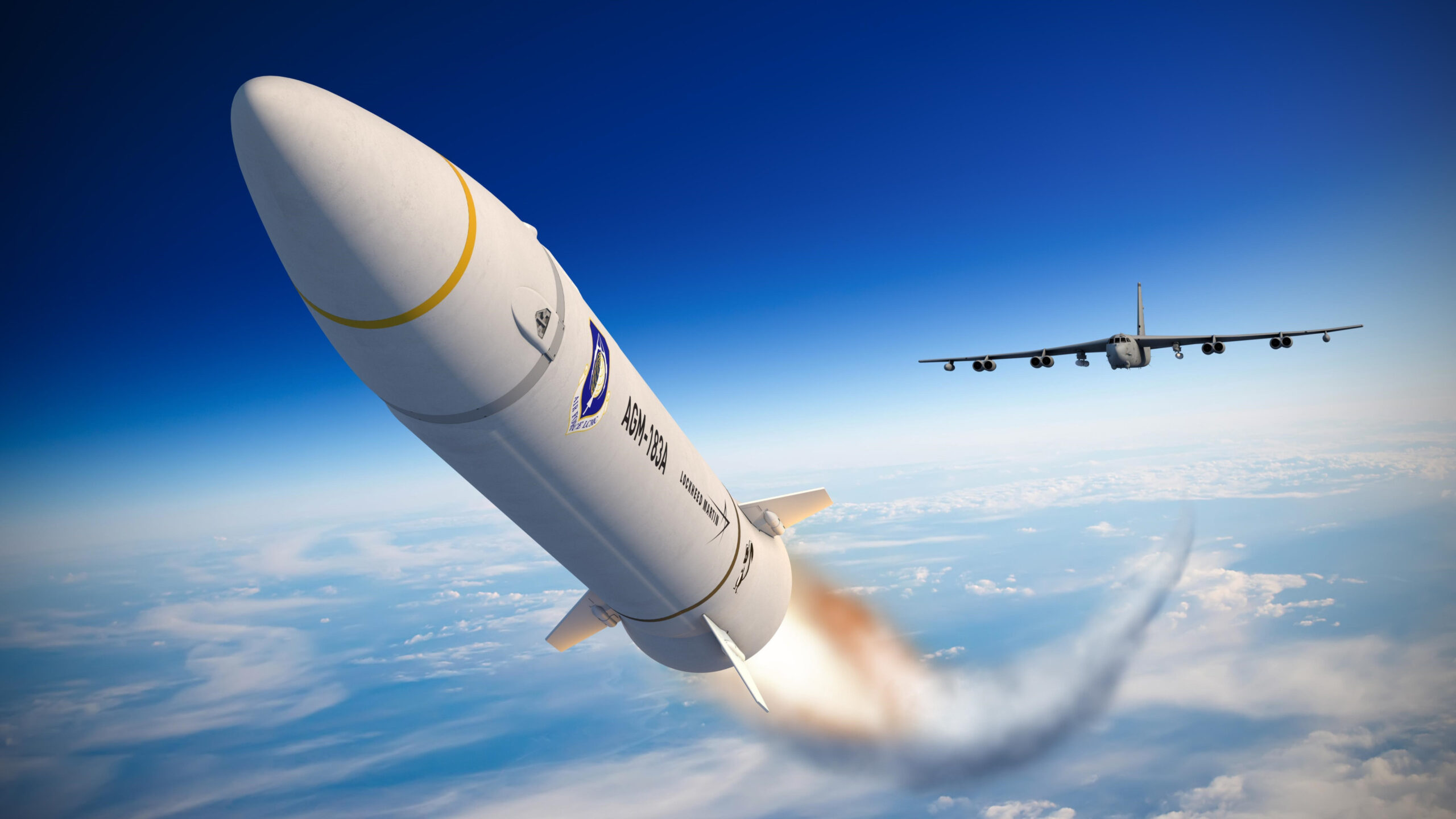
Hypersonic Missiles fired from B-52. Image Credit: Creative Commons.
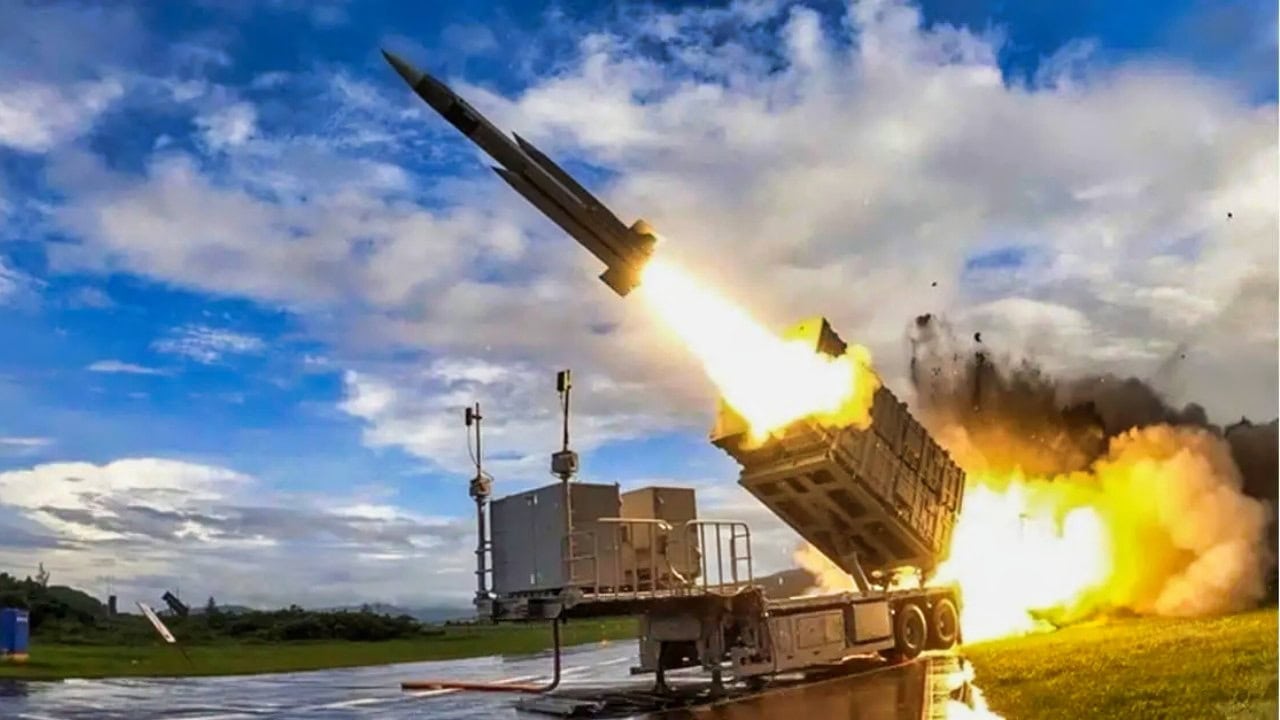
Qingtian Hypersonic Cruise Missile. Screenshot.
-With a range of 3,500 km, the Dark Eagle can strike deep-interior targets in under 20 minutes using pure kinetic energy.
-Despite a $12 billion program cost and March 2026 DOT&E assessments citing incomplete lethality data, the system provides a critical “stand-in” strike capability for the 2026 strategic landscape.
The Era of Dark Eagle: Why the Army’s First Hypersonic Battery Changes Global Deterrence
After overcoming technical challenges and the inevitable delays of a new weapons system, the US Army is getting ready to deploy its first Long-Range Hypersonic Missile System.
The ground-based system, named “Dark Eagle,” should enter service within the next few weeks. The missile is designed to travel at speeds above Mach 5 (3,836 mph) and has a range of over 3,500 km (2,715 miles).
The range of the Long-Range Hypersonic Weapon (LRHW) will allow it to launch from Guam and hit mainland China. Or Moscow from Western Europe.
Army LTG Frank Lozano, Program Acquisition Executive for Fires, told the media at a conference on March 17, 2026, that the Army is “very close” to fully equipping the first operational battery of the Long-Range Hypersonic Weapon, officially designated Dark Eagle, with final integration expected within weeks.

Mako Hypersonic Missile. Image Credit: Creative Commons.
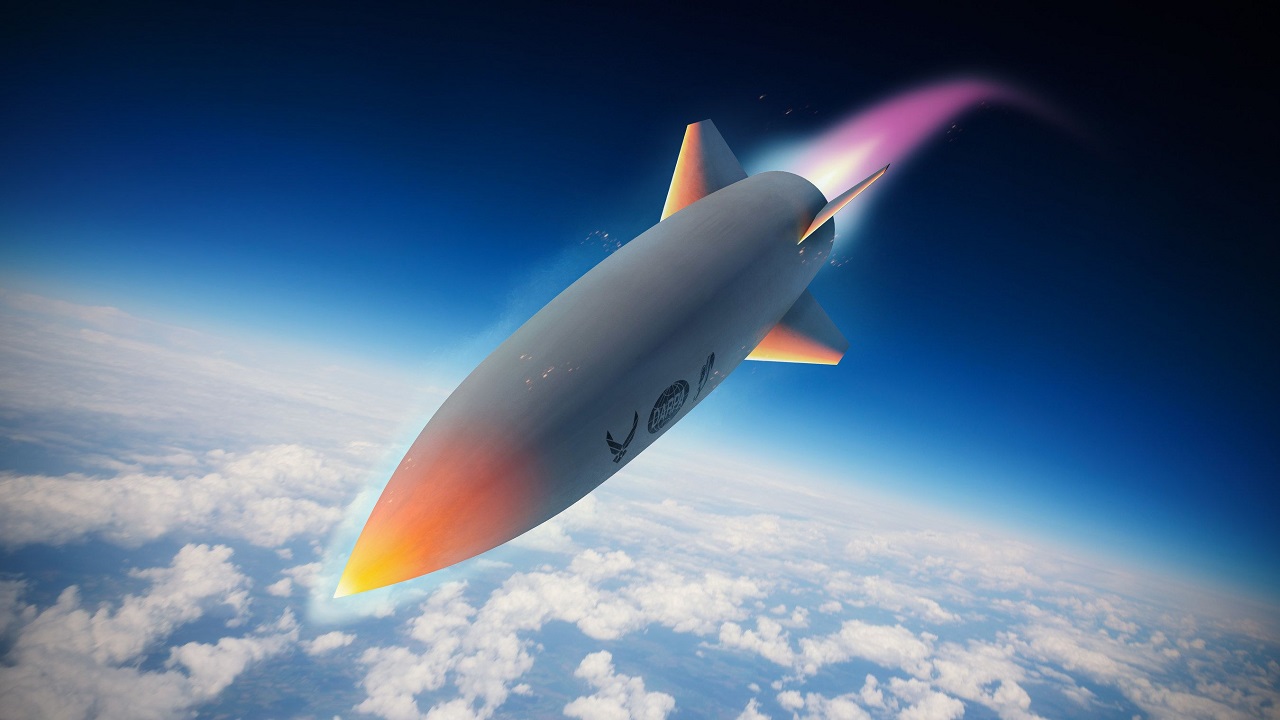
Hypersonic Missile Sample Image VIA DARPA.
“We’re looking to ramp up all munitions across the board,” Lozano told an audience at the McAleese Defense Programs Conference this week. “I want to make sure that we have enough to fight, and fight and win anywhere we need to fight and win on the globe.”
The first operational Dark Eagle battery is assigned to Bravo Battery, 5th Battalion, 3rd Field Artillery Regiment, 17th Field Artillery Brigade, based at Joint Base Lewis-McChord, Washington
Meet The “Dark Eagle”
According to Army Recognition, a single Dark Eagle battery consists of four transporter erector launchers (TELs) mounted on trailers, each carrying two hypersonic missiles, for a total of eight ready rounds, supported by a battery operations center and associated vehicles.
The Dark Eagle system is a surface-to-surface boost-glide missile combining a two-stage rocket booster with a Common Hypersonic Glide Body, which separates during flight and travels at speeds exceeding Mach 5 while maneuvering through the atmosphere.
This glide body is designed to sustain hypersonic velocity while altering trajectory, reducing predictability, and complicating interception by existing missile defense systems.
The reported operational range reaches 3,500 kilometers, allowing coverage of theater-level targets. The system’s flight profile differs from ballistic trajectories by maintaining atmospheric maneuverability rather than following a fixed arc.

Hypersonic Missile VIA artist rendering. Image Credit: Lockheed Martin.
Types of Hypersonic Weapons:
There are two types of hypersonic weapons, hypersonic glide vehicles (HGVs) and hypersonic cruise missiles (HCMs). The glide vehicle is nearly the same warhead that a ballistic missile uses. After being launched into the upper atmosphere by a booster rocket, one or more glide vehicles are released and use the rocket’s momentum to speed toward their targets.
The hypersonic cruise missiles are quite different, very difficult to produce, and much more expensive than a traditional cruise missile. They rely on a different propulsion system called a Scramjet (supersonic combusting ramjet), which is, according to NASA, a ramjet engine in which the airflow through the engine remains supersonic, or greater than the speed of sound. Scramjet-powered vehicles are envisioned to operate at speeds of at least Mach 15.
Scramjets must be deployed from fast-moving aircraft to be effective, or launched with a booster that will carry them to supersonic speeds before the scramjet is activated.
Small Warhead, But Kinetic Energy Is Very Powerful
The Dark Eagle’s glide body relies on kinetic energy effects generated by extremely high speeds combined with a small warhead estimated at less than 30 pounds. Time-to-target for long-range strikes can be under 20 minutes, depending on the launch location relative to the target. The system is intended to engage hardened or time-sensitive targets such as air defenses, command nodes, and missile systems.
Hypersonic weapons are capable of maintaining speeds in excess of Mach 5, or around 3,800 miles per hour. Alex Hollings wrote earlier in Sandboxx that “hypersonic weapons are carrying enough kinetic energy to destroy many targets without the need for an explosive warhead, and worse still, they are all but impossible to defend against using even the latest missile defense systems available in any nation’s military.”
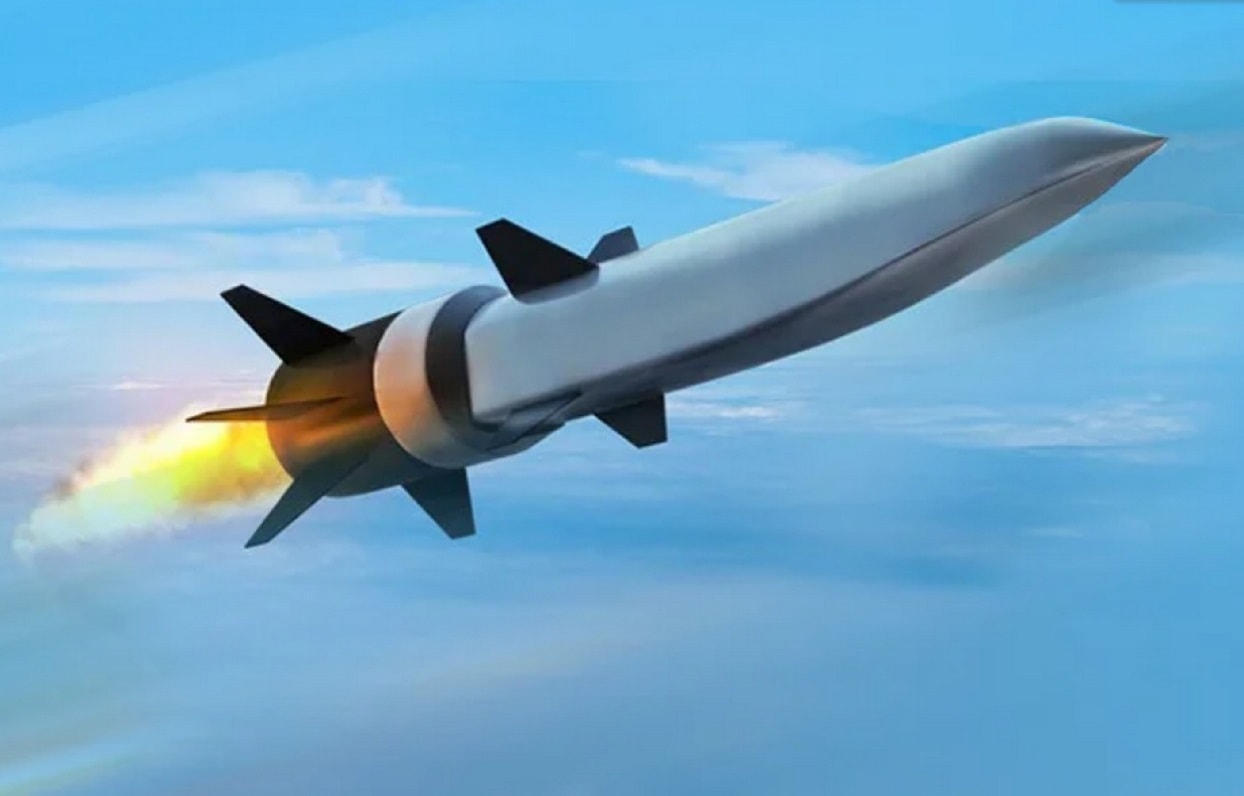
Image: Creative Commons.
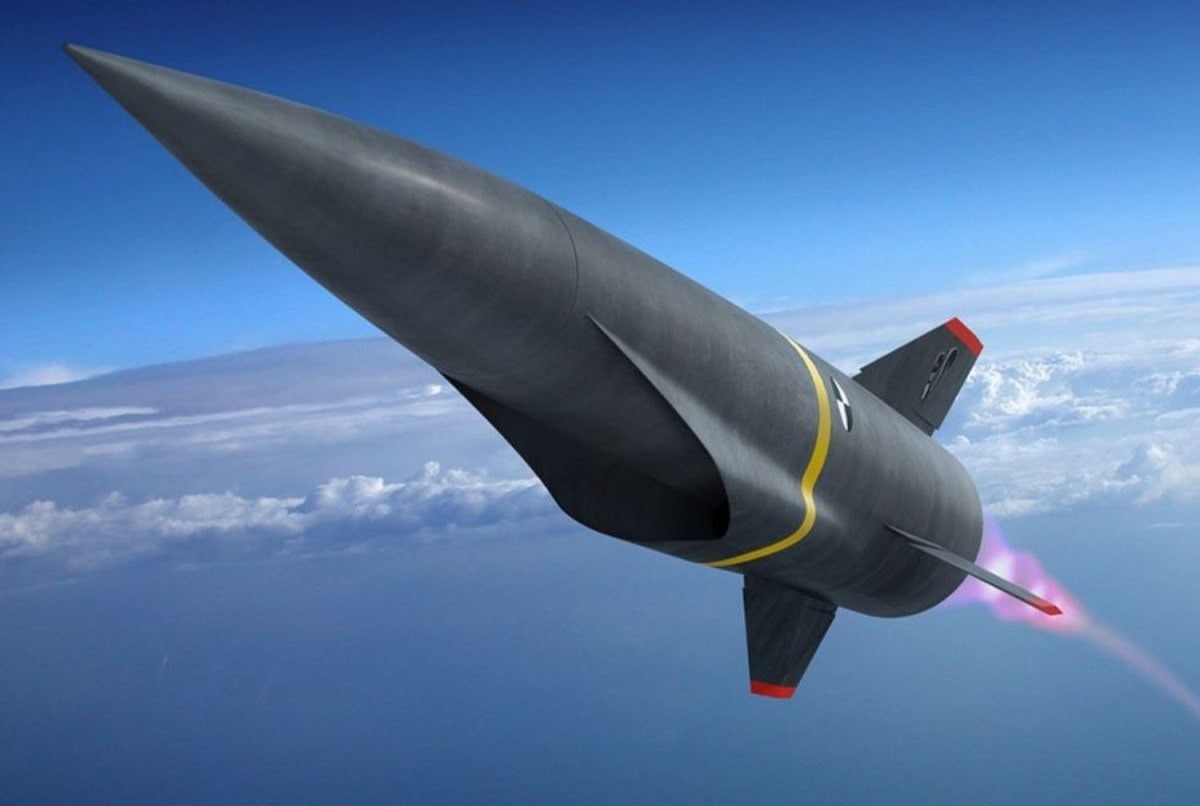
Image: Creative Commons.
After putting the hypersonic program on the back burner for two decades, as the country was mired in asymmetric conflicts in the Middle East, the War Department made a concerted effort to reuse existing arms systems and put developing new systems on a lower priority.
The LRHW Has Been An Expensive Program
The program has accumulated more than $12 billion in funding since 2018. Each missile costs an estimated $41 million dollars, and the initial procurement costs are expected to be even higher, so these won’t be used recklessly.
The Army plans to field an additional two batteries of Dark Eagle missiles by Fiscal Year 2028.
The Navy is working on a variant of the Dark Eagle and will incorporate the missile on its Zumwalt-class destroyers and Virginia-class attack submarines.
The missile is produced by Lockheed Martin and has been in development since 2021, with the company furnishing troops with the equipment to test.
“Lockheed Martin is proud to continue our strong partnership with the U.S. government for hypersonic strike capability,” said Steve Layne, vice president of Hypersonic Strike Weapon Systems at Lockheed Martin.
“With this contract, we will support the U.S. Army to sustain the Long Range Hypersonic Weapon System currently in the hands of U.S. soldiers, produce additional batteries for future fielding, and support flight testing.”
Pentagon Testing Incomplete, The System Not Fully Evaluated
Testing will continue on the system, despite its having been fielded. The Pentagon’s Director of Operational Test and Evaluation reported earlier in a March 2026 assessment that they have insufficient data to determine whether the LRHW is operationally effective, suitable, or survivable under realistic combat conditions.
The report stated that lethality against representative targets has not yet been fully evaluated, meaning planners cannot conclusively determine how the system will perform against hardened or defended objectives.
This is not unusual when the equipment or weapon involved in rapid-acquisition programs is intended as a strategic-strike weapon.
About the Author: Steve Balestrieri
Steve Balestrieri is a National Security Columnist. He served as a US Army Special Forces NCO and Warrant Officer. In addition to writing on defense, he covers the NFL for PatsFans.com and is a member of the Pro Football Writers of America (PFWA). His work was regularly featured in many military publications.