Summary and Key Points: Defense expert Christian D. Orr evaluates the military leadership of the Union Army during the American Civil War as it relates to Abraham Lincoln and one key quote.
-This report analyzes the tenures of three generals who frustrated Abraham Lincoln: George B. McClellan, whose “timidity” at Antietam allowed Robert E. Lee to escape; Joseph Hooker, whose humiliation at Chancellorsville followed a stern presidential warning against rashness; and George Gordon Meade, who, despite winning at Gettysburg, failed to finish the Army of Northern Virginia.
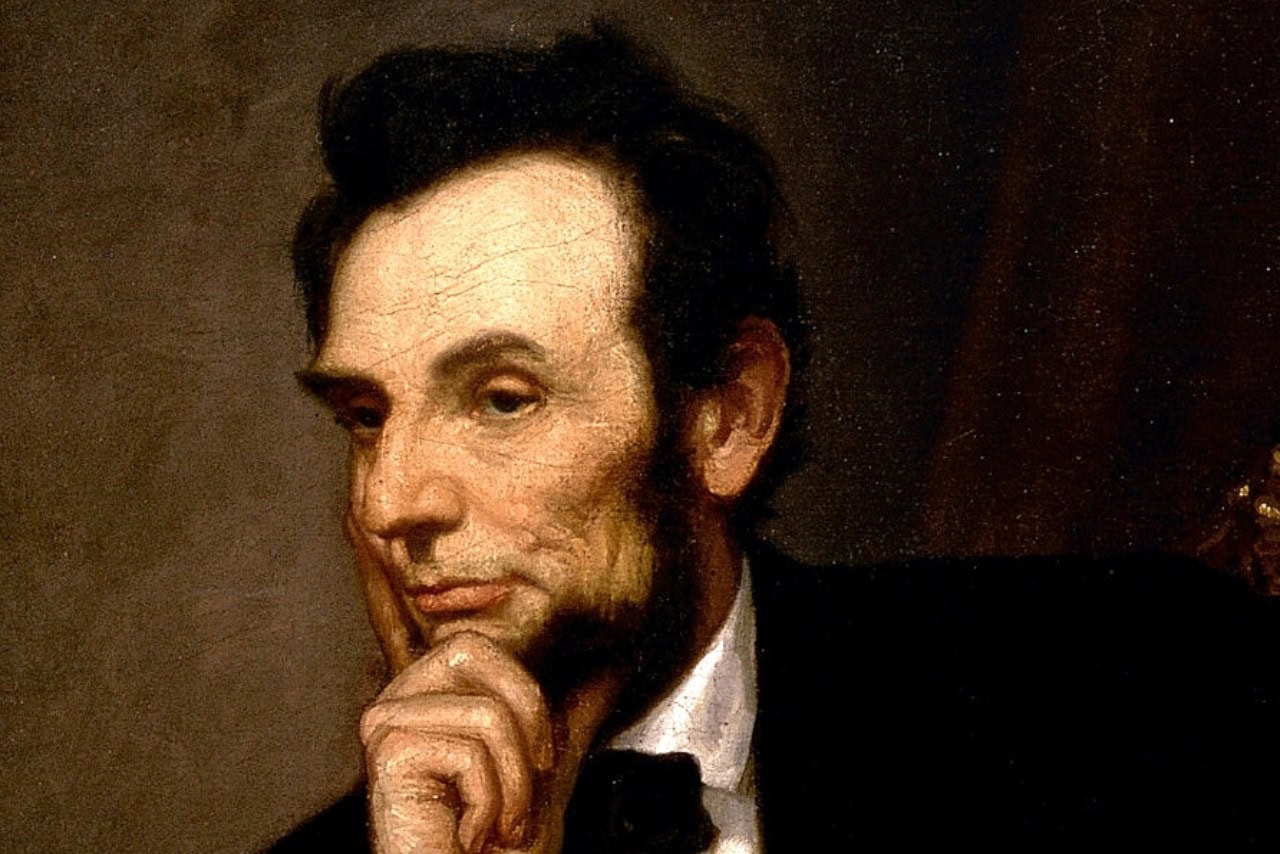
Abraham Lincoln 19FortyFive Image. Taken at the National Portrait Gallery in Washington, DC by Dr. Brent M. Eastwood on 1/23/2026.
-Orr explores how these “Lincolnian letdowns” eventually necessitated the elevation of Lieutenant General Ulysses S. Grant to secure a definitive Union victory.
Quote of the Day by Abraham Lincoln During the Civil War
“I can’t spare this man. He fights.” – Abraham Lincoln
The above quote belongs to U.S. President Abraham Lincoln.
He uttered it in regard to the greatest military hero of the American Civil War, Lieutenant General Ulysses S Grant, who—along with Generals William Tecumseh Sherman and Philip Henry Sheridan, not to mention admirals such as David Dixon Porter and David Glasgow Farragut—turned the tide of the war in favor of the Union after three years of frustration in the fight against the Confederacy.
Lincoln’s quotes about Grant’s aggressive fighting spirit were a stark contrast to his sentiments about Grant’s many predecessors. Those men did not necessarily lack the willingness and ability to fight, but they didn’t carry out their actions with the speed and vigor that the president desired. We now take a look at a trio of generals who were lamentable Lincolnian letdowns.
Frustration #1: George B. McClellan
When Major General George Brinton McClellan (December 3, 1826 – October 29, 1885) was selected by President Lincoln as Commanding General of the United States Army, he appeared on paper to be the ideal choice. Nicknamed “Young Napoleon” (as well as “Little Mac,” a nickname bestowed by his many adoring troops), he had graduated number two in his West Point Class of 1846. He proved himself courageous under fire as a junior officer during the Mexican-American War, and indeed he won some minor victories early in the Civil War, such as the Battle of Philippi.
Then came the Battle of Antietam (AKA the Battle of Sharpsburg) on September 17, 1862. This was Confederate General Robert E. Lee’s first attempt to take the war to Northern soil. Antietam is the deadliest one-day battle in U.S. military history, hence the title of Ronald H. Bailey’s excellent 1984 book, “The Bloodiest Day.”

Abraham Lincoln Mask from National Portrait Gallery 2026. 19FortyFive Image Taken by Dr. Brent M. Eastwood.
The battle ended in a tactical stalemate, but a strategic victory for the North. Yet this victory was incomplete, because McClellan was timid and plagued with “the slows,” and therefore he failed to finish off Lee’s Army of Northern Virginia. That failure prompted a frustrated Abraham Lincoln to cashier McClellan in favor of Major General Ambrose Burnside, who didn’t last long either.
Frustration #2: “Fighting Joe” Hooker
Major General Joseph Hooker (November 13, 1814 – October 31, 1879) may have had the nickname of “Fighting Joe,” but that wasn’t so much due to the sort of aggressiveness that would’ve won his Lincoln’s vote of confidence. Rather, the nickname came about because of a typographical error in a newspaper dispatch that arrived in New York during the Peninsula Campaign. It should have read “Fighting – Joe Hooker Attacks Rebels,” but someone omitted the dash in the final published edition. The name stuck.
In reality, “Fighting Joe” Hooker was better known as a hard-drinking ladies’ man whose headquarters was known for parties and gambling.
Joe Hooker also gained infamy for suggesting that the United States needed a dictator as commander-in-chief, which drew an epic written rebuke from President Lincoln, penned on January 26, 1863:
“I have heard, in such way as to believe it, of your recently saying that both the Army and the Government needed a Dictator. Of course it was not for this, but in spite of it, that I have given you the command. Only those generals who gain successes, can set up dictators. What I now ask of you is military success, and I will risk the dictatorship. … And now, beware of rashness. Beware of rashness, but with energy, and sleepless vigilance, go forward, and give us victories.”
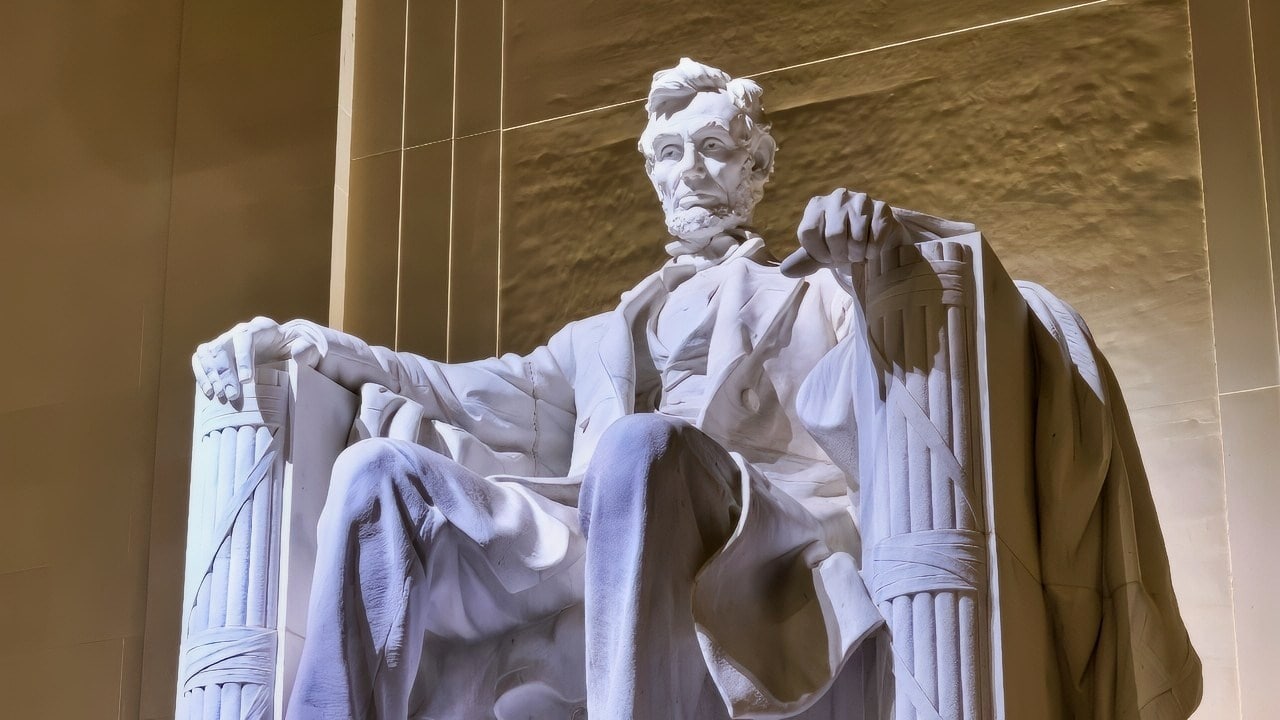
Statue of Abraham Lincoln at the Lincoln Memorial in Washington D.C. on June 12, 2024. The 170-ton statue, sculpted by Daniel Chester French (1850–1931) is located in the Lincoln Memorial on the National Mall. It was carved by the Piccirilli Brothers, assembled in 1920 and unveiled on May 30, 1922.
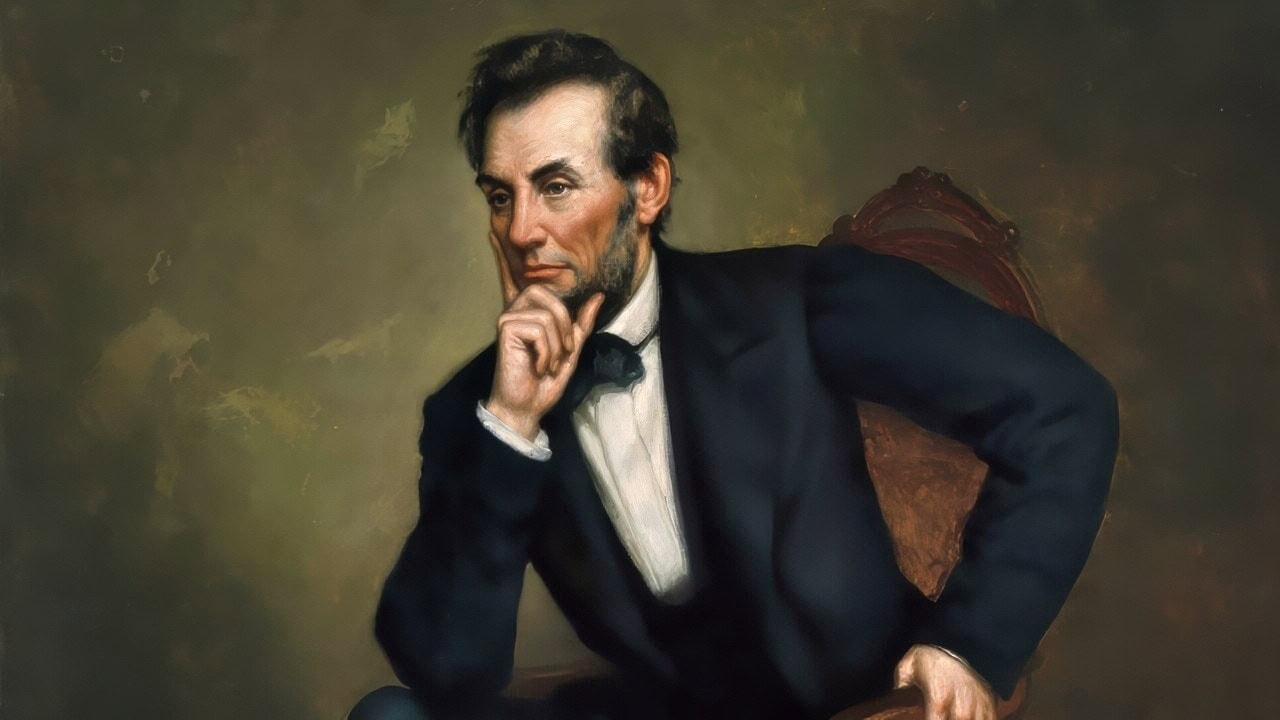
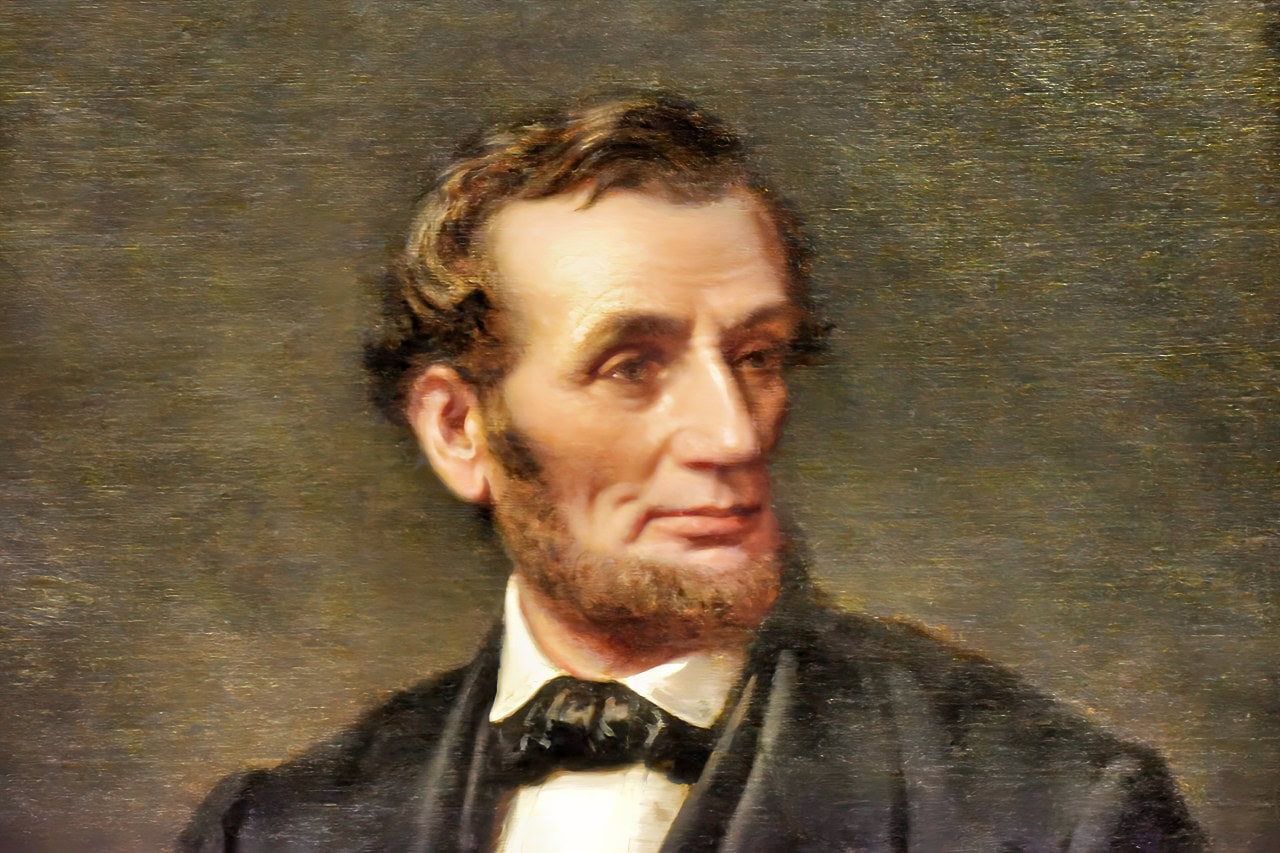
President Abraham Lincoln Painting. Image Credit: Creative Commons.
Alas, Hooker did not give Lincoln and the Union victories. Instead, he was utterly humiliated by Robert E. Lee at the Battle of Chancellorsville (April 30 – May 6, 1863). Hooker was kept in command, but when General Henry Wager “Old Brains” Halleck and Lincoln declined his request for reinforcements, he resigned in disgrace.
Frustration #3: George Gordon Meade
From a Union perspective, the silver lining behind the cloud of Chancellorsville was that it handed Lee the initiative—along with the confidence and hubris—to travel north to Gettysburg, which ended up being the “high water mark of the Confederacy.”
Contrary to misconceptions on the part of some amateur Civil War buffs, it wasn’t Grant that led the epic victory at the Battle of Gettysburg. That honor belonged to Major General George Gordon Meade (December 31, 1815 – November 6, 1872), the “Damned Old Goggle Eyed Snapping Turtle.” While Meade was securing victory at Gettysburg, Grant was busy winning an equally decisive and strategically significant engagement that took place farther west and south, namely in the Mississippi port city of Vicksburg. The concurrent victories at Gettysburg and Vicksburg, which coincidentally occurred in part on July 4, 1863, are considered the turning point of the Civil War.
However, in the wake of Gettysburg, Meade made the same mistake (in Lincoln’s eyes) that McClellan had made in the wake of Antietam—failing to pursue and finish off the Army of Northern Virginia. Like “Little Mac,” the “Snapping Turtle” rationalized that his own Army was too exhausted to make the pursuit.
Statue of Abraham Lincoln at the Lincoln Memorial in Washington D.C. on June 12, 2024. The 170-ton statue, sculpted by Daniel Chester French (1850–1931) is located in the Lincoln Memorial on the National Mall. It was carved by the Piccirilli Brothers, assembled in 1920 and unveiled on May 30, 1922.
Lincoln temporarily lapsed into depression and despair once again.
Lincoln seriously considered cashiering Meade too, but, in light of the sheer jubilation that the Northern public was experiencing over the Gettysburg victory, he realized such a move would be politically unwise. Lincoln instead allowed Meade to nominally command the Army of the Potomac for the remainder of the war, but in reality he was overshadowed by the overall command of Grant the rest of the way … much to Abe Lincoln’s delight.
About the Author: Christian D. Orr, Defense Expert
Christian D. Orr is a Senior Defense Editor. He is a former Air Force Security Forces officer, Federal law enforcement officer, and private military contractor (with assignments worked in Iraq, the United Arab Emirates, Kosovo, Japan, Germany, and the Pentagon). Chris holds a B.A. in International Relations from the University of Southern California (USC) and an M.A. in Intelligence Studies (concentration in Terrorism Studies) from American Military University (AMU). He is also the author of the newly published book “Five Decades of a Fabulous Firearm: Celebrating the 50th Anniversary of the Beretta 92 Pistol Series.”