
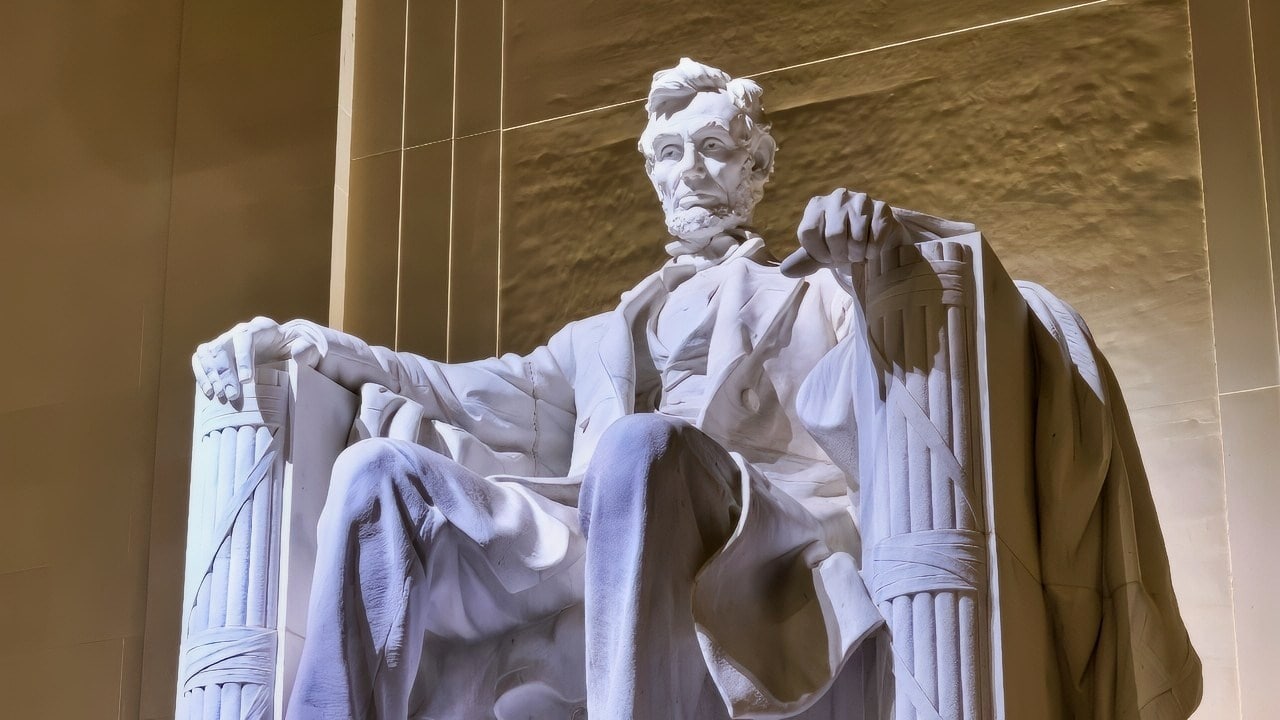
Synopsis: In 1838—long before the Civil War—Abraham Lincoln warned that America would not be destroyed from abroad, but could collapse through internal violence, mob rule, and contempt for law.
-Speaking to the Young Men’s Lyceum in Springfield after the Lovejoy murder, Lincoln argued that passion and tribalism could erode constitutional liberty unless citizens treated the rule of law as a civic religion.
-The piece then connects that early diagnosis to Lincoln’s wartime command: he struggled to find generals willing to fight decisively, cycled through hesitant leadership, and ultimately empowered Ulysses S. Grant to execute a unified strategy aimed at breaking Confederate armies, not just capturing territory.
Abraham Lincoln Had a Message in 1838: America Would Fall From Within, Not From Abroad
“America will never be destroyed from the outside. If we falter and lose our freedoms, it will be because we destroyed ourselves.” – President Abraham Lincoln
Always known as a great public speaker and debater, Lincoln made this quote in 1838 while serving as an Illinois representative in the state legislature.
While it could have come during the Civil War, it was much earlier in his political career. It showed that Lincoln was a forward-looking orator and a highly effective political thinker.
More Details About This Speech
He remarked during a speech to the Young Men’s Lyceum, a debating society in Springfield, Illinois.
At the time, the country was already a powder keg concerning the problem of slavery. There was a mob growing because of the pro-slavery killing of an abolitionist printer named Elijah Parish Lovejoy in 1837.
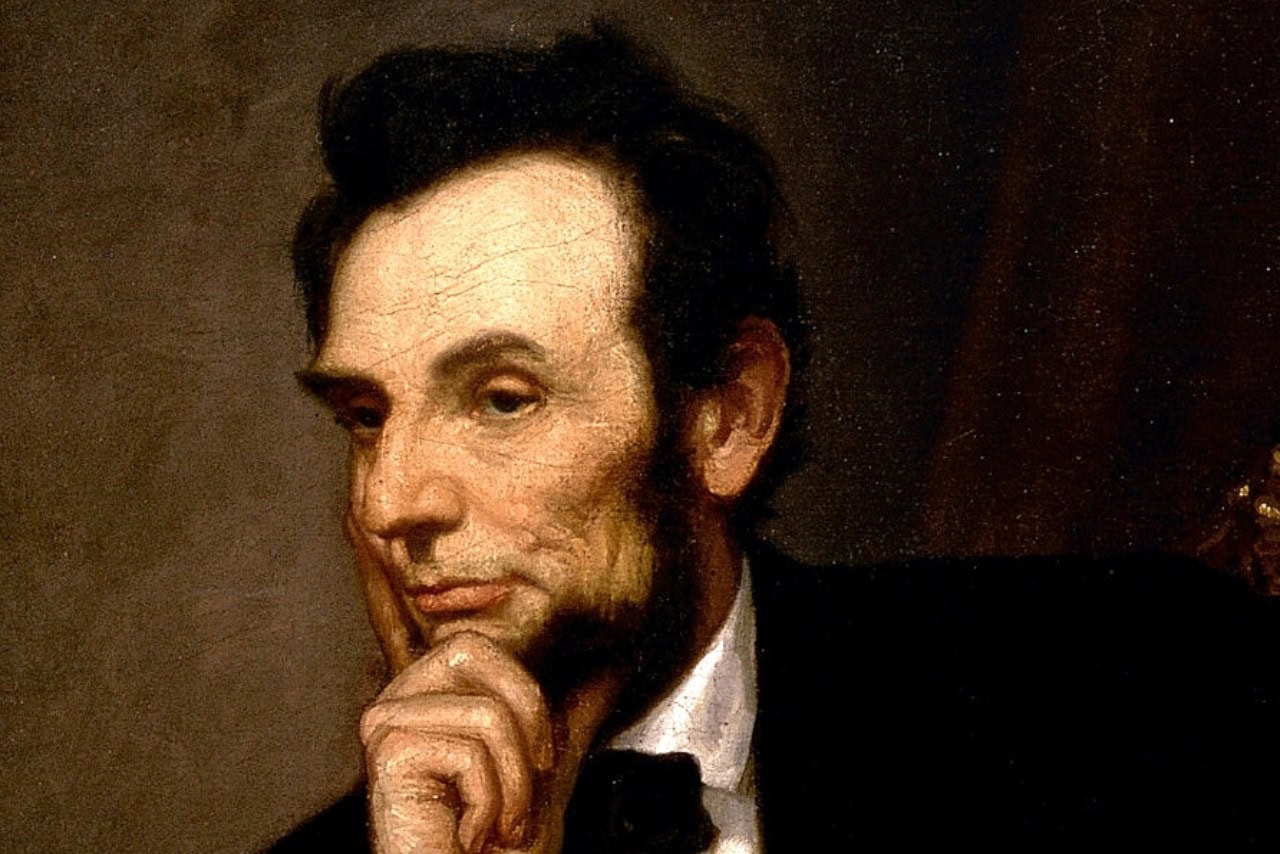
Abraham Lincoln. Image Credit: Creative Commons.
Lincoln wanted to cool the temperature of the country and correctly predicted that slavery would continue to tear the country apart.
What Message Was Lincoln Trying to Convey?
Lincoln was concerned about the rise of populism and how mob rule could affect the Constitution’s Bill of Rights.
He knew that, due to the passions of the day, freedom of speech and assembly could be used to the detriment of society, and that political violence would heighten tribalism.
Thus, the nation’s internal politics could destroy it.
Lincoln realized he must address this possibility and maintain a high level of peace and understanding between the pro-slavery and anti-slavery factions in the country.
He Foresaw the Growth of Tribalism That Might Destroy the Country
Lincoln picked up on the generational change in American domestic politics. He wasn’t concerned about other countries’ threats to the sovereignty of the United States; he was more worried about the way violence was becoming accepted in society.
This tribalism would threaten the rule of law and pose Americans against each other due to the rapacious nature of slavery advocacy, whether for the institution or against.
In his whole speech, Lincoln showed that he had his finger on the pulse of the country at a young age.
“At what point then is the approach of danger to be expected? I answer, if it ever reaches us, it must spring up amongst us. It cannot come from abroad. If destruction is our lot, we must ourselves be its author and finisher. As a nation of freemen, we must live through all time or die by suicide,” he told the Young Men’s Lyceum.
Could the Constitution Hold True?
Lincoln wanted all Americans to “swear by the blood of the Constitution.”
This would keep the country from ending itself.
These were prophetic words and showed just how effective Lincoln was at predicting the future of the Republic, which would be torn apart by civil war.
While I won’t go through all the battles of the Civil War, I will try to explain Lincoln’s leadership style that enabled a Union victory.
Looking for a Hero
Lincoln began the Civil War as Commander-in-Chief, seeking the right personnel to win it quickly.
He knew that an energetic, forthright, and decisive group of officers must lead an army. He settled on General George B. McClellan as the overall commander. But McClellan had a “case of the slows” and was anything but audacious and aggressive.
Lincoln tried many different commanders, but was frustrated that none of them had the right stuff to win a brutal war against the South.
The North lacked unity of command, which hurt Lincoln’s forces in the failed Seven Days Battles to take Richmond in 1862.
For two years, Lincoln could not find the correct command recipe of leaders who would take the fight to the enemy. Lincoln wanted to destroy the entire Confederate Army and remove their ability to fight, rather than a quick and decisive strike against Richmond.
Enter General Grant
The answer would come from the Western Front.
General Ulysses S. Grant’s victory in the Vicksburg, Mississippi campaign impressed Lincoln. Grant was made the supreme commander of all Union forces.
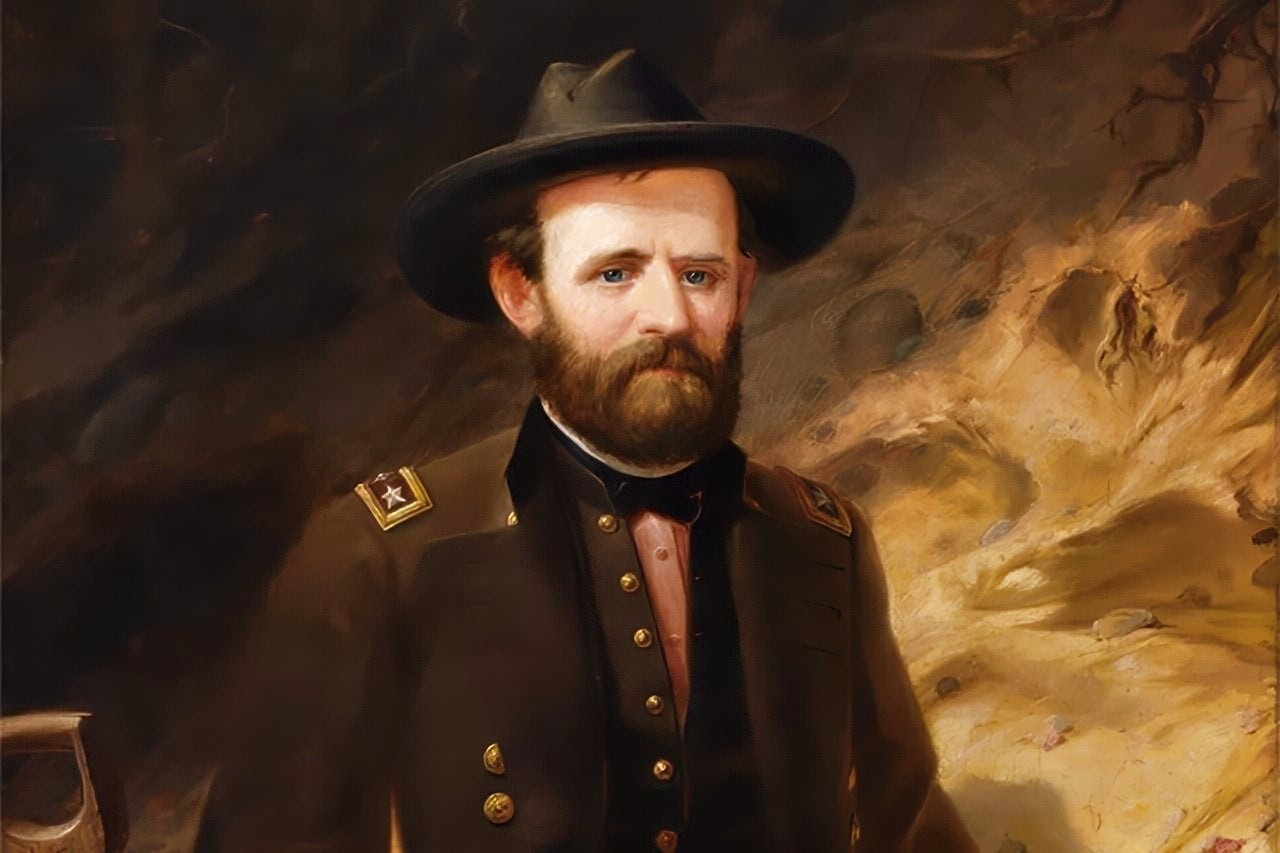
General Grant U.S. Army. Image Credit: Creative Commons.
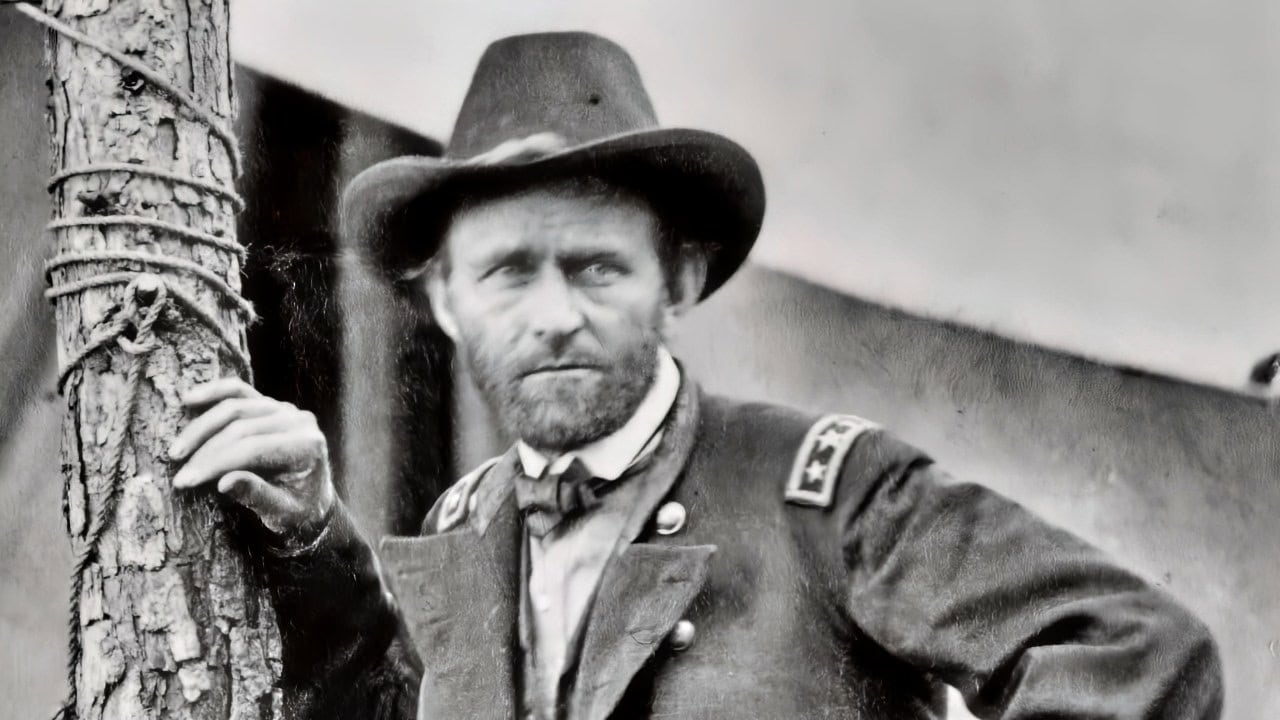
General Ulysses S. Grant at Cold Harbor. Image Credit: Creative Commons.
Lincoln also built a command team to reinforce Grant’s able leadership. Lincoln wanted this group of officers to prosecute the war with a grand strategy of total victory in mind, rather than simply winning a series of small clashes in minor battles throughout the South.
Lincoln was a surprising Commander-in-Chief. He had just a small amount of prior military experience as a captain of Illinois volunteers in the Black Hawk War. He saw no action at the front lines.
With no combat record, he took the word of generals despite having the instincts to prosecute a long war with many casualties.
Lincoln would now set the strategy, and his unified command would then figure out the tactics under the steady hand of Grant. Lincoln learned military leadership on the fly, and it showed he was agile in overall command.
Lincoln also had critical political instincts during the war that allowed his generals to win on the battlefield without worrying about support from Washington, DC.
“Lincoln’s most important role as commander-in-chief was determining the nature and character of the war his nation would fight and what national objectives he sought to achieve. His chief and enduring objective was preserving the Union, with the abolition of slavery and preventing recognition of the Confederacy by Britain and France as secondary objectives. Lincoln believed that the Confederacy was not an independent nation, but a collective rebellion of several states that could only be subdued by the reassertion of federal power into every corner of the Confederacy. Lincoln used every instrument of national power at his disposal to achieve these aims,” according to EmergingCivilWar.com.
Winning the War By Seeing the Future
Lincoln was able to peer into the future at an early age in his political career. He had a nimble mind and could control many aspects of war simultaneously.
Who would have thought that he understood that the survival of the country would be tested in blood as far back as the 1830s?
This prediction of what would happen to the pro-slavery and anti-slavery movements showed that the risk of total war would almost cause the Union to fail in the war.
Lincoln’s sheer force of will and mastery of grand strategy would lead to ultimate victory.
In a simple speech to a debating society decades before the war, Lincoln for a rousing reign of supreme command that exemplified great tactics, operations, and strategy.
He was the man for the moment and cemented his place in history.
About the Author: Dr. Brent M. Eastwood
Author of now over 3,000 articles on defense issues, Brent M. Eastwood, PhD is the author of Don’t Turn Your Back On the World: a Conservative Foreign Policy and Humans, Machines, and Data: Future Trends in Warfare plus two other books. Brent was the founder and CEO of a tech firm that predicted world events using artificial intelligence. He served as a legislative fellow for US Senator Tim Scott and advised the senator on defense and foreign policy issues. He has taught at American University, George Washington University, and George Mason University. Brent is a former US Army Infantry officer. He can be followed on X @BMEastwood.