
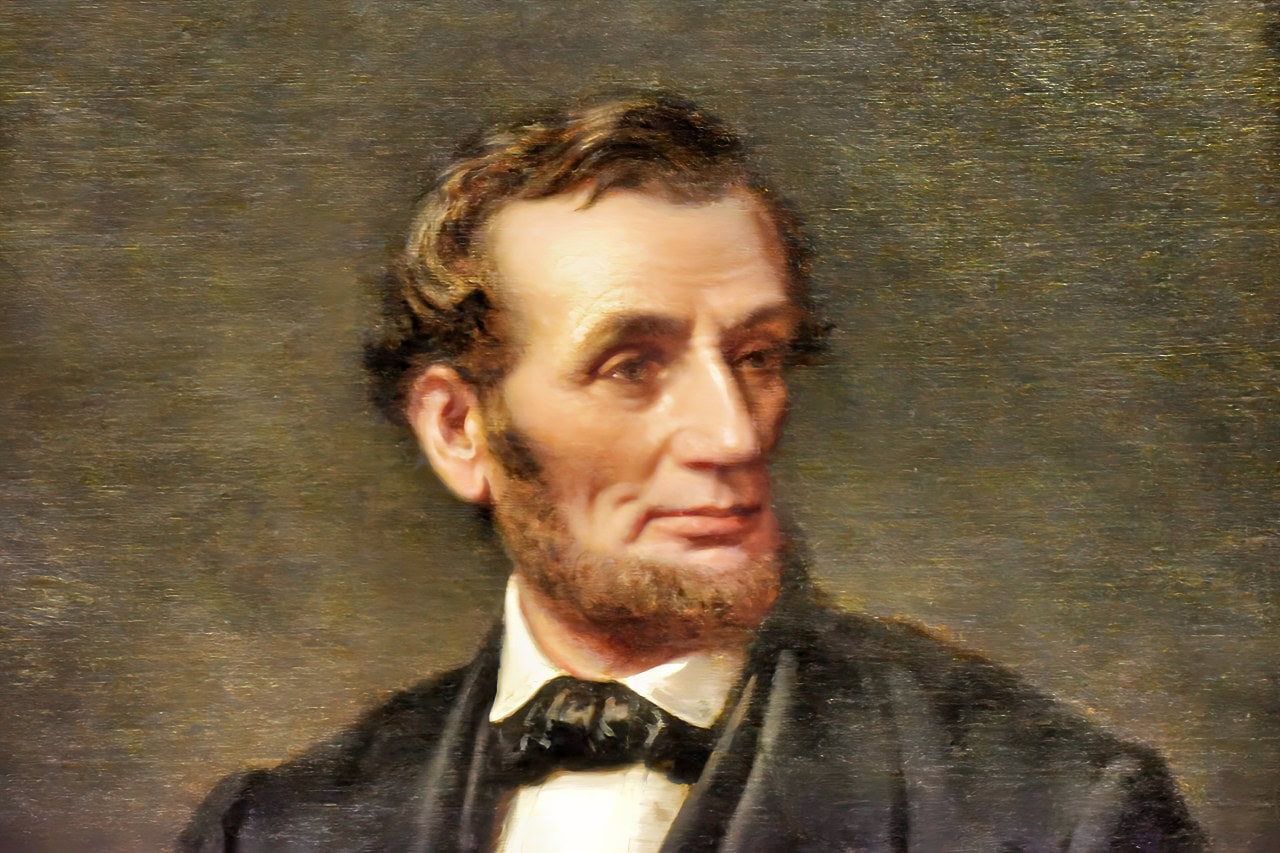
Summary and Key Points: The famous quote, “The best way to destroy an enemy is to make him a friend,” is often attributed to Abraham Lincoln, encapsulating his philosophy of reconciliation during the Civil War.
-While the exact phrasing has roots in earlier history, Lincoln embodied this sentiment through his lenient “Ten-Percent Plan” for Reconstruction, which aimed to reintegrate the South quickly through amnesty rather than punishment.
-By requiring only 10% of voters to swear loyalty, Lincoln hoped to turn former adversaries into allies.
-However, his assassination allowed Radical Republicans to implement the harsher Wade-Davis Bill standards, replacing Lincoln’s strategy of mercy with a more punitive era of Reconstruction.
Quote Of The Day By Abraham Lincoln: “The Best Way To Destroy An Enemy Is To Make Him A Friend.”
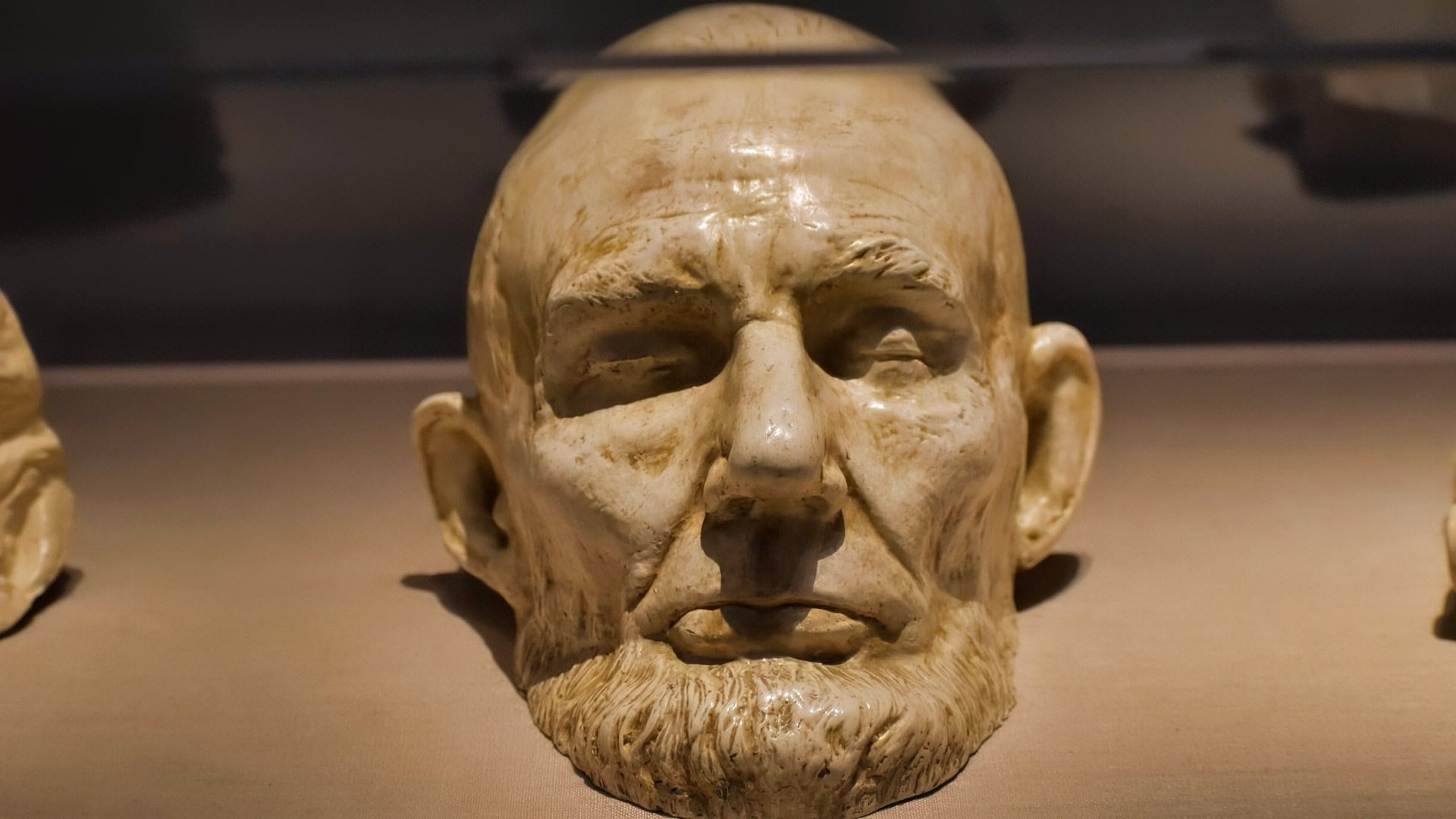
Abraham Lincoln Mask from National Portrait Gallery. Image Credit: 19FortyFive.com/Dr. Brent M. Eastwood.
This is a famous quote often attributed to Abraham Lincoln, reflecting his philosophy of reconciliation, especially during the Civil War, by transforming hostility into understanding and shared purpose, a strategy that disarms conflict and builds lasting peace rather than seeking revenge.
While the exact wording varies depending upon the source, the core idea emphasizes compassion, diplomacy, and finding common ground to overcome animosity and turns adversaries into allies.
Origin of The Quote and Its Context:
The quote is often attributed to the Holy Roman Emperor Sigismund. The earliest match for this quote was located by QuoteInvestigator.com and appeared in a Bellows Falls, Vermont, newspaper in April 1818.
Lincoln reportedly used this sentiment when questioned about being too lenient on the South, asking, “Do I not destroy my enemies when I make friends of them?”
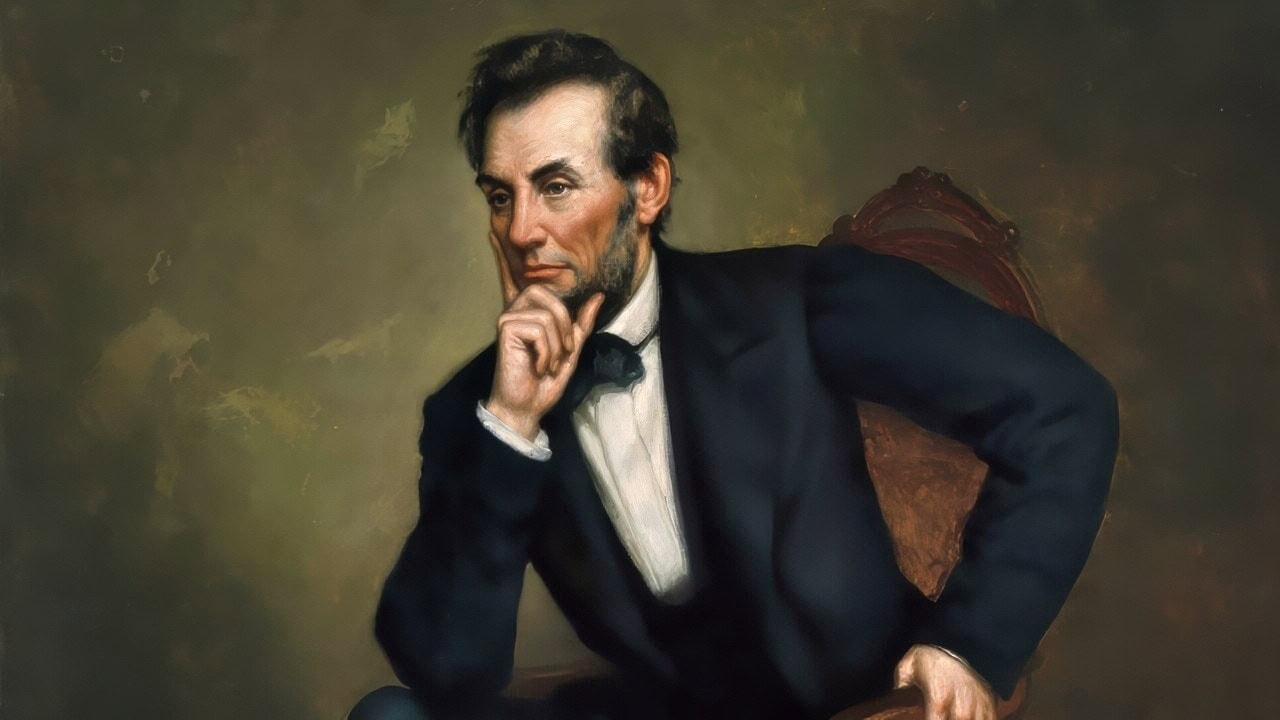
President Abraham Lincoln Painting. Image Credit: Creative Commons.
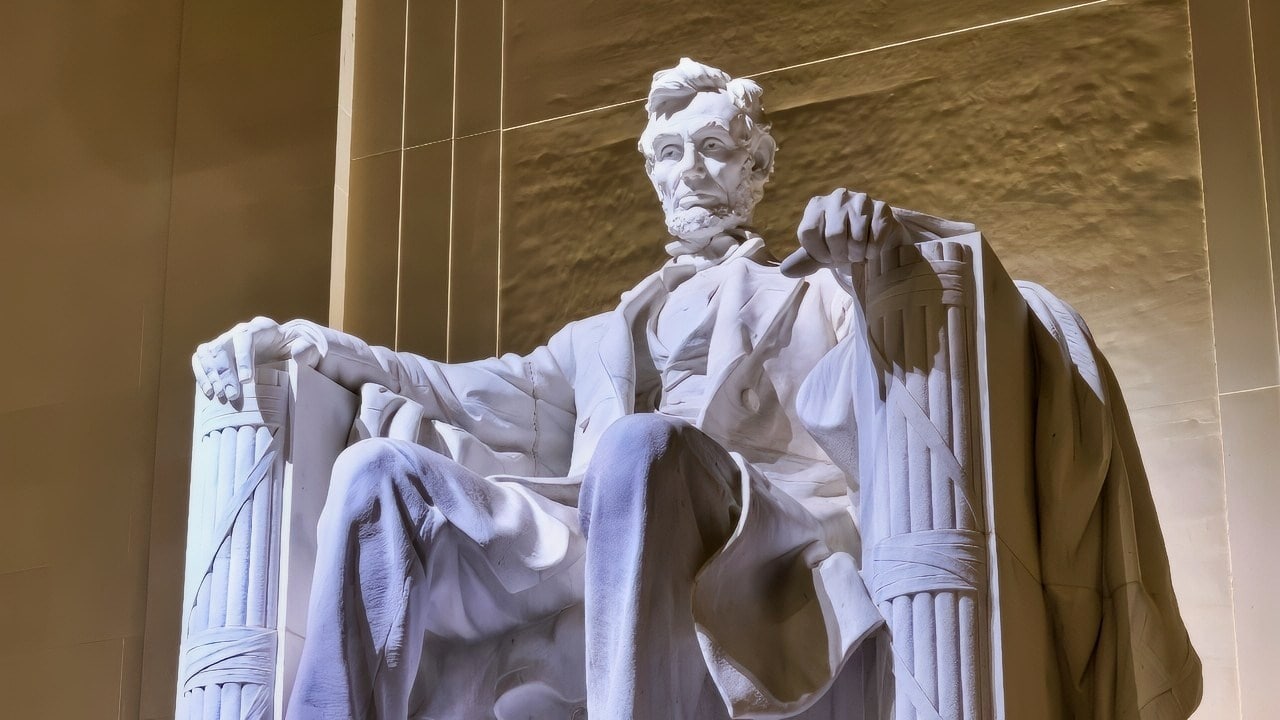
Statue of Abraham Lincoln at the Lincoln Memorial in Washington D.C. on June 12, 2024. The 170-ton statue, sculpted by Daniel Chester French (1850–1931) is located in the Lincoln Memorial on the National Mall. It was carved by the Piccirilli Brothers, assembled in 1920 and unveiled on May 30, 1922.
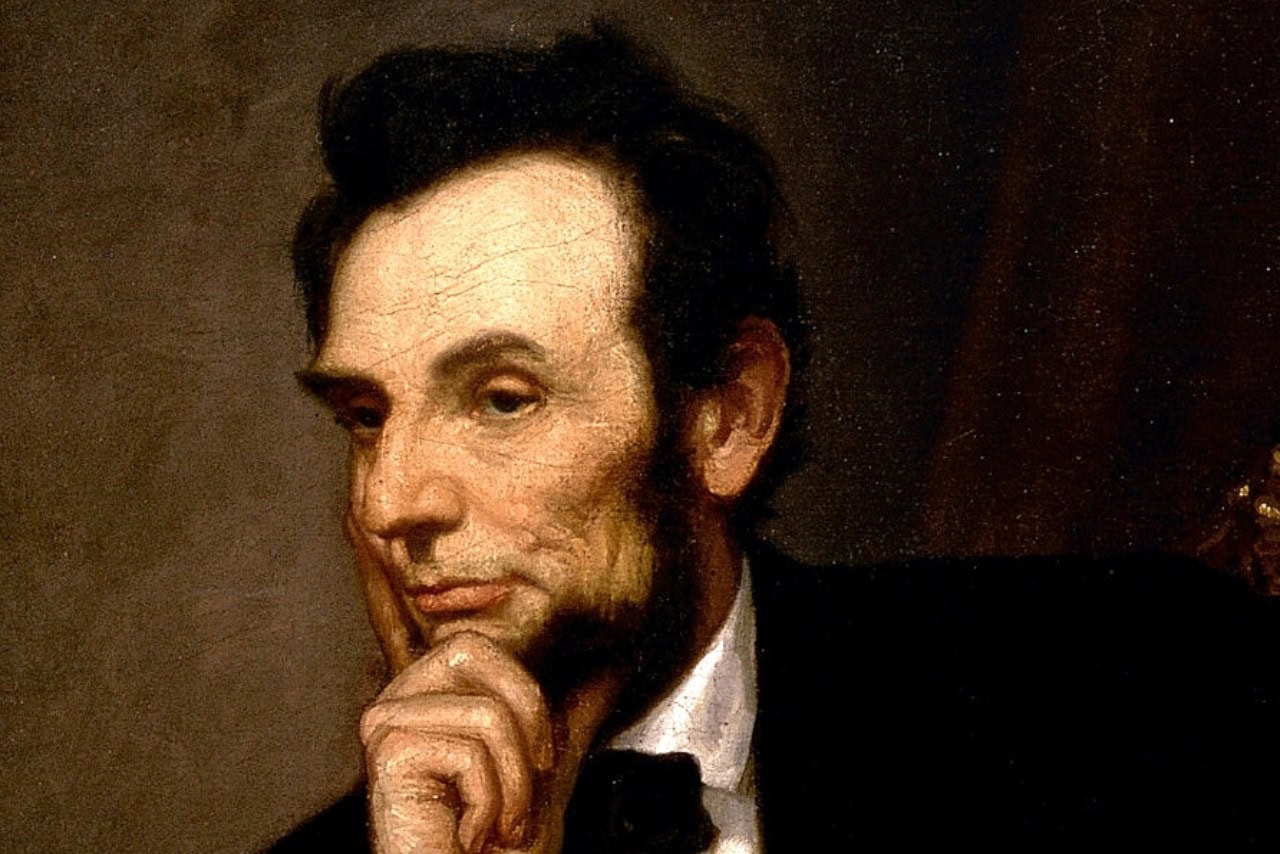
Abraham Lincoln. Image Credit: Creative Commons.
In 1940, columnist and later variety show host Ed Sullivan spoke with movie star Loretta Young, who quoted what she attributed to Abraham Lincoln.
I asked her once if she had ever been vindictive, or if she enjoyed getting revenge, and she answered me with an Abraham Lincoln quotation: “I destroy my enemies—by making them my friends.”
Meaning Of The Quote:
It’s a powerful concept about transforming conflict by showing empathy and doing good to those who oppose you, rather than seeking their destruction.
The quote is deeply tied to Christian teachings, specifically the instruction to “love your enemies and pray for those who persecute you” (Matthew 5:44).
The idea promotes diplomacy, forgiveness, and a sense of shared humanity, turning potential destruction into unity and lasting peace. These are all Lincoln’s philosophies toward the South after the Civil War.
Lincoln’s Ten-Percent Plan For Reconstruction:
Lincoln’s plan for Reconstruction, known as the Ten Percent Plan, offered a lenient path for Southern states to rejoin the Union by requiring only 10 percent of 1860 voters to swear loyalty oaths, accept emancipation, and form new governments, aiming to achieve quick reunification through pardons and forgiveness.
However, the plan lacked strong protections for freed slaves, leading to clashes with Congress and the eventual rise of the stricter Wade-Davis Bill.
Key Provisions of the Ten Percent Plan (1863):
Full pardons and amnesty for and restoration of property to all engaged in the Civil War, with the exception of the highest Confederate officials and military leaders.
The loyalty oath of just 10 percent of a state’s 1860 voters had to swear loyalty to the Constitution and agree to abolish slavery. Once the 10% threshold was met, states could elect delegates to form new state governments and resume full participation in the Union.
Lincoln’s plan required new governments to recognize the permanent freedom of formerly enslaved people, but it didn’t initially guarantee citizenship rights.
Lincoln’s Goals For His Reconstruction Plan:
Lincoln wished to quickly reintegrate the South and heal national divisions through a compassionate approach.
He knew that the lessening of hardship on the South, which was decimated by the war, was the quickest path to this. He wished to avoid harsh punitive measures and to encourage loyalty and self-governance.
Lincoln’s plan was to use Reconstruction as a vehicle to solidify emancipation and move toward greater equality, even if initially limited in scope. The plan, aside from the emancipation aspect, was quite easy for most Southerners to accept, rather than the bitter pill of Reconstruction that followed.
Opposition & Outcome:
Radical Republicans in Congress felt the plan was too lenient and didn’t sufficiently protect Black rights, proposing the harsher Wade-Davis Bill as an alternative.
But many Republicans accepted the Ten Percent Bill, acknowledging leadership throughout the war and his prestige.
Two days after Lee surrendered to Grant at Appomattox Court House, Lincoln made his last speech, and in it, he preached for a lenient return to the Union for the Southern states. An excerpt of that is here:
“Let us all join in doing the acts necessary to restoring the proper practical relations between these states and the Union, and each forever after innocently indulge his own opinion whether in doing the acts he brought the states from without into the Union, or only gave them proper assistance, they never having been out of it.”
The Wade Davis Bill:
The Wade-Davis Reconstruction Bill also abolished slavery, but it was much stricter and required that 50 percent of a state’s White males take a loyalty oath to the United States (and swear they had never assisted the Confederacy) to be readmitted to the Union.
Only after taking this “Ironclad Oath” would they be able to participate in conventions to write new state constitutions.
Congress passed the Wade-Davis Bill, but President Lincoln killed the bill with a pocket veto. Lincoln continued to promote tolerance and speed in plans for the reconstruction of the Union in opposition to Congress.
Lincoln’s assassination in April 1865, however, changed all of that. Congress shaped much more severe federal policy toward the defeated South and imposed the harsher reconstruction requirements first advocated in the Wade-Davis Bill.
About the Author: Steve Balestrieri
Steve Balestrieri is a National Security Columnist. He served as a US Army Special Forces NCO and Warrant Officer. In addition to writing on defense, he covers the NFL for PatsFans.com and is a member of the Pro Football Writers of America (PFWA). His work was regularly featured in many military publications.