Summary and Key Points: Caleb Larson, a Berlin-based conflict journalist and former POLITICO Europe reporter, evaluates the legendary operational history and manufacturing of the Lockheed SR-71 Blackbird.
-Utilizing a fuselage comprised of 85% Soviet-sourced titanium, the Blackbird achieved sustained Mach 3.2+ speeds at altitudes exceeding 80,000 feet.
-This 19FortyFive report analyzes the jet’s role in Operation El Dorado Canyon, where Major Brian Shul utilized maximum throttle to evade SA-2 and SA-4 surface-to-air missiles over Libya, while exploring the pioneering thermal expansion techniques developed by Lockheed’s Skunk Works to survive atmospheric friction.
The Mach 3.5 Escape: How an SR-71 Blackbird Outran Libyan SAMs in 1986
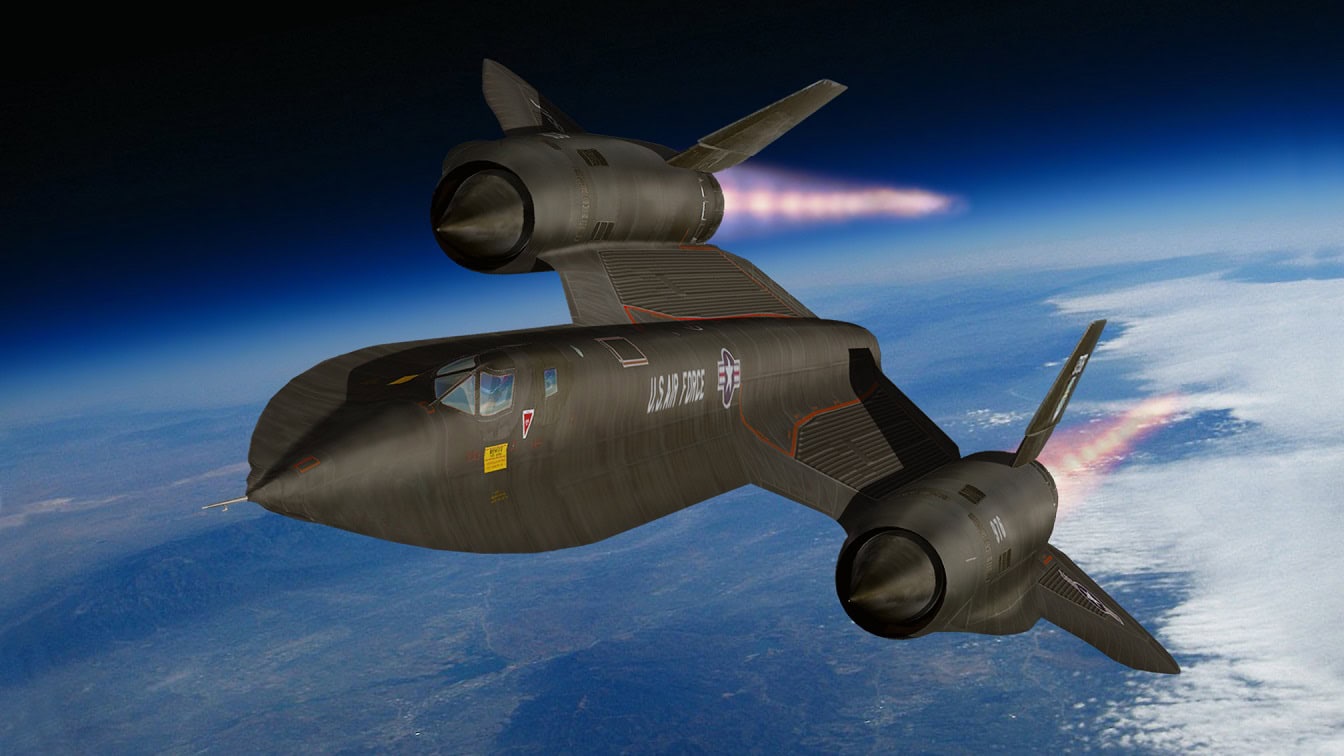
The SR-71 Blackbird was a marvel of engineering. Built during the 1960s to spy with impunity over the Soviet Union and snap images of political and military targets, it set several flight records, some of which are recognized today by Guinness World Records. Built in record time with materials and techniques not widely used before, the jet was an aerospace pioneer. Remarkably, more than 4,000 missiles were fired at the aircraft, but thanks to its incredible speed, one was never shot down.
The Blackbird would fly throughout the Cold War, snapping photographs over the hotspots that defined that era. It performed one of its most incredible feats high above the desert wastes of Libya in 1986.
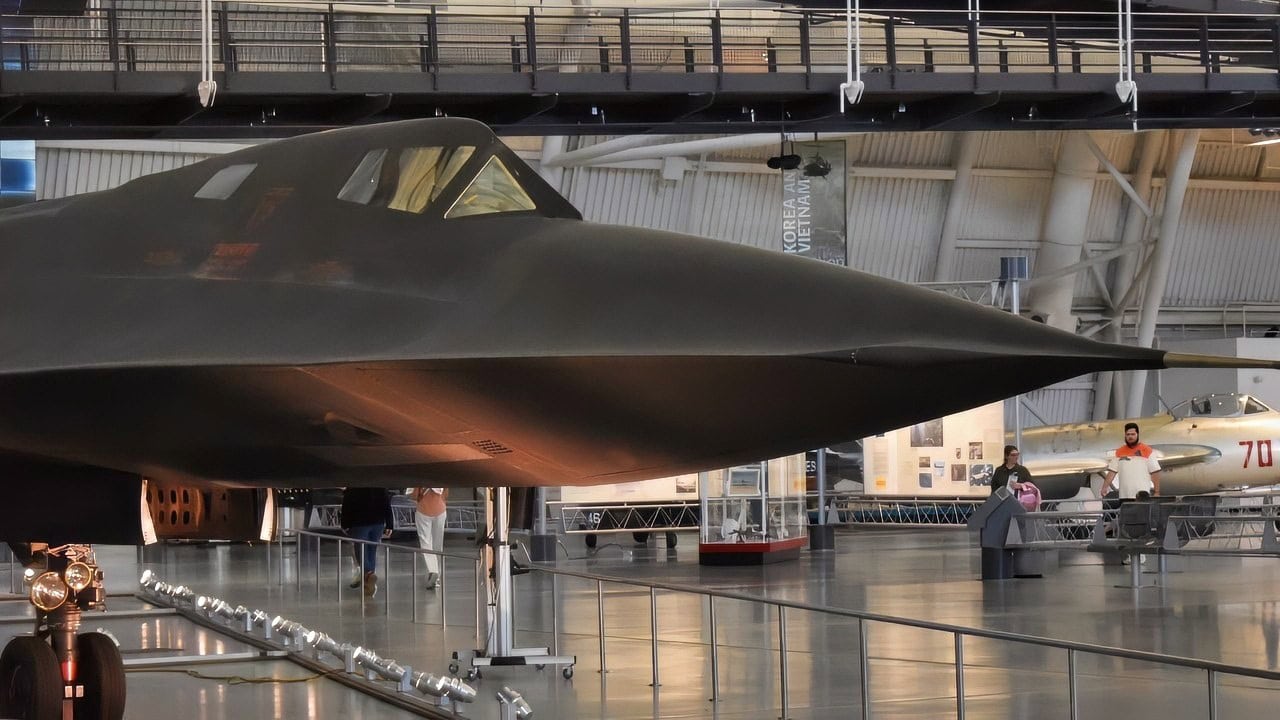
SR-71 Blackbird Photo by Dr. Brent Eastwood of 19FortyFive.

SR-71 Blackbird Photo from Dr. Brent Eastwood at the Smithsonian. 19FortyFive.com Original Image.
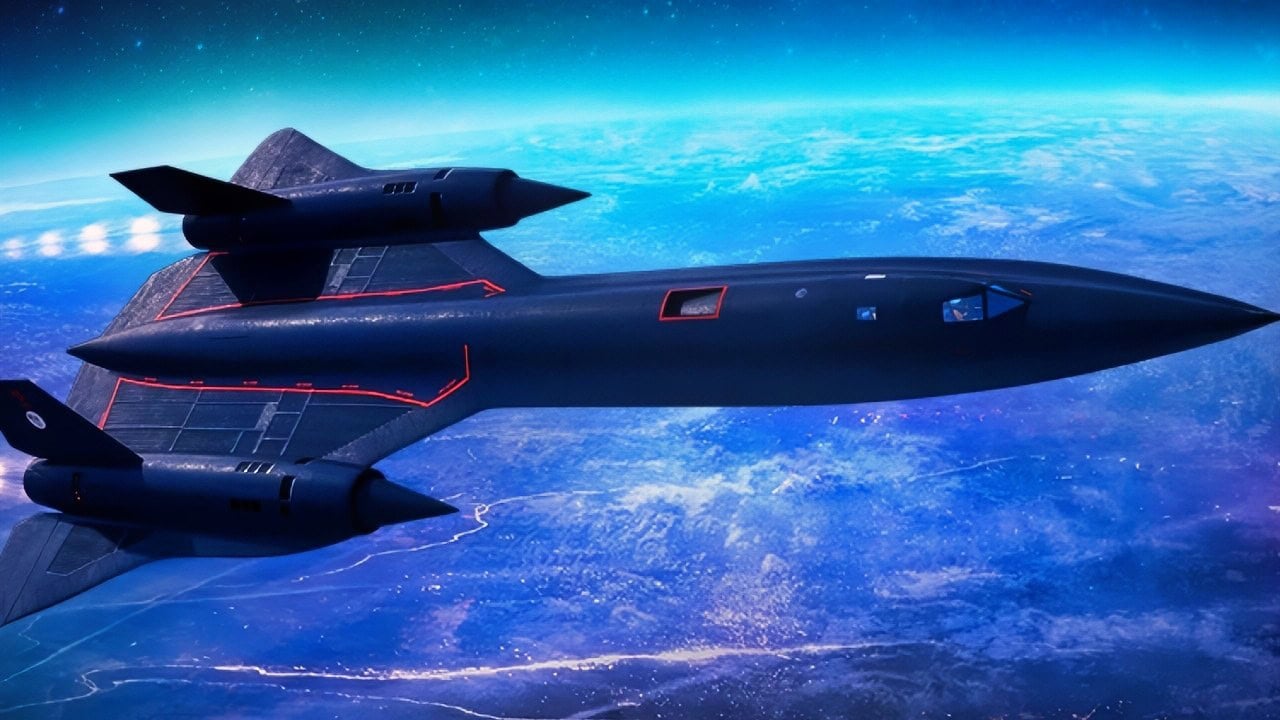
SR-71 Blackbird Lockheed Martin Image
Operation El Dorado Canyon
In response to the 1986 Berlin discotheque bombing in West Berlin, Germany, that killed and wounded a number of American and service members, the United States struck targets in Libya. The main thrust of those strikes were carried out by F-111F planes that launched from the United Kingdom and U.S. Navy aircraft carriers in the Mediterranean. But the SR-71 Blackbird was a crucial element to the operation—it provided strategic reconnaissance overflights of the bombed Libyan targets and provided post-strike damage assessments. It was precisely the right aircraft for the job.
Thanks to the SR-71’s blisteringly fast Mach 3-plus speed and its flight altitude of more than 80,000 feet, the Blackbird could quickly overfly Libyan airspace, take photographs of sites across the country, and get out before Libyan surface-to-air defenses could be launched. It was exactly the kind of mission the jet was meant to fly: high-resolution photography over broad areas of contested airspace on short notice. Although the United States had satellite assets available by the mid-1980s, their flight paths could not be recalibrated as quickly as a manned Blackbird could be launched.
But that SR-71 flight was not unopposed.
At the time, Libyan airspace was protected by a variety of Soviet-supplied surface-to-air missile (SAM) systems, including SA-2, SA-4, and SA-5 long-range batteries, explicitly designed to engage high-altitude targets such as the SR-71. According to the pilots who flew that reconnaissance mission, the Libyans SAM batteries fired on their aircraft, but failed to hit the Blackbird.
The pilot during that flight, Major Brian Shul, explained that he and his reconnaissance systems officer “had crossed into Libya and were approaching our final turn over the bleak desert landscape when [RSO] Walter informed me that he was receiving missile launch signals. I quickly increased our speed, calculating the time it would take for the weapons-most likely SA-2 and SA-4 surface-to-air missiles capable of Mach 5 – to reach our altitude. I estimated that we could beat the rocket-powered missiles to the turn and stayed our course, betting our lives on the plane’s performance.
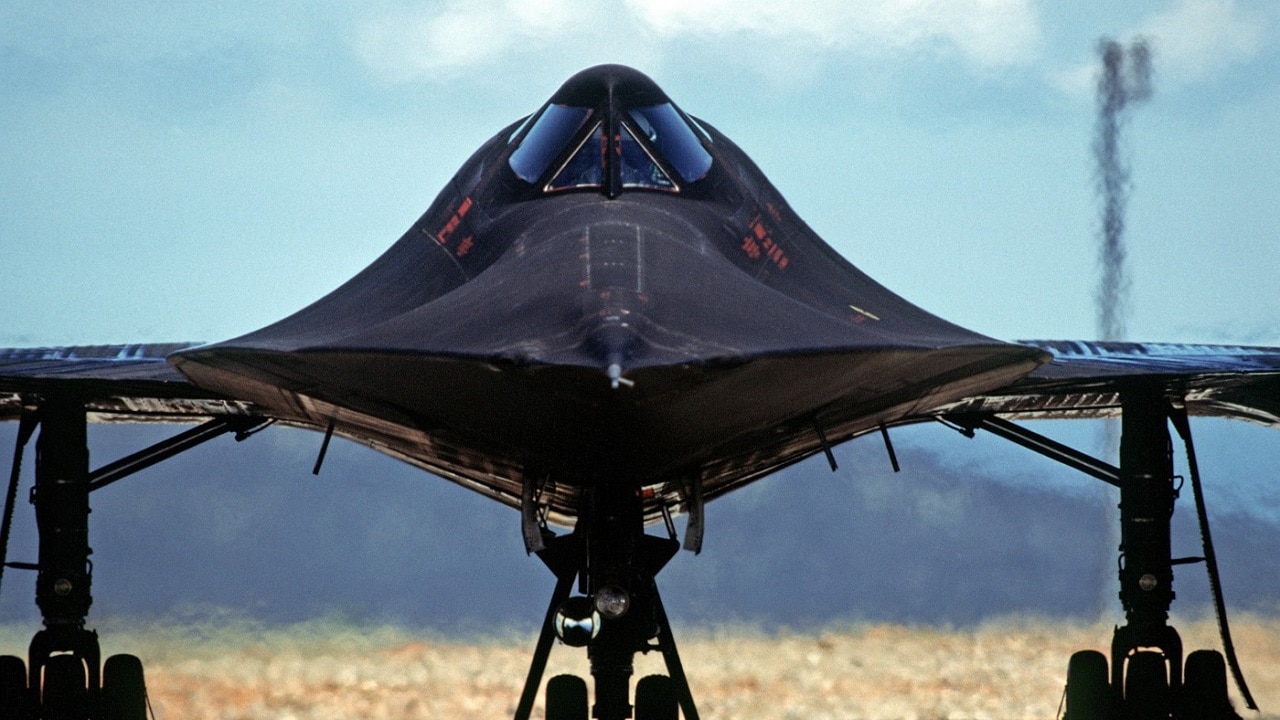
SR-71 Spy Plane. Image Credit: Creative Commons.
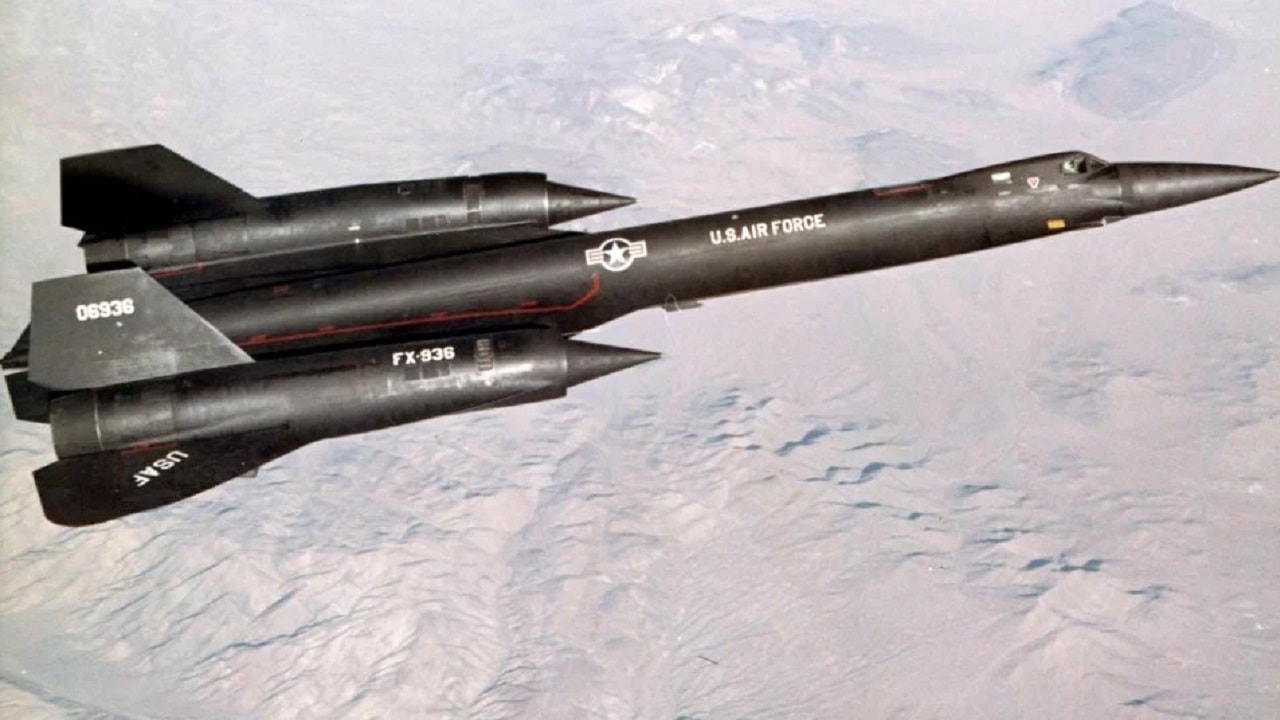
SR-71 Blackbird. Image Credit: Creative Commons.
“After several agonizingly long seconds, we made the turn and blasted toward the Mediterranean,” ‘You might want to pull it back,’ Walter suggested. It was then that I noticed I still had the throttles full forward,” Major Shul wrote. “The plane was flying a mile every 1.6 seconds, well above our Mach 3.2 limit. It was the fastest we would ever fly. I pulled the throttles to idle just south of Sicily, but we still overran the refueling tanker awaiting us over Gibraltar.”
That flight would be a record for both Majors Shul and Walter: Flying three-and-a-half times the speed of sound, the two men escaped the Libyan SAMs at more than 80,000 feet.
The story is equal parts astounding and true, but it required a great amount of research and development during the 1960s to bring the idea of the Blackbird off the drawing board and into the sky.
Pioneering Manufacturing Materials and Techniques
The SR-71 was a pioneering aircraft that forced a fundamental shift in how aircraft were built during the 1960s. The jet’s manufacturing peculiarities stemmed primarily from the aircraft’s need to withstand the incredible heat generated by its Mach–3-plus flights. Atmospheric friction meant that the Blackbird’s outpaneling could, in certain circumstances, heat up to temperatures of more than 1,000 degrees Fahrenheit, or about 540 degrees Celsius. To mitigate these extreme temperatures, the Blackbird design team had to innovate new production techniques for the materials used in the aircraft.
A significant portion of the SR-71—around 85–90 percent—was made of titanium, a material that in the 1960s was difficult to source and even harder to work with. At the time, the U.S. defense-industrial base had only limited experience working with the material, and the vast majority of titanium was mined outside of the United States.
Lockheed had to source most of the titanium that would go into the Blackbird from abroad. Leveraging the aid of the Central Intelligence Agency and various intermediaries and shell companies, Lockheed secured the requisite amounts of titanium from the Soviet Union.
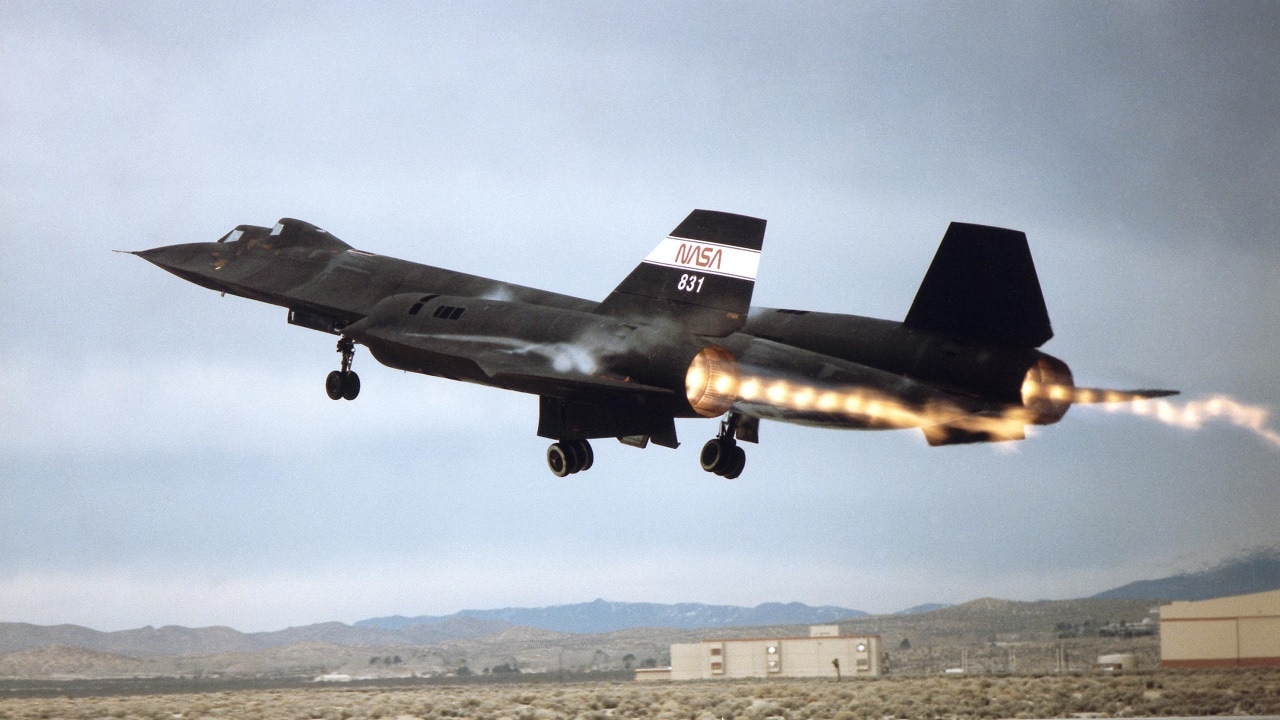
Image is of an SR-71 Spy Plane. Image Credit: Creative Commons.
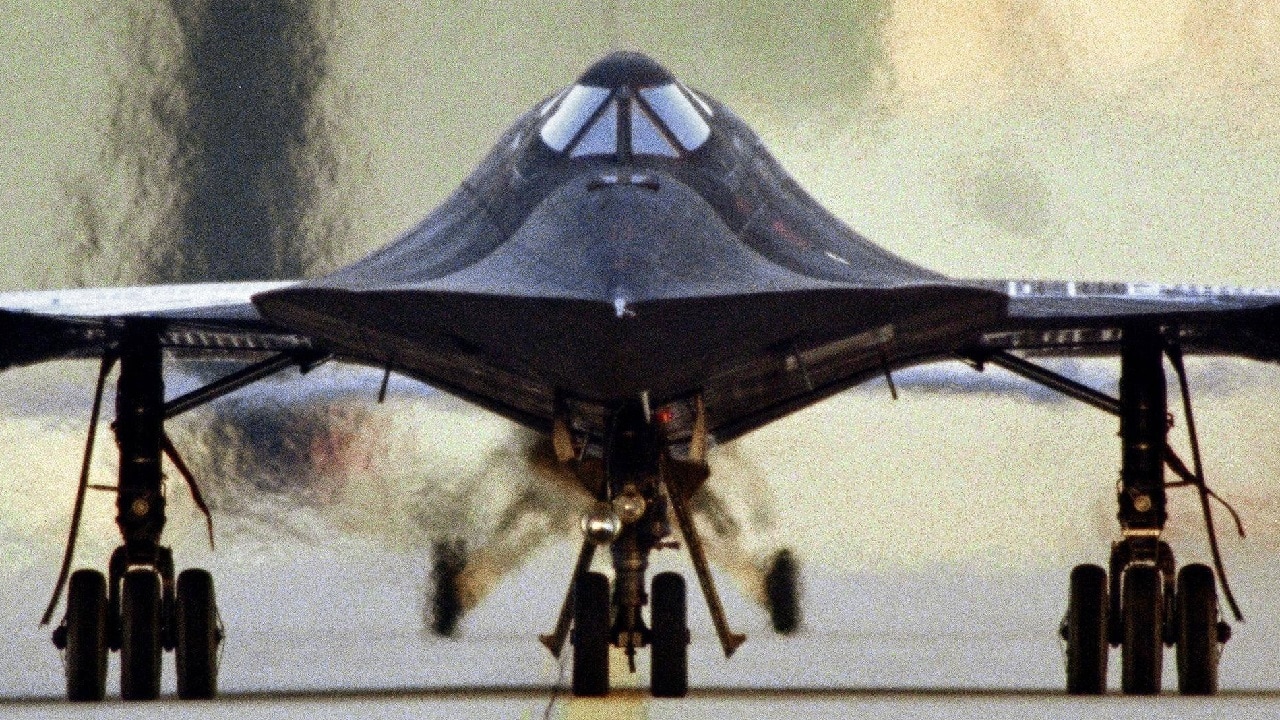
SR-71 Blackbird Spy Plane. Image Credit: Creative Commons.
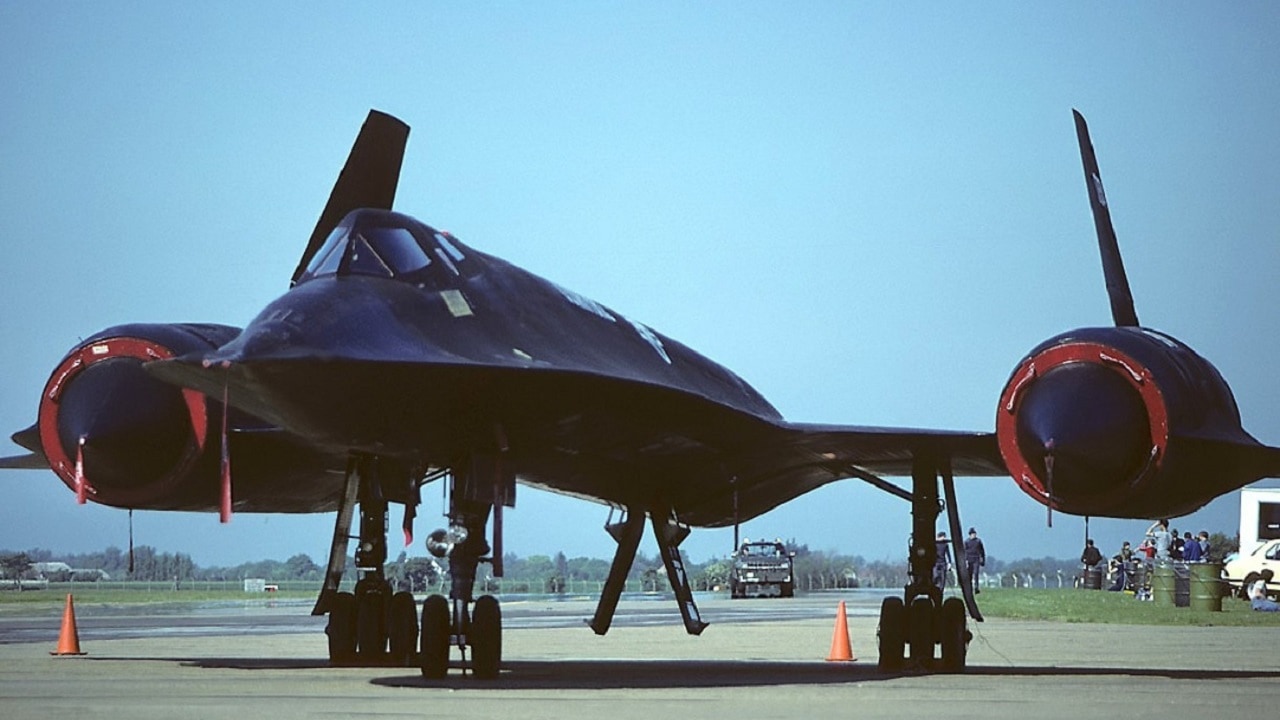
Image of SR-71 Spy Plane. Image Credit: Creative Commons.
But sourcing the exotic metal was only the first of several hurdles to be cleared.
Titanium is notoriously difficult to work with in comparison to more readily available metals such as steel or aluminum. Conventional machine tooling would wear out quickly when working with titanium, and at high temperatures, the metal easily becomes contaminated and compromised. An exacting production environment was needed: Should the metal be too cold, it could crack; too hot, and it could lose its structural integrity by absorbing contaminants.
Titanium heat treatments and welding necessitated shielding from atmospheric contaminants by inert-gas shields, and the careful purging of even trace atmosphere—somewhat akin to today’s contamination protocols used in advanced aerospace projects. Enormous facilities were built specifically for Blackbird manufacturing to ensure exact environmental specifications.
Titanium Skin and Expansion
The Blackbird’s designers built around the heat problem. One of the SR-71’s features—corrugations on the fuselage—was the solution. These waves along the fuselage and the wings allowed the SR-71’s titanium skin to expand when heated without cracking or breaking. These expansion gaps were infamous on the ground. Before takeoff, the jet is said to have leaked fuel, as the aircraft’s loose paneling became tight and sealed at high speed and high temperatures. Manufacturing tolerances were exacting, even if, while parked, the SR-71’s paneling appeared to be imprecisely built. But such precision required significant changes in tooling and manufacturing techniques compared to how aircraft were typically built.
Specialized, more robust tooling was developed to work with the resilient metal, and the quenching coolant chemistry was altered to prevent contamination. Lockheed’s Skunk Works division built its own titanium fabrication industry from the ground up, as the technologies needed to build the Blackbird did not exist within the U.S. aerospace industry.
The Learning Curve
Given the novelty of working with large amounts of titanium for aerospace purposes, a number of solutions to manufacturing problems had to be found during the manufacturing process. Early A-12 production experienced a high scrap rate.
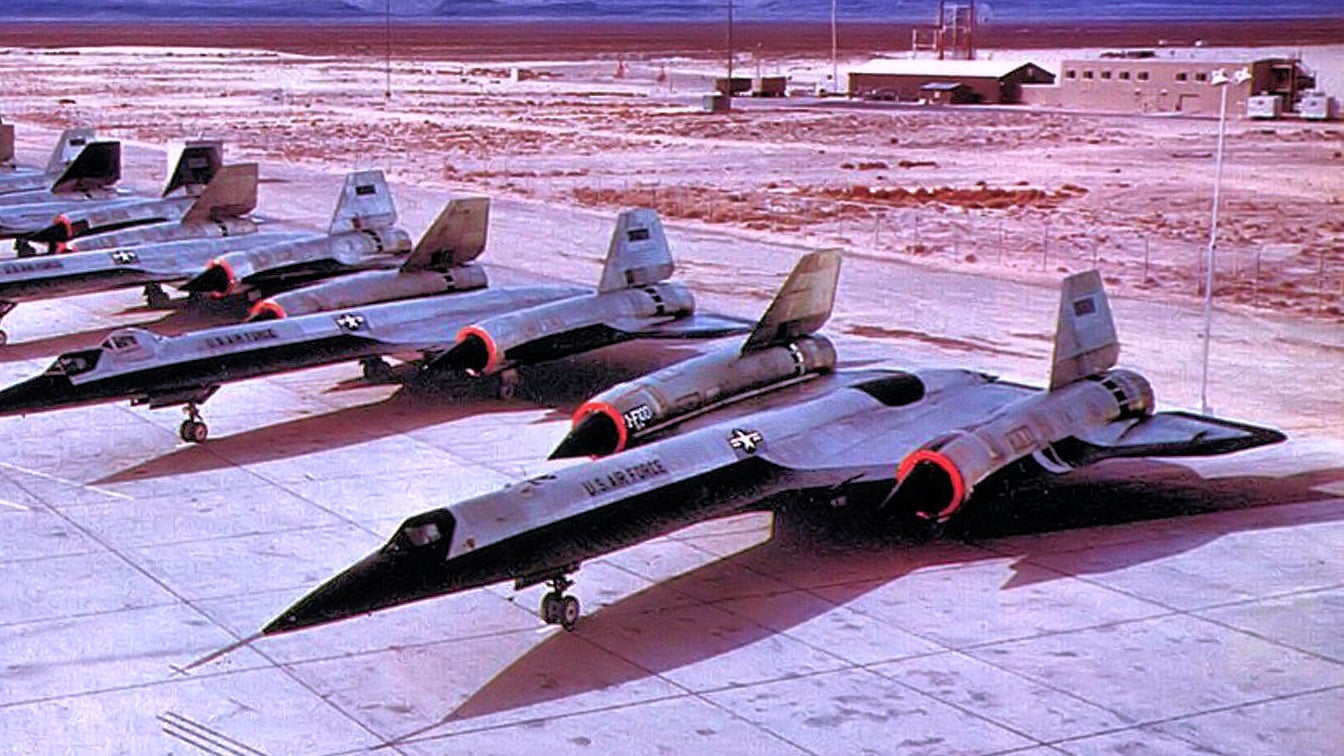
CIA A-12 Spy Plane. Image Credit: Creative Commons.
Drill bits and other tooling failed quickly. Welding defects were not uncommon. Lockheed engineers were forced by necessity to develop solutions and workarounds for these problems. But by the time the Blackbird entered serial production, Lockheed’s program had established techniques that would become standard not just for the program, but for other aerospace projects as well.
Into the Sunset
Despite the SR-71’s incredible qualities, it was an expensive bird to fly and maintain, and its price tag became increasingly difficult to justify as spy satellites matured and the Soviet Union dissolved. Maintaining a fleet of aircraft that had been in use since the mid-1960s became harder and harder as well. The physical toll on the aircraft’s engines, its titanium skin, and other components could not be ignored and required extensive maintenance.
Risk assessments favored satellites as well. The 1960 shootdown of Gary Powers while overflying the Soviet Union resulted in great embarrassment for the United States, as well as a significant diplomatic spat between the United States and the Soviet Union. Particularly for routine intelligence gathering, the Blackbird was perhaps not the best option, nor could the SR-71 remain on-station for extended periods of time waiting for events on the ground to justify an overflight.
The SR-71 was retired not because it could no longer perform the reconnaissance missions it had been built to do, but because it was riskier and more expensive than persistent satellite imaging. In the post-Cold War strategic environment, in which the United States was the world’s sole superpower, the Blackbird became unnecessary.
About the Author: Caleb Larson
Caleb Larson is an American multiformat journalist based in Berlin, Germany. His work covers the intersection of conflict and society, focusing on American foreign policy and European security. He has reported from Germany, Russia, and the United States. Most recently, he covered the war in Ukraine, reporting extensively on the war’s shifting battle lines from Donbas and writing on the war’s civilian and humanitarian toll. Previously, he worked as a Defense Reporter for POLITICO Europe. You can follow his latest work on X.