
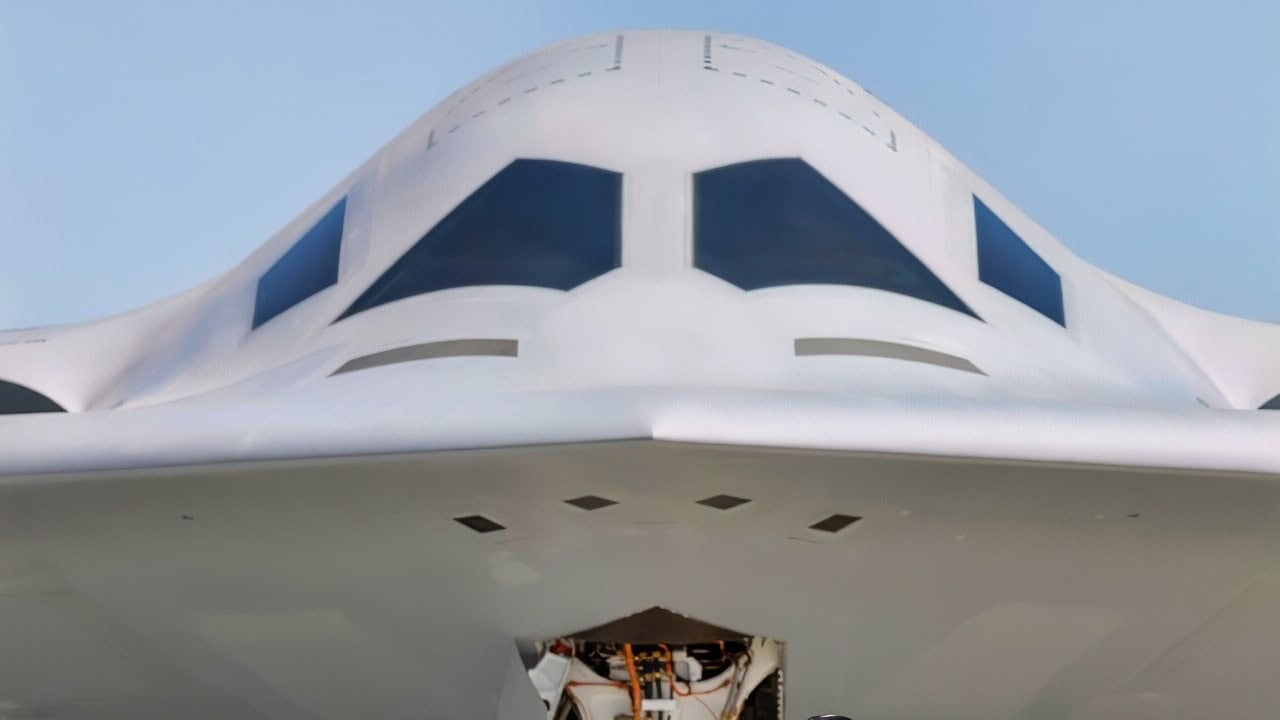
The Truth About B-21 Raider Bomber Procurement and the ‘145’ Figure
On March 17, 2026, Adm. Richard Correll, commander of U.S. Strategic Command, told lawmakers that his command still believes the U.S. Air Force needs 145 B-21 Raider stealth bombers, while also confirming that the Pentagon is considering opening a second production line to accelerate output.
During the testimony, which was delivered to the House Armed Services Committee’s strategic forces subcommittee, Correll made clear that investments are already being made to increase production rates and potentially expand industrial capacity.
However, he also confirmed that no decision has been made on either a second production line or an increase in the total fleet size.
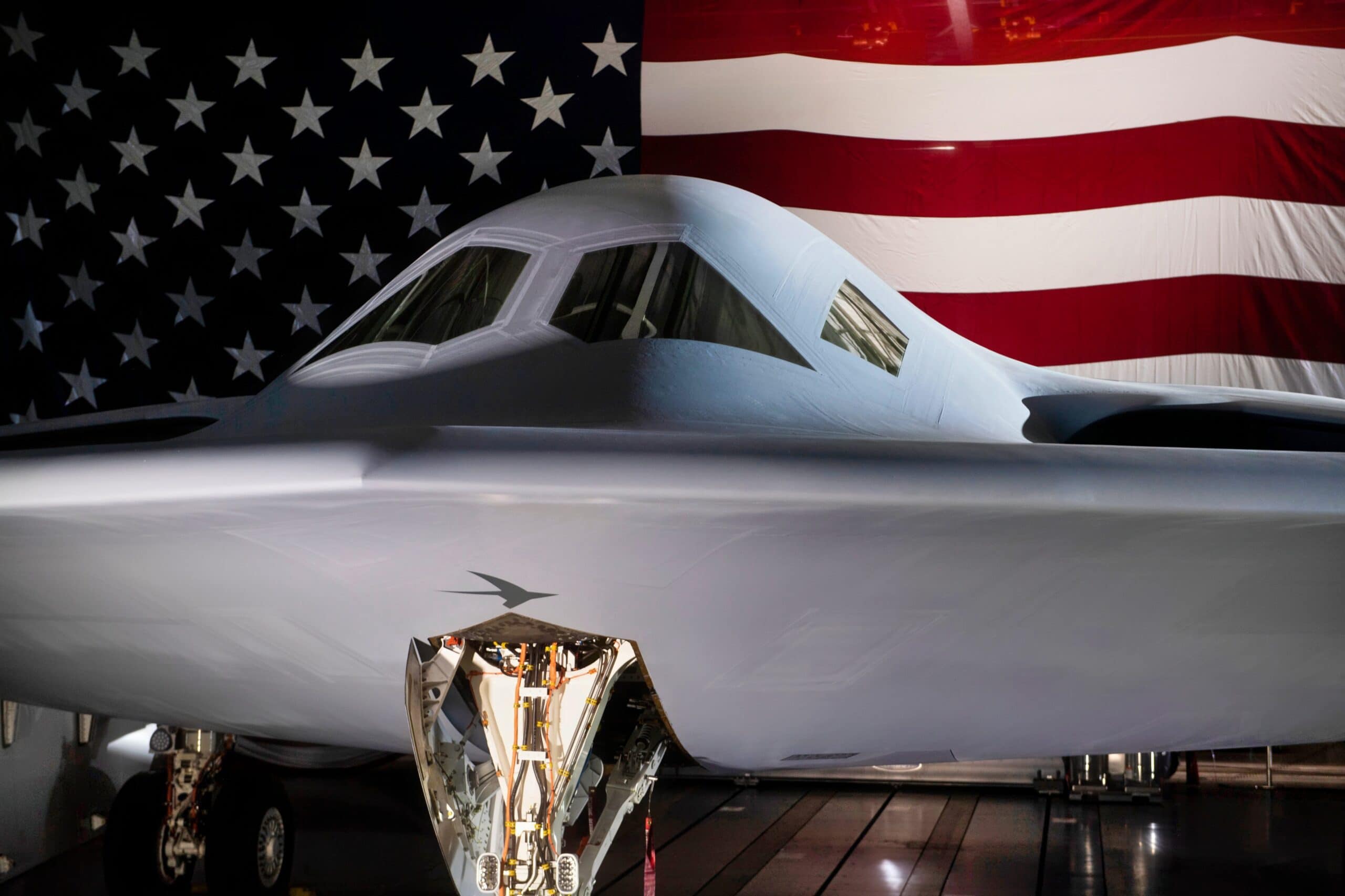
B-21 Raider. Image Credit: Creative Commons.
“There are, of course, investments that have been made to increase the production rate and to potentially open a second production line,” Correll said. “That decision has yet to be made, but clearly the B-21 represents a really significant capability both from a conventional and a nuclear perspective.”
It’s good news for analysts and strategists who have been calling for the U.S. to invest more heavily in its next-generation bombers, but the Air Force’s official program of record still only calls for “at least” 100 B-21 aircraft, not 145.
But if the number now being pushed by STRATCOM were adopted, the implications would be significant and wide-reaching. A fleet of 145 B-21s would, on its own, roughly match or exceed the entire bomber force the U.S. Air Force operates today, marking a fundamental shift in how the United States thinks about long-range strike.
What Has and Has Not Changed
In his testimony, Correll did not announce a program, but instead clarified that pressure is being applied to the existing one.
In his comments, he reiterated that STRATCOM supports expanding the B-21 fleet to 145 aircraft – a figure previously endorsed by his predecessor, Gen. Anthony Cotton.
At the same time, he pointed to two developments currently underway: investments to increase production rates and the possibility of establishing a second production line. It follows news from February this year that the Air Force had reached a $4.5 billion agreement with Northrop Grumman to expand B-21 production capacity by 25 percent, using funding acquired from recent legislation.
That agreement has been the source of misinformation recently, with some observers falsely suggesting it would lead to an increase in the number of bombers purchased. No such deal, however, has been struck.
The agreement instead increases the rate at which the aircraft can be built, giving the Air Force the opportunity to scale up production later if it is deemed necessary.
So for now, the official position remains unchanged: no more than the minimum fleet of B-21s is expected to be purchased; there has been no approval to reach the 145 figure; and a second production line is only under consideration and may not happen.
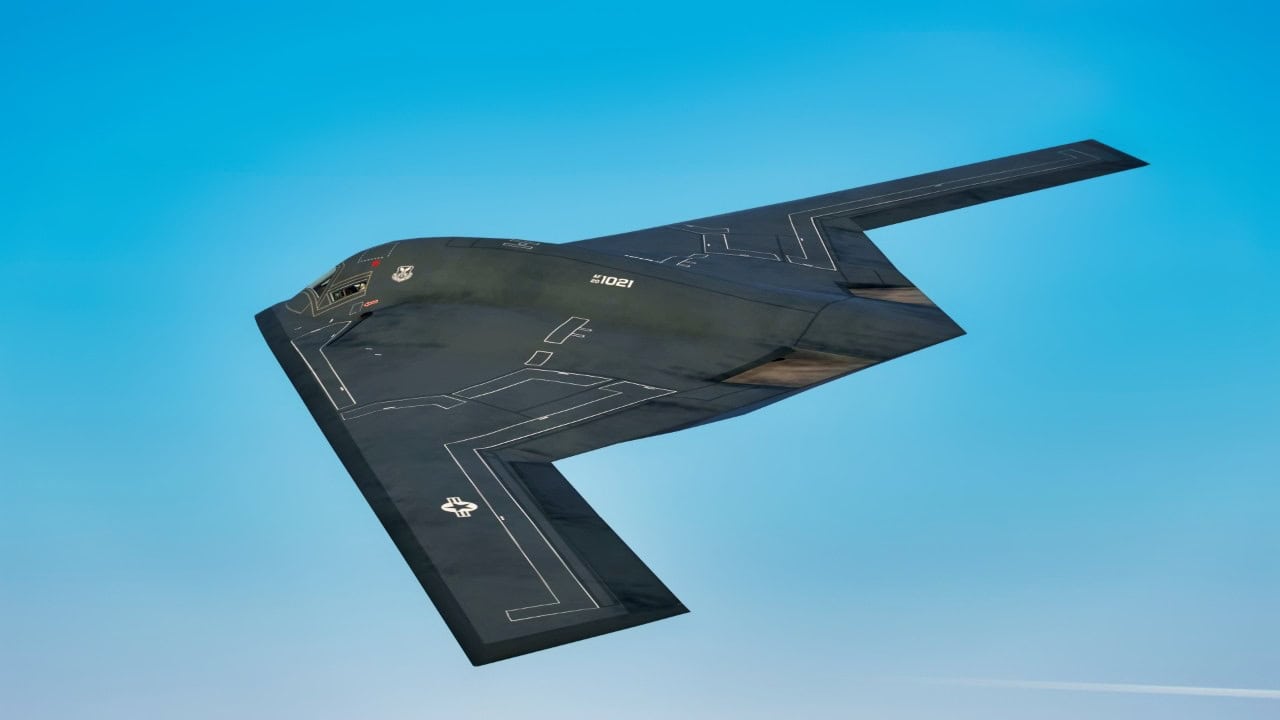
B-21 Raider Artist Rendering.
What has changed, though, is the level of institutional backing for acquiring more of these next-generation bombers. STRATCOM, members of Congress, and high-profile figures from the Air Force are now openly arguing that 100 aircraft may not be sufficient.
The Current Bomber Force
Today, the U.S. Air Force operates approximately 76 B-52H Stratofortress bombers, 45 B-1B Lancers, and 19 B-2 Spirit bombers. That puts the total inventory at around 140 aircraft – and that number is the result of three decades of post-Cold War decisions.
The B-2 program was originally envisioned as a much larger fleet, but was ultimately capped at just 21 aircraft built, with one later lost and another left damaged beyond economical repair.
While the B-2 Spirit is by far the most advanced stealth bomber on the planet, the U.S. has been left with a small inventory – and in the years since it was introduced, the Air Force shifted its emphasis toward tactical aircraft like the F-15, F-16, and F-35.
There has also been a huge focus on precision-guided munitions. Those choices made sense in the context of the 1990s and early 2000s, when the United States was fighting conflicts in relatively permissive airspace, but long-term, that’s probably not going to be the case. The United States has entered the 2020s with a small, aging bomber fleet, much of it designed for Cold War missions.
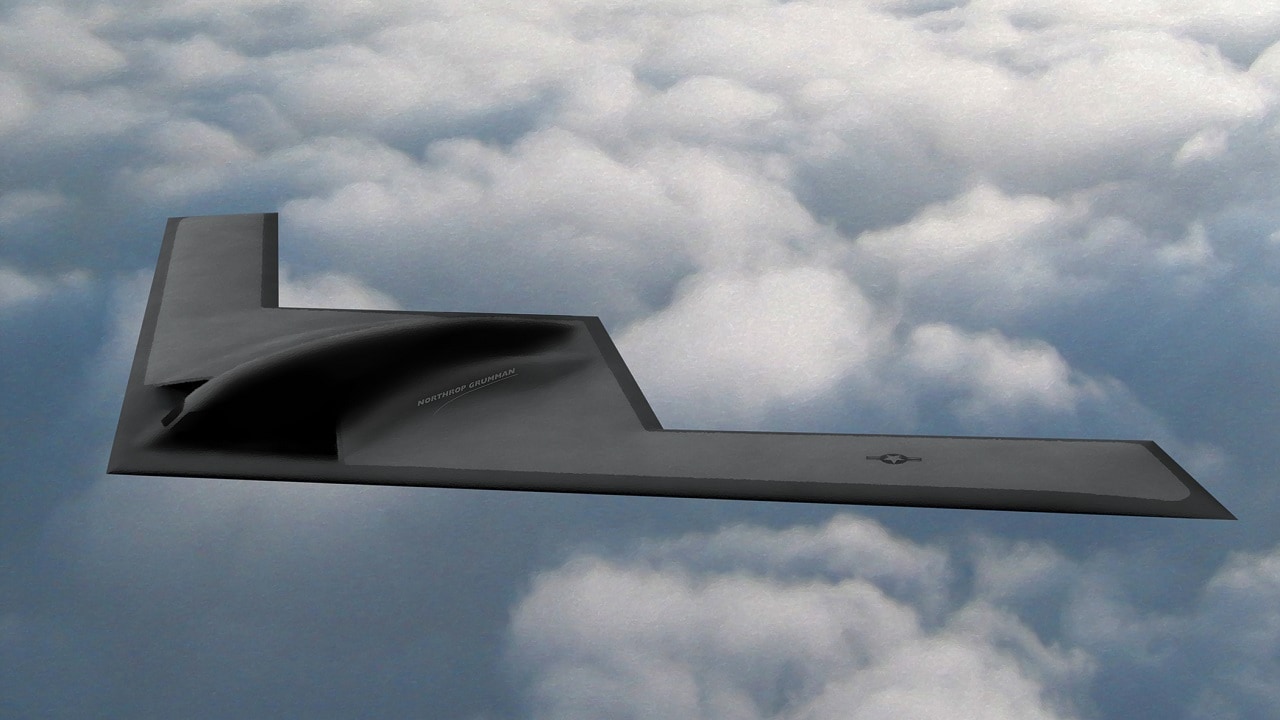
B-21 Raider bomber. Image Credit: Creative Commons.
With adversaries becoming increasingly technologically proficient and the gap with U.S. capability narrowing, something now needs to change.
Why 145 – Or Even 200 – Bombers?
The argument for expanding the B-21 fleet to 145 or even 200 – as many analysts now believe is necessary – is about addressing the fact that the current bomber force is designed for a previous era.
The B-21 is designed as a long-range, penetrating stealth bomber capable of both conventional and nuclear missions. It can also operate in highly contested environments against advanced air defenses.
Those capabilities address three important problems facing the U.S. today: modern integrated air defense systems, potential conflicts in the Indo-Pacific, and a growing need for nuclear-conventional flexibility.
Modern integrated air defense systems – particularly those developed by China and Russia – make it increasingly difficult for non-stealth aircraft to operate near defended targets. That reduces the effectiveness of legacy bombers and increases reliance on platforms like the B-21.
And as for potential conflicts in the Indo-Pacific, an increased number of B-21s would ensure that the U.S. Air Force can handle threats over much longer distances, operating from bases outside of immediate threat zones. The B-21 is specifically designed for this.
And, unlike the B-1 – which is now purely conventional – the B-21 is intended to carry both conventional weapons and nuclear payloads, including gravity bombs and long-range cruise missiles.
That combination of roles increases the number of aircraft required because a single fleet must support nuclear deterrence, sustained operations in contested environments, and conventional long-range strike capabilities.
STRATCOM and high-ranking officials recognize the enormous amount of pressure this puts on a single platform, and in one sense, increasing procurement isn’t really a matter of purchasing hundreds of the same aircraft – it’s purchasing three.
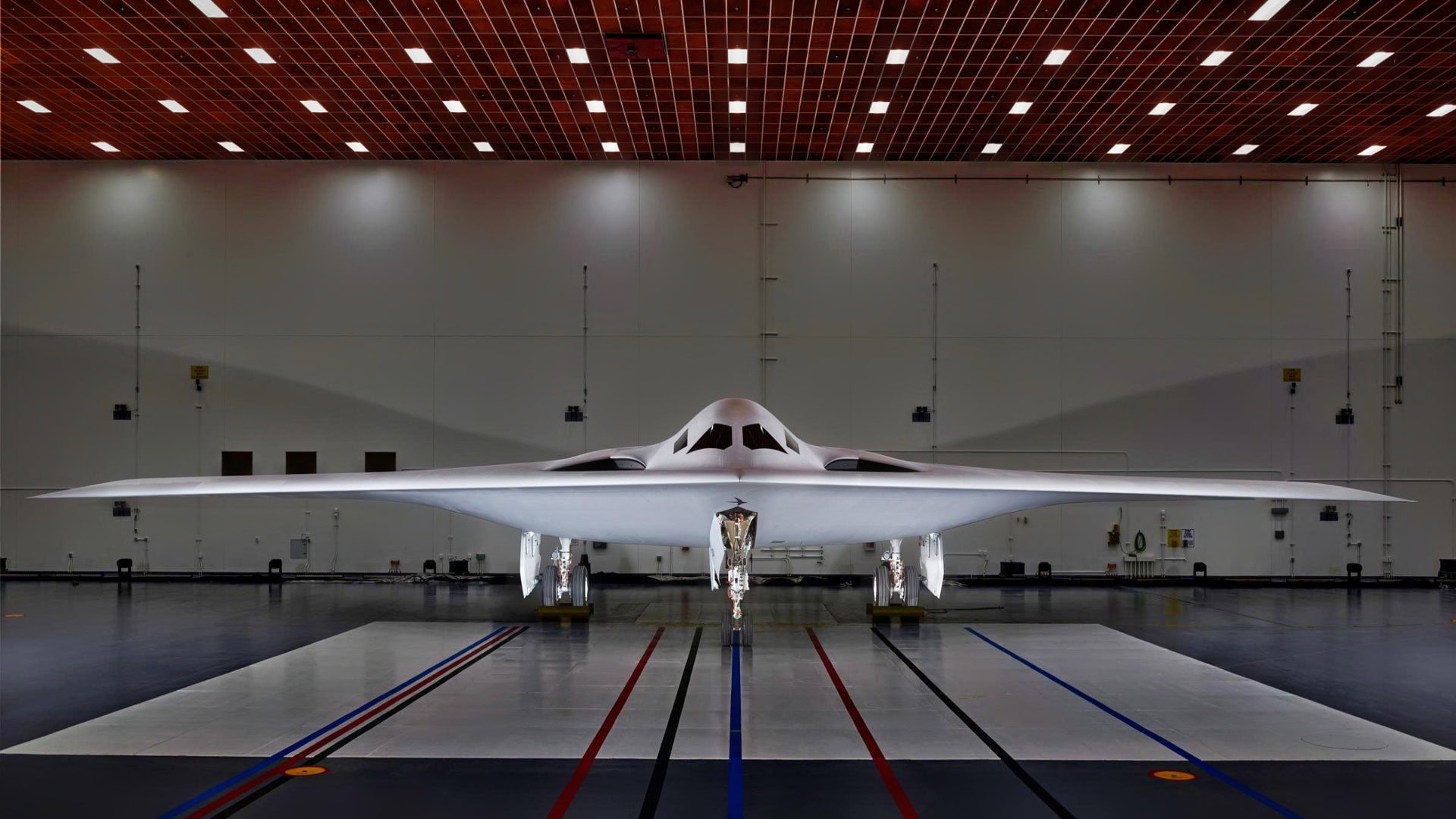
B-21 Raider U.S. Air Force. Image Credit: U.S. Air Force.
The Timeline Ahead
The B-21 Raider conducted its first flight on November 10, 2023, and remains in flight testing at Edwards Air Force Base, where multiple test aircraft are now flying as part of the initial evaluation phase.
The Air Force has stated that the first operational B-21s are scheduled to be delivered to Ellsworth Air Force Base beginning in 2027, with the base serving as the initial operating location for the fleet.
The delivery schedule also overlaps with some planned retirements. The B-1B fleet is expected to be phased out through the late 2020s (although this will be “conditions-based”), while the B-2 fleet will also be retired as the B-21 enters service.
At the same time, the Air Force is extending the B-52 through at least the 2050s under the B-52J modernization program, which includes new Rolls-Royce F130 engines and radar upgrades.
There will therefore be a period of transition between 2027 and the early 2030s during which the B-21 must replace two bomber fleets while maintaining current operational commitments.
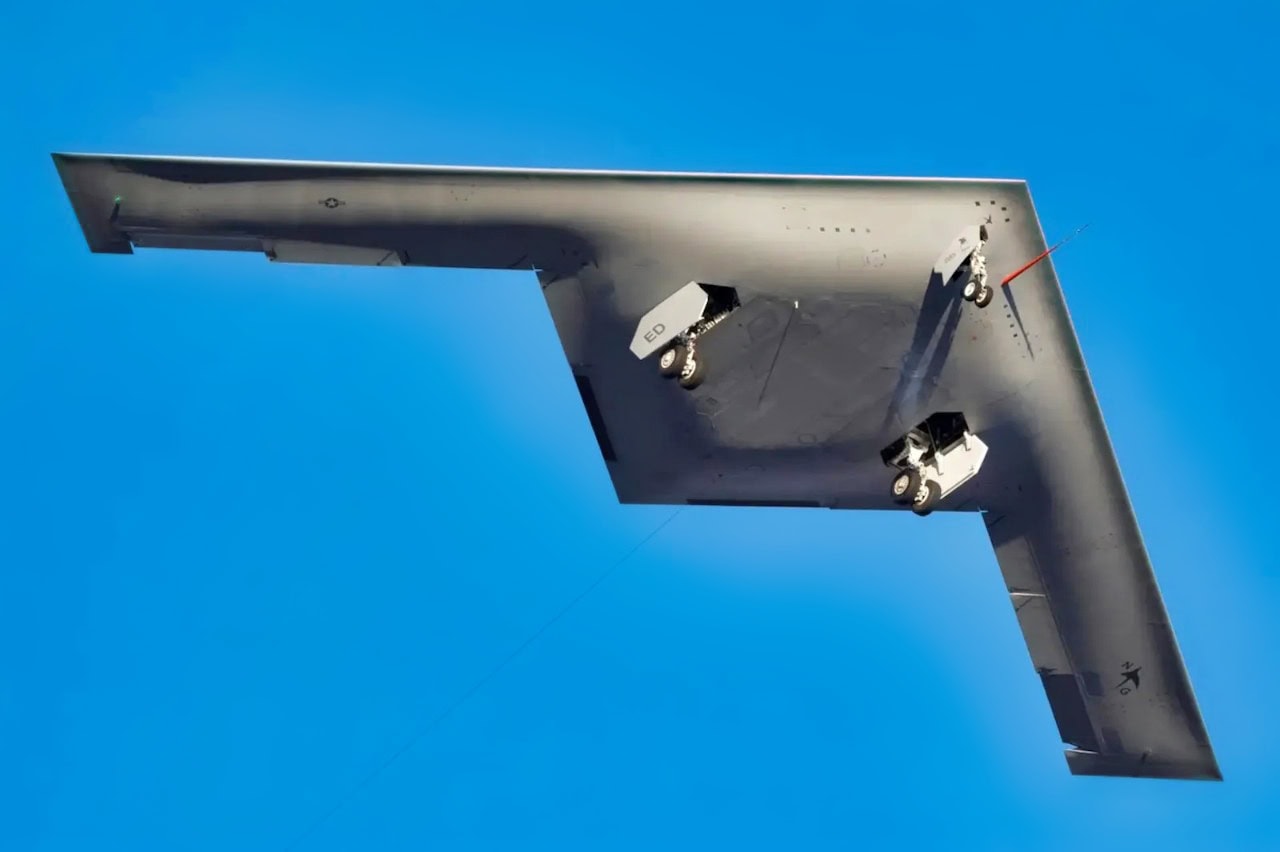
B-21 Raider. Image Credit: Creative Commons.
If procurement remains at 100 aircraft, the force will eventually stabilize at a lower number than today – but expanding toward the 145 figure would allow the Air Force to complete that transition without reducing overall bomber capacity.
About the Author: Jack Buckby
Jack Buckby is a British researcher and analyst specializing in defense and national security, based in New York. His work focuses on military capability, procurement, and strategic competition, producing and editing analysis for policy and defense audiences. He brings extensive editorial experience, with a career output spanning over 1,000 articles at 19FortyFive and National Security Journal, and has previously authored books and papers on extremism and deradicalization.