

Summary and Key Points: Noted defense expert Harry J. Kazianis details how Chinese scientists claim to have identified aerodynamic and radar-signature vulnerabilities in America’s B-21 Raider stealth bomber — the crown jewel of U.S. Air Force long-range strike capability.
-The People’s Liberation Army Air Force is watching the B-21 Raider closely, as they worry they can’t compete with this platform bomber for bomber.
-If Beijing’s researchers have genuinely found exploitable weaknesses in the B-21’s low-observable design, it could reshape the entire strategic balance in the Pacific and undermine the bomber’s core mission of penetrating Chinese air defenses to strike high-value targets.
China Thinks It Found the B-21 Raider’s Weakness: The U.S. Air Force Needs to Listen
Let me tell you something about the B-21 Raider that the U.S. Air Force doesn’t particularly like to discuss in public.
For all the secrecy surrounding this aircraft — the carefully managed rollout, the classified performance specifications, the deliberate opacity around its true capabilities — the fundamental physics of stealth cannot be hidden from determined adversaries with serious scientific resources and a powerful national motivation to figure out your weaknesses before you use them against you.
China has all three of those things in abundance.
When Chinese researchers claim, as they recently have, to have identified aerodynamic and radar-signature vulnerabilities in the B-21 Raider, the instinct in some quarters of Washington is to dismiss it as propaganda — chest-thumping from a rival power trying to score psychological points against America’s most capable long-range strike platform.
I understand that instinct. I have spent enough time around the national security community to know how seriously American defense planners take their own technological edge, and how reluctant they can be to credit adversary claims.
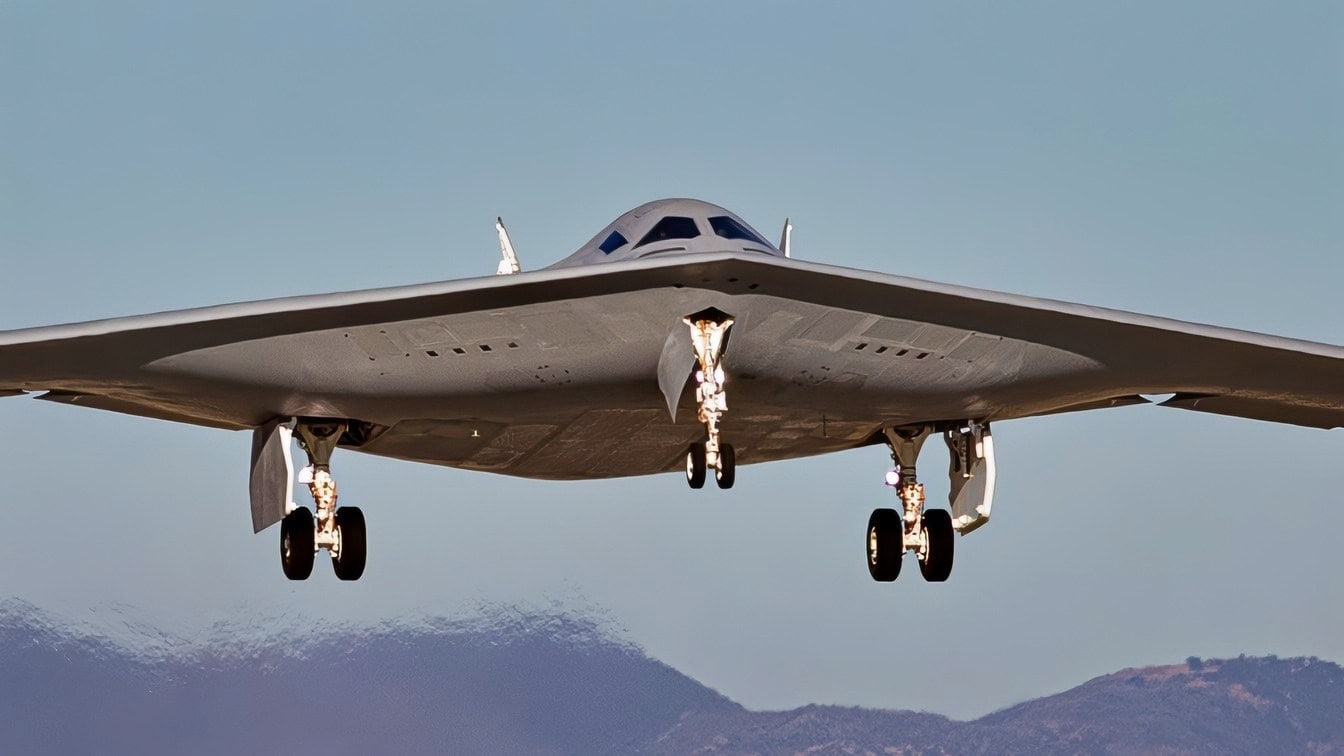
A second B-21 Raider test aircraft takes off, Sept. 11, from Palmdale, Calif., to join the Air Force’s flight test campaign at Edwards Air Force Base, Calif. The addition of the second test aircraft expands mission systems and weapons integration testing, advancing the program toward operational readiness. (Courtesy photo)
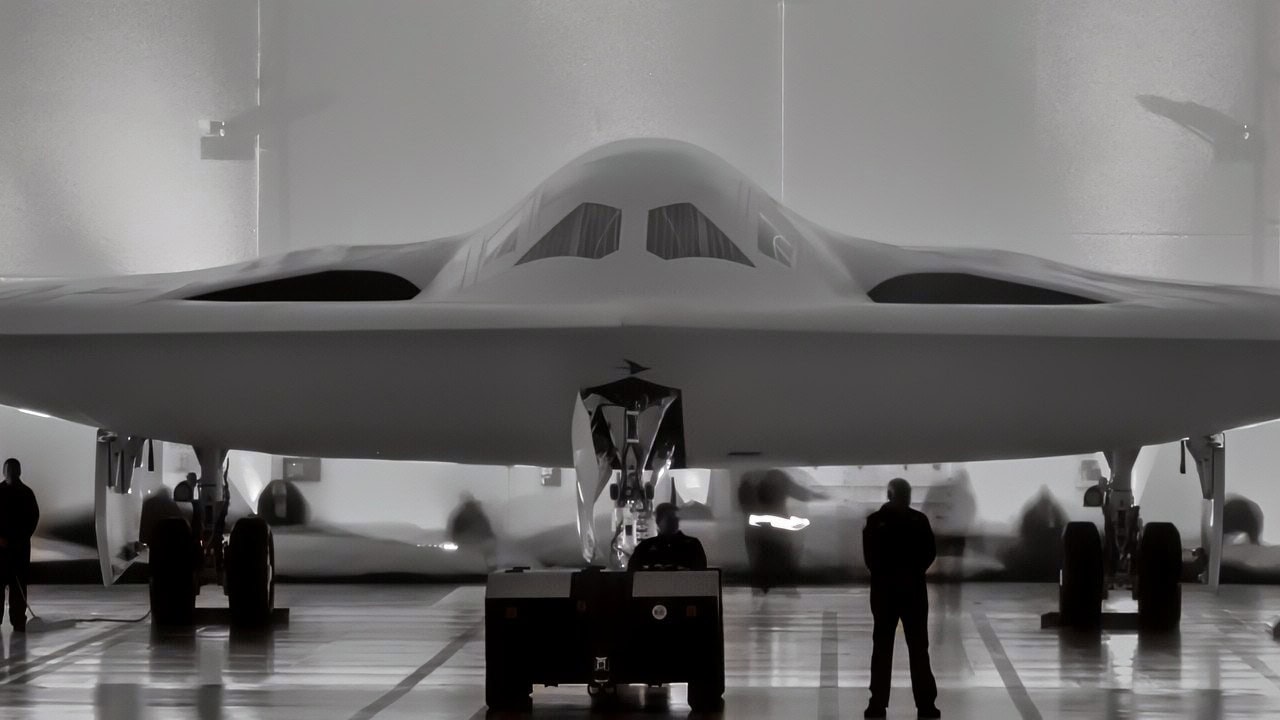
A B-21 Raider is unveiled at Northrop Grumman’s manufacturing facility on Air Force Plant 42 in Palmdale, California, Dec. 2, 2022. The B-21 will be a long-range, highly survivable, penetrating strike stealth bomber capable of delivering both conventional and nuclear munitions. (U.S. Air Force photo by Airman 1st Class Joshua M. Carroll)
But here is what I know from years of studying how China’s military-scientific complex actually operates: they do not make these kinds of claims casually, and they do not publish findings that are pure fabrication when those findings will be scrutinized by their own technical community. Something real is being discussed in Beijing. And the U.S. Air Force would be making a serious mistake to wave it away.
Could it be propaganda? Sure. But it might not be, so its worth at least considering.
What the B-21 Raider Is Supposed to Do
Before we can understand why a potential flaw in the B-21 matters so much, we need to understand exactly what the B-21 Raider is built to accomplish — because the mission it is designed to execute is unlike anything else in the American arsenal.
The B-21 is Northrop Grumman’s answer to a fundamental problem that has defined American air power planning for the past two decades: how do you strike deeply defended targets in a world where peer adversaries have built sophisticated, layered, integrated air defense systems specifically designed to kill American aircraft?
The old answer — high-altitude bombers escorted by fighters, or cruise missiles fired from standoff range — works against lesser adversaries. It does not work particularly well against the S-400 and HQ-9 batteries that China has deployed across the theater, or against the advanced radar networks that Beijing has spent thirty years and likely billions of dollars building specifically to deny the United States the freedom of action it enjoyed in the skies over Iraq and Afghanistan.
The B-21 is supposed to change that equation by being genuinely invisible to those defenses — a flying-wing design with an extremely low radar cross-section, advanced electronic warfare systems, and the ability to penetrate Chinese airspace without being detected long enough to destroy the high-value targets — command nodes, missile sites, naval bases, airfields — that would need to be taken out in the opening hours of any serious conflict.
If the B-21 cannot do that — if Chinese air defenses can track and engage it — then the entire strategic calculus that American war planners have built around this aircraft collapses. Not partially. Entirely.
That is why the Chinese claims matter, even if their full technical validity remains unclear.
The B-21 Raider Claim
The claims coming out of Chinese research circles center on two distinct vulnerability areas that, if accurate, would represent serious challenges for the B-21’s survivability in contested airspace.
The first involves the aircraft’s aerodynamic signature at certain angles of approach and departure.
Every stealth aircraft has what engineers call aspect-dependent radar cross-section characteristics — meaning its radar signature changes depending on the angle from which it is being observed. The B-21’s flying-wing design is optimized to minimize its signature from the most dangerous threat axes, but Chinese researchers claim to have identified specific geometries where that optimization degrades in ways that could be exploited by next-generation radar systems.
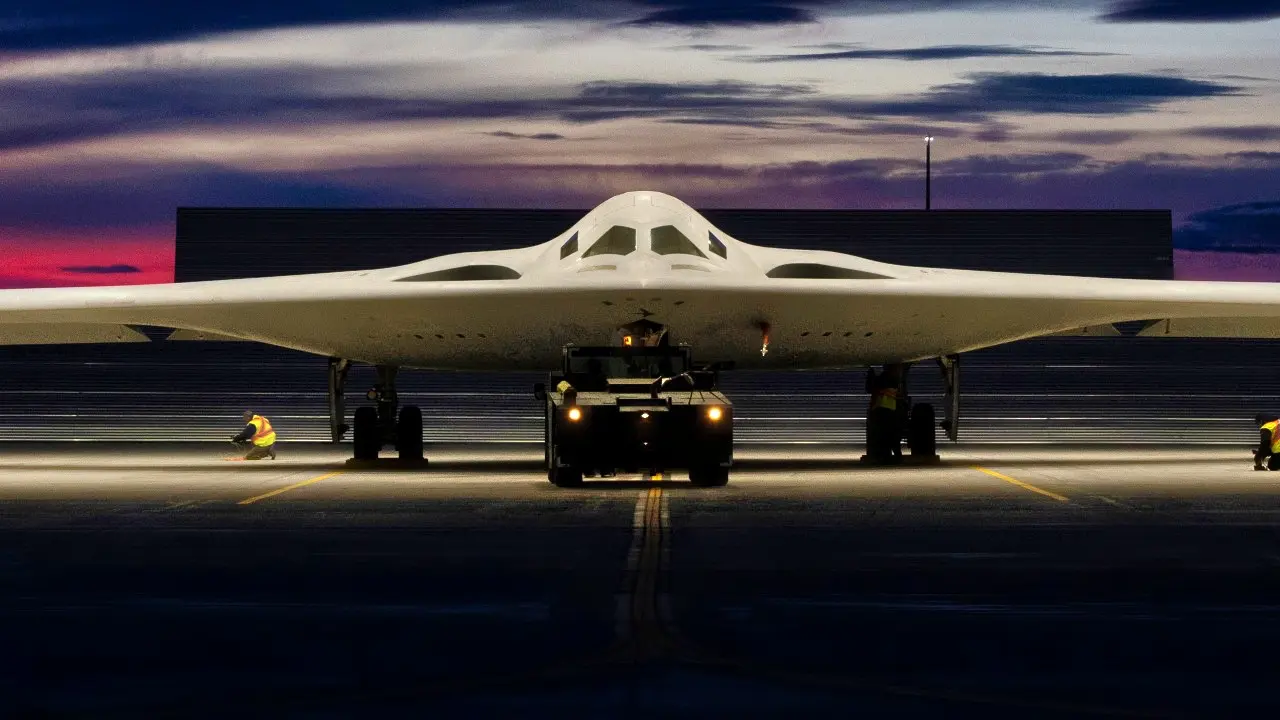
B-21 Raider Stealth Bomber.
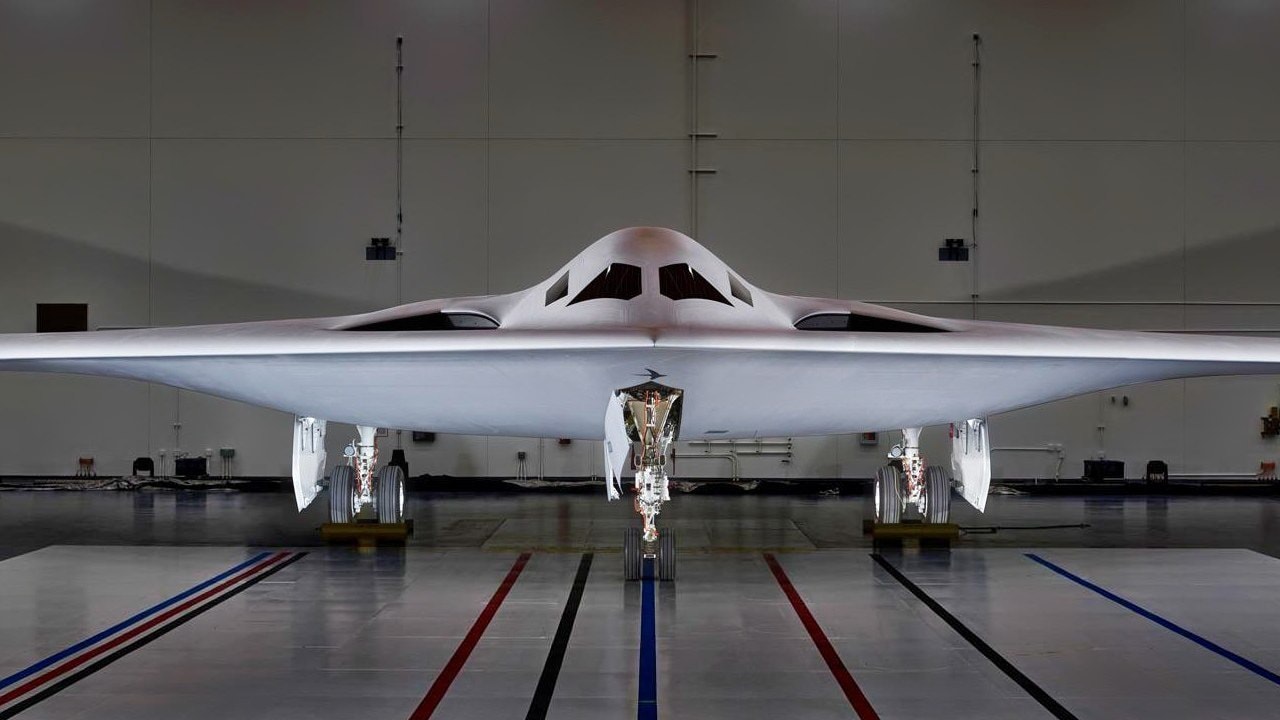
B-21 Raider Bomber U.S. Air Force.
The second area involves the thermal signature produced by the aircraft’s engines and exhaust systems. Infrared search and track systems — IRST, in the technical shorthand — do not rely on radar at all. They detect the heat generated by aircraft engines and have been improving dramatically as China has invested heavily in this technology, precisely because it offers a pathway to detecting stealth aircraft that conventional radar cannot reach. If Chinese IRST systems have advanced to the point where they can reliably track a B-21 at operationally meaningful ranges, that would significantly change the survivability picture.
I want to be careful here, because intellectual honesty requires it. I cannot verify the specific technical claims made by these researchers, nor can anyone outside a very small circle of cleared American and Chinese scientists. What I can say with confidence, based on conversations with people who have spent their careers thinking about stealth technology and its limits, is that neither of these theoretical vulnerabilities is implausible.
Physics does not make exceptions for expensive aircraft.
The Deeper Problem: America Is Building Its Entire Pacific Strategy Around This Plane
Here is what makes this more than just an interesting technical debate.
The U.S. Air Force has staked its long-range strike future on the B-21 in a way that leaves very little margin for error. The B-1B Lancer is being retired. The B-2 Spirit fleet consists of only twenty aircraft, and as we learned during Operation Epic Fury against Iran, those aircraft are being pushed to the absolute limits of their operational capacity. The B-52, venerable and capable as it is, cannot penetrate a sophisticated integrated air defense system — it is a standoff platform, not a penetrator.
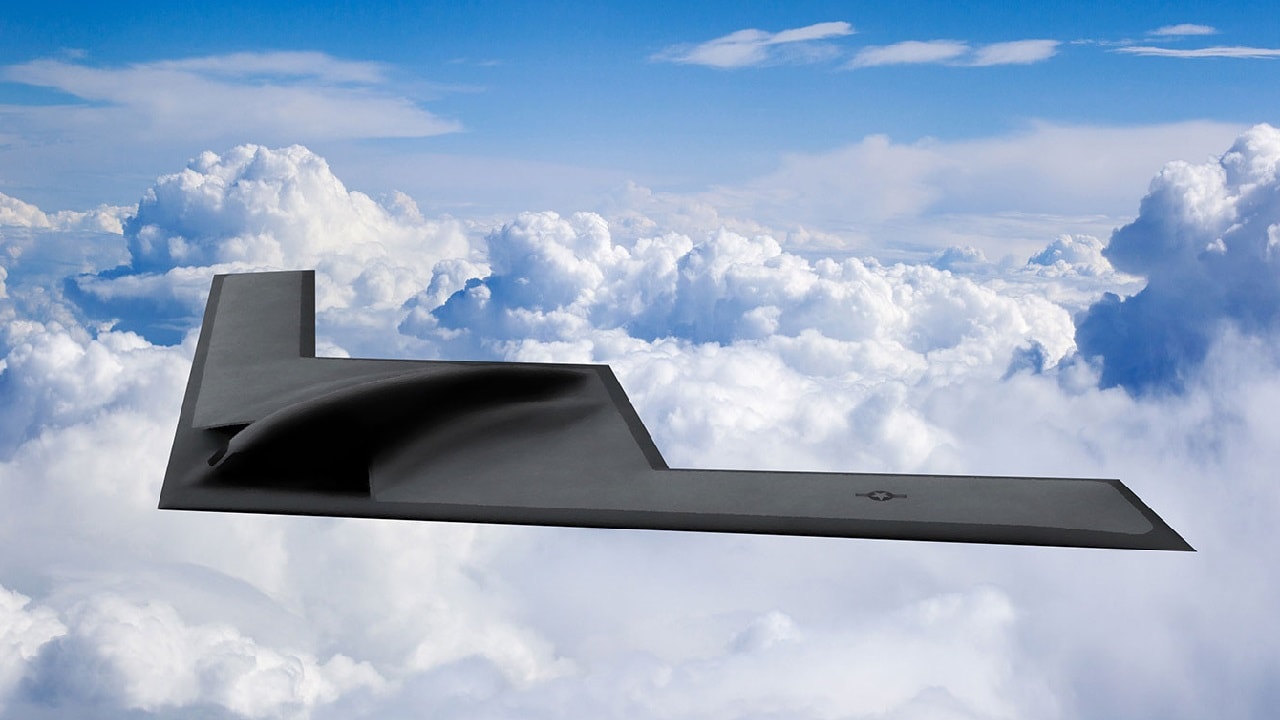
B-21 Raider. Image Credit: US Air Force.
The B-21 is not just supposed to fill those gaps. It is supposed to be the answer to every hard question about how America fights and wins against a peer adversary with serious air defenses. It is the cornerstone of the Air Force’s battle network in the Indo-Pacific. It is what makes a Taiwan scenario survivable for American aircrews rather than suicidal.
If there is a genuine exploitable flaw in that aircraft — one that Chinese air defense operators can actually leverage in combat conditions — then the entire architecture of American airpower in the Pacific needs to be rethought. Not tweaked. Rethought from the ground up.
That is not a comfortable thing to write. But it is an honest thing to write.
China’s Investment in Counter-Stealth Is Real, and It Is Serious
One of the things I find frustrating about the American defense conversation is the tendency to treat Chinese military-technical claims with either excessive credulity or reflexive dismissal, neither of which is analytically useful. The truth, as is usually the case, is somewhere more complicated and more sobering.
China’s investment in counter-stealth technology has been sustained, serious, and well-funded for more than two decades. The People’s Liberation Army Air Force looked at what American stealth aircraft did in the Gulf War and in Yugoslavia, drew the obvious conclusions about what they needed to develop to counter that capability, and has been pursuing that goal methodically ever since. The JY-27A and DWL002 passive detection systems represent genuine advances in low-frequency radar technology that can theoretically help detect stealth aircraft whose designs are optimized against higher-frequency search radars. Chinese IRST systems have advanced considerably. The investment in AI-driven signal processing to extract meaningful track data from low-probability detections has likely been enormous.
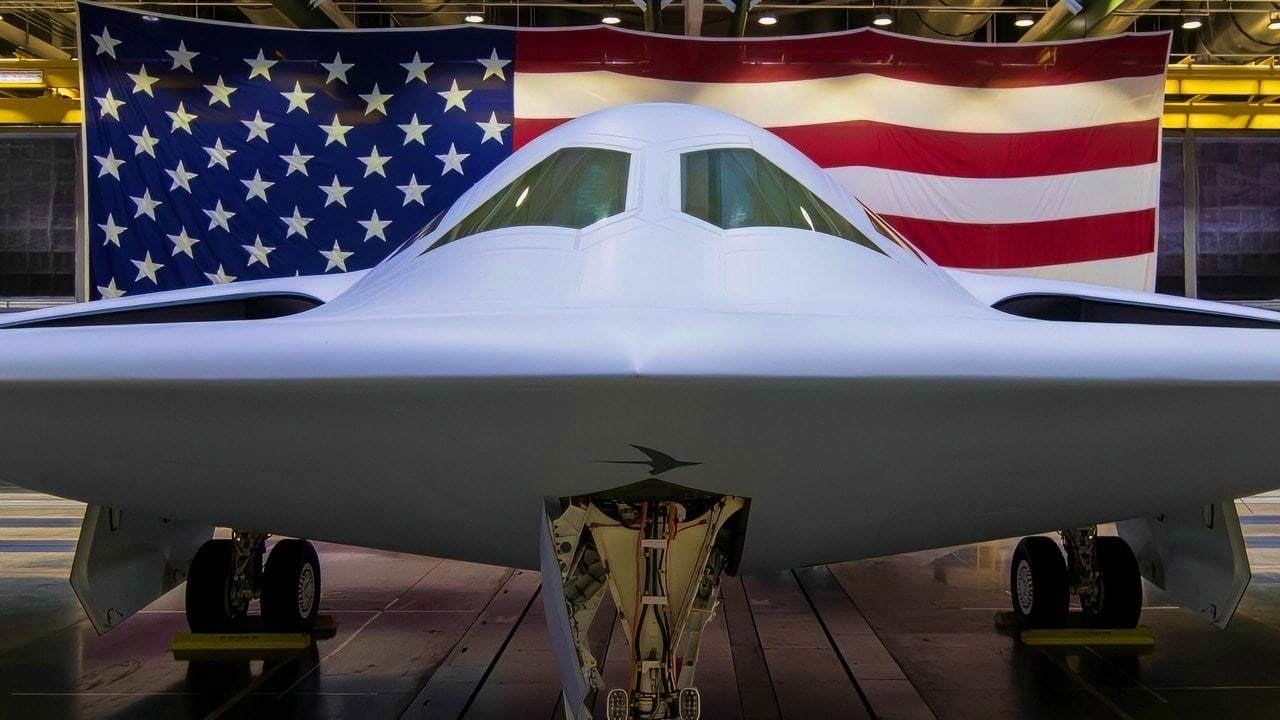
The B-21 Raider was unveiled to the public at a ceremony on December 2, 2022, in Palmdale, Calif. Designed to operate in tomorrow’s high-end threat environment, the B-21 will play a critical role in ensuring America’s enduring airpower capability. (U.S. Air Force photo)
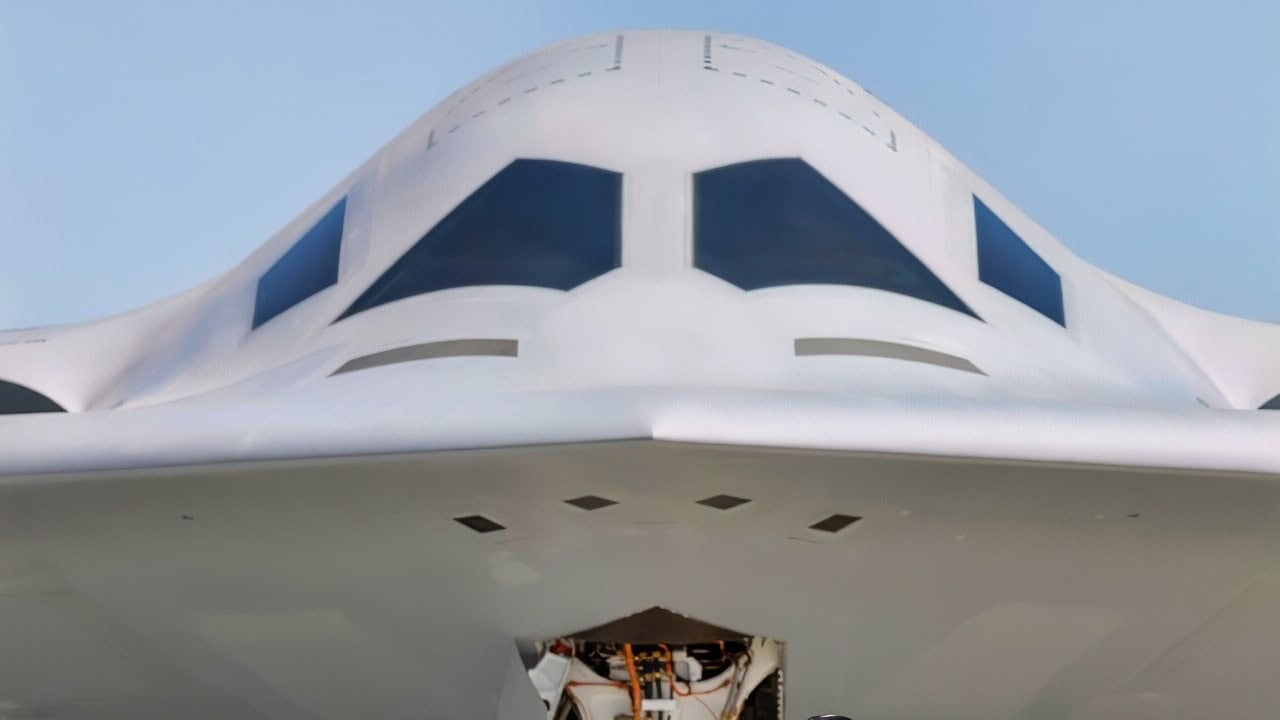
U.S. Air Force Airmen with the 912th Aircraft Maintenance Squadron prepare to recover the second B-21 Raider to arrive for test and evaluation at Edwards AFB, Calif., Sept. 11, 2025. The arrival of a second test aircraft provides maintainers valuable hands-on experience with tools, data and processes that will support future operational squadrons. (U.S Air Force photo by Kyle Brasier)
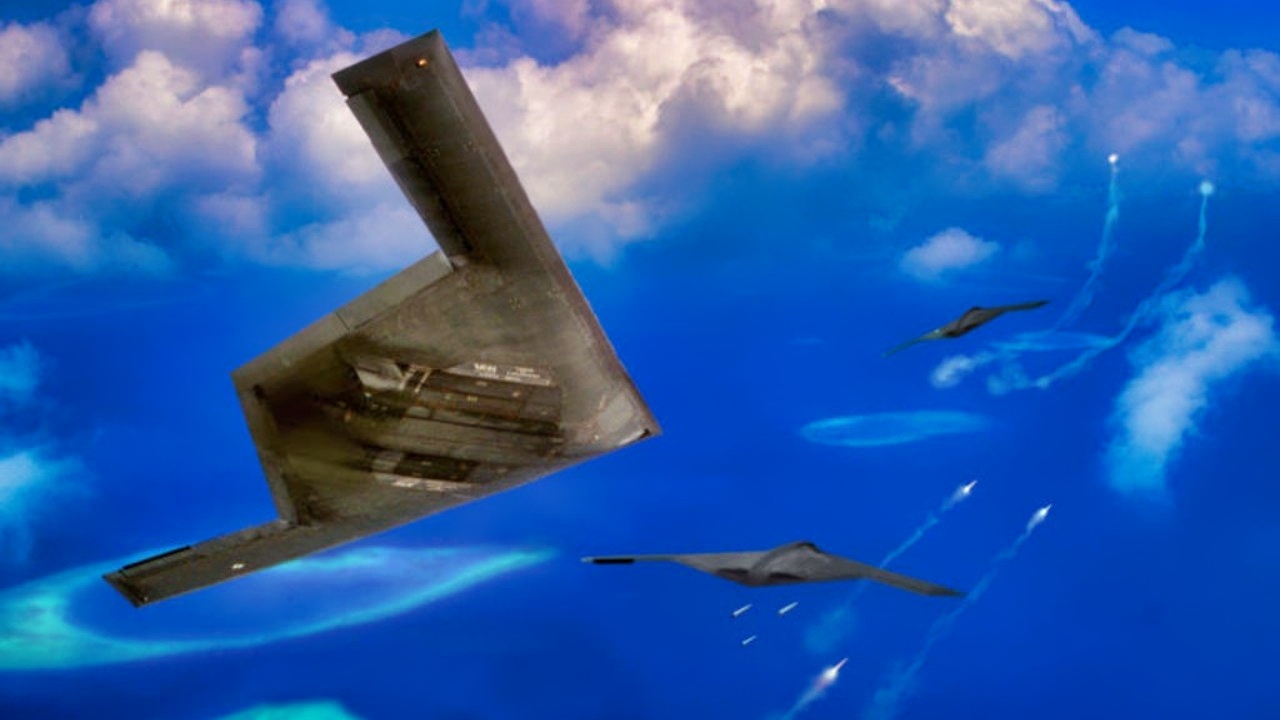
B-21 Raider Bomber. Artist Rendition/Creative Commons.
None of this means that American stealth technology is obsolete or that the B-21 is a sitting duck. It absolutely does not mean that. But it does mean that the comfortable assumption that stealth equals invulnerability — an assumption that too many people in Washington have been making for too long — needs to be examined honestly, and the Chinese researchers’ claims are a useful forcing function for that examination.
What the Air Force Should Do — And What It Probably Won’t
I have watched the American defense establishment respond to uncomfortable technical intelligence for long enough to know how this tends to go. The initial response is usually some version of “our technology is superior and the adversary’s claims are exaggerated.” Sometimes that is true. Sometimes it is an institutional reflex designed to protect programs and budgets from unwelcome scrutiny.
What the U.S. Air Force should do right now is commission a genuinely independent technical assessment of the specific vulnerability claims being made by Chinese researchers — not an internal review designed to confirm existing conclusions, but a red-team exercise involving the best minds in American stealth science who are given permission to find real problems rather than explain why there are none. The B-21 program office at Edwards Air Force Base should be tasked with specifically testing the aircraft against the frequency ranges and detection geometries that the Chinese claims suggest might be exploitable.
If that assessment finds nothing, the Air Force can proceed with confidence that has actually been tested rather than assumed. If it finds something real, then the program has time to address it before the aircraft enters full operational service. Either outcome is better than the alternative — discovering the vulnerability after the aircraft is in combat over a defended target.
The B-21 represents a $203 billion program commitment over its lifetime. The United States cannot afford to find out its most important warplane has a fatal flaw during the opening hours of a war with China. The time to take these claims seriously — even if you ultimately conclude they are wrong — is now, while there is still time to do something about it.
The Bigger Lesson No One Wants to Hear
There is a broader lesson here that goes well beyond the B-21 specifically, and I want to say it plainly because I think it gets lost in the tactical back-and-forth about specific aircraft and specific detection systems.
America’s long-term military advantage over China cannot rest primarily on technological secrets that we assume adversaries cannot crack. The history of military technology is a history of countermeasures — every capability generates a counter-capability, every advantage generates an adversary investment designed to neutralize it, every system designed in secret eventually faces reverse-engineering, scientific deduction, or simple physics working against the assumptions built into its design.
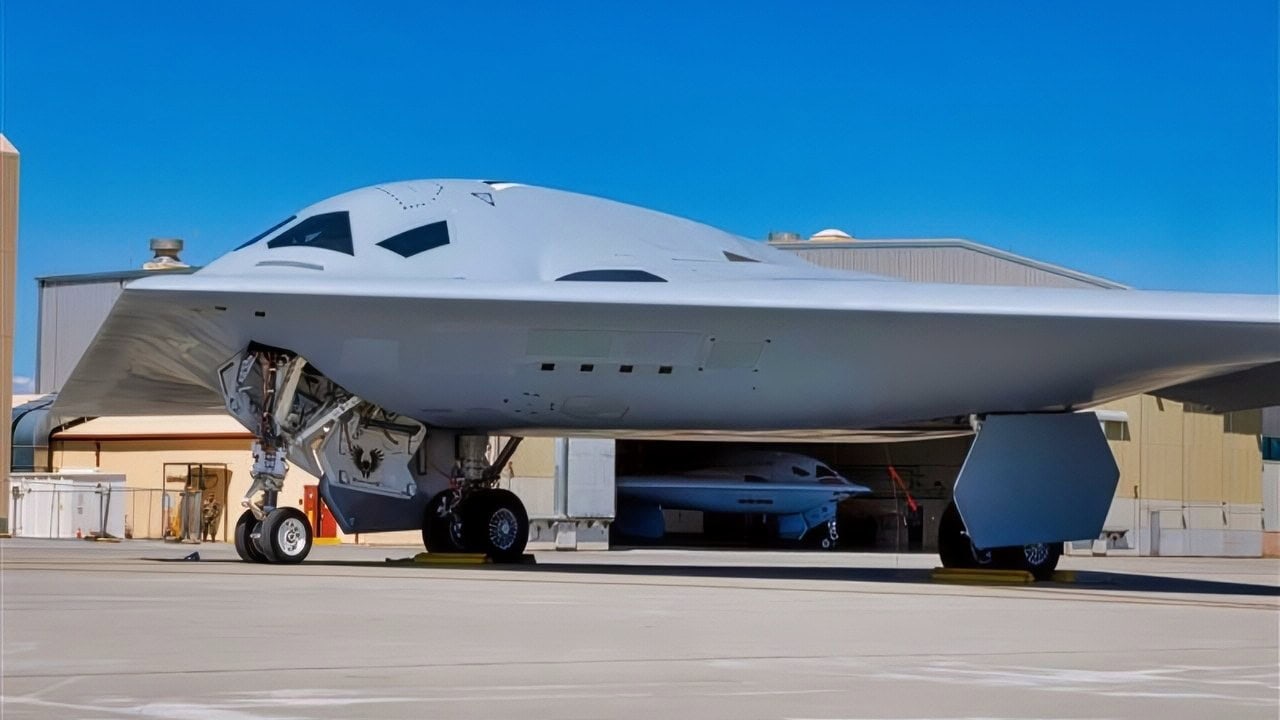
A second B-21 Raider, the world’s sixth-generation stealth bomber, test aircraft arrives at Edwards Air Force Base, Calif., Sept. 11, 2025. The addition of the second test aircraft expands mission systems and weapons integration testing, advancing the program toward operational readiness. (Courtesy photo)
The United States needs to be planning for a world where the B-21’s stealth advantage has been partially or substantially degraded, just as it needs to be planning for a world where its Tomahawk magazines are running low, and its carrier fleet is under strain.
Redundancy, depth, and multiple pathways to the same military objective are what make a force resilient. Single points of failure — whether that single point is the B-21, the carrier, or the Tomahawk — are what adversaries look for and what history punishes.
China’s scientists may or may not have found a real flaw in the B-21 Raider. What they have definitely done is remind us that banking on any weapon to give us a massive edge is never a good idea, or God forbid, a strategy.
About the Author: Harry J. Kazianis
Harry J. Kazianis (@Grecianformula) was the former Senior Director of National Security Affairs at the Center for the National Interest (CFTNI), a foreign policy think tank founded by Richard Nixon based in Washington, DC. Harry has over a decade of experience in think tanks and national security publishing. His ideas have been published in the NY Times, The Washington Post, The Wall Street Journal, CNN, and many other outlets worldwide. He has held positions at CSIS, the Heritage Foundation, the University of Nottingham, and several other institutions related to national security research and studies. He is the former Executive Editor of the National Interest and the Diplomat. He holds a Master’s degree focusing on international affairs from Harvard University. Kazianis is Editor-In-Chief of 19FortyFive.

