

Summary and Key Points: Defense analyst Jack Buckby evaluates claims from the China Aerodynamics Research and Development Centre (CARDC) regarding the Northrop Grumman B-21 Raider.
-Using a digital modeling platform called PADJ-X, Chinese scientists simulated the bomber’s flight characteristics based on open-source imagery.
-The study suggests potential aerodynamic stability weaknesses in the flying-wing design. However, Buckby notes that such models cannot account for the B-21’s classified fly-by-wire software or Active Control Technology.
-As China develops its own Xi’an H-20, this digital engineering race highlights the growing “transparency tax” paid by the U.S. Air Force during 2026 flight testing.
China Thinks It Found A Weakness in the B-21 Raider
Chinese aerospace researchers say they may have identified potential aerodynamic weaknesses in the U.S. Air Force’s next-generation B-21 Raider stealth bomber using a sophisticated simulation system.
The claim originates with scientists at the China Aerodynamics Research and Development Centre (CARDC), who reportedly used a digital modeling platform called PADJ-X to simulate the bomber’s flight characteristics based on publicly available images and design assumptions.
The research shows that militaries are increasingly using digital engineering tools to analyze rival aircraft without access to classified data, substantially changing the dynamics of modern warfare.
However, it’s worth noting that this kind of modeling has significant limits, particularly for stealth aircraft, whose actual performance depends on secret design features that AI systems simply cannot know.
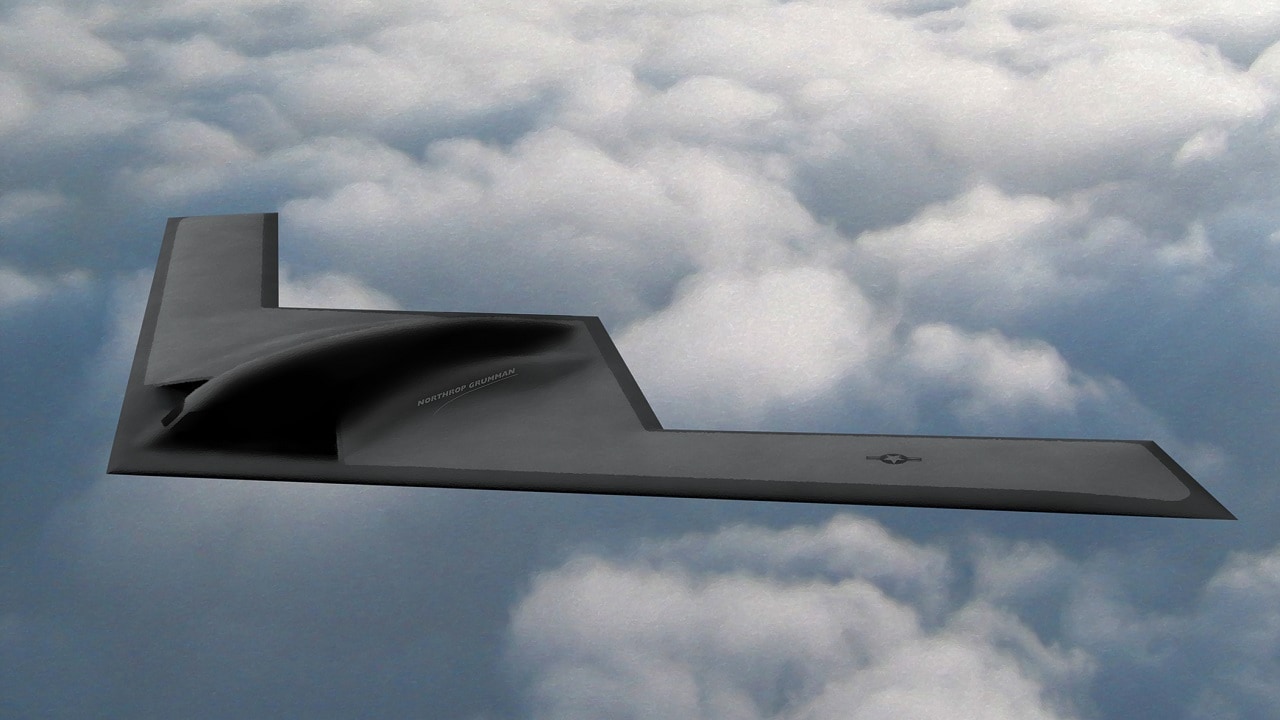
B-21 Raider bomber. Image Credit: Creative Commons.
Understanding what China just claimed requires stepping back and examining a few things: what the B-21 Raider actually is, how China’s modeling study was conducted, and why the results should be treated cautiously.
America’s Next Strategic Bomber
The B-21 Raider is the U.S. Air Force’s newest long-range stealth bomber, being developed by Northrop Grumman as part of the service’s effort to modernize its aging bomber fleet.
The aircraft is intended to gradually replace both the B-2 Spirit stealth bomber and the B-1B Lancer, creating the backbone of the future American bomber force.
First unveiled publicly at Northrop Grumman’s Palmdale facility in December 2022, the B-21 represents the first new U.S. bomber design in more than three decades. The aircraft is expected to enter operational service later in the 2020s, with the Air Force planning to acquire at least 100 bombers.
Like its predecessor, the B-2, the B-21 uses a flying-wing configuration. This design reduces aerodynamic drag while minimizing radar reflections, helping the aircraft remain difficult for enemy radar systems to detect.
The bomber is designed for long-range penetrating strike missions against heavily defended targets. It will be capable of carrying both conventional and nuclear weapons, including precision-guided bombs and long-range cruise missiles, and will operate as part of a networked force alongside satellites, fighters, and other platforms.
China’s Simulation Study
According to reports, scientists at China’s CARDC used a digital simulation environment known as PADJ-X to estimate the B-21’s aerodynamic performance. Because the bomber’s technical details remain highly classified, researchers relied on what they do know, and what information they did have – specifically, a combination of open-source imagery and publicly released specifications, and the engineering assumptions that can be made based on that information.
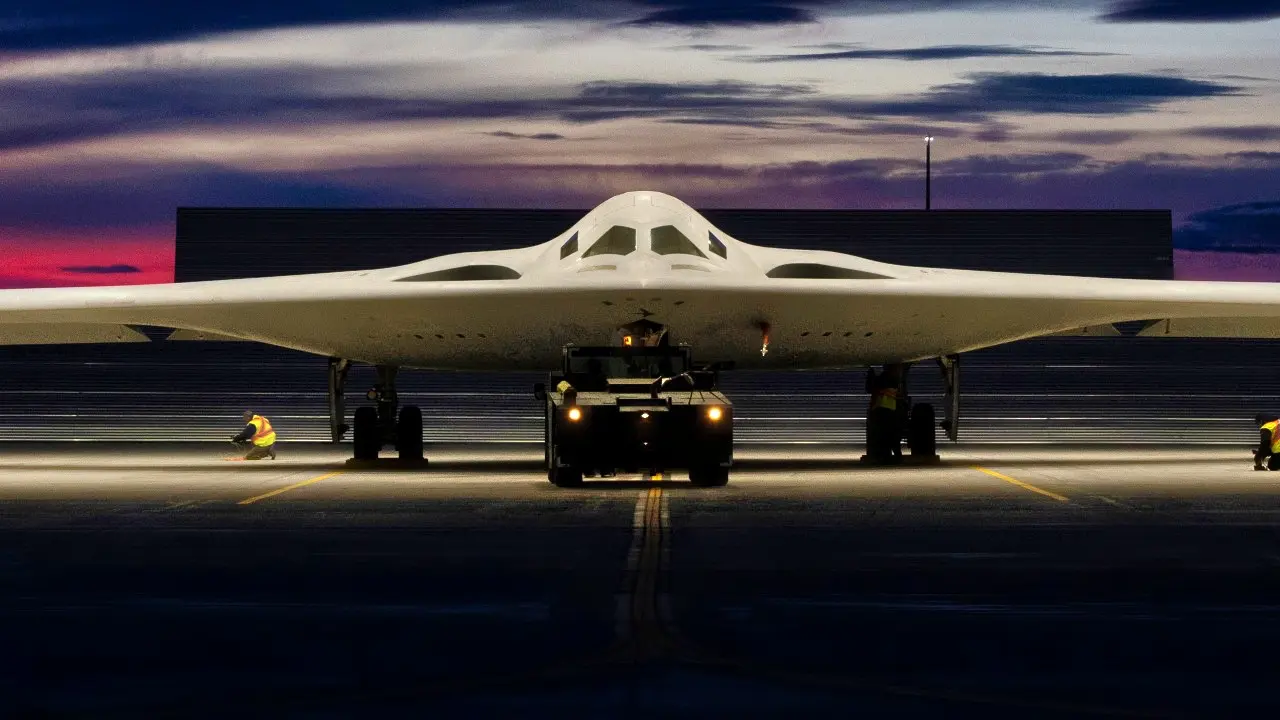
B-21 Raider Stealth Bomber.
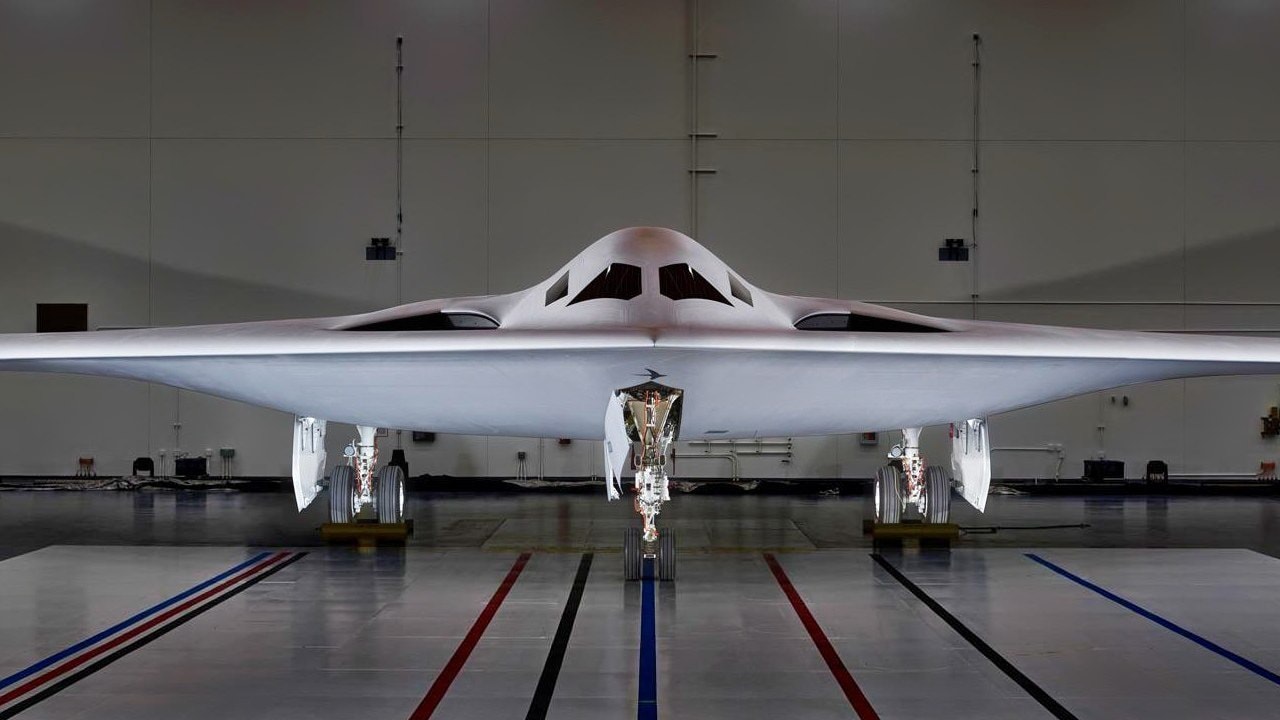
B-21 Raider Bomber U.S. Air Force.
The PADJ-X system reportedly allows engineers to analyze airflow behavior, aerodynamic efficiency, and stability characteristics through high-fidelity computational simulations rather than traditional wind-tunnel testing.
Using the method, researchers sought to evaluate how the B-21’s flying-wing design might behave across different flight paths and environments, examining factors such as airflow patterns and aerodynamic stability.
While digital modeling of rival aircraft is not unusual, it is getting increasingly more accurate thanks to the advent of artificial intelligence. Aerospace engineers have long attempted to reverse-engineer competing platforms using publicly available data. For example, Western analysts have also studied China’s upcoming H-20 stealth bomber through a combination of satellite imagery, patents, and official statements.
The recent Chinese research reportedly suggested that small adjustments to the B-21’s configuration could actually theoretically improve aerodynamic performance – but those conclusions are based on modeling and may have gotten some assumptions entirely wrong.
Why the “Flaw” Should Be Treated With Caution
The news is interesting, but as previously noted, conclusions based on assumptions are not the same as conclusions based on observed and confirmed facts. What’s more, stealth aircraft designs often appear aerodynamically unstable when analyzed purely through their external geometry – and in the early days of stealth bomber design, these aircraft were notorious for actually being unstable and requiring extreme pilot skill to operate safely. Modern stealth platforms now rely heavily on computerized flight-control systems that constantly adjust during flight to maintain stability.
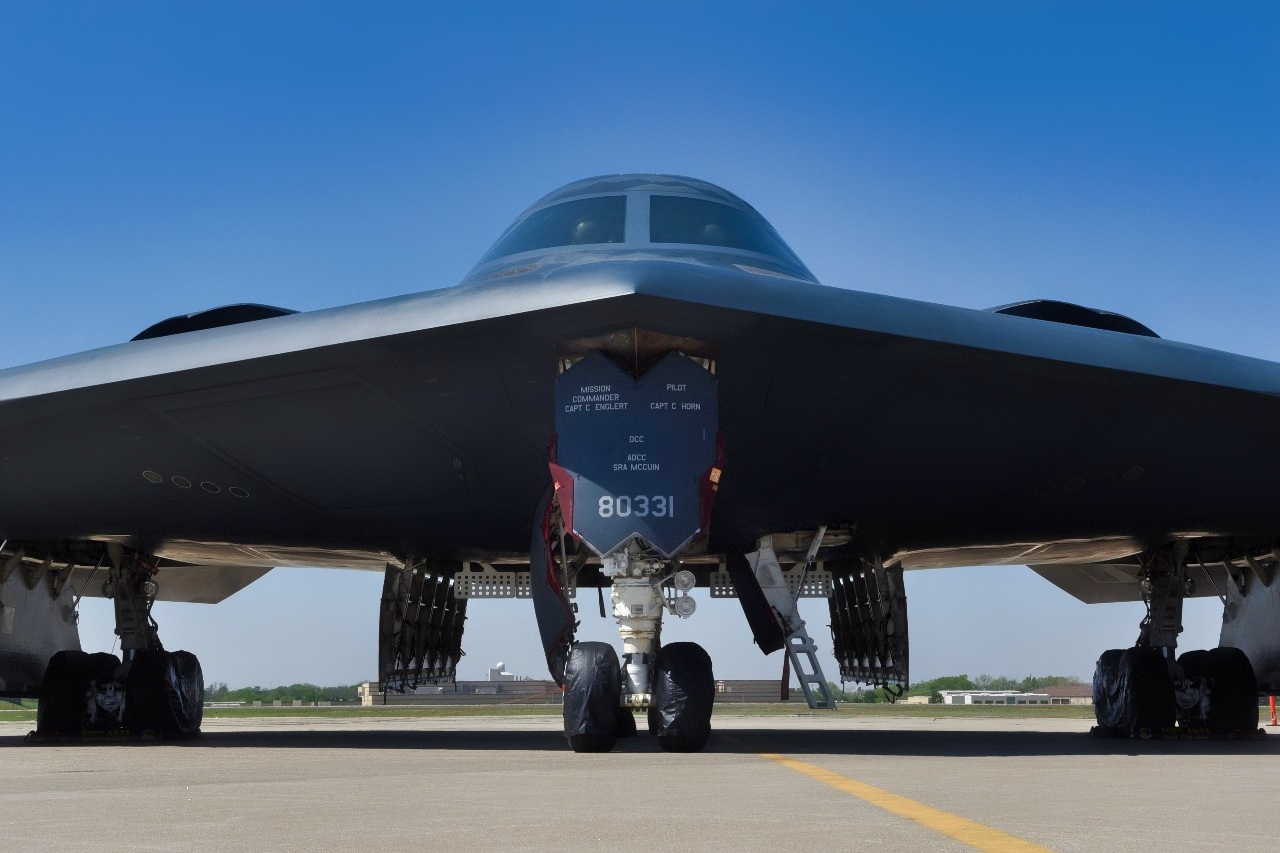
B-2A, serial #88-0331, ‘Spirit of South Carolina’ of the 509th Bomb Wing, Air Force Global Strike Command, on the parking ramp at Tinker Air Force Base, Oklahoma, during a visit April 11, 2017. The B-2A ‘stealth bomber’ visited the base to allow hundreds of personnel who work in direct support of the aircraft program through continuous software upgrades to see it in person and better understand the aircrafts’ role in the nation’s defense. (U.S. Air Force photo/Greg L. Davis)
Those systems, along with many other aspects of the B-21, remain classified. External observers cannot, therefore, see the aircraft’s exact internal structure, understand how its control software works, or fully comprehend its radar-absorbing materials or its detailed aerodynamic shaping.
Even small design features that appear insignificant externally can dramatically affect stealth and stability.
That means models built solely from public photographs or artistic renderings may miss critical design elements and therefore reach incorrect conclusions about their performance.
Digital Engineering is the Future
Despite its limitations, the study does prove one thing: there is a new and expanding trend in military aerospace design. Digital engineering tools are rapidly changing how aircraft are designed and tested today. Advanced simulation environments allow engineers to run thousands of design iterations in software before constructing a physical prototype.
The U.S. Air Force has already adopted this approach extensively through its digital engineering efforts, including programs such as the Next Generation Air Dominance (NGAD) fighter.
China is pursuing similar capabilities, investing heavily in high-performance computing and simulation tools that allow engineers to analyze foreign aircraft designs and refine domestic programs.
This digital competition is particularly relevant as both countries develop next-generation stealth bombers. China is widely believed to be developing the Xi’an H-20, a long-range stealth bomber expected to play a role similar to that of the B-21 in China’s future air strategy.
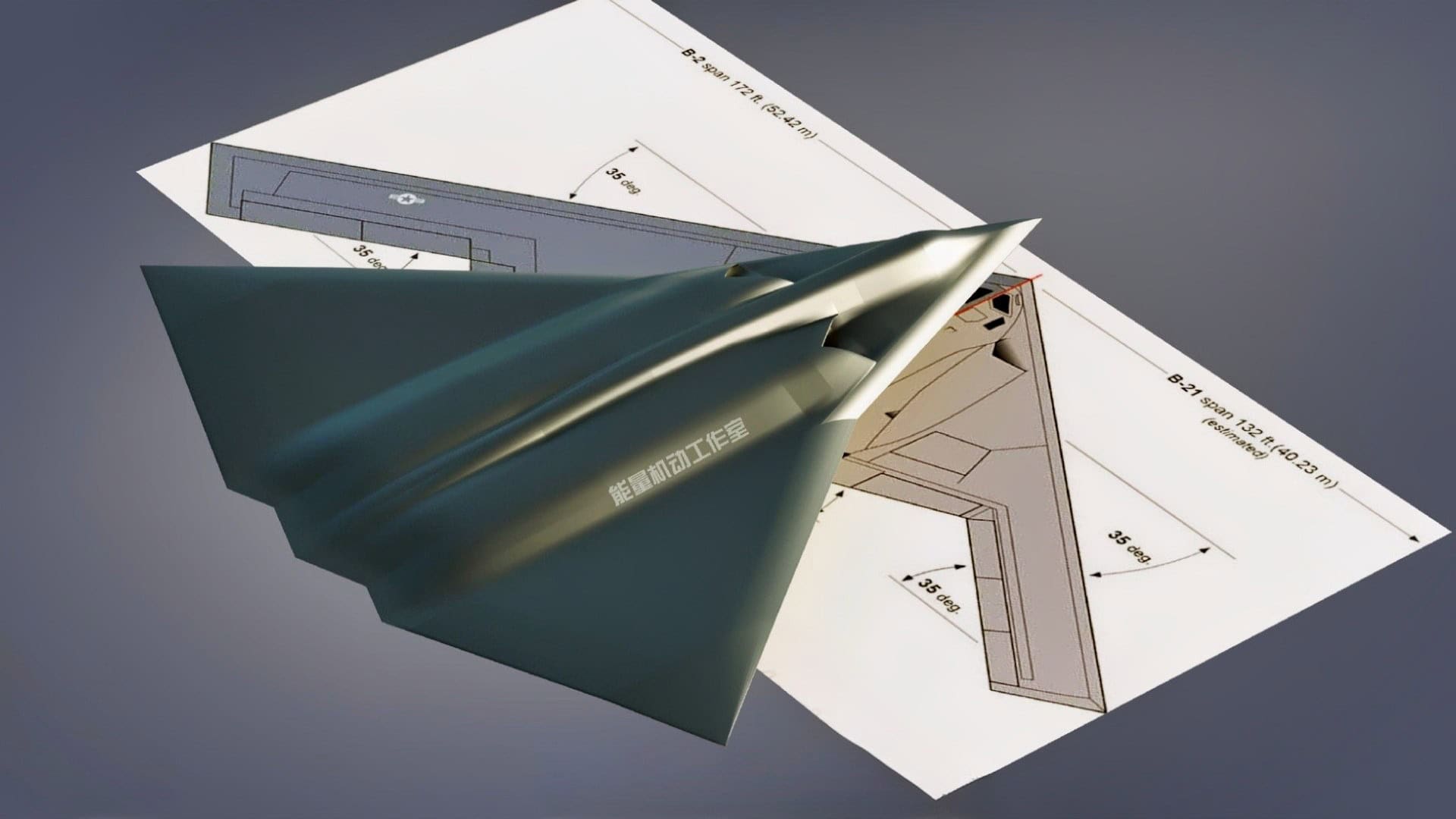
H-20 Stealth Bomber Computer Generated Image from X
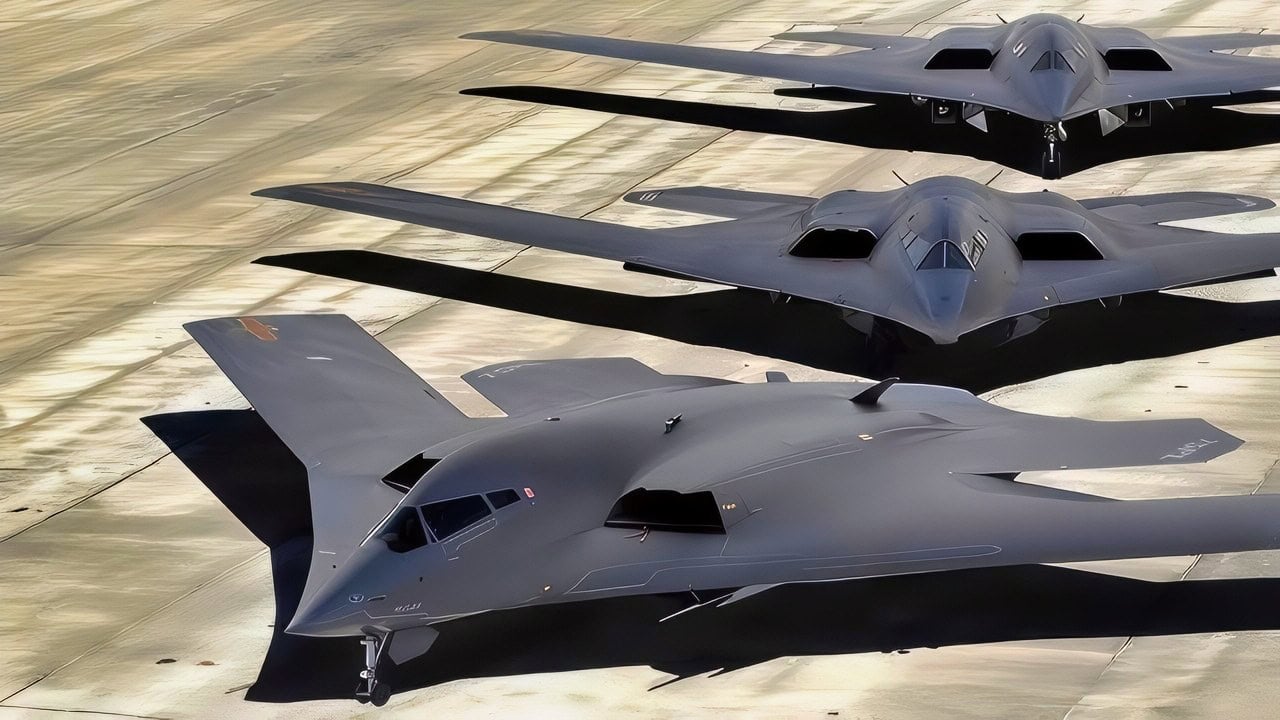
H-20 Bomber from YouTube Screenshot
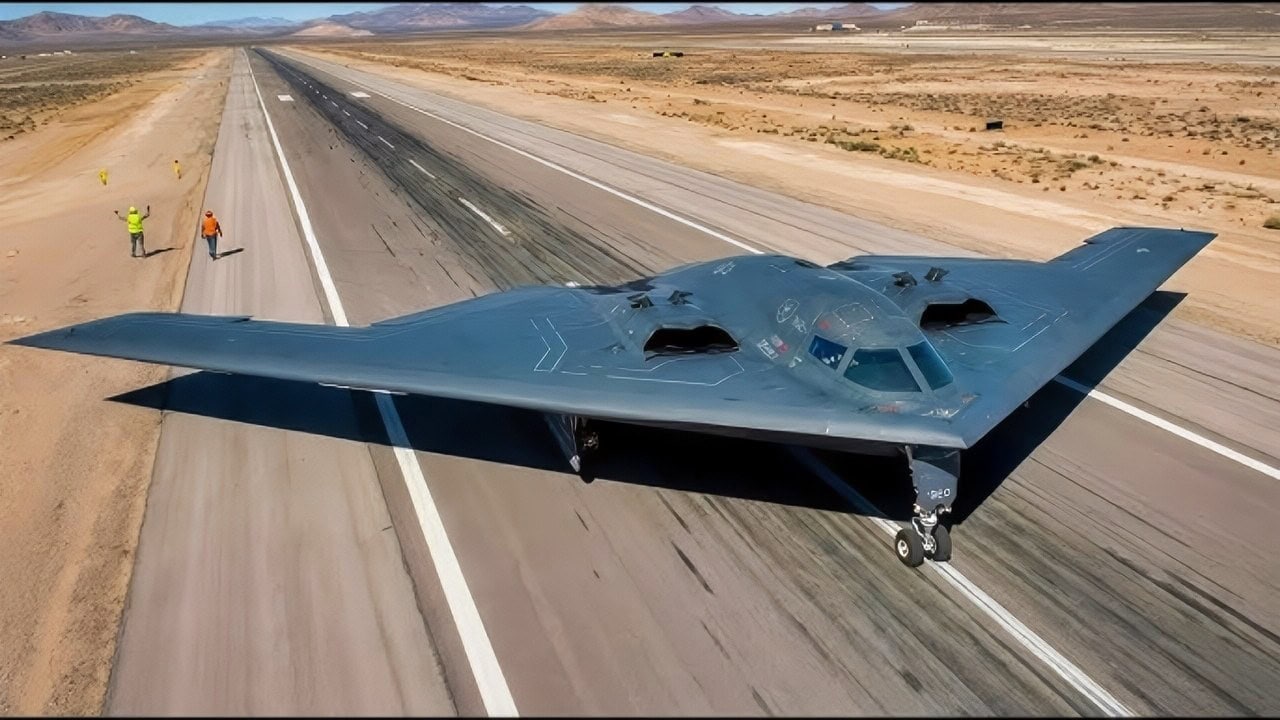
B-2. Image Credit: Creative Commons.
Although the H-20 has not yet been publicly unveiled, it will likely adopt a similar flying-wing configuration optimized for stealth and long-range strike missions.
That means both sides are studying each other’s designs carefully – even if the analysis is based only on fragments of visible information.
About the Author: Jack Buckby
Jack Buckby is a British researcher and analyst specialising in defence and national security, based in New York. His work focuses on military capability, procurement, and strategic competition, producing and editing analysis for policy and defence audiences. He brings extensive editorial experience, with a career output spanning over 1,000 articles at 19FortyFive and National Security Journal, and has previously authored books and papers on extremism and deradicalisation.