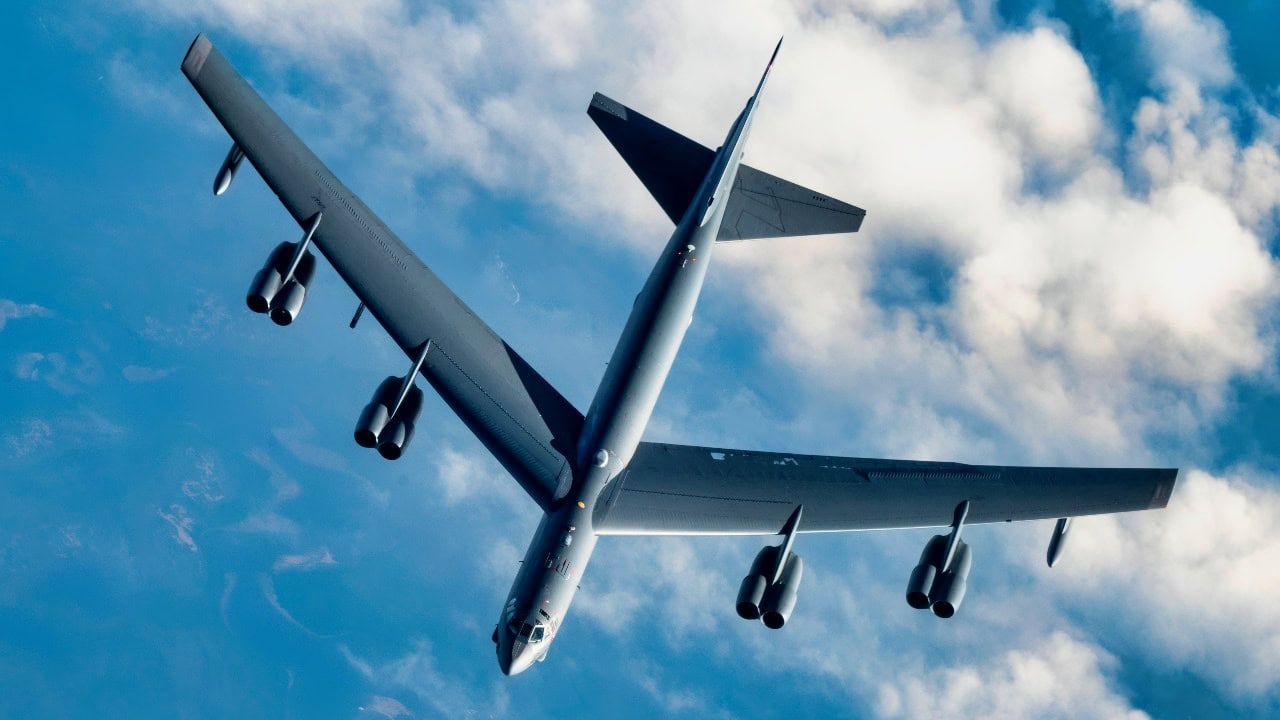
Summary and Key Points: Kris Osborn, President of Warrior Maven, a former Pentagon highly qualified expert, Columbia University master’s graduate, and military analyst, presents the B-52 Stratofortress‘s active combat operations over Iran as definitive proof that U.S. forces have neutralized Iran’s Russian-built S-300 and S-400 surface-to-air missile networks.
-Because the non-stealthy B-52 is an enormous radar target, its unimpeded operation over Iranian territory signals that F-22 Raptors, F-35s, and precision munitions have already dismantled Tehran’s integrated air defense systems.
B-52 Bomber. Image Credit: 19FortyFive.com Taken at the National Museum of the Air Force.
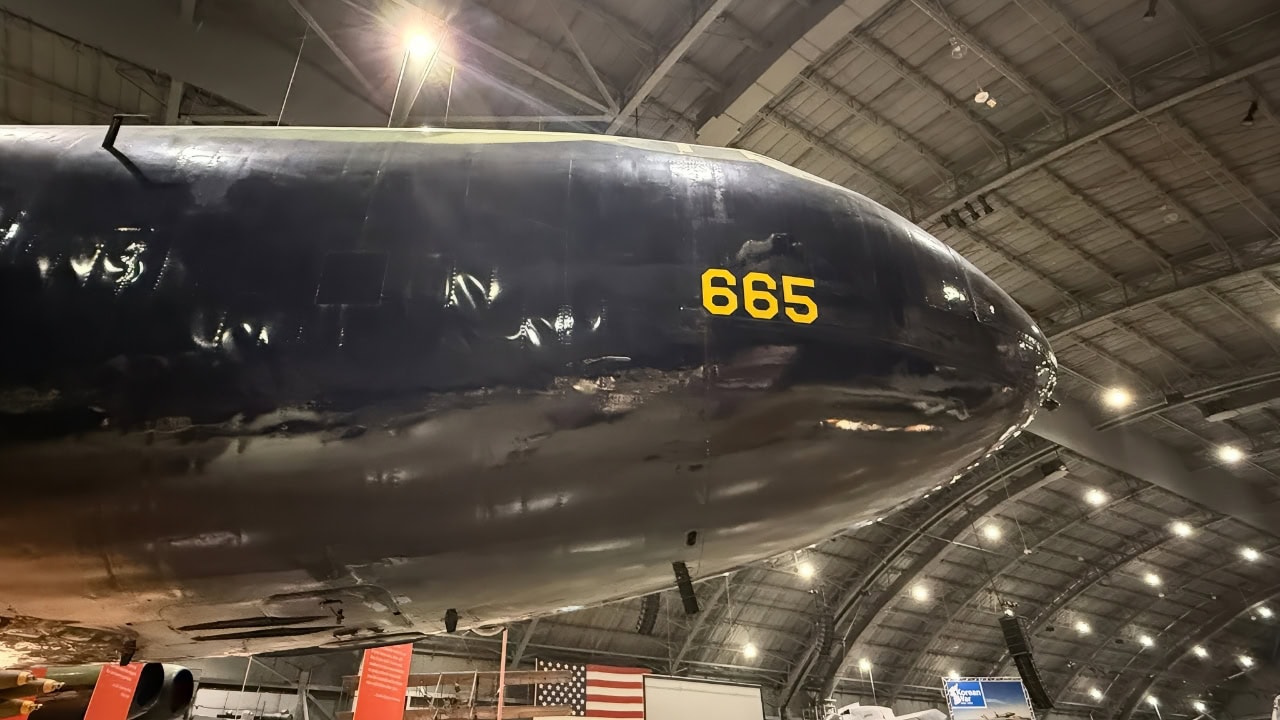
B-52 Bomber. Image Credit: 19FortyFive.com
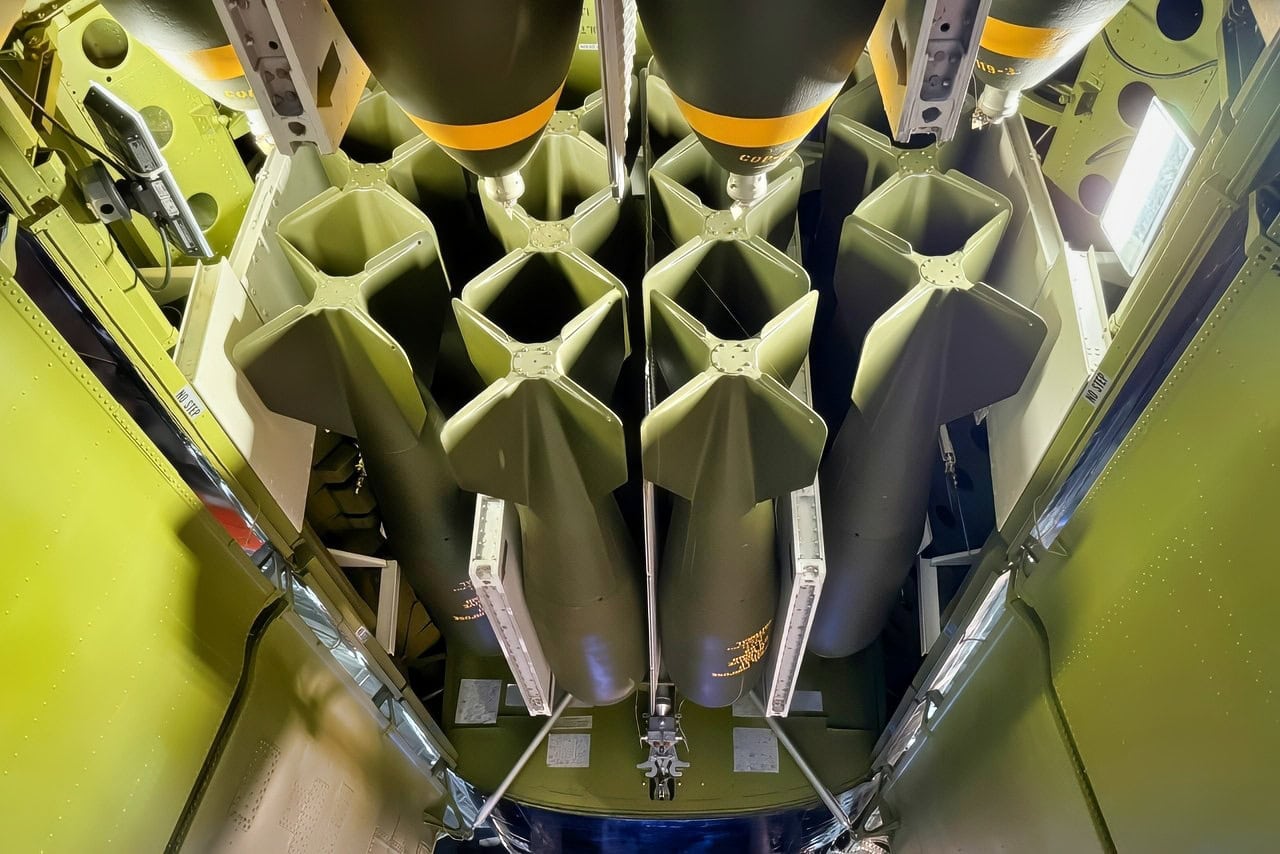
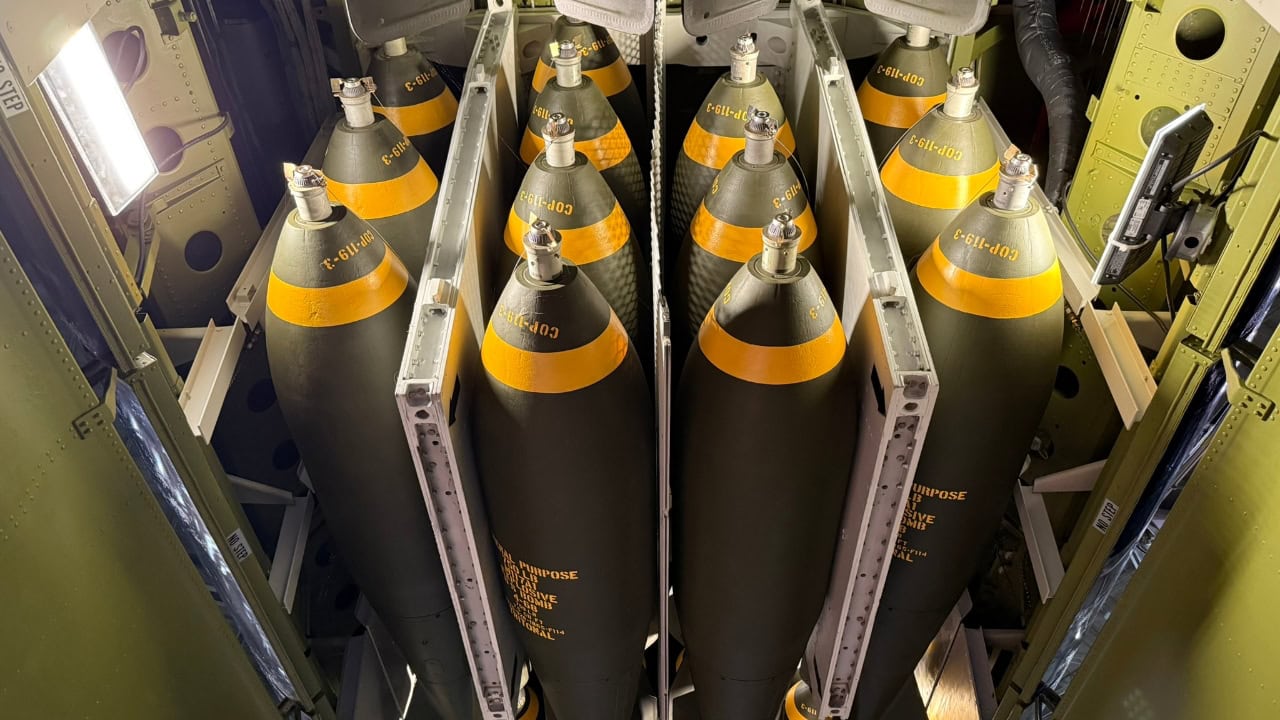
B-52 bombs. Image Credit: 19FortyFive.com Taken at the National Museum of the Air Force.
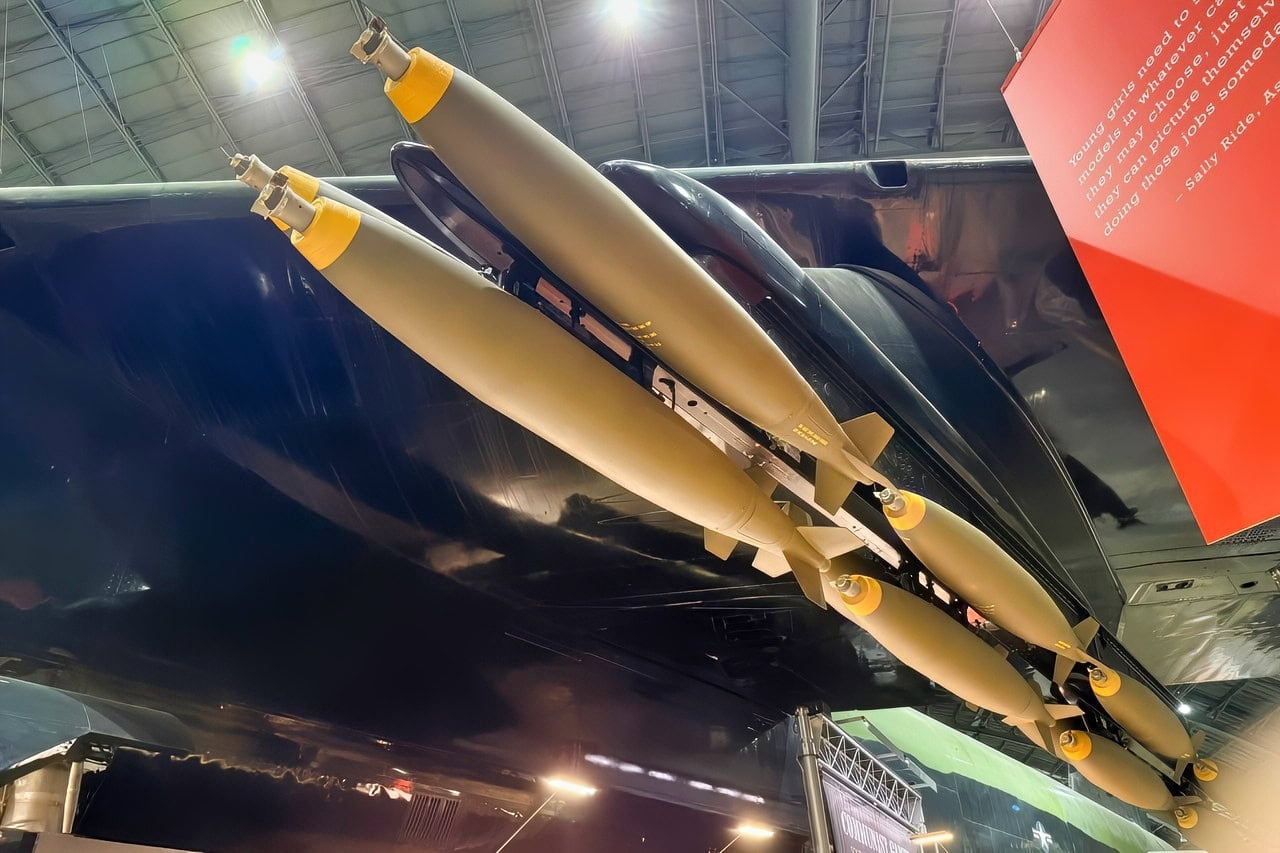
B-52 bombs. Image Credit: 19FortyFive.com Taken at the National Museum of the Air Force.
-Osborn details how the B-52’s 1760 Internal Weapons Bay Upgrade, Combat Network Communications Technology system, and Joint Air-to-Surface Standoff Missiles enable the bomber to strike Iranian command centers, ammunition depots, and troop concentrations while serving as an airborne intelligence and targeting node.
Iran’s Russian Air Defenses Are Gone and the B-52 Stratofortress Is the Proof
The presence of the large, somewhat timeless, yet non-stealthy “bomb truck” B-52 bomber provides what is perhaps the best evidence of U.S. air superiority available. While reports say the bomber is using long-range, standoff precision weaponry beyond the range of Iranian air defenses, its mere presence suggests that Iran’s Russian-built S-300 or S-400 air defenses are essentially “gone.”
The B-52 is a large target for even poorly maintained air defenses, as it is both large and completely lacking in stealth properties; therefore, the bomber is associated with attacks in areas where the U.S. has established air superiority.
Looking ahead, the B-52 will launch drones, fire lasers, operate as a flying command-and-control hub, and serve as a large “arsenal” plane capable of delivering devastating strikes in areas where the U.S. has air superiority.
Multiple reports say the B-52 is targeting command and control sites, ammunition depots, and possible troop locations within Iran.
The bomber can bring massive amounts of supporting firepower into areas where advanced, stealthy fighter jets and missiles have already destroyed air defense systems, creating a safer air “corridor” through which 4th-generation fighters and large platforms such as the B-52 can operate.
Massive B-52 Weapons Capability
The aircraft can operate with advanced precision-guidance systems and fire a wide range of weapons, including the standoff Air Launched Cruise Missile and numerous GPS-guided Joint Direct Attack Munitions.
Today’s modern B-52 flies with a reconfigured internal weapons bay, which greatly expands the volume of weapons it can carry and the types of weapons it can carry.
The 1760 Internal Weapons Bay Upgrade, or IWBU, will allow the B-52 to internally carry up to eight of the newest “J-Series” bombs in addition to carrying six on pylons under each wing.
The B-52 has previously been able to carry JDAM weapons externally. Still, with the IWBU, the aircraft will be able to internally house some of the most cutting-edge precision-guided Joint Direct Attack Munitions and Joint Air-to-Surface Standoff Missiles, among others.
Additional weapons upgrades are impacting the tactical approach fundamental to the B-52, evolving what began as an “area-weapon” into a platform capable of much more advanced precision, long-range attacks.
As an area-attack platform, the B-52 has historically been able to drop massive amounts of “unguided” bombs to blanket an enemy area with attack and also enable ground forces to maneuver into improved formations.
Upgraded B-52 technology
The B-52 can also operate as an intelligence node, meaning it can transmit and relay targeting information across platforms.
With a new digital communications system called Combat Network Communications Technology (CONECT), B-52 crews can receive mission and targeting updates while in flight, enabling them to adjust to new combat information.
A lesser-known yet critical aspect of combat aircraft modernization is that, with proper maintenance and structural support, airframes themselves can remain viable for years beyond their anticipated service life.
This is definitely the case with the B-52, as today’s B-52 operates in an entirely new technological and air combat environment compared with the Vietnam-era fighter.

A modified B-52H Stratofortress departs Edwards Air Force Base for an evening training mission on June 25, 2025. The aircraft is assigned to the 419th Flight Test Squadron, Global Power Bombers Combined Test Force, tasked with supporting developmental testing across the B-52, B-1, and B-2 bomber portfolio. Along with most 412th Test Wing aircraft, B-52H bombers at Edwards include special instrumentation to conduct a variety of testing activities. (Air Force photo by Chase Kohler)
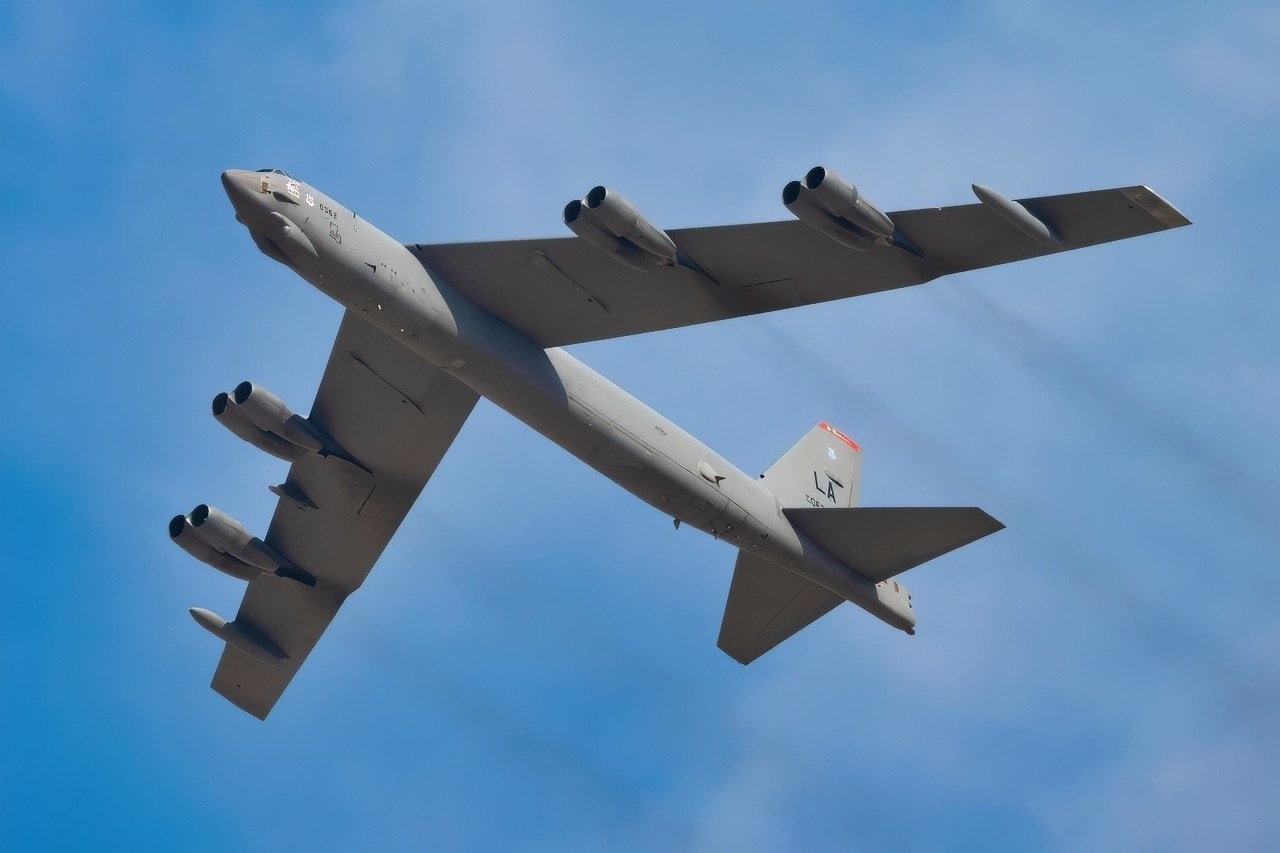
A U.S. Air Force B-52 Stratofortress aircraft, assigned to the 96th Bomb Squadron from Barksdale Air Force Base, Louisiana, flies over spectators at the Dubai Airshow 2025, Nov. 17, 2025, at the Al Maktoum International Airport in Dubai, United Arab Emirates. The B-52 flew from Rota, Spain, to participate in the event, showcasing U.S. airpower on a global stage. (U.S. Air Force photo by Staff Sgt. Tylin Rust)
The current B-52 technological composition and the concepts of operation with which it flies were likely heavily informed by what Air Force weapons developers learned from its combat experiences in Vietnam.
For instance, large B-52s were shown to be quite vulnerable to North Vietnamese Air Defenses. During the War, 18 B-52s were lost in combat and 12 due to other circumstances, mostly over Vietnam.
North Vietnamese forces effectively used SA-2 surface-to-air missiles to destroy B-52s, something which makes sense given the altitudes the aircraft flew at and the kinds of bombs it attacked with.
About the Author: Kris Osborn
Kris Osborn is President of Warrior Maven – Center for Military Modernization. Osborn previously served at the Pentagon as a highly qualified expert in the Office of the Assistant Secretary of the Army—Acquisition, Logistics & Technology. Osborn has also worked as an anchor and on-air military specialist at national TV networks. He has appeared as a guest military expert on Fox News, MSNBC, The Military Channel, and The History Channel. He also has a Masters Degree in Comparative Literature from Columbia University.