

In April 1986, a U.S. Air Force SR-71 Blackbird launched from RAF Mildenhall in eastern England on a routine six-hour Cold War reconnaissance mission over the Barents Sea and Baltic region. Hours earlier, Reactor 4 at the Chernobyl Nuclear Power Plant had exploded in Soviet Ukraine. The SR-71 crew received their preflight briefing without any clear warning about the radiation risk. When they landed, a single technician in full chemical protective gear approached the aircraft with a Geiger counter.
The SR-71 Blackbird Heads Out Into Danger
In April 1986, a Lockheed SR-71 Blackbird launched from RAF Mildenhall on a routine Cold War reconnaissance mission over the Barents Sea and Baltic region.
The six-hour sortie was standard in many ways – it was high-altitude and high-speed, and saw the aircraft flying along the Soviet border, collecting intelligence from outside the defended airspace.
But the timing was unusual. Only hours earlier, a nuclear reactor had exploded in Soviet Ukraine in what would become known as the Chornobyl disaster.
The aircraft completed its mission without incident, and the only sign that anything was amiss came after landing, when the crew was instructed to stop short of the hangar, as a technician approached them in full protective gear, holding a Geiger counter.
The crew had been potentially unwittingly exposed to radiation from the disaster.

SR-71 Art from U.S. Government Archive.

SR-71 Blackbird Flying at Top Speed. Image Credit: Creative Commons.
What the Crew Was Told Before Takeoff
When the SR-71 crew arrived for their preflight briefing at RAF Mildenhall, they were not walking into a crisis that was fully understood.
The reactor explosion at Chernobyl had just occurred, and even the Soviet authorities had not yet publicly disclosed the scale of the accident.
For the Americans, it was a curiosity but little more. Western intelligence agencies were aware that something had happened, but they did not yet have confirmed data on the extent of the damage or the direction of any radioactive fallout.
The briefing the crew received outlined the uncertainty around the incident, but there was no indication that they might be exposed to anything truly dangerous.
There was enough information to flag the incident, but not enough to fully explain it – meaning there were no confirmed hazard zones and no clear restrictions on where the aircraft could safely fly.
Former SR-71 Reconnaissance Systems Officer Lt. Col. Doug Soifer described exactly what the crew was told:
“Mike Smith and I were TDY for our first time to Mildenhall for our normal six-week rotation. We went to the Det one morning to fly a routine six-hour sortie—the Barents and the Baltic. During the preflight briefings, the intelligence officer said a nuclear power site (Chernobyl) in the Soviet Union had had an accident a few hours earlier. They had no other information on it yet.”
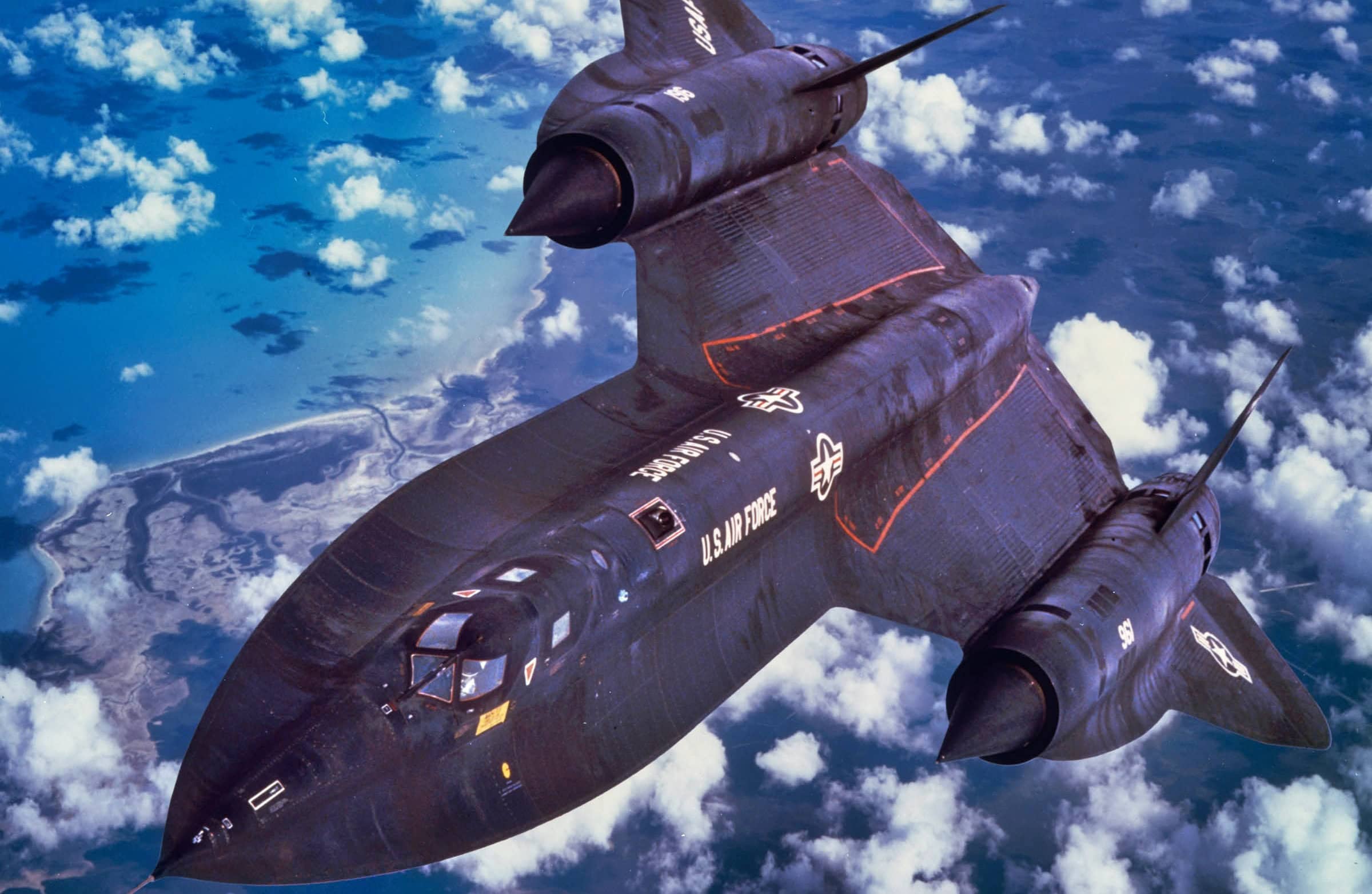
SR-71 Blackbird. Image Credit: Creative Commons.
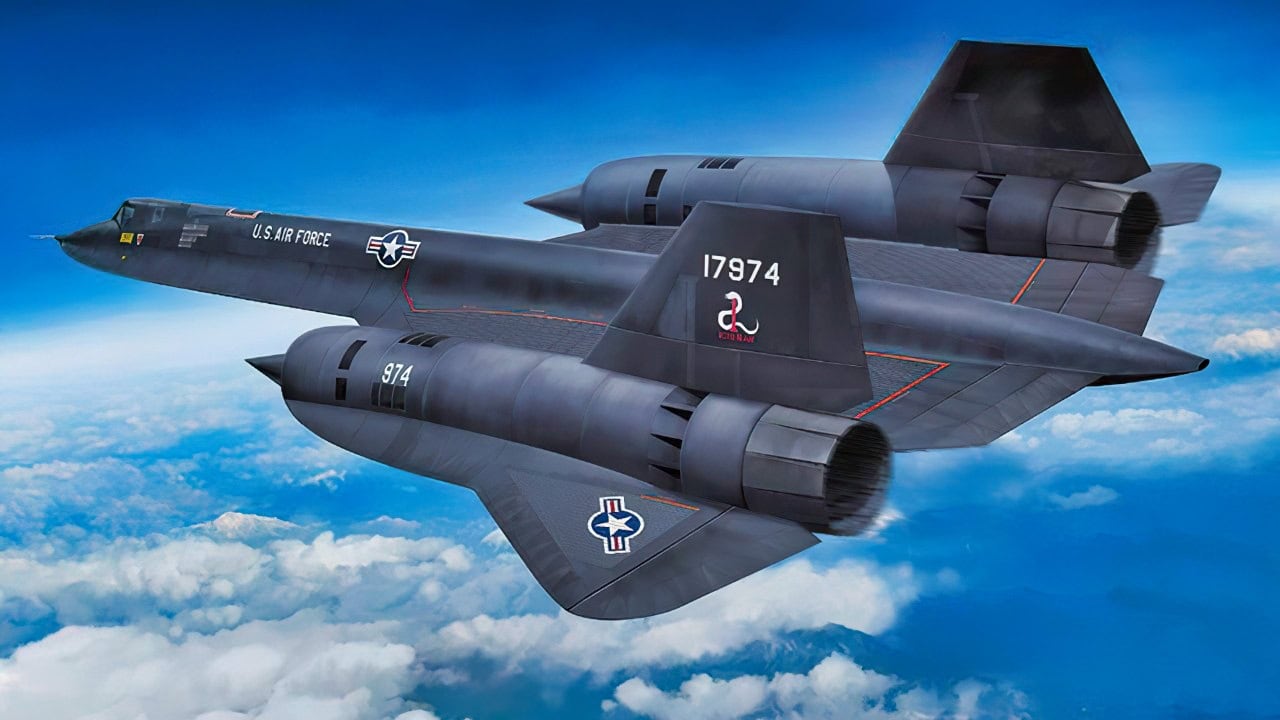
SR-71 Blackbird. Image Credit: Creative Commons.
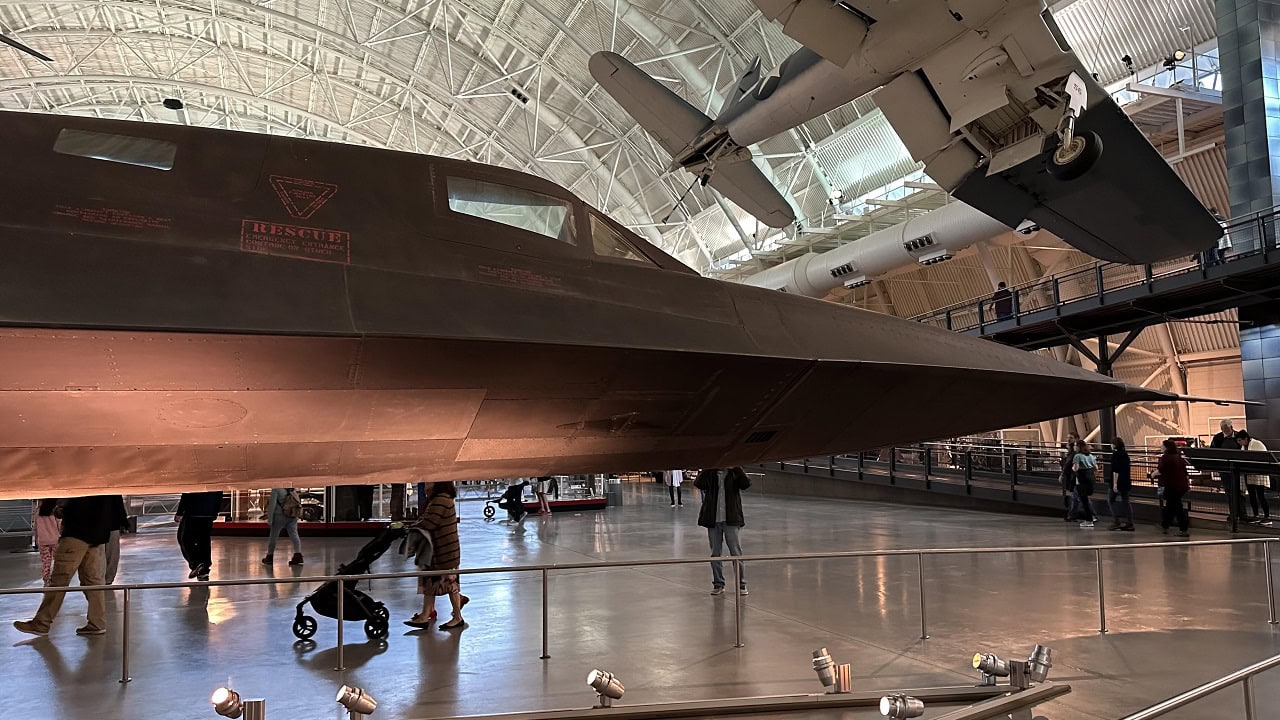
SR-71. SR-71 photo taken at the National Air and Space Museum. Taken by 19FortyFive on 10/1/2022.
Soifer added that the weather briefing officer gave a regular briefing and said they believed the aircraft would not fly through any fallout from Chernobyl.
“With the briefings done and no one concerned about our route of flight, we went to the jet and flew a normal mission,” he said.
The mission was approved because the available weather analysis had indicated that the planned route would not intersect with the fallout from the disaster.
The assessment was based on early atmospheric modeling, not on any confirmed measurements.
What the Aircraft Was Built To Do
The SR-71’s role in the mission was the same as it had been throughout the Cold War: to collect intelligence from positions that minimized its risk of being intercepted.
The aircraft achieved that by operating at speeds above Mach 3 and altitudes exceeding 80,000 feet, placing it well beyond the reach of most Soviet air defense systems.
The SR-71 was designed and flown to avoid military threats.
Routes were chosen based on where radar could track them, how far missiles could reach, and how quickly interceptors could respond. If something went wrong, the solution was simple: accelerate and leave the area.
But a nuclear accident doesn’t work like that, and radiation cannot be seen. The crew also had no instrument to detect it as it spread with the wind.
Why the Aircraft Was Stopped After Landing
The first indication that anything might be wrong came only after the aircraft had completed its sortie and returned to base. Under normal conditions, an SR-71 would taxi directly into the hangar, where crews would immediately begin downloading reconnaissance data and performing post-flight maintenance. That process was interrupted in this case.
Soifer described that moment:
“The normal routine after an operational mission is to land and continue to taxi off the runway and directly into the hangar so they can download the mission take. But as we landed and turned off the runway, we were told to stop way before the hangar. We both thought this was very strange and couldn’t understand why we were stopping here. Then one person, and only one, dressed in very funny-looking gear, came walking up to the plane.”
The reason for the delay then became clear as the technician approached, Soifer said, noting that he was “in full chemical gear and had a Geiger counter.”
“After they had guaranteed Mike and me that we were in no danger of through radiation from Chernobyl, they were checking the plane before any of THEM would get close to us! Once he walked about the plane with the Geiger counter, we were allowed to continue to taxi into the hangar.”
The SR-71 has made history in more ways than one. It was never directly replaced, and no aircraft since has combined its speed and operational reach in the same way.
Modern ISR relies on satellites and drones, but this episode in military aviation history shows what made the Blackbird different – and it’s just one of countless incredible stories from the pilots who flew it.
About the Author: Jack Buckby
Jack Buckby is a British researcher and analyst specializing in defense and national security, based in New York. His work focuses on military capability, procurement, and strategic competition, producing and editing analysis for policy and defense audiences. He brings extensive editorial experience, with a career output spanning over 1,000 articles at 19FortyFive and National Security Journal, and has previously authored books and papers on extremism and deradicalization.