
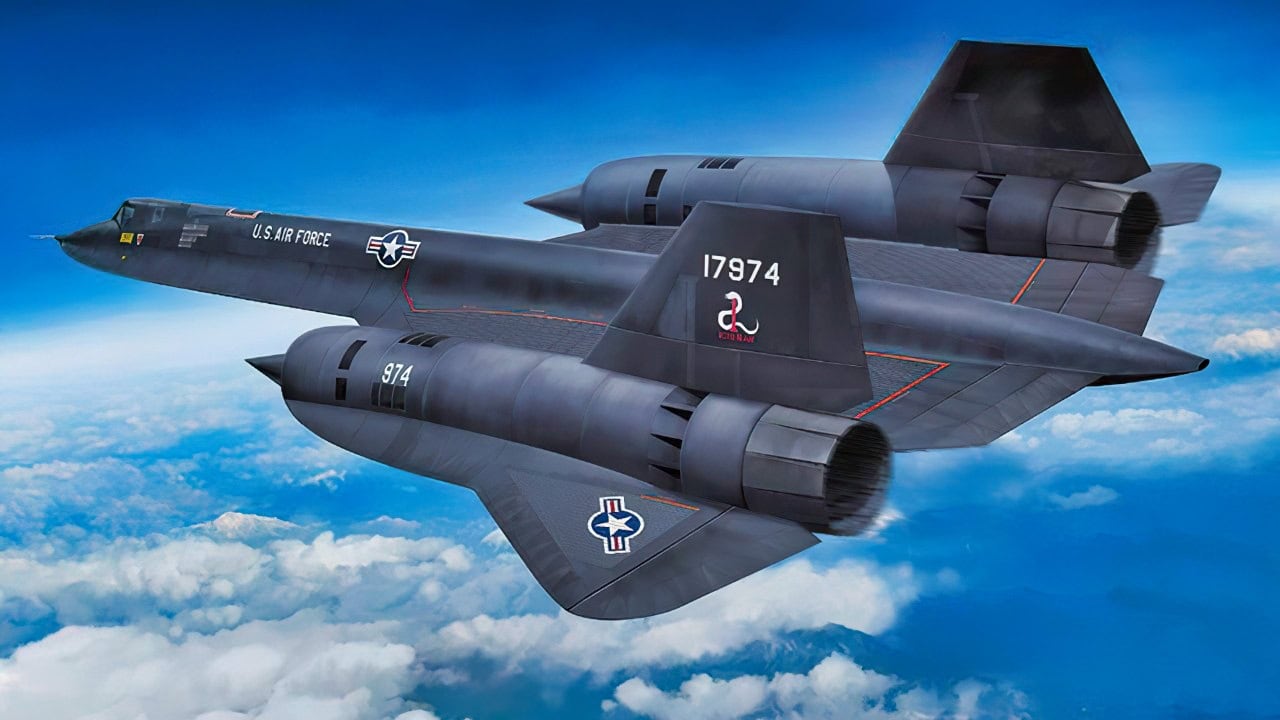
The Soviet Union was very concerned about the US’s fast, high-flying aircraft, such as the B-70 and the Lockheed SR-71 Blackbird. That’s why they developed the MiG-25 Foxbat.
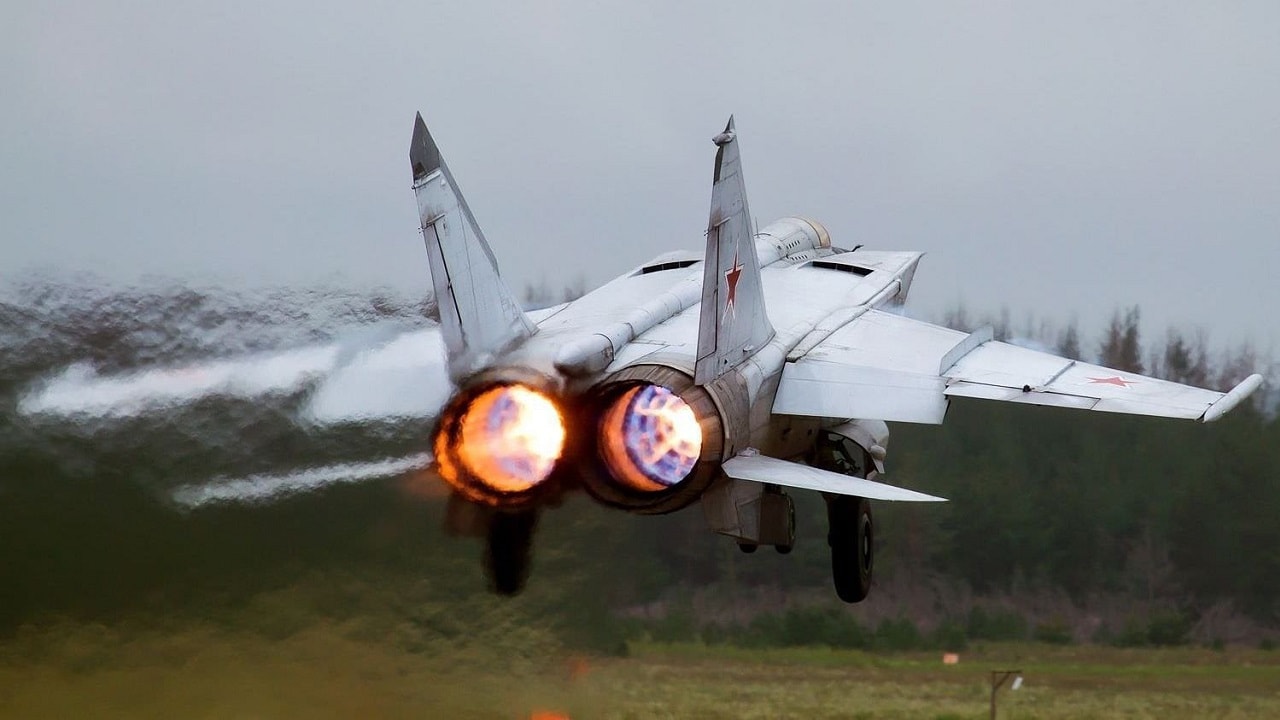
The Mikoyan-Gurevich MiG-25 Foxbat wasn’t inherently a bad aircraft, but it was greatly overrated by the West, particularly after the defection of Viktor Belenko, which revealed it was a fast, high-altitude interceptor rather than a true dogfighter.
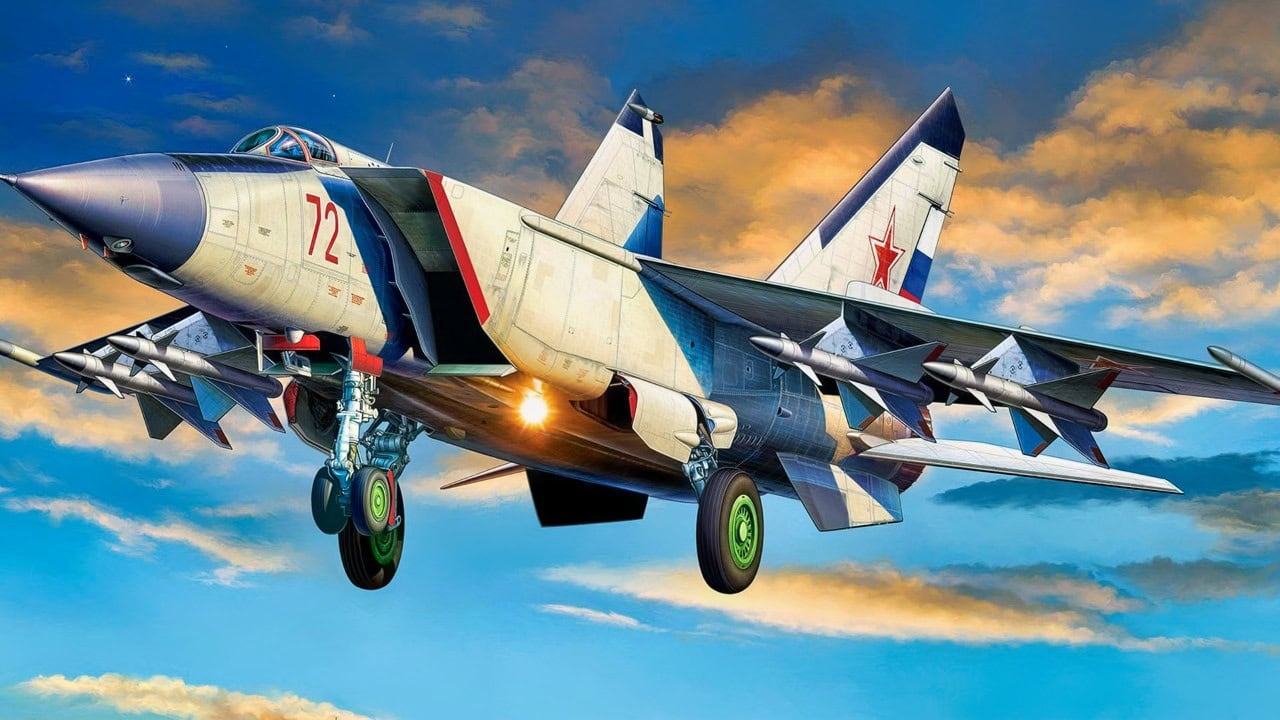
MiG-25 Russian Fighter-Bomber. Image Credit: Creative Commons.
It was a “one-trick pony” built with crude materials like stainless steel and vacuum-tube electronics to counter the perceived threat of American high-altitude bombers like the B-70 Valkyrie.
Once its limitations—poor low-altitude maneuverability, lack of sustained Mach 3+ speed, high fuel consumption, and questionable structural integrity at extreme speeds—were understood, it became clear it was a “paper tiger” for its intended purpose of air superiority.
The MiG-25 Couldn’t Keep Up With The Blackbird:
The Soviets didn’t have the technology to make fan blades that could withstand the high temperatures of the J58 turbine in the SR-71.
As a result, the MiG-25 flew slower than the SR-71 (Mach 2.83 rather than Mach 3.4), and its engine did not last the 400 hours between overhauls that the J58 managed.
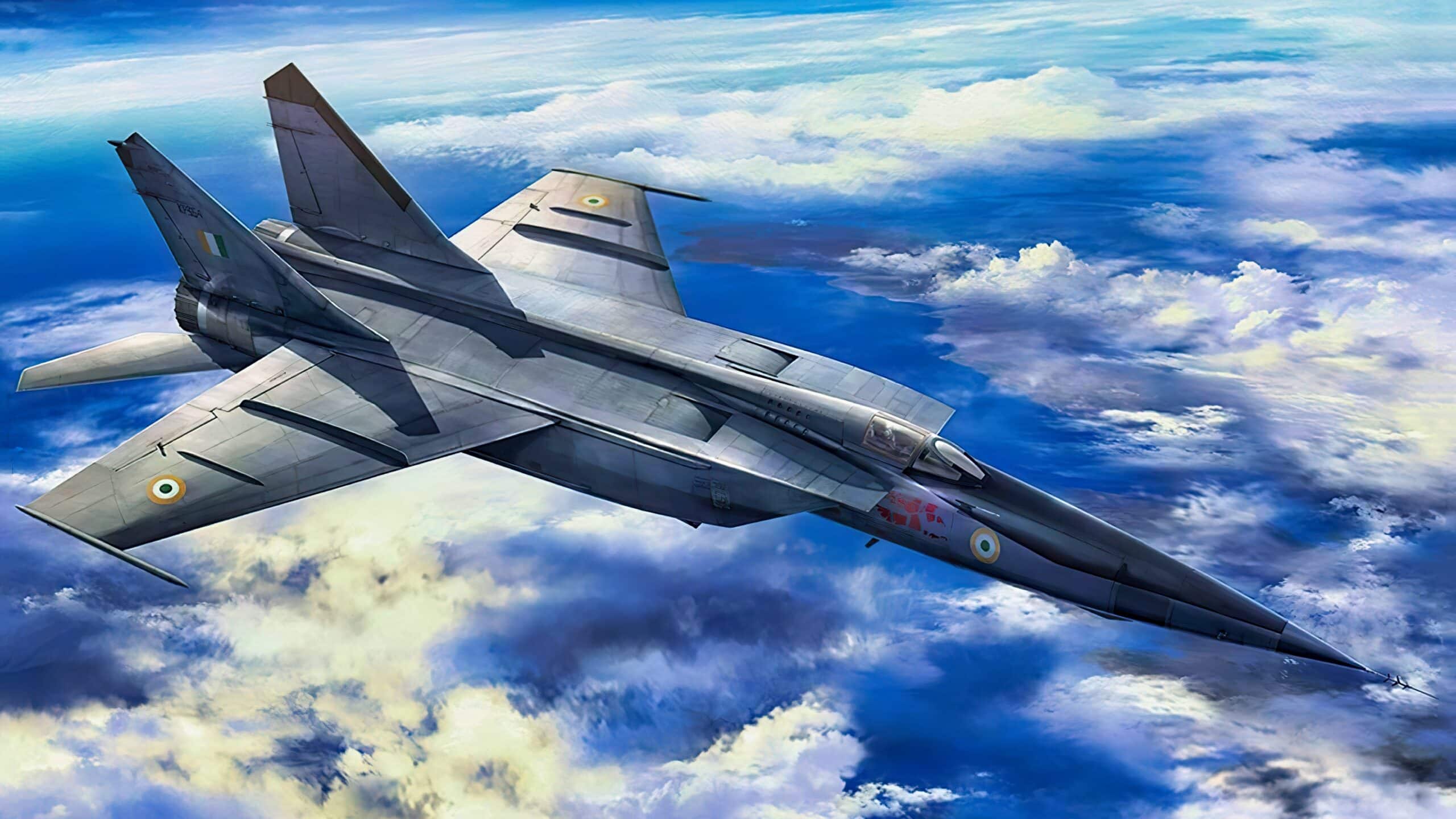
MiG-25. Image Credit: Creative Commons.
For instance, the Soviets pushed a MiG-25 over the Sinai in 1971 for just a few minutes, conceivably to impress the Israelis and the US. But after that quick sprint, the engines of the MiG-25 were trash. The SR-71 could maintain Mach 3 speeds at 80,000 feet.
“The MiG-25 has presented as much an enigmatic image as the Blackbird, at times being reported as invincible, and at other times being dismissed as practically prehistoric in its approach to high speed and altitude flight,” wrote Linda Sheffield Miller.
A MiG-25 Fired On An SR-71:
Colonel David Cobb flew a mission toward Vladivostok, and he recalled it when the Soviet aircraft fired at him.
“A MiG-25 interceptor squadron was based just outside of Vladivostok. The ‘holy grail’ of the Soviet air defense system was to shoot down an SR-71.
“Turn north up the Sea of Japan & make a U-turn back down the USSR coast (12 mi offshore) with ELINT & SIGINT recorders going full bore. Photo cameras looking obliquely into the USSR, updating the interceptor air order of battle.
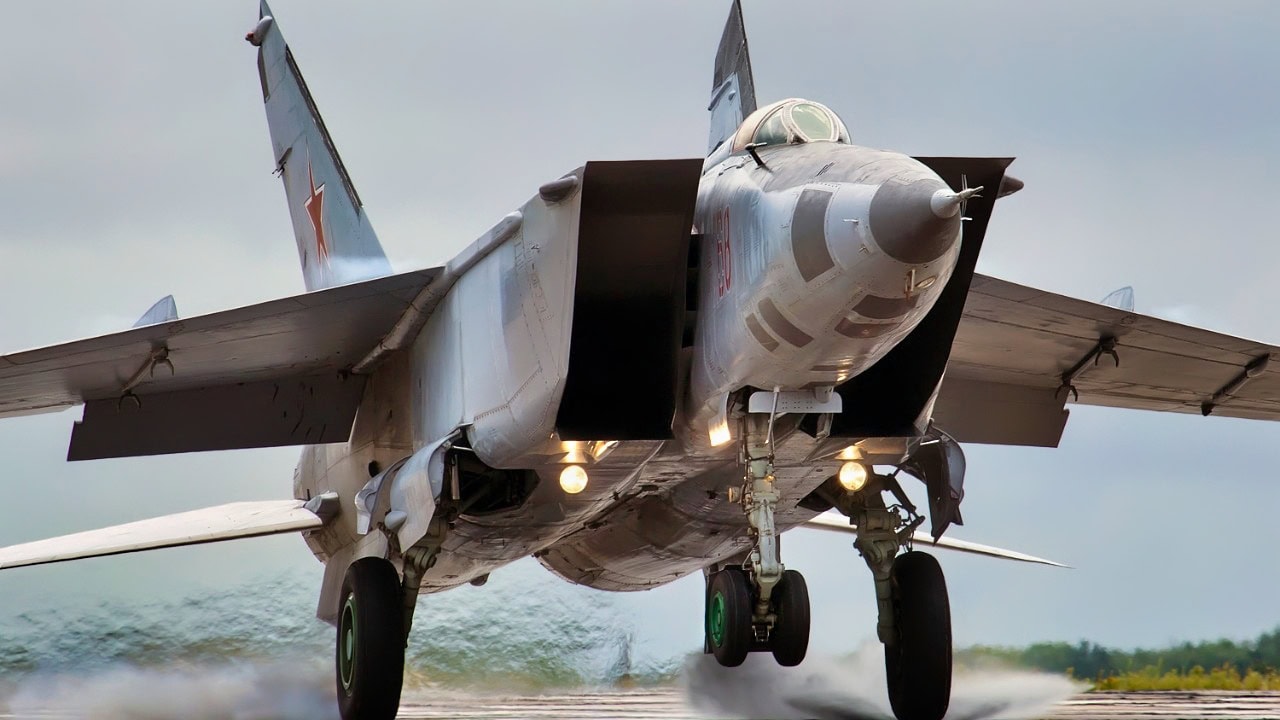
MiG-25 Foxbat. Image Credit: Creative Commons.
MiG-25. Image Credit: Creative Commons.
“Head southeast until past Vladivostok, then turn slightly left, then right to cross Korea at the DMZ. Photo cameras are updating N. Korea’s force readiness to resume hostilities against S. Korea. Southbound, passing Vladivostok, Reg (my RSO) announced;
“We’ve got a fighter locked on – it’s gotta be a MiG-25″
“Our DEF [Defensive Electronic Gear, DEF. It provided ground-to-air and air-to-air missile protection. Still Classified. DEF systems were labeled DEF A, B, C, E, and G. Later modifications to the DEF Systems resulted in DEF A2, C2, H, and M. Nearing retirement of the SR-71, a programmable DEF labeled A2C could defeat all known threats to the Blackbirds, is blanketing all beautifully.”
“Oops – he just fired–– we’ve got a missile locked on.”
“Our defense has shifted to its missile magic.”
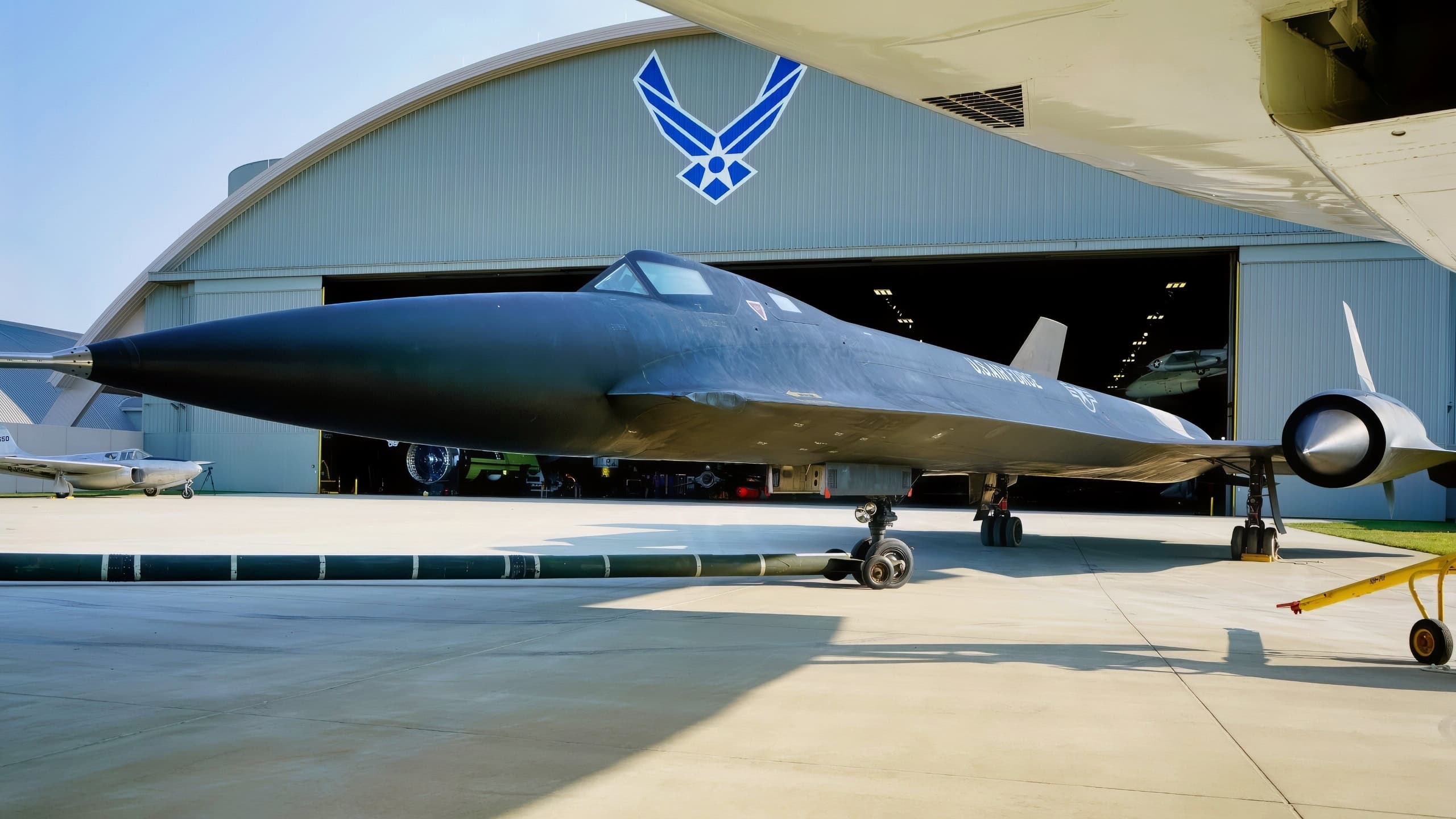
The YF-12 was developed in the 1960s as a high-altitude, Mach 3 interceptor to defend against supersonic bombers. Based on the A-12 reconnaissance aircraft, the YF-12A became the forerunner of the highly-sophisticated SR-71 strategic reconnaissance aircraft. Image Credit: Creative Commons
” There – lock’s broken. Missile’s back in search.”
“That’s weird – sounds like the missile’s locked on – but not locked on us.”
“He’s gone – coming up on the “s” turn to the DMZ.”
No one knows for sure what the missile locked onto after the SR-71 broke the initial lock and sped away at three times the speed of sound. But it is entirely possible that the Soviet AA-6 air-to-air missile locked back onto the MiG-25 itself that fired it.
On Sept. 6, 1976, the biggest news story around the globe was the defection of a 29-year-old Soviet fighter pilot, Lt. Viktor Belenko, who landed his MiG-25 fighter in Japan and asked for asylum.
It was after he had been living in the United States that Belenko recounted to American officers that shooting down the Blackbird was considered the Holy Grail of the Soviet Air Forces.
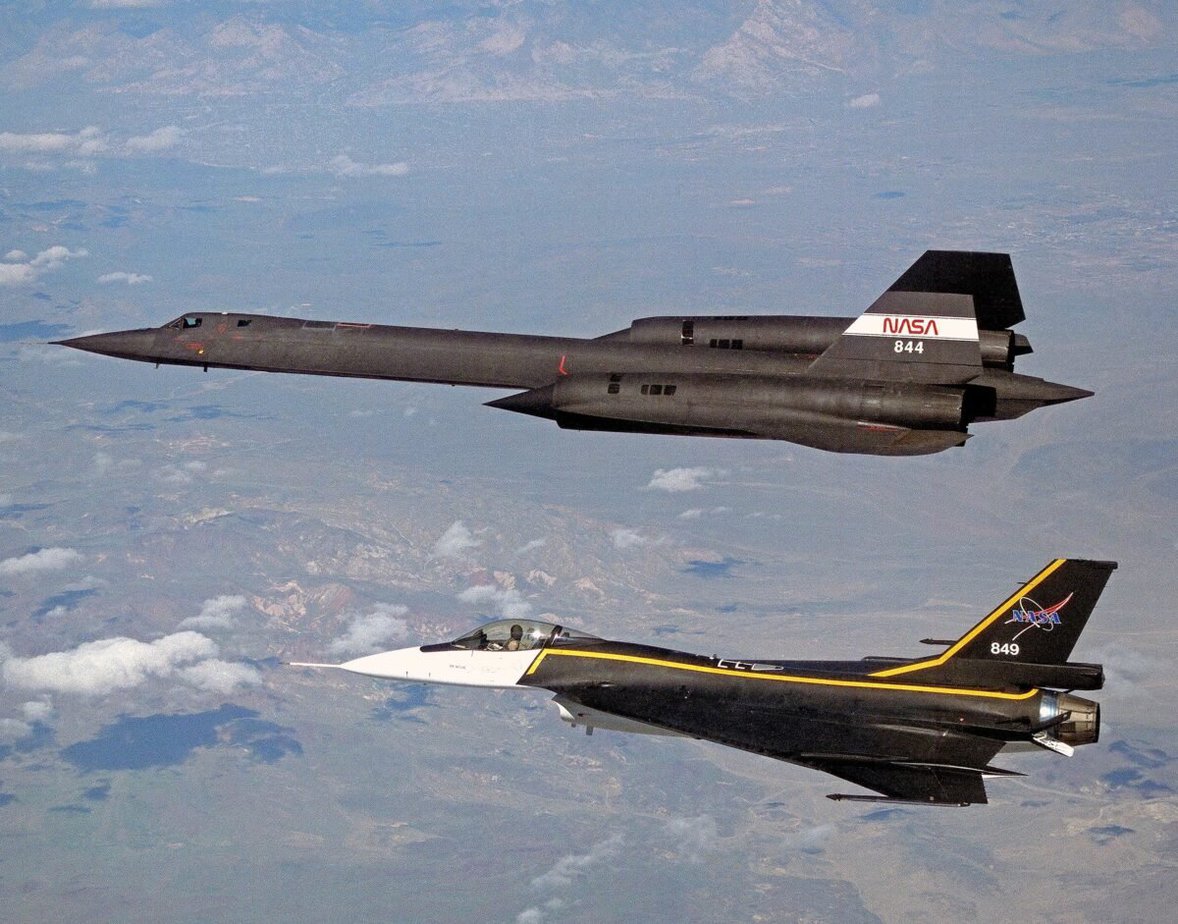
SR-71 and F-16XL. Image: Creative Commons.
“He told of how they would pre-position ahead of the SR’s radar track and had to zoom up to get a lock on & fire their missile,” Cobb said.
“Belenko stressed how quickly & precisely they had to perform because the window of opportunity was so very short. Their target was traveling at 3600 feet per second. Faster than a speeding bullet.
“He described in detail how precisely the post-firing breakaway had to be executed to avoid getting shot down by their own missile; talking as though they found this out the “hard way,” Cobb added.
MORE – The U.S. Navy’s Ford-Class Is Just a Big Experiment
MORE – The SR-71 Hit Mach 3.56 And It Can’t Happen Ever Again
About the Author: Steve Balestrieri
Steve Balestrieri is a National Security Columnist. He served as a US Army Special Forces NCO and Warrant Officer. In addition to writing on defense, he covers the NFL for PatsFans.com and is a member of the Pro Football Writers of America (PFWA). His work was regularly featured in many military publications.