
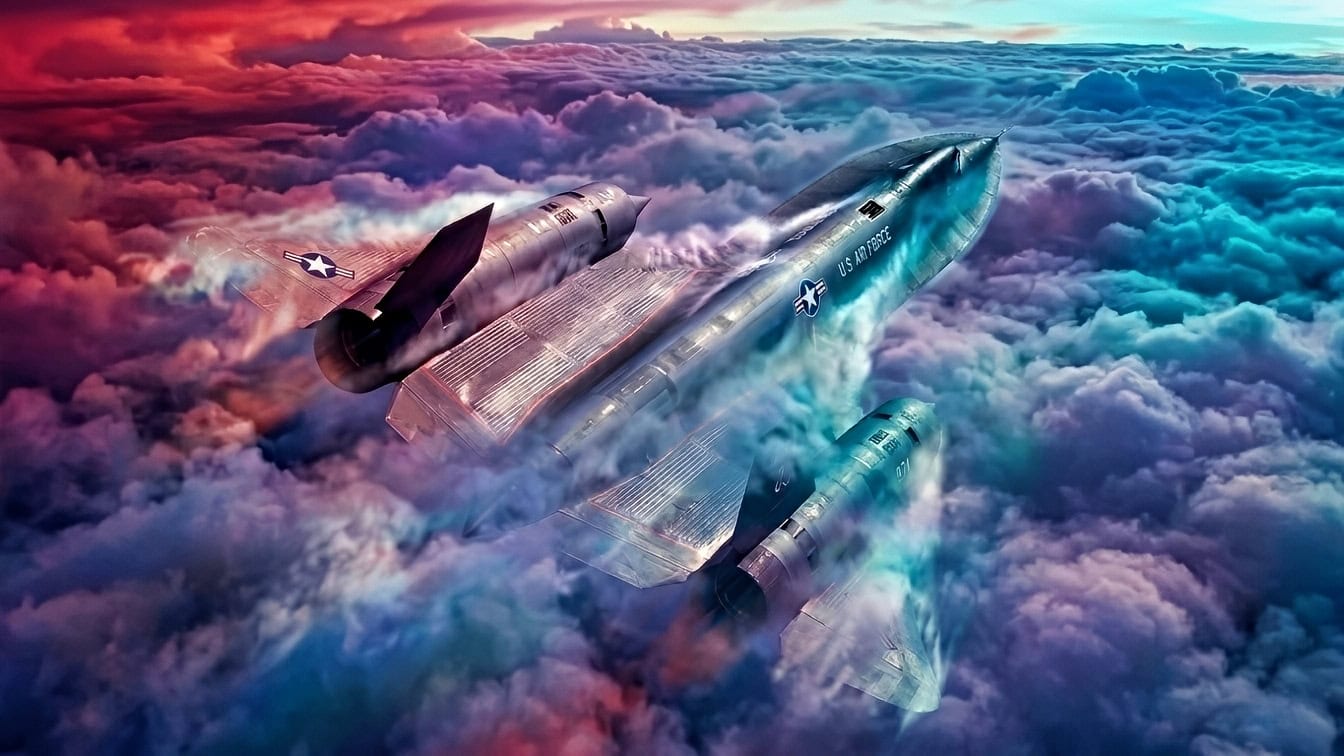
An SR-71 Blackbird pilot flying a spy mission over Cuba at Mach 3 saw a cloud covering the entire island — and realized it was volcanic ash from three eruptions circling the earth for the third time. Going through it would have destroyed the aircraft.
The SR-71 Blackbird Nearly Flew Through Volcanic Ash
The United States is currently in a “standoff” with Cuba, with Cuban President Miguel Díaz-Canel blaming the island nation’s current economic crisis on the United States. U.S. officials have been talking openly about pushing out the Cuban regime, as part of what’s been described as a “maximum pressure” campaign, following the removal earlier this year of Venezuelan leader Nicolas Maduro.
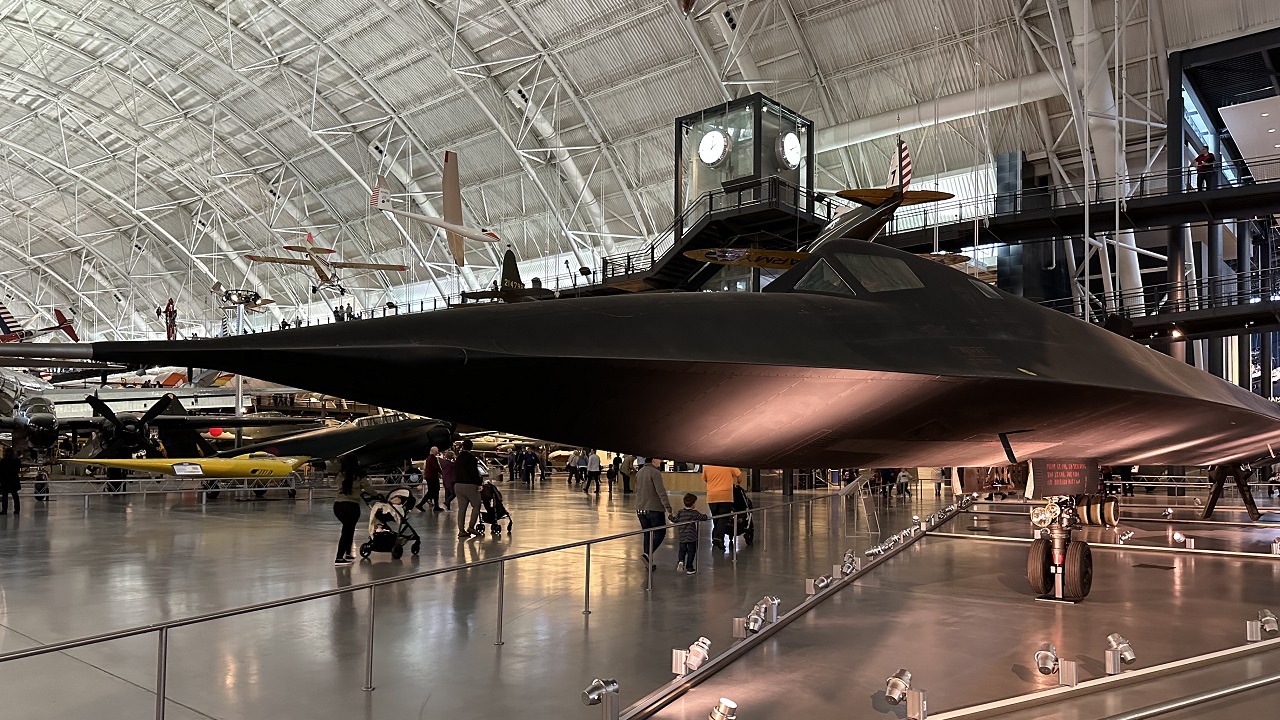
SR-71. SR-71 photo taken at the National Air and Space Museum. Taken by 19FortyFive on 10/1/2022.
Throughout the Cold War, Cuba was a frequent battleground following the revolution that brought Fidel Castro to power on New Year’s Day in 1959. After that came the Bay of Pigs invasion, the Cuban Missile Crisis, and continuing tensions, as Castro tangled with ten different U.S. presidential administrations during his 49 years of rule.
One lesser-known Cold War-era skirmish was revisited last year, when Aviation Geek Club looked back on a memorable SR-71 Blackbird sortie over Cuba in the early 1980s.
Into the Ash
Back in 1979, Time Magazine wrote about Blackbirds flying missions over Cuba.
The Cuban Missile Crisis had famously begun when U-2 spyplanes spotted evidence of Russian missile stations in Cuba, but nearly two decades later, the Blackbird was being used for the purpose of spying on Cuba, with spy satellites also doing their part at the time.
“Undetected by hostile radarscopes, a flock of Blackbirds began flying at 85,000 ft. over the Caribbean last week, their sooty titanium skins glowing cherry red from air friction as they hit top speeds in excess of 2,000 m.p.h.,” the Time story said. “ The planes were Lockheed’s needle-nosed SR-71s on strategic reconnaissance missions that President Carter has ordered to monitor Soviet military activity in Cuba.”
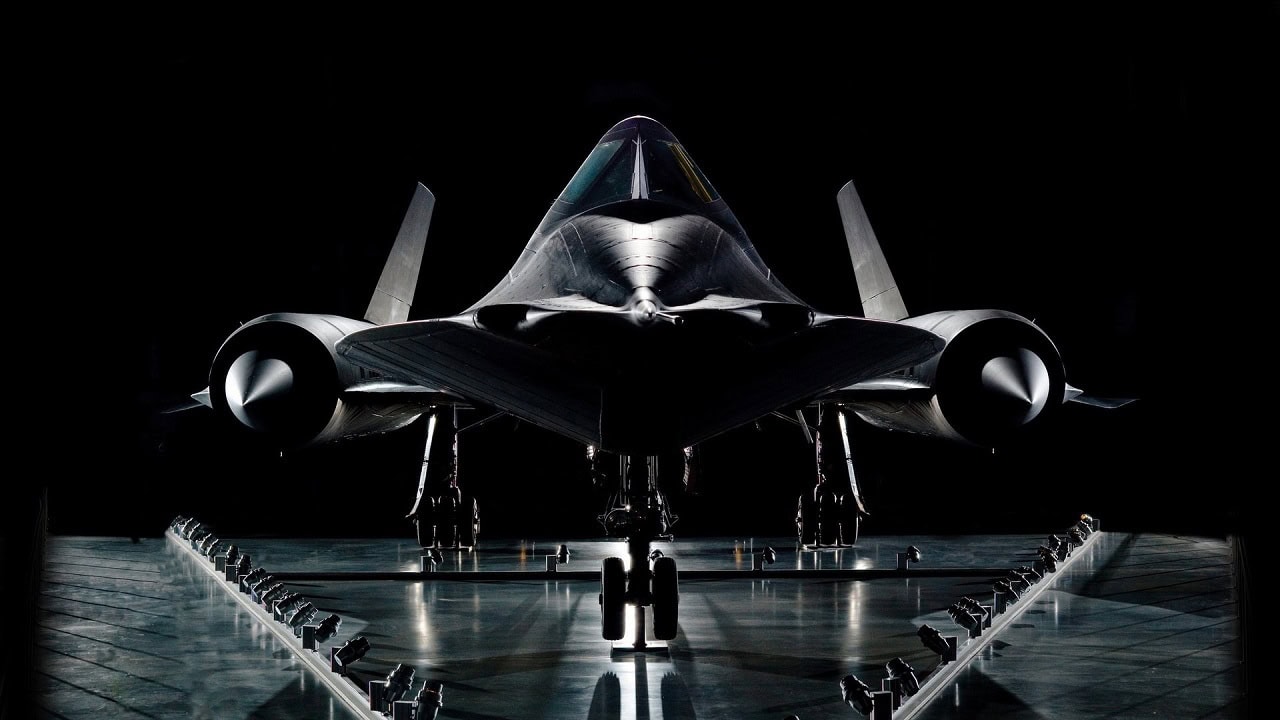
SR-71 Blackbird Artist Rendering. Image Credit: Creative Commons.
The Washington Post, also in 1979, wrote about a Blackbird mission over Cuba, the first in about a year.
“We will monitor the status of the Soviet forces by increased surveillance of Cuba,” Carter told the nation in an address at the time. Carter had stopped overflights of Cuba, as a “goodwill gesture,” but reversed that decision before long.
That led to the story told by AGC, which came from an interview with SR-71 pilot Dave Peters, conducted by Andrew Horton.
Through the Clouds
The flight described in the story happened in 1980.
Peters was the pilot, and Ed Bethart the RSO. The two were to fly to Cuba “to make a political statement,” which would entail flying directly over Havana. The mission itself was completed, as was refueling. But then, at 72,000 feet, the pilot looked ahead and “saw dark clouds.”
“You’re not gonna believe this, but I see some clouds ahead,” the pilot told his RSO. And it was no ordinary cloud- “The cloud was [so] huge it covered the whole island of Cuba.” After some quick calculations, they decided to go above the cloud, rather than through it.
It turned out to be volcanic ash, a result of three volcanoes that had erupted into the atmosphere that year.
“In 1980, three notable volcanoes erupted: Mount St. Helens in Washington State, Pavlof in Alaska, and Gareloi in Alaska. Somehow, the volcanoes’ ash merged together and was on its third time around the world when the SR-71 encountered it.”

Blackbird
‘You probably would’ve never come out of that cloud, who knows what volcanic ash would’ve done at Mach 3+?’,” Peters added in the interview.
Future Blackbird Flights
Later in 1980, Ronald Reagan was elected president, and the Blackbird overflights of Cuba continued. Peters, the pilot, in a different interview also cited by AGC, told the story of another flight over Cuba.
‘When Ronald Reagan became our 40th president, he adopted a far more robust attitude toward the Soviet Union, Cuba, and other wayward states, and this was reflected in a more bullish way that the SR 71 operations were conducted,” Peters said, in an interview that was part of Paul Crickmore’s book, Lockheed Blackbird: Beyond the Secret Missions – The Missing Chapters.
“The United States flew regular missions against Cuba during this time in the program, but the vast majority were flown using our high-resolution radar. It had the capacity to photograph anything on the island and enable us to remain in international waters.”
He told the story of one mission in which his Blackbird took off from Beale Air Force Base in California and headed for the island, intending to overfly Jose Marti International Airport.
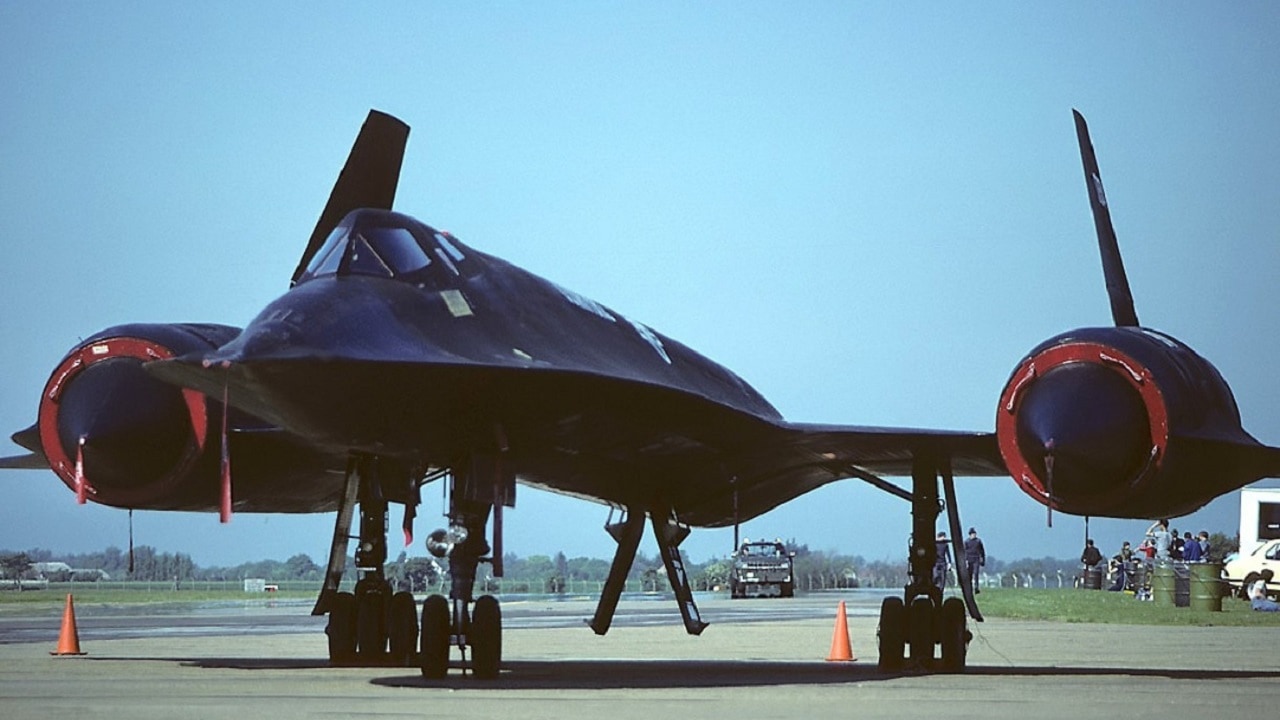
Image of SR-71 Spy Plane. Image Credit: Creative Commons.
“We flew right down the middle of the island straight across the airport to the end of the island where we made a big 90/270 turn streak back up the island from the east-west again going over the airport,” Peters, the pilot, said in that interview.
“Imagine if you will Castro’s thoughts when he heard the unmistakable double sonic, boom of the SR-71 not once, but twice as he welcomed his Soviet guest at the Cuban airport!”
Retirement of SR-71 Blackbird
By the end of that decade, however, the Blackbird was headed to retirement. According to another Aviation Geek Club story, Ben Rich, who directed Lockheed Martin’s Skunk Works from the mid 1970s to the early 1990s, wrote in his book Skunk Works: A Personal Memoir of My Years at Lockheed that it was General Larry Welch, the Air Force chief of staff, who pushed for the Blackbird’s sunsetting.
“General Welch thought sophisticated spy satellites made the SR-71 a disposable luxury,” Rich wrote in his book. “Welch had headed the Strategic Air Command and was partial to its priorities. He wanted to use SR-71 refurbishment funding for development of the B-2 bomber.”

SR-71A 959 Big Tail. Lockheed Photo # C76-1097-4
Operations were terminated in late 1989, with the actual retirement taking place in early 1990, although two of the Blackbirds were briefly brought back into service in the 1990s for NASA use.
About the Author: Stephen Silver
Stephen Silver is an award-winning journalist, essayist, and film critic, and contributor to the Philadelphia Inquirer, the Jewish Telegraphic Agency, Broad Street Review, and Splice Today. The co-founder of the Philadelphia Film Critics Circle, Stephen lives in suburban Philadelphia with his wife and two sons. For over a decade, Stephen has authored thousands of articles that focus on politics, national security, technology, and the economy. Follow him on X (formerly Twitter) at @StephenSilver, and subscribe to his Substack newsletter.