
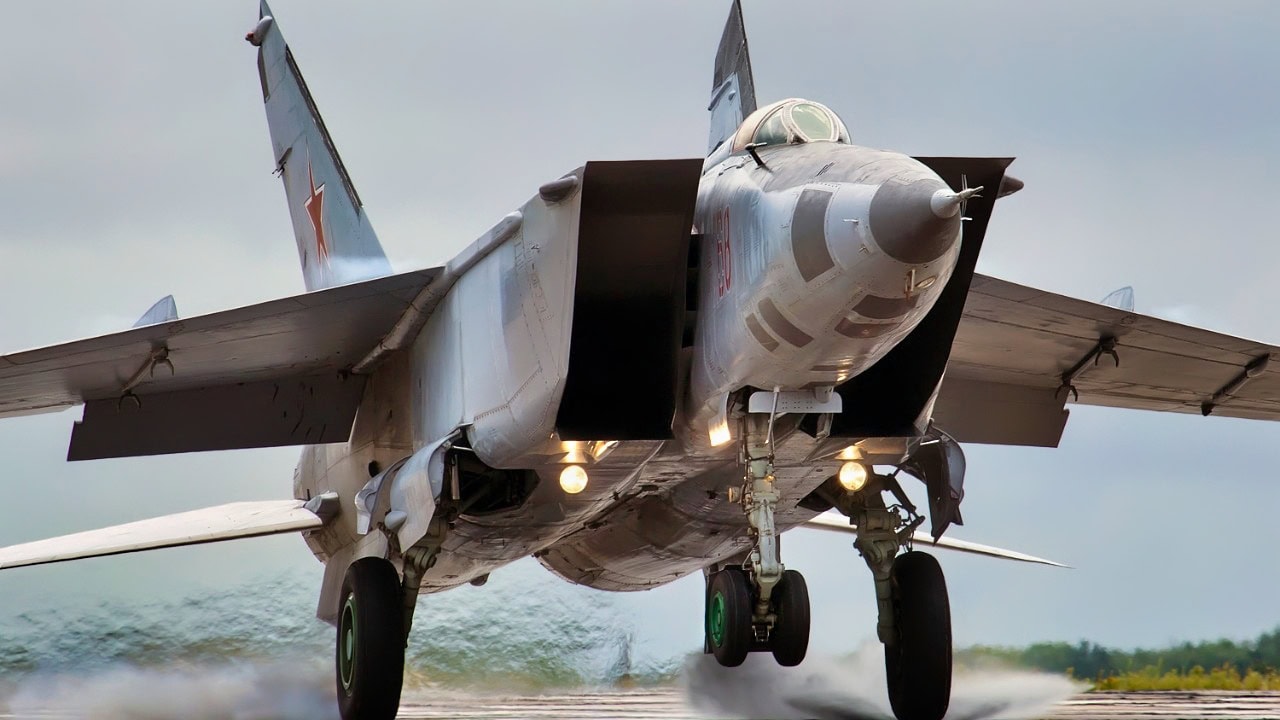
MiG-25 Foxbat vs. F/A-18C: The R-40 Missile Kill That Stunned the U.S. Navy
An Iraqi Air Force MiG-25 “Foxbat,” of Soviet design, shot down a U.S. Navy F/A-18C Hornet on the first night of the Gulf War, Jan. 17, 1991, piloted by Scott Speicher. The MiG-25 utilized superior speed and a radar-guided R-40RD missile, highlighting a rare, successful engagement of a Western fighter by this aircraft.
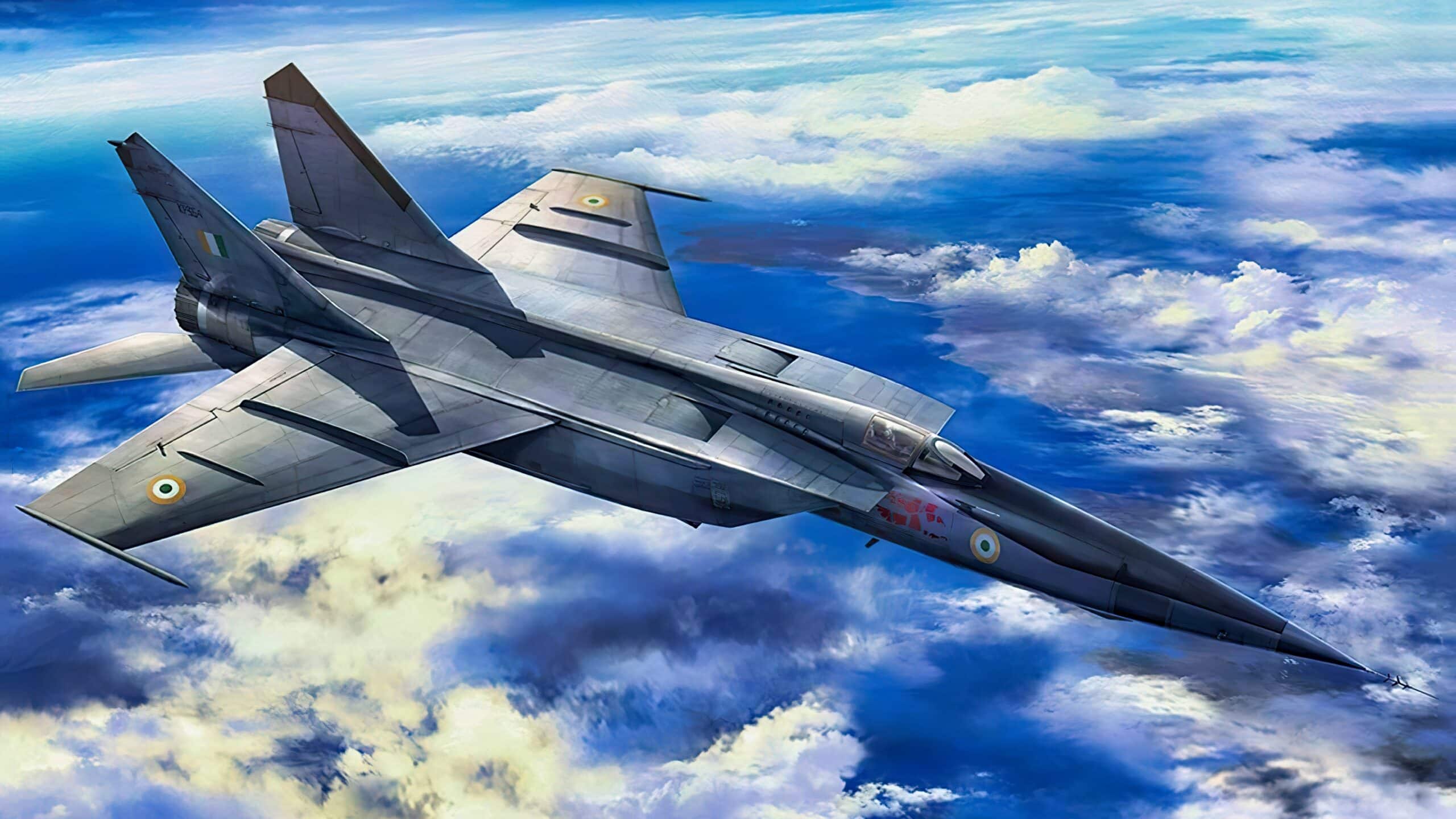
MiG-25. Image Credit: Creative Commons.
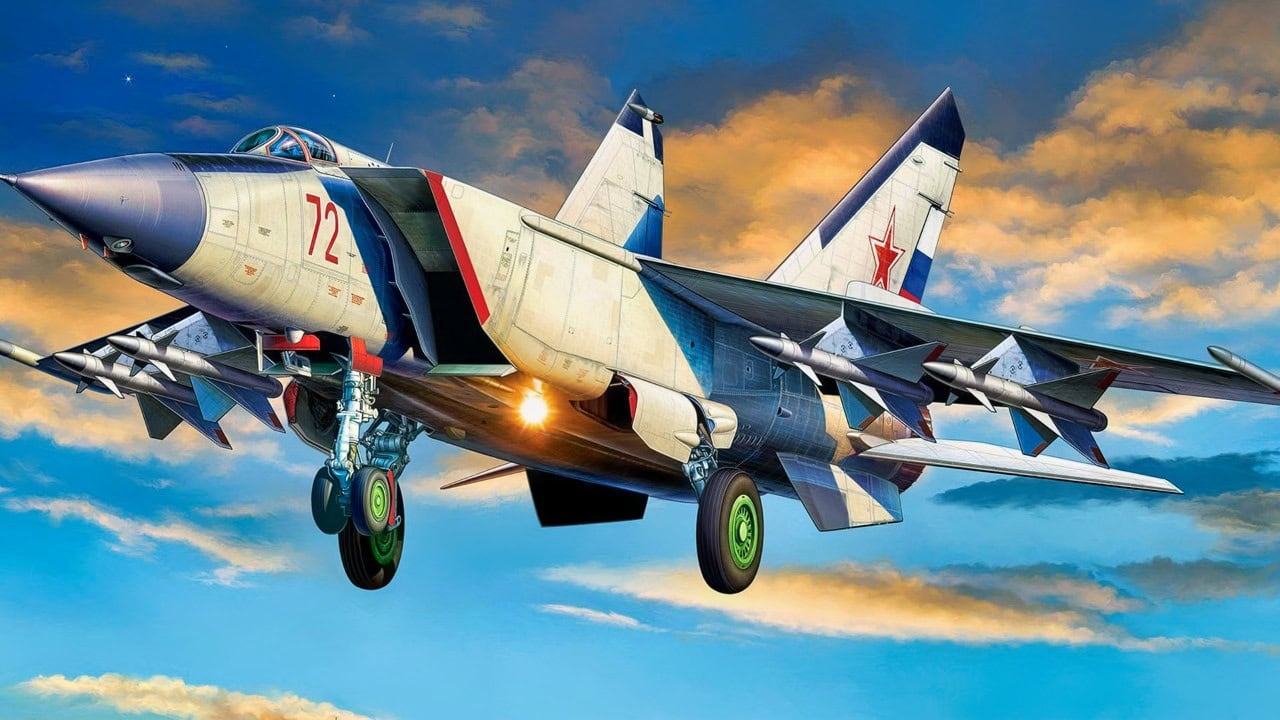
MiG-25 Russian Fighter-Bomber. Image Credit: Creative Commons.
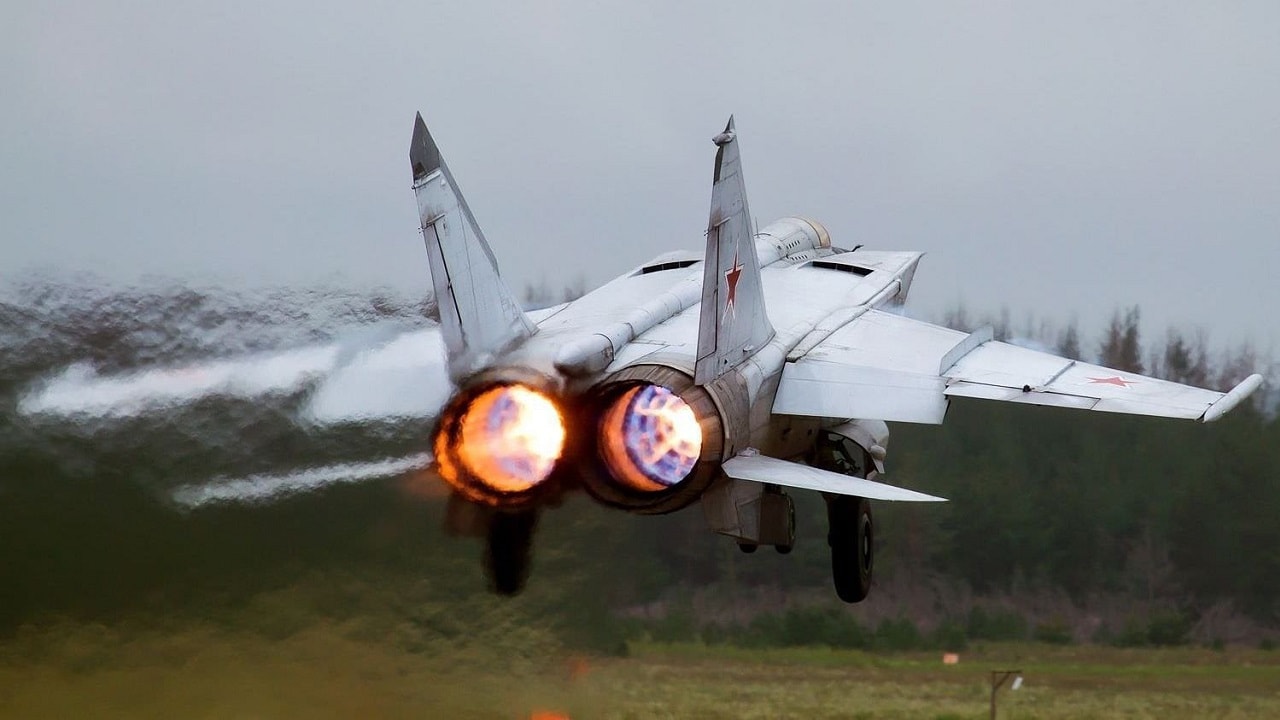
MiG-25. Image Credit: Creative Commons.
Initially thought to have been shot down by SAMs, it wasn’t learned until years later that Speicher’s F/A-18C was shot down by the MiG.
The Mikoyan-Gurevich MiG-25 Foxbat wasn’t inherently a bad aircraft, but it was greatly overrated by the West, particularly after the defection of Viktor Belenko, which revealed that it was a fast, high-altitude interceptor rather than a true dogfighter.
It was a “one-trick pony” built with crude materials such as stainless steel and vacuum-tube electronics to counter the perceived threat posed by American high-altitude bombers such as the B-70 Valkyrie.
Once its limitations—poor low-altitude maneuverability, lack of sustained Mach 3+ speed, high fuel consumption, and questionable structural integrity at extreme speeds—were understood, it became clear it was a “paper tiger” for its intended purpose of air superiority.
However, even older legacy aircraft, such as the MiG-25, can sometimes exploit vulnerabilities in modern strike aircraft.
First Night Of Desert Storm, A Pilot Dies Ejecting From His F/A-18:
Operation Desert Storm began with a US-led coalition air campaign into Iraqi airspace on January 17, 1991. It was one of the most devastating air campaigns in history. Within a matter of days, the Iraqi air defenses, built by the Soviet Union was smashed, and the coalition had complete air supremacy.
But that came at a cost, especially in the first days of the campaign. On that first night, an Iraqi pilot in a MiG-25 shot down a Navy F/A-18, and the pilot, LCDR Scott Speicher, was killed after he ejected from his aircraft, which was destroyed.
Ten F/A-18C Hornets from VFA-81 “Sunliners” and VFA-83 “Rampagers,” launched from the USS Saratoga, were tasked with sweeping the skies ahead of the Navy’s A-6 bombers and suppressing enemy radar and missile sites using AGM-88 HARM missiles.
Flying in a wide proper echelon formation at altitudes between 25,000 and 29,000 feet, the Hornets were spaced two to five miles apart and stacked vertically to avoid mid-air collisions.
Iraqi Lt Zuhair Dawoud was one of four MiG-25 “Foxbat” pilots on standby alert in the main aircraft shelter at Qadessiya. Dawoud said, “At 0238hrs [“Baghdad time”/0338hrs “Riyadh time”] the Air Defense telephone rang and I answered. There was a guy screaming at the other end of the line `MiG-25 IMMEDIATE TAKEOFF!’
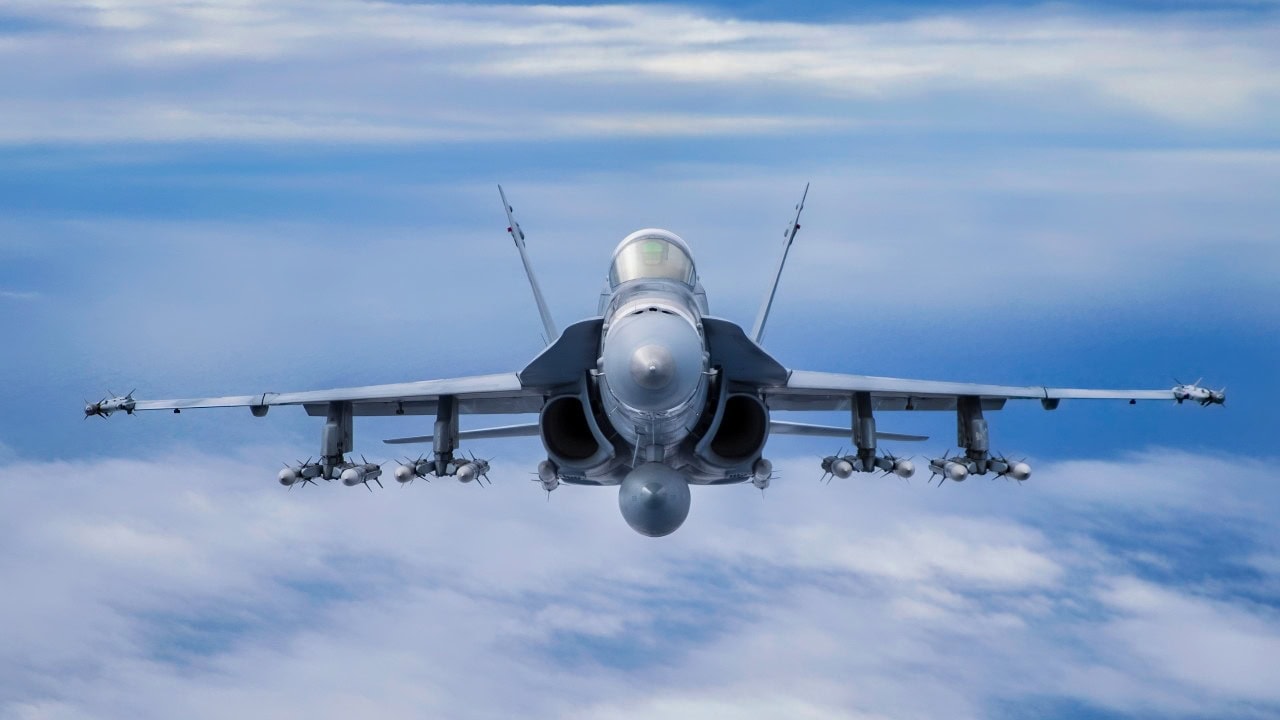
An F/A-18 Hornet with Marine Fighter Attack Squadron (VMFA) 323, MAG-11, 3rd Marine Aircraft Wing (MAW), carrying ten AIM-120 and two AIM-9X Air-to-Air missiles, prepares to refuel over the W-291 training area in southern California, March 6. MAG-11 supports and integrates aviation combat power and capabilities while enhancing 3rd MAW’s ability generate lethality for the supported Marine Air-Ground Task Force (MAGTF). (U.S Marine Corps photo by Sgt. Dominic Romero)
“So I hurried to the aircraft. In fact, the technicians were ready for this moment, as was the jet, so the takeoff was exceptionally fast — I was airborne just three minutes after I had received the call. After takeoff, I switched to a safe [secure] frequency and established contact with GCI of the Air Defence Sector. The sky was clear, with very good visibility. The GCI started to give me directions to a group of aircraft that had penetrated Iraqi airspace to the south of the base.”
An American pilot, CDR Michael T. “Spock” Anderson, picked up Dawoud on radar, but the AWACS plane couldn’t confirm the Iraqi hostile intentions, and Anderson was not allowed to engage.
Speicher was preparing to launch his HARM missiles at targets when Dawoud’s radar locked onto him. Dawoud recalled, “Meanwhile, my radar became ready. I locked on to a target 38km [20.5 miles] away, and at 29km [15.6 miles] I fired the R-40RD missile from under my right wing. I kept the target locked with my radar until I witnessed a huge explosion in front of me. I kept looking for the aircraft going down spirally to the ground with fire engulfing it.”
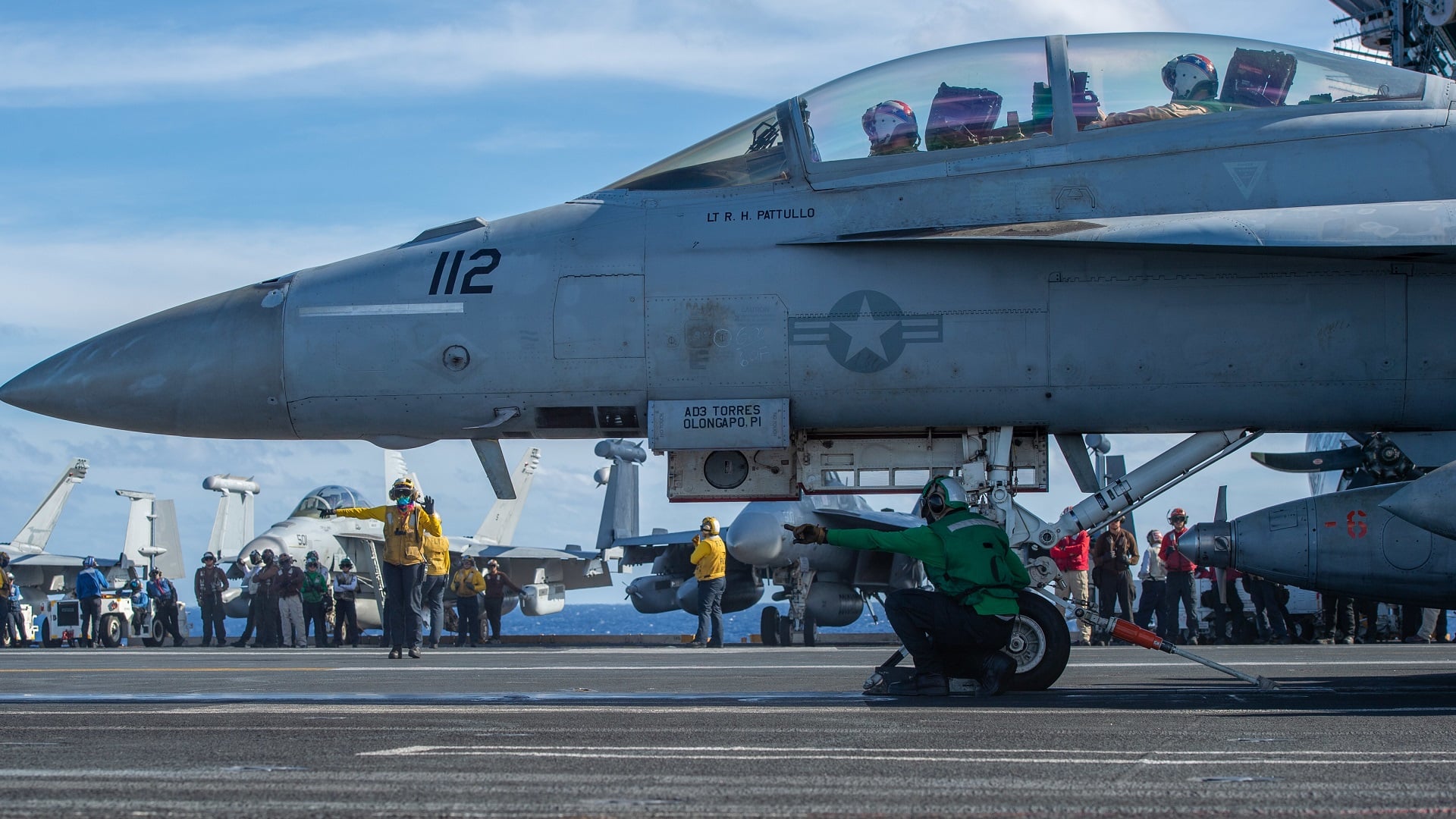
221227-N-DU622-1227 PHILIPPINE SEA (Dec. 27, 2022) An F/A-18F Super Hornet from the “Fighting Redcocks” of Strike Fighter Squadron (VFA) 22 prepares to launch from the flight deck of the aircraft carrier USS Nimitz (CVN 68). Nimitz is in 7th fleet conducting routine operations. 7th Fleet is the U.S. Navy’s largest forward-deployed numbered fleet, and routinely interacts and operates with 35 maritime nations in preserving a free and open Indo-Pacific region. (U.S. Navy photo by Mass Communication Specialist 2nd Class Justin McTaggart)
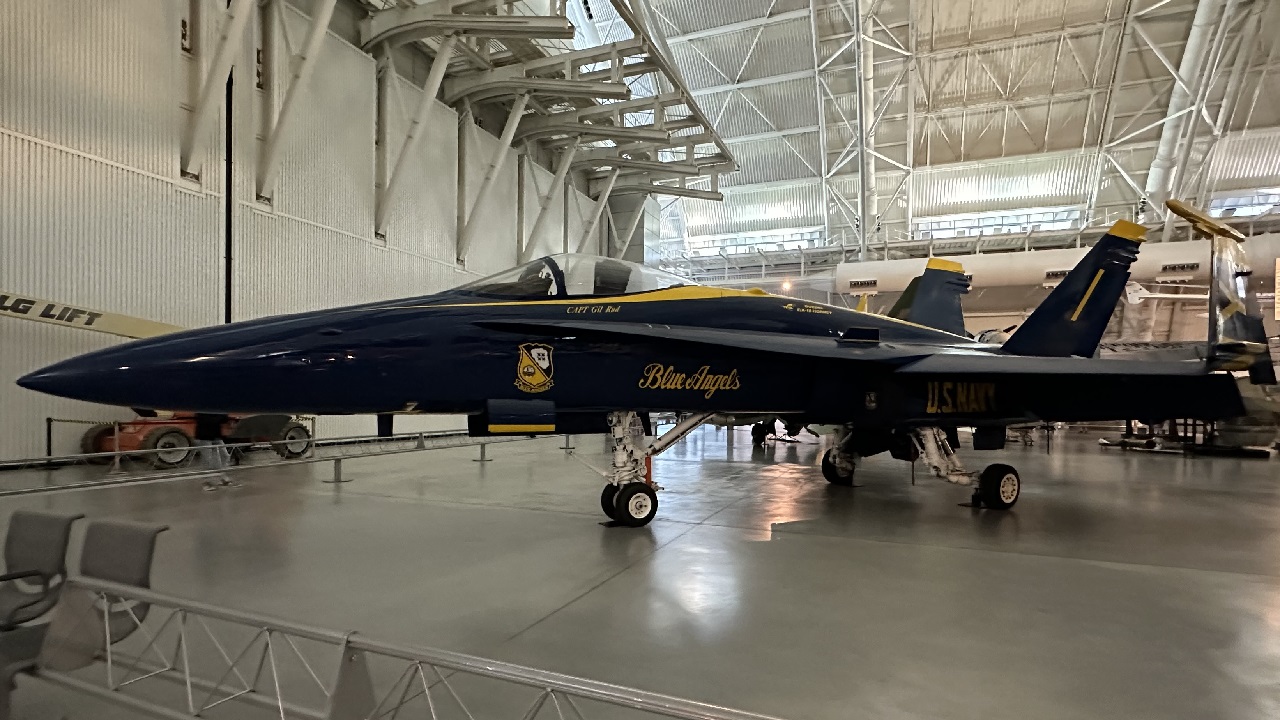
F/A-18 Hornet. Image taken at National Air and Space Museum on October 1, 2022. Image by 19FortyFive.
The missile explosion caused a 6G yaw to the right that sheared off the Hornet’s external fuel tanks, the pylons, and one HARM missile. Speicher was able to eject from the aircraft but died after the fact.
In 1995, the digital flight recorder from Speicher’s aircraft was recovered, confirming the missile strike. His body was not recovered until 2009. It was later learned that Bedouins in the desert found his body and buried him there.
The engagement demonstrated that even an outdated aircraft, such as the MiG, can shoot down a modern aircraft under the right circumstances. In this case, the failure of the AWACS to give CDR Anderson permission to engage, probably cost Speicher his life.
The MiG-25 Foxbat
During the Cold War in the 1960s, the Soviets sought to design an aircraft to counter the threat posed by the North American XB-70 Valkyrie strategic bomber.
The Soviets were driven by the perceived threat of American high-altitude reconnaissance aircraft like the XB-70 and SR-71, which were capable of flying at altitudes well beyond the reach of Soviet interceptors of the time. As such, the MiG-25 was purposely designed to be a high-speed, high-altitude interceptor capable of intercepting and shooting down these types of aircraft.
The Soviets were driven by two factors for this aircraft, speed and altitude. MiG engineers swept the wings back to 40 degrees for maximum performance at altitude.
The Soviets used the Tumansky R-15 turbojets, which produced a combined thrust of over 33,000 pounds force, enabling the aircraft to reach up to an incredible Mach 2.8, or 2,148.35 mph.
Speed For a Price, A Steep Price:
It was the fastest production aircraft in the world not named the SR-71. However, the Soviets didn’t have the technology to make fan blades that could tolerate as high temperatures as the J58 turbine of the SR-71.
As a result, the MiG-25 flew slower than the SR-71 (Mach 2.83 rather than Mach 3.4), and its engine did not last the 400 hours between overhauls that the J58 managed.
For instance, the Soviets pushed a MiG-25 over the Sinai in 1971 for just a few minutes, conceivably to impress the Israelis and the US. But after that quick sprint, the engines of the MiG-25 were trash. The SR-71 could maintain Mach 3 speeds at 80,000 feet.
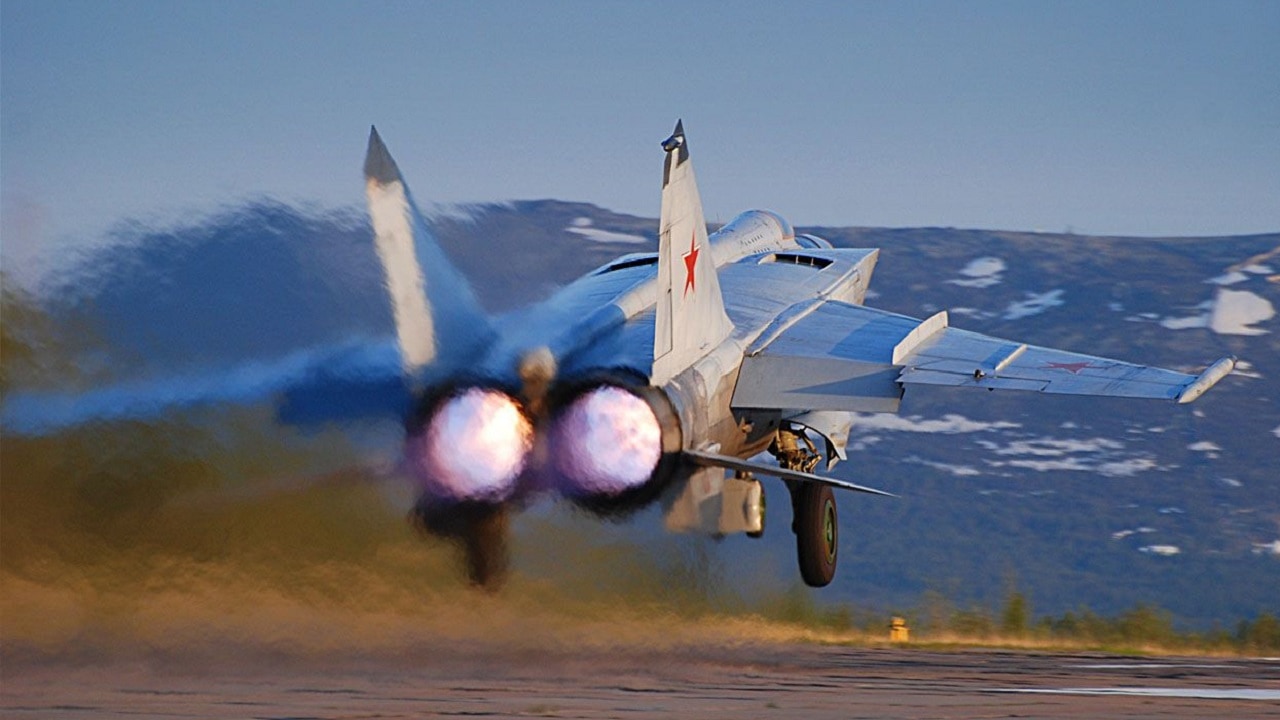
MiG-25. Image Credit: Creative Commons.
“The MiG-25 has presented as much an enigmatic image as the Blackbird, at times being reported as invincible, and at other times being dismissed as practically prehistoric in its approach to high speed and altitude flight,” wrote Linda Sheffield Miller. And both things could be true at the same time.
One of the most distinctive features of the MiG-25 was its long, pointed nose section. This was due to the aircraft’s primary role as an interceptor, whereby it needed to be able to detect and engage enemy aircraft from a distance.
The nose of the MiG-25 housed the aircraft’s radar system, which was reportedly capable of detecting enemy aircraft at ranges up to 75 miles.
But the MiG’s radar was absolute junk compared to the ones found in Western fighters. How was this learned?
Lt. Viktor Belenko Gifted The US and Japan A MiG-25
On Sept. 6, 1976, the biggest news story around the globe was about a 29-year-old Soviet fighter pilot, Lt. Viktor Belenko, who defected from the Soviet Union, landed his MiG-25 fighter in Japan, and asked for asylum.
At the time, thanks to a lot of Moscow-fueled hyperbole, the MiG-25 Foxbat was considered the best fighter jet in the world. U.S. Air Force pilots had a healthy dose of respect for it.
After Belenko’s defection, the U.S. wanted a peek under the hood of the Foxbat – they wanted to see what made this MiG such a great fighter plane. They were shocked, but not for reasons they expected.
The MiG-25’s Propaganda Revealed
The large stainless steel fighter was not flown; the Japanese were already being pressured by the Soviets to return their aircraft. So, Japan and the US began by taking it apart, and they were shocked at what they found.
HistoryNet.com reported, “The prototypes set 29 speed, altitude, and time-to-climb records, some of which still stand. For pure speed, they notched 1,852 mph. They could climb to 98,425 feet in four minutes and 3.86 seconds and ultimately reached an absolute altitude record of 123,520 feet.”
But the analysts soon learned, to their shock, that the MiG-25 was vastly overrated. The records claimed were pure Soviet propaganda. It was not as maneuverable as it was declared to be because of its weight. It also lacked air refueling capability and the range the Soviets claimed.
The aircraft had no guns and only carried four missiles. The radar was junk compared to what the West was operating, and it used tubes. The aircraft’s G-force rating was never in the league of an average fighter.
Soon afterward, with the myth of the MiG-25’s invincibility shattered, the Soviets began selling the MiG-25 Foxbat on the international market. However, on the first night of Desert Storm, an old MiG-25 shot down a modern US Navy F/A-18C, killing the pilot, proving you must never underestimate your enemies.
About the Author: Steve Balestrieri
Steve Balestrieri is a National Security Columnist. He served as a US Army Special Forces NCO and Warrant Officer. In addition to writing on defense, he covers the NFL for PatsFans.com and is a member of the Pro Football Writers of America (PFWA). His work was regularly featured in many military publications.