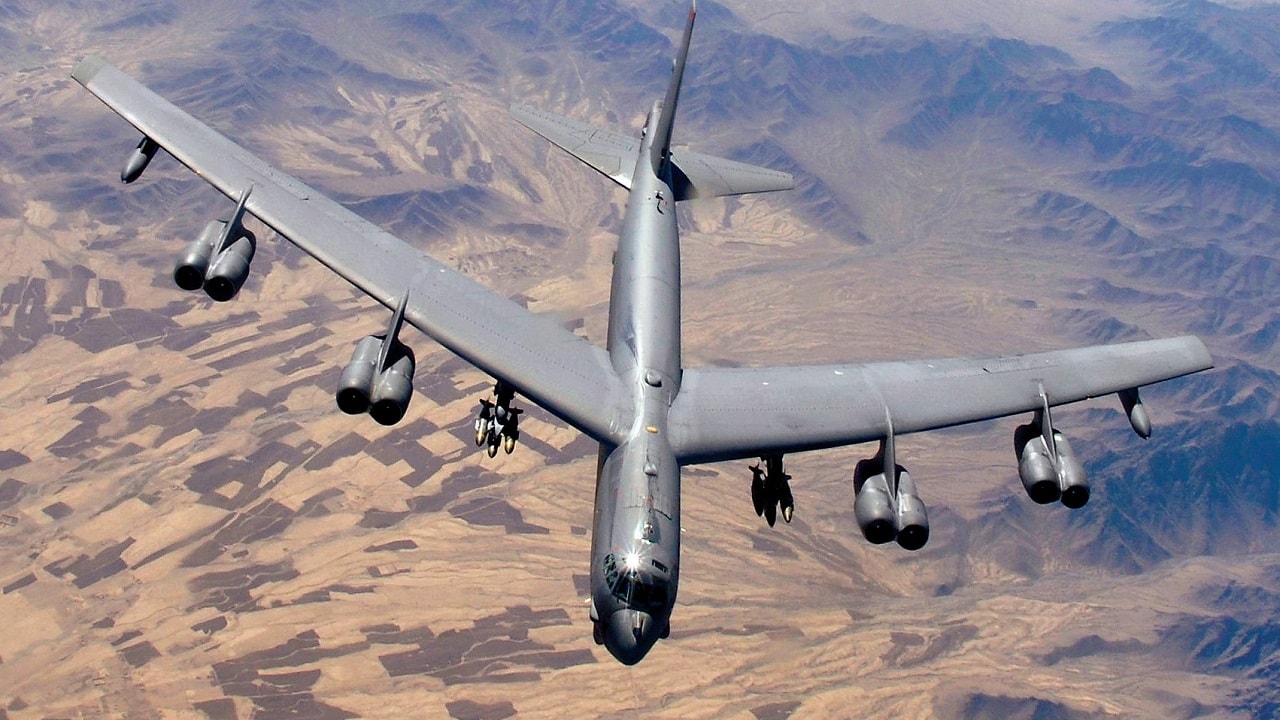
Synopsis: The B-52J bomber is meant to modernize America’s aging Stratofortress fleet with updated capabilities for standoff strikes, hypersonic weapons, and even “mothership” concepts for unmanned systems.
-But delays to 2033 and rising costs—reported at $15 billion for re-engining 76 aircraft—are intensifying doubts about whether the upgrade is still the best path.
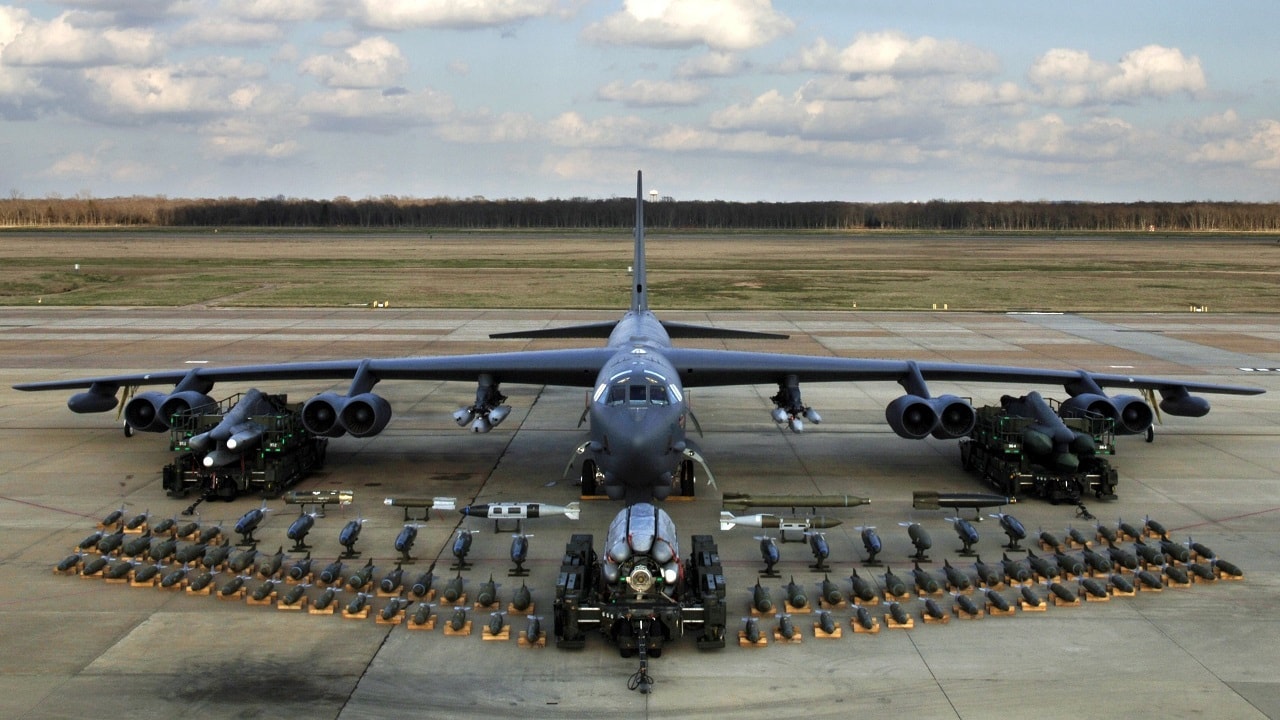
Boeing B-52 static display with weapons, Barksdale AFB 2006. Image: Creative Commons.
-With the B-21 also not arriving quickly, the Air Force faces a widening long-range strike gap.
-That reality is driving a provocative alternative: accelerate stealthy long-endurance drones and collaborative “arsenal” drones to replicate parts of the B-52’s payload-and-range role sooner.
The B-52J Is Delayed Until 2033—Is the Air Force Betting on the Wrong Bomber?
The B-52J is the newest iteration of the U.S. Air Force’s long-range strategic bomber, which has served the United States since the Truman administration. Of course, the new B-52J comes with all the new bells-and-whistles to make it a dynamic and competitive platform on today’s battlefield.
Yet, like far too many military programs today, the B-52J has already been delayed to 2033.
The B-52J Problem: Late, Over Budget, and Out of Time
Given the sclerotic nature of the defense industrial base, the fickleness of congressional support, and the rapidly changing nature of the battlefield, it might be time to reconsider the B-52J. That’s especially because the longer the plane is delayed, the more the current Stratofortress, the B-52H, will be made to work—leaving a capabilities gap for the Air Force.
Similar systems employed by U.S. rivals include Russia’s Tu-160 “White Swan” long-range strategic nuclear-capable bomber and the Chinese Xi’an H-6N.
America’s Growing Long-Range Strike Capability Gap
The Air Force also is racing to build the B-21 Raider, a stealthy long-range strategic nuclear-capable bomber slated to replace the aging B-2 Spirit bomber.
But the B-21 will likely not be ready anytime soon.
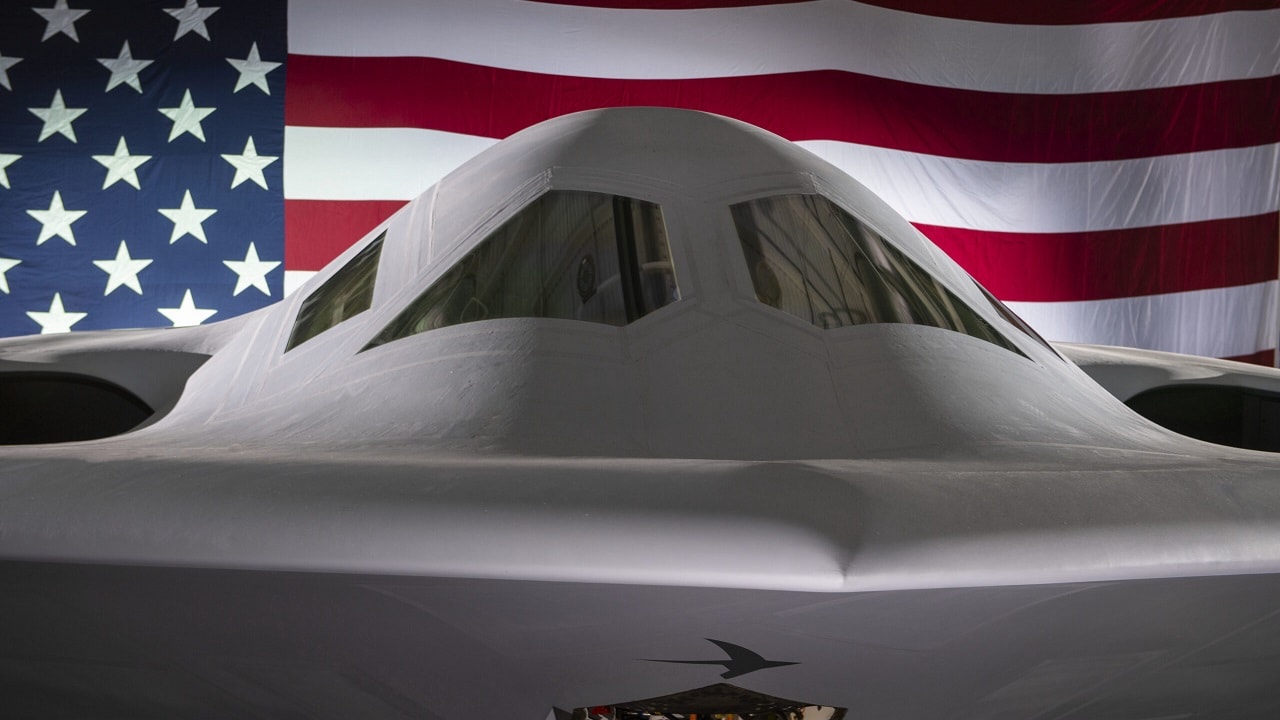
The B-21 Raider was unveiled to the public at a ceremony December 2, 2022 in
Palmdale, Calif. Designed to operate in tomorrow’s high-end threat environment, the B-21 will play a critical role in ensuring America’s enduring airpower capability. (U.S. Air Force photo)
As with many major U.S. weapons programs, the B-52J “Super” Stratofortress has not only been delayed but also cost skyrocketed.
A planned 76 of these planes are seeing their re-engining costs balloon to $15 billion (up from $12.5 billion). The plane is now over budget, and is going over its schedule.
But why?
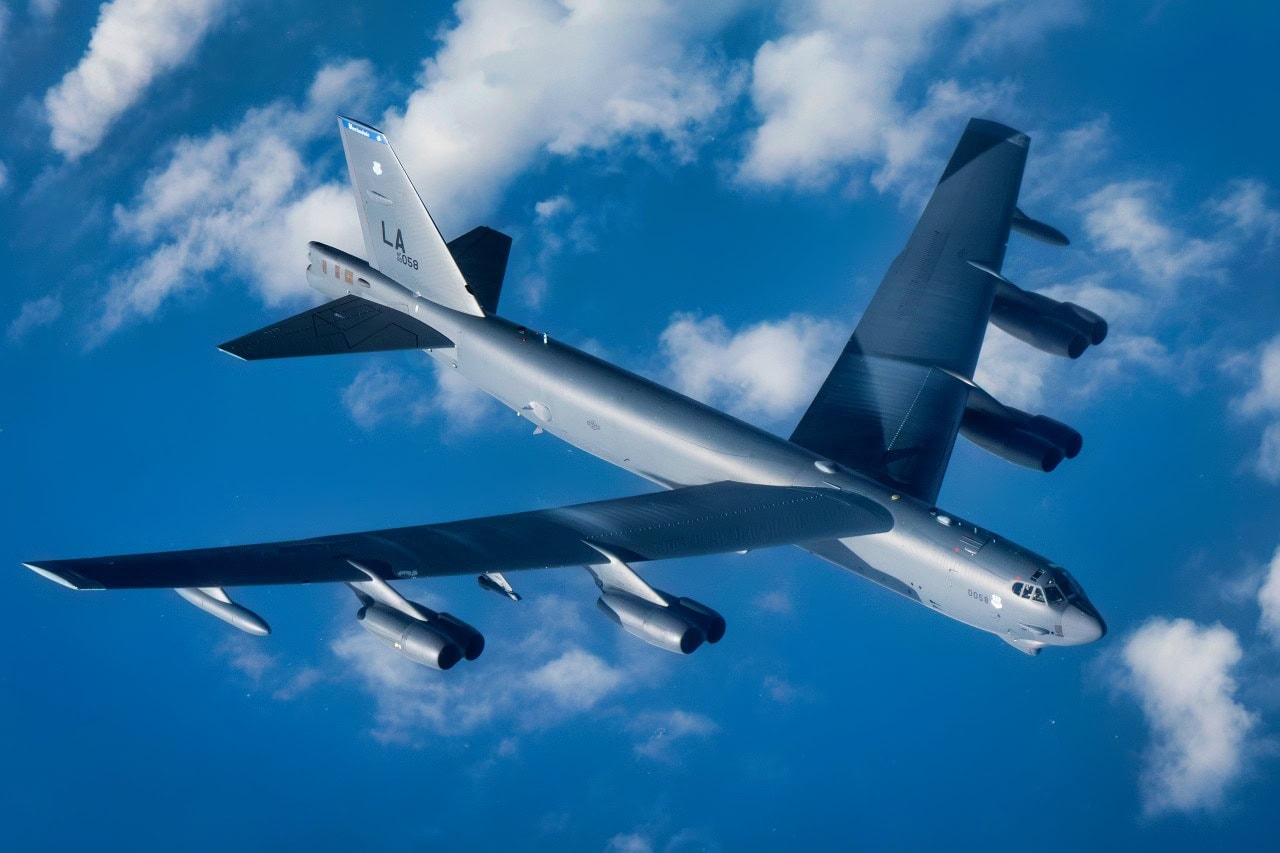
A B-52 Stratofortress assigned to the 2nd Bomb Wing, Barksdale Air Force Base, Louisiana, is refueled by a KC-135 Stratotanker assigned to the 6th Air Refueling Wing, MacDill AFB, Florida, within the U.S. Southern Command (SOUTHCOM) area of responsibility, June 18, 2024. The B-52 Stratofortress is a long-range, heavy bomber that can perform a variety of missions. As part of the Air Force Global Strike Command, the B-52 enables combat-ready forces to conduct strategic nuclear deterrence and global strike operations in support of combatant commanders. (U.S. Air Force photo by Senior Airman Lauren Cobin)

A U.S. Air Force B-52 Stratofortress bomber, deployed from Barksdale Air Force Base, La., lands at Andersen Air Force Base, Guam, July 4, 2020. The B-52 flew the 28-hour mission to demonstrate U.S. Indo-Pacific Command’s commitment to the security and stability of the Indo-Pacific region. (U.S. Air Force photo by Master Sgt. Richard P. Ebensberger)
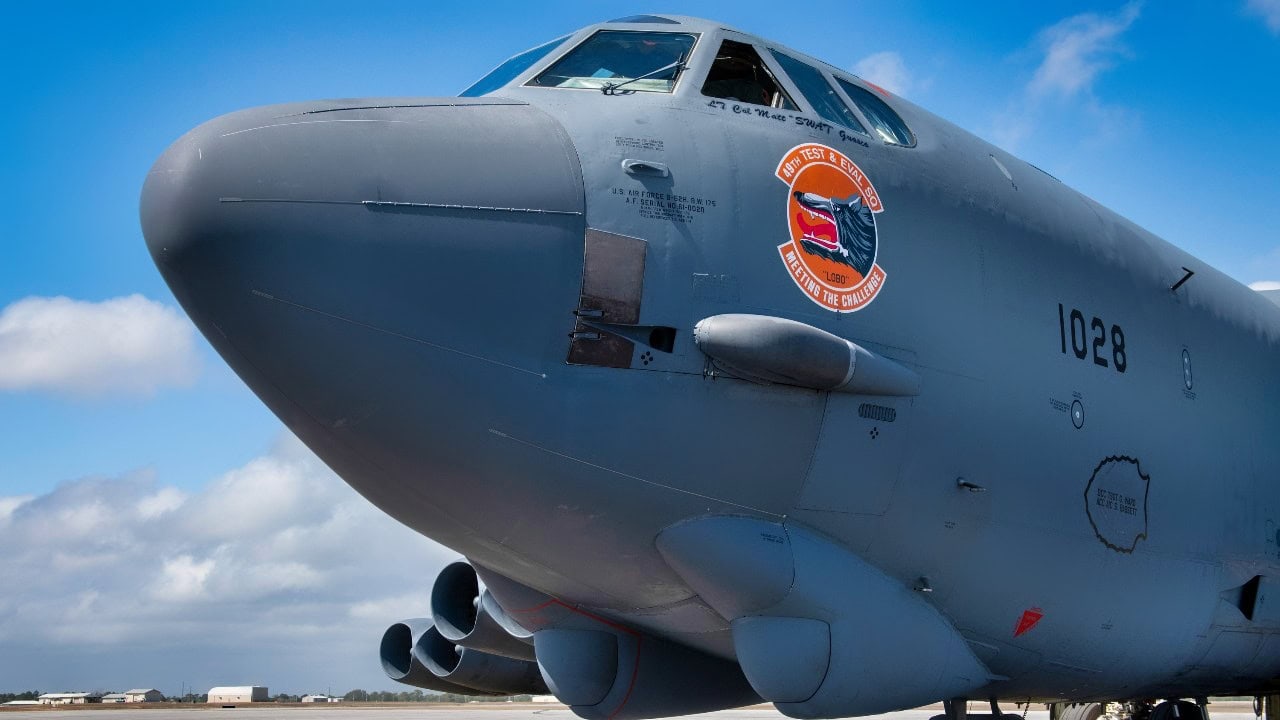
A 53rd Wing B-52 Stratofortress sits on the flightline Feb 22, 2022 at Eglin Air Force Base, Florida. The 49th Test and Evaluation Squadron aircrew brought the bomber from Barksdale AFB, Louisiana, to allow wing personnel an opportunity to see one of their geographically separated aircraft up close. (U.S. Air Force photo/Ilka Cole)
What makes a long-range bomber, be it a stealth plane or a conventional bomber, so useful?
The bombers’ standoff capability is key, as is their potential use to fire hypersonic weapons and, more importantly, act as a manned mothership for fleets of unmanned aerial vehicles (UAVs).
Given the delays, though, perhaps there’s a more efficient, cost-effective, long-range bomber and standoff attack platform?
We are, after all, in the age of the drone.
Hypersonics, Standoff Strikes, and the Rise of the Mothership?
The B-52’s ability to carry large payloads over great distances makes it one of the rarest birds in the Air Force fleet.
This is an essential capability in today’s wars, as evidenced by bombers’ copious use by Russia in the Ukraine War. Large, long-range stealth drones could be a necessary alternative to what is shaping up to be a wasteful and overhyped project.
The RQ-180 “White Bat” is a a high-altitude, long-endurance stealth drone replacement for penetrating missions. The system is designed for stealth surveillance and strike in contested environments, filling roles the B-52 cannot fill due to its lack of stealth.
Then there’s also the bomber drone known as the XRQ-73. This type of advanced low-observable unmanned aircraft is being developed to mature new long-endurance designs. Both the RQ-180 and XRQ-73 could easily fill the role of the B-52J, and probably sooner.
Even if the Air Force wants to keep the B-52J despite the cost overruns and delays, they could pair these new bombers with stealthy, attritable drones. The Air Force is already developing Collaborative Combat Aircraft CCA for their other planes. It wouldn’t take much to apply these systems to the B-52J.
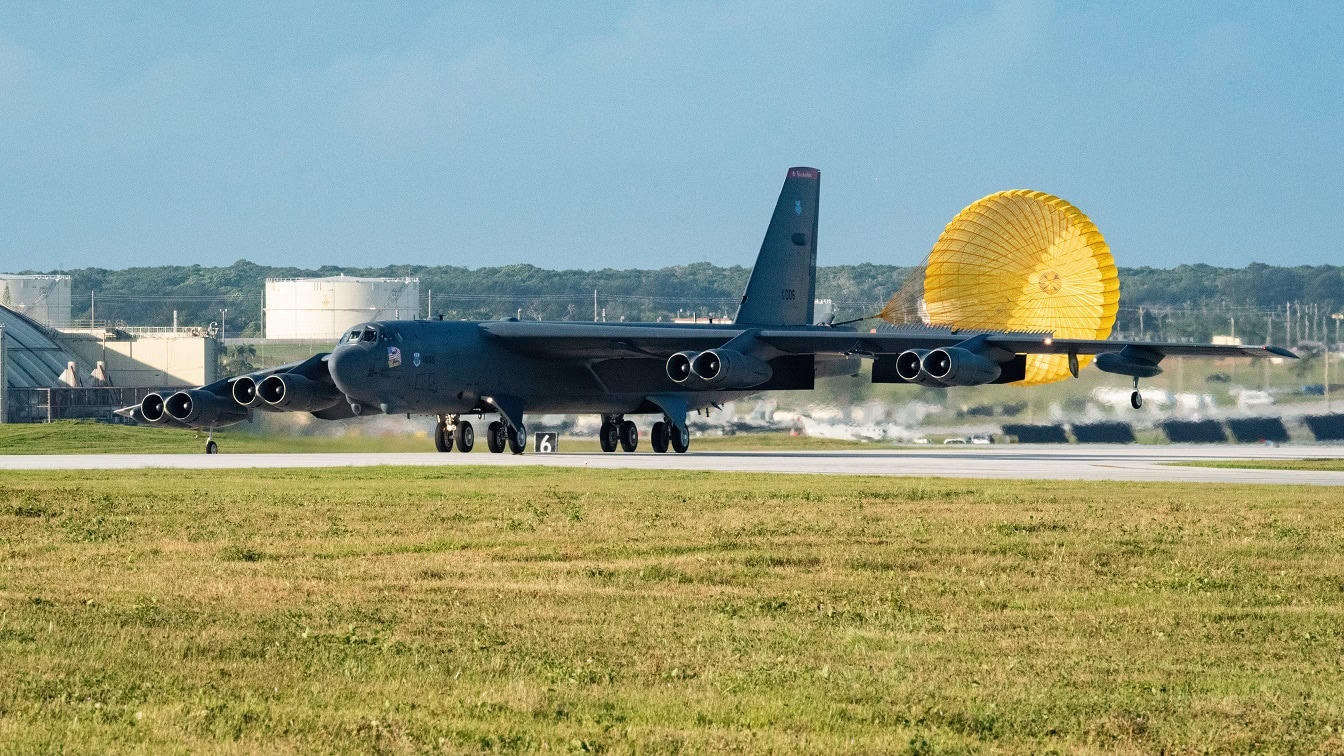
A B-52 Stratofortress from Barksdale Air Force Base, prepares to land on a flightline in support of a Bomber Task Force mission at Andersen Air Force Base, Guam, Feb. 9th, 2022. BTF missions demonstrate lethality and interoperability in support of a free and open Indo-Pacific. (U.S. Air Force photo by Senior Airman Jonathan E. Ramos)
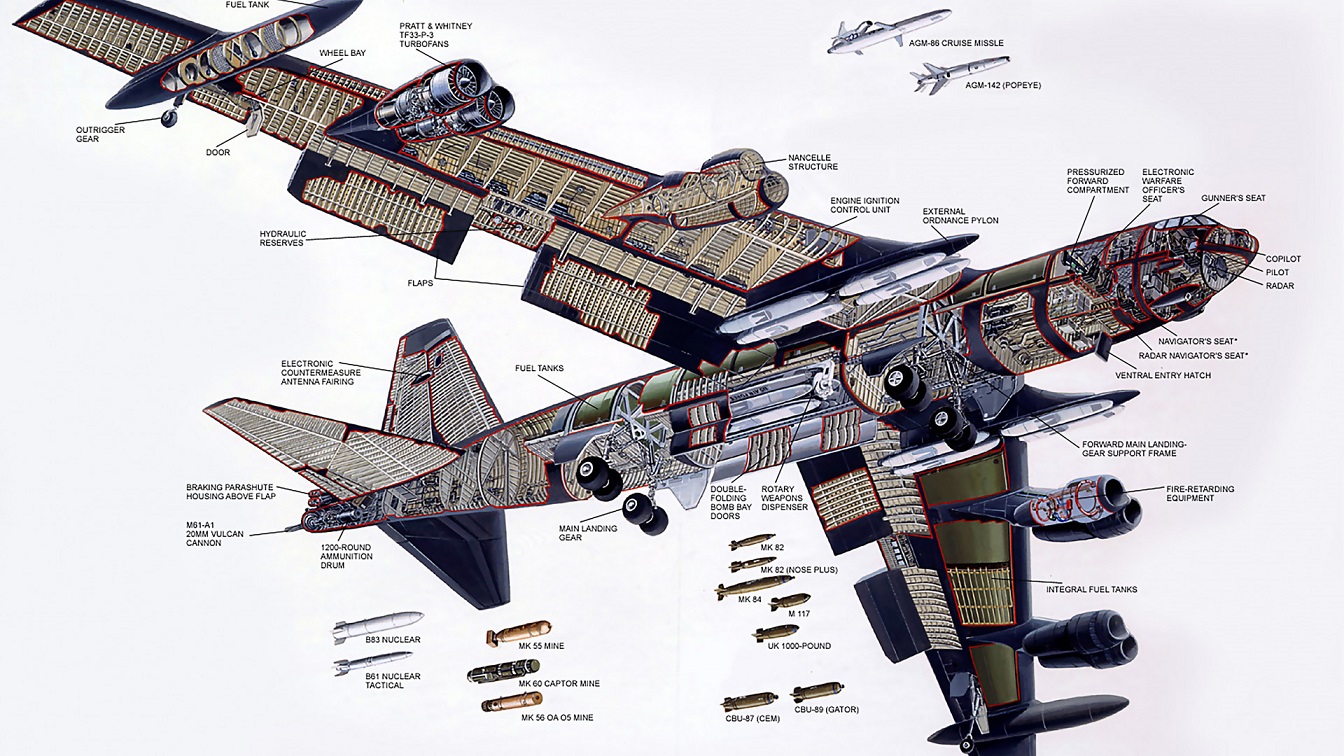
B-52 bomber. Image Credit: Creative Commons.
CCAs are planned autonomous drones designed to work with or in place of manned aircraft. Future CCAs could operate as missile trucks, carrying long-range standoff weapons such as the AGM-181 LRSO to launch from safe distances, replicating the B-52’s role.
Meanwhile, the XQ-58A Valkyrie which is a low-cost, long-range, high-subsonic, and stealthy drone. It is a prime candidate for a “drone wingman” or “arsenal drone” that could operate in high-risk zones.
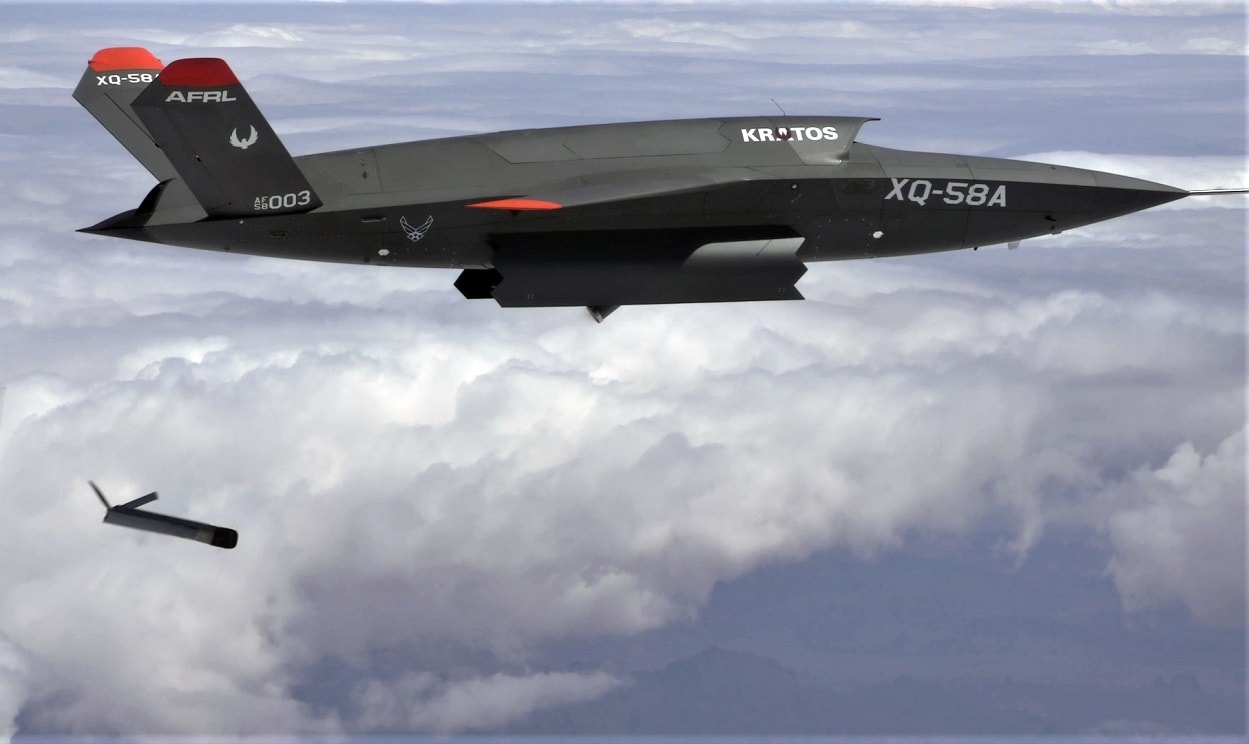
The XQ-58A Valkyrie demonstrates the separation of the ALTIUS-600 small unmanned aircraft system in a test at the U.S. Army Yuma Proving Ground test range, Ariz., March 26, 2021. The test was the first time the weapons bay doors have been opened in flight. (U.S. Air Force courtesy photo)
Can Unmanned Systems Replace the B-52J’s Mission?
Unfortunately, these drones and others still need to be developed—as it stands, most of the drones we’re discussing here are either immature or have yet to demonstrate the capabilities needed to replace the B-52J.
But perhaps such drones could be expedited if Washington prioritized them over legacy systems such as the B-52J.
About the Author: Brandon J. Weichert
Brandon J. Weichert is the Senior National Security Editor at 19FortyFive.com. He was previously the senior national security editor at The National Interest. Weichert is the host of The National Security Hour on iHeartRadio, where he discusses national security policy every Wednesday at 8pm Eastern. He hosts a companion show on Rumble entitled “National Security Talk.” Weichert consults regularly with various government institutions and private organizations on geopolitical issues. His writings have appeared in numerous publications, among them Popular Mechanics, National Review, MSN, and The American Spectator. And his books include Winning Space: How America Remains a Superpower, Biohacked: China’s Race to Control Life, and The Shadow War: Iran’s Quest for Supremacy. Weichert’s newest book, A Disaster of Our Own Making: How the West Lost Ukraine, is available for purchase wherever books are sold. He can be followed via Twitter/X @WeTheBrandon.