
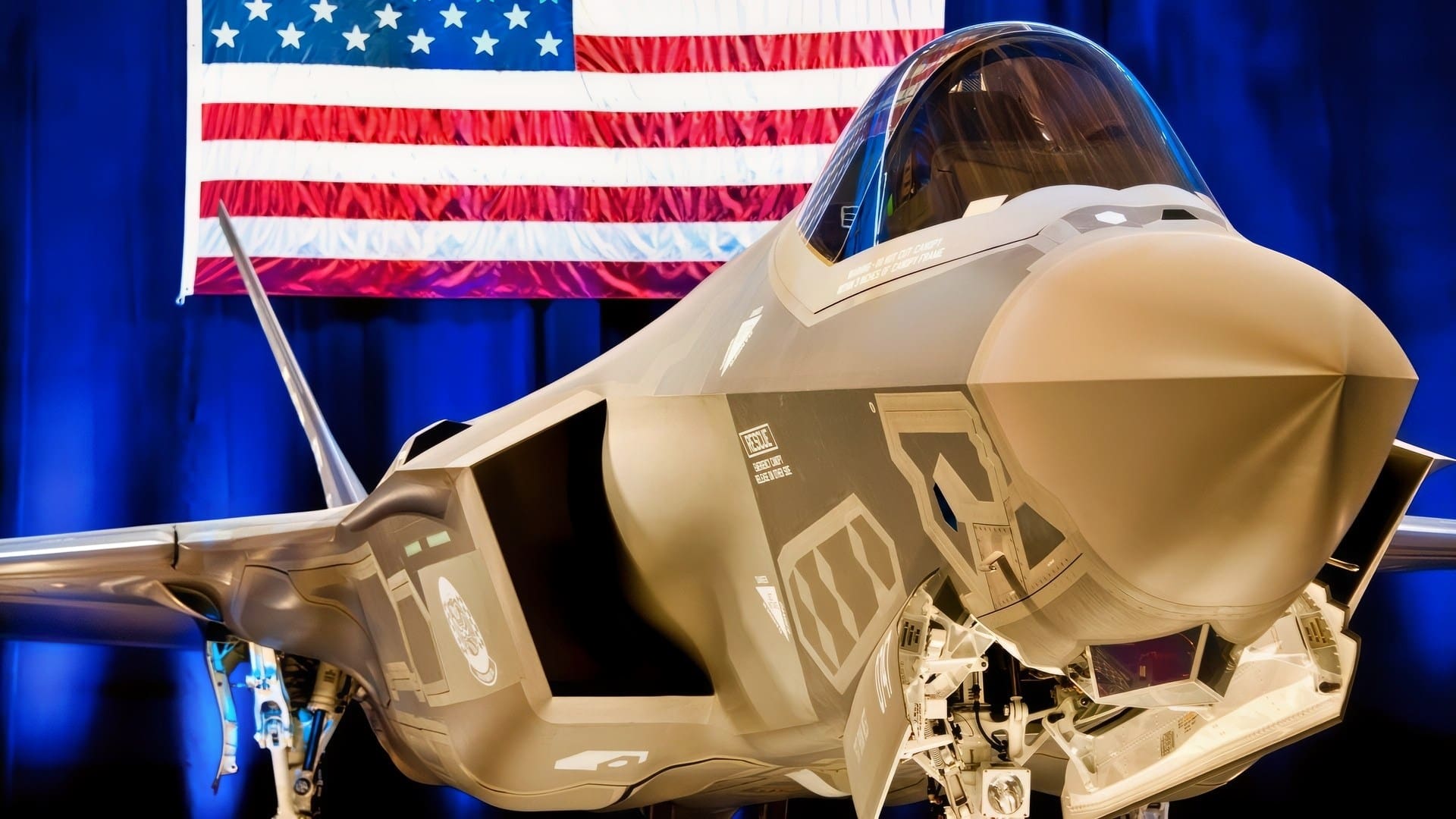
Summary and Key Points: National Security Columnist Steve Balestrieri evaluates the integration of the MBDA Meteor onto the Lockheed Martin F-35.
-Renowned for its solid-fuel ramjet engine, the Meteor maintains continuous thrust to target intercepts, providing a “no-escape zone” several times larger than traditional missiles.
-This report analyzes the 2026 ground vibration tests and internal bay fit checks at Edwards AFB required for Block 4 compatibility.
-Balestrieri compares the Meteor’s 200km range to China’s PL-15, concluding that the F-35’s sensor suite coupled with Meteor’s kinematics will redefine aerial combat tactics for the RAF, Italy, and the broader F-35 community.
The No-Escape Zone: MBDA Meteor is Europe’s Most Feared Air-to-Air Missile and the F-35 Is Testing It
MBDA and Lockheed Martin, the U.S. prime contractor for the F-35 Lightning II fifth-generation stealth fighter, have “completed a series of critical ground-based integration tests” to bring the Meteor beyond-visual-range air-to-air missile (BVRAAM) closer to operational use on the F-35A.
Testing at Edwards AFB included ground-vibration work and internal bay fit checks to confirm that the missile can be safely stowed and deployed from the F-35A’s internal weapons bay, preserving the aircraft’s valuable stealth profile.
“Conducted at Edwards Air Force Base, California, the ground vibration testing and fit checks validated key hardware responses between the 5th Generation fighter aircraft and missile — a pivotal step before airborne tests begin,” Lockheed said.
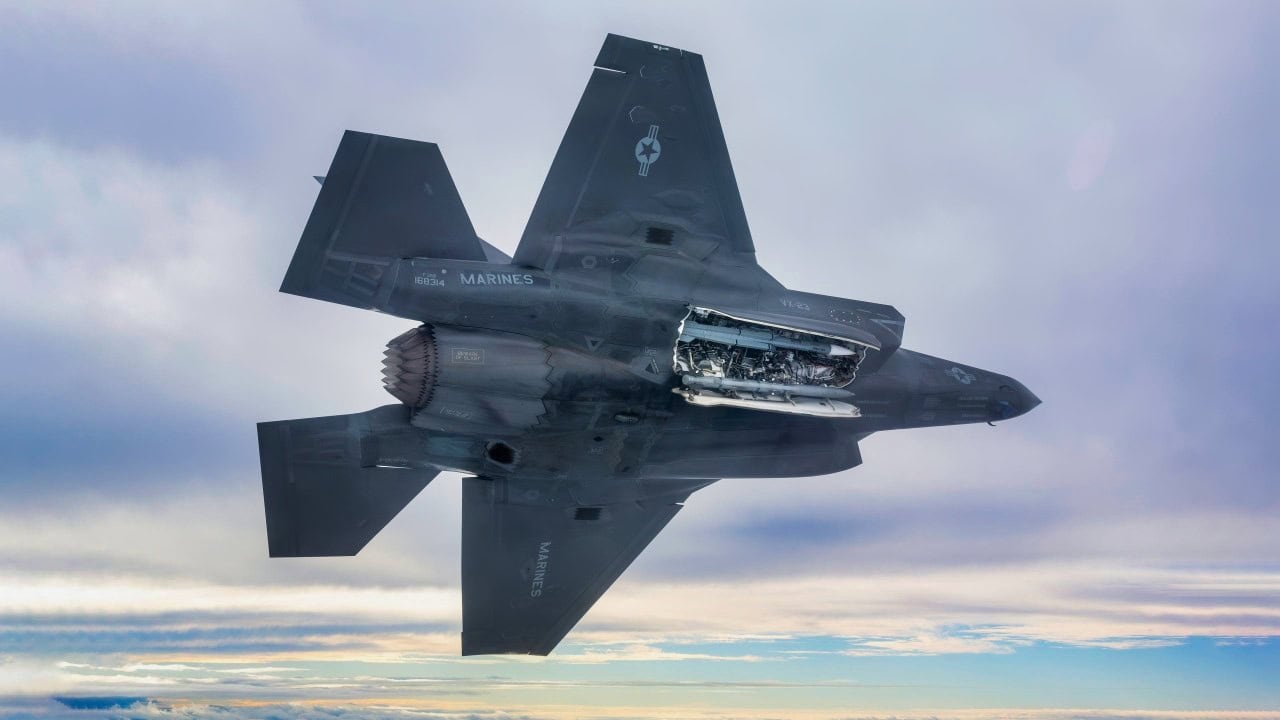
F-35B Armed with Meteor Missile. Image Credit: UK Government.
“Engineers meticulously evaluated the data collected from the trials to confirm the safe stowage and deployment of the missile from the F-35A’s internal weapons bay, preserving the aircraft’s valuable stealth profile,” Lockheed added on its website.
Engineers have one final ground test to perform before they begin flight testing. The Meteor will be integrated into the aircraft’s Block 4 upgrade package and should be operational by the 2030s.
The RAF And Italy Are Already Testing the Meteor On F-35s
The Royal Air Force announced earlier last year the successful Meteor flight tests on an F-35B, which the UK is leading the integration campaign for, while Italy is sponsoring integration onto the F-35A.
“This milestone is a testament to the effective collaboration between the multinational governmental and industrial partnerships that we have in place. Inclusion of Meteor onto the Lightning II will bring this formidable air combat capability to the UK and to the burgeoning F-35 community, significantly enhancing security among allies,” said Air Commodore Al Roberts, RAF’s head of Air-to-Air Missiles.
Meet the MBDA Meteor Beyond Visual Range Air-to-Air Missile
The MBDA Meteor is a pioneering beyond-visual-range air-to-air missile, renowned for its use of a solid-fuel ramjet engine to achieve superior speed (over Mach 4) and a 120-200 km+ range. This “throttleable” air-breathing motor provides continuous thrust throughout flight, resulting in a much larger “no-escape zone” than conventional rockets.
The propulsion system uses a Solid Fuel Variable-Flow Ducted Rocket, commonly known as a ramjet. This system takes in air and throttles thrust, allowing the missile to save fuel for the endgame maneuver, unlike traditional motors that burn out early.
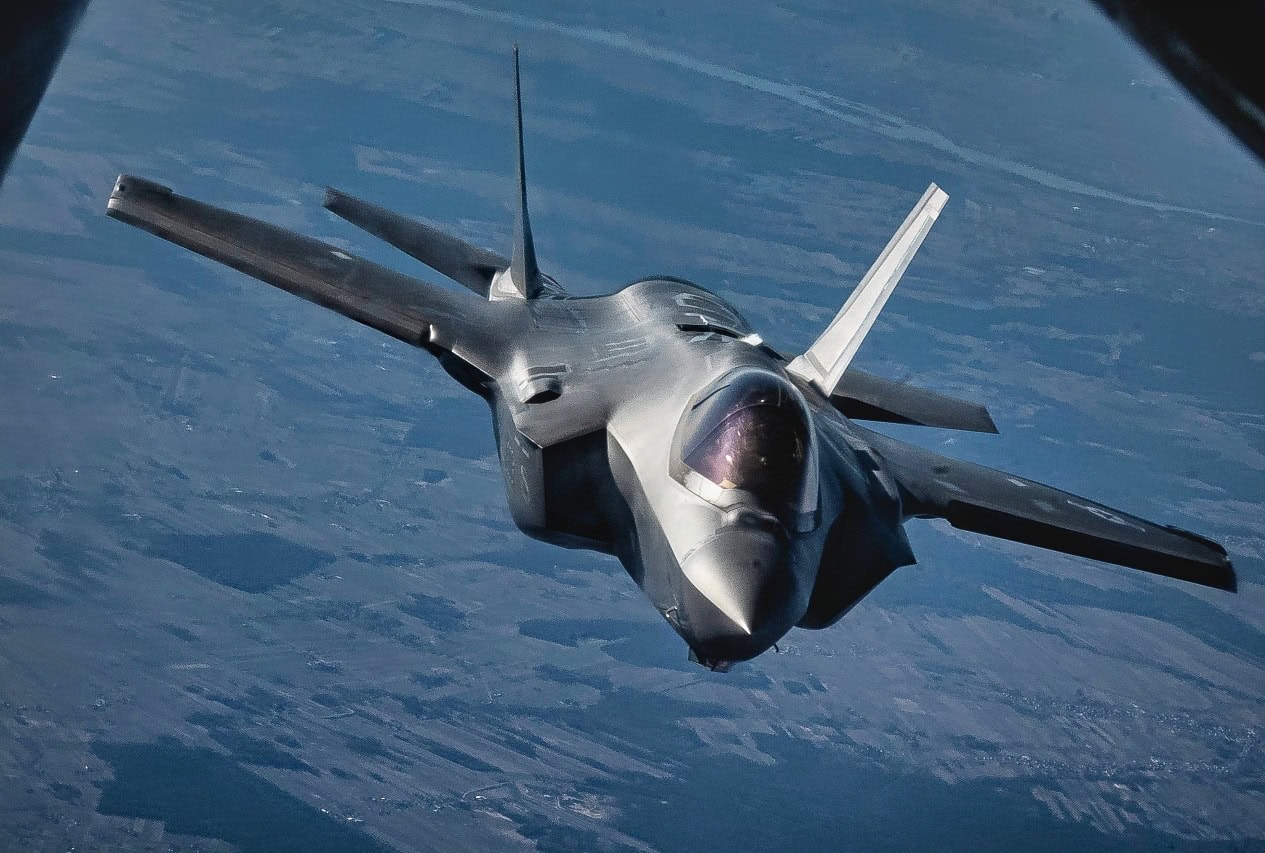
The 388th Fighter Wing’s F-35 Lightning II fifth-generation fighter cruises in Eastern European airspace, Feb. 28, 2022, in support of NATO’s collective defense. U.S. Air Forces in Europe – Air Forces Africa’s ability to support and integrate with NATO’s air policing missions continually hardens the alliance’s solidarity, collective resolve, and ability to adapt to a dynamic warfighting environment. (U.S. Air Force photo by Airman 1st Class Edgar Grimaldo)
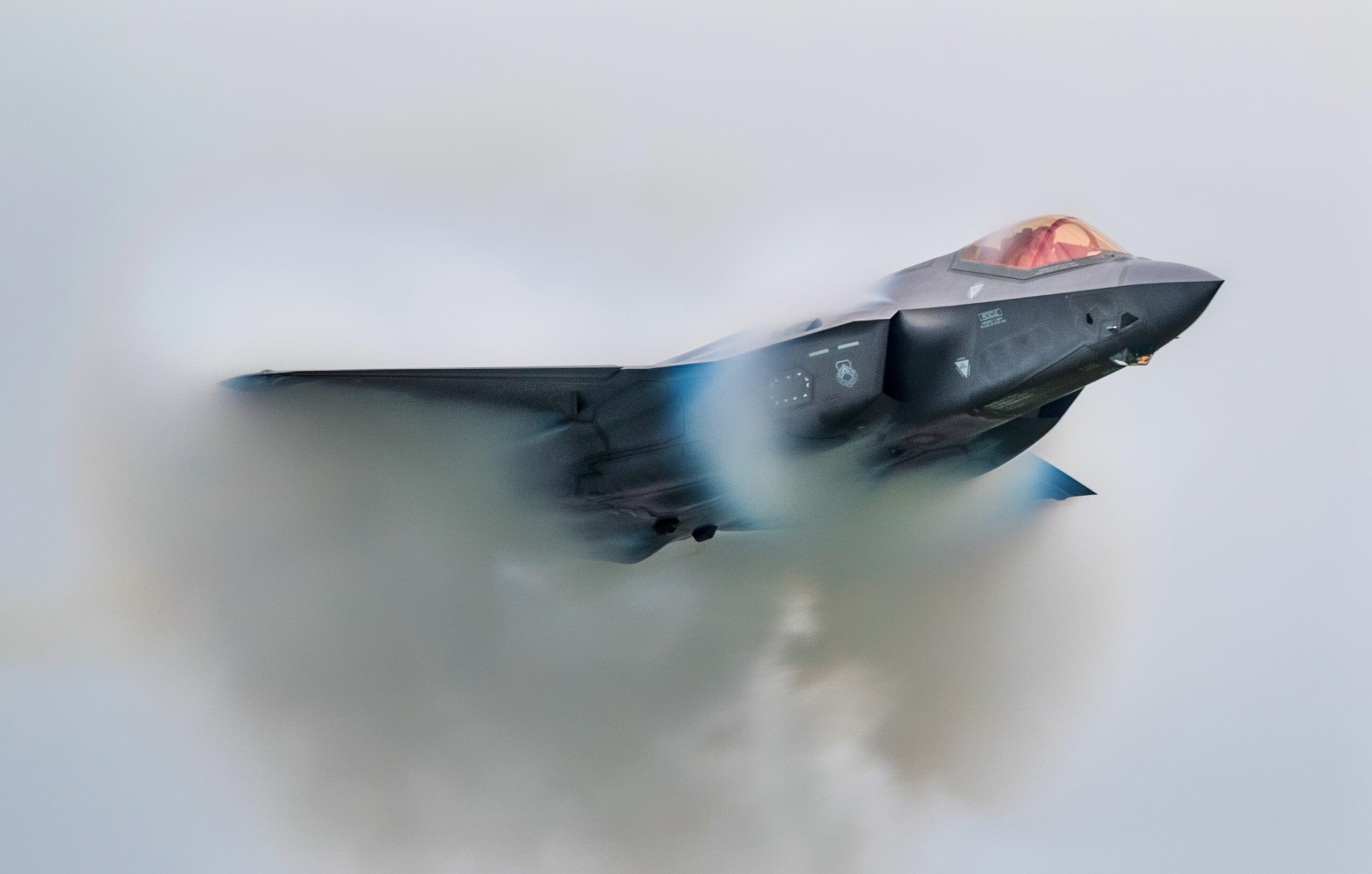
Capt. Andrew “Dojo” Olson, F-35 Demo Team pilot and commander performs aerial maneuvers during the Aero Gatineau-Ottawa Airshow in Quebec, Canada, Sept. 7, 2019. The team consists of 10 Airmen who help showcase the world’s most technologically advanced fifth-generation fighter jet. (U.S. Air Force photo by Senior Airman Alexander Cook)
The Meteor missile is 3.7m (12ft 1 in) long, weighs 190kg (418 lbs.), and has a cropped fin, a modification from the original version, so that it would fit inside the F-35’s internal weapons bay.
“METEOR is the next generation Beyond Visual Range Air-to-Air Missile (BVRAAM) system designed to revolutionize air-to-air combat in the 21st century,” the company’s website says. The six countries (the UK, Italy, France, Germany, Spain, and Sweden) that developed it share “a common need to defeat the threats of today and in the future.”
“This ‘ramjet’ motor provides the missile with thrust all the way to target intercept, providing the largest No Escape Zone of any air-to-air missile system, several times greater than current MRAAMs. The fragmentation warhead ensures maximum lethality,” MBDA added.

Dassault Rafale Fighter. Image Credit: Creative Commons.
“With its advanced active radar seeker, Meteor engages current and future air targets, ranging from fast jets to UAVs and cruise missiles, day or night, in all weather and in severe electronic warfare environments. Meteor is network-enabled with a two-way data link.”
The company added that the Meteor will be integrated on the Eurofighter Typhoon, Rafale, and Gripen fighters. It is also compatible with other advanced fighter aircraft, including the F-35 Lightning II Joint Strike Fighter.
South Korea is also testing the missile for use on its domestically developed KF-21 Boramae fighter.
The Cost of the Meteor Will Be Expensive
The Meteor does have some limitations. One of its drawbacks is its expense. Its advanced propulsion and electronics make it more expensive than older, beyond-visual-range air-to-air missiles. Estimates currently range about $2.2 million per missile, making it one of the most expensive air-to-air missiles.
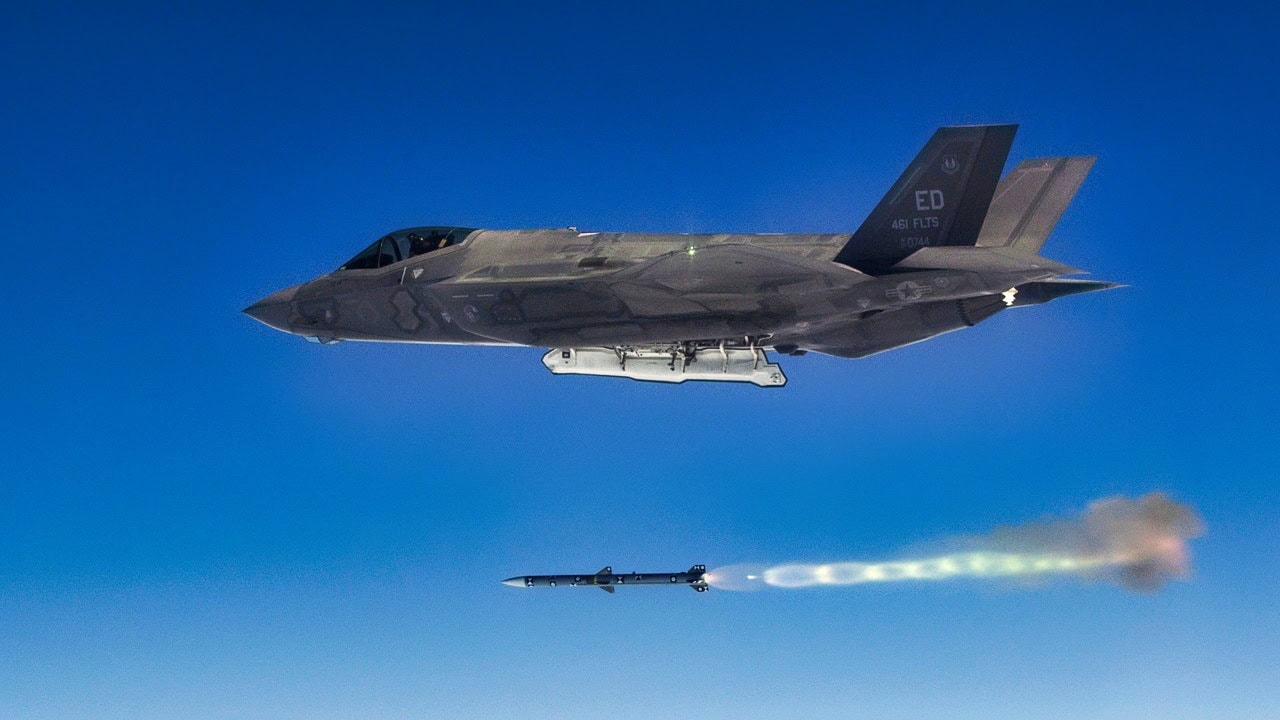
An Edwards AFB F-35A Lightning II fires an AIM-120 Advanced Medium-Range Air-to-Air Missile as part of Weapons Delivery Accuracy testing. The 461st Flight Test Squadron and F-35 Integrated Test Force completed WDA testing in early December, which concludes a large and important part of F-35 developmental test and evaluation. (Courtesy photo by Chad Bellay/Lockheed Martin)
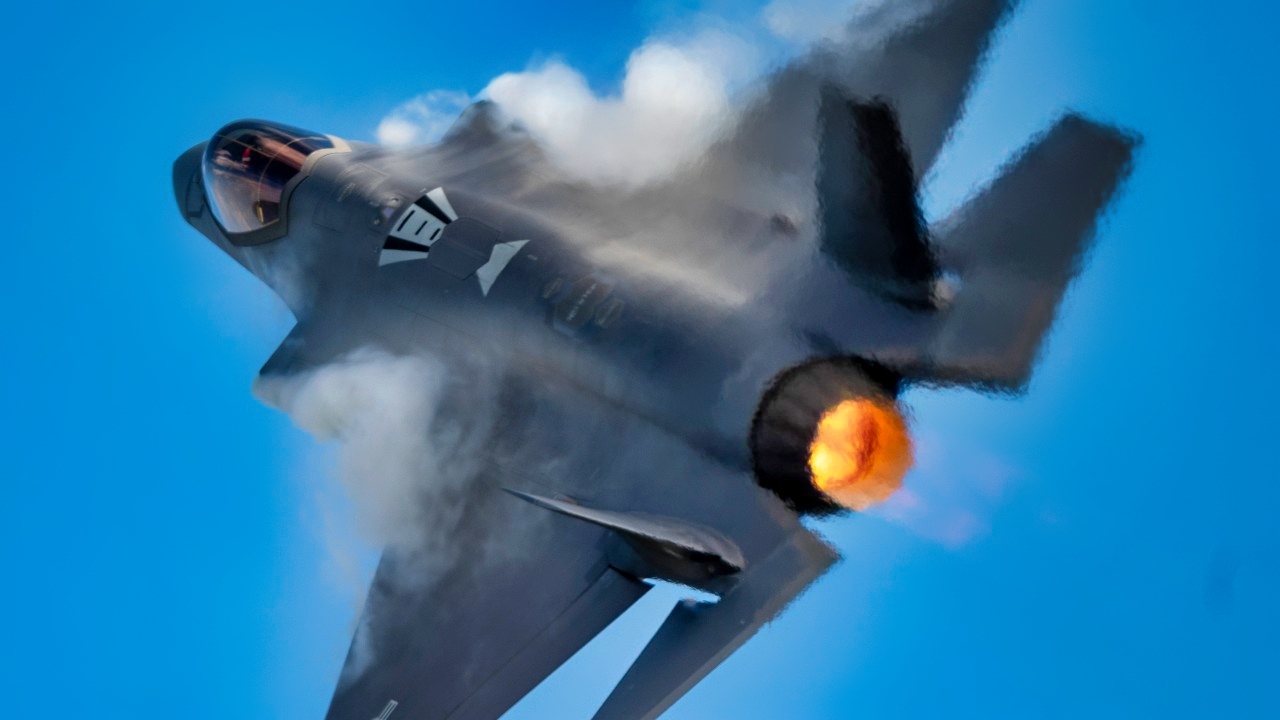
U.S. Air Force Maj. Melanie “Mach” Kluesner, the pilot for the F-35A Demonstration Team, performs aerial maneuvers in a USAF F-35A Lightning II during the practice day before the airshow at Jacksonville Naval Air Station, Florida, on 18 October, 2024. The practice day ensures that the team is able to safely and properly display the power, agility, and lethality of America’s 5th generation fighter jet. (U.S. Air Force photo by Senior Airman Nicholas Rupiper)
Integration is complex, requiring deep access to aircraft mission systems—which is why it is not universally available.
The Meteor’s effectiveness can be degraded by sophisticated electronic countermeasures, as with all radar-guided missiles, though its energy advantage helps mitigate this risk.
The Meteor Is Comparable to the Chinese PL-15 BVRAAM
The Chinese PL-15 missile was developed in 2011 and first fielded in 2016. It is an advanced version of the PL-12 BVRAAM, which can reach speeds of Mach 5. It boasts a maximum range of 200 km to 300 km, with various sources reporting different figures. The missile is equipped with a two-way datalink that enables guidance updates between the missile and the launching aircraft.
The missile features an active electronically scanned array radar and has a range comparable to that of the Russian R-37 missile. It is 4 meters long and incorporates a dual-thrust rocket motor, capable of Mach 4+ speed.
“The PL-15 effectively increases Chinese anti-access/area denial capability by targeting key ‘enabler’ targets, such as aerial refueling and AEW&C aircraft,” according to Tradoc’s website.
Justin Bronk wrote in a study for the Royal United Services Institute (RUSI) that the “PL-15 outranges the latest AIM-120D model” but isn’t more capable than the Meteor.
Bronk added that the PL-15 has “a comparable maximum range to the Meteor,” but he further observes that “the European weapon will likely retain a significantly larger no-escape zone and a much higher probability of kill beyond 100 km due to its ramjet propulsion system.”
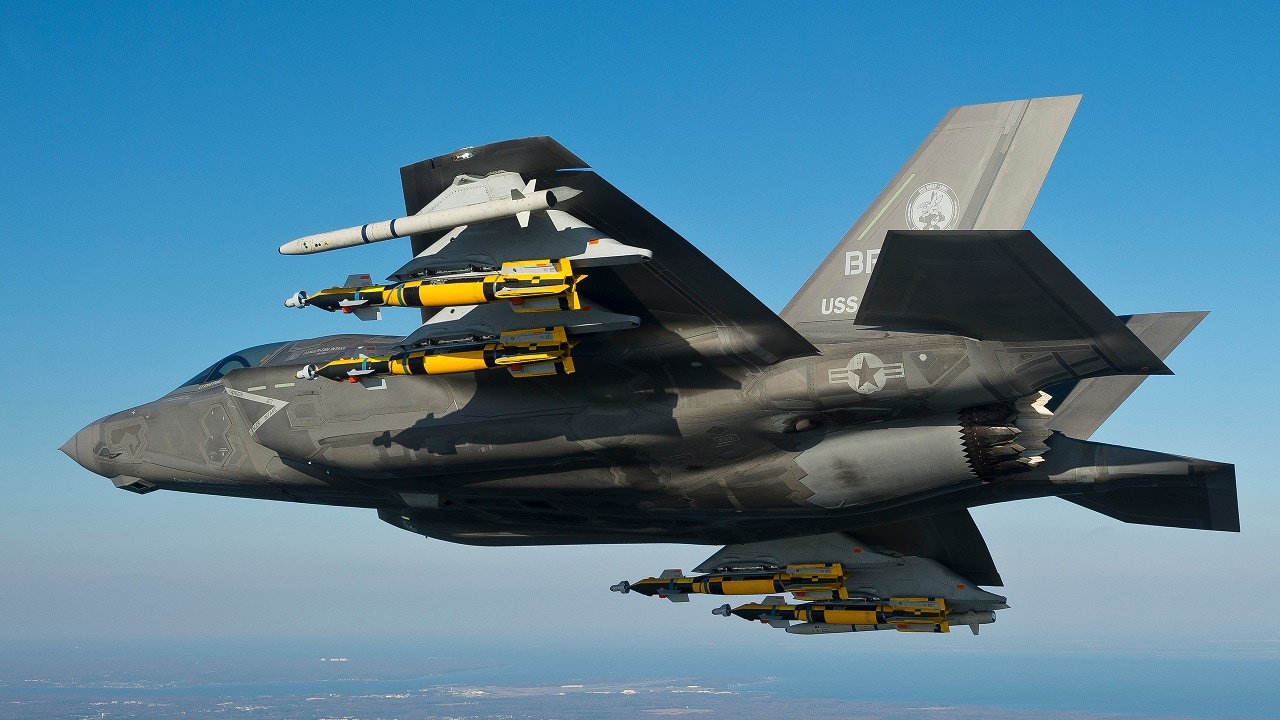
F-35 Joint Strike Fighter. Image Credit: Lockheed Martin.
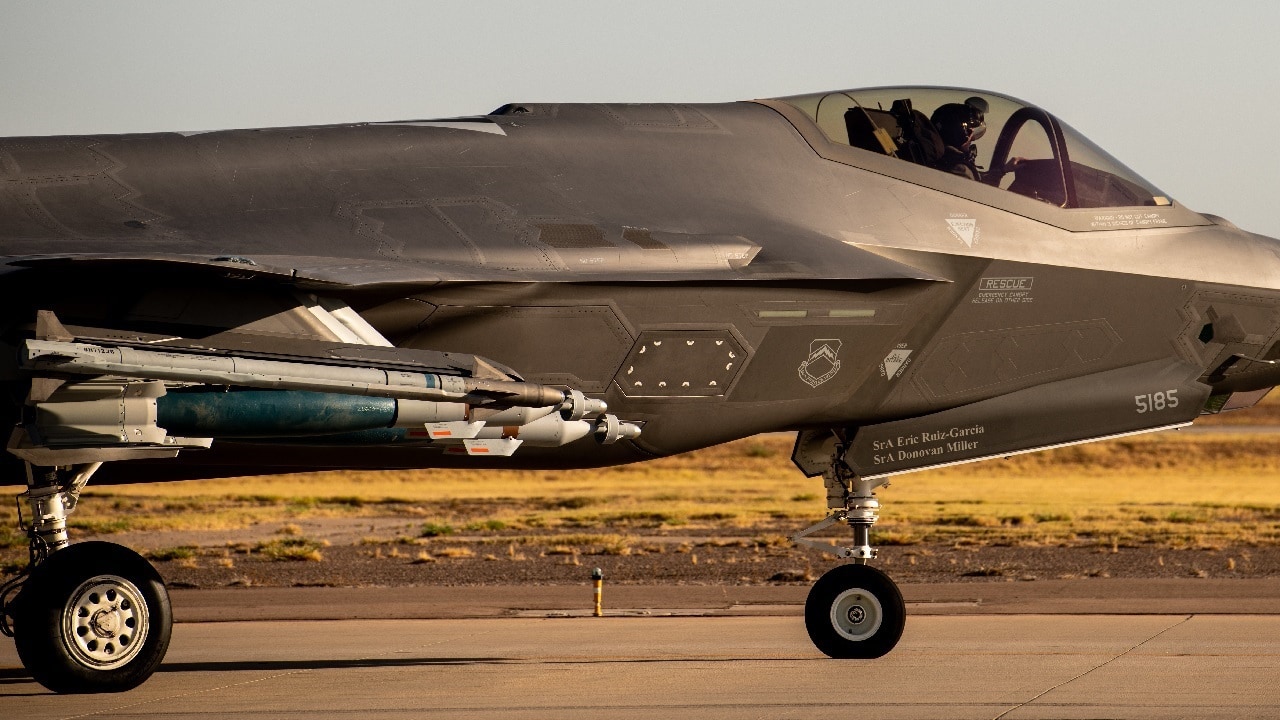
An F-35A Lightning II taxis down the flightline in a Beast Mode weapons configuration July 22, 2020, at Luke Air Force Base, Ariz. The weapons configuration consists of six inert GBU-12 bombs, four mounted onto the wings and two loaded into the weapons bay, as well as an AIM-9X air-to-air training missile. The Beast Mode weapons configuration provides F-35 B-Course student pilots with the additional training and experience needed for potential combat sorties and helps train the world’s greatest F-35 pilots and combat ready Airmen. (U.S. Air Force photo by Staff Sgt. Alexander Cook)
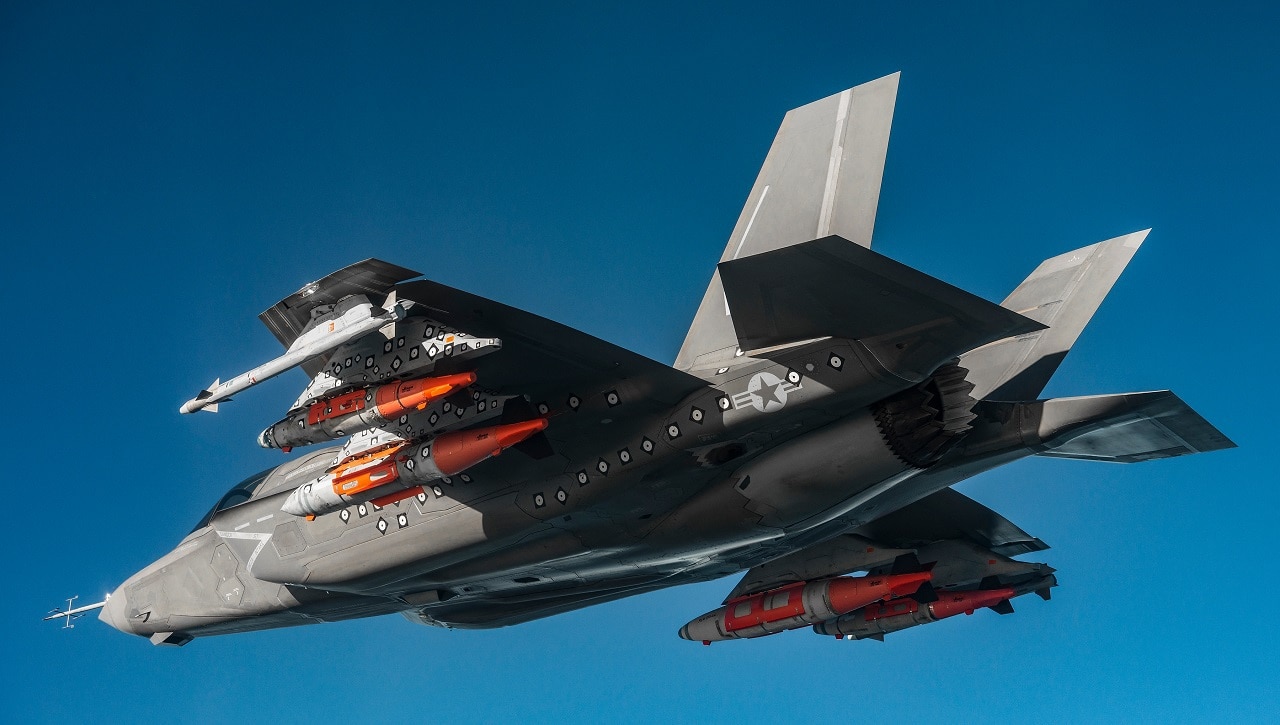
Beast Mode F-35 Fighter. Image Credit: Creative Commons.
What the Meteor Will Mean for The F-35
Integrating the Meteor BVRAAM on the F-35 is particularly significant because the stealth aircraft’s sensor fusion and data-sharing capabilities enable it to detect, track, and engage targets at greater distances while remaining difficult to detect.
“The F-35’s sensor suite, coupled with Meteor’s kinematics, will give the UK and Italian operator the operational advantage they expect from their choice of weapon system,” the F-35 Joint Program Office said.
“Combining the F-35’s sensor suite with the Meteor’s extended reach could reshape air combat tactics by allowing pilots to strike adversaries earlier in an engagement and from more tactically advantageous positions,” Interesting Engineering posted. It added that the Meteor was “Europe’s most feared missile.”
This integration will further boost the F-35’s broad appeal in international sales, making it even more versatile.
About the Author: Steve Balestrieri
Steve Balestrieri is a National Security Columnist. He served as a US Army Special Forces NCO and Warrant Officer. In addition to writing on defense, he covers the NFL for PatsFans.com and is a member of the Pro Football Writers of America (PFWA). His work was regularly featured in many military publications.