
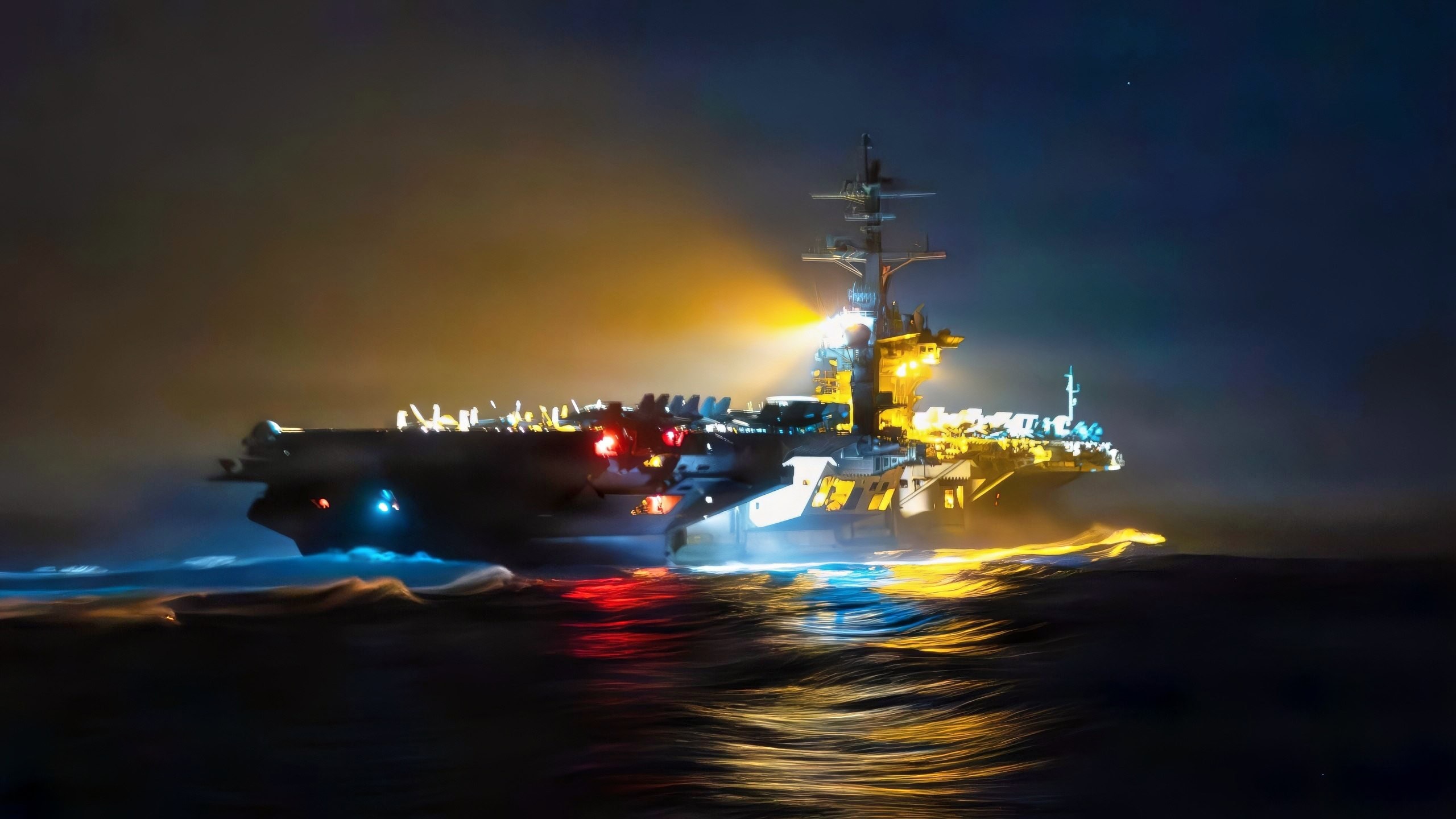
General Curtis LeMay’s theory that strategic bombing can win wars without ground troops is currently being tested by the massive U.S.-Israeli air campaign against Iran, which began on February 28, 2026.
While the campaign has achieved significant military objectives, including the decapitation of Iran’s top leadership, the elimination of its Air Force and much of the Navy, as well as the suppression of its air defenses, experts remain divided on whether overwhelming airpower alone can achieve the political objective of regime change.
LeMay’s Theory In World War II Was Not Successful
LeMay rose rapidly through the ranks during World War II, first in Europe and later in the Marianas. During the war in Europe, the Allies decided that the British and Americans would use a two-pronged approach to destroy Germany’s war machine.
The Americans would use “precision bombing” to attack during the day, and the British would use “carpet bombing” and attack German cities at night. And despite massive damage to German cities, the military industries were never seriously threatened. German aircraft production remained high through 1944.
And the firebombing of German cities, particularly Dresden, didn’t break the German people’s will to resist; in fact, it had the opposite effect. LeMay commanded the 305th Bomb Group over Europe and developed the concept of tight formation flying in mutually supportive “boxes” for Boeing B-17 Flying Fortresses in action over German-occupied Europe.
One could argue that the most effective bombing of Germany came not from the heavy American B-17s and B-24s or the British Lancasters, but from fighter-bombers targeting locomotives and rail intersections.
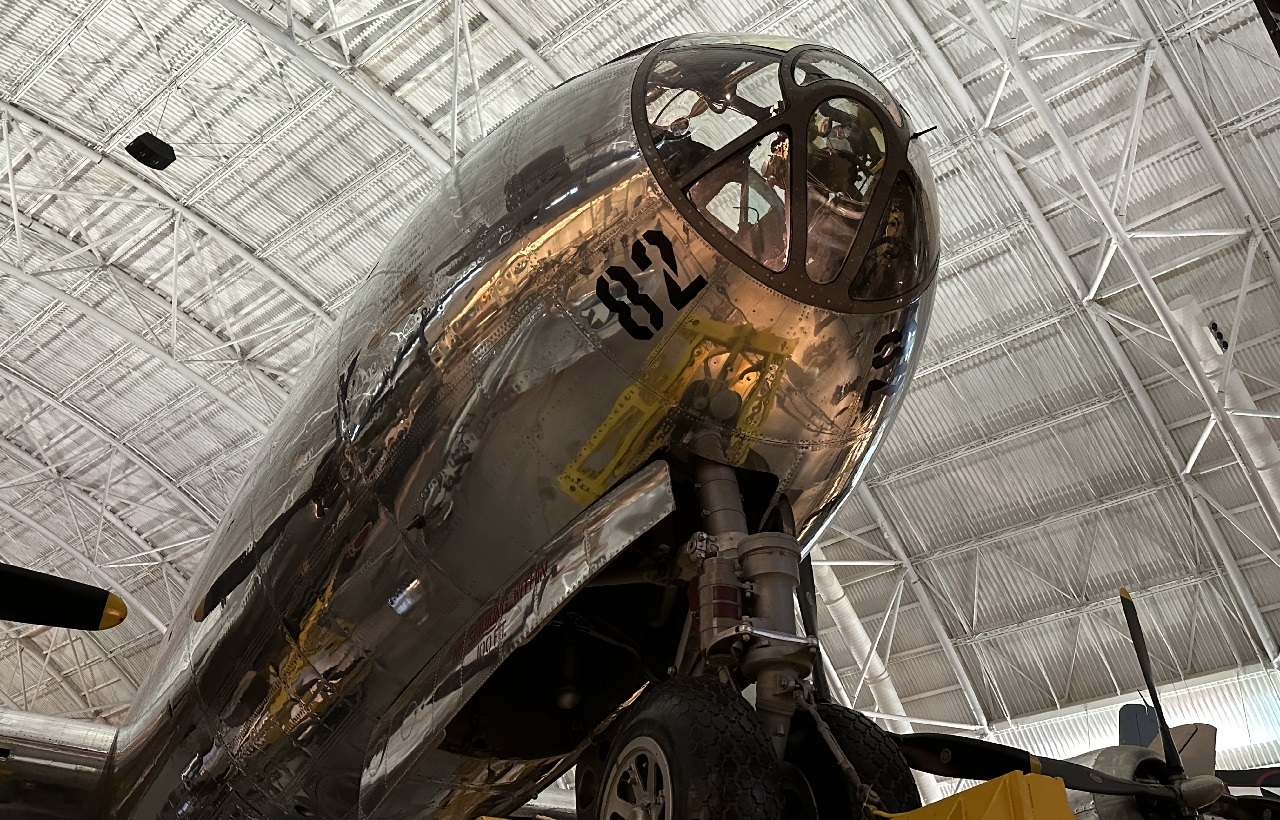
Enola Gay B-29 from World War II. The image was taken on October 1, 2022. Image Credit: 19FortyFive.com
LeMay was transferred to the Pacific in 1944, and once he took over the XXI Air Force Bomber Command, he attempted the same tactics to wipe out Japanese industry using the B-29 Superfortresses.
Flying at 30,000 feet, the jet stream disrupted the bombers’ accuracy, and none of the targets were ever seriously damaged. LeMay then decided on a controversial campaign switch—low-level fire bombing.
The Fire Bombing of Japan
LeMay’s B-29s, flying from Tinian and Guam, torched the wood and rice paper areas of Tokyo on March 10, 1945, creating a firestorm that killed between 80,000 and 200,000 people.
In the next few months, many more big Japanese cities were fire bombed, including Kobe, Nagoya, and Osaka. On some days, American firebombing raids targeted up to five different cities.
During July 1945, more than 150,000 tons of bombs hit more than 20 Japanese urban areas, resulting in 500,000 dead and 13 million left homeless. But despite the horrific losses of life and utter destruction, the Japanese will to resist remained strong, and it seemed that only a US invasion of the Japanese homeland would defeat Japan.
It was the atomic bombs that finally convinced the Emperor, not the military, to surrender unconditionally.
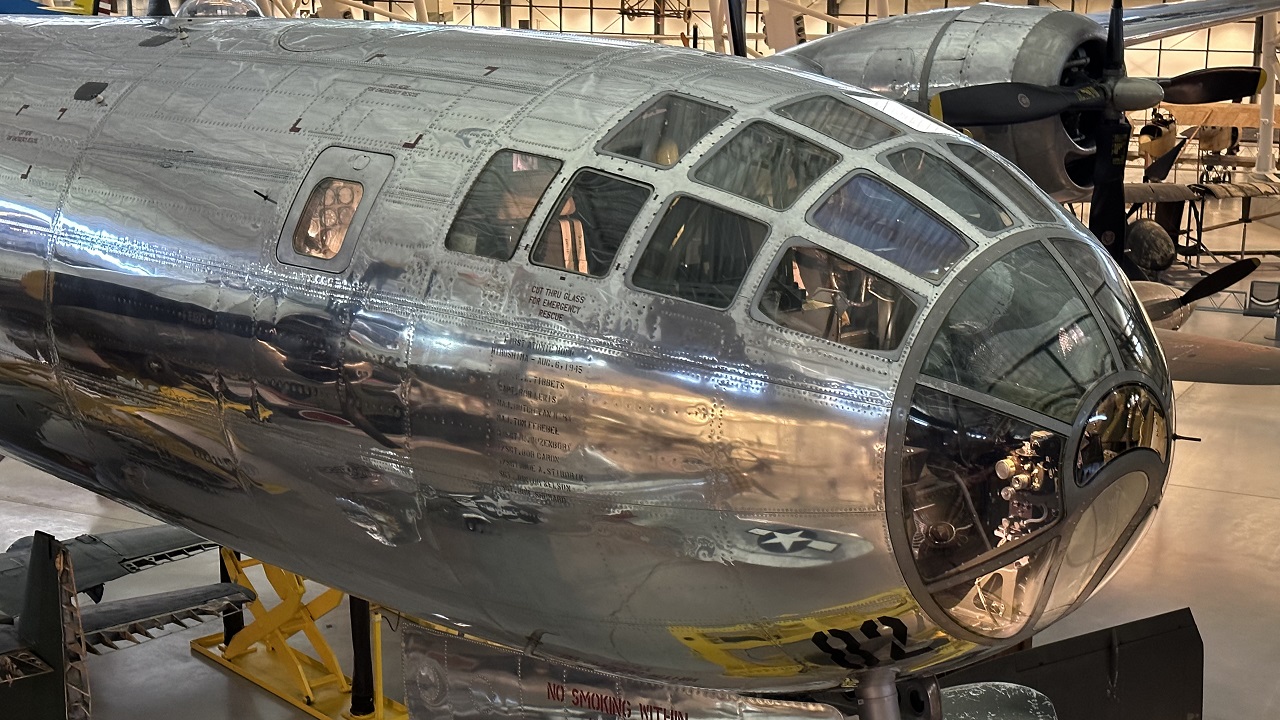
Enola Gay B-29 from World War II. The image was taken on October 1, 2022. Image Credit: 19FortyFive.com
Operation Epic Fury And The Limits Of Airpower
Today’s US Air Force has much more powerful and accurate weapons at its disposal. B-2 Spirit stealth bombers, B-1 Lancer supersonic bombers, B-52s, as well as F-35 stealth aircraft, and the Navy’s F/A-18s are a diverse and extremely effective force.
But again, despite the wholesale destruction of Iran’s defenses, its ballistic missile manufacturing facilities, and nearly all of its Air Force and Navy, the regime hasn’t collapsed, yet.
But the people and the regime are quite different than the WWII references. The Iranian people have no love for the regime and are ruled through fear and force. The only cards the regime has left to play are the threats against oil and gas tankers in the Strait of Hormuz.
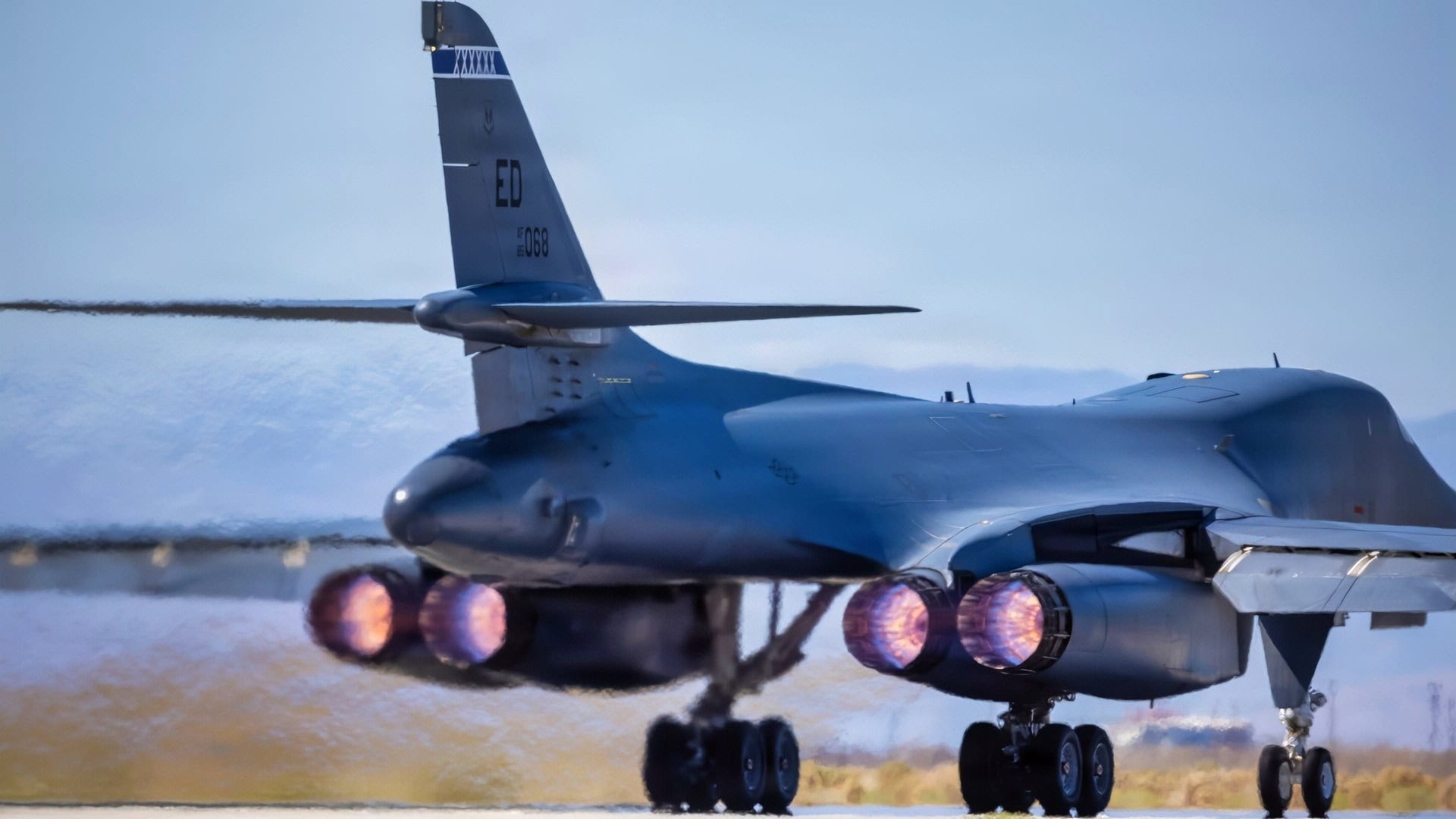
A B-1B Lancer departs for a test mission at Edwards Air Force Base, California on September 11, 2025. The supersonic multi-mission heavy bomber continues developmental testing with the 419th Flight Test Squadron to increase lethality across several domains. The aircraft is helping bridge advanced capability for Global Strike Command ahead of the B-21 Raider’s arrival. The 412th Test Wing at Edwards is the only installation to host all four USAF bomber aircraft. (U.S. Air Force photo by Todd Schannuth)
Iran’s attempt to get other Gulf nations to bring pressure on the United States and Israel to stop the air campaign, but attacking all of those countries, has backfired badly.
Strategic Bombing: In This Instance, It Is Not Solidifying The Country
Historically, strategic bombing has often produced national solidarity rather than rebellion, as populations tend to “close ranks” against external aggressors, even if they dislike their own leaders. This is what happened in Germany and Japan during World War II.
However, the Iranian people are not “closing ranks” with the regime. The US and Israel have been careful to attack IRGC targets and government heads, but not the Iranian people.
The people did rise against the regime in January, but security forces indiscriminately began to kill protesters, with the number of dead estimated to be over 30,000.
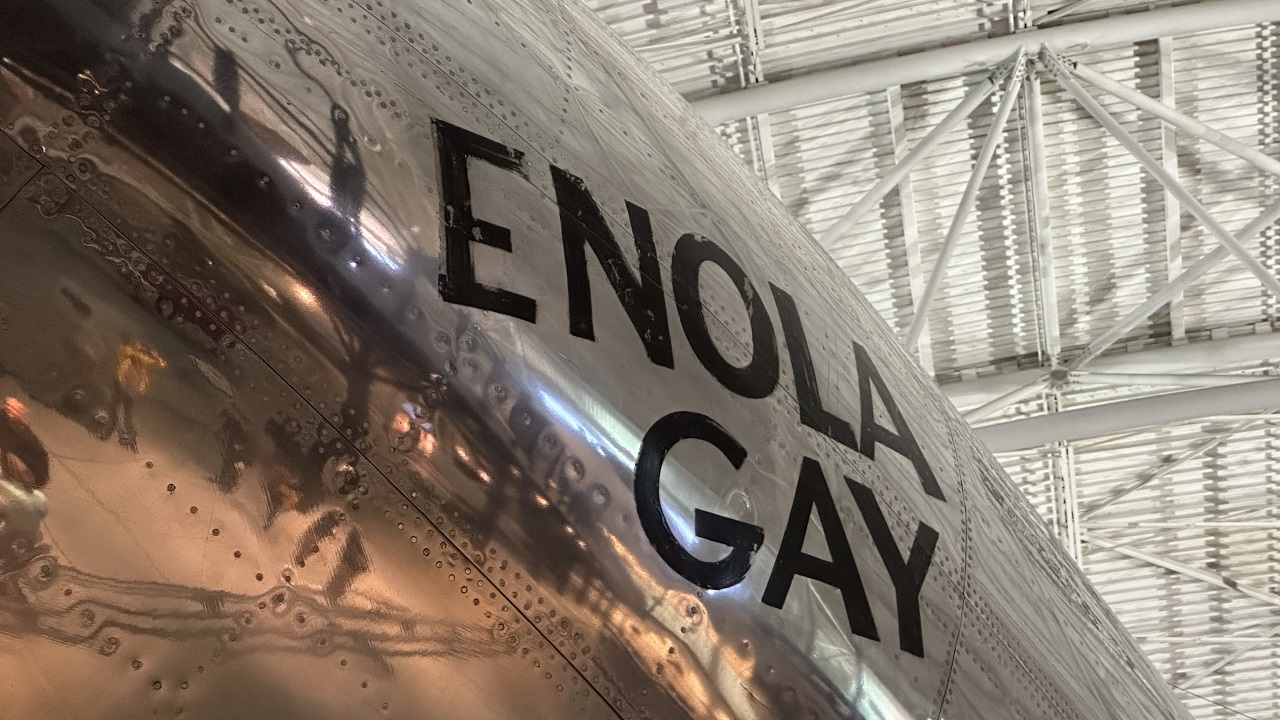
Enola Gay B-29. Image was taken on October 1, 2022. Image Credit: 19FortyFive.com
Will the bombing be enough to force regime change? Most experts say no. IRGC leaders are now taking to hiding among the civilian population to escape airstrikes, but Iran’s leadership is rudderless and in chaos currently.
There won’t be many regime leaders or military assets left in the next few weeks, so anything is possible.
About the Author: Steve Balestrieri
Steve Balestrieri is a National Security Columnist. He served as a US Army Special Forces NCO and Warrant Officer. In addition to writing on defense, he covers the NFL for PatsFans.com and is a member of the Pro Football Writers of America (PFWA). His work has been regularly featured in many military publications.