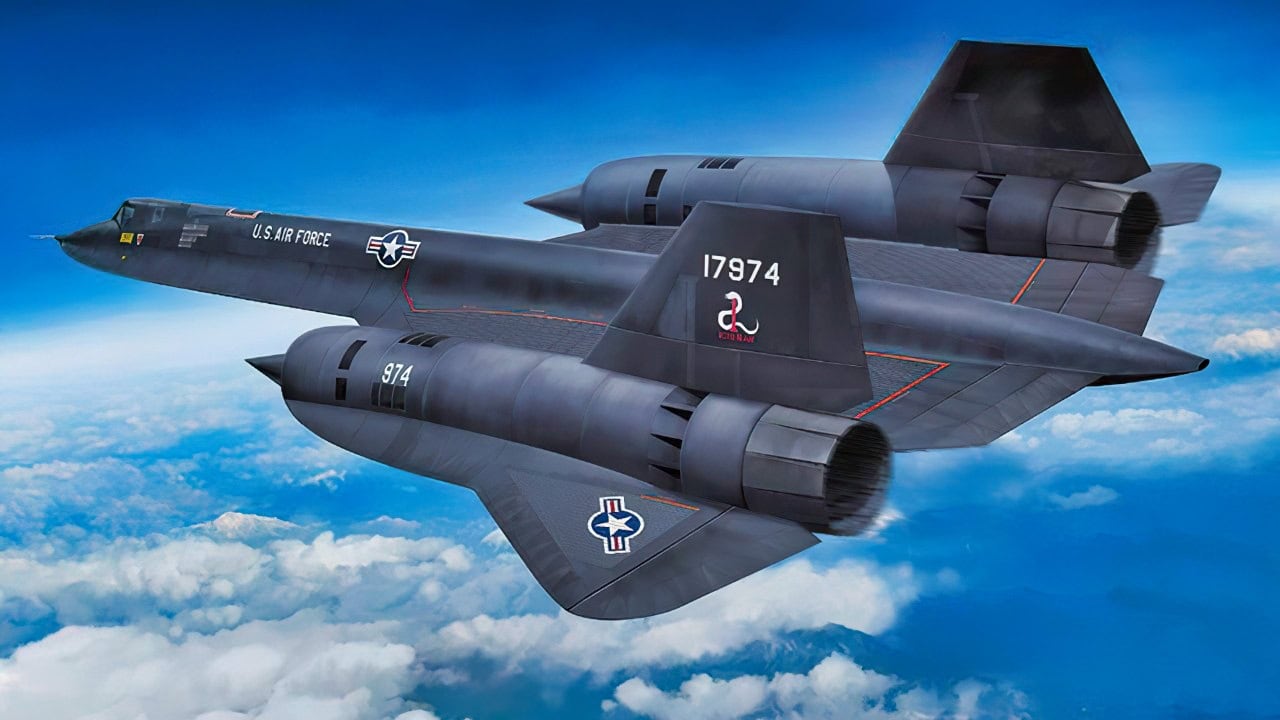
What You Need to Know: Sometime during the 1960s-1970s, during a classified strategic reconnaissance mission over the Soviet Pacific port city of Vladivostok, a Lockheed SR-71 Blackbird suffered an engine inlet “unstart” at approximately 83,000 feet while traveling at Mach 3 — triggering violent shockwaves that thrashed the aircraft sideways, drove deafening sonic booms through the 400-degree-Fahrenheit cockpit, and threatened to tear the Blackbird apart in Soviet airspace at the height of the Cold War.
The SR-71 Blackbird Is A Real Legend in Aviation
America’s SR-71 Blackbird remains unmatched in terms of its iconography and the records it broke.
Ever since it was retired decades ago, the United States has sought a replacement as useful and powerful as the SR-71. Finally, the Air Force is creating the SR-72 “Son of Blackbird.”
But this is decades after the SR-71 was retired. A Cold War-era superstar, the SR-71’s physics-defying, reputation-defining missions are legion.
What’s less well known are the many near-misses that the alien-looking plane experienced throughout its noble service to the United States in its fight against global communism.
A Mission Over Vladivostok Goes Horribly Wrong
Even though the Blackbird holds a strong place in the minds of many Americans today, decades after it stopped serving the country, specifics about key events in the Cold War-era spy plane’s incredible history remain murky.
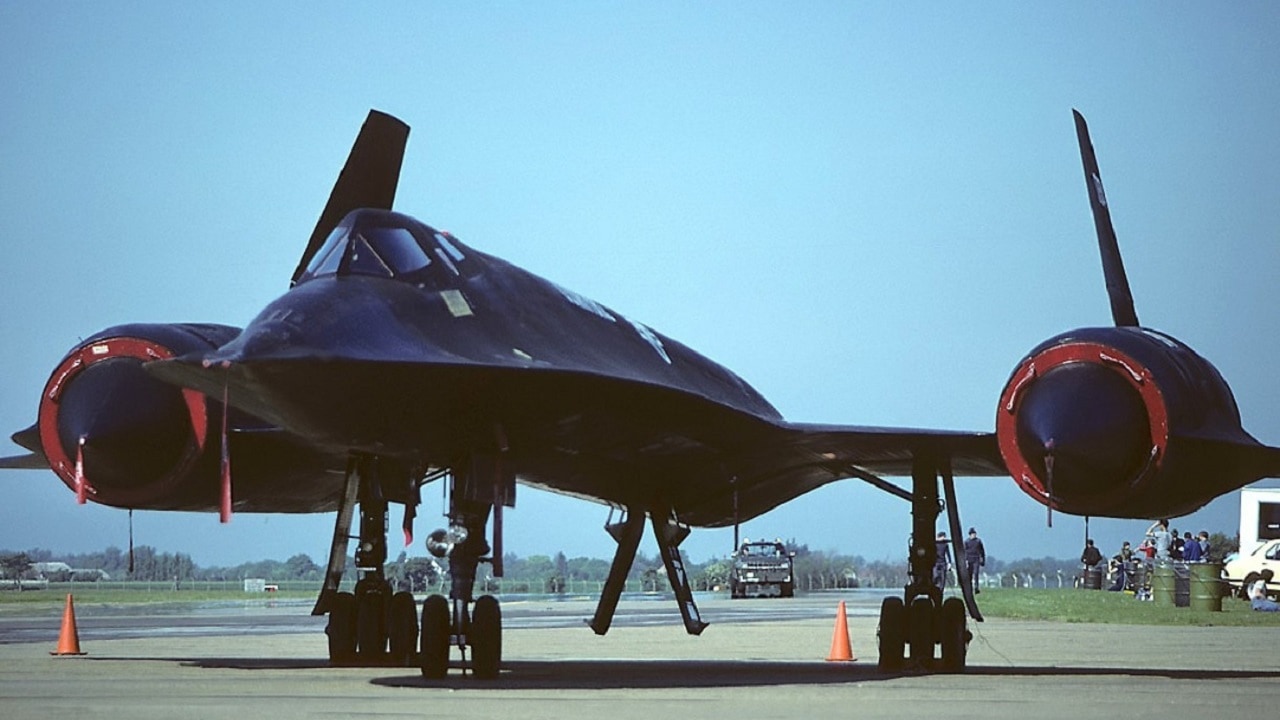
Image of SR-71 Spy Plane. Image Credit: Creative Commons.
There are many oral accounts from aging men who participated in the Blackbird program, but details such as specific dates and critical mission details remain highly classified.
According to a retired Reconnaissance Systems Officer (RSO) in 2021, one Blackbird accident has stayed with him for decades. At some point in the 1960s-70s, relatively early in the plane’s life, the Blackbird was conducting a reconnaissance mission over Vladivostok, the major Soviet port (now-day Russia) in the Pacific.
At Mach 3 and 83,000 Feet–Disaster Strikes
Speeding along at around 83,000 feet at Mach 3, the SR-71 lost one engine due to an inlet “unstart.”
Immediately, the pilot of the Blackbird sprang into action, knowing that failure to resolve the issue would lead to the destruction of this most important aircraft–over Soviet territory at the height of the Cold War–and result either in the capture of himself and his RSO or their grisly deaths in unfriendly skies.
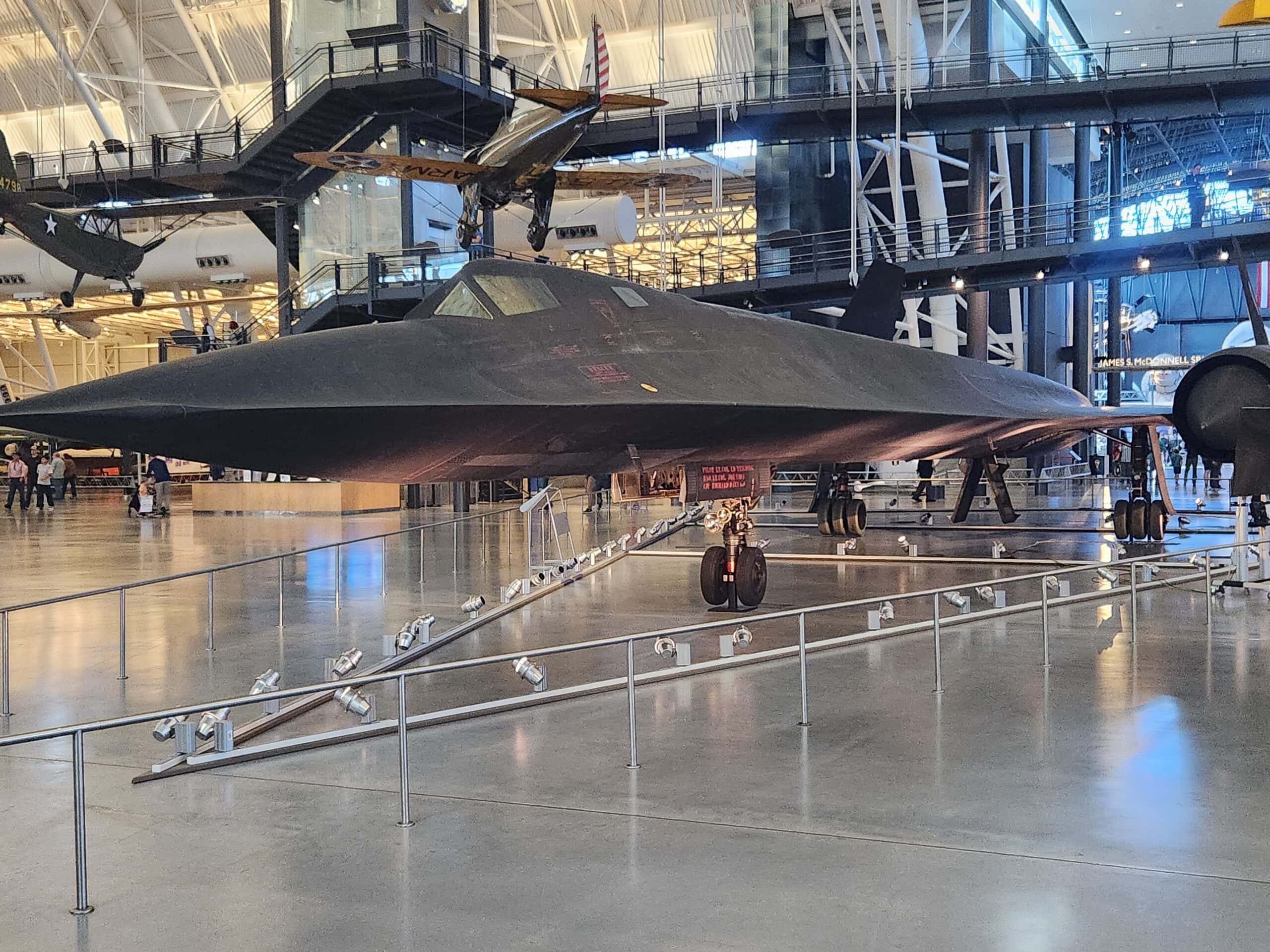
SR-71 from 19FortyFive.com original picture archive. Image taken at the Smithsonian.
So, the Blackbird pilot shut down the second engine to prevent what’s known as “catastrophic asymmetric thrust.”
That’s a very pilot way of saying the Blackbird was about to rip itself apart. By disengaging the last remaining engine, though, the Blackbird pilot had effectively left his bent SR-71 with zero thrust over Soviet territory (the Reds would have loved to have gotten even a piece of a downed SR-71 for study).
Eject or Die: Trying to Save the Aircraft
Immediately, the wounded Blackbird began a steep, uncontrolled descent, dropping tens of thousands of feet. The engine failure left the crew with two frightening options.
They could have either ejected over USSR territory (ensuring their capture) or attempted to repair the rapidly falling Blackbird before it crashed into the Soviet Union’s Far Eastern territories.
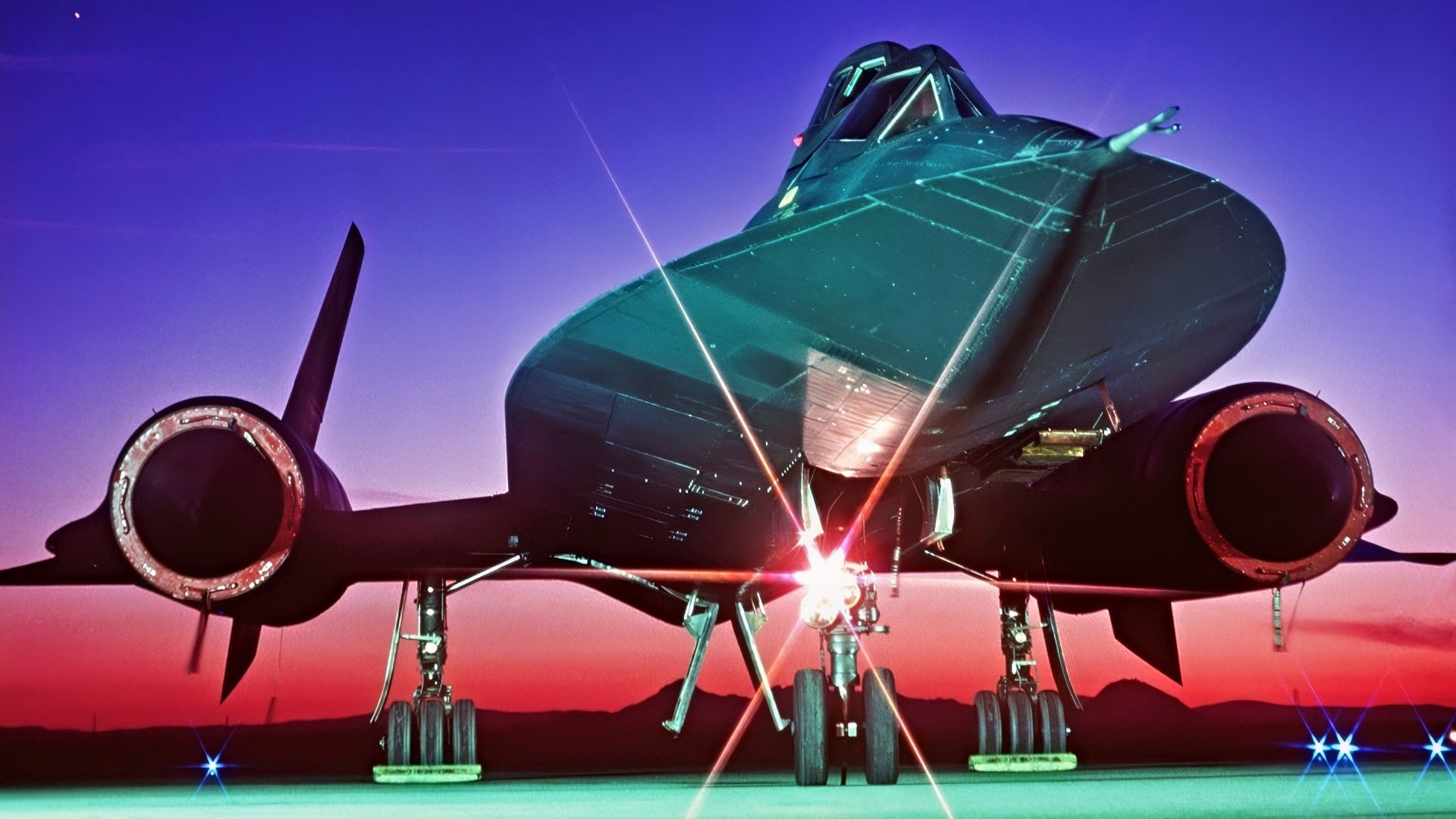
SR-71 Blackbird at Night. Image Credit: Creative Commons.
The US pilot and his RSO opted to remain in their crashing plane and attempt to recover it before it broke apart and killed them (or left them at the tender mercies of the Soviets).
One must take a moment to understand the insanity of remaining in a crashing Blackbird that, mere moments before the engine failure occurred, was cruising at altitudes near space at the incredible speed of Mach 3.
To go from that to spiraling out of control leaves little room–or even time–for the pilot and RSO to recover the plane. But neither the pilot nor RSO wanted to become the next Soviet trophy. They’d rather have died.
So, the two Americans committed to recovering the Blackbird.
Why Recovery Was Almost Impossible
Because of the altitude the SR-71 was operating at when its engine failed–around 83,000 feet–the air is too thin for normal flight dynamics.
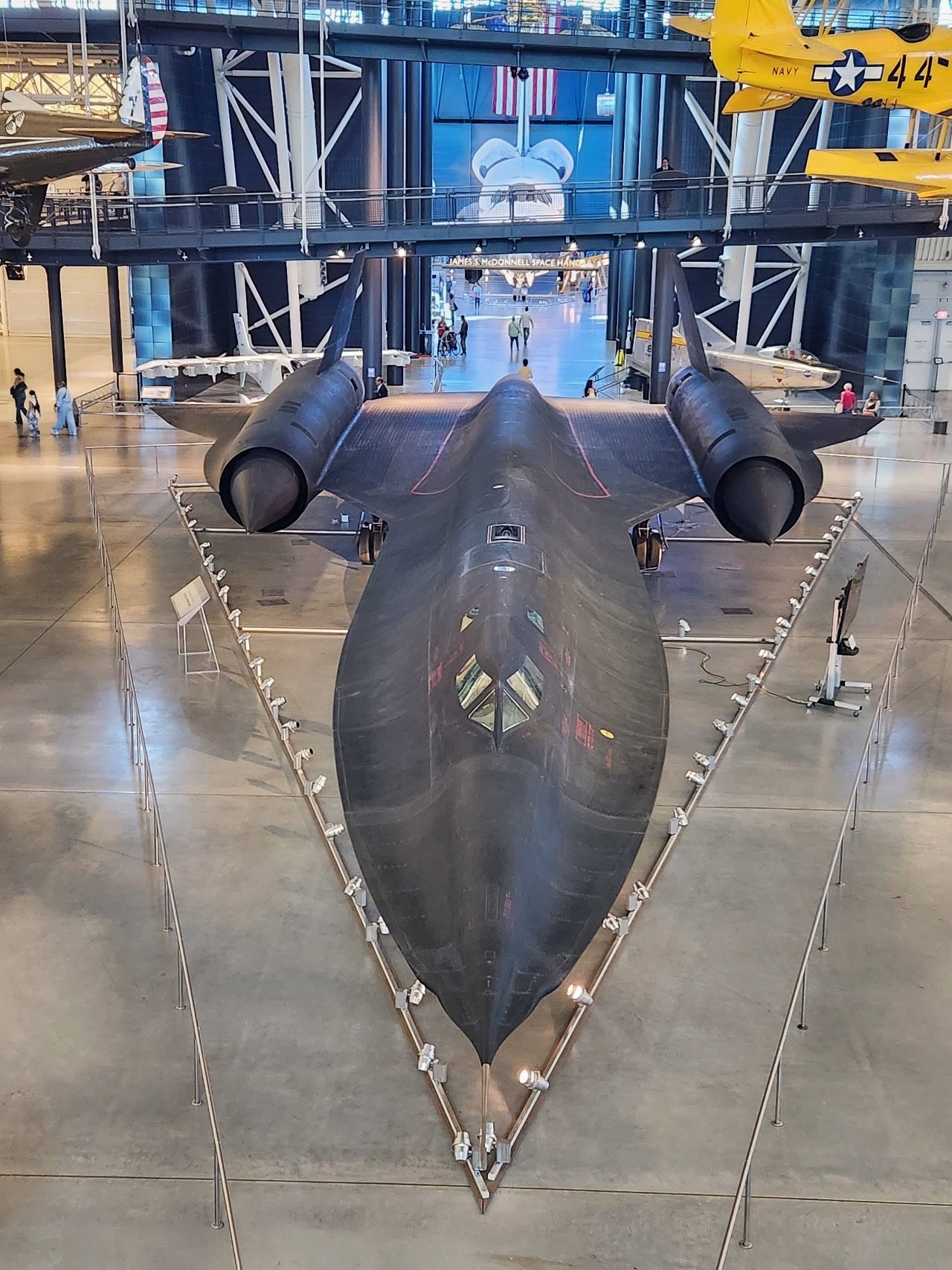
Longshot of SR-71. Image Credit: 19FortyFive.com
In other words, the usual steps a trained pilot would take to recover an aircraft that has lost its engines are not available to that pilot because of the thin air.
Plus, the SR-71’s unique engineering and the speeds it reached made attempting an engine restart (which was needed) not a straightforward task.
The physics of operating at near-hypersonic speeds made it nearly impossible to recover the crashing SR-71.
Inside the Blackbird’s “Unstart” Nightmare
Consider this: the SR-71 isn’t a typical plane that burns jet fuel. Its engines create shockwaves that the SR-71 rides—the engines within a shockwave in the inlet. If the shockwave moves away from the engine, the engine instantly loses airflow, the afterburner could blow out, and thrust collapses.
Hence, the term “unstart.”
What the pilot and his RSO were feeling the moment the “unstart” occurred was a nightmarish ordeal.
As soon as the engine failed, the plane let out a violent sideways kick.
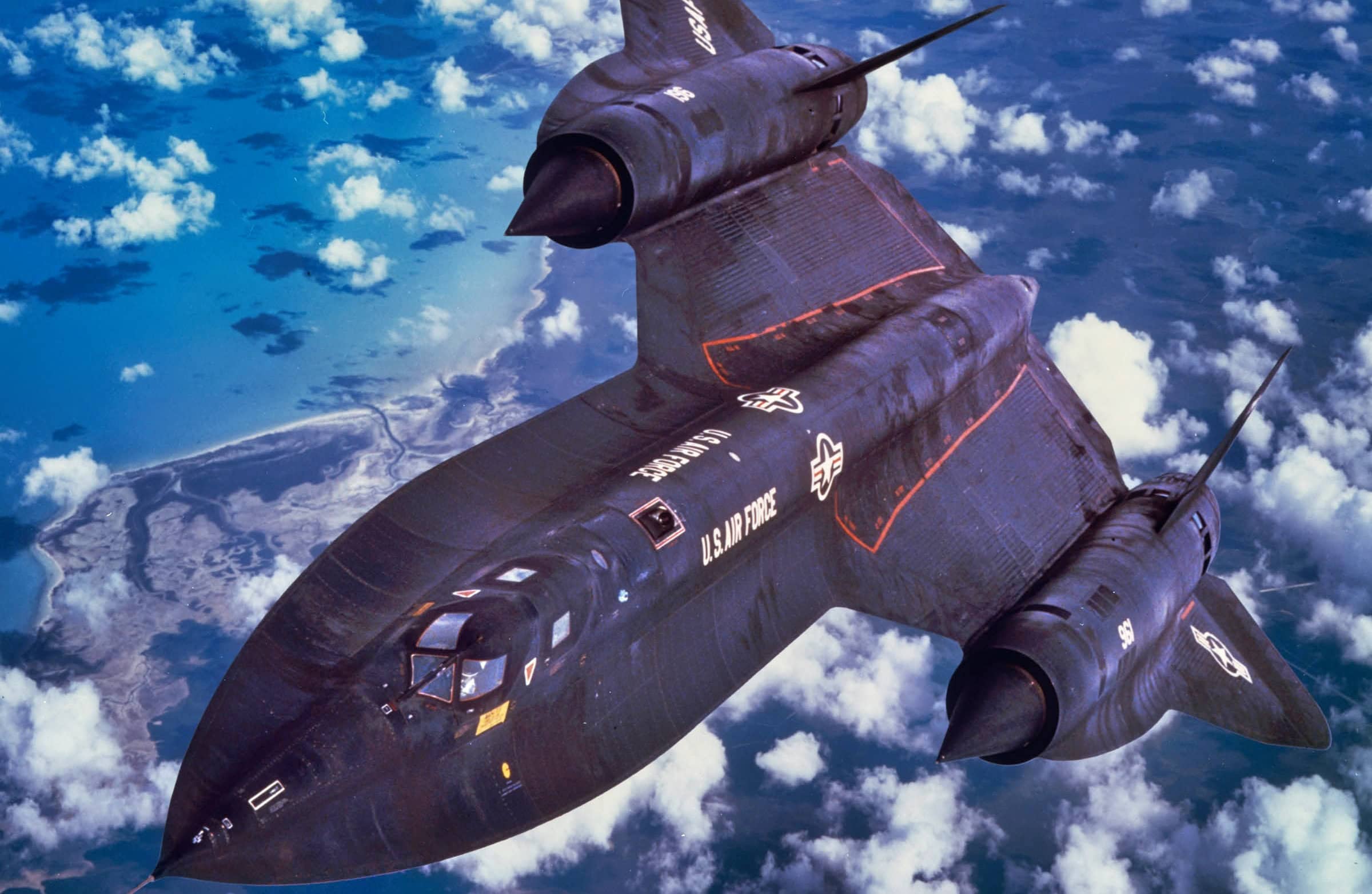
SR-71 Blackbird. Image Credit: Creative Commons.
Defeaning bangs resounded throughout the plane as the loose shockwave thrashed it. The superheated cockpit (yes, while traveling at near-hypersonic speeds, the entire plane’s exterior would be enveloped in a sheet of plasma that heated the cockpit to more than 400 degrees Fahrenheit) was shaking so hard that the pilot and his RSO hit the canopy.
When one engine fails at these speeds and the other remains operational, the plane essentially goes from riding the shockwave to being thrown about by it at 83,000 feet. That can trigger what’s known as a sympathetic stall in the second engine.
That is why the pilot shut down the second, functional engine.
To preserve the overall functionality of that engine while preventing the plane from being hit by both shockwaves that would have undoubtedly obliterated the Blackbird flying over Vladivostok.
The Blackbird Survives–Barely
The SR-71 wasn’t a plane as we think of it.
The Blackbird was an agent of barely controlled chaos that operated at the edge of physics, where America’s enemies couldn’t touch it.
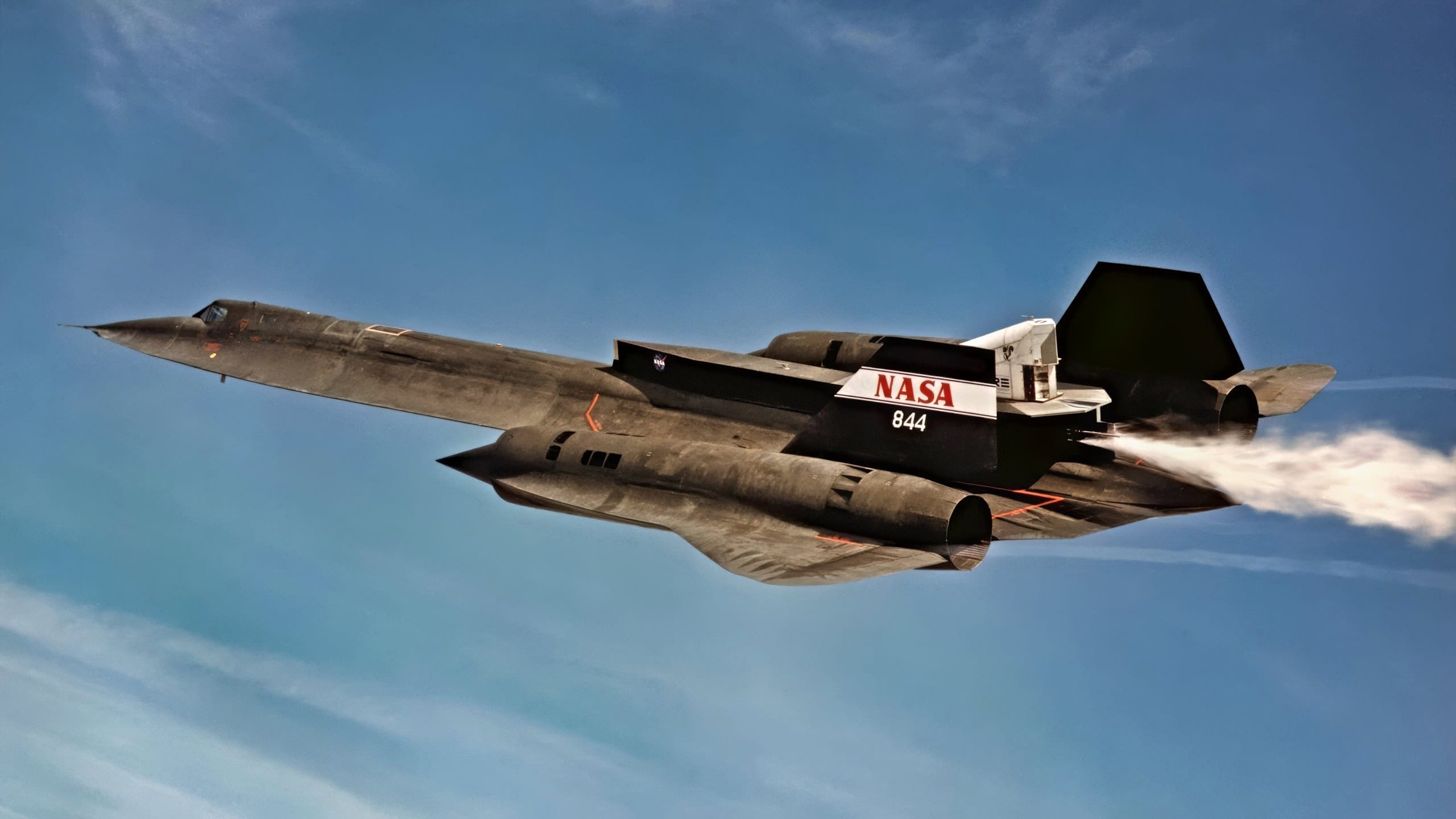
SR-71 Blackbird with NASA
But the same design that made the Blackbird untouchable also ensured that it could destroy itself and kill its own crew. In fact, the Soviets could never threaten the crews on board the Blackbird the way the Blackbird itself could threaten them.
Despite this, the pilot and his RSO recovered the plane, diverted to South Korea for repairs, and ensured that the Blackbird program did not suffer a serious failure.
About the Author: Brandon J. Weichert
Brandon J. Weichert is the Senior National Security Editor at 19FortyFive.com. Recently, Weichert became the editor of the “NatSec Guy” section at Emerald. TV. He was previously the senior national security editor at The National Interest. Weichert hosts The National Security Hour on iHeartRadio, where he discusses national security policy every Wednesday at 8 pm Eastern. He hosts a companion show on Rumble entitled “National Security Talk.” Weichert consults regularly with various government institutions and private organizations on geopolitical issues. His writings have appeared in numerous publications, among them Popular Mechanics, National Review, MSN, and The American Spectator. And his books include Winning Space: How America Remains a Superpower, Biohacked: China’s Race to Control Life, and The Shadow War: Iran’s Quest for Supremacy. Weichert’s newest book, A Disaster of Our Own Making: How the West Lost Ukraine, is available for purchase at any bookstore. Follow him via Twitter/X @WeTheBrandon.