
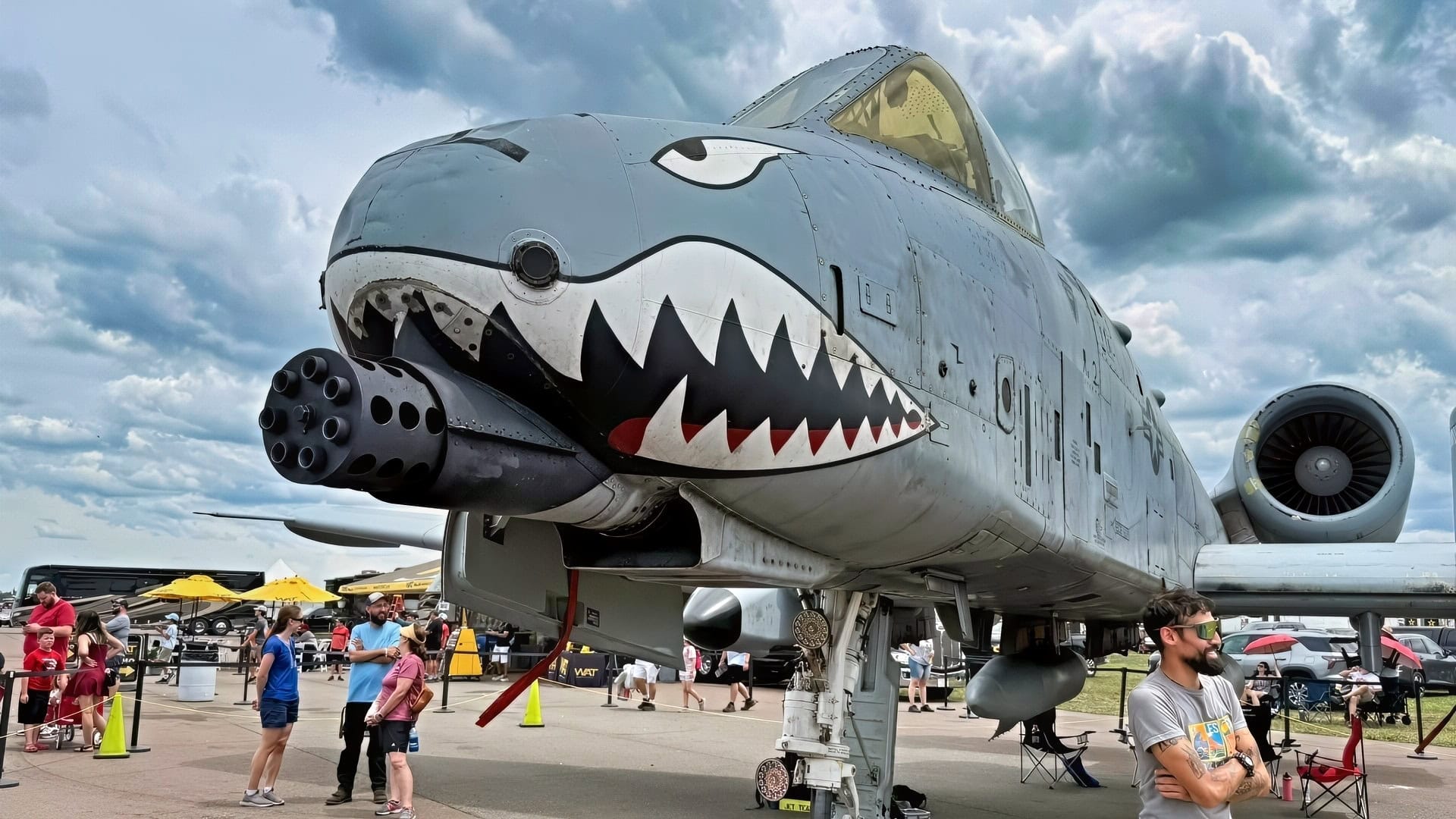
The Iran War Could Reboot Soon: With the two-week ceasefire announced earlier this month due to expire on Wednesday, April 22, both Washington and Tehran are still signaling very different ideas of what a permanent settlement would look like. Pakistan is once again trying to mediate, following earlier failed negotiations, with Islamabad now preparing for another possible round of talks involving senior U.S. officials, including Vice President JD Vance. And while it’s hard to say precisely what unfolds over the next two days, it’s certainly true that the U.S. retains multiple options should the bombing continue.
The Iran War Starts Again on Wednesday
Asked on Monday what would happen if the ceasefire expires without a deal, President Donald Trump made it clear that the war would resume. “Then lots of bombs start going off,” the president said.
While there could be additional measures designed to strangle Iran economically, the current Strait of Hormuz blockade is already serving its purpose well. Military options seem far more likely, with some far more escalatory than others.
Is Kharg Island Next?
If Trump wants to hit Iran quickly without launching a mainland invasion, Kharg Island stands out as an obvious choice. The island, roughly 19 miles off the Iranian mainland coast to the northwest of the Strait of Hormuz, handles the overwhelming majority of Iran’s crude exports, making it one of the regime’s most valuable strategic assets.
The fact that Kharg Island is nowhere near as defended as it needs to be is a problem for Iran, given that the regime’s main source of income comes from oil. That’s why the current blockade is working, and why taking control of Kharg Island would be such a huge blow. Without it, Tehran loses the revenue needed for salaries, evasion of sanctions networks, and more.
Trump would have several options short of occupation, too. The U.S. could strike loading jetties and pumping stations, or perhaps destroy storage tanks. U.S. forces could also use drones and naval airpower to make tanker traffic completely impossible. A more aggressive step would be a temporary seizure by Marines or special operations forces, turning Kharg into direct leverage during negotiations – assuming they continue.
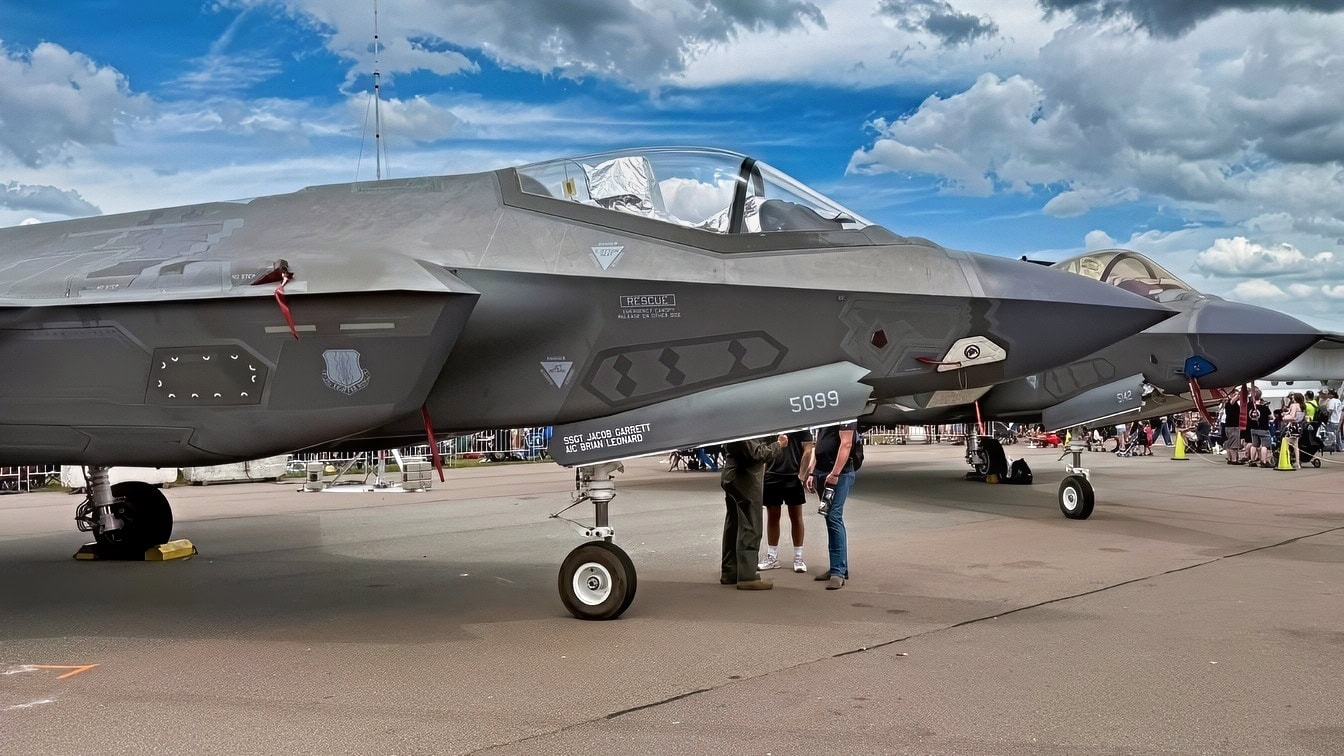
F-35C Lakeland Airshow 19FortyFive.com Image
Any of these measures would be a major escalation and would invite retaliation against Gulf shipping and U.S. naval forces – but if Trump wants immediate pressure rather than another week or month of diplomacy, few targets would bite harder than this.
Trump Follows Through On Bridge and Power Plant Threats
President Trump has already publicly announced his plans if Iran doesn’t make a deal. Speaking at a news conference earlier this month, President Trump said that Iran could be “taken out” in a single night of strikes, vowing to destroy Iranian bridges and power plants.
In a Truth Social post on April 19, the president also noted that Iran “decided to fire bullets yesterday in the Strait of Hormuz,” describing it as a violation of the ceasefire and promising to “do what has to be done” if a deal isn’t made.
“We’re offering a very fair and reasonable DEAL, and I hope they take it because, if they don’t, the United States is going to knock out every single Power Plant, and every single Bridge, in Iran,” Trump wrote. “NO MORE MR. NICE GUY! They’ll come down fast, they’ll come down easy and, if they don’t take the DEAL, it will be my Honor to do what has to be done, which should have been done to Iran, by other Presidents, for the last 47 years. IT’S TIME FOR THE IRAN KILLING MACHINE TO END!”
The next stage of the war, if Trump fulfills his promise, could become an infrastructure campaign designed to make the Iranian state harder to run. That may be more conducive to regime change – perhaps – but it would also disrupt the lives of tens of millions of innocent Iranians. Bridges move traffic – not just military traffic, but civilian vehicles, too. Destroying them would make it harder to move military assets, but it would also affect commerce and emergency services. Power plants, meanwhile, support industry, communications, water systems, transport, and more. Fuel depots, should he target those, would also disrupt railways, substations, and more.
In other words, Trump could theoretically bring the country to its knees, but it would likely result in international condemnation, some legal scrutiny, and the possibility of continued resistance from the regime even in the face of immense suffering among its civilian population.
The Naval War Could Expand Dramatically
The United States imposed a blockade on traffic to and from Iranian ports on April 13, and that remains in effect. But if Trump restarts the war, he could simply widen that campaign to increase pressure on the Iranian regime.
That would likely mean more ship interdictions – like the April 19 seizing of the Iranian-flagged cargo vessel Touska, which was believed to be carrying dual-use items that could be used by the military.

Littoral Combat Ship from Fleet Week 2025. Image Credit: Stephen Silver/19FortyFive.com

USS Billings Littoral Combat Ship 2025 Fleet Week. Image by Stephen Silver for 19FortyFive.com
We could soon see more seizures and inspections, or even direct attacks on IRGC Navy fast boats – what’s left of them – and coastal missile batteries threatening shipping lanes. Bandar Abbas and other Iranian port infrastructure could also face sustained pressure.
Those measures are perfectly likely and, in fact, probable. They would fit Trump’s existing argument that Iran cannot be allowed to use the Strait of Hormuz as leverage over the global economy. Such a move would also place further pressure on Tehran without immediately requiring deeper strikes that could impact civilian life in extreme ways.
Hunting Iran’s Missile and Drone Network
Another plausible option would be renewed strikes on Iran’s remaining missile and drone force. Strikes like this would be necessary, given reports that Iran is now replenishing launchers at a higher rate than before the war.
That would give Trump an immediate rationale for restarting operations – not that he needs another. He could argue Iran is using the ceasefire to rebuild the very systems Washington and Israel had tried to suppress.
This kind of campaign would likely focus on mobile launchers (when possible), underground storage sites, command nodes, radar systems, and production facilities. It would require persistent surveillance, intelligence collection, and repeated precision strikes rather than a one-night bombardment.
It may also be the most politically defensible option. Unlike seizing territory or collapsing civilian infrastructure, targeting missiles and drones can be pitched as a direct continuation of the original war aim: reducing Iran’s ability to strike neighbors and U.S. forces.
If talks fail this week, Trump’s options are: hit oil, hit infrastructure, tighten the blockade, or resume the hunt for Iran’s remaining missile arsenal.
About the Author: Jack Buckby
Jack Buckby is a British researcher and analyst specializing in defense and national security, based in New York. His work focuses on military capability, procurement, and strategic competition, producing and editing analysis for policy and defense audiences. He brings extensive editorial experience, with a career output spanning over 1,000 articles at 19FortyFive and National Security Journal, and has previously authored books and papers on extremism and deradicalization.