
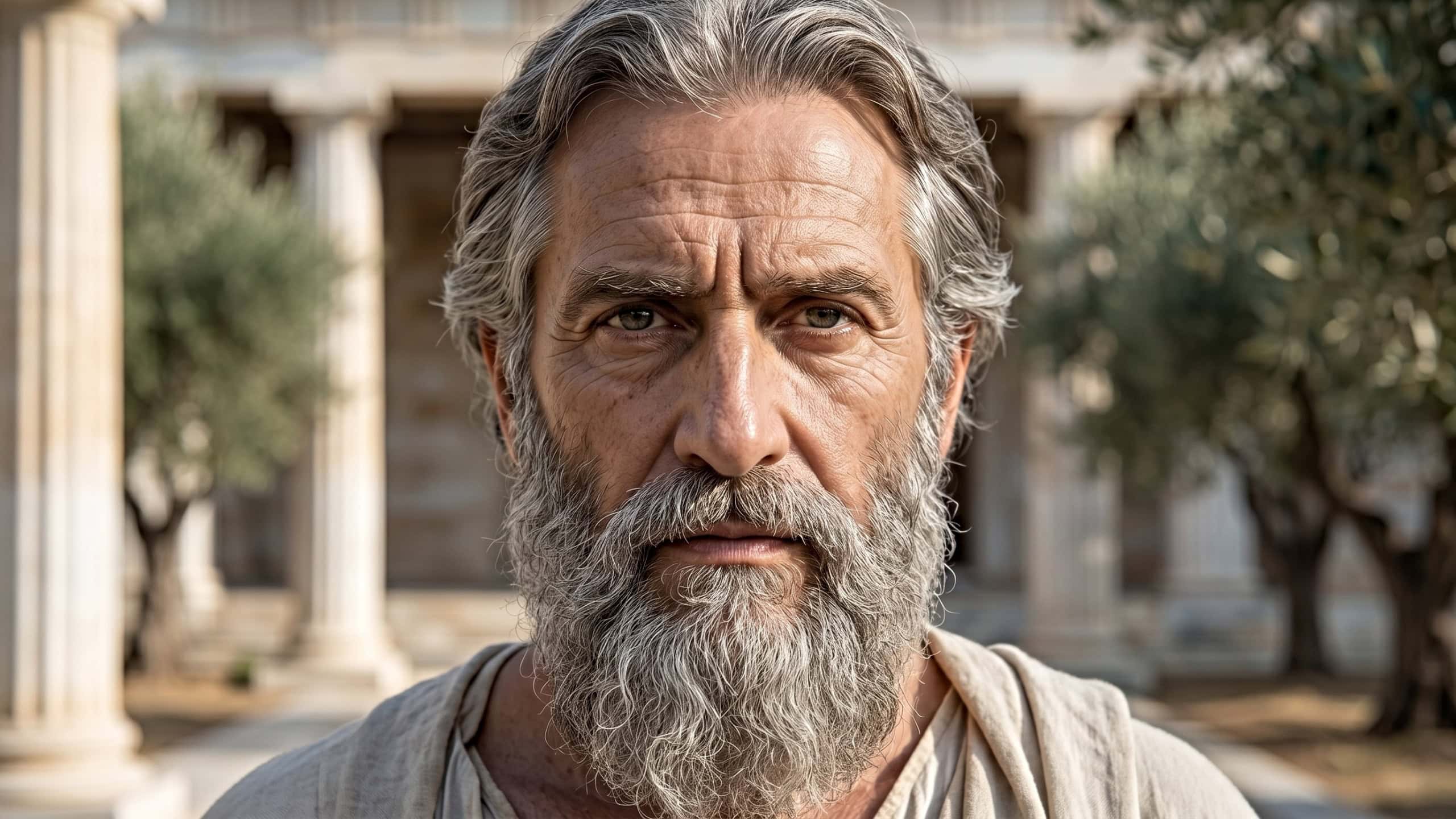
“When the tyrant has disposed of foreign enemies by conquest or treaty, and there is nothing more to fear from them, then he is always stirring up some war or other, in order that the people may require a leader.” – Plato
Plato: What Makes Him Great
This quote is from Plato’s Republic. It is taken from Book Eight of the classic. According to Plato, a tyrant is always a leader who creates trouble for the citizenry. This chaos convinces people that they need a leader to help them through the difficult crisis. The tyrant wants people to suffer. If there is a time of peace and prosperity, the tyrant seeks to create a situation in which those who are ruled must endure fraught times. The people are thus convinced that only one ruler can lead them back to a more stable period.
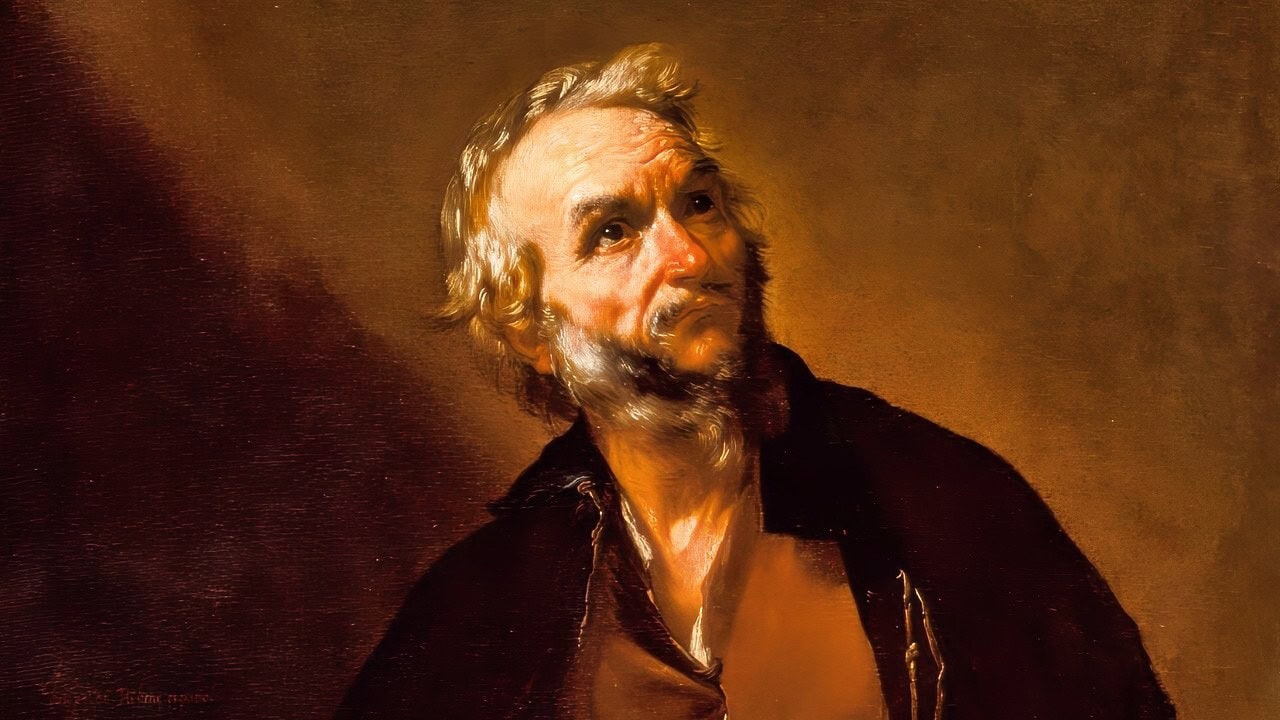
Plato. Image Credit: Creative Commons.
The Tyrant as Enemy of the People
The tyrant thinks he or she is better than all others. “All a tyrant ever wants is to be deemed superior and be the power authority over others. And in order to do that, a tyrant must be selfish and callous about his actions, according to Brainly.
The Early Days and Plato’s Experience With Tyranny
Plato lived from 427 to 347 B.C.E. He was born into wealth and privilege. Plato knew tyranny firsthand as his uncle was one of the “Thirty Tyrants” who deposed the leaders of Athens in 404 B.C.E.
Socrates mentored Plato, and he later taught Aristotle in ancient Greece. Socrates is often the main protagonist in Plato’s writings.
It Was a Nickname
Plato had a stepfather who was a close friend of Pericles. Plato was originally named Aristocles, and “Plato” was a nickname that meant “platos” in ancient Greek. This might have been because Plato had a thick build honed by wrestling, or because he had a large head.
Plato’s Exploration of the Ancient World
Plato began to change his life once Socrates died. He relocated to Megara and became a world traveler, visiting Italy, Sicily, and Egypt. This study of different cultures influenced his later writings.
Politically Repressed
The philosopher became a tutor to Dion, a relative of Dionysius I. Plato later fell out with Dionysius I, and the tyrant tried to have Plato sold into slavery. One could surmise that this was the beginning of Plato’s criticism of tyrants in his work.
The Earliest University
Plato returned home to escape slavery and founded a school called the “Academy,” from which we get the word “academic.” The school was just outside the walls of Athens near the garden of Academus. Plato would make this his home for the rest of his days.
But Plato became restless and bored. He wanted to visit Sicily again. Dionysius II had taken over the throne there. Plato again fell out of favor with the leader, and Plato was placed under house arrest. Despite their enmity, Plato was able to negotiate his release and returned to Athens.
Plato Learns About Tyranny Again
Once his fame and reputation grew, Dionysius II wanted him back in Syracuse. Plato, sensing it was some kind of trap, refused to go back. The tyrant did not give up. He sent a ship to take Plato to Syracuse. Dionysius II was still out for revenge. Plato eventually boarded the ship to return, and Dionysius II placed him under house arrest again. Plato was able to escape this imprisonment.
By then, Plato was disgusted by politics and the tyrannical rulers that he dealt with in life. He returned to the academy and died 13 years later.
The Emergence of the Dialogue in Philosophy
He originally wrote tragedies, but later, after listening to Socrates, he was inspired to write dialogues and epigrams instead. Epigrams were poems usually associated with the funerals of important figures in ancient Greece. Some were love poems to various people with whom Plato was enamored.
The Socratic Method
But he is mostly known for his dialogues featuring Socrates. Socrates used the question-and-answer practice when teaching, which later became known as the Socratic Method. The Academy became the world’s first university. Plato’s best student was Aristotle, who joined the Academy at 17 and thrived there for the last 20 years of his life.
Plato was greatly influenced by the Peloponnesian War while growing up, and by the political unrest that followed the conflict with Sparta.
The Trial of Socrates
“Plato’s dialogues, along with ‘Apologia,’ his written account of the trial of Socrates, are viewed by historians as the most accurate available picture of the elder philosopher, who left no written works of his own,” according to History.com.
The Emergence of Philosopher-Kings
The Republic introduced the concept of “philosopher-kings,” the best figures capable of leading a people. Philosopher-kings are rulers who are the opposite of tyrants, and they can communicate the truth to people.
Influence on America’s Founding
Plato’s legacy played a significant role in America’s founding. He greatly inspired Thomas Jefferson and John Adams. Plato was also a north star for John Locke, who was read by many of the original founders. Plato’s dialogues had much to do with later relationships between teachers and students. Plato also developed knowledge about tyrants and legitimate rulers, which was crucial to the development of democracy. Plato is an immense historical figure who is studied to this day. He will go down in history as one of the greatest intellects among the ancient Greek philosophers.
About the Author: Dr. Brent M. Eastwood
Author of now over 3,500 articles on defense issues, Brent M. Eastwood, PhD, is the author of Don’t Turn Your Back On the World: A Conservative Foreign Policy and Humans, Machines, and Data: Future Trends in Warfare, plus two other books. Brent was the founder and CEO of a tech firm that predicted world events using artificial intelligence. He served as a legislative fellow for US Senator Tim Scott and advised the senator on defense and foreign policy issues. He has taught at American University, George Washington University, and George Mason University. Brent is a former US Army Infantry officer. He can be followed on X @BMEastwood.